BMS

Search documents
2026年储能项目5大发展态势
行家说储能· 2026-03-09 10:39
Core Insights - The article emphasizes that 2026 will be a critical period for the transformation and optimization of existing energy storage assets, as many projects initiated around 2021 will reach the end of their warranty period, necessitating upgrades and compliance with stricter regulations [2][3] - The introduction of the capacity pricing mechanism marks the end of the era where energy storage relied on fixed income from policies, pushing the industry towards market-driven operations [2][3] - The focus is shifting from merely increasing installed capacity to enhancing the long-term value of energy storage projects, which now depend on their ability to generate sustainable revenue and meet compliance requirements [2][3] Industry Trends - The energy storage sector is transitioning from a scale-driven approach to a value-driven one, with a growing emphasis on the actual profitability of projects rather than just their installed capacity [3][4] - The diversification of energy storage applications is leading to a fragmented market, where companies are encouraged to establish competitive advantages in specific niches rather than competing solely on price [5][6] - The rise of virtual power plants is creating new pathways for energy storage to generate value by aggregating distributed resources and participating in market interactions [7][8] Project Evaluation Initiatives - The launch of the "2025-2026 New Energy Storage Excellent Project List" aims to identify and recognize exemplary projects that demonstrate compliance, durability, customer value, and industry significance [2][4] - Specific awards are being established to highlight top projects in various categories, including value benchmarks, segmented applications, digital operations, and core technology advancements [4][6][9] - The evaluation criteria for these awards focus on the projects' operational efficiency, adaptability to new power systems, and their ability to create value over their entire lifecycle [4][5][9] Technological Advancements - The article highlights the importance of core technologies in energy storage projects, noting that improvements in battery cell consistency and management systems can significantly impact project returns and safety [8][9] - The integration of digital technologies is becoming essential for optimizing operational performance and enhancing revenue generation capabilities in energy storage projects [6][9] - The industry is moving towards collaborative innovation in core components and overall system integration, which is crucial for achieving high-quality development in energy storage [8][9] Conclusion - The energy storage industry is entering a phase of rational prosperity, where the credibility of industry rankings will rely on professional insights, objective data, and deep understanding [10] - The call for participation in the "2025-2026 New Energy Storage Excellent Project List" reflects the industry's commitment to recognizing and promoting projects that exemplify excellence and innovation [10]


倒计时23天!ESIE 2026储能展组团注册观展,免费赢峰会门票
中关村储能产业技术联盟· 2026-03-09 07:30
Core Points - The article discusses the upcoming 14th Energy Storage International Conference and Expo (ESIE 2026), scheduled from March 31 to April 3, 2026, at the Capital International Exhibition & Convention Center in Beijing [36][45]. - The event aims to facilitate international cooperation in the energy storage sector, featuring over 100 international resources for early engagement [45]. Group 1: Event Overview - ESIE 2026 will include a main forum, specialized sessions, and networking opportunities for industry professionals [36]. - The event will showcase advancements in energy storage technologies, including battery systems and integrated solutions [38]. Group 2: Registration and Participation - Attendees can register as professional guests, with various incentives for inviting others, such as lunch vouchers and event tickets [10][30]. - The registration process involves filling out personal information and completing a questionnaire [19][30]. Group 3: Event Schedule - The first day features the opening ceremony and main forum, along with a welcome dinner and various technical sessions [36]. - Subsequent days will include specialized forums on topics like energy storage design, safety standards, and international market trends [37][38]. Group 4: Exhibition Details - The exhibition will cover a wide range of energy storage products and technologies, including distributed energy storage and advanced battery materials [34][36]. - Specific halls will be dedicated to different aspects of energy storage, such as applications, materials, and future ecological solutions [33][34]. Group 5: Networking Opportunities - The event will host international business matchmaking sessions and training programs focused on energy storage system operations [37][38]. - Participants will have the chance to engage with global industry leaders and explore collaborative opportunities [45].
新年布局!高盛摩根百亿资金买入这8只股票,储能行业要变天?
Sou Hu Cai Jing· 2026-02-25 18:04
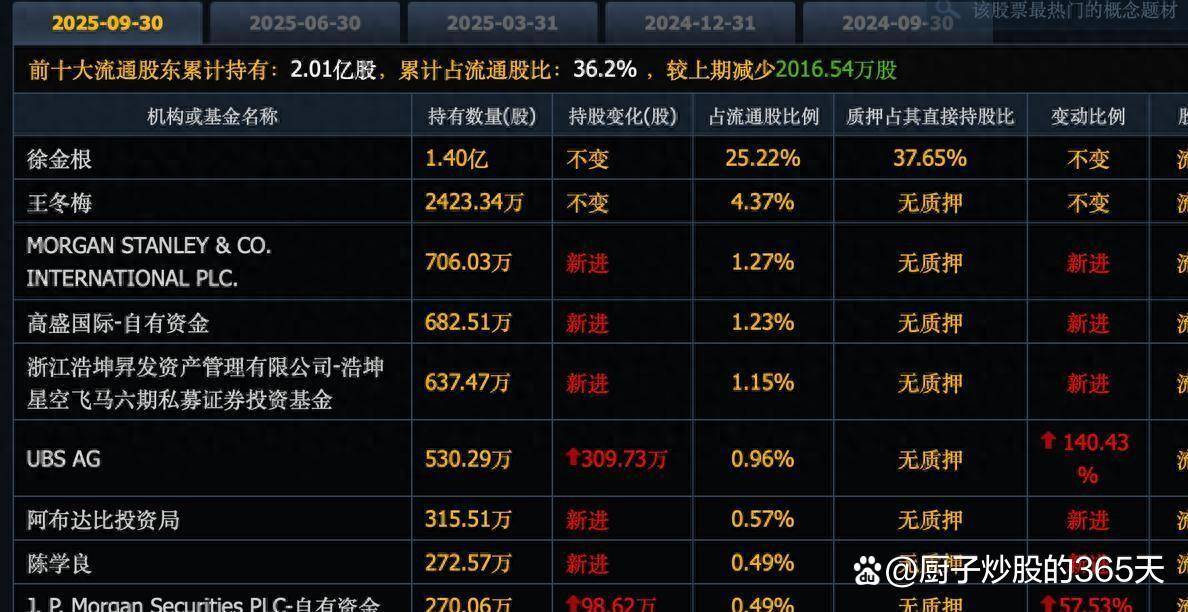
Core Insights - The investment landscape in the energy storage sector is shifting significantly, driven by the dual forces of energy transition and the explosion of AI computing power. This has led to a fundamental change in the investment logic of the energy storage industry [1][4][16]. Group 1: Institutional Holdings - Major foreign institutions such as Goldman Sachs and Morgan Stanley have recently entered the top shareholder lists of several companies, indicating a strong collective interest in the energy storage sector [2][8]. - Goldman Sachs and Morgan Stanley have made significant new investments in companies like Kosen Technology and Highlan, reflecting a trend of foreign capital focusing on key players in the energy storage supply chain [2][8]. Group 2: Policy Changes - A milestone policy was introduced in January 2026, integrating new energy storage into the capacity pricing system, allowing independent storage stations to earn fixed capacity fees, thus transforming the business model of energy storage [4][16]. - This policy change positions energy storage as an independent profit-generating entity rather than merely a cost component associated with renewable energy [4][16]. Group 3: Market Demand - The demand for energy storage is being propelled by the increasing electricity consumption of global data centers, particularly those driven by AI, which is expected to reach 800-1100 TWh by 2026, a significant increase from 2022 [5][6]. - The energy storage industry is projected to see a 62% year-on-year growth in new installations globally, with China expected to reach 250 GWh in new installations, marking a 67% growth [6][16]. Group 4: Company Profiles - Kosen Technology is recognized for its leading solid-state battery packaging technology, which significantly reduces thermal runaway risks and is expected to capture a substantial share of the solid-state battery packaging market [8][12]. - Highlan is a key supplier in the liquid cooling temperature control sector for energy storage, with a market share of approximately 15%, and is positioned to benefit from the shift towards liquid cooling technologies in AI data centers [10][12]. - Hande Electric is involved in both pumped storage and electrochemical energy storage, providing critical components for energy transmission and battery materials [10][12]. - Zhongdian Xinlong focuses on energy storage system integration and liquid cooling solutions, with a strong emphasis on long-duration energy storage technologies [12][16]. - Leshan Electric operates energy storage assets directly, showcasing a stable business model that encompasses the entire lifecycle from investment to operation [12][16]. - Huazi Technology specializes in energy storage system integration and core equipment development, covering various market segments [12][16]. - Changyang Technology is a key supplier of membrane materials for energy storage and power batteries, with a focus on solid-state battery materials [14][16]. - Yangdian Technology provides specialized transformers and energy conversion equipment for energy storage systems, ensuring stable demand regardless of technological changes [14][16]. Group 5: Industry Trends - The energy storage sector is rapidly evolving, with large-capacity battery cells becoming mainstream and the average discharge duration of storage systems increasing from 2.3 hours to 2.58 hours by the end of 2025 [16]. - Liquid cooling technology is replacing traditional air cooling methods, indicating a shift towards more efficient thermal management solutions in energy storage systems [16].


23亿的天价官司,暴露出车企自研电池的「致命隐患」
3 6 Ke· 2026-02-02 12:02
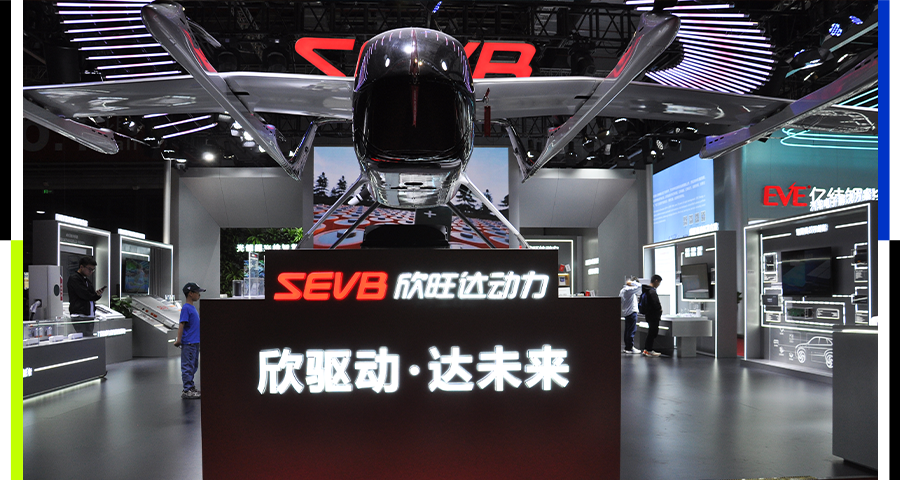
Core Viewpoint - The lawsuit involving a 2.3 billion yuan claim highlights significant quality disputes in the domestic power battery industry, emphasizing the need for automakers to learn from this incident [3][5][22]. Group 1: Lawsuit Details - A lawsuit was filed by Weirui, a subsidiary of Geely Group, against XINWANDA Power, claiming that the battery cells delivered from June 2021 to December 2023 had quality issues, leading to a demand for 2.3 billion yuan in compensation [3][5]. - The core component of the problematic battery pack in the Zeekr 001 WE86 version is the battery cell sourced from XINWANDA, while the pack and BMS were developed in-house by Weirui [4][5]. - XINWANDA argues that Weirui's aggressive charging strategy and "lock battery" operations altered the battery's usage conditions, which they claim are the real causes of the issues [5][6]. Group 2: Financial Implications - If Weirui wins the lawsuit, XINWANDA could face a loss equivalent to approximately two years of its net profit, which was reported as 1.068 billion yuan, 1.076 billion yuan, 1.468 billion yuan, and 386 million yuan for the years 2022 to Q1 2025 [5][6]. - The lawsuit not only poses a financial threat but also risks damaging XINWANDA's brand image, potentially affecting future customer acquisition [6]. Group 3: Industry Implications - The dispute underscores the risks associated with automakers developing their own battery packs while relying on external suppliers for battery cells, as seen with companies like Leap Motor, Li Auto, and Xiaomi [6][15]. - The case illustrates the complexities of determining responsibility for battery pack quality issues, particularly between battery cell manufacturers and BMS developers [7][17]. - The trend of automakers moving towards self-manufactured battery packs is likely to continue, despite the challenges highlighted by this lawsuit [22]. Group 4: Technical Considerations - The core debate in the lawsuit revolves around the responsibility for battery pack quality issues, specifically between the battery cells and the BMS [7][9]. - Variability in battery cell production, including differences in materials and manufacturing processes, can lead to performance discrepancies, complicating quality assurance [8][19]. - The BMS plays a critical role in managing battery performance, and its strategies can significantly impact the longevity and efficiency of the battery pack [10][11]. Group 5: Future Outlook - The ongoing legal proceedings may lead to a settlement, but the complexities of quality disputes in the battery industry will likely prompt more automakers to pursue self-manufactured battery solutions for better control over quality and costs [22].
23亿的天价官司,暴露出车企自研电池的「致命隐患」
36氪· 2026-02-02 09:39
Core Viewpoint - The article discusses a significant quality dispute in the domestic power battery industry, highlighting the lawsuit filed by Weir against XWANDA for 2.3 billion yuan due to battery quality issues, which raises concerns about the implications for automakers who develop their own battery packs [4][6][26]. Group 1: Lawsuit Details - Weir has sued XWANDA for 2.3 billion yuan, claiming that the battery cells supplied by XWANDA from June 2021 to December 2023 had quality issues [4]. - The lawsuit stems from problems with the Zeekr 001 WE86 version, which experienced slow charging and abnormal battery degradation [5][6]. - XWANDA argues that the issues are due to Weir's aggressive charging strategies and modifications to battery usage conditions, not the quality of the cells themselves [6][7]. Group 2: Financial Implications - If Weir wins the lawsuit, XWANDA could face a loss equivalent to approximately two years of net profit, as their projected net profits for 2022 to Q1 2025 are 1.068 billion, 1.076 billion, 1.468 billion, and 386 million yuan respectively [6][7]. - The lawsuit not only poses a financial threat but also risks damaging XWANDA's reputation among customers, potentially affecting future business opportunities [7]. Group 3: Industry Trends - The dispute highlights the risks associated with automakers developing their own battery packs, as seen with companies like Leap Motor, Li Auto, and Xiaomi, which have sought to reduce reliance on major battery suppliers [7][24]. - The trend towards self-manufactured battery packs aims to lower costs and enhance product quality control, but the lawsuit illustrates the complexities and potential liabilities that can arise from this approach [24][26]. Group 4: Technical Considerations - The core issue in the dispute revolves around the responsibility for battery pack quality, specifically the roles of the battery cells and Battery Management System (BMS) [9][15]. - Variability in battery cell production can lead to quality differences, complicating accountability when issues arise [11][27]. - The BMS plays a crucial role in battery performance, and its strategies can significantly impact the longevity and efficiency of the battery pack [15][18]. Group 5: Future Outlook - Despite the challenges highlighted by the lawsuit, the trend towards self-manufactured battery packs is expected to continue as automakers seek greater control over supply chain safety and cost management [35].


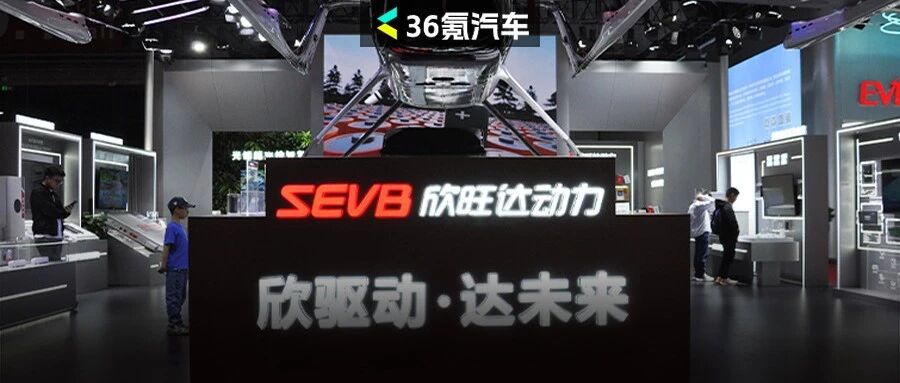
23亿元天价官司,没有吓退车企自制电池包
3 6 Ke· 2026-02-02 09:19
Core Viewpoint - The lawsuit involving a 2.3 billion yuan claim against Xiwanda by Weirui highlights significant quality disputes in the domestic power battery industry, particularly concerning the battery cells supplied by Xiwanda to Weirui for the Zeekr 001 WE86 model, which experienced issues such as slow charging and abnormal battery degradation [1][2][3]. Summary by Sections Legal Dispute - Weirui claims that the quality issues with the battery cells supplied by Xiwanda led to costs for battery replacements and damage to the Zeekr brand image, thus seeking 2.3 billion yuan in compensation [2]. - Xiwanda argues that Weirui's aggressive charging strategy and "lock battery" operations altered the usage conditions of the batteries, which contributed to the problems [2]. Financial Impact - The potential loss of 2.3 billion yuan in compensation could equate to approximately two years of net profit for Xiwanda, which reported net profits of 1.068 billion, 1.076 billion, 1.468 billion, and 386 million yuan from 2022 to Q1 2025 [2]. - The lawsuit has negatively impacted Xiwanda's corporate image among end consumers, leading to a cautious stance from potential clients [2]. Industry Implications - The dispute underscores the risks associated with automakers developing their own battery packs and the complexities of determining responsibility for battery quality issues [3][4]. - The trend of automakers like Leap Motor, Li Auto, and Xiaomi to self-develop battery packs and BMS systems to reduce reliance on major battery suppliers is now facing scrutiny due to this legal case [3][13]. Technical Aspects - The core controversy revolves around the responsibility for battery pack quality issues, specifically between the battery cells and the Battery Management System (BMS) [4]. - Variability in battery cell quality between different production batches can lead to significant performance differences, complicating quality assurance [5][6]. - The design and control of battery cells, particularly in terms of manufacturing consistency, are critical to ensuring performance and longevity [5][6]. Future Trends - Despite the challenges highlighted by the lawsuit, the trend towards self-manufactured battery packs is expected to continue as automakers seek greater control over costs and product quality [19]. - The complexities of determining liability in battery quality disputes may lead to more collaborative approaches between automakers and battery manufacturers to mitigate risks [19].
华塑科技:湖州华塑动力科技有限公司是公司设立的专注于海外工商业储能系统研发、生产及销售的控股孙公司
Zheng Quan Ri Bao Zhi Sheng· 2026-01-29 14:08
Core Viewpoint - Huazhu Technology has established a subsidiary, Huzhou Huazhu Power Technology Co., Ltd., focused on the research, production, and sales of overseas commercial and industrial energy storage systems [1] Group 1: Company Strategy - The company's strategic core is based on battery safety management, aiming to become a significant player in the critical digital infrastructure sector through vertical integration of the industry chain [1] - The product offerings primarily cover data centers and renewable energy generation, providing a one-stop solution from batteries, BMS, UPS to dynamic environment monitoring systems [1] Group 2: Product Offerings - In renewable energy generation systems, the company provides a complete energy storage system for photovoltaic and wind energy generation, including self-developed PCS, BMS, EMS, and integrated energy storage systems [1] Group 3: Business Development - Huzhou Huazhu Power Technology Co., Ltd. is in the early stages of business expansion, and it is not expected to have a significant impact on the company's financial status in the short term [1] - The company acknowledges the uncertainty in related developments and will continue to monitor industry opportunities while steadily advancing its strategic upgrades [1]
公司问答丨芯海科技:我们的传感器信号调理、BMS、ADC等产品可用于机器人的信号采集和能耗管理
Ge Long Hui· 2026-01-20 08:06
Core Viewpoint - The company recognizes the significant opportunities presented by the robotics industry and is actively exploring collaborations in this field [1] Group 1: Company Strategy - The company emphasizes the importance of high-precision sensing and intelligent energy management in robotics, aligning with its "analog + MCU" technology platform [1] - The company has initiated active exploration and collaboration with relevant clients on key applications such as robotic electronic skin and six-dimensional force sensors [1] Group 2: Product Development - The company's products, including sensor signal conditioning, BMS, and ADC, are positioned for use in signal acquisition and energy management for robots, preparing for future market entry [1]

芯海科技:公司高度重视机器人产业带来的新机遇
Zheng Quan Ri Bao Zhi Sheng· 2026-01-19 13:07
Core Viewpoint - The company emphasizes the significant opportunities presented by the robotics industry, aligning with its "analog + MCU" technology platform [1] Group 1: Company Initiatives - The company is actively exploring and collaborating with relevant clients on key applications such as robotic electronic skin and six-dimensional force sensors [1] - The company's products, including sensor signal conditioning, BMS, and ADC, are positioned for use in signal acquisition and energy management for robots, preparing for entry into this cutting-edge market [1]
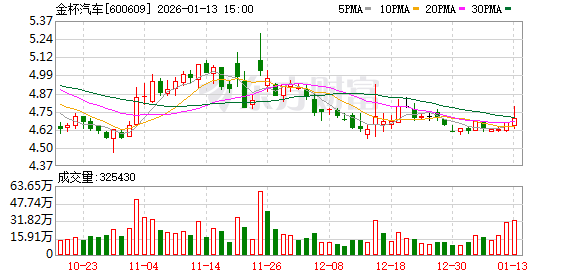
金杯汽车已取得中拓科技52%股权 成为其控股股东
Zheng Quan Shi Bao Wang· 2026-01-13 12:22
Core Viewpoint - The company has successfully acquired a 52% stake in Changchun Zhongtuo Molding Technology Co., Ltd. for a total investment of 158 million RMB, marking a significant step in its growth strategy focused on high-quality development [2][4]. Group 1: Investment Details - The company invested 158 million RMB to acquire 52% of Zhongtuo Technology, which has now increased its registered capital to 85 million RMB, with the company contributing 44.2 million RMB [2]. - The acquisition allows the company to become the controlling shareholder of Zhongtuo Technology, which specializes in automotive parts and has established manufacturing bases in Changchun, Chengdu, and Tianjin [2]. Group 2: Business Operations - Zhongtuo Technology is a high-tech enterprise engaged in the research, production, and sales of automotive components, supplying major clients such as Hongqi, Volkswagen/Audi, BMW, Toyota, and others [2]. - The company’s main business includes designing, producing, and selling automotive parts, with significant products like interior components and seats primarily supplied to Brilliance BMW [3]. Group 3: Strategic Implications - The transaction aligns with the company's growth strategy centered on "new" initiatives, enhancing its presence in the lightweight automotive parts sector and diversifying its customer base [4]. - Following the acquisition, Zhongtuo Technology will not have any equity pledges or external guarantees, allowing it to be fully integrated into the company's consolidated financial statements [4].