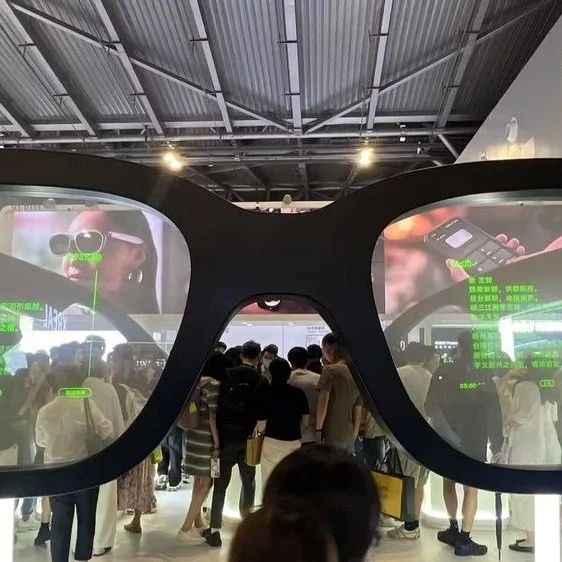
Halliday Glasses

Search documents
投资人今年用40亿元给AI智能眼镜加热,有公司一年拿下3轮融资
3 6 Ke· 2025-12-04 10:57
Group 1 - The VR headset market is declining while the smart glasses sector is experiencing a resurgence, particularly with major companies entering the space, attracting significant attention [1][3] - Alibaba has launched the Quark AI glasses S1, integrating advanced AI capabilities such as real-time translation and payment, marking its entry into the consumer wearable device market [1] - Li Auto has introduced its first Livis AI glasses, which can control various functions of its vehicles through voice commands, showcasing the integration of smart glasses with automotive technology [1] Group 2 - The smart glasses industry has evolved significantly, enhanced by AI, resulting in lighter designs and a broader range of applications, positioning AI glasses as a potential new entry point for consumer engagement [3][8] - Major tech giants like Meta, Google, and Apple are focusing on AI/AR glasses, indicating the strategic importance of this technology in the AI era [3] - The investment landscape for AI smart glasses has become active, with over 4 billion yuan invested in the sector this year, highlighting opportunities for startups due to the maturity of the supply chain and AI model integration [4][5] Group 3 - In 2025, the smart glasses sector recorded 36 financing events totaling approximately 4.367 billion yuan, involving 26 startups across various industry segments [5] - The distribution of financing rounds shows that early-stage investments (pre-A rounds) and later-stage investments (B rounds and beyond) each account for 40%, indicating ongoing innovation and market validation [7][8] - The geographical distribution of companies shows that Guangdong (mainly Shenzhen) and Beijing dominate, reflecting manufacturing advantages and R&D clusters, with many companies also targeting international markets [10] Group 4 - Thunderbird Innovation has emerged as a leader in the consumer AR glasses market, completing three rounds of financing in one year, with a total amount exceeding several hundred million yuan [11][13] - INMO has raised over 150 million yuan in recent financing rounds, focusing on creating an AI+AR content ecosystem with its INMO Go3 AI glasses [14] - Gyges Labs has developed innovative secret display technology and completed a Pre-A+ round of financing, with its first product expected to launch next year [17] Group 5 - Light Particle Technology has secured B round financing and focuses on AR smart swimming goggles, successfully entering international markets [20] - Liangliang Vision has transitioned from enterprise services to consumer markets, launching a new translation glasses product with high accuracy in noisy environments [21][24] - Micro Light Electronics has adopted a modular approach to AR smart glasses, allowing users to utilize AR without needing additional prescription glasses [24] Group 6 - The smart glasses sector is expected to see new technological validations in 2025, leading to consumer product innovations, with a projected maturation phase from 2026 to 2030 [28] - The integration of AR and AI is becoming a trend, with new functionalities like translation and health monitoring emerging as key selling points [28] - Chinese local companies with a global perspective are better positioned to capitalize on overseas markets, supported by established supply chains [29]


Gyges Labs获新一轮融资:首款产品创AI眼镜众筹最高纪录,即将发布智能戒指
IPO早知道· 2025-11-24 07:19
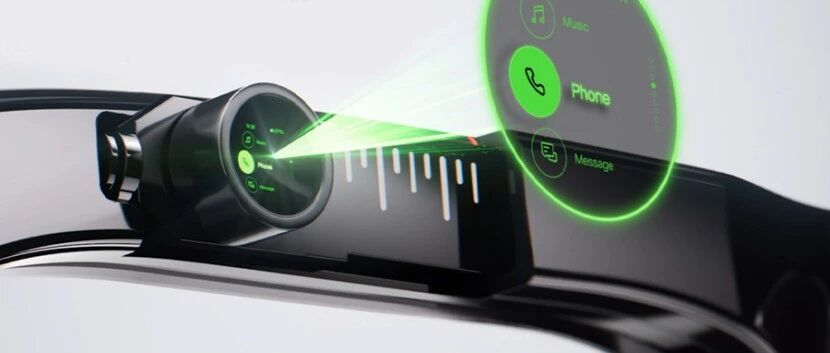
Core Viewpoint - Gyges Labs focuses on developing "superhuman gear" through AI wearable products, with plans to launch new products starting in early 2026, following a recent Pre-A+ funding round [2]. Group 1: Company Overview - Gyges Labs has completed a Pre-A+ funding round led by Granite Asia and璀璨资本, aimed at expanding its AI wearable product line [2]. - The company integrates AI technology into various wearable devices, emphasizing the unique value of continuous user interaction compared to traditional portable devices [2]. - The founding team comprises members from prestigious universities and companies, including Stanford, UCLA, Apple, and Google, showcasing a blend of technical expertise and entrepreneurial experience [4]. Group 2: Product Development - Gyges Labs' first product, Halliday Glasses, achieved over $3.3 million in crowdfunding within 45 days, setting a record for AI glasses [6]. - The Halliday Glasses utilize the Digiwindow display technology, which is the smallest near-eye display solution globally, measuring only 2mm x 2mm x 2mm [8]. - The glasses are designed to be lightweight (28 grams) and energy-efficient, with a unique optical design that enhances performance while being compatible with various vision prescriptions [8]. Group 3: Market Positioning - Gyges Labs aims to create products that seamlessly integrate into daily life, prioritizing user-friendly designs that do not compromise on functionality [10]. - The company plans to explore the B2B market, focusing on applications that enhance productivity without disturbing others, such as in corporate communication [16]. - Gyges Labs intends to differentiate itself in the market by emphasizing unique product features rather than competing solely on price [15].
中国无人机厂商亮相迪拜航展;易点天下与阿里云达成AI漫剧出海框架合作协议|36氪出海·要闻回顾
36氪· 2025-11-23 15:41
Core Insights - The article highlights the increasing international presence of Chinese companies in various sectors, particularly in drone technology, electric vehicles, AI, and 3D printing, showcasing significant partnerships and market expansions. Group 1: Drone Technology - Chinese drone manufacturers showcased their products at the Dubai Airshow, with companies like United Aircraft Group demonstrating delivery drones capable of carrying 5 kg and adapting to high-temperature environments [4] - EHang completed the first urban air mobility flight in Qatar, reducing travel time from 30 minutes to 8 minutes, marking a significant milestone for eVTOL technology in the Middle East [4] Group 2: AI and Digital Solutions - Epoint and Alibaba Cloud announced a framework cooperation agreement for AI comic series, aiming to create a comprehensive solution for overseas expansion in this emerging market [4] - Alibaba International Station launched AI Mode to automate cross-border e-commerce procurement processes for SMEs, enhancing decision-making and operational efficiency [5][6] Group 3: Electric Vehicles - Didi's 99 platform in Brazil expanded its electric vehicle services to five major cities, with over 30,000 electric and hybrid vehicles registered, significantly reducing carbon emissions [7] - NIO's Firefly right-hand drive model began mass production, with the first batch set for Singapore, indicating rapid global market penetration [8] Group 4: Market Expansion and Financing - Blue Dot Touch completed over 100 million C-round financing to enhance global market expansion, focusing on robotics sensor hardware [10] - Elegoo announced a strategic financing round, with a global shipment exceeding one million units, indicating strong growth in the 3D printing market [11] Group 5: Emerging Markets - Southeast Asia, Africa, and the Middle East are identified as key growth markets for Chinese companies over the next three years, with optimism in sectors like construction, healthcare, and IT [13] - China has become the largest trading partner in the Gulf region, surpassing the combined trade of the US, UK, and Eurozone, with trade expected to grow significantly by 2028 [13]

中国公司全球化周报|中国无人机厂商亮相迪拜航展/易点天下与阿里云达成AI漫剧出海框架合作协议
3 6 Ke· 2025-11-23 07:31
Group 1: Industry Developments - Chinese drone manufacturers showcased their products at the Dubai Airshow, with the United Aircraft Group demonstrating a delivery drone capable of carrying 5 kg, and another company, Rongqi Intelligent, exhibiting a dual-rotor drone with a maximum payload of 300 kg [3] - EHang completed the first urban air passenger flight in the Middle East with its EH216-S drone in Doha, reducing travel time from 30 minutes to 8 minutes [3] - Alibaba International Station launched AI Mode to automate cross-border e-commerce procurement processes for global SMEs, enhancing decision-making and operational efficiency [4] - Tencent's Hunyuan 3D model is set to launch internationally, with over 30 new models released in the past year, indicating a strong push for global expansion [4] Group 2: Company Expansions - WeRide received Switzerland's first pure unmanned Robotaxi license, allowing operations in Zurich, and plans to launch services to the public in mid-2026 [5] - NIO's Firefly right-hand drive model has officially entered mass production, with the first batch being shipped to Singapore [6] - GAC Group launched its operations in Australia, marking a significant step in its global strategy [6] Group 3: Investment and Financing - BlueDot Touch completed over 100 million RMB in Series C financing, aimed at expanding global market reach and enhancing production capabilities [7] - Elegoo announced a new round of strategic financing, with a cumulative shipment of over 1 million units of its consumer-grade 3D printers and laser engravers [7] - Gyges Labs launched the world's first invisible display AI glasses, funded by a recent financing round, targeting international markets [7] Group 4: Market Trends - Southeast Asia, Africa, and the Middle East are identified as key growth markets for Chinese companies in the next three years, particularly in construction, healthcare, and IT sectors [8] - China has become the largest trading partner in the Gulf region, with trade expected to reach 375 billion USD by 2028, surpassing Western economies [8]

朱啸虎投的第一个AI硬件公司,又完成一轮融资
3 6 Ke· 2025-11-20 01:12
Core Insights - Gyges Labs has successfully completed a Pre A+ funding round, attracting investment from Granite Asia and璀璨资本, following a record-breaking crowdfunding of nearly $4 million for their AI glasses at CES 2025 [1][3] - The company emphasizes a "Glass First" philosophy, focusing on creating a wearable that is primarily a pair of glasses, rather than a tech gadget [6][10] - Gyges Labs aims to differentiate itself in the crowded AI hardware market by prioritizing a discreet design that integrates seamlessly into daily life, avoiding the bulkiness and overt "smart" features of existing smart glasses [8][12] Company Background - Gyges Labs was founded by a team with strong credentials, including CEO 贾捷阳, who has a PhD from Stanford and experience in Silicon Valley startups, and CTO 吕正, who contributed to the development of Apple's Vision Pro [3] - The company has previously secured a Pre-A funding round in November 2024, led by 金沙江创投, with participation from notable investors [3] Product Features - The AI glasses utilize a proprietary technology called DigiWindow, which is claimed to be the world's smallest near-eye display system, allowing for a lightweight design of approximately 35 grams [10] - The design places the display module in the bridge of the glasses, enabling direct retinal imaging and maintaining a low profile that resembles ordinary eyewear [10][12] - Gyges Labs has opted for a minimalist approach in functionality, foregoing features like cameras to enhance user experience and daily usability [14][15] AI Capabilities - The AI functionality includes real-time translation, meeting summaries, and proactive knowledge assistance, designed to integrate smoothly into social interactions without causing awkwardness [16] - The AI can also provide corrections in conversations, enhancing the user's ability to engage in discussions without the need for external queries [16] Future Vision - Gyges Labs positions itself not just as an "AI glasses company," but as an "AI wearable company," with ambitions to create a distributed system for interaction and computation across various devices [17][20] - The company plans to launch a smart ring as its next product, aiming to expand its AI capabilities into multiple wearable formats [20]

朱啸虎投的第一个AI硬件公司,又完成一轮融资
量子位· 2025-11-20 00:30
Core Insights - Gyges Labs has successfully completed a Pre A+ funding round, attracting investment from Granite Asia and璀璨资本, following a previous Pre-A round led by金沙江创投 [2][4] - The company aims to create AI glasses that prioritize everyday wearability, emphasizing a "Glass First" philosophy, which contrasts with the trend of bulky, feature-heavy smart glasses [6][7][10] - Gyges Labs' innovative display technology, DigiWindow, allows for a lightweight design (35 grams) and discreet information display, enhancing user experience without compromising on aesthetics [11][14][15] Funding and Company Background - Gyges Labs raised significant capital in its Pre A+ round, building on a previous multi-million RMB Pre-A round [2][4] - The leadership team includes experienced professionals from Silicon Valley and major tech companies, enhancing the company's credibility and innovation potential [4] Product Philosophy and Design - The company focuses on minimalism in design, opting for a lightweight and unobtrusive product that can be worn daily without drawing attention [10][14] - The absence of a camera in the AI glasses reflects a strategic choice to avoid issues related to privacy, battery life, and usability [19][21][22] AI Functionality and User Experience - Gyges Labs emphasizes "active AI" capabilities, such as real-time translation and contextual information display, which aim to integrate seamlessly into users' daily lives [26][27] - The design philosophy prioritizes user comfort and social acceptance, avoiding features that could lead to awkward situations in social settings [27] Future Vision and Product Development - Gyges Labs envisions a broader ecosystem of wearable devices, with plans to introduce a smart ring in 2026, expanding its AI capabilities beyond glasses [33][35] - The company's ultimate goal is to empower users through various wearable technologies, enhancing their capabilities and experiences [35]

全球首款可全天候佩戴的隐形显示AI眼镜,Gyges Labs完成新一轮融资|硬氪首发
3 6 Ke· 2025-11-19 01:29
Core Insights - Gyges Labs, an AI wearable technology company, has completed a new round of financing to support product development and supply chain investments [1] - The company aims to create innovative smart wearable devices that combine technological breakthroughs with practical applications [1][3] - Gyges Labs is set to launch its first product, Halliday Glasses, in January 2025, which will be the world's first AI glasses with hidden display capabilities [1][3] Company Overview - Founded in 2022, Gyges Labs is headquartered in Singapore, with its software and AI team based in Silicon Valley, leveraging China's supply chain advantages [1] - The founding team consists of members from prestigious universities and companies, including Stanford, UCLA, and Tsinghua, with significant experience in the tech industry [1][3] - The company employs a workforce where 80% are research and development personnel [1] Product Features - Halliday Glasses utilize the proprietary DigiWindow technology, which projects content directly onto the retina, making it invisible to others [3] - The glasses weigh only 28 grams, have a battery life of up to 12 hours, and support vision correction from +800 to -800 degrees [3] - The product aims to address the challenge of all-day wearability in smart glasses, appearing indistinguishable from regular eyewear [3] Future Development - Gyges Labs plans to continue enhancing its optical and AI capabilities while exploring additional wearable device forms beyond glasses, including standalone rings [4] - The company aims to meet diverse daily needs of users by gradually launching various smart wearable products starting in 2026 [4] Investment Perspective - Investors view Gyges Labs as a key player in the consumer technology space, capitalizing on the trend of edge AI as the next major entry point in consumer tech [5] - The company's focus on integrating AI into everyday scenarios is seen as a significant advantage, positioning it well for future growth in human-computer interaction [5]

用AI眼镜移动支付、玩黑神话?听听试过的用户怎么说
Guan Cha Zhe Wang· 2025-07-30 00:47
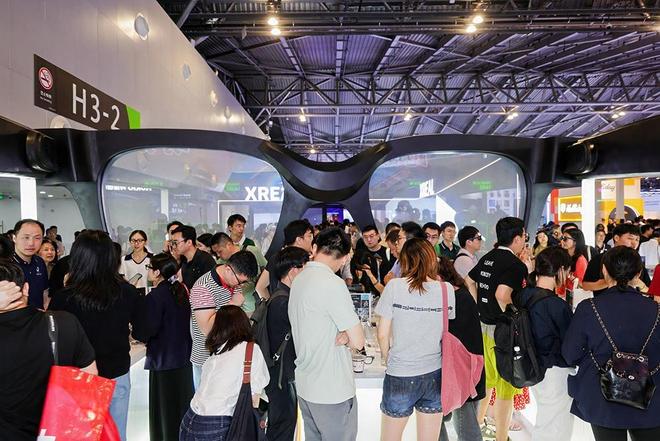
Core Viewpoint - The World Artificial Intelligence Conference (WAIC) showcased a variety of AI glasses from leading companies, highlighting the growing market for smart wearable devices and their innovative features [1][3]. Group 1: Rokid Glasses - Rokid introduced the Rokid Glasses, a lightweight AI+AR smart glasses weighing 49g, featuring AR display, AI visual recognition, and voice interaction for a seamless user experience [3][5]. - The AR display utilizes advanced diffraction waveguide imaging technology to project clear virtual interfaces onto transparent lenses, enabling tasks like object recognition, AI Q&A, real-time translation, and navigation [5][6]. - The glasses also feature a mobile payment function, allowing users to complete transactions using voice commands, making it the world's first smart glasses capable of payment [8][6]. Group 2: Halliday Glasses - Halliday launched its first invisible display smart glasses, Halliday Glasses, which support prescription lenses and utilize a technology called DigiWindow to project images directly onto the retina [9][10]. - The glasses weigh only 28.5g and offer a battery life of up to 12 hours, focusing on information display rather than additional features like cameras [10][13]. - The domestic launch price is set at 2499 yuan, with pre-sales starting in mainland China [10][13]. Group 3: Li Weike Technology - Li Weike showcased three new models of smart glasses, emphasizing lightweight design with the City series starting at 999 yuan and weighing only 23g [15][17]. - The glasses feature AI capabilities such as real-time translation supporting nearly 180 languages and AI note-taking for business users [17][18]. - The company aims to integrate AI deeply into the glasses' functionality, prioritizing AI over hardware in their development strategy [18]. Group 4: XREAL - XREAL presented its flagship AI glasses, XREAL One Pro, which features a wide field of view and high-resolution display, targeting immersive experiences in gaming and entertainment [19][22]. - The glasses utilize self-developed technologies to enhance visual quality and reduce latency, making them suitable for applications like gaming and cinema [22][25]. - The starting price for XREAL One Pro is 4299 yuan, and it supports various AR applications for real-time recognition and interaction [25][22]. Group 5: User Feedback - Users expressed mixed feelings about the functionality of the AI glasses, with some appreciating the convenience of features like real-time translation and voice payment, while others noted areas for improvement [26][27]. - Concerns were raised about the practicality of using the glasses in everyday situations, particularly regarding the need for multiple devices for effective communication [29][30]. - The high price point of these products was a common concern among potential buyers, impacting their willingness to purchase [31][30].
重构人机交互新生态,“AI+硬件”破壁日常生活圈
Xin Hua Ri Bao· 2025-07-29 23:27
Group 1: AI Hardware Trends - The integration of AI technology into daily life is accelerating, with consumer-grade AI hardware emerging as the first carriers of this integration [1] - Various companies are launching diverse smart hardware products, including smart glasses, AI toys, and smart office devices, targeting specific verticals like elderly care and emotional companionship [1] Group 2: Smart Glasses Market - Smart glasses have become a focal point at the World Artificial Intelligence Conference (WAIC), with brands like XREAL showcasing their flagship product, XREAL One Pro, which features a wide field of view and low latency [2][3] - Other notable players include Rokid, which introduced Rokid Glasses with a teleprompter function, and Halliday, which launched Halliday Glasses that support prescription lenses and offer long battery life [3] Group 3: AI Companion Products - AI companion products are evolving beyond traditional toys, with offerings like the Fuzozo robot from SenseTime, which features realistic digital avatars and enhanced interaction capabilities [4] - Looi, a desktop robot, allows users to engage with it through emotional recognition and interactive games, while also providing development tools for customization [5] Group 4: Focus on Office and Education - AI hardware is increasingly being applied in office and educational settings, with companies like Outermost introducing products like TicNote, which combines hardware and software for various practical applications [6] - NetEase Youdao showcased the AI-powered learning tool SpaceOne, designed to enhance students' problem-solving skills and reduce dependency on standard answers [6] Group 5: Industry Challenges - Despite the excitement surrounding AI hardware, challenges remain, such as limitations in computational power and energy consumption, which hinder the full potential of AI functionalities [7] - The industry faces the core challenge of promoting deep integration between AI technology and hardware to create next-generation smart devices with continuous evolution capabilities [7]
百镜大战,终于不再乱打了
虎嗅APP· 2025-07-29 09:23
Core Viewpoint - The article discusses the current state and future prospects of the AI and AR glasses industry, highlighting the mixed consumer reactions and the competitive landscape shaped by major tech companies entering the market [5][15]. Group 1: Industry Trends - The AI glasses market is experiencing a surge in interest, particularly during events like the World Artificial Intelligence Conference (WAIC), where products are available for hands-on experience [3]. - There is a notable emotional divide among consumers regarding AI glasses, with some expressing disappointment and others being pleasantly surprised by the technology [5][7]. - The industry is expected to face a challenge in aligning hardware capabilities with software advancements over the next decade, as consumer expectations evolve [7]. Group 2: Product Development - The success of Ray-Ban Meta glasses has significantly influenced the development of AI glasses, with a reported global shipment of 1.5 million units, setting a benchmark for other manufacturers [8]. - Many new AI glasses products lack logical positioning, with some focusing excessively on features like photography without a clear integration with social media platforms [9]. - Companies are beginning to refine their product positioning, with some like Halliday focusing on display capabilities rather than traditional features [10][12]. Group 3: Major Players and Competition - Xiaomi and Alibaba have recently entered the AI glasses market, showcasing the competitive pressure on smaller startups [16][18]. - Alibaba's Quark AI glasses are expected to leverage the company's extensive software ecosystem, offering features like real-time translation and integration with various services [18]. - The industry is likely to see a convergence of hardware specifications and core functionalities, leading to a more stratified competitive landscape where smaller firms focus on niche markets while larger companies dominate the mainstream [18].