Magic8 Pro Air

Search documents
2026,手机业进入轻资产生存时代
Feng Huang Wang· 2026-01-30 07:59
Core Insights - The smartphone market is entering a phase of intense competition, with the youngest player, Honor, showing potential for growth amidst a challenging environment [1][21] - The Chinese smartphone market is characterized by a fragile balance among the top six players, with market shares fluctuating around 15% [2][4] Market Dynamics - The competition is becoming increasingly fierce, with every percentage point of market share requiring significant resource investment [4] - Honor's global smartphone shipments are projected to exceed 71 million units in 2025, marking a 9% year-on-year growth [4][9] Competitive Positioning - Honor, as the youngest and only single-brand player among the top six, demonstrates unique resilience in a competitive landscape [5] - The company is avoiding the pitfalls of heavy asset models by maintaining a lean organizational structure and flexible channel strategies, allowing for greater financial agility [6][12] Strategic Focus - Honor is strategically positioned in the mid-to-high-end market segment, focusing on the $300-$499 price range to avoid price wars in the sub-$200 category [9] - The brand is actively pursuing high-end market opportunities, evidenced by successful product launches like the Magic8 Pro Air and the RSR Porsche Design model [11] Global Expansion - Honor's overseas market share is set to surpass 50% in 2025, with significant growth in Latin America and the Middle East and Africa [9][14] - The company is transitioning from a broad market approach to a more focused strategy, emphasizing key regions and building a structured growth framework [14][20] Leadership and Strategy - Under the leadership of CEO Li Jian, Honor has implemented a clear strategy focusing on youthfulness, high-end positioning, and globalization [21] - The company has successfully restructured its competitive capabilities, positioning itself as a significant player in the global market within five years of independence [21]

2026年成eSIM「爆发元年」:iPhone Air降价,联通强推,手机厂商集体入局
3 6 Ke· 2026-01-30 03:26
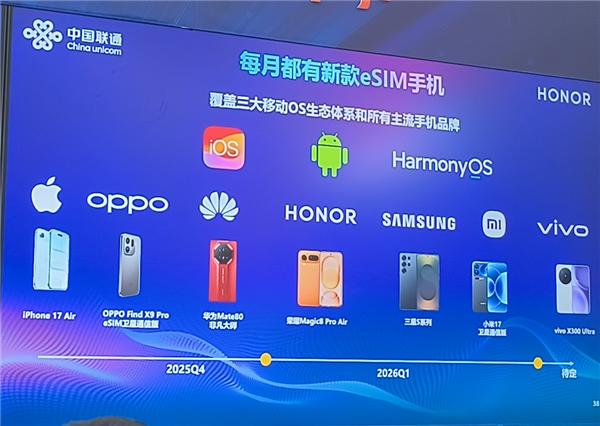
Core Insights - Apple unexpectedly announced a price drop for the iPhone Air, with the 256GB version reduced from 7999 yuan to 5499 yuan after discounts, leading to a rapid sell-out and delayed shipping dates [1] - The iPhone Air's sales were below expectations, with only around 200,000 activations, significantly lower than other models in the iPhone 17 series, primarily due to consumer resistance to eSIM technology [1] Group 1: eSIM Market Dynamics - China Unicom announced plans to launch at least one new eSIM-supported device each month in 2026, indicating a significant push for eSIM adoption [3][4] - The eSIM technology is expected to see a surge in user numbers in 2026, driven by the simultaneous readiness of key industry players, including manufacturers and carriers [6][10] - The first batch of eSIM-supported devices confirmed for release includes models from major brands like Samsung, Xiaomi, and Vivo, highlighting a collective industry shift towards eSIM [4][6] Group 2: Industry Challenges and Opportunities - The transition to eSIM is not merely a technical upgrade but involves significant changes in device design and user experience, which has made manufacturers cautious in the past [7] - The current competitive landscape among carriers is shifting, as traditional user acquisition strategies become less effective due to market saturation, making eSIM a potential new battleground for growth [10][13] - eSIM technology allows for more flexible device designs and reduces the risk of SIM card theft, which could enhance user convenience and attract tech-savvy consumers [12][13] Group 3: Future Outlook - The year 2026 is positioned as a turning point for the mobile communication market, with eSIM transitioning from a niche feature to a standard requirement in new devices [15] - The successful implementation of eSIM services will depend on how well carriers and manufacturers can streamline the user experience and support services [15]


为“简单”买单,iPhone 4S爆火背后
Jing Ji Guan Cha Wang· 2026-01-27 03:34
Core Insights - The resurgence of the iPhone 4S, originally released 15 years ago, has captured significant market attention, particularly on the Pinduoduo platform, where it sold over 3,000 units in 30 days and had a group purchase volume exceeding 28,000 [1][2] Group 1: Market Dynamics - The iPhone 4S is experiencing a revival due to its nostalgic value among younger consumers, particularly those born in the 90s and 00s, who associate it with their first experiences with Apple products [1][2] - The device's low price point, with second-hand units available for as low as 45 yuan, makes it an attractive option compared to newer models that can exceed 10,000 yuan [2] - Market research indicates that the iPhone 4S's popularity is driven by its retro appeal and the inclusion of pre-installed classic games, catering to consumers' nostalgia [1][2] Group 2: Consumer Behavior - For Generation Z, purchasing the iPhone 4S serves as an emotional connection to a simpler time, allowing them to escape the complexities of modern technology [3] - The trend of retro products is supported by social media platforms, where consumers are increasingly drawn to older digital devices, reflecting a broader cultural shift towards valuing "imperfection" in technology [3][4] - The iPhone 4S is also seen as a practical choice for parents looking for a simple device for their children, as well as for users seeking to repurpose it for specific functions like a music player or smart home remote [3] Group 3: Industry Trends - The revival of the iPhone 4S is part of a larger trend that began in 2025, where tech companies are recognizing the demand for retro elements combined with modern technology [5] - Other brands, such as OPPO and vivo, have started to incorporate retro features into their new models, indicating a shift in consumer preferences towards simpler, nostalgic designs [5] - The resurgence of older models like the Nokia 808 and Canon IXUS130 highlights a market segment that values simplicity and nostalgia over advanced specifications and algorithms [5]
上市仅3个月 苹果iPhone Air降价2000元促销
Zheng Quan Ri Bao· 2026-01-25 16:50
Group 1 - Apple has launched a significant New Year promotion, with the iPhone Air's price dropping by 2000 yuan, making the final price as low as 5499 yuan, a discount of over 30% from the original price of 7999 yuan [1] - Other Apple products are also seeing discounts, including up to 300 yuan off the iPhone 17 Pro and 17 Pro Max, 1200 yuan off the MacBook Air, and 1000 yuan off the iPad Air [1] - The substantial price cut for the iPhone Air is unprecedented for a newly released model, indicating a shift in Apple's pricing strategy [1] Group 2 - The underperformance in sales of the iPhone Air, reaching only about one-third of Apple's highest expectations, has led to a reduction in its production plan by half [2] - Analysts note that the iPhone Air's pricing is too close to the iPhone Pro series while offering lower specifications, contributing to its poor market performance [2] - The late release of the iPhone Air and its balance between thinness and functionality have negatively impacted its market reception, although it remains significant for Apple's exploration of ultra-thin designs [2] Group 3 - Domestic brands like Honor, Lenovo, Huawei, Xiaomi, and Glory are rapidly expanding in the smartphone market, with Honor recently launching the Magic8 Pro Air, which is lighter than the iPhone Air [3] - In 2025, Apple held a 16.2% market share in China, while Huawei led with 16.4%, indicating a decline in Apple's market position [3] - Apple's revenue in the Greater China region has shown a decline, with a 3.6% drop year-on-year in Q4 of fiscal year 2025, and a total revenue of 64.377 billion USD for the fiscal year, down 3.8% [3] Group 4 - The current New Year promotion, particularly the significant price cut for the iPhone Air, is seen as a desperate measure to address market challenges amid rising competition from domestic brands [4] - The ability of Apple to adjust its strategy and regain market share in the face of increasing competition remains uncertain [4]
轻薄之“身”,荣耀“亲近”年轻人
Shen Zhen Shang Bao· 2026-01-22 22:44
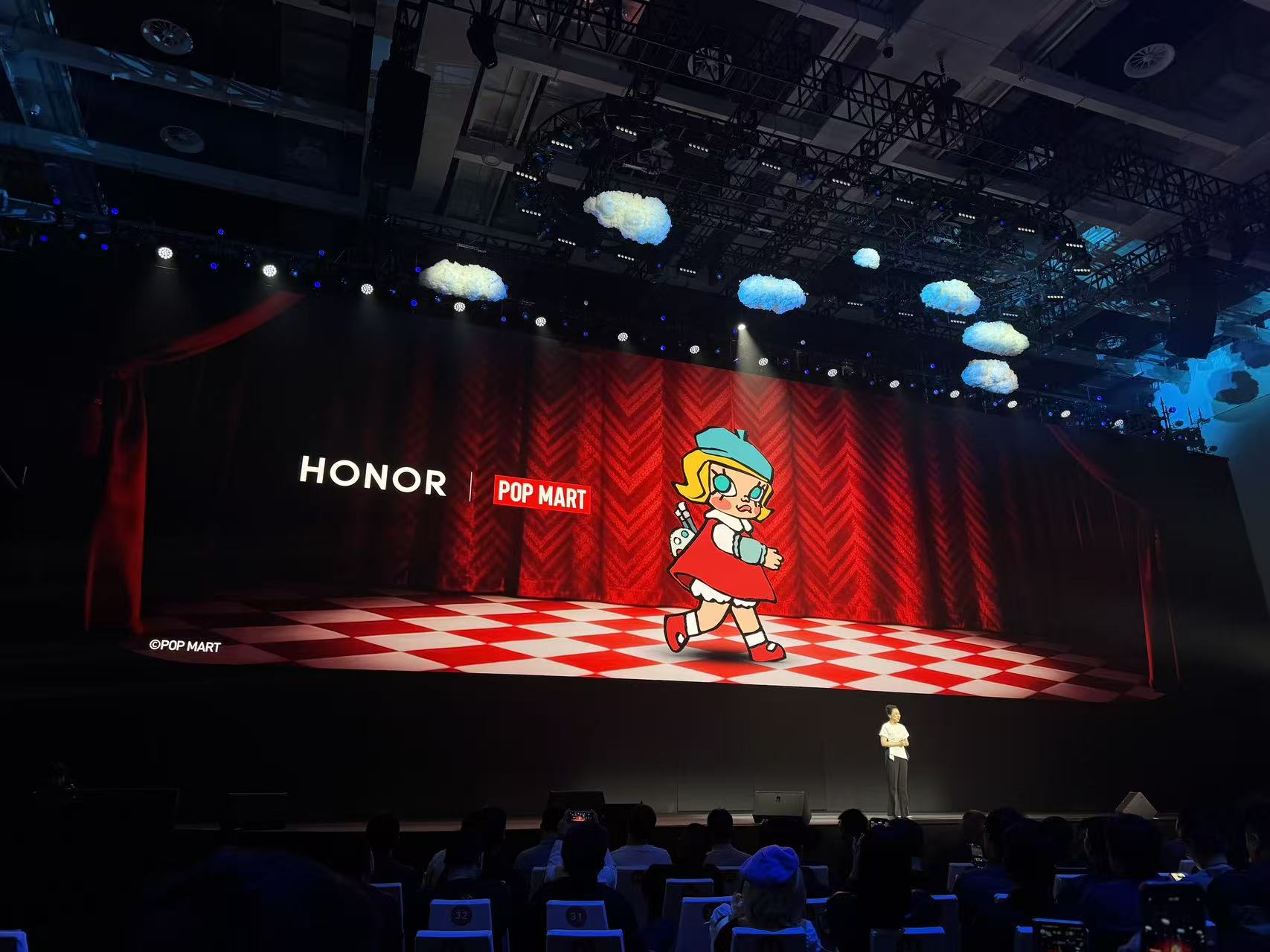
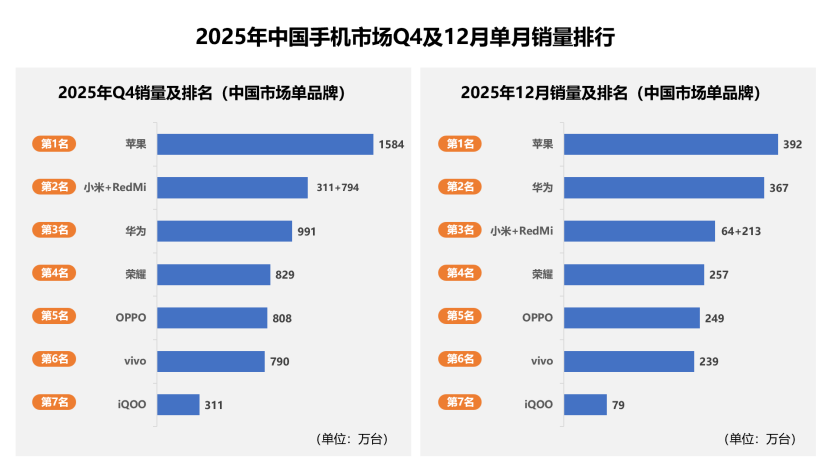
Core Viewpoint - The smartphone industry is facing increasing external pressures, leading to price hikes across various models, including the newly launched Honor Magic8 Pro Air, which targets the young consumer demographic [1][2]. Group 1: Product Launches and Features - Honor has introduced the Magic8 Pro Air, weighing 155 grams and measuring 6.1mm thick, making it the lightest flagship smartphone of the year [1]. - The Magic8 Pro Air features a MediaTek Dimensity 9500 processor and a rear camera setup that includes a 64MP periscope lens, while competing models like Huawei's Mate70 Air and Apple's iPhone Air have different specifications [3]. - Honor also launched a limited edition "Honor 500 Pro MOLLY 20th Anniversary" phone in collaboration with the trendy brand Pop Mart, aiming to resonate emotionally with younger consumers [1][5]. Group 2: Market Trends and Pricing - The smartphone market is experiencing a price increase due to rising storage chip costs, with DDR5 memory prices up over 300% since September 2025 [2]. - Honor's new models, including the Magic8 Pro Air, have starting prices above 4000 yuan, with the Magic8 Pro Air priced at 4999 yuan (12GB+256GB) [3]. - Despite the price hikes, Honor's strategy appears to be focused on appealing to younger consumers and creating a broader ecosystem beyond just smartphones [5][6]. Group 3: Industry Performance and Competition - The Chinese smartphone market saw a 1.6% year-on-year decline in shipments in Q4 2025, with Honor holding a 13.4% market share, ranking sixth [4]. - Apple's iPhone Air has struggled in the market, with initial activation numbers significantly lower than previous models, indicating a cooling demand for lightweight smartphones [5]. - The overall smartphone industry is entering a phase of low growth, with companies like Honor adapting their strategies to seek structural growth opportunities within a stagnant market [6].
存储等核心元器件成本上涨 手机行业竞争格局重构
Mei Ri Jing Ji Xin Wen· 2026-01-22 15:28
Core Insights - Honor has launched three new smartphone models targeting different consumer segments, indicating a strategic shift to attract younger and female users under new management [1] - The global smartphone market is facing dual pressures from rising component costs and limited domestic market growth, necessitating a search for new growth opportunities [1] - Omdia predicts that by 2026, the smartphone market will enter a new phase dominated by "cost pressure" and "value creation," with a clear trend of market differentiation [2] Industry Overview - The global smartphone shipment is expected to reach 1.26 billion units in 2025, with a year-on-year growth of 1.9%, primarily driven by mid-to-high-end models [3] - Apple and Samsung are projected to be the strongest performers among the top five smartphone manufacturers, with growth rates of 6.3% and 7.9% respectively, increasing their combined market share to 39% [3] - Other manufacturers like Xiaomi and OPPO are experiencing market share declines, with Xiaomi's shipments dropping significantly in Q4 2025 due to competitive pressures and a shift towards high-end products [3] Market Dynamics - The entry-level smartphone segment, once a stronghold for Chinese manufacturers in overseas markets, is now under pressure due to rising component costs, prompting a shift towards the mid-to-high-end market [4] - Honor's overseas smartphone shipments grew by approximately 55% in the first three quarters of 2025, with Europe being a key market for its high-end strategy [4] - OPPO's shipments of mid-to-high-end smartphones increased from 2.7 million units in Q2 2024 to 4 million units in Q2 2025, reflecting a similar strategic shift [5] Supply Chain Challenges - Rising prices of core components, particularly storage, are significantly impacting the smartphone market, with Omdia highlighting this as a key variable for 2026 [7] - The supply of LPDDR4 and LPDDR5 memory is constrained, leading to intense competition among manufacturers to manage costs and secure supply [7] - The price of DRAM and NAND memory surged by 386% and 207% respectively in 2025, with further increases expected in early 2026 [8] Strategic Adjustments - Manufacturers are adjusting their product strategies in response to rising costs, with many shifting focus from entry-level to mid-range products to maintain profitability [4][9] - The industry is expected to face challenges in maintaining healthy inventory levels, with a recommended storage inventory of 8 to 10 weeks [9]
中国手机厂商开始反击三星苹果们
21世纪经济报道· 2026-01-21 06:27
Core Viewpoint - The global smartphone market is expected to grow, with shipments reaching 1.26 billion units in 2025, reflecting a year-on-year increase of 1.9%. Despite this recovery, the industry faces long-term challenges [1]. Group 1: Market Dynamics - Chinese smartphone manufacturers have established a significant presence in the global market, capturing approximately 60% of global shipments, with brands like OPPO, vivo, Xiaomi, and Honor leading the charge [1]. - Honor has experienced rapid growth, with a reported 55% year-on-year increase in overseas smartphone shipments from Q1 to Q3 of 2025, marking it as the fastest-growing brand among the top ten global smartphone manufacturers [1][4]. Group 2: Strategic Approaches - Chinese companies are adopting two core strategies for international expansion: comprehensive AI integration and high-end branding. This includes a "Glocal" strategy, which combines global thinking with local action [4]. - Honor's international business has undergone a structural transformation, with overseas shipments rising from less than 10% of total shipments in early 2021 to nearly 50% by Q3 2025, indicating a strategic pivot towards international markets [4]. Group 3: Market Segmentation - Historically, Chinese manufacturers dominated the global mid-to-low-end market, but now they are increasingly focusing on the mid-to-high-end segments to balance scale and profitability. Honor is positioning itself in the $300-$500 price range, which accounted for approximately 23% of its overseas shipments in the first three quarters of 2025 [5]. - The high-end market, particularly in Europe, is a critical battleground for consumer electronics, with Honor maintaining a top-five market position in key Western European markets and achieving a 15% year-on-year growth in Central and Eastern Europe [7]. Group 4: Product Innovation - To penetrate the high-end market, product capability is essential. Honor has launched advanced products like the Magic8 series, which features AI-driven capabilities and innovative designs [9]. - The introduction of the ROBOT PHONE, a smartphone integrated with AI and robotics, showcases the innovative direction of Chinese manufacturers, with plans for further details to be revealed at major tech events [10]. Group 5: Future Outlook - The trends of high-end positioning and globalization are expected to continue, with a focus on enhancing product capabilities and user experiences through AI advancements [11]. - For Honor, 2025 marks a pivotal year in its transformation from a smartphone manufacturer to a leading AI terminal ecosystem company, with a global shipment target of over 71 million units and the fastest growth rate among the top ten brands [11][12].

荣耀与魅族,踏进了同一条河
3 6 Ke· 2026-01-21 00:09
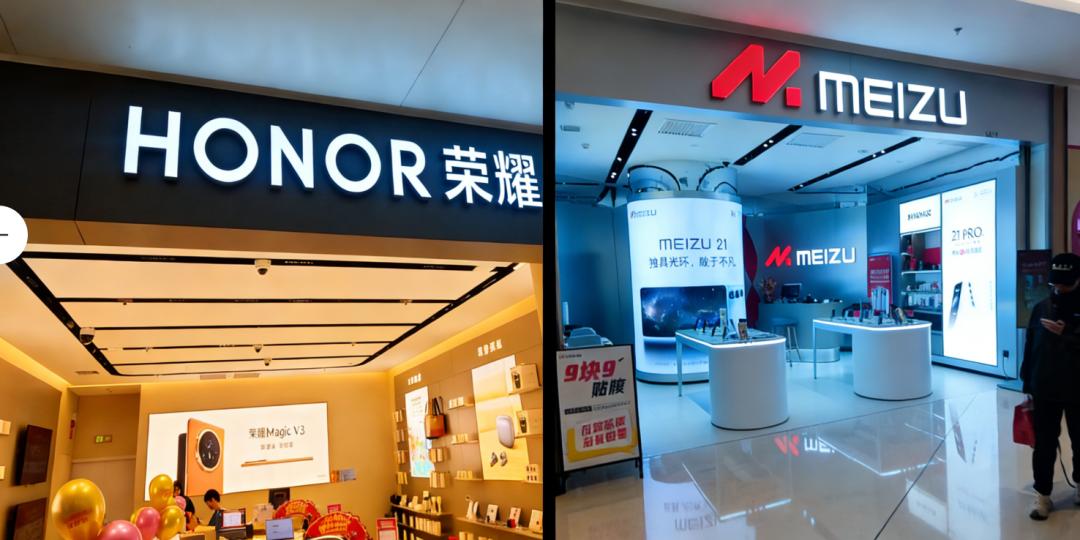
Core Insights - The Chinese smartphone market is experiencing a shift, with Huawei returning to the top position after five years, while brands like Honor and Meizu are becoming marginalized [1] - Honor is attempting to reposition itself by targeting younger consumers with new product launches and collaborations, indicating a strategy to escape the "Huawei alternative" label [2][3] - Both Honor and Meizu face challenges in brand positioning, technology accumulation, and market competition, leading to difficulties in establishing a strong market presence [3][4] Brand Positioning - Honor is struggling with its brand identity post-separation from Huawei, initially positioned as a "tech flagship" but now forced to compete in the mid-to-low-end market due to Huawei's resurgence [4][5] - Meizu, after being acquired by Geely, has lost its previous market strength and is now perceived as a secondary player, with its product offerings failing to meet high-end expectations [4][5] Market Challenges - Both companies are facing supply chain issues and increased competition in the mid-range market, leading to reduced profit margins and reliance on online sales channels [5][6] - Honor's average selling price (ASP) has declined as it has shifted focus to lower-end products, diluting its brand value [4][6] Technology and Innovation - Meizu's reliance on external components and lack of core technology has weakened its competitive edge, while Honor has some technological capabilities but lacks the differentiation needed to compete with leading brands [6][7] - Both companies are exploring AI as a potential solution for their challenges, but their approaches differ significantly, with Honor aiming for a broader ecosystem and Meizu focusing on niche markets within Geely's automotive ecosystem [8][10] Strategic Paths - Honor's strategy involves leveraging AI to enhance its product offerings and establish itself as a player in the AI terminal ecosystem, while Meizu's strategy is more reactive, focusing on providing support within Geely's framework [10][11] - The contrasting strategies highlight the different trajectories of the two brands, with Honor having more flexibility and potential for growth compared to Meizu's constrained position [11][12] Industry Implications - The smartphone industry is witnessing a "Matthew effect," where leading brands like Apple and Huawei are gaining strength, while smaller brands like Honor and Meizu are struggling for survival [12][13] - For smaller brands to survive, they must maintain core values, precise positioning, and differentiation while seizing opportunities in AI and innovation [13][14]
新管理团队上任一周年,荣耀开年“追高”直面手机涨价潮
Hua Xia Shi Bao· 2026-01-20 14:35
Core Viewpoint - Honor is intensifying its efforts in the high-end smartphone market by launching three new models, all priced above 4000 yuan, amidst rising memory prices and fierce competition in the smartphone market [2][4]. Group 1: Product Launches - On January 19, Honor launched three new smartphones: the lightweight Magic8 Pro Air starting at 4999 yuan, the youth-oriented Honor 500 Pro Molly collaboration model starting at 4499 yuan, and the ultra-high-end Magic8 RSR Porsche Design starting at 7999 yuan [2][3]. - The Magic8 Pro Air is designed to be lightweight, weighing approximately 155g and measuring about 6.1mm thick, making it lighter than Apple's iPhone Air by 10g [2]. Group 2: Market Trends - The smartphone market is experiencing a surge in memory prices, with predictions of a 40%-50% increase in storage prices in Q1 2026 and an additional 20% rise in Q2 2026 due to high demand from AI and server capacities [4]. - The high-end smartphone market (priced above 600 USD) is expected to grow by 5.4 percentage points in market share, reaching 35.9%, while the low-end market (below 200 USD) is projected to shrink to 20% [5]. Group 3: Company Strategy and Performance - Honor's new management team, marking its one-year anniversary, aims to transition from a smartphone manufacturer to an AI terminal ecosystem company, with a commitment to invest 10 billion USD over the next five years [6]. - In 2022, Honor's smartphone shipments exceeded 71 million units, marking a 9% growth, with overseas sales increasing by 47%, accounting for over 50% of total sales [7]. - Despite these achievements, Honor remains the sixth largest player in the Chinese smartphone market, with a market share of 13.1%, closely trailing behind Xiaomi [7][8].
在分化中前行:荣耀重新走向世界
Di Yi Cai Jing· 2026-01-19 15:22
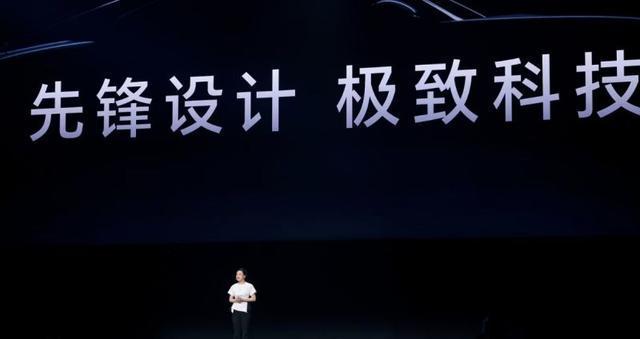
Core Insights - Honor held a product launch event named "Design Night" in Zhuhai on January 19, showcasing three distinct products: the ultra-thin Magic8 Pro Air, the youth-oriented 500 Pro Molly collaboration, and the high-end Magic8 RSR Porsche Design [1][3] - The event served as a concentrated display of Honor's evolution over the past year, highlighting its understanding of youth culture and emotions, positioning smartphones as part of personal identity rather than mere tools [3][6] - The global smartphone market is entering a new phase characterized by structural differentiation rather than overall growth, with varying performance across regions, price segments, and brands [3][7] Market Performance - Honor's overseas shipments grew approximately 55% year-on-year in the first three quarters of 2025, marking the most significant overseas growth among the top ten global smartphone manufacturers [3][6] - In 2025, Honor's global shipments surpassed 71 million units for the first time, with overseas sales accounting for over 50% of total shipments, indicating a shift to a "dual-main market" strategy [8][9] - The company has seen a clear segmentation in its overseas markets, with Latin America and the Middle East/Africa serving as scale bases, while Southeast Asia has accelerated its market presence [9][10] Product Strategy - Honor's growth strategy is shifting towards the mid-to-high price segments, with approximately 23% of shipments in the $300–499 price range, the highest among major Chinese manufacturers [10][14] - The product lines, including the Magic series, digital series, and the new WIN series, are designed to establish differentiated positions in various market segments and user scenarios [14][15] - Technological advancements, such as the evolution of the Qinghai Lake battery and the Oasis eye-care screen, are being integrated into products to enhance user experience and justify higher price points [15][16] Organizational Changes - 2025 marks the first full strategic year under the new management team, focusing on transitioning towards an AI terminal ecosystem and implementing systematic adjustments in governance and global organizational capabilities [16][19] - Honor is expanding its ecosystem strategy, moving beyond smartphones to include tablets, computers, wearables, and more, while also exploring long-term technological fields like ROBOT PHONE and embodied intelligence [16][19] - The brand is accelerating its youth-oriented expression, engaging users through collaborations and co-creation mechanisms, transforming the relationship from one-way communication to interactive participation [19][20] Future Outlook - The global smartphone market is becoming increasingly complex, with a shift from growth-driven strategies to stability and longevity in a challenging environment [21][22] - Supply chain uncertainties and the evolving role of AI present both challenges and opportunities for Honor, necessitating a focus on organizational capabilities and ecosystem integration [22][23] - Building localized capabilities in overseas markets may become one of Honor's most significant assets, ensuring resilience in a fluctuating industry landscape [25]