PIX

Search documents
X @BSCN
BSCN· 2026-03-10 21:30
🚨 HUGE: BRAZIL TAKES PIX INTERNATIONAL: Banco do Brasil just launched PIX payments in ArgentinaBrazilians living there can now pay instantly for anything via QR code, allowing for seamless cross-border remittances and purchases with automatic currency conversion.Already powering crypto on/off-ramps on Binance Pay, Crypto(.)com, Kraken, Mercado Bitcoin and more.Latin America continues to lead crypto adoption and real use cases. ...
Bybit Pay links with digital wallets Yape, Plin to offer crypto payments in Peru
Yahoo Finance· 2026-01-14 15:15
Core Insights - Bybit Pay has reached an agreement to enable crypto payments through Yape and Plin, which are the most widely used digital wallets in Peru, serving approximately 28 million users and handling nearly 90% of in-person digital wallet transactions in the country in 2024 [1] Group 1: Bybit's Expansion in Latin America - The partnership with Yape and Plin is part of Bybit's broader strategy to expand its presence in Latin America, following previous collaborations in Brazil and Argentina [2] - Bybit's payment services already support Brazil's instant payment system, PIX, and other major exchanges like Binance and Opera's MiniPay are also targeting the region [2] Group 2: Payment Integration and Functionality - Bybit Pay's integration allows users to spend stablecoins such as USDT and USDC, as well as major cryptocurrencies like Bitcoin (BTC) and Ether (ETH), with transactions settling in Peruvian soles for the recipient [3] - Other platforms facilitating similar payments include KuCoin Pay, Bitget Wallet, and Ramp, indicating a growing trend of crypto neobanks gaining adoption due to local payment mechanisms and crypto-backed debit and credit cards [4] Group 3: Future Developments - Bybit's other payment product, Bybit Card, is set to launch in Peru in the first half of the year, with plans for expansion to other countries in the region later on [5]
Opera, Celo Scale Up Partnership to 'Make Stablecoins Useful' For Millions of Users
Yahoo Finance· 2025-12-03 14:31
Core Insights - Opera and the Celo Foundation are extending their partnership to enhance financial inclusion for a billion people by 2030 through low-cost stablecoin payments [1] - The partnership includes the introduction of stablecoin-backed payment cards, expanded real-world asset offerings, and a Mini App Roadshow across Asia and South America [1][2] Company Developments - MiniPay, a non-custodial stablecoin wallet provider on Celo, has achieved 11 million activated wallets and processed over 300 million transactions since its launch in September 2023 [3] - Celo has become a leading Ethereum layer-2 platform with 700,000 daily active users and over 3 million weekly USDT users [3] Market Trends - The joint MiniApp roadshow is set to take place in early 2026, focusing on regions with strong developer activity and increasing crypto adoption [5] - Latin America has seen nearly $1.5 trillion in crypto transaction volume from July 2022 to June 2023, with Brazil accounting for $318.8 billion, reflecting a 109.9% period-over-period growth [5] Stablecoin Insights - Over 90% of Brazilian crypto flows are now related to stablecoins, with stablecoin purchases constituting more than half of all exchange activity in Brazil, Argentina, and Colombia [6] - The stablecoin market is valued at over $310 billion, with predictions suggesting it may not exceed $360 billion before February [6]

Web Summit聚焦AI竞赛,“西方科技主导时代正谢幕”
2 1 Shi Ji Jing Ji Bao Dao· 2025-11-12 08:03
Core Insights - The Web Summit has evolved from a small startup event in 2015 to a major global technology conference, highlighting the rapid changes in the tech landscape over the past decade [2] - The event attracted 70,000 attendees from 75 countries, including government representatives, entrepreneurs, and tech investors, marking a significant increase in participation [2] - The founder of Web Summit emphasized the rise of Chinese AI models and Brazil's PIX payment system as key examples of global shifts in technology and finance, challenging the dominance of Western tech companies [3][4] Technology and Innovation - The emergence of advanced humanoid robots and leading AI models from China was showcased, indicating a shift in technological leadership [3] - The PIX payment system from Brazil is described as revolutionary and free, posing a challenge to existing Western payment systems [4] - The decline of German startups at the Web Summit contrasts with the rise of Polish startups, indicating a shift in the entrepreneurial landscape within Europe [4][5] Economic and Cultural Shifts - Lisbon is positioning itself as a hub for innovation and culture, with significant growth in tech companies and job creation [7][8] - The city has seen the establishment of 16 unicorns and 82 tech companies, contributing to over 16,000 jobs [8] - The mayor of Lisbon highlighted the importance of social justice and cultural integration in fostering innovation [9][10] Future Outlook - Portugal aims to become a global innovation hub, leveraging technology to enhance governance and create opportunities [11][12] - The government is investing in digital infrastructure and skills training to prepare citizens for a tech-driven future [12][13] - The establishment of an AI super factory in Portugal is seen as a response to the dominance of Silicon Valley, aiming to enhance Europe's digital sovereignty [13]

巴西,互联网最后的战场
3 6 Ke· 2025-10-31 09:42
Group 1: Market Entry and Competition - Meituan's brand Keeta has officially launched in Brazil, with initial operations in Santos and São Vicente, and has already won a legal battle against Didi's 99Food regarding competition law [1] - The São Paulo court ruled that the contract terms preventing restaurants from working with Keeta are invalid, highlighting the competitive tension in the Brazilian market [1] - The Brazilian market is attracting various internet companies, including Temu, Shopee, TikTok, and Kwai, indicating a growing interest in the region [1] Group 2: Super App Definition and Landscape - Super apps are defined as platforms that allow users to access multiple services such as messaging, payments, e-commerce, and ride-sharing within a single application [2] - Latin America, particularly Brazil, is still in the mid-stage of ecological fragmentation, with platforms like Rappi and Mercado Livre focusing on single domains without forming a true "super entry" [2] Group 3: Digital Economy Potential in Brazil - Brazil has a high smartphone penetration rate of over 80%, creating a significant "digital vacuum" for internet services [7] - The country has a large and active internet user base, with approximately 183 million internet users and an internet penetration rate of 86.2% as of 2024 [10] - Brazil's GDP per capita is around $11,178, indicating a moderate purchasing power that supports potential consumer market growth [10] Group 4: Financial System and Digital Payment Innovations - Nubank has emerged as a leading digital bank in Brazil, with over 60% of adults holding a Nubank account and a valuation of approximately $65 billion [15] - The introduction of the PIX payment system has facilitated real-time transactions without the need for credit cards, significantly enhancing online payment habits [16] - The rapid adoption of PIX, which completed over 1.77 billion transactions within 46 days of launch, has positioned Brazil as a favorable environment for internet companies [16] Group 5: Challenges for Super App Development - The decentralized nature of social networks in Brazil, where users engage in various small groups, poses challenges for the creation of a centralized super app [18] - Regulatory scrutiny from the Brazilian Central Bank and competition authorities has made it difficult for platforms to monopolize services, impacting the feasibility of super apps [19] - The high cost of user acquisition for financial apps in Brazil is significantly greater than in other Latin American countries, complicating the business model for potential super apps [22] Group 6: Future Outlook - While Brazil may not produce a super app akin to WeChat, it is developing a decentralized network ecosystem that integrates payments, logistics, and social interactions [23] - The digital economy in Brazil is expected to evolve, with various players exploring different models to capture market opportunities [23]


Santander Brasil(BSBR) - 2025 Q3 - Earnings Call Presentation
2025-10-29 13:00
Financial Performance - Net profit reached R$4009 million, showing a 9.6% increase QoQ and 9.4% increase YoY[9, 46] - ROAE was 17.5%, up 1.2 percentage points QoQ and 0.5 percentage points YoY[9, 48] - Total revenues amounted to R$20760 million, a 0.8% increase QoQ and 1.0% increase YoY[46] - Fees expanded by 6.7% QoQ and 4.1% YoY, indicating diversification[9] Loan Portfolio and Funding - The loan portfolio expanded to R$688801 million, a 2.0% increase QoQ and 3.8% increase YoY[36] - Funding from clients reached R$659479 million, a 2.8% increase YoY[36] - Consumer Finance loan portfolio reached R$79 billion, with a 12.6% increase YoY[36] Customer Growth and Engagement - Total customers reached 72.8 million, a 7% increase YoY[10] - Active customers totaled 33.7 million, a 4% increase YoY[10] - Customers with primacy increased by 7% YoY[10] Digital Transformation and Efficiency - Consumer Finance fees growing 7% YoY[29] - General expenses decreased by 0.2% QoQ and 0.5% YoY[9, 46] - The company is focused on hyper-personalization and using AI to enhance customer journeys[55] Risk Management - Cost of risk was 3.86%, stable compared to 2Q25 but up 0.2 percentage points compared to 3Q24[46, 49]

X @Ansem
Ansem 🧸💸· 2025-10-19 13:18
RT Thiago Rüdiger (@thiagorudiger)Huge movement by @ether_fi (one of the biggest LPs in @TanssiNetwork Vaults) announced today their seamless integration with PIX, Brazil’s dominant payment method, powered by the @BancoCentralBR and free for users. For those who don’t know: PIX is a 24/7 instant payment system (no downtime, no fees for individuals) and has become the most used payment method in Brazil, accounting for ~76.4% of all payment transactions in 2024. The impact of PIX in payments sector in Brazil ...
X @Ansem
Ansem 🧸💸· 2025-10-19 13:17
RT ether.fi (@ether_fi)🇧🇷 PIX is live on https://t.co/Q3fKrgeQXw 💸Instantly move BRL ↔️ USD — no 3.5% IOF, low fees, fast transfers.• Deposit BRL → auto-converts to USDC• Spend USD & earn 3% back• Pay or send directly via PIXSimple. Secure. Rewarding. https://t.co/BrZKzAzIDk ...
突破 GPU 瓶颈
半导体行业观察· 2025-08-30 02:55
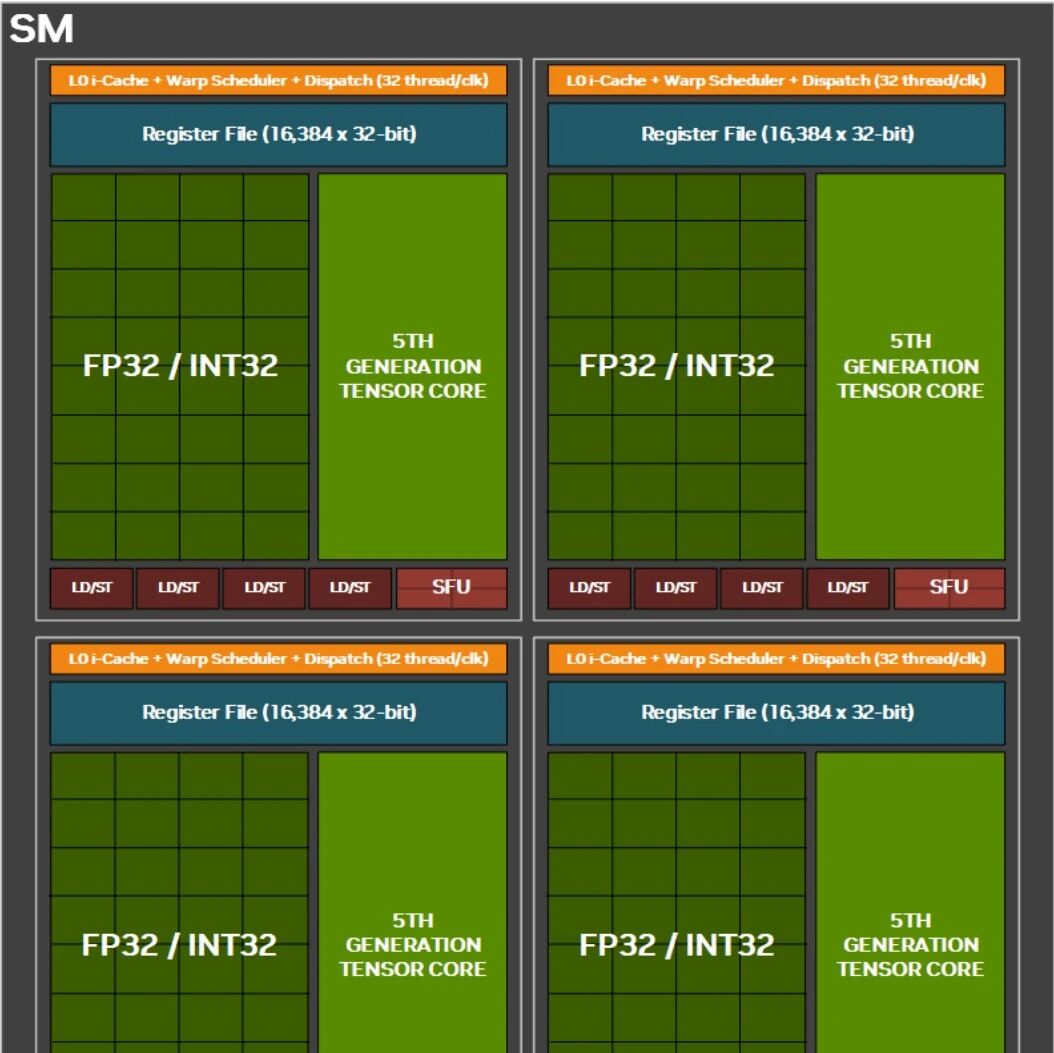
Core Insights - The article discusses the importance of optimizing GPU performance by analyzing and addressing bottlenecks in rendering tasks, particularly focusing on the utilization of SIMD units and VALU throughput [3][5][22]. GPU Utilization and Performance Improvement - The architecture of GPUs includes numerous SIMD units that are crucial for executing rendering tasks efficiently. Maximizing the utilization of these units is essential for performance enhancement [3]. - Fixed-function units can become bottlenecks, hindering VALU units from operating effectively. Graphics programmers must analyze rendering workloads to eliminate these bottlenecks [5][6]. - Performance analysis tools like Nsight Graphics and AMD Radeon Profiler can help visualize bottlenecks by displaying the utilization of various GPU units [7]. Addressing Bottlenecks - Reducing the cost of high-overhead draw calls and improving VALU utilization is critical. Strategies include minimizing memory latency and optimizing shader designs [8][9]. - The nature of bottlenecks can complicate performance improvements, but methods such as increasing VGPR allocation or using local data storage (LDS) can help mitigate issues [9][10]. Shader Types and Performance - Different shader types have unique performance characteristics. Pixel shaders may be constrained by fixed-function units, while compute shaders can leverage shared memory for faster execution [10][11]. - The choice of shader type can significantly impact execution speed and performance, with compute shaders offering advantages in certain scenarios [11][12]. Asynchronous Computing - Converting workloads to compute shaders allows for asynchronous computing, which can enhance VALU utilization by overlapping tasks that may otherwise be bottlenecked [18][20]. - Asynchronous computing can be beneficial but requires careful management to avoid negatively impacting the graphics pipeline [22]. Conclusion - Achieving optimal rendering performance involves eliminating fixed-function and other bottlenecks while allowing the GPU to perform useful work. Various tools and techniques are available, but effectiveness can vary across different GPU architectures [22].
Can StoneCo's Software Divestment Unlock MSMB-Focused Growth?
ZACKS· 2025-07-24 17:06
Core Insights - StoneCo Ltd. is strategically divesting a significant portion of its software segment, which accounts for 79% of its software segment revenues in 2024, to focus on core financial services and micro, small, and medium businesses (MSMB) [1][9] Group 1: Strategic Moves - The proposed sale of Linx and related software assets to TOTVS for R$3.41 billion has been agreed upon, alongside the sale of SimplesVet to PetLove for R$140 million [2] - This divestiture is expected to enhance operating efficiency and profit margins as StoneCo aims to become Brazil's leading platform for MSMBs [3] Group 2: Financial Performance - In Q1 2025, StoneCo's MSMB total payment volume (TPV) increased by 17% year over year to R$119.5 billion, driven by effective repricing efforts and expanding product adoption [3][9] - The client base for MSMBs grew by 17% to 4.3 million active clients [3] Group 3: Growth Strategies - The bundling strategy has proven successful, with clients using three or more products increasing to 38%, up from 26% a year ago, indicating effective cross-selling of integrated payments, credit, and banking services [4] - The banking segment is also expanding rapidly, with total retail deposits rising by 38% to R$8.3 billion [4] Group 4: Market Trends - The PIX instant payment system has become a significant monetization lever, with transaction volumes increasing by 95% year over year, enhancing client deposits and engagement [5] - StoneCo projects MSMB TPV to exceed R$670 billion by 2027, reflecting a 14% compound annual growth rate (CAGR) from 2024 levels [5] Group 5: Competitive Landscape - PagSeguro Digital Ltd. reported that MSMB TPV grew by 11.2% year over year to R$95.2 billion, with a focus on higher-value MSMBs [6] - MercadoLibre's Mercado Pago saw TPV rise by 43% year over year to $58.3 billion, with a 30%+ increase in monthly fintech users [7] Group 6: Stock Performance and Valuation - StoneCo's shares have surged by 76.5% year to date, outperforming the broader industry and the S&P 500 Index [8] - The Zacks Consensus Estimate for 2025 EPS suggests a year-over-year growth of 10.4%, while the estimate for 2026 indicates a 16.1% increase [10] - StoneCo's shares are currently trading at a forward 12-month P/E of 8.66X, significantly below the industry average of 40.07X, indicating a potentially undervalued position [12]