
PMIC(电源管理芯片)

Search documents
芯片涨价潮扩散
财联社· 2026-03-03 09:17
以下文章来源于科创板日报 ,作者郭辉 科创板日报 . 专注科创板和科技创新,上海报业集团主管主办,界面财联社出品。 芯片涨价潮持续演进。近日两家科创板芯片公司思特威与希荻微接连向客户发布产品提价函。 思特威在其公告中,宣布自3月1日起,对在三星晶圆厂生产的智慧安防和AIOT产品在原有价格基础上统一上调20%;对在晶合集成晶圆厂 生产的智慧安防和AIOT产品在原有价格基础上统一上调10%。 对于涨价原因,思特威表示,近期全球存储芯片严重短缺引发供应链失衡,公司承受上游晶圆厂的成本压力。为保障能够持续为客户提供稳 定、高品质的产品及服务,经公司审慎评估,做出涨价决定。 希荻微官微显示,近期全球上游原材料及关键贵金属价格大幅攀升,导致芯片行业晶圆代工与封测成本持续上涨。 尽管公司积极提升内部 运营效率,仍难以完全抵消由此带来的成本压力。 为确保产品稳定供应及保障服务质量,该公司决定对公司部分产品的价格进行适度上 调。本次价格调整适用于2026年3月1日及之后下达的采购订单。 王洲在接受《科创板日报》记者采访时表示,低毛利产品对成本敏感度较高,弹性空间较小。目前各家芯片厂商的策略都是比较市场化的, 会根据下游客户的订 ...


晶圆代工,正在重构
半导体芯闻· 2026-01-26 08:44
如果您希望可以时常见面,欢迎标星收藏哦~ 最近,不少芯片设计公司在晶圆厂那里吃到了"闭门羹",不少晶圆厂反馈:部分成熟工艺的产能已 经开始不好投片。然而,这并非传统意义上"缺芯"的简单回归,而是 AI 溢出效应引发的一场深刻 连锁反应。 AI 不只抢走先进制程与先进封装的资源,也通过电源与功率链条把压力传导到成熟节点:数据中 心功耗暴涨,带动 PMIC、功率器件、驱动等需求持续抬升,而这类芯片往往依赖 8 英寸或成熟 制程产能;当供给侧又出现缩减时,成熟工艺自然更容易出现投片变难、利用率拉满、价格修复的 连锁反应。此外,AI催动的存储市场回暖,正通过 NOR Flash 等基础器件的涨价,进一步抬高 MCU 与各类模组的综合成本。 而近段时间,晶圆厂的一些动作也是暗流涌动。台积电、三星加速收缩 8 英寸旧产线,硅片厂扩 产12英寸,力积电卖掉最先进的12英寸新厂。。。一系列看似分散的事件,背后其实指向同一个 趋势——2026 年的半导体格局,早已不再是简单的周期波动,而是一场关乎生存的产能重构。 理解这场重构的第一把钥匙,就是从一个看似"过时"的主角开始:8 英寸。 8英寸,巨头退场,利弊如何? 在 8 英寸 ...


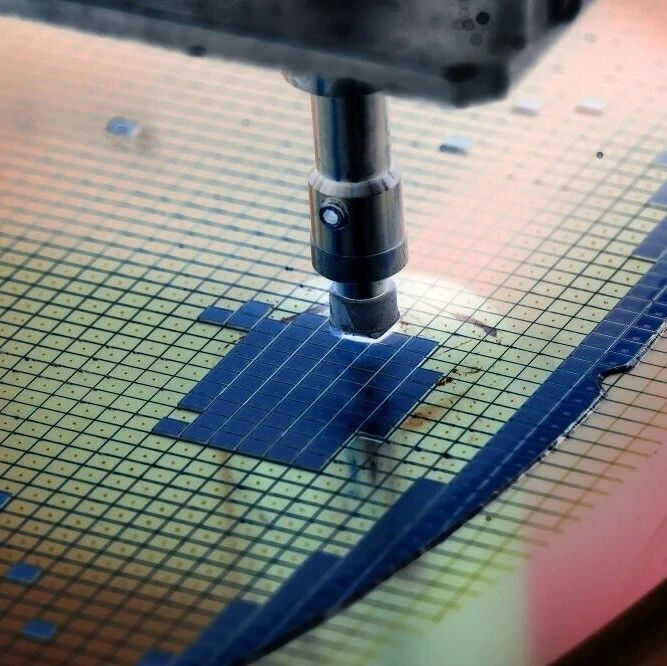
中芯国际CEO:存储涨价对逻辑代工有两大致命影响
2 1 Shi Ji Jing Ji Bao Dao· 2025-11-15 14:41
Core Viewpoint - SMIC (Semiconductor Manufacturing International Corporation) has reported strong financial results for Q3, driven by the domestic supply chain shift and AI computing power expansion, but has provided cautious guidance for Q4 and next year, indicating potential challenges ahead [1][2][9]. Group 1: Financial Performance - In Q3, SMIC achieved revenue of $2.382 billion, a year-on-year increase of 9.7% and a quarter-on-quarter increase of 7.8% [1]. - The net profit for Q3 was approximately $192 million, reflecting a year-on-year growth of 28.9% [1]. - The monthly capacity for 8-inch standard logic wafers surpassed one million for the first time, with a capacity utilization rate reaching 95.8% [1][7]. Group 2: Domestic Supply Chain Shift - The growth in Q3 was primarily attributed to the shift of customers to the domestic supply chain, with revenue from Chinese customers accounting for 86.2% of total revenue, up from 84.1% in Q2 [4]. - Revenue from Chinese customers increased by 11% quarter-on-quarter, particularly driven by domestic consumer electronics clients replacing overseas suppliers [4]. Group 3: Inventory Replenishment - Customers are replenishing inventory due to previous understocking caused by tariff concerns, particularly in the analog, power, and high-current product categories [5]. - The automotive and industrial sectors are also reversing their previous low inventory levels, leading to increased demand for replenishment [6]. Group 4: Operational Metrics - The overall capacity utilization rate reached 95.8%, a 3.3 percentage point increase from the previous quarter, marking the highest level since Q2 2022 [7]. - The gross margin for Q3 was 22.0%, up 1.6 percentage points quarter-on-quarter, supported by high capacity utilization offsetting depreciation pressures [7][11]. Group 5: Cautious Outlook - Despite strong Q3 performance, SMIC's guidance for Q4 is conservative, expecting revenue to be flat or grow by 2% quarter-on-quarter, with gross margin projected to decline to 18%-20% [9][10]. - The anticipated "super cycle" in memory chips, driven by AI demand, poses risks for SMIC, as it may lead to supply chain mismatches and cost pressures [10][11]. Group 6: Competitive Landscape - The rising prices of memory chips could squeeze profit margins for terminal products, leading to pressure on SMIC's customers to reduce prices for other chips, which may impact SMIC's profitability [10][11]. - The company acknowledges that competition within the industry will remain intense, despite the high demand for its services [12].

中芯国际CEO:存储涨价对逻辑代工有两大致命影响
21世纪经济报道· 2025-11-15 14:34
Core Viewpoint - SMIC (Semiconductor Manufacturing International Corporation) has reported strong Q3 results, driven by the domestic supply chain shift and increasing AI computing power, but has provided cautious guidance for Q4 and next year, indicating concerns about future demand and profitability [1][8]. Group 1: Q3 Performance Highlights - In Q3, SMIC achieved revenue of $2.382 billion, a year-on-year increase of 9.7% and a quarter-on-quarter increase of 7.8%, with a net profit of approximately $192 million, up 28.9% year-on-year [1]. - The monthly capacity for 8-inch standard logic wafers exceeded one million for the first time, with a capacity utilization rate reaching 95.8%, close to full capacity [1][4]. - Revenue from domestic customers accounted for 86.2% of total revenue, up from 84.1% in Q2, with a significant 11% quarter-on-quarter increase in absolute terms [4]. Group 2: Factors Driving Growth - The primary driver of growth is the shift to domestic supply chains, particularly in the consumer electronics sector, which has created opportunities for SMIC [4]. - Customer inventory replenishment has also contributed to the strong performance, as many clients are restocking to compete in the domestic market after previously depleting their inventories [5]. - The automotive and industrial sectors are showing signs of recovery, leading to increased inventory replenishment from suppliers [5]. Group 3: Cautious Outlook for Q4 - Despite strong Q3 results, SMIC's guidance for Q4 is conservative, expecting revenue to remain flat or grow by 2% quarter-on-quarter, with gross margin projected to decline to 18%-20% [9]. - The cautious outlook is attributed to the ongoing "super cycle" in memory chips, which may impact demand for logic chips and create supply chain risks for SMIC's customers [9][10]. - Rising memory chip prices could pressure profit margins for downstream manufacturers, leading to reduced orders for SMIC's key products [10]. Group 4: Internal and External Cost Pressures - SMIC's capital expenditure for Q3 was $2.394 billion, with a total of $5.7 billion for the first three quarters, indicating ongoing investment in capacity expansion [11]. - Increased depreciation costs from new equipment, which will be deployed in Q4 and Q1 of next year, are expected to further pressure gross margins [11]. - The company acknowledges that competition in the industry will remain intense, necessitating a focus on performance, quality, and cost efficiency [11].
国产供应链切换红利劲爆 中芯国际四季度指引谨慎乐观
2 1 Shi Ji Jing Ji Bao Dao· 2025-11-14 23:14
Core Viewpoint - SMIC (Semiconductor Manufacturing International Corporation) has emerged as a market focus amid a new semiconductor cycle driven by domestic supply chain shifts and AI computing power expansion, reporting strong Q3 financial results but providing cautious guidance for Q4 and next year [1][2]. Group 1: Financial Performance - In Q3, SMIC reported revenue of $2.382 billion, a year-on-year increase of 9.7% and a quarter-on-quarter increase of 7.8%, with a net profit of approximately $192 million, up 28.9% year-on-year [1]. - The monthly capacity for 8-inch standard logic wafers exceeded one million for the first time, with a capacity utilization rate reaching 95.8%, close to full capacity [1][4]. - Despite strong performance, the company expects Q4 revenue to be flat to a 2% increase, with gross margin guidance lowered to 18%-20% [1][8]. Group 2: Drivers of Growth - The primary driver of growth in Q3 was the shift to domestic supply chains, with revenue from Chinese customers accounting for 86.2% of total revenue, up from 84.1% in Q2 [2]. - Customer inventory replenishment also contributed to Q3 performance, as many clients previously moved products overseas due to tariff concerns and are now restocking to compete in the domestic market [3]. Group 3: Operational Metrics - SMIC's overall capacity utilization rate reached 95.8%, a 3.3 percentage point increase from the previous quarter, marking the highest level since Q2 2022 [4]. - The increase in capacity utilization helped offset the pressure from new capacity depreciation, contributing to a gross margin of 22.0%, up 1.6 percentage points quarter-on-quarter [4][8]. Group 4: Market Dynamics and Challenges - The ongoing "super cycle" in memory chips, driven by AI demand, poses risks for SMIC, as rising memory prices could lead to supply chain mismatches and cost pressures for its clients [7][8]. - The company faces increased competition and cost pressures, with capital expenditures for Q3 at $2.394 billion, and total capital expenditures for the year expected to be similar to last year's $7.3 billion [8][9]. - SMIC's management emphasizes the need to focus on performance, quality, and customized product platforms to navigate the competitive landscape [9].
国产供应链切换红利劲爆,中芯国际四季度指引谨慎乐观
2 1 Shi Ji Jing Ji Bao Dao· 2025-11-14 10:25
Core Insights - SMIC (Semiconductor Manufacturing International Corporation) has reported strong Q3 results, with revenue of $2.382 billion, a year-on-year increase of 9.7% and a quarter-on-quarter increase of 7.8%, alongside a net profit of approximately $192 million, up 28.9% year-on-year [1][3] - Despite strong performance, SMIC's guidance for Q4 is conservative, expecting revenue to remain flat or grow by only 2%, with gross margin projected to decline to 18%-20% [1][6] Group 1: Domestic Supply Chain Shift - The growth in Q3 is primarily attributed to the shift towards domestic supply chains, with revenue from Chinese customers rising to 86.2%, up from 84.1% in Q2 [3][4] - SMIC's CEO highlighted that domestic consumer electronics clients are accelerating the replacement of overseas supply chains, creating growth opportunities [3][4] - Customer inventory replenishment has also contributed to the Q3 performance, as many clients are restocking to compete in the domestic market [4][5] Group 2: Capacity Utilization and Product Mix - SMIC achieved a capacity utilization rate of 95.8% in Q3, a 3.3 percentage point increase from the previous quarter, indicating strong demand [4][5] - The revenue share from consumer electronics increased from 41.0% in Q2 to 43.4% in Q3, while the share from smartphones decreased from 25.2% to 21.5% [5] - This shift in product mix reflects SMIC's proactive adjustment to prioritize high-demand products amid supply constraints [5] Group 3: Cautious Outlook Amid Storage Chip Supercycle - The anticipated supercycle in storage chips, driven by AI demand, poses risks for SMIC, as it may lead to supply chain mismatches and cost pressures [6][7] - Major players like SK Hynix and Samsung are raising contract prices for DRAM and NAND by 20%-30%, which could impact the pricing strategies of SMIC's clients [6][7] - The rising storage chip prices may force clients to reduce orders for other chips, including those produced by SMIC, leading to potential revenue pressures [7][8] Group 4: Internal Cost Pressures and Capital Expenditure - SMIC's capital expenditure for Q3 was $2.394 billion, with a total of $5.7 billion for the first three quarters, indicating ongoing investment in capacity expansion [8][9] - The company anticipates that increased depreciation from new equipment will further pressure gross margins in Q4 [9] - Despite the challenges, SMIC's management remains focused on enhancing performance, quality, and customization in their product offerings to maintain competitiveness [9]
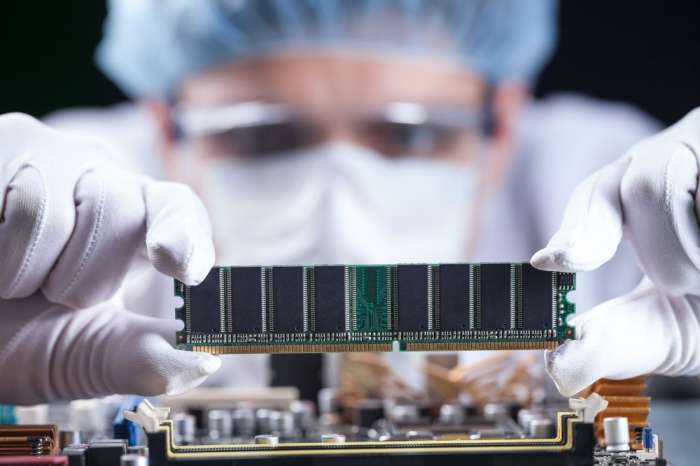
晶合集成:合肥晶合集成电路股份有限公司首次公开发行股票并在科创板上市招股说明书
2023-04-25 11:34
本次股票发行后拟在科创板市场上市,该市场具有较高的投资风险。科创板公司具 有研发投入大、经营风险高、业绩不稳定、退市风险高等特点,投资者面临较大的 市场风险。投资者应充分了解科创板市场的投资风险及本公司所披露的风险因素, 审慎作出投资决定。 合肥晶合集成电路股份有限公司 Nexchip Semiconductor Corporation (住所:安徽省合肥市新站区合肥综合保税区内西淝河路 88 号) 首次公开发行股票并在科创板上市 招股说明书 (住所:北京市朝阳区建国门外大街1号国贸大厦2座27层及28层) 保荐人(主承销商) 合肥晶合集成电路股份有限公司 招股说明书 声 明 中国证监会、上海证券交易所对本次发行所作的任何决定或意见,均不表明其对 发行人注册申请文件及所披露信息的真实性、准确性、完整性作出保证,也不表明其 对发行人的盈利能力、投资价值或者对投资者的收益作出实质性判断或保证。任何与 之相反的声明均属虚假不实陈述。 根据《证券法》的规定,股票依法发行后,发行人经营与收益的变化,由发行人 自行负责;投资者自主判断发行人的投资价值,自主作出投资决策,自行承担股票依 法发行后因发行人经营与收益变化或者股 ...
