Talkie(星野)

Search documents
——GenAI系列报告之73:从MiniMax看国产大模型出海投资机遇
Shenwan Hongyuan Securities· 2026-03-24 10:06
Investment Rating - The report maintains a positive outlook on the investment opportunities in the domestic large model sector, particularly focusing on MiniMax as a key player [5][6]. Core Insights - The large model technology path has converged, with domestic models emphasizing cost-effectiveness while overseas commercialization accelerates. The emergence of applications like OpenClaw is driving significant increases in token consumption, indicating a strong demand for domestic large models in high-frequency scenarios such as programming and office tasks [4][5][6]. - MiniMax is positioned as a pioneer in self-developed multimodal large models, with a global strategy driving high revenue growth. The company achieved total revenue of $79.04 million in 2025, a year-on-year increase of 159%, and its annual recurring revenue (ARR) surpassed $150 million by February 2026 [4][5][6]. - MiniMax's M2.5 model offers extreme cost-effectiveness, making it suitable for agent scenarios like programming and office automation. The model's API output price is 1/10 to 1/20 of that of leading overseas models, enhancing its competitive edge [4][5][6]. Summary by Sections 1. Industry: Overseas Performance Leading, Domestic Models Provide Cost Advantages - The competition in large models has shifted from finding the right path to optimizing efficiency on mainstream paths. The pre-training paradigm has converged to a Decoder-Only + MoE architecture, focusing on mid-training and post-training optimizations to enhance model capabilities [12][14]. 2. MiniMax: Dual Drive of Self-Developed Models and Commercial Applications - MiniMax is a leading global company in multimodal models, established in 2021, focusing on general large models and multimodal capabilities (text, speech, video). The company has a high proportion of R&D personnel, with over 70% of its workforce dedicated to research [34][40]. 3. MiniMax: Rapid Model Iteration Drives Revenue Growth - MiniMax's revenue structure is diverse, with AI-native applications accounting for 67.2% of total revenue. The company has seen a significant increase in token consumption, with daily token usage from its M2 series models growing over six times from December 2025 [40][41].
MINIMAX-WP:领先的大模型开发公司,产品商业化迅速推进-20260309
Guoxin Securities· 2026-03-09 03:00
Investment Rating - The investment rating for the company is "Outperform" [2] Core Insights - The company, MiniMax, is a leading developer of large models, rapidly advancing product commercialization [1] - The company has established a comprehensive multi-modal model system, focusing on foundational model research and AI-native application development [4] - The company is expected to achieve significant revenue growth, with projected revenues of $250 million, $646 million, and $1.293 billion for 2026, 2027, and 2028 respectively, representing year-on-year growth rates of 218.7%, 156.4%, and 100.2% [4][75] Company Overview - MiniMax was founded in 2021 and has focused on multi-modal large model development from the outset, creating a model system that includes text and voice capabilities [5] - The company has released several products, including the M series of models, which are designed for various applications, and has established a strong product matrix [12][25] - The management team is experienced, with decision-making power concentrated in the founding team, ensuring strategic and technical alignment [7] Product Development - The company has developed a series of models, including M1, M2, M2.1, and the latest M2.5, which have shown significant improvements in various tasks, particularly in programming and productivity scenarios [12][59] - The M2.5 model has achieved a 30% task completion rate autonomously in real business scenarios, with notable performance in programming tasks [15][60] - The company has also launched video generation models and voice models, enhancing its multi-modal capabilities [19][22] Financial Analysis - The company is expected to see a rapid increase in revenue, with a projected revenue of $79 million in 2025, a 159% increase from the previous year [29] - The gross margin is expected to improve, reaching 25.4% in 2025, as the company benefits from enhanced model capabilities and a shift towards higher-value products [31] - The company is currently in a phase of significant investment in technology and product commercialization, with net losses projected at $1.872 billion in 2025 [29] Industry Trends - The large model capabilities are continuously improving, with rapid expansion of application boundaries driven by technological advancements [34] - The market for large models is expected to grow significantly, with a projected CAGR of 80.7% from 2024 to 2029, indicating a strong demand for AI applications [44] - The competitive landscape is evolving, with domestic companies like MiniMax narrowing the performance gap with international leaders [50][54] Competitive Advantages - MiniMax's multi-modal capabilities provide a platform-level technological advantage, allowing for long-term evolution and adaptability [58] - The company has established a dual-driven approach, validating its model capabilities through consumer applications before expanding into enterprise services [64] - The company's global strategy has led to a significant increase in overseas revenue, which accounted for 73.1% of total revenue in the first three quarters of 2025 [71]
MiniMax上市大涨109%,29岁“商汤系”跑赢清华精英
Sou Hu Cai Jing· 2026-01-09 18:03
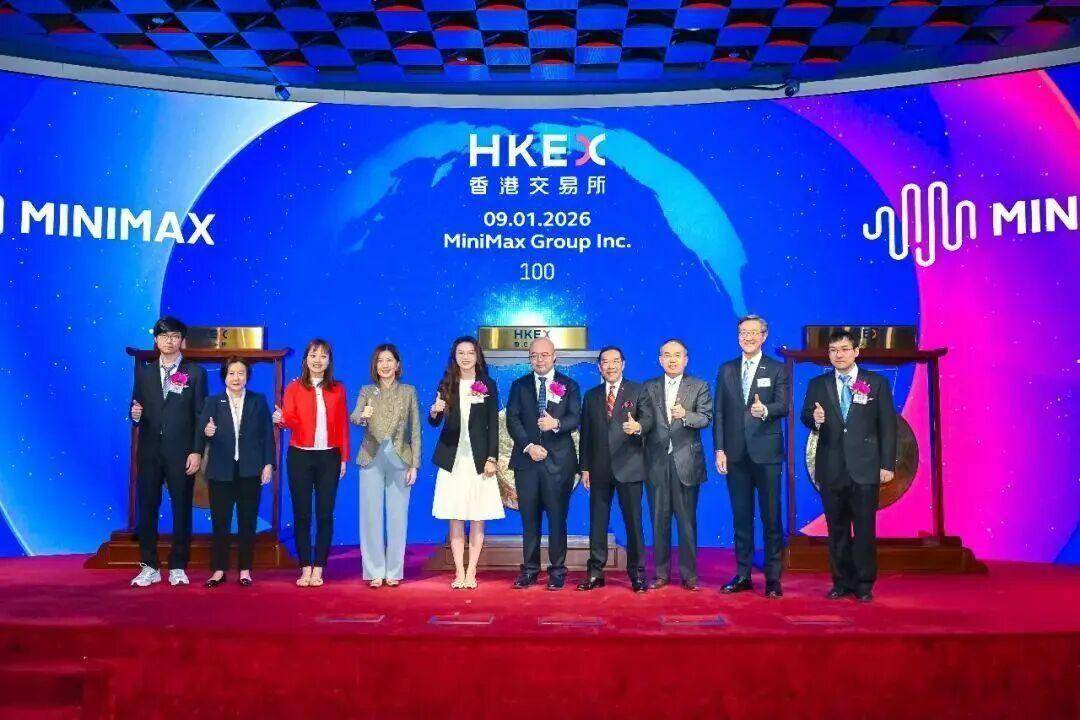
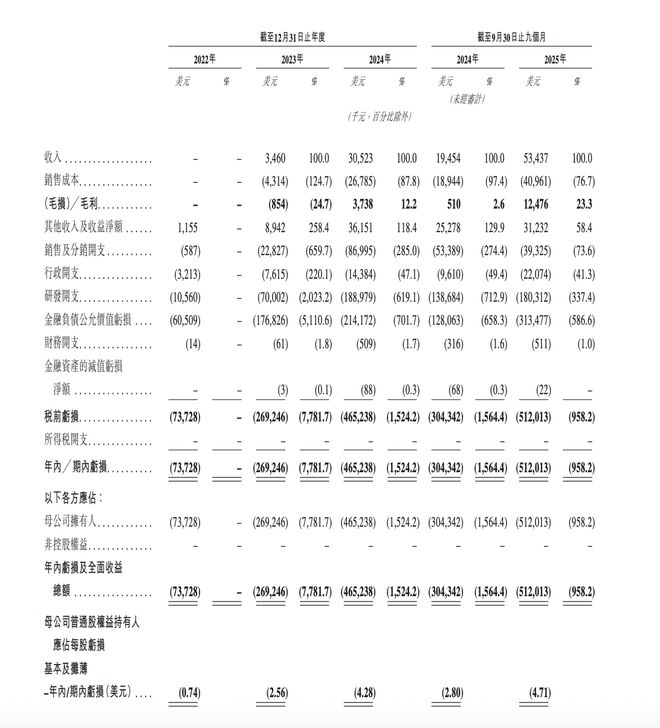
Group 1 - MiniMax, established only four years ago, had a remarkable debut on January 9, with a closing price increase of 109.09%, reaching a market capitalization of 105.4 billion HKD, surpassing the previous day's listing of Zhipu [1][3] - The contrasting market reactions to MiniMax and Zhipu highlight their different business models and growth narratives, with MiniMax focusing on C-end AI applications and over 70% of its revenue coming from overseas, while Zhipu targets the B-end enterprise market [3][4] - Financial data shows MiniMax's cash reserves at 2.57 billion RMB, more than double Zhipu's, with revenue growth from 3.46 million USD in 2023 to 30.52 million USD in 2024, a 782% increase [3][4] Group 2 - Zhipu, founded in 2019, has a strong academic background with a team primarily composed of Tsinghua University professors and PhDs, while MiniMax, founded in December 2021, is led by a younger team from SenseTime, with an average age of 29 [4][5] - MiniMax's product strategy focuses on "model as a product," directly targeting global C-end users with a diverse product matrix, while Zhipu emphasizes deep foundational models and MaaS services for enterprises [6][7] - MiniMax's impressive performance post-listing symbolizes a new entrepreneurial paradigm in the AI large model sector, showcasing its ability to rapidly iterate products and capture global user demand [7][9] Group 3 - MiniMax's global revenue distribution shows significant international reach, with 73.1% of its income coming from overseas markets, including China, Singapore, and the US [7][8] - Despite high growth, MiniMax reported cumulative losses of approximately 1.32 billion USD from 2022 to September 30, 2025, with R&D expenses reaching 180 million USD in the first three quarters of 2025, accounting for 337.4% of total revenue [8] - The differing paths of MiniMax and Zhipu reflect the diverse possibilities in AI commercialization, with Zhipu focusing on industry digitalization and MiniMax pursuing a global consumer approach [8][9]

MiniMax 上市,“多巴胺”能否供养“AGI 野心”?
3 6 Ke· 2026-01-09 00:19
Core Insights - The article discusses the emergence of MiniMax as a unique player in the AI industry, showcasing a different approach to achieving AGI (Artificial General Intelligence) compared to traditional models like OpenAI [1][4][16] - MiniMax's strategy emphasizes efficiency and monetization capabilities, contrasting with the heavy investment and large teams typical of other AI companies [1][4][16] Company Overview - MiniMax, founded by former SenseTime executive Yan Junjie, has adopted a "light asset, heavy model, high human efficiency" approach, allowing it to maintain a cash reserve of $1.102 billion, sufficient for 53 months of operations [5][16] - The company has spent approximately $500 million since its inception, significantly less than OpenAI's estimated expenditure of $40-55 billion, highlighting its financial efficiency [4][16] Business Model - MiniMax's revenue model is heavily reliant on its C-end business, which contributed over 71% of its revenue as of September 30, 2025, primarily from the Talkie platform [6][11] - The company faces challenges in being perceived as merely a gaming company, which could affect its valuation in the market [8][10] B-end Strategy - MiniMax's B-end business, which generated $1.542 million in revenue and saw a 161% year-on-year increase, is crucial for validating its AGI capabilities and supporting ongoing technological iterations [11][15] - The B-end strategy focuses on providing standardized API services rather than customized solutions, allowing MiniMax to collaborate with over 130,000 enterprise clients globally [13][15] Technological Development - MiniMax integrates AI deeply into its workflows, with approximately 80% of its programming code generated by AI, showcasing a collaborative evolution between AI and human efforts [2][4] - The company aims to position itself as a leader in AGI by embedding its technology into various products, moving beyond the perception of being a mere entertainment platform [10][14] Market Positioning - MiniMax's dual approach of leveraging C-end revenue to support B-end technological advancements is seen as a pragmatic solution to the challenges faced by AI startups [16] - The company is actively working to redefine its identity in the market, distancing itself from gaming associations while emphasizing its technological prowess and AGI ambitions [10][16]
四年冲刺IPO:MiniMax的上市狂欢与未卜前路
Sou Hu Cai Jing· 2025-12-23 02:00
Core Insights - MiniMax's IPO reflects the rapid growth of the AI industry while exposing collective anxieties within the sector [1] - The company positions itself as a global AGI technology firm, yet its business structure suggests a focus on application rather than core technology [3] Financial Performance - From 2022 to the first three quarters of 2025, MiniMax's cumulative R&D investment was approximately $120 million, only 1% of OpenAI's total spending [4] - The revenue structure shows that over 70% comes from C-end applications, with key products Talkie and HaiLuo AI generating $17.46 million and $18.75 million respectively in the first three quarters of 2025 [4] - Despite claiming profitability, MiniMax reported cumulative losses of $1.32 billion from 2022 to the first three quarters of 2025, with a net loss of $512 million in the first three quarters of 2025 alone [6] Market Position and Strategy - MiniMax's rapid IPO is driven by a combination of expanding losses and a changing financing environment, as the AI funding boom is waning [6] - The company aims to capitalize on the competitive landscape by going public before rivals, seeking to secure a competitive edge through capital market validation [7] Regulatory and Compliance Challenges - MiniMax faces significant compliance risks, particularly with over 70% of its revenue coming from overseas markets, which are subject to strict regulations [8] - Recent regulatory issues, including product removals from app stores and lawsuits from major entertainment companies, highlight the risks associated with rapid expansion without adequate compliance measures [8] Business Model Vulnerabilities - The company's revenue is heavily reliant on a few C-end products, making it vulnerable to market changes and competition from other platforms [9] - MiniMax's low-cost advantage stems from optimized cloud service use rather than breakthrough technology, which may diminish as competition intensifies [9] Shareholder Dynamics - Major shareholders include Alibaba and Tencent, which provide financial support but may also limit the company's strategic independence due to conflicting interests [10] Future Challenges - MiniMax faces ongoing pressure to invest in technology to keep pace with rapid industry advancements, with current R&D spending significantly lower than that of major competitors [11] - The competitive landscape is intensifying, with established players dominating both domestic and international markets, potentially squeezing MiniMax's market share [11] - The sustainability of MiniMax's profit model is in question, as reliance on low-margin C-end subscriptions and API services may not support long-term profitability [11]
MiniMax冲刺IPO:收入增长近8倍、年亏损32亿,如何突围大厂围剿?
Di Yi Cai Jing Zi Xun· 2025-12-21 20:01
Core Insights - MiniMax is set to become the fastest AI company to go public from inception, following its IPO application on December 21, 2023 [1] - The company anticipates a revenue growth of 782% in 2024, reaching $30.5 million, while projecting a net loss of $465 million [1][5] - The competitive landscape for AI companies is intensifying, with MiniMax and its peers facing significant financial pressures due to high operational costs and ongoing investments in technology [3][11] Financial Performance - MiniMax's revenue for 2023 was $3.5 million, with a projected increase to $30.5 million in 2024, and $53.4 million by the end of 2025 [5][6] - The company reported a net loss of $73.7 million in 2022, escalating to $269.2 million in 2023, and expected to reach $465.2 million in 2024 [7][8] - Cumulative losses over four years are estimated at approximately $1.32 billion [7] Revenue Sources - MiniMax's primary revenue streams include subscription services, token-based in-app purchases, online marketing services, and usage-based enterprise API services [5][6] - The Talkie product is expected to contribute nearly 64% of revenue in 2024, with other AI services also playing significant roles [7] Investment and Cash Flow - The company has raised approximately $390 million in its latest funding round, achieving a valuation of over $4.2 billion [9] - Monthly cash burn is projected to be around $280 million, with cash reserves of $1.05 billion as of September 30, 2025 [9] Market Outlook - The global AI market is projected to exceed $300 billion by 2030, with significant contributions to global GDP growth [11] - MiniMax aims to differentiate itself by focusing on specific niches rather than competing directly with larger firms like Alibaba and Tencent [11][12]
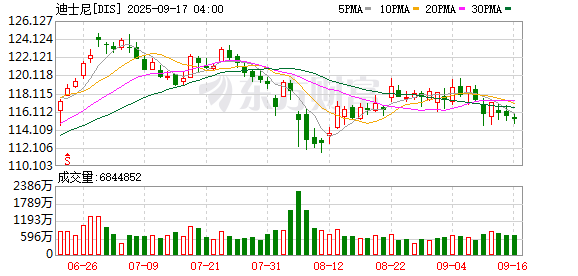
迪士尼等好莱坞巨头起诉MiniMax侵权,涉及超50个IP
2 1 Shi Ji Jing Ji Bao Dao· 2025-09-17 06:14
Core Viewpoint - The copyright battle between Hollywood and AI has escalated, with major studios suing the domestic company MiniMax for copyright infringement related to its AI product "Hai Luo AI" [2] Group 1: Legal Action and Allegations - Disney, Universal Pictures, and Warner Bros. have jointly filed a lawsuit against MiniMax, claiming that "Hai Luo AI" unlawfully reproduces and displays copyrighted works without authorization [2] - The lawsuit accuses MiniMax of not only direct infringement but also of aiding infringement, thus holding it liable for joint responsibility [2] - The plaintiffs include major Hollywood entities such as Marvel, Disney, 20th Century Fox, DC Comics, and DreamWorks, while the defendants include MiniMax's parent company Shanghai Xiyu Technology and its international operations company Nanonoble Pte Ltd [2] Group 2: MiniMax Overview and Product Details - MiniMax, founded in 2021 by former SenseTime vice president Yan Junjie, is one of the "six little dragons" of domestic AI startups, focusing on international expansion [4] - The company claims its self-developed multimodal models and AI applications cover over 200 countries and regions, with 157 million individual users [4] - "Hai Luo AI" specializes in generating images and videos from text prompts, and it gained significant traction in the U.S. AI application market, ranking among the top ten downloads in the first half of 2024 [4] Group 3: Allegations of Inaction and Evidence - The plaintiffs argue that MiniMax had the capability to prevent copyright infringement but chose not to, despite having systems in place to filter out violent and explicit content [6] - A letter from the plaintiffs' lawyers listed around 50 infringing characters, including Iron Man and Spider-Man, but MiniMax did not respond or take down the content [6] - MiniMax has been using copyrighted characters in promotional videos on social media platforms, with specific posts cited as evidence in the lawsuit [7] Group 4: Financial Implications and Demands - MiniMax is currently in its C-round of investment, having previously received funding from major investors like Alibaba, Tencent, and Sequoia China, with an estimated valuation of approximately $4 billion [7] - The lawsuit seeks compensation for actual damages or statutory damages, which could total up to $7.5 million based on the 50 works mentioned [8] - The plaintiffs also request a court injunction to prevent MiniMax from continuing to infringe on copyrighted works and to implement appropriate copyright protection mechanisms in "Hai Luo AI" [8]