eSIM AR眼镜

Search documents
手机遇冷眼镜预热,eSIM仍在等待“上桌”
Bei Jing Shang Bao· 2026-01-21 13:59
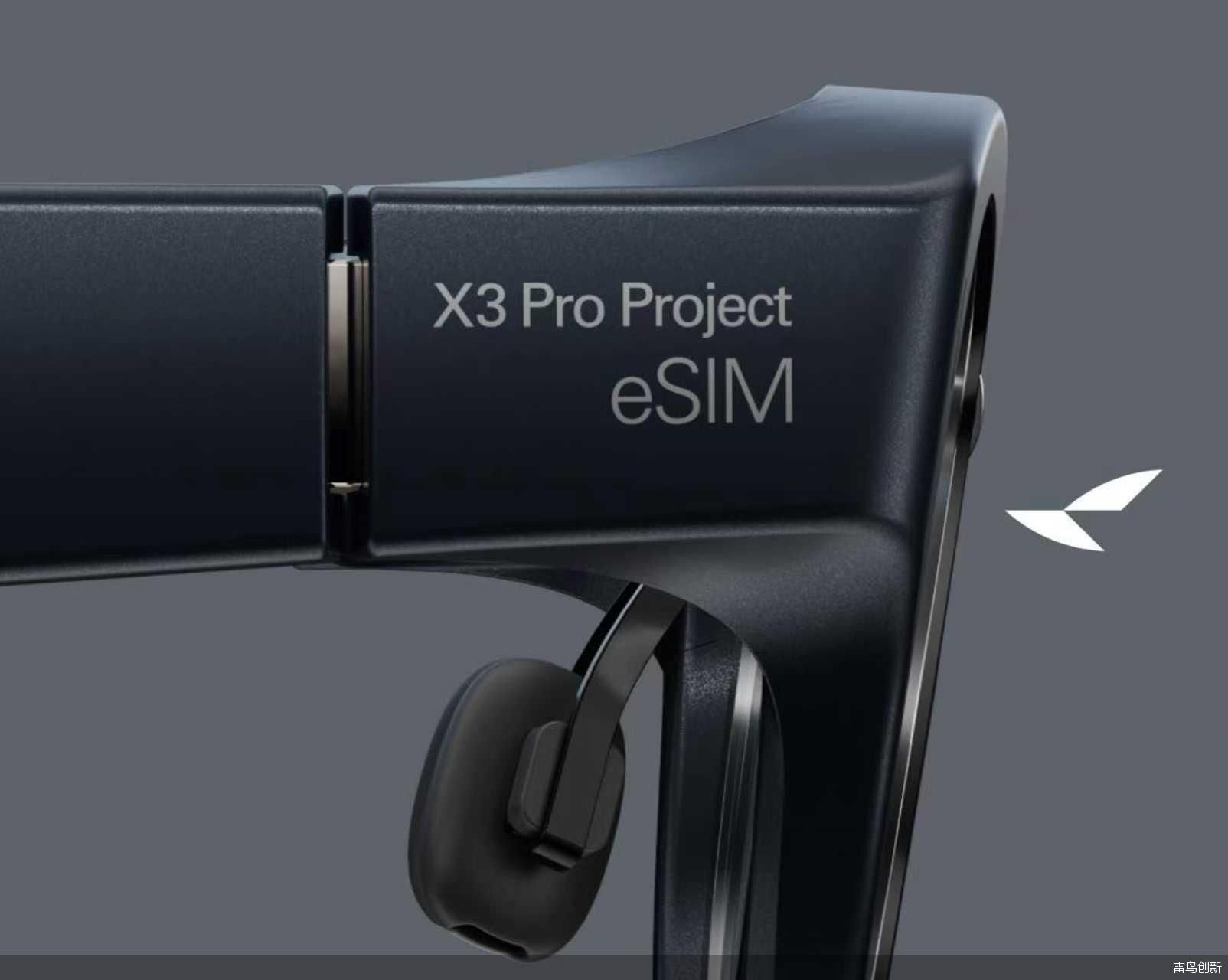
Core Insights - The demand for Apple's iPhone Air, which focuses on extreme thinness, is significantly lower than expected, leading to supply chain cutbacks and anticipated component discontinuation by the end of 2025 [1][3] - The eSIM technology, initially aimed at enhancing the iPhone Air's appeal, has not gained traction in the smartphone market, with manufacturers opting for dual support of physical SIM cards and eSIMs instead of fully adopting eSIM [1][4] Group 1: iPhone Air and eSIM Challenges - The iPhone Air's attempt to innovate in the smartphone market has revealed that consumers willing to pay for an ultra-thin experience are a niche audience [3] - Users are reluctant to purchase a device that compromises on essential features like battery life and camera quality for the sake of a lightweight design [4] - The cumbersome process of activating and switching eSIMs has contributed to slow adoption rates among users [4] Group 2: Shift to AR Glasses - The introduction of eSIM-enabled AR glasses by Thunderbird Innovation at CES 2026 represents a potential new avenue for eSIM technology, as AR glasses require compact designs that benefit from eSIM's lack of a physical card slot [6][7] - The strategic investment from major telecom operators in the AR glasses sector indicates a shift in focus towards integrating eSIM technology into new devices [6] - The compatibility of eSIM with AR glasses is seen as more promising than in smartphones, as the technology aligns better with the design and functional requirements of AR devices [7] Group 3: Future of eSIM in AR - While eSIM technology is mature and can be integrated into products with relative ease, it is not currently the primary focus for AR glasses, which prioritize optical display and spatial computing capabilities [8] - The potential for eSIM to become a necessity in AR devices hinges on advancements in technology and market conditions, particularly in scenarios like cross-border travel and IoT applications [9] - The industry acknowledges that while eSIM presents opportunities, the actual implementation and validation of its benefits will require time and further development [10]


AI泡沫退潮、落地为王,芯片巨头“拉帮结派”激战CES 2026
Tai Mei Ti A P P· 2026-01-07 08:01
Group 1 - NVIDIA's founder Jensen Huang emphasized the shift of AI from mere model competition to practical applications, focusing on "last mile" implementations during his keynote at CES 2026 [2][6] - The industry is transitioning from a "technology demonstration phase" to a "value realization phase," centering around real user scenarios [2] - AI technology is moving from "cloud-side intelligence" to "edge-side integration," becoming a fundamental infrastructure for human-computer interaction [2][6] Group 2 - CES serves as a platform for both tech giants and startups, particularly for Chinese companies to convert algorithms and technologies into tangible hardware [3] - AMD's CEO Lisa Su highlighted that AI is becoming a default capability in PCs, with AI performance improved by 1000 times over the past four years [9] - Intel introduced its third-generation AI PC processor, showcasing advancements in energy efficiency and CPU performance [11] Group 3 - Qualcomm launched the Snapdragon X2 Plus platform, featuring a 35% increase in single-core performance and a 43% reduction in power consumption [13] - IDC predicts that global AI PC shipments will reach 150 million units by 2027, with a penetration rate of 79% [13] - Major home appliance brands are now integrating AI into their products, focusing on enhancing core functionalities rather than superficial features [18] Group 4 - Companies like Hisense and TCL are showcasing advanced display technologies and AI-integrated home appliances at CES, with Hisense's RGB-Mini LED technology expected to see a significant increase in shipments [18][20] - Samsung plans to increase the number of mobile devices equipped with Google Gemini AI to 800 million by 2026 [22] - The competition among chip manufacturers is intensifying as they seek to define the future of physical AI [17] Group 5 - The CES 2026 highlighted the emergence of embodied intelligent robots and AI+AR glasses, indicating a shift from demonstration to market-ready products [29][34] - Startups are increasingly participating in CES to showcase innovative technologies and seek market opportunities [45] - The event serves as a critical platform for companies to adapt their strategies in response to rapid industry changes [47]



专访雷鸟创新CEO李宏伟:电信巨头押注下一代“手机”
Hua Er Jie Jian Wen· 2026-01-05 00:13
Core Insights - The article discusses the rapid growth and investment in the smart glasses sector, particularly in the context of AI and AR technologies, with a focus on the company Thunderbird Innovation [2][3][11] - It highlights the competitive landscape, emphasizing that while many players are entering the market, only a few will succeed in achieving sustainable sales and user retention [2][3][11] Investment and Market Dynamics - Thunderbird Innovation has secured a new round of financing, significantly oversubscribed, indicating strong investor interest in the smart glasses market [2][3][23] - The company holds a 24% global market share in AR smart glasses as of Q3 2025, maintaining its position as the market leader for two consecutive quarters [3][17] - The investment from major Chinese telecom operators marks a strategic shift, as they view smart glasses as the "next generation of mobile phones" [3][19] Product Development and Strategy - Thunderbird plans to showcase its first eSIM AR glasses at CES 2026, which will feature dual full-color displays and an integrated eSIM module [4][19] - The company aims to develop "killer applications" for its smart glasses, focusing on enhancing user experience and functionality through AI integration [10][30][36] - The CEO believes that 2026 will be the true breakthrough year for smart glasses, with products finally meeting user experience standards [6][12] Competitive Landscape and Future Outlook - The smart glasses industry is expected to evolve through three phases, with the first phase focusing on identifying who can create the next "iPhone" of smart glasses [15][17] - The article suggests that the current excitement in the industry does not equate to maturity, as many products still lack the necessary user experience [6][14] - Thunderbird's strategy includes a strong emphasis on global expansion, with expectations that overseas revenue will exceed 50% by 2026 [3][26] Technological Advancements - The company is investing heavily in R&D to enhance optical display technology, AI capabilities, and overall product performance [7][30][22] - Future products will focus on achieving low power consumption and high performance to ensure all-day wearability [30][32] - The integration of AI into smart glasses is seen as a critical area for development, with the goal of creating transformative applications that leverage AI's capabilities [31][36]