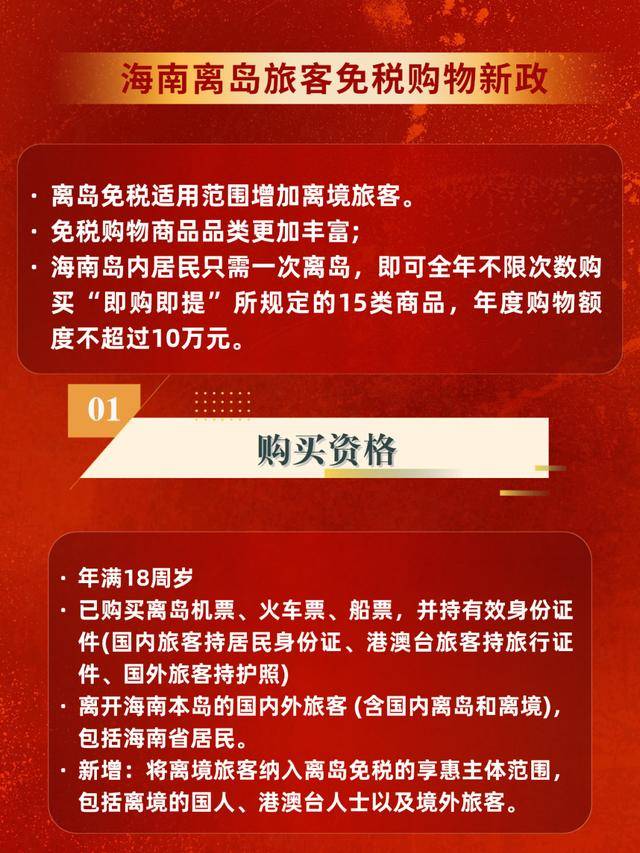
iPhone 17 Pro系列

Search documents
瑞声科技(2018.HK)散热营收大增410.9%,受AI驱动5年或达百亿规模
Ge Long Hui· 2026-03-25 03:37
Core Insights - The core viewpoint of the articles is that AAC Technologies (2018.HK) is experiencing explosive growth in its thermal management business driven by the surge in AI applications, with projected revenues reaching 1.67 billion yuan by 2025, a staggering increase of 410.9% year-on-year [1] Group 1: Business Growth - The thermal management business is expected to reach a scale of 10 billion yuan in the next five years, driven by new demands and industrial transformations brought about by AI [1] - AAC Technologies has transitioned from a traditional component manufacturer focused on mobile acoustics and motors to a strategic player leveraging AI across multiple product lines [1] Group 2: Market Position and Innovations - The company has pioneered innovative thermal products such as the circular VC and dual-chamber 3D combination VC, significantly improving efficiency compared to traditional solutions, addressing the increased thermal flow density of AI terminal chips [2] - AAC Technologies holds over 50% market share in the domestic high-end smartphone VC thermal management market and is a core supplier for the iPhone 17 Pro series [2] - The company plans to increase its VC thermal management production capacity by 150 million units, with a total annual capacity exceeding 300 million units, positioning itself to capture a significant share of the global smartphone VC thermal management market [2] Group 3: Strategic Acquisitions - AAC Technologies has acquired a leading liquid cooling company, Yuan Di Technology, to enter the data center liquid cooling sector, providing large-scale project delivery and services to major GPU manufacturers and internet giants [6]

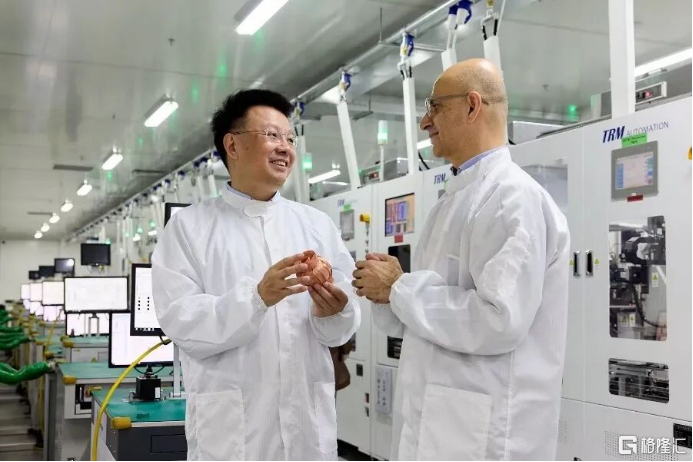
一文读懂苹果(AAPL.US)2026年股东大会:5个议题 1项被否决 库克不退休
智通财经网· 2026-02-25 08:25
Core Viewpoint - Apple Inc. held its 2026 Annual Shareholders Meeting on February 24, 2024, where shareholders approved all management proposals and rejected a shareholder proposal regarding "China Entanglement Audit," aligning with the board's recommendations [1][3][8]. Management Proposals - The meeting included five voting items, four of which were management proposals aimed at stability and continuity [2]. - Shareholders voted in favor of all four management proposals, which included the election of board members, the reappointment of Ernst & Young as the independent auditor, the executive compensation plan, and the revision of the non-employee director stock plan [3][4][5][6][7]. Election of Board Members - Eight current board members were re-nominated for another term until the end of the 2027 Annual Shareholders Meeting, maintaining a board structure with experienced members from various sectors [4]. - The re-elected board members include Art Levinson, Tim Cook, Ron Sugar, Andrea Jung, Wanda Austin, Alex Gorsky, Monica Lozano, and Susan Wagner, with a majority being independent directors [5]. Reappointment of Auditor - Ernst & Young was reappointed as the independent auditor for the fiscal year 2026 [5]. Executive Compensation - The executive compensation plan for fiscal year 2025 was approved, with CEO Tim Cook's target total compensation set at $59 million, which includes a base salary of $3 million, cash incentives of $6 million, and stock awards of $50 million [6]. - Cook's actual total compensation for 2025 was reported at $74.3 million, which is lower than the previous two fiscal years [6]. Non-Employee Director Stock Plan - The revised non-employee director stock plan was approved to provide equity incentives to non-employee directors [7]. Shareholder Proposal - The only shareholder proposal was the "China Entanglement Audit," which aimed to assess risks related to Apple's operations and supply chain in China [8]. - The proposal highlighted risks such as high import tariffs on Chinese goods, reliance on Chinese components, and potential litigation risks due to insufficient risk disclosures [10]. - The board recommended a vote against the proposal, stating that sufficient disclosures were already made in the annual report, and the proposal could limit the company's operational autonomy [10]. - Ultimately, shareholders rejected the proposal, despite the ongoing concerns regarding the Chinese market [10]. Financial Performance - In the first fiscal quarter of 2026, Apple's revenue reached $143.76 billion, with a net profit increase of 16% and a gross margin of 48.2% [21]. - Apple is addressing rising structural costs through a high-end product strategy, leveraging strong performance from the iPhone 17 Pro series and Mac products to maintain gross margins [22]. - Research and development spending increased by 32% year-over-year to $10.89 billion, focusing on system optimization and XR technology [23]. - The company is promoting the integrated development of hardware, services, and new technologies, maintaining a balance between cost control and long-term investment [24].

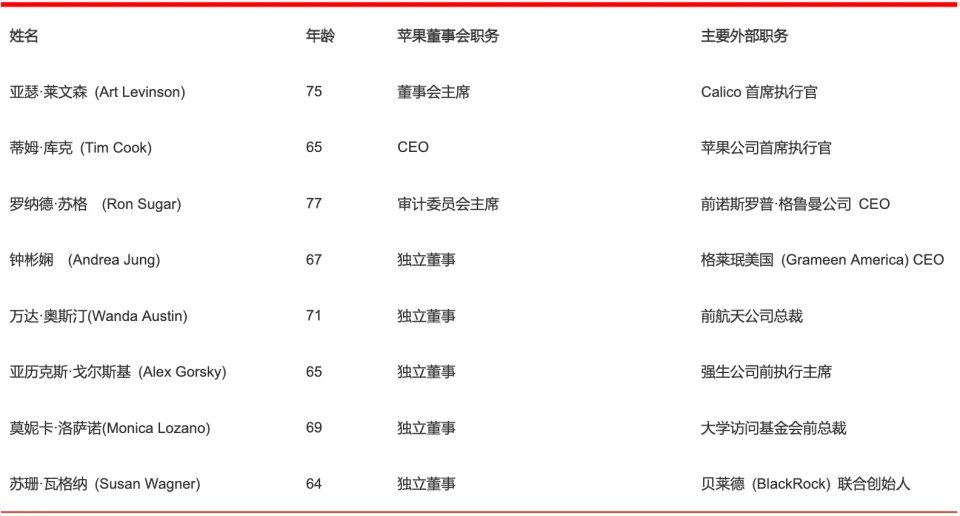
Omdia:2025年中国大陆智能手机市场出货量2.823亿台 华为时隔五年重夺第一
智通财经网· 2026-01-15 11:19
Core Insights - The Chinese smartphone market is projected to see a slight decline in shipments, with a total of 282.3 million units expected in 2025, representing a 1% decrease from 2024 [9] - Huawei leads the market with 46.8 million units shipped, capturing 17% market share, followed closely by Vivo and Apple [9] - Apple shows significant growth, particularly in Q4 2025, where it achieved 22% market share with 16.5 million units shipped [6][9] Market Performance - In Q4 2025, the overall smartphone market in China saw a 1% year-on-year decline, with total shipments of 76.4 million units [9] - Apple ranked first in Q4 shipments with 16.5 million units, while Vivo and OPPO followed closely [9] - Huawei's performance in Q4 was weaker, with 1.11 million units shipped, placing it fourth [9] Company Strategies - Apple is leveraging product differentiation and an upgraded product mix to drive sales, with the iPhone 17 series receiving positive consumer feedback [4] - Huawei is investing heavily in its HarmonyOS ecosystem, committing 1 billion RMB to support innovation in AI and its operating system [4] - Xiaomi is strategically launching its flagship model earlier to compete effectively against rivals [4] Future Outlook - Analysts predict that rising costs will pose significant challenges for smartphone manufacturers in both China and globally in 2026 [8] - Despite cost pressures, companies are expected to continue investing in long-term value areas such as channel upgrades and AI development [8] - The market is anticipated to maintain a foundation for steady growth and product innovation in 2026 [6][8]

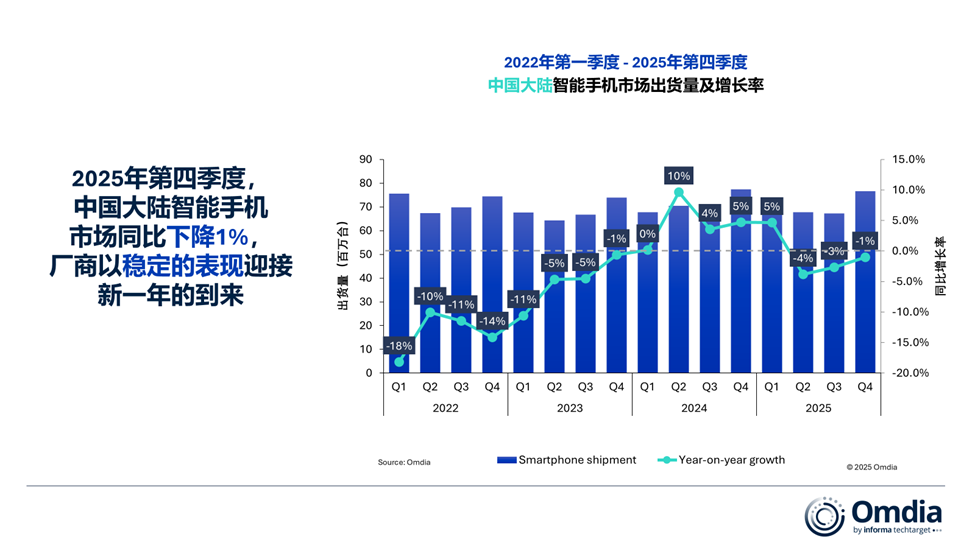
Omdia:2025年中国大陆智能手机市场微幅下滑1%,华为时隔五年重夺第一
Canalys· 2026-01-15 09:17
Core Viewpoint - The Chinese smartphone market is projected to see a slight decline in shipments in 2025, with a total of 282.3 million units, down 1% from the previous year. Huawei leads the market with a 17% share, followed closely by Vivo and Apple, while the overall market dynamics are influenced by government subsidy policies and product differentiation strategies [2][6][9]. Market Performance - In 2025, Huawei's shipments reached 46.8 million units, maintaining a 17% market share, while Vivo and Apple followed closely with 46.0 million and 45.9 million units, respectively. Xiaomi and OPPO rounded out the top five with shipments of 43.7 million and 42.8 million units [9]. - The fourth quarter of 2025 saw a total shipment of 76.4 million units, a year-on-year decline of 1%. Apple led this quarter with 16.5 million units, capturing a 22% market share, while Vivo and OPPO showed improved performance compared to the previous year [2][9]. Strategic Insights - Apple has successfully increased its shipments through a differentiated product strategy, particularly with the iPhone 17 series, which has been well-received by consumers. The company has maintained competitive pricing for its base models, enhancing its product mix [4]. - Huawei is investing heavily in its HarmonyOS ecosystem, committing 1 billion RMB to support innovation in AI and the operating system, while Xiaomi is strategically timing the release of its flagship model to stay competitive [4][6]. Future Outlook - Analysts predict that rising costs will pose significant challenges for smartphone manufacturers in both China and globally in 2026. The increasing prices of storage components will require companies to balance cost distribution, pricing competitiveness, and hardware upgrades [8]. - Despite cost pressures, manufacturers are expected to continue investing in long-term value areas such as channel upgrades, AI, and cross-device ecosystem experiences, indicating that 2026 could still be a year of value growth and product innovation in the Chinese market [8].

均热板年产能加码1.5亿片,瑞声科技(02018)锁定AI 散热“龙头”
Xin Lang Cai Jing· 2026-01-15 02:40
Core Insights - 瑞声科技 is expanding its production capacity by adding 150 million units of ultra-thin VC heat spreaders, aiming to solidify its position in the high-end smartphone VC market, where it currently holds over 50% market share in China [1][4] - The company is strategically positioning itself as a leading supplier in the AI device cooling sector, reflecting its commitment to becoming a core supplier for AI infrastructure [1][3] Market Position and Growth - 瑞声科技's heat dissipation products are projected to achieve sales exceeding 300 million yuan in 2024 and are expected to surpass 1.2 billion yuan in 2025, indicating a growth rate of over 300% within a year [4] - The compound annual growth rate (CAGR) for VC heat spreader shipments from 2020 to 2025 is expected to exceed 90%, with shipments reaching 150 million units by 2025 [7][9] Technological Advancements - The company has developed several industry-standard products, including the first circular VC and the first dual-chamber 3D combination VC, which significantly enhance heat dissipation efficiency [6][4] - 瑞声科技's proprietary flexible thermal materials and comprehensive manufacturing processes have established a competitive barrier, resulting in a product yield that is 15 percentage points higher than the industry average [6][4] Production Capacity and Client Relationships - Following the expansion, 瑞声科技's annual planned production capacity will exceed 300 million units, creating a positive feedback loop with major clients [7][9] - The collaboration with Apple has led to innovations in production efficiency and sustainability, such as the development of a new logistics system that reduces plastic waste [7][9] Market Expansion and Future Prospects - The company is extending its product applications beyond smartphones to include AR/VR devices, humanoid robots, and smart automotive sectors, addressing the growing demand for effective heat dissipation solutions [11][12] - The global heat dissipation market is projected to exceed $26.1 billion by 2028, with demand shifting from consumer electronics to sectors like smart automotive and data centers [11][12] Competitive Landscape - Despite its advantages, 瑞声科技 faces strong competition from companies like Taiwan's Chi Mei, Japan's Nidec, and Suzhou Tianmai, each with unique technological strengths [12] - The evolving technology landscape, particularly the increasing heat flow density in AI servers, presents challenges and opportunities for 瑞声科技 to innovate in liquid cooling technologies [12]

去一趟封关后的海南,我被自己“穷笑了”
Sou Hu Cai Jing· 2026-01-03 08:52
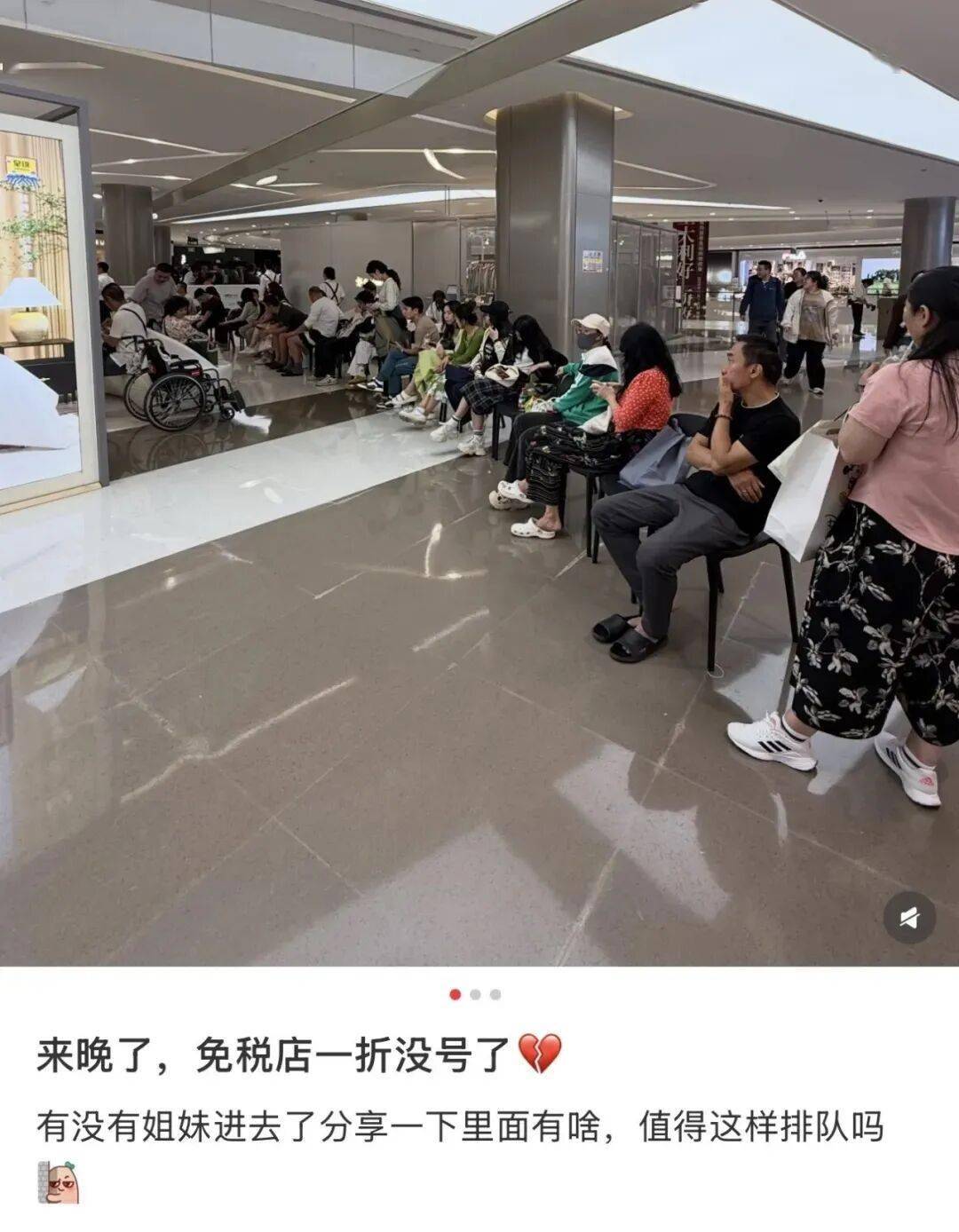
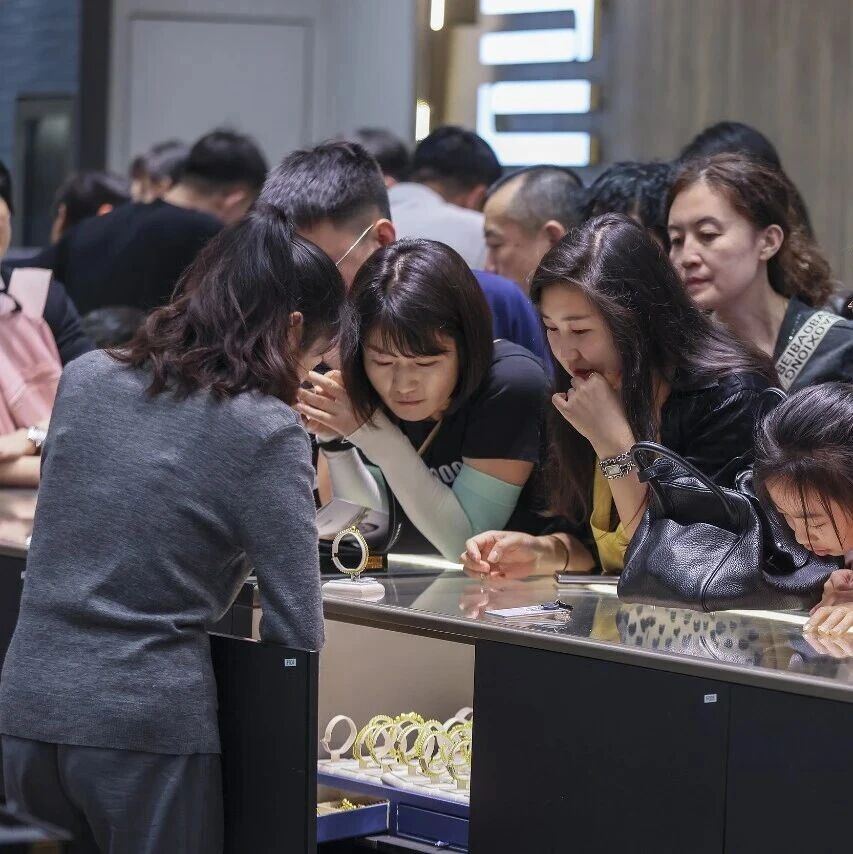
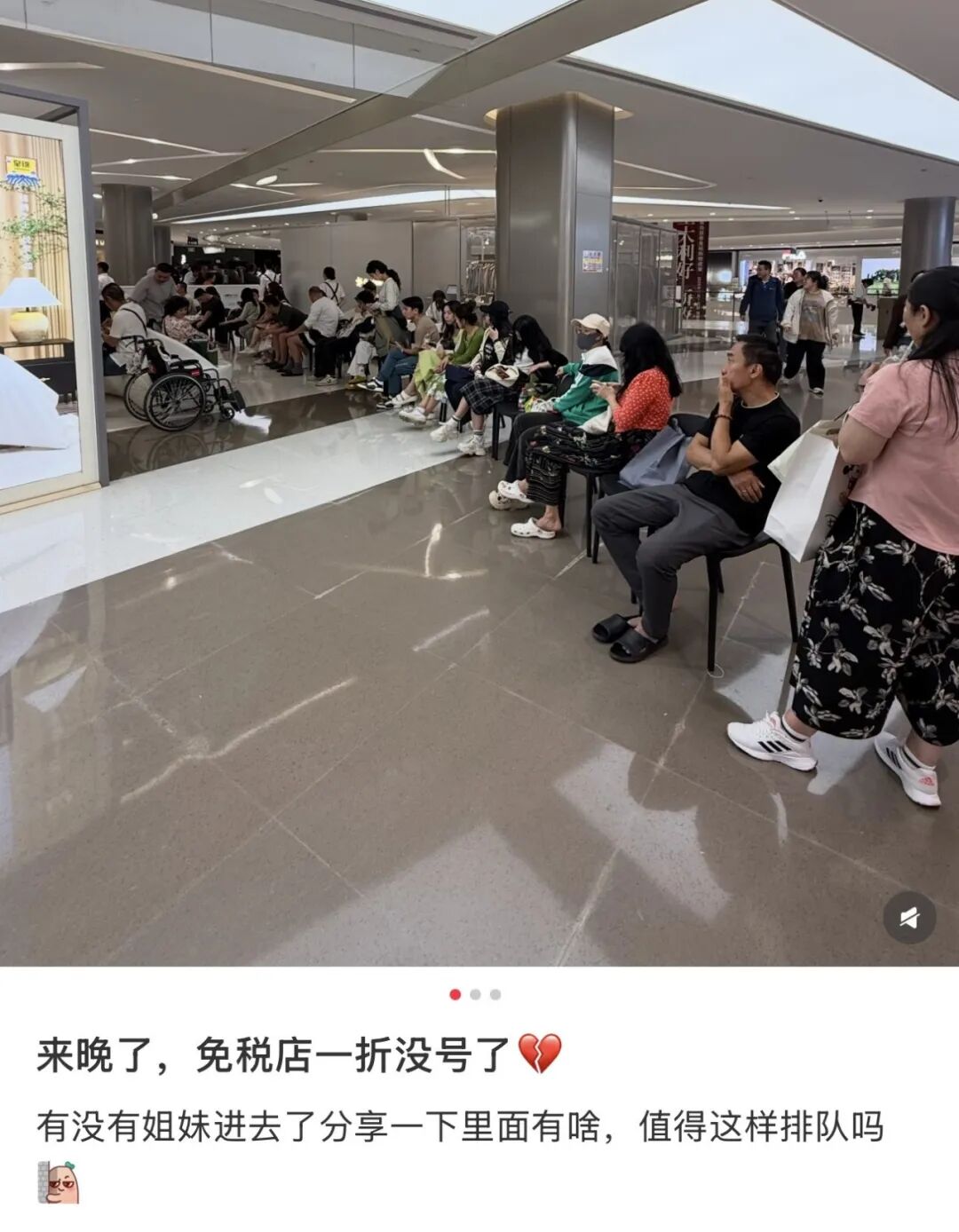
Core Insights - The recent closure of Hainan has transformed Sanya into a shopping paradise, particularly for gold and luxury goods, with consumers flocking to take advantage of tax-free prices and discounts [1][4][22] Group 1: Gold Market - The immediate aftermath of Hainan's closure saw a surge in demand for gold, with reports of consumers saving over 10,000 yuan by purchasing gold jewelry [4][19] - The price of gold in Hainan's duty-free shops is significantly lower than in mainland stores, with a reported price of 1,194 yuan per gram compared to over 1,368 yuan in mainland stores, leading to savings of over 160 yuan per gram [11][19] - Many consumers are actively seeking to maximize their savings through government consumption vouchers, with some reporting prices as low as 1,108 yuan per gram after applying discounts [19][20] Group 2: Luxury Goods and Electronics - The demand for luxury items, particularly the new iPhone 17 Pro series, has also surged, with discounts exceeding 2,000 yuan, making it a popular item among consumers [25][22] - Duty-free shopping in Hainan has led to a significant increase in sales, with Sanya's duty-free stores reportedly achieving sales exceeding 100 million yuan over four consecutive days [36][44] - The influx of consumers has not only benefited the luxury goods market but has also led to increased demand for everyday items, such as imported durians, indicating a broader economic impact [36][38] Group 3: Investment Opportunities - Hainan's new policies have positioned it as a low-tax haven, attracting investments from companies looking to benefit from reduced corporate tax rates and exemptions on certain imports [44][50] - Reports indicate that significant investments are being made in real estate, with one company reportedly spending nearly 5 billion yuan to acquire land in Sanya [44][45] - The strategic implications of Hainan's closure extend beyond consumer goods, as it is seen as a burgeoning investment landscape for both domestic and foreign capital [44][50]
我去了一趟封关后的海南
投资界· 2025-12-30 03:06
Core Viewpoint - The article discusses the surge in consumer spending in Hainan following the implementation of a new duty-free policy, highlighting the significant interest in gold purchases and luxury goods among consumers [5][27][50]. Group 1: Consumer Behavior - The influx of consumers in Hainan has led to long queues at duty-free shops, with many eager to take advantage of discounts on gold and luxury items [5][7][27]. - The price of gold in Hainan's duty-free shops is significantly lower than in mainland stores, with a reported price of 1,194 yuan per gram compared to over 1,368 yuan in mainland stores, resulting in savings of over 160 yuan per gram [20][24]. - Many consumers are prioritizing gold purchases, with some stating that buying gold in Hainan is more cost-effective than traveling to Hong Kong for similar purchases [18][21]. Group 2: Economic Impact - Hainan's duty-free policy has transformed the region into a "consumer paradise," with sales in duty-free stores exceeding 100 million yuan in just four days [43]. - The article notes that the demand for luxury goods, including iPhones and designer items, has surged, with discounts on new iPhone models reaching over 2,000 yuan [30][36]. - The local economy is benefiting from this consumer spending, contributing significantly to Hainan's GDP [43]. Group 3: Investment Opportunities - Hainan is positioned as an attractive investment destination due to its low tax rates, with corporate income tax for eligible industries set at 15% compared to 25% in mainland China [50]. - The article mentions that high-end talent and critical personnel can benefit from tax exemptions, making Hainan appealing for businesses and individuals looking to relocate [50][62]. - Reports indicate that significant investments are being made in Hainan, with one company reportedly spending nearly 5 billion yuan on land acquisitions in the region [50].
“去一趟封关后的海南,我被自己‘穷’笑了”
凤凰网财经· 2025-12-27 11:46
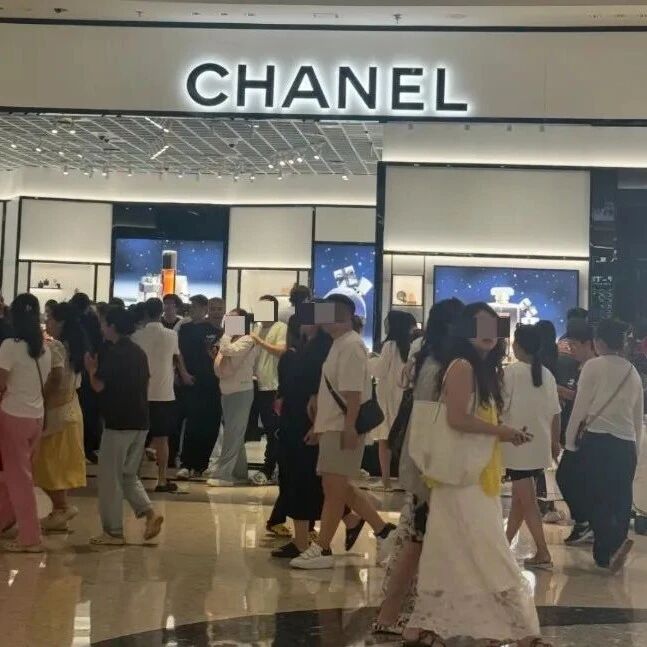
Group 1 - The article highlights the surge in consumer spending in Hainan following the implementation of a new duty-free policy, with gold purchases becoming particularly popular among middle-class consumers [10][38][73] - The price of gold in Hainan's duty-free shops is significantly lower than in mainland China, with a reported price of 1194 RMB per gram compared to over 1368 RMB in mainland stores, leading to a rush of buyers [25][34] - The influx of consumers has resulted in record sales for duty-free stores in Sanya, with sales exceeding 100 million RMB over four consecutive days and attracting over 36,000 visitors [53][54] Group 2 - Hainan is positioned as a "consumer paradise" post-closure, attracting not only tourists but also investors looking to capitalize on the favorable tax environment, which includes lower corporate tax rates and exemptions for high-end talent [38][67] - The article notes that the number of duty-free items has increased from 1900 to approximately 6600, with a significant rise in the proportion of zero-tariff goods, enhancing the attractiveness of Hainan for both consumers and businesses [73][74] - The demand for luxury items, including electronics like the iPhone, has surged, with discounts of over 2000 RMB reported for new models, further driving consumer interest in Hainan [41][44]
“去一趟封关后的海南,我被自己「穷笑了」”
3 6 Ke· 2025-12-27 01:39
Core Insights - The recent closure of Hainan has transformed it into a shopping paradise, particularly for gold and luxury goods, attracting a surge of consumers eager to take advantage of tax exemptions and discounts [1][24][54] Group 1: Gold Market Dynamics - The immediate aftermath of Hainan's closure saw a significant increase in demand for gold, with consumers flocking to duty-free stores to purchase gold jewelry at reduced prices, leading to long queues [4][5] - The price of gold in Hainan's duty-free stores is notably lower than in mainland China, with prices around 1194 RMB per gram compared to over 1368 RMB in mainland stores, allowing consumers to save over 160 RMB per gram [15][47] - Many consumers perceive purchasing gold in Hainan as a profitable investment rather than mere consumption, with reports of individuals buying gold at prices significantly lower than in other regions [21][23] Group 2: Luxury Goods and Consumer Behavior - The demand for luxury items, including the latest iPhone models, has surged, with discounts reaching up to 2000 RMB, making them highly sought after among consumers [27][37] - The influx of consumers has led to record sales figures for duty-free stores, with some reporting sales exceeding 100 million RMB over consecutive days [37] - The shopping frenzy is not limited to gold and electronics; consumers are also purchasing a variety of luxury goods at discounted prices, indicating a broader trend of increased consumer spending in Hainan [31][40] Group 3: Economic Implications - Hainan's transformation into a duty-free shopping hub is expected to contribute significantly to its GDP, driven by the influx of consumers and their spending habits [37][45] - The region is positioning itself as an attractive destination for investment, with favorable tax policies for businesses and high-income individuals, further enhancing its appeal as a commercial hub [47][54] - The strategic implications of Hainan's closure extend beyond consumer goods, as it aims to become a center for various industries, leveraging its tax advantages and increased product offerings [54][62]
连续4天破亿!海南封关,卖爆了
Sou Hu Cai Jing· 2025-12-23 05:18
Core Viewpoint - The recent implementation of the Hainan Free Trade Port's closure policy has significantly boosted local tourism and consumption, particularly in the duty-free shopping sector, leading to a surge in related stock prices and sales figures [1][20]. Group 1: Market Performance - The Hainan Free Trade Port Index rose by 9.28% as of December 22, following a previous increase of 6.53% [2]. - A total of 15 constituent stocks, including companies like China Duty Free Group and Hainan Airport, reached their daily limit up [2]. - Sanya's duty-free sales exceeded 1 billion yuan for four consecutive days, with a notable 37.3% year-on-year increase on December 21 [2]. Group 2: Duty-Free Shopping Policy Changes - The number of duty-free product categories increased from 45 to 47, adding pet supplies and portable musical instruments [3][6]. - Local residents can now purchase duty-free items without limit within a year, provided they have a record of leaving the island [6][7]. Group 3: Consumer Behavior and Trends - The introduction of consumption vouchers has led to increased foot traffic in duty-free stores, with significant discounts on popular products like iPhones and gold jewelry [8][10]. - There has been a notable increase in flight bookings to Hainan, with a 75% rise in ticket reservations for the upcoming New Year holiday [21]. Group 4: Long-Term Outlook - Analysts predict that the closure policy will create sustainable growth opportunities for the tourism and duty-free sectors, positioning Hainan as a key international leisure destination [26][27]. - The synergy between tourism and duty-free shopping is expected to enhance local economic development and attract a broader range of visitors, including those from lower-tier cities [27].