miclaw

Search documents
早报|伊朗提出停战六项条件;微信推出官方龙虾插件;以军宣布扩大对黎巴嫩攻势;OpenAI被曝将大规模招聘
虎嗅APP· 2026-03-23 00:15
Group 1 - Israeli Defense Forces are preparing to "deepen" ground operations in southern Lebanon against Hezbollah, indicating a long-term military engagement [2][3] - The IDF Chief of Staff stated that operations against Hezbollah are just beginning and will continue until the threat is eliminated [2] Group 2 - Chinese Vice Premier He Lifeng met with a delegation from the US-China Business Council, emphasizing the importance of US-China relations and encouraging American businesses to leverage opportunities in the Chinese market [4] Group 3 - Mark Zuckerberg is developing a CEO-specific AI assistant to enhance his efficiency in obtaining information, which is currently in development [5] - AI tools are rapidly being adopted within Meta, with employee performance evaluations now including AI application usage [6] Group 4 - Shuangliang Energy faces a fine of 4 million yuan for misleading information regarding overseas orders related to SpaceX, which constituted a minor percentage of their projected revenue [7][8] Group 5 - Iranian officials have proposed six conditions for a ceasefire, including the closure of US military bases in the region and the establishment of a new legal framework for the Strait of Hormuz [9] Group 6 - The Iranian armed forces have shifted their strategy from defense to offense, indicating a more aggressive military posture [12] Group 7 - OpenAI plans to conduct a large-scale recruitment drive, potentially adding 3,500 positions by the end of 2026, reflecting the competitive landscape of the AI market [16] Group 8 - Domestic fuel prices in China are set to increase, with gasoline prices expected to rise by 0.8-1 yuan per liter, impacting consumer costs significantly [25][26][27] Group 9 - The China Development Forum 2026 is being held, focusing on high-quality development and global cooperation, with key government officials participating [28] Group 10 - The national consumption subsidy policy is being reinstated, with significant subsidies available for smartphones and green appliances starting March 23 [29]



雷军官宣全球开发者热议的“神秘模型”,小米“AI路线图”逐步明晰
硬AI· 2026-03-19 02:37
Core Viewpoint - Xiaomi has officially claimed the "mysterious model" previously speculated to be DeepSeek V4, launching the MiMo-V2-Pro model with over 1 trillion parameters, ranking eighth globally, and demonstrating significant cost advantages. Goldman Sachs supports this move, stating Xiaomi is entering the AI results realization phase, solidifying its position as a "physical AI leader" [2][9]. Group 1: Model Launch and Features - Xiaomi has released three flagship models: MiMo-V2-Pro, MiMo-V2-Omni, and MiMo-V2-TTS, marking a significant step in its AI development [5][9]. - MiMo-V2-Pro is designed for high-intensity agent work scenarios, featuring over 1 trillion total parameters and a context window of 1 million tokens, ranking eighth in the Artificial Analysis Intelligence Index [10][13]. - MiMo-V2-Omni integrates multimodal understanding capabilities, achieving performance levels that meet or exceed competitors like Gemini 3 Pro and GPT-5.2 [11][13]. Group 2: Performance and Cost Efficiency - MiMo-V2-Pro's operational cost for completing the Intelligence Index test is $348, which is 36% lower than GLM-5 and 90% lower than Claude Sonnet 4.6 [16]. - The model has been optimized for agent scenarios, demonstrating superior tool invocation and multi-step reasoning capabilities, ranking at the top in global evaluations [17]. Group 3: Strategic Roadmap and Future Directions - Xiaomi's AI roadmap includes a systematic approach to converting R&D investments into tangible results, with previous releases like the Xiaomi-Robotics-0 model and the miclaw AI system [20]. - Future goals for the models include enhancing complex reasoning for MiMo-V2-Pro, achieving continuous intent planning for MiMo-V2-Omni, and expanding language capabilities for MiMo-V2-TTS [21]. Group 4: Financial Outlook and Valuation - Goldman Sachs projects Xiaomi's R&D spending will reach 40 billion RMB by 2026, impacting short-term profits but potentially leading to long-term value reassessment [23]. - Despite a forecasted decline in net profit for 2026, Goldman Sachs maintains a "buy" rating with a target price of HKD 41, reflecting Xiaomi's potential as a leader in self-developed AI and operating systems [23].


百“虾”大战:当第一批养虾人开始卸载,大厂的战争才真正开始
虎嗅APP· 2026-03-12 14:19
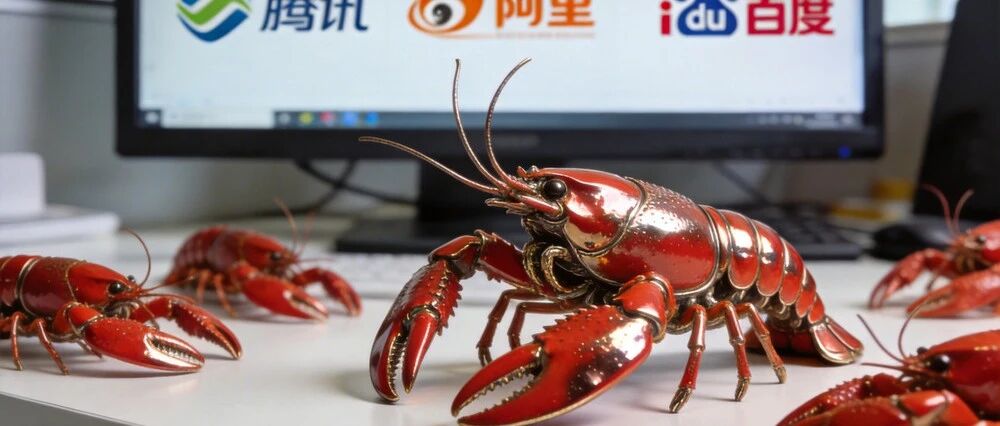
Core Viewpoint - The article discusses the rapid development and competition among major internet companies in China regarding AI agents, highlighting the contrasting trends of user disengagement and corporate engagement in the AI space [4][10]. Group 1: Company Actions and Timeline - Major internet companies have launched various AI products and services in a compressed timeline, with significant actions occurring from late February to early March [6][8]. - Companies like Tencent, ByteDance, Alibaba, and others have introduced products that integrate OpenClaw, offer one-click deployment, and provide user incentives [9][12]. Group 2: Competitive Strategies - Companies are adopting four main strategies: 1. Infrastructure selling, where cloud services like Tencent Cloud and Alibaba Cloud focus on simplifying deployment processes [12]. 2. Gaining entry points, with Tencent's WorkBuddy and ByteDance's ArkClaw aiming to integrate into popular messaging platforms [12]. 3. Ecosystem control, as seen with Xiaomi and NetEase, which are embedding AI agents into their existing ecosystems [12]. 4. Maintaining presence, where some companies feel compelled to participate in the AI trend to avoid being left out [13]. Group 3: Financial Implications - Each company's financial concerns differ: - Tencent is focused on maintaining its social connection platform [15]. - Alibaba is concerned about preserving its transaction pathways [16]. - Baidu aims to retain its position as the starting point for user queries [17]. - ByteDance is focused on ensuring it remains a key player in content distribution [17]. Group 4: User Experience and Market Impact - The article emphasizes that while users may disengage from specific AI products, the experience of using AI agents has lasting effects on their perception of AI technology [19][20]. - The competition among companies is not just about individual products but about establishing a foundational infrastructure for future AI interactions [20].



挡住豆包的那堵墙,被“龙虾”推倒了
凤凰网财经· 2026-03-10 13:53
Core Viewpoint - The article discusses the competitive landscape among major smartphone manufacturers (Xiaomi, Samsung, and Apple) in developing mobile AI agents, driven by the success of the open-source multi-agent framework OpenClaw, which has transformed user expectations regarding AI capabilities and data privacy [3][12][38]. Group 1: Competitive Landscape - Xiaomi has initiated a closed testing phase for its mobile AI agent product, miclaw, which is based on its self-developed MiMo model, aiming to enhance system-level execution capabilities [3][19]. - Samsung's Galaxy S26 features Google's Gemini AI agent, enabling cross-application operations, although it requires user initiation, contrasting with OpenClaw's proactive capabilities [8][22]. - Apple has decided to collaborate with Google to develop its next-generation AI model based on Gemini, indicating a shift in its traditionally isolated approach to technology [10][25]. Group 2: User Data and Trust - OpenClaw has challenged the prevailing notion that users are overly concerned about data privacy, as many users willingly share data for enhanced AI experiences, indicating a shift in user trust [12][13][38]. - The success of OpenClaw has prompted various tech companies, including ByteDance, Alibaba, Tencent, and others, to rapidly adopt and integrate OpenClaw-related services into their platforms [14][34]. Group 3: Development Strategies - The three major manufacturers are cautiously exploring the potential of mobile AI agents, with each company adopting unique strategies while remaining aware of the limitations of current technology [17][18]. - Xiaomi's miclaw is designed to integrate over 50 system capabilities, but it currently lacks advanced functionalities like payment processing, reflecting a cautious approach to user data handling [19][21]. - Samsung and Google's collaboration on Gemini is a step forward but still conservative, as they face challenges in getting third-party apps to adopt their GUI-based solutions [22][23]. Group 4: Future Implications - The emergence of mobile AI agents poses a potential threat to existing super apps, as these agents could redefine user engagement and application usage patterns [27][46]. - The article suggests that the future of mobile AI agents lies in creating frameworks that allow for seamless integration without overly relying on third-party app cooperation, which has historically been a barrier [36][37]. - The ongoing "shrimp farming" competition among tech giants indicates a significant shift in the industry, with super apps facing challenges in maintaining their dominance as user habits evolve [47].



小米集团- 核心利润抵御智能手机 电动车利润率波动;AI 投入打造实体 AI 领先地位;更新估值情景,维持买入
2026-03-10 10:17
Xiaomi Corp. (1810.HK) Conference Call Summary Company Overview - **Company**: Xiaomi Corp. (1810.HK) - **Market Cap**: HK$866.1 billion / $110.7 billion - **Enterprise Value**: HK$677.0 billion / $86.4 billion - **Current Price**: HK$33.42 - **Target Price**: HK$41.00 - **Upside Potential**: 22.7% [1] Key Industry Insights - **Headwinds**: Rising upstream costs in consumer electronics and automotive sectors, alongside softening demand due to the taper-off of national subsidies and NEV incentives, are major challenges impacting Xiaomi's profitability and valuation [1] - **Revenue Adjustments**: Revenue estimates for 2025-2027 have been reduced by 2% to 9%, with adjusted net profit estimates cut by 8% to 24% for the same period [1] Financial Performance - **2026E Revenue**: Estimated at Rmb496.2 billion, down from previous estimates [6] - **Adjusted Net Profit**: Expected to be Rmb27.9 billion in 2026E, reflecting a significant decline from Rmb39.5 billion in 2025E [6] - **EBITDA**: Projected at Rmb40.3 billion for 2026E [6] - **EPS**: Expected to be Rmb1.13 in 2026E, down from Rmb1.47 in 2025E [6] Strategic Insights - **Backbone Profit**: Internet services, AIoT, and other income are expected to provide a buffer against industry challenges, with an estimated "backbone profit" of Rmb33.5 billion in 2026E [19] - **R&D Investments**: Increased R&D spending (Rmb40 billion in 2026E) is anticipated to drag near-term profits but is aimed at establishing Xiaomi as a leader in physical AI [20] - **Smartphone Segment**: Expected to face a decline in shipments, with a projected drop of 10% to 15% year-over-year in 4Q25E and 1Q26E [25][28] Market Position and Competitive Landscape - **Market Share**: Xiaomi is experiencing a decline in market share, while competitors like Apple and OPPO are gaining [30] - **Pricing Strategy**: Xiaomi's pricing for new models varies by region, with some markets seeing price increases while others remain stable [41] Future Catalysts - **Upcoming Events**: Key events include the release of 4Q25 results, new EV models, and updates on AI initiatives [22] - **Product Launches**: The launch of new smartphone models and EVs is expected to drive revenue growth in the coming years [22] Conclusion - Despite facing significant challenges, Xiaomi's strategic investments in AI and R&D, along with a strong balance sheet, provide a favorable risk-reward scenario for investors. The company maintains a "Buy" rating with a target price of HK$41, reflecting a potential upside of 22.7% [1][2]

以龙虾之名,争夺AI超级入口
第一财经· 2026-03-10 02:42
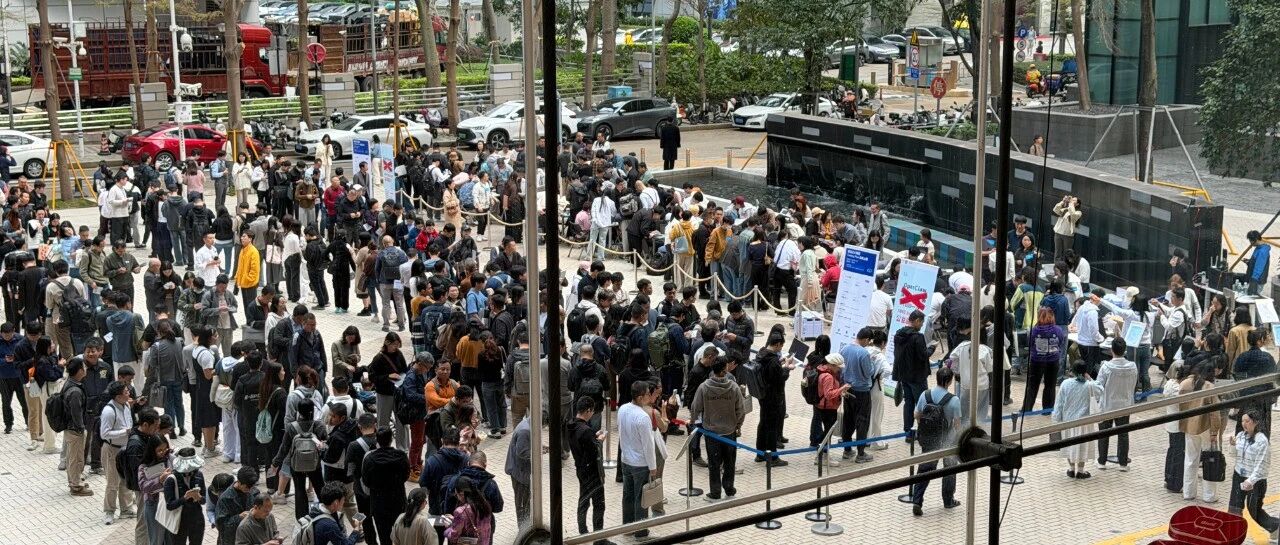
Core Insights - OpenClaw has recently gained significant popularity, surpassing Linux and React on GitHub, leading to widespread discussions in tech communities across China [5][7] - The original principles of OpenClaw, which emphasize localization and flexibility, are being altered as the product evolves and more companies enter the market with similar offerings [6][8] Group 1: OpenClaw's Development and Popularity - OpenClaw, referred to as "lobster" in China, is designed to ensure privacy and flexibility by allowing local deployment and integration with existing messaging tools [9][10] - The user base for OpenClaw has expanded beyond AI professionals to include a broader audience, indicating its growing acceptance [7] - Tencent Cloud has initiated a free deployment event for OpenClaw, attracting significant interest with over a thousand participants [14][17] Group 2: Market Competition and New Products - Xiaomi has introduced a similar product called Xiaomi miclaw, which aims to create a Chinese version of OpenClaw, integrating with its IoT ecosystem [21][22] - Miclaw operates as an app requiring download, contrasting with OpenClaw's integration into existing messaging platforms [22] - Tencent's development of QClaw, a product similar to OpenClaw, aims to integrate with popular messaging apps like WeChat and QQ, potentially disrupting existing AI applications [25][26] Group 3: Technical and User Experience Challenges - The deployment process for OpenClaw is complex, requiring users to navigate technical steps that may be challenging for non-technical users [12][18] - Current hardware limitations hinder the full realization of OpenClaw's intended privacy and flexibility features, as many devices lack the necessary computational power [24] - The reliance on cloud services for both OpenClaw and miclaw raises concerns about user costs and the potential for centralization, which contradicts the original vision of localized AI agents [19][20]
计算机行业周报:行业大幅下跌,腾讯免费安装OpenClaw
Guoyuan Securities· 2026-03-09 09:30
Investment Rating - The report maintains a "Recommended" rating for the industry [6] Core Insights - The computer industry index (Shenwan) experienced a significant decline of 5.29% during the week of March 2 to March 6, 2026, underperforming major indices such as the Shanghai Composite Index, which fell by 0.93%, the Shenzhen Component Index by 2.22%, and the ChiNext Index by 2.45% [1][11] - The report highlights the launch of Tencent's OpenClaw, which provides a comprehensive service for users, including installation, model configuration, and integration with IM channels. This service has gained significant attention in the market, with many cloud platforms now offering OpenClaw services [4][21] - The report suggests that as AI Agent technology matures, related applications are entering a deployment phase, leading to a potential rapid increase in token consumption. It recommends focusing on companies providing related AI services [4][21] Summary by Sections Market Review - The computer industry index fell by 5.29%, ranking third from the bottom in terms of performance among major indices during the specified week [1][11] - The sub-sector indices for computer equipment, IT services II, and software development saw declines of -5.19%, -5.36%, and -5.29%, respectively [1][11][13] Major Events - The report notes significant developments in AI technology, including the release of OpenAI's GPT-5.4 series and Google's new tools for Workspace, which enhance capabilities for developers [16] - Tencent's OpenClaw service has been widely adopted, with various cloud platforms launching their own versions, indicating a surge in innovation around AI applications [16][21] Key Announcements - Star Ring Technology is developing a new generation AI database named "Cognitive Database," integrating AI and machine learning directly into the database engine [2][19] - Zhongkong Technology forecasts a revenue of 520 million to 620 million yuan for January to February 2026, representing a year-on-year growth of 20.59% to 43.78% [2][19] - Chen'an Technology has received approval for a specific stock issuance from the State-owned Assets Supervision and Administration Commission [3][19]
计算机行业周报:行业大幅下跌,腾讯免费安装OpenClaw-20260309
Guoyuan Securities· 2026-03-09 08:18
Investment Rating - The report maintains a "Recommended" rating for the industry [6] Core Insights - The computer industry index (Shenwan) experienced a significant decline of 5.29% during the week of March 2 to March 6, 2026, underperforming major indices such as the Shanghai Composite Index, which fell by 0.93%, the Shenzhen Component Index by 2.22%, and the ChiNext Index by 2.45% [1][11] - The report highlights the launch of Tencent's OpenClaw, which provides a comprehensive service for installation and deployment, indicating a growing interest in AI Agent technology and its applications [4][21] - The report suggests that as AI Agent technology matures, related applications are entering a commercialization phase, with expectations for rapid growth in token consumption [4][21] Summary by Sections Market Review - The computer industry index fell by 5.29%, ranking third from the bottom in terms of performance among sectors [1][11] - Sub-sector performance included declines of 5.19% for computer equipment, 5.36% for IT services II, and 5.29% for software development [1][11][13] Major Events - The report notes significant developments in AI technology, including the release of OpenAI's GPT-5.4 series and Google's new tools, which enhance capabilities in coding and desktop control [16] - Tencent, ByteDance, Alibaba, and others have launched OpenClaw services on their cloud platforms, indicating a competitive landscape in AI service offerings [16] Key Announcements - Star Ring Technology is developing a new AI database named the cognitive database, integrating AI and machine learning into the database engine [2][19] - Zhongkong Technology forecasts a revenue of 520 million to 620 million yuan for January-February 2026, representing a year-on-year growth of 20.59% to 43.78% [2][19] - Chen'an Technology has received approval for a specific stock issuance from the State-owned Assets Supervision and Administration Commission [3][19]
腾讯研究院AI速递 20260309
腾讯研究院· 2026-03-08 16:01
Group 1: Generative AI Developments - OpenAI released the GPT-5.4 series, integrating Computer Use capabilities, combining code, reasoning, and desktop control into a unified model [1] - The OSWorld desktop control evaluation scored 75.0%, surpassing the human benchmark of 72.4%, while GDPval professional work evaluation reached 83.0% [1] - Standard API pricing is set at $2.50 per million inputs and $15 per million outputs, with a Pro version priced at a 12x premium targeting complex agent scenarios [1] Group 2: OpenAI Initiatives - Peter Steinberger, founder of OpenClaw, joined OpenAI and launched the "Codex for Open Source" project, offering free API credits and 6 months of ChatGPT Pro access to open-source maintainers [2] - The application criteria target core maintainers and widely used public project operators, with non-standard projects eligible if they play a significant role in the ecosystem [2] - Steinberger claims to balance responsibilities between OpenAI and OpenClaw, aiming to support as many open-source contributors as possible [2] Group 3: Tencent Innovations - Tencent's Mix Yuan introduced the HY-WU paradigm, generating personalized LoRA parameters in real-time during inference, replacing traditional static fine-tuning methods [3] - This approach was applied to an 800 billion parameter image editing model, outperforming closed-source models in multiple metrics, with only a 0.11 point gap from GPT Image 1.5 [3] - The paradigm is designed for cross-modal applicability, with plans to expand functional memory to video generation, multi-modal alignment, and edge deployment [3] Group 4: Xiaomi's AI Agent - Xiaomi launched the miclaw mobile AI Agent product based on the MiMo model, encapsulating over 50 system-level tools for autonomous task orchestration [4] - The AI can interact with the entire home IoT ecosystem and supports third-party applications through an SDK [4] - It features self-evolution capabilities, allowing it to create sub-agents and continuously adapt based on user preferences and experiences [4] Group 5: Karpathy's Autoresearch - Karpathy released the autoresearch project, consisting of only 630 lines of code, enabling an AI agent to autonomously execute code editing, model training, evaluation, and iteration without human intervention [5] - Each training session lasts 5 minutes, using val_bpb as a unified evaluation metric, with the agent submitting improvements via Git [6] - Karpathy is running an enhanced version on eight H100 GPUs, positioning the project as a proof of concept for self-evolving LLMs, with potential for expansion into various research fields [6] Group 6: Security Innovations - Illia Polosukhin, co-author of the Transformer paper, rewrote OpenClaw in Rust, launching the secure version IronClaw with a four-layer defense architecture [7] - Key security features include WASM sandbox isolation, AES-256-GCM encrypted credential vaults, and a trusted execution environment (TEE) [7] - The project aligns with NEAR Protocol's "user-owned AI" strategy, establishing an AI cloud platform and a marketplace for intelligent agents [7] Group 7: Multiplayer Video World Model - The team led by Xie Sainin introduced Solaris, the first multiplayer video world model capable of generating consistent first-person perspectives among multiple players, validated in Minecraft [8] - They developed the SolarisEngine for data collection, creating a dataset of 12.64 million frames, the first annotated dataset for training multiplayer world models [8] - The model incorporates a multi-player self-attention layer to facilitate information exchange among players, significantly outperforming previous solutions [8] Group 8: AI in Theoretical Physics - Google Research utilized Gemini Deep Think, tree search, and automatic numerical feedback to solve the unresolved problem of cosmic string gravitational radiation power spectrum [9] - The AI explored approximately 600 candidate paths, with 80% pruned by an automatic verifier, ultimately identifying six solutions, with the Gergenbauer method being the most elegant [9] - The final closed-form solution was achieved through human-AI collaboration, showcasing a reusable AI-driven research paradigm [9] Group 9: Labor Market Impact of AI - Anthropic's labor market report indicates that AI is subtly impacting young people's first jobs, with a 14% decrease in the proportion of 22-25-year-olds entering high AI exposure occupations [10] - The AI task coverage for computer programmers reached 74.5%, but actual coverage across industries is only about one-third of theoretical values, indicating significant untapped potential [10] - Companies are shifting investments from "future human assets" to "immediate computational assets," leading to the disappearance of entry-level positions and emphasizing decision-making, aesthetic engineering, and AI collaboration skills as core competencies [11] Group 10: OpenClaw's Global Impact - OpenClaw's global popularity surged, with over 1,300 attendees at a New York gathering, where Huang Renxun described it as "the most important software release in history" [12] - Observations from the event indicated users spending an average of $1,000 to $2,000 monthly on model costs, with some burning 1 billion tokens daily [12] - Security concerns emerged as the primary issue, with no one believing the system is 100% secure, highlighting the genuine demand for personal intelligent agents and marking the onset of the consumer AI agent era [12]