Di Yi Cai Jing

Search documents
在华转型关键时期,奔驰销售公司换帅
Di Yi Cai Jing· 2026-02-14 13:49
梅赛德斯-奔驰集团股份公司董事会主席康松林(Ola Kaellenius)在财报会媒体问答环节表示,中国汽 车销售市场相较过去发生较大的变化,比如入门级汽车市场相比2019年前完全不一样,同时中国新能源 车渗透率不断攀升,30万元或20万元以下纯电车仍在持续增长等。此外,以前中国整车进口最有利润, 但现在也有所变化,因此需要在中国加大本土化生产。 梅赛德斯-奔驰董事会成员、负责大中华区业务的佟欧福(Oliver Thöne)在财报会上表示,中国将继续 作为奔驰全球最重要的单一市场,但未来发展将更聚焦于价值链优化与本土化利润改善。 段建军自2013年加入奔驰销售公司担任销售与市场营销执行副总裁,2019年升任公司首席运营官,并自 2023年起担任公司总裁兼首席执行官。接任者李德思拥有20余年奔驰从业经验,曾在梅赛德斯-奔驰总 部及地区市场的不同岗位担任重要职务,约四分之一职业生涯深耕中国市场。期间,李德思为smart品 牌电动化转型进程发挥了至关重要的作用,并以中国为基地建立了全球的销售与市场营销体系。 近两年来,中国汽车市场发生结构性变化,传统豪华车市场承压,豪华车企普遍面临转型挑战。而新能 源汽车市场高歌猛 ...
让市民群众欢度平安祥和的新春佳节!陈吉宁龚正检查城市保障,慰问一线工作人员
Di Yi Cai Jing· 2026-02-14 12:45
让市民群众欢度平安祥和的新春佳节,让中外游客在沪过年留下美好记忆。 市消防救援指挥中心是上海消防救援的中枢平台。龚正一行来到中心,检查消防应急值守情况,察看消 防救援"一网统管"平台,了解接警调度、风险排查情况,详细询问春节消防应急预案、消防力量驻守等 情况,并与各消防分指挥中心视频连线。龚正指出,要绷紧安全这根弦,充分估计风险,抓好责任落 实,加强精准管控和联动配合,打好长假期间消防安全防范这场硬仗,确保市民度过一个欢乐、平安、 祥和的春节。随后,龚正来到长宁消防救援站,察看特种车辆装备和通讯室,并看望慰问一线消防指战 员。 春节即将到来,盒马鲜生徐汇西岸传媒港店内,主副食品、年夜饭套餐、年宵花等供应丰富。龚正察看 销售区、餐饮区及仓储配送区,详细询问备货销售、骑手配置等情况,并听取商务部门关于全市主副食 品保供稳价、新春促消费活动的情况汇报。龚正要求服务好新春市民消费,确保质优价稳、便利快捷, 牢牢守住食品安全底线,并鼓励企业持续创新,把握悦己消费等新趋势,创造更多消费需求。 龙华寺、豫园、外滩、张园各处张灯结彩,市民游客络绎不绝、喜气洋洋。朱忠明一行实地察看区域客 流动线规划、安保措施落实、警力安排配置 ...
“全网最低价”等被列入新型垄断风险,互联网卖药受影响几何
Di Yi Cai Jing· 2026-02-14 11:47
严格划定禁止低价倾销、禁止价格欺诈、禁止垄断、强制透明公示四条红线。 药店进驻电商平台"赔本赚吆喝",药企深陷"平台二选一",线上"卖药"低于厂商成本价,"互联网+"服 务价格不透明、隐形收费……这些扰乱医药市场的价格乱象将迎来更强监管,平台企业或面临"大考"。 13日,市场监管总局发布《互联网平台反垄断合规指引》,明确"全网最低价"等多个新型垄断风险行 为。同日,该局发布《医疗机构价格公示规定(征求意见稿)》,这是时隔24年该规定首次修订,并首 次将互联网医院纳入监管范围,对线上处方所涉及的药品价格公示提出了独立、详尽的要求,强调线上 线下主体的一致性。 "结合此次发布两个文件,后续医药价格与平台竞争监管将重点围绕合理定价边界、价格公示规范、信 息披露尺度、多部门监管分工四大核心,形成清晰合规框架。"北京中医药大学卫生健康法学教授邓勇 对第一财经表示。 他认为,整体来看,本轮监管既允许平台与医药机构基于成本差异合理定价,又严格划定禁止低价倾 销、禁止价格欺诈、禁止垄断、强制透明公示四条红线。在促进线上线下有序竞争的同时,保障患者知 情权与医保基金安全。 医药电商"补贴""促销"或迎更强监管 该指引称,平台经 ...
海南封关后首个春运:琼州海峡过海车票全部售罄
Di Yi Cai Jing· 2026-02-14 11:45
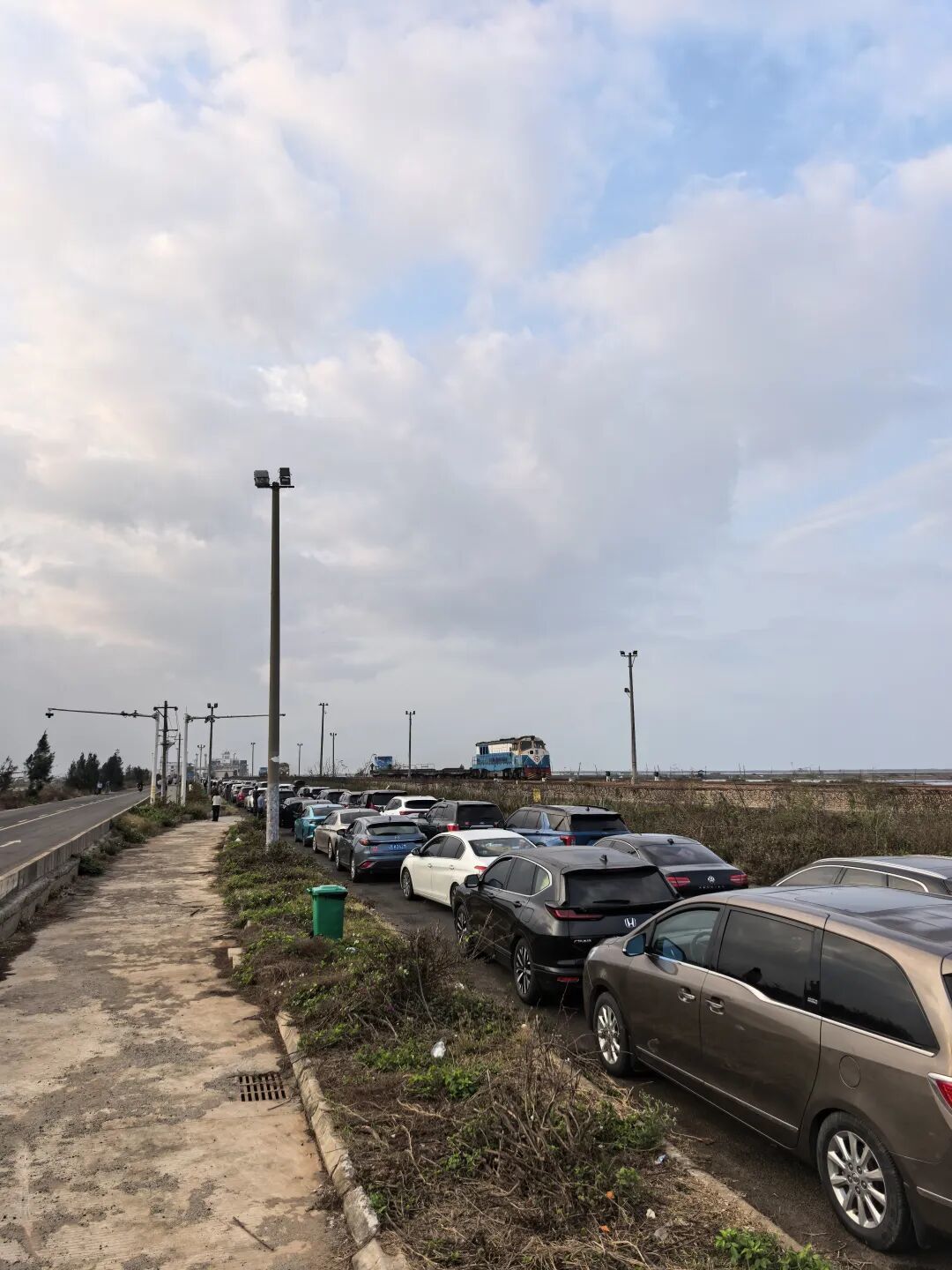
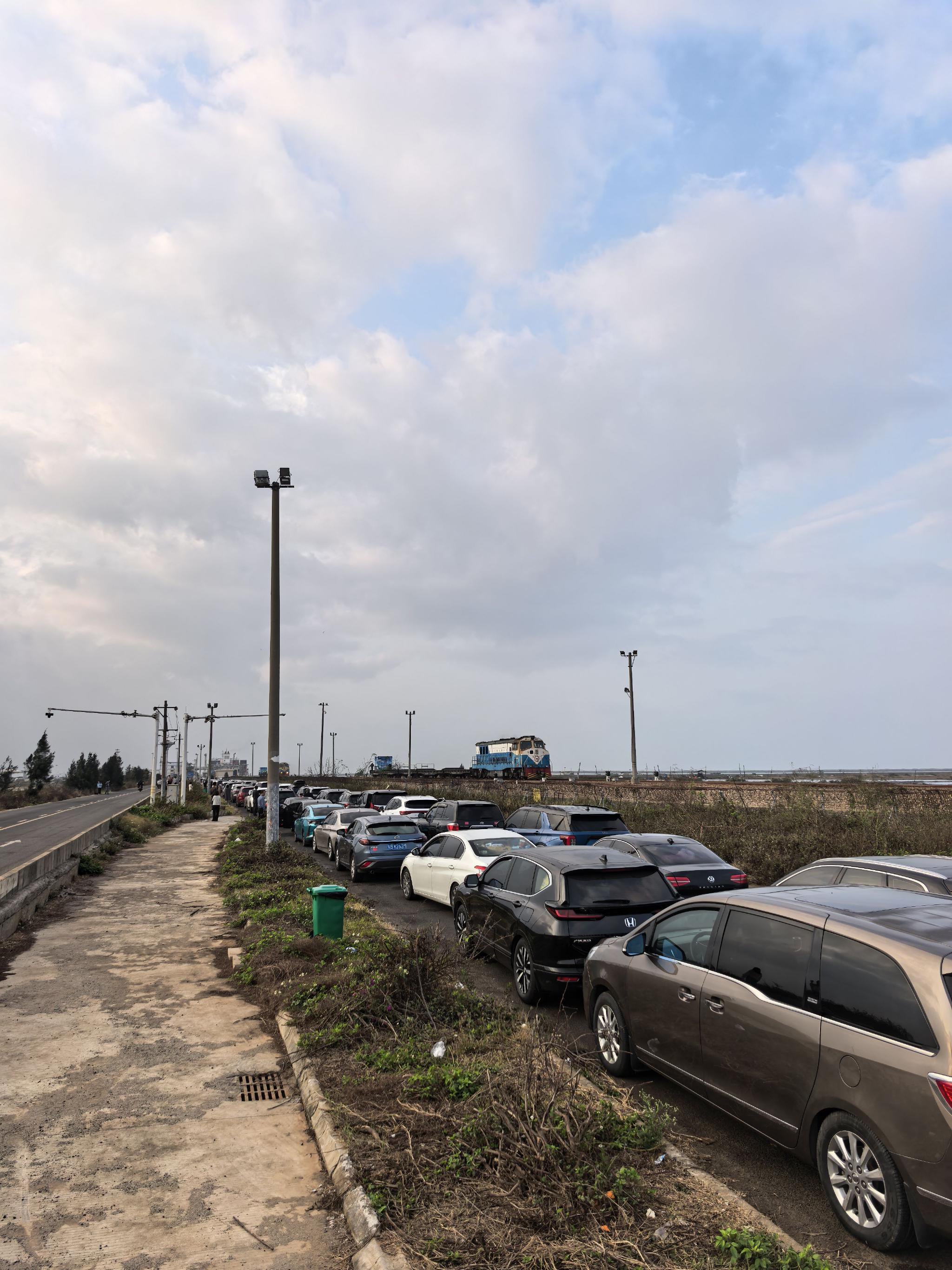
在广东工作了七八年的李先生,往年春节都会自驾回海南老家过年。可今年,他头一回遇上买不到汽车过海船票的情况。"这几天汽车过海的船票,全部 售罄。"他对第一财经记者说。无奈之下,他只能把车停在广东湛江徐闻,一家人改买散客船票乘船返乡。 2 月 11 日,李先生驱车抵达徐闻时,看到等待过海的车辆排起了长龙,据他估算,队伍足足有十几公里长。最后,一家四口只好先搭乘当地车辆通过一 条小道达到港口附近,再步行一公里左右前往港口登船回家。"回家过个春节好难。" 海南进出岛船票主要通过"琼州海峡轮渡管家"微信公众号购买。2月9日,第一财经记者在"琼州海峡轮渡管家"查询发现,从2月9日到2月12日,徐闻前往 海口的过海车票已经全部售罄。 据"海南发布"官方微信号2月11发布的消息,当天海南省新闻办公室举办的海南省2026年春运综合运输服务保障工作新闻发布会介绍,春运前9天(2月2日 至2月10日),海南全省综合运输春运客流量累计486.39万人次,同比增长6.34%。琼州海峡运输方面,截至2月10日,累计完成旅客运输101.2万人次、车 辆运输25.79万辆次,其中新能源车运输4.2万辆次,较去年同期分别增长14.0%、8.2 ...

海南封关后首个春运:琼州海峡过海车票全部售罄,官方提示“黄牛”陷阱
Di Yi Cai Jing· 2026-02-14 10:40
封关带来的政策红利,吸引了大量旅客前往海南。 在广东工作了七八年的李先生,往年春节都会自驾回海南老家过年。可今年,他头一回遇上买不到汽车过海船票的情况。"这几天汽车过海的船票,全部售 罄。"他对第一财经记者说。无奈之下,他只能把车停在广东湛江徐闻,一家人改买散客船票乘船返乡。 2 月 11 日,李先生驱车抵达徐闻时,看到等待过海的车辆排起了长龙,据他估算,队伍足足有十几公里长。最后,一家四口只好先搭乘当地车辆通过一条 小道达到港口附近,再步行一公里左右前往港口登船回家。"回家过个春节好难。" 海南进出岛船票主要通过"琼州海峡轮渡管家"微信公众号购买。2月9日,第一财经记者在"琼州海峡轮渡管家"查询发现,从2月9日到2月12日,徐闻前往海 口的过海车票已经全部售罄。 据"海南发布"官方微信号2月11发布的消息,当天海南省新闻办公室举办的海南省2026年春运综合运输服务保障工作新闻发布会介绍,春运前9天(2月2日至 2月10日),海南全省综合运输春运客流量累计486.39万人次,同比增长6.34%。琼州海峡运输方面,截至2月10日,累计完成旅客运输101.2万人次、车辆运 输25.79万辆次,其中新能源车运输4. ...
GPU四小龙,春节不打盹儿
Di Yi Cai Jing· 2026-02-14 10:23
Core Insights - The collaboration between domestic GPUs and large models is improving significantly, with multiple companies launching new models around the Spring Festival period [1][9] - Domestic GPU companies are adapting quickly to new large models, indicating a competitive landscape where timely adaptation is crucial for success [2][4] Group 1: Domestic GPU Developments - Major domestic GPU companies, including Moore Threads, Muxi, and Tensu Zhixin, have successfully adapted to new large models like GLM-5 and Seedance 2.0 [2][3] - The adaptation process involves optimizing performance from initial capabilities, which can vary significantly based on the architecture used [2][7] - The rapid response of these companies during the Spring Festival highlights their commitment to staying competitive in the AI landscape [5][6] Group 2: Large Model Innovations - ByteDance's Seedance 2.0 and Alibaba's Qwen-Image-2.0 are notable advancements in video and image generation, respectively, with capabilities approaching those of leading global models [3][6] - MiniMax's M2.5 model offers cost-effective solutions for productivity applications, showcasing the potential for widespread adoption in various sectors [3][9] - The release of these models is expected to drive further integration of AI technologies in domestic industries, enhancing the overall market landscape [9][10] Group 3: Market Dynamics and Future Outlook - The release of DeepSeek's models has significantly impacted the AI market, prompting a shift in how companies perceive and utilize large models [6][12] - Domestic chip manufacturers are increasingly forming strategic partnerships with large model developers, indicating a trend towards closer collaboration [9][11] - The anticipated advancements in model capabilities are expected to stimulate further deployment in various sectors, particularly in state-owned enterprises [9][10]
商业航天融资火热 国内首款电循环液体运载火箭研发提速
Di Yi Cai Jing· 2026-02-14 10:15
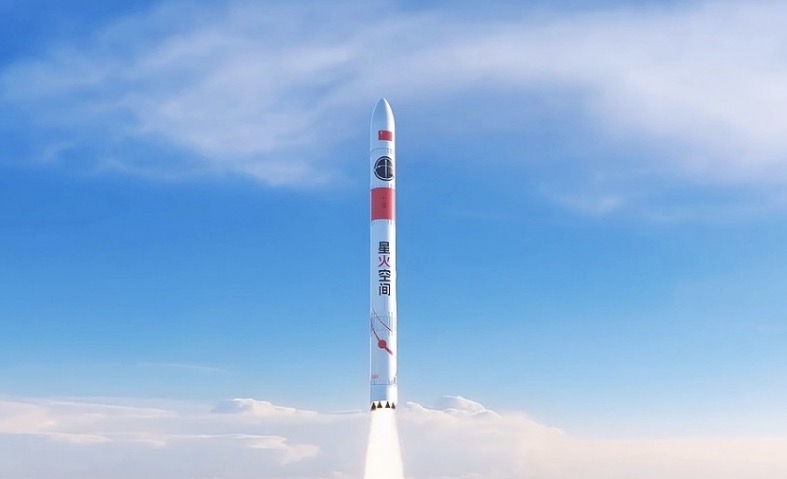
中国低轨星座组网迎来爆发,商业航天正迈向发展的新阶段。我国火箭运力、卫星产能、可回收技术急需实现 迭代升级。 2月14日,合肥星火空间科技有限公司宣布完成数千万天使+轮融资,累计融资超亿元。本轮融资由兴泰资本领 投,优势资本跟投,老股东锦沙资本继续追加投资。 据介绍,此轮融资所筹资金将用于公司电循环火箭发动机、火箭产品研发、人才队伍的建设培养以及生产试验 基地建设等方面,加速推进电循环液体运载火箭技术落地。 目前,星火空间"烈焰-2号"电循环火箭发动机已完成首轮次点火试车,并通过电动泵取代传统的涡轮泵,实现 了该技术路线10吨级的推力。该公司称,试车过程中,发动机按照设计时序准确点火,点火器和推力室压、振 动等参数均维持稳定,并符合设计预期。 中国商业航天领域爆发的同时,美国科技富豪马斯克的太空探索公司SpaceX也计划于今年晚些时候上市。马斯 克还计划建造月球基地,并在月球表面部署卫星发射装置。他还设想构建由多达一百万颗卫星组成的人工智能 计算空间网络。 此外,基于中国更先进的电池技术产业基础,星火空间还将加速迭代优化新一代电循环发动机,并构建国内首 款电循环液体运载火箭"进化一号"。 当前,中国低轨星座组 ...
年货消费迎来“00后主理人”:“手搓”年味火了,为宠物花钱更多了
Di Yi Cai Jing· 2026-02-14 08:40
情绪消费与宠物消费齐升。 《2026年中国宠物行业白皮书(消费报告)》显示,2025年,我国城镇犬猫宠物数量突破1.26亿只,宠物 消费市场规模达到3126亿元。记者从电商平台的宠物年货"上新"中观察到,除了猫狗,兔子的草饼年夜 饭套餐、龙猫、荷兰猪等宠物的水果干、汤圆等礼盒也在被不少商家推出,从新春节点观察,宠物消费 也在不断走向细分化。 过去一年备受讨论与争议的预制菜在年菜消费中仍然保持了增长趋势。盒马在今年的年菜上新中选择了 与多位明星主厨联合开发,盒马即食菜肴研发采购负责人凯铠对记者表示,平台观察到,"吃好点、吃 点不一样的",是消费者对年菜的核心需求,盒马数据显示,"封神"年菜系列上线以来,销售已同比增 长116%。抖音数据显示,1 月 16 日至 29 日,平台年夜饭相关产品成交额同比增长 92%。 这个春节,越来越多的年轻人正在接管年货消费和年夜饭餐桌,伴随着马年春节临近,多平台数据显 示,情绪消费和宠物消费在年货节持续增长,成为"年货主理人"的年轻人们再度投出了消费新风向。 预制菜作为"年菜"上架时,地域特色显得更重要了。凯铠介绍,盒马用户调研结果显示,春节假期期 间,用户每个家庭平均需要准备 ...

中国创新药对外授权年交易额突破千亿美元 4年增长近10倍
Di Yi Cai Jing· 2026-02-14 06:44
中国生物制药公司参与的新药对外许可授权交易在2025年再次创下历史新高,并突破了千亿美元大关。 上个月,阿斯利康宣布与中国石药集团达成一项潜在价值高达185亿美元的合作协议。通过该项交易, 阿斯利康获得石药集团的长效肽技术平台,有望开发出每月仅需给药一次的下一代GLP-1类减重疗法。 Pharmcube的数据显示,随着跨国企业对中国新药资产投资兴趣的加速增长,今年至今,中国药企对外 授权平均交易规模已达13亿美元,比2025年的水平增长76%,约为2021年平均水平的六倍。就预付款金 额来看,今年的平均预付款为7770万美元,较2025年的3880万美元翻了一番,约为2021年的三倍。 麦格理资本亚洲医疗保健研究部门预测,今年被视为肿瘤治疗基石的一类药物将继续吸引全球制药商的 关注。麦格理资本分析师指出,尽管中国在生物学领域的实力相较于美国仍有差距,但在化学领域实力 雄厚,跨国公司可以从中国企业获得有前景的分子授权,其成本低于大型企业内部研发成本。 麦格理资本在最近的一份报告中表示:"许多跨国公司正将中国视为其全球研发基础设施的重要组成部 分。尤其是在一些公司面临专利悬崖之际,为了削减成本,这一点显得尤为重要 ...
中国创新药对外授权年交易额突破千亿美元,4年增长近10倍
Di Yi Cai Jing· 2026-02-14 06:37
Core Insights - Many multinational companies are increasingly viewing China as a crucial part of their global R&D infrastructure, especially as they face patent cliffs and seek to cut costs [1][4] - The value of licensing agreements for new drugs from Chinese biopharmaceutical companies is expected to reach a historic high of over $100 billion by 2025, with a total of $137.7 billion in licensing deals signed in 2025, nearly a tenfold increase from 2021 [1][4] Group 1 - Global pharmaceutical giants, including Novartis, AstraZeneca, and GSK, signed multiple significant agreements with Chinese companies last year [3] - Tom Barsha, head of Asia-Pacific M&A at Bank of America Securities, predicts that the total value of these licensing deals could double again in the next 18 to 24 months, as global companies focus on finding next-generation innovative drug pipelines in China [3] - There have been nearly 40 licensing transactions involving Chinese biopharmaceutical companies this year, with average deal sizes significantly higher than last year [3] Group 2 - The average deal size for licensing agreements from Chinese pharmaceutical companies this year has reached $1.3 billion, a 76% increase from 2025 levels and approximately six times the average from 2021 [4] - The average upfront payment this year is $77.7 million, doubling from $38.8 million in 2025 and tripling from the average in 2021 [4] - Macquarie Capital's Asia healthcare research department predicts that a class of drugs considered foundational for cancer treatment will continue to attract global pharmaceutical interest [4] Group 3 - Many multinational companies are recognizing China's strength in chemical fields, allowing them to obtain promising molecular licenses at lower costs compared to internal R&D [4] - Vision Lifesciences' report highlights that China is a world leader in specific molecular types, with Chinese companies accounting for nearly 90% of global licensing deals for antibody-drug conjugates (ADCs) [4]