
Di Yi Cai Jing

Search documents
商业航天融资火热 国内首款电循环液体运载火箭研发提速
Di Yi Cai Jing· 2026-02-14 10:15
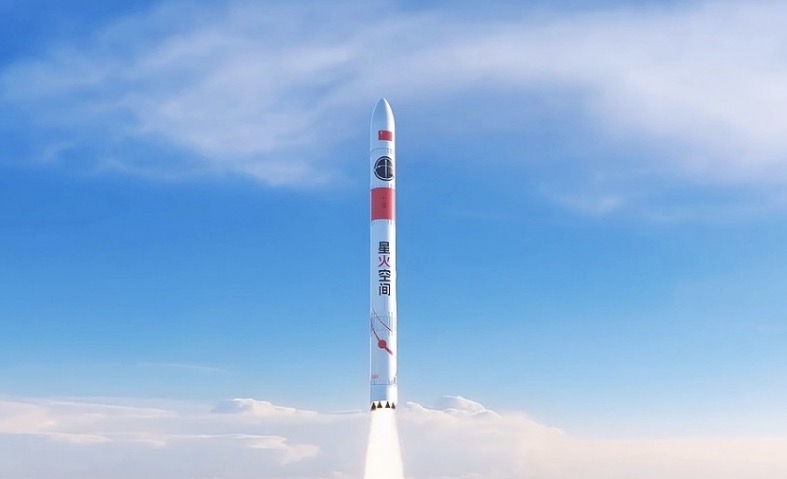
中国低轨星座组网迎来爆发,商业航天正迈向发展的新阶段。我国火箭运力、卫星产能、可回收技术急需实现 迭代升级。 2月14日,合肥星火空间科技有限公司宣布完成数千万天使+轮融资,累计融资超亿元。本轮融资由兴泰资本领 投,优势资本跟投,老股东锦沙资本继续追加投资。 据介绍,此轮融资所筹资金将用于公司电循环火箭发动机、火箭产品研发、人才队伍的建设培养以及生产试验 基地建设等方面,加速推进电循环液体运载火箭技术落地。 目前,星火空间"烈焰-2号"电循环火箭发动机已完成首轮次点火试车,并通过电动泵取代传统的涡轮泵,实现 了该技术路线10吨级的推力。该公司称,试车过程中,发动机按照设计时序准确点火,点火器和推力室压、振 动等参数均维持稳定,并符合设计预期。 中国商业航天领域爆发的同时,美国科技富豪马斯克的太空探索公司SpaceX也计划于今年晚些时候上市。马斯 克还计划建造月球基地,并在月球表面部署卫星发射装置。他还设想构建由多达一百万颗卫星组成的人工智能 计算空间网络。 此外,基于中国更先进的电池技术产业基础,星火空间还将加速迭代优化新一代电循环发动机,并构建国内首 款电循环液体运载火箭"进化一号"。 当前,中国低轨星座组 ...

年货消费迎来“00后主理人”:“手搓”年味火了,为宠物花钱更多了
Di Yi Cai Jing· 2026-02-14 08:40
情绪消费与宠物消费齐升。 《2026年中国宠物行业白皮书(消费报告)》显示,2025年,我国城镇犬猫宠物数量突破1.26亿只,宠物 消费市场规模达到3126亿元。记者从电商平台的宠物年货"上新"中观察到,除了猫狗,兔子的草饼年夜 饭套餐、龙猫、荷兰猪等宠物的水果干、汤圆等礼盒也在被不少商家推出,从新春节点观察,宠物消费 也在不断走向细分化。 过去一年备受讨论与争议的预制菜在年菜消费中仍然保持了增长趋势。盒马在今年的年菜上新中选择了 与多位明星主厨联合开发,盒马即食菜肴研发采购负责人凯铠对记者表示,平台观察到,"吃好点、吃 点不一样的",是消费者对年菜的核心需求,盒马数据显示,"封神"年菜系列上线以来,销售已同比增 长116%。抖音数据显示,1 月 16 日至 29 日,平台年夜饭相关产品成交额同比增长 92%。 这个春节,越来越多的年轻人正在接管年货消费和年夜饭餐桌,伴随着马年春节临近,多平台数据显 示,情绪消费和宠物消费在年货节持续增长,成为"年货主理人"的年轻人们再度投出了消费新风向。 预制菜作为"年菜"上架时,地域特色显得更重要了。凯铠介绍,盒马用户调研结果显示,春节假期期 间,用户每个家庭平均需要准备 ...

中国创新药对外授权年交易额突破千亿美元 4年增长近10倍
Di Yi Cai Jing· 2026-02-14 06:44
中国生物制药公司参与的新药对外许可授权交易在2025年再次创下历史新高,并突破了千亿美元大关。 上个月,阿斯利康宣布与中国石药集团达成一项潜在价值高达185亿美元的合作协议。通过该项交易, 阿斯利康获得石药集团的长效肽技术平台,有望开发出每月仅需给药一次的下一代GLP-1类减重疗法。 Pharmcube的数据显示,随着跨国企业对中国新药资产投资兴趣的加速增长,今年至今,中国药企对外 授权平均交易规模已达13亿美元,比2025年的水平增长76%,约为2021年平均水平的六倍。就预付款金 额来看,今年的平均预付款为7770万美元,较2025年的3880万美元翻了一番,约为2021年的三倍。 麦格理资本亚洲医疗保健研究部门预测,今年被视为肿瘤治疗基石的一类药物将继续吸引全球制药商的 关注。麦格理资本分析师指出,尽管中国在生物学领域的实力相较于美国仍有差距,但在化学领域实力 雄厚,跨国公司可以从中国企业获得有前景的分子授权,其成本低于大型企业内部研发成本。 麦格理资本在最近的一份报告中表示:"许多跨国公司正将中国视为其全球研发基础设施的重要组成部 分。尤其是在一些公司面临专利悬崖之际,为了削减成本,这一点显得尤为重要 ...
中国创新药对外授权年交易额突破千亿美元,4年增长近10倍
Di Yi Cai Jing· 2026-02-14 06:37
Core Insights - Many multinational companies are increasingly viewing China as a crucial part of their global R&D infrastructure, especially as they face patent cliffs and seek to cut costs [1][4] - The value of licensing agreements for new drugs from Chinese biopharmaceutical companies is expected to reach a historic high of over $100 billion by 2025, with a total of $137.7 billion in licensing deals signed in 2025, nearly a tenfold increase from 2021 [1][4] Group 1 - Global pharmaceutical giants, including Novartis, AstraZeneca, and GSK, signed multiple significant agreements with Chinese companies last year [3] - Tom Barsha, head of Asia-Pacific M&A at Bank of America Securities, predicts that the total value of these licensing deals could double again in the next 18 to 24 months, as global companies focus on finding next-generation innovative drug pipelines in China [3] - There have been nearly 40 licensing transactions involving Chinese biopharmaceutical companies this year, with average deal sizes significantly higher than last year [3] Group 2 - The average deal size for licensing agreements from Chinese pharmaceutical companies this year has reached $1.3 billion, a 76% increase from 2025 levels and approximately six times the average from 2021 [4] - The average upfront payment this year is $77.7 million, doubling from $38.8 million in 2025 and tripling from the average in 2021 [4] - Macquarie Capital's Asia healthcare research department predicts that a class of drugs considered foundational for cancer treatment will continue to attract global pharmaceutical interest [4] Group 3 - Many multinational companies are recognizing China's strength in chemical fields, allowing them to obtain promising molecular licenses at lower costs compared to internal R&D [4] - Vision Lifesciences' report highlights that China is a world leader in specific molecular types, with Chinese companies accounting for nearly 90% of global licensing deals for antibody-drug conjugates (ADCs) [4]



专访瑞银全球投资银行部亚洲区副主席:国际资本偏爱“中国冠军”,2026港股IPO继续升温|大行其道
Di Yi Cai Jing· 2026-02-14 06:02
Group 1 - The Hong Kong IPO market is experiencing a "dual increase" in both quality and quantity, with a strong preference for globally competitive "Chinese champion" companies [1][2] - The trend of "China for global" is gaining recognition among international investors, leading to a diverse range of companies seeking to list in Hong Kong for international business expansion [2][3] - The active IPO market is expected to enhance liquidity, which in turn can positively impact valuations, creating a virtuous "flywheel effect" [1][5] Group 2 - The shift in motivations for companies going public has evolved, with many now viewing listing in Hong Kong as a strategic step for internationalization rather than just a means of raising funds [2][3] - Regulatory support from both the Chinese and Hong Kong authorities has facilitated the listing process for high-quality A-share companies, encouraging them to seek international capital markets [2][5] - The anticipated IPO market in 2026 is expected to remain active, driven by an increase in listings from quality A-share companies and emerging sectors like AI and semiconductors [3][5] Group 3 - International investors are increasingly recognizing the value of Chinese companies, particularly those in manufacturing and high-growth sectors such as semiconductors and AI [6] - The presence of international cornerstone investors in recent IPOs indicates a growing confidence in the Hong Kong market and Chinese companies [5][6] - The Hong Kong market offers significant long-term value for companies, providing efficient capital-raising opportunities and facilitating rapid growth through streamlined refinancing processes [6]


金融数据开门红,国产AI密集炸场|一周热点回顾
Di Yi Cai Jing· 2026-02-14 05:30
Economic Indicators - In January, the Consumer Price Index (CPI) increased by 0.2% month-on-month and year-on-year, with the annual growth rate dropping by 0.6 percentage points compared to December [2] - The core CPI, excluding food and energy, rose by 0.8% year-on-year, marking the highest increase in six months [2] - The Producer Price Index (PPI) increased by 0.4% month-on-month, continuing a four-month upward trend, with the growth rate expanding by 0.2 percentage points from the previous month [2] Monetary Policy - As of the end of January, the broad money supply (M2) reached 347.19 trillion yuan, growing by 9% year-on-year, exceeding market expectations [4] - The total social financing stock was 449.11 trillion yuan, with an annual growth rate of 8.2%, indicating a stable growth in credit [4] - The central bank plans to maintain a moderately loose monetary policy, utilizing various tools to ensure ample liquidity and relatively loose financing conditions [4] Internet Platform Regulation - The State Administration for Market Regulation released the "Antitrust Compliance Guidelines for Internet Platforms," outlining four categories of antitrust risks and providing examples of potential violations [5][6] - The guidelines serve as a non-binding action guide for platforms, aiming to promote fair competition and transparency in the industry [6] AI Industry Developments - Major Chinese companies like ByteDance and Alibaba have launched flagship AI models, leading to significant market enthusiasm and stock price increases [7][8] - The Seedance 2.0 model from ByteDance supports multi-modal input and has reduced video generation costs significantly, showcasing advancements in video generation technology [7] - The release of these models indicates a competitive push in the AI sector, with potential implications for global AI market dynamics [8] Low-altitude Economy Policies - A series of policy documents supporting the low-altitude economy were released, aiming to enhance infrastructure and insurance services by 2027 [9][10] - The policies are expected to facilitate the growth of the low-altitude economy, transitioning it towards a more systematic and standardized development phase [10] Pharmaceutical Regulation - The National Health Commission revised the "National Essential Medicines Directory Management Measures," establishing a rigid adjustment cycle for the essential medicines list [11] - The new measures emphasize the clinical value of drugs and aim to align the essential medicines directory with healthcare policies and practices [11]
去年国内风电新增吊装容量创历史新高 海外出口表现亮眼
Di Yi Cai Jing· 2026-02-14 05:03
Group 1 - The domestic wind power market in China is expected to maintain high prosperity in 2025, with a record new installed capacity of 130 million kilowatts, a year-on-year increase of 49.9% [1] - Onshore wind power remains the absolute mainstay of growth, accounting for 95.8% of new installations, while offshore wind power saw a decline in new capacity by 2.3% [1] - The increase in installed capacity is driven by developers pushing onshore projects ahead of policy adjustments, aiming for over 50% renewable energy in their generation assets by the end of 2025 [1] Group 2 - The average capacity of newly installed wind turbines in China reached 7160 kilowatts, an 18.3% year-on-year increase, reflecting a trend towards larger turbine sizes [2] - The number of wind turbine manufacturers with new installations decreased from 13 to 10, with the top seven companies accounting for 91.8% of the market share [2] - Goldwind Technology leads the market with 25.9 million kilowatts, representing 19.8% of the total, followed by other major players [2] Group 3 - The export of Chinese wind turbines reached a historical high with 1175 units and a capacity of 773.4 million kilowatts, a 48.9% increase year-on-year [3] - Major markets for exports include developing countries, with Goldwind Technology dominating the export market [3] - The global wind power market is undergoing significant changes, providing opportunities for Chinese companies to become key suppliers in emerging markets due to their competitive advantages [4] Group 4 - Chinese wind power companies are transitioning from product exports to localized production and service layouts in over 20 countries [4] - The industry is moving towards a "deep cultivation" phase, establishing localized operations rather than merely responding to orders [5] - The focus is on integrating global resources and adapting to local environments to serve the global market effectively [5]



去年国内风电新增吊装容量创历史新高,海外出口表现亮眼
Di Yi Cai Jing· 2026-02-14 04:55
Group 1 - The core viewpoint of the articles highlights the significant growth and transformation of China's wind power industry, particularly in its overseas expansion and local production capabilities [1][5] - In 2025, China's domestic wind power market is expected to maintain high prosperity, with a record installation of 1.3 million kilowatts, a year-on-year increase of 49.9%, significantly surpassing the 9.6% growth rate of 2024 [1] - The onshore wind power sector remains the dominant force in domestic growth, accounting for 95.8% of new installations, while offshore wind power faces challenges, with a 2.3% decline in new capacity [1] Group 2 - The trend towards larger wind turbine capacities is evident, with an average new installation capacity of 7160 kilowatts in 2025, reflecting an 18.3% year-on-year increase [2] - The concentration of the wind turbine manufacturing industry is increasing, with the number of companies with new installations decreasing from 13 to 10, and the top seven companies capturing 91.8% of the market share [2] - Leading companies such as Goldwind Technology, with 2590 megawatts and a 19.8% market share, dominate the sector, while smaller brands are rapidly exiting the market [2] Group 3 - The overseas market is becoming a crucial growth area for Chinese wind power companies, with a record export of 773.4 megawatts in 2025, a 48.9% increase year-on-year [3] - The export market is also led by major companies, with Goldwind Technology accounting for nearly 54% of offshore wind turbine exports [3] - The global wind energy market is undergoing significant structural changes, presenting opportunities for Chinese companies to leverage their competitive advantages in cost, delivery speed, and engineering capabilities [4] Group 4 - Chinese wind power companies are shifting from simple product exports to localized production and service layouts in over 20 countries, including India and Germany [5] - The industry is moving towards a "deep cultivation" phase, focusing on integrating global resources and adapting to local environments amid geopolitical uncertainties [5]

京东巴黎仓案件侦破
Di Yi Cai Jing· 2026-02-14 02:48
(文章来源:第一财经) 2月14日,京东表示,近2个月来,在法国巴黎警方的不懈努力和中国驻法大使馆的大力支持下,案件侦 破工作已取得阶段性成果,目前绝大多数被盗物资被顺利追回。北京时间12月22日,位于法国巴黎大区 的京东仓库遭遇盗窃。对于失窃货物的后续追回和交接,京东表示将全力配合巴黎警方,做好妥善安排 处理。 京东将继续扎根法国、合规经营,进一步加大在法投资力度。 ...
再次施压 特朗普政府又把哈佛告了
Di Yi Cai Jing· 2026-02-14 02:12
僵持数月以后,哈佛大学与美国联邦政府之间的矛盾再度升级。 据央视新闻消息,当地时间2月13日,据法院文件显示,美国联邦政府对哈佛大学提起新诉讼,寻求获 取其招生流程相关文件。 根据向马萨诸塞州联邦地区法院提交的起诉书,美国司法部指控哈佛"阻挠"并"拖延"司法部的调查,拒 绝提供与录取决定相关的必要文件,"非法"向司法部隐瞒"必要信息"。 哈佛大学发言人纽顿则在一份声明中写道,哈佛一直与联邦政府保持"诚意"沟通,并将司法部的新诉讼 视为特朗普政府惩罚哈佛大学反抗白宫要求的又一次行径。 上周,美国国防部宣布将切断与哈佛的所有学术联系,并表示未来几天考虑对其他常春藤盟校实施类似 措施。美国国防部部长赫格塞斯表示,在哈佛大学接受过培训的军官在进入军队时"充满了全球主义"等 不能提升战斗队伍的思想,美国国防部将正式终止与哈佛大学的所有专业军事教育、奖学金和证书项 目。 特朗普去年重返白宫以来,多次指责哈佛等高校存在所谓"反犹主义",要求这些高校"整改",否则将削 减或切断联邦政府提供的经费。联邦政府去年4月宣布冻结对哈佛的数十亿美元联邦科研经费,哈佛为 此提起诉讼,目前诉讼仍在进行中。 美国司法部称,联邦最高法院202 ...