
Zhong Yang Ji Wei Guo Jia Jian Wei Wang Zhan

Search documents
经典常谈 | 建设世界文明百花园
Zhong Yang Ji Wei Guo Jia Jian Wei Wang Zhan· 2025-10-28 00:37
Core Viewpoint - The article emphasizes the importance of cultural exchange and mutual learning among civilizations, advocating for a world where diverse cultures coexist harmoniously and contribute to global progress [1][4]. Group 1: Historical Context of Civilization Exchange - Marx and Engels highlighted that the development of any civilization is intrinsically linked to its production capabilities and the extent of its internal and external interactions [1][2]. - They argued that the advancement of civilizations is dependent on the expansion of communication, which allows for the preservation and transmission of knowledge and technology [2]. - Historical examples, such as the Phoenicians' glass-making technology, illustrate the fragility of isolated civilizations and the necessity of interaction for the survival of cultural achievements [2]. Group 2: Chinese Civilization and Openness - Chinese civilization has evolved through continuous exchanges with other cultures, reflecting an open system that incorporates diverse influences [3]. - The Chinese Communist Party promotes a global perspective, emphasizing the importance of learning from other civilizations while adapting those insights to Chinese contexts [3]. Group 3: Modern Implications and Global Civilization Initiative - The article advocates for a civilization perspective that values equality, mutual learning, dialogue, and inclusivity, which is essential for overcoming cultural barriers and conflicts [4]. - It calls for the implementation of the global civilization initiative proposed by Xi Jinping, which aims to respect cultural diversity and promote shared human values [4]. - The goal is to foster international human exchanges and cultural integration, creating a vibrant and interconnected global civilization [4].
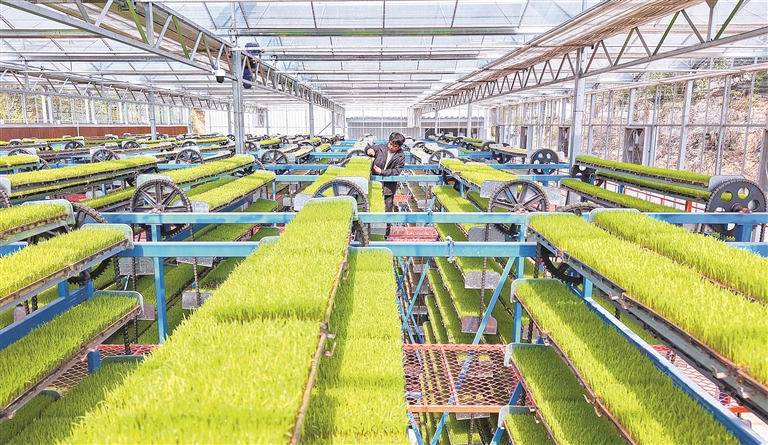
新视野丨因地制宜发展农业新质生产力
Zhong Yang Ji Wei Guo Jia Jian Wei Wang Zhan· 2025-10-28 00:37
Group 1 - The core viewpoint emphasizes the importance of developing new agricultural productivity to achieve high-quality agricultural development and address the "three rural issues" in China [2][3] - The concept of new agricultural productivity involves optimizing traditional agricultural production factors through modern technology and innovative models, aiming to create a high-tech, efficient, and quality-driven agricultural system [3][4] - The development of new agricultural productivity is driven by technological, institutional, and market innovations, with a focus on enhancing productivity and sustainability [5][6] Group 2 - New agricultural productivity represents a qualitative leap in production factors and a paradigm shift in development paths, integrating new technologies and innovative production methods [4][5] - The transition from traditional agriculture to new agricultural productivity is essential for addressing issues like low efficiency, resource waste, and environmental pressures [5][6] - The current challenges include high technology costs, insufficient digital capabilities among farmers, and inadequate infrastructure [5][7] Group 3 - Opportunities for developing new agricultural productivity arise from the global technological revolution, with advancements in biotechnology and digital technology driving smart and automated agricultural practices [6][9] - The Chinese government is reinforcing agricultural technology independence and self-reliance, providing institutional support for the development of new agricultural productivity [6][9] - The integration of primary, secondary, and tertiary industries is fostering new agricultural business models, such as agricultural tourism and cross-industry collaborations [6][9] Group 4 - The focus on seed industry revitalization is crucial for ensuring food security, with initiatives aimed at achieving self-sufficiency in seed sources [11][12] - Upgrading agricultural machinery is vital for modernizing agriculture, with a need for small, intelligent, and multifunctional equipment tailored to specific regional needs [12][13] - The development of new agricultural productivity must consider regional resource endowments and explore tailored pathways for different areas [12][13]

江苏构建贯通协调机制 增强巡视震慑力穿透力推动力
Zhong Yang Ji Wei Guo Jia Jian Wei Wang Zhan· 2025-10-28 00:37
Core Viewpoint - The article emphasizes the importance of political supervision through inspections, focusing on precise problem identification and effective resolution in Jiangsu province [1][3]. Group 1: Inspection Mechanism - Jiangsu is implementing a "1+X" coordination mechanism to enhance the effectiveness of inspections by integrating various supervisory functions [1][3]. - The provincial inspection teams utilize detailed problem lists and supervision guidelines to ensure targeted and efficient inspections [2][4]. Group 2: Problem Identification - The focus of inspections is on three key areas: inadequate implementation of central and provincial decisions, issues raised by the public, and frequently identified problems from daily supervision [3][12]. - Prior to each inspection, the provincial disciplinary inspection commission collaborates with relevant departments to identify key issues and directions for supervision [2][3]. Group 3: Professional Team Development - Jiangsu's inspection teams consist of highly qualified personnel, including 291 specialized inspectors drawn from various departments to enhance the quality of inspections [5]. - Training sessions are conducted to ensure that inspection teams are well-prepared and knowledgeable about key issues [5]. Group 4: Collaborative Efforts - The inspections involve collaboration with multiple departments, including market regulation and emergency management, to analyze and address issues effectively [6][7]. - A "comprehensive check once" mechanism is being implemented to reduce the burden on enterprises by consolidating inspections [7]. Group 5: Feedback and Rectification - Inspections lead to immediate feedback and rectification actions, ensuring that identified issues are addressed promptly [9][10]. - A systematic approach is taken to ensure long-term solutions are established, focusing on continuous improvement and safety [10][11]. Group 6: Future Directions - The article outlines plans to further enhance the "X" in the "1+X" mechanism, improving communication, information sharing, and collaborative measures among various supervisory bodies [12].
纪检监察工作高质量发展·践悟 | 加快完善数字纪检监察体系
Zhong Yang Ji Wei Guo Jia Jian Wei Wang Zhan· 2025-10-28 00:37
Core Viewpoint - The article emphasizes the importance of integrating digital technology into the disciplinary inspection and supervision system to enhance efficiency and effectiveness in combating corruption and ensuring accountability [6][18]. Group 1: Digital Integration in Supervision - Various local governments, including those in Shandong, Chongqing, and Jiangsu, are advancing the construction of digital disciplinary inspection systems, focusing on cultivating digital thinking and literacy among inspectors [19]. - The integration of digital technology into disciplinary inspection processes is seen as a crucial method for improving the quality of supervision and law enforcement [7][9]. - Establishing a comprehensive data resource center and a digital supervision application platform is essential for optimizing data collection, sharing, and analysis [9][10]. Group 2: Data Utilization and Analysis - The development of customized data models and analytical tools is being prioritized to enhance the precision and effectiveness of supervision [8][12]. - A closed-loop governance chain is being established to address issues identified through data analysis, ensuring timely feedback and corrective actions [11][13]. - The use of big data for real-time monitoring and early warning systems is being implemented to detect irregularities in various sectors, such as education and healthcare [12][18]. Group 3: Training and Capacity Building - There is a strong emphasis on enhancing the digital skills and awareness of disciplinary inspection personnel through targeted training programs [15][16]. - The establishment of a talent pool for digital supervision is aimed at fostering a collaborative environment between technical and operational teams [15][19]. - Practical training and real-case simulations are being utilized to improve the operational capabilities of inspectors in data analysis and electronic evidence collection [16][18].

群众工作札记 | 让“校园餐”变放心餐
Zhong Yang Ji Wei Guo Jia Jian Wei Wang Zhan· 2025-10-28 00:37
Core Viewpoint - The implementation of a centralized procurement system for school meals in Yudu County, Jiangxi Province, has improved food quality and safety for students, addressing previous issues of corruption and inefficiency in the procurement process [1][2] Group 1: Background and Issues - Prior to the reform, there were concerns about the quality and transparency of food procurement for school meals, with reports of individual staff members profiting from the system [1] - The county's disciplinary inspection and supervision authorities identified problems such as fragmented procurement channels and lack of quality assurance [1] Group 2: Implementation of Centralized Procurement - The centralized procurement system was officially launched in the spring semester, with a county-owned enterprise managing the procurement and distribution of food for 43 public schools [1] - The new model aims to ensure standardized operations through strict supplier qualification checks and transparent procurement processes [1][2] Group 3: Monitoring and Quality Control - A multi-departmental joint supervision office has been established to oversee the procurement and distribution processes, ensuring that quality checks are conducted [2] - The average cost of food has been reduced by 10%, while the variety and nutritional balance of meals have improved [2] - Continuous monitoring and feedback mechanisms have been put in place to enhance accountability and transparency in the procurement process [2]
悟规律 明方向 学方法 增智慧丨牢记初心使命推进自我革命
Zhong Yang Ji Wei Guo Jia Jian Wei Wang Zhan· 2025-10-28 00:37
Core Points - The essence of the article emphasizes the importance of the "people first" principle in the self-revolution of the Communist Party of China, highlighting that the Party's nature and mission are to represent the fundamental interests of the people [4][5][6] Group 1: People's Interests and Party's Self-Revolution - The Communist Party of China (CPC) is committed to serving the people and has established its mission to seek happiness for the Chinese people and rejuvenation for the Chinese nation [4][5] - The Party's self-revolution is driven by the need to address the most pressing issues faced by the people, thereby maintaining a strong political foundation [5][6] - The CPC's self-revolution is characterized by a commitment to internal scrutiny and correction of errors, ensuring that the Party remains aligned with the people's interests [5][6][10] Group 2: Anti-Corruption Efforts - The CPC has intensified its anti-corruption efforts, focusing on both high-level ("tigers") and low-level ("flies") corruption to enhance public trust [10][11] - The Party aims to address corruption that directly affects the people's lives, ensuring that the public feels the impact of anti-corruption measures [10][11] - The CPC has implemented a systematic approach to tackle corruption, including grassroots initiatives and community engagement to identify and rectify issues [10][11][12] Group 3: Engagement with the Public - The Party emphasizes the importance of public participation in governance, encouraging feedback from the people to improve its policies and actions [12][13] - Mechanisms have been established to ensure that public concerns are addressed promptly, creating a feedback loop between the government and the citizens [12][13] - The CPC is committed to transparency and accountability, utilizing digital platforms to enhance communication with the public [12][13] Group 4: Strengthening Party Discipline - The CPC has reinforced its internal discipline and governance structures to ensure that all members adhere to the Party's principles and serve the public effectively [15][16] - The Party's self-supervision and acceptance of public oversight are seen as essential for maintaining integrity and accountability [15][16] - Continuous education and training for Party members are emphasized to align their actions with the Party's mission and the people's expectations [15][16]
贵州:持续加强干部队伍建设 学用结合锻造铁军
Zhong Yang Ji Wei Guo Jia Jian Wei Wang Zhan· 2025-10-28 00:37
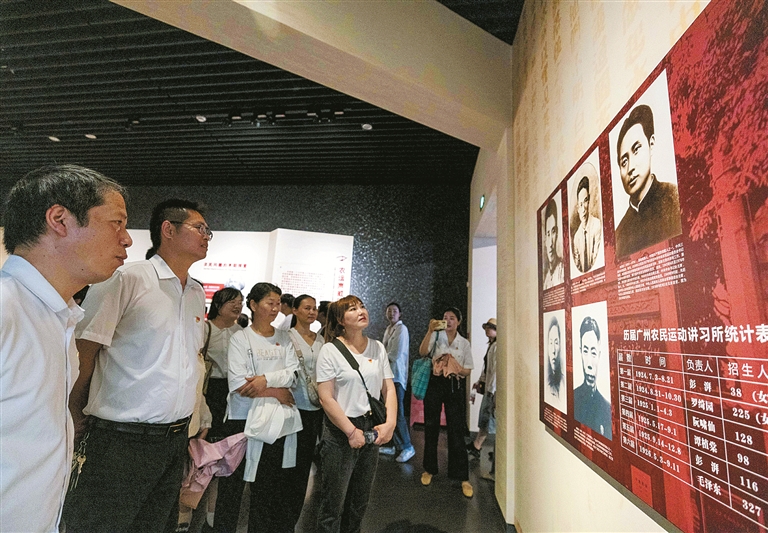
Group 1 - The Guizhou Provincial Commission for Discipline Inspection and Supervision is focusing on enhancing the discipline construction of the party, emphasizing the importance of political integrity, capability, work style, and cleanliness among its personnel [1][2] - A total of 130 discipline inspection and supervision officials from provincial, municipal, and county levels participated in a specialized training session aimed at improving their ability to perform duties in accordance with regulations and laws [1] - The commission has organized 25 specialized training sessions this year, including discussions on the spirit of the 20th Central Commission for Discipline Inspection's Fourth Plenary Session, and has conducted 778 training sessions overall, benefiting over 23,000 officials [2] Group 2 - The optimization of the team structure is a key focus, with efforts to enhance the functions of internal departments and allocate more resources to frontline supervision and enforcement [3] - The commission is conducting comprehensive research on the staffing of various departments and is implementing a plan to adjust and optimize personnel allocation based on the findings [3] - A recognition event was held to honor 44 advanced collectives and 88 outstanding workers, aimed at motivating discipline inspection officials to strive for excellence [4]
吉林大学纪检监察机构强化协作配合 以点带面推动系统整治
Zhong Yang Ji Wei Guo Jia Jian Wei Wang Zhan· 2025-10-28 00:37
Group 1 - The core viewpoint of the articles highlights the importance of accountability and integrity within the management of affiliated hospitals, particularly in light of the corruption case involving the former president of a hospital [1][2] - The university's disciplinary committee and supervisory office have established a collaborative mechanism with local disciplinary and supervisory authorities to address the corruption case effectively [1] - Following the case, the university's leadership engaged in collective discussions with hospital leaders to reinforce the importance of integrity and compliance with regulations [1] Group 2 - Prior to the former president's prosecution, the university's disciplinary committee identified significant issues such as the lack of responsibility among hospital leadership and inadequate supervision of procurement processes [2] - The university has initiated a series of meetings and educational sessions aimed at combating corruption in the medical field and promoting reform based on the case [2] - The university plans to conduct follow-up supervision to ensure that corrective actions are implemented effectively across affiliated hospitals [2]
关于《监察工作信息公开条例(征求意见稿)》公开征求意见的通知
Zhong Yang Ji Wei Guo Jia Jian Wei Wang Zhan· 2025-10-28 00:37
(征求意见稿) 第一条 为了加强和规范监察工作信息公开工作,强化对监察机关的监督,保障公民、法人和其他 组织依法获取监察工作信息,根据《中华人民共和国监察法》,结合工作实际,制定本条例。 为更好地执行《中华人民共和国监察法》,加强和规范监察工作信息公开工作,推动监察工作规范化、 法治化、正规化建设,根据《中华人民共和国立法法》、《全国人民代表大会常务委员会关于国家监察 委员会制定监察法规的决定》,国家监察委员会研究起草了《监察工作信息公开条例(征求意见 稿)》。 贯彻科学立法、民主立法、依法立法的要求,现将征求意见稿全文公布,公开征求社会各界意见。请于 2025年11月26日前,通过电子邮件将意见发送至中央纪委国家监委法规室电子邮箱: zjwfgs@ncs.gov.cn。 附件:《监察工作信息公开条例(征求意见稿)》 国家监察委员会 2025年10月28日 监察工作信息公开条例 第二条 监察机关公开监察工作信息,应当坚持依法依规、真实准确、安全规范、高效便捷的原则。 第三条 监察机关应当建立健全科学完善的监察工作信息公开工作机制,由本机关办公厅(室)负责统 筹协调和督促指导本机关监察工作信息公开日常工作。 第 ...
重庆两江投资集团原党委书记、董事长李谨被开除党籍
Zhong Yang Ji Wei Guo Jia Jian Wei Wang Zhan· 2025-10-27 13:18
中央纪委国家监委网站讯 据重庆市纪委监委消息:经重庆市委批准,重庆市纪委监委对重庆两江投资 集团原党委书记、董事长李谨严重违纪违法问题进行了立案审查调查。 (重庆市纪委监委) 经查,李谨丧失理想信念,背弃初心使命,缺乏政治担当,不落实巡视整改要求,履行全面从严治党主 体责任不力,对抗组织审查;罔顾中央八项规定精神,接受可能影响公正执行公务的宴请;无视组织原 则,不按规定报告个人有关事项;廉洁底线失守,违规收受礼品礼金,违规从事营利活动;违规干预和 插手工程项目承发包;贪欲膨胀,将公权力异化为谋取私利的工具,大搞权钱交易,利用职务便利为他 人在工程承揽、企业经营、公司上市等方面谋利,并非法收受巨额财物。 李谨严重违反党的政治纪律、组织纪律、廉洁纪律、工作纪律,构成严重职务违法并涉嫌受贿犯罪,且 在党的十八大后不收敛、不收手,性质严重,影响恶劣,应予严肃处理。依据《中国共产党纪律处分条 例》《中华人民共和国监察法》《中华人民共和国公职人员政务处分法》等有关规定,经重庆市纪委常 委会会议研究,决定给予李谨开除党籍处分;按规定取消其退休待遇;收缴其违纪违法所得;将其涉嫌 犯罪问题移送检察机关依法审查起诉,所涉财物一并 ...