
Bei Jing Wan Bao

Search documents
警方通报国盾量子董事长去世
Bei Jing Wan Bao· 2025-12-18 15:22
【#警方通报国盾量子董事长去世#】据新华社,记者12月18日从安徽省合肥市公安局高新分局获悉,18 日13时许,该局接报警称,吕某(男,46岁)在望江西路与孔雀台路交口某公司一办公室内失去意识。 接警后,民警立即到场处置。经120现场确认,吕某已无生命体征。经公安机关勘查调查,已排除案 件。据了解,吕某系科大国盾量子技术股份有限公司、中电信量子信息科技集团有限公司董事长吕品。 2024年3月,中国电信通过旗下中电信量子集团斥资入主国盾量子。(视频来源:国+社区) 转自:京报网_北京日报官方网站 ...

世界冠军徐汇妍与小学生互动
Bei Jing Wan Bao· 2025-12-18 13:31
Group 1 - The event "Happiness is Achieved Through Hard Work" was held at the National Sports General Administration Training Center, involving over 200 students and teachers from Zhongguancun No. 3 Primary School [1] - Olympic champion Wang Zongyuan and world champion Xu Huiyan participated in the event, engaging with the students [1] - Xu Huiyan expressed her excitement about interacting with the energetic children after a period of closed training, highlighting the joy of such interactions [1]
“帝国足迹”——从加勒比战争阴云起底美国海外基地演进脉络
Bei Jing Wan Bao· 2025-12-18 12:07
Group 1 - The core viewpoint of the articles highlights the escalation of U.S. military pressure on Venezuela, with President Trump ordering a comprehensive blockade of sanctioned oil tankers and the deployment of U.S. military forces to Ecuador [1][2] - The U.S. has amassed over 15,000 soldiers, numerous warships, and hundreds of aircraft in the Caribbean, marking the largest military deployment in the region since the 1962 Cuban Missile Crisis [2][5] - The U.S. military is reviving several military bases in the region, including the Roosevelt Roads Naval Base in Puerto Rico and the Christopher Columbus Military Base in Panama, indicating a strategic shift to enhance military readiness [5][6] Group 2 - The U.S. military's global base network is undergoing a "dynamic adjustment," with upgrades and new bases being sought in various regions, including the Middle East, Asia-Pacific, and Africa [6][8] - Historical context shows that U.S. overseas military bases have evolved from a focus on North America to a global presence, significantly expanding during World War II and the Cold War [11][12][13] - The presence of U.S. military bases is linked to the country's imperial expansion and military interventionism, providing a foundation for rapid military action and control over regions [10][17] Group 3 - The existence of U.S. military bases often leads to violations of local laws and human rights issues, with numerous incidents reported in host countries, including Japan and South Korea [18][20] - Environmental impacts from U.S. military bases, such as soil and water contamination, noise pollution, and ecological damage, have raised concerns among local populations [20] - The strategic positioning of U.S. bases makes host countries potential targets for attacks, increasing security risks and complicating local geopolitical dynamics [20][21]

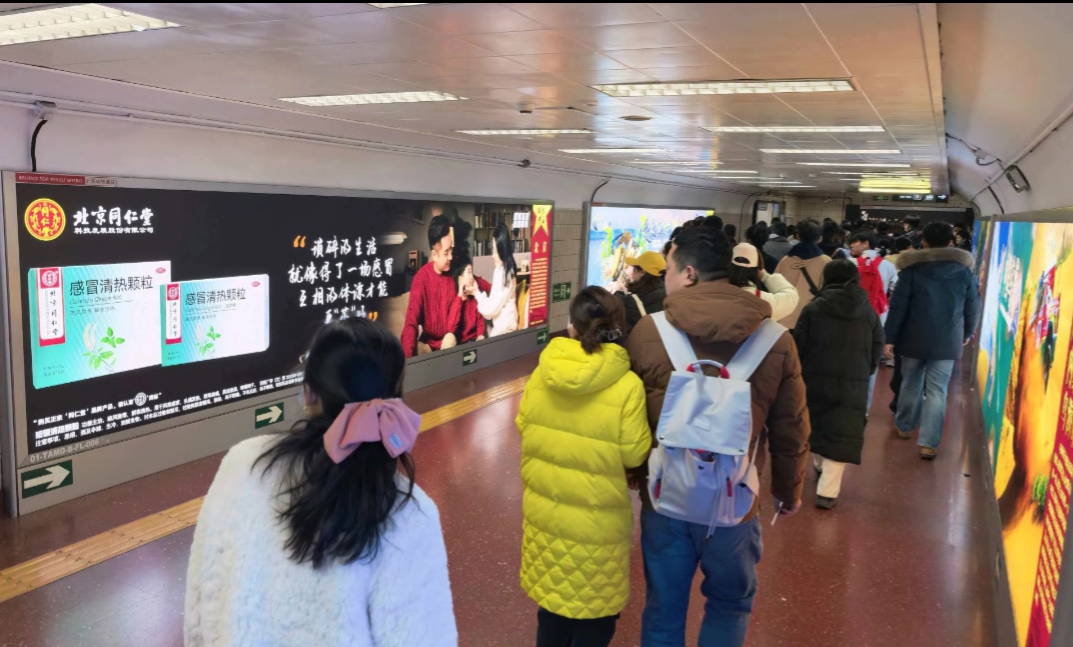
同仁堂科技传扬中医药文化 引发都市人群共鸣
Bei Jing Wan Bao· 2025-12-18 09:19
Core Viewpoint - Tongrentang Technology Company utilizes the "Brilliant China" exhibition to revitalize its century-old brand, showcasing the depth of traditional Chinese medicine culture and its modern vitality [1][10]. Brand Communication Strategy - The company captures the emotional needs of modern consumers, creating a brand communication matrix that resonates deeply with both physical and emotional aspects of health [2]. - The emotional connection is emphasized through storytelling, such as the narrative around "36.5 degrees Celsius" representing both health and emotional warmth [5]. Product Focus and Health Philosophy - The company promotes its products like Beijing Tongrentang Cold Relief Granules, linking their efficacy to emotional support and everyday life experiences [5]. - The philosophy of "preventive treatment" is highlighted through products like Liuwei Dihuang Wan, which not only address health issues but also support a balanced lifestyle [7]. Brand Recognition and Industry Impact - The participation in the "Brilliant China" exhibition signifies national recognition of the company's brand strength and industry position, merging traditional wisdom with modern technology [10]. - The company's approach serves as a model for brand upgrading in the traditional Chinese medicine sector, contributing to the broader health consumption market [10]. Future Directions - The company aims to continue its commitment to traditional Chinese medicine while exploring innovative paths for development and enhancing product quality through technology [10]. - Plans include deepening the core product matrix, innovating communication strategies, and accelerating international expansion to showcase the unique charm of traditional Chinese medicine globally [10].

1.7万余条违规房地产信息被清理
Bei Jing Wan Bao· 2025-12-18 08:48
Core Viewpoint - The article highlights the efforts of regulatory authorities to strengthen online governance in the real estate sector, addressing issues related to misinformation and market disruption caused by various internet platforms [1][2]. Group 1: Regulatory Actions - The Beijing Municipal Housing and Urban-Rural Development Commission, in collaboration with the Municipal Cyberspace Administration and the Public Security Bureau, conducted joint discussions with platforms like Douyin, Xiaohongshu, Beike, 58.com, Xianyu, Lianjia, I Love My Home, and Maitian [1]. - Authorities have identified self-media accounts that spread negative narratives about the Beijing real estate market, creating panic and disseminating false information, which disrupts market order [1]. Group 2: Compliance and Self-Inspection - As of December 12, under the supervision of relevant departments, platforms such as 58.com, Douyin, Xiaohongshu, Xianyu, and Beike have collectively self-inspected and cleared over 17,000 pieces of illegal and harmful information [1]. - More than 2,300 accounts and live streams that amplified market fluctuations and misled expectations were removed, along with over 100 pieces of non-compliant content [1]. Group 3: Ongoing Efforts and Future Actions - Regulatory bodies will continue to enhance collaboration, aiming to guide public opinion positively and maintain a "zero tolerance" approach towards online disruptions in the real estate market [2]. - Internet platforms that fail to rectify issues and continue to infringe on public interests will face strict legal consequences to ensure a clear online environment [2].
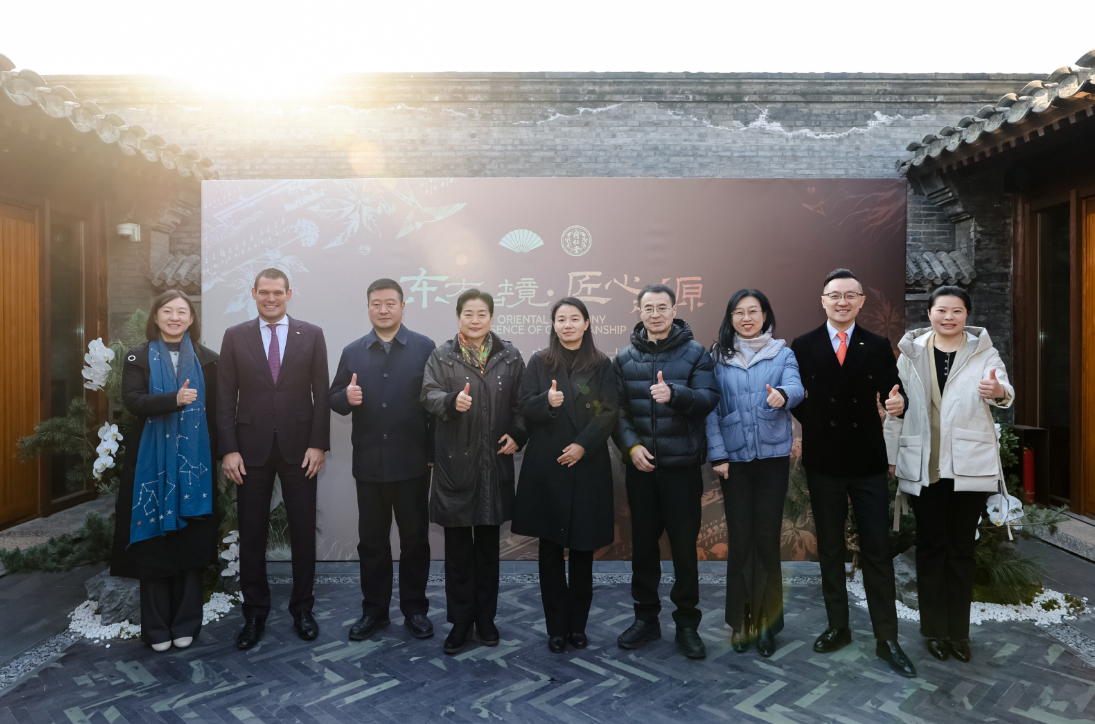
同仁东方 岐黄赋能——同仁堂携手前门文华东方酒店开创旅居新体验
Bei Jing Wan Bao· 2025-12-18 06:58
Core Viewpoint - The collaboration between Beijing Tongrentang and Mandarin Oriental Hotel aims to innovate the integration of traditional Chinese medicine (TCM) with high-end tourism, creating a unique "TCM + hotel" model that enhances health and wellness experiences for guests [1][4]. Group 1: Company Overview - Beijing Tongrentang, with over 300 years of history, is committed to the principles of "same repair of benevolence and benefit to the world" and emphasizes the importance of traditional craftsmanship in TCM [3]. - Mandarin Oriental Hotel, located in the historical preservation area of Qianmen, integrates traditional architectural styles with modern luxury, becoming a prominent cultural landmark in Beijing [3]. Group 2: Collaboration Details - The partnership is driven by a shared pursuit of cultural heritage and innovation, aiming to create a new exploration of cross-industry integration between TCM and hospitality [4]. - The collaboration will utilize TCM resources in hotel settings, providing guests with unique health-oriented experiences while promoting TCM culture through immersive platforms [4][5]. Group 3: Future Plans - Future initiatives include regular health seminars, the introduction of TCM products like herbal pillows and seasonal wellness teas, and ongoing non-heritage skill experiences to further integrate TCM into the hospitality experience [5]. - The partnership is positioned as a replicable model for cross-industry integration in the cultural tourism and wellness sectors, contributing to the revitalization of the old city and the economic development of the capital [5].
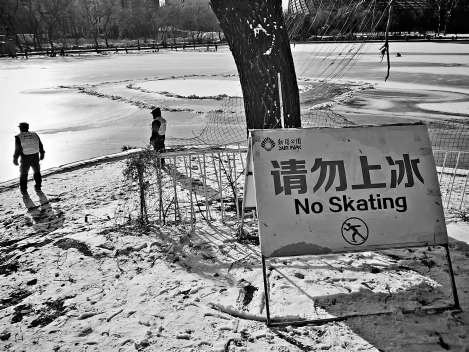
热闹野冰场竟成“勇敢者游戏”
Bei Jing Wan Bao· 2025-12-18 06:51
Core Viewpoint - The article highlights the growing popularity of "wild ice" skating in Beijing despite safety concerns, with many individuals engaging in this activity at various parks, leading to potential risks due to thin ice conditions and inadequate safety measures [1][6][9]. Group 1: Safety Concerns - Many wild ice rinks are reported to have significant safety hazards, with authorities attempting to discourage public access, yet the enthusiasm of ice enthusiasts remains high [1][6]. - In several parks, warnings about thin ice are ignored, and individuals continue to skate, with some areas showing visible signs of danger such as large ice holes and cracks [3][9]. - Reports indicate that some vendors are actively promoting ice activities, despite the thinness of the ice, which raises concerns about public safety and the potential for accidents [4][10]. Group 2: Commercialization of Wild Ice - Vendors are capitalizing on the popularity of wild ice by renting out ice skates and ice cars, with prices set at 50 yuan for doubles and 30 yuan for singles, indicating a burgeoning market around this activity [4][6]. - The practice of artificially creating ice by flooding areas at night has been mentioned, showcasing a commercial aspect where vendors invest time and resources to maintain playable ice surfaces [4][10]. - The social aspect of wild ice skating is emphasized, as it has become a gathering place for community members, further driving the informal economy surrounding this activity [6][7]. Group 3: Public Response and Behavior - Despite warnings and safety measures, the public continues to engage in wild ice activities, often disregarding safety advisories, which reflects a cultural inclination towards outdoor winter sports [6][9]. - Parents and children are frequently seen testing the ice, with some even encouraging risky behavior, indicating a lack of awareness or concern regarding the dangers involved [9][10]. - The atmosphere at these wild ice locations is described as festive and social, with music and community interactions, which may contribute to the disregard for safety warnings [6][7].
小米华为理想等黑水军12人被抓
Bei Jing Wan Bao· 2025-12-17 12:15
Core Viewpoint - A criminal gang involved in manipulating negative information about electric vehicle brands, including Xiaomi, Huawei, and Li Auto, has been dismantled by Yantai police, resulting in the arrest of 12 individuals and the shutdown of over 8,000 accounts [1] Group 1: Criminal Activities - The gang was responsible for orchestrating a campaign of negative articles targeting various automotive brands, characterized by organized efforts to distort facts and maliciously defame companies [1] - Tactics included impersonating consumers, fabricating scenarios, and creating misleading content that exaggerated isolated issues, severely damaging brand reputations and disrupting normal business operations [1] Group 2: Investigation and Arrest - Following reports from companies, Yantai police conducted a four-month investigation, identifying over 3,000 negative articles linked to a small number of suspicious accounts with unusual activity patterns [1] - The investigation revealed that the gang utilized technology to scrape keywords related to brands and employed artificial intelligence to mass-produce low-quality, repetitive content aimed at generating traffic and profits [1] Group 3: Outcomes - The operation led to the arrest of 12 suspects, the seizure of over 1 million yuan in illicit funds, and the closure of more than 8,000 illegal online accounts, marking a significant crackdown on this new form of "internet water army" criminal activity [1]


北京清理违规房地产信息1.7万余条
Bei Jing Wan Bao· 2025-12-17 12:11
Group 1 - The core viewpoint of the article highlights the efforts by Beijing authorities to address and eliminate misinformation and panic-inducing narratives regarding the real estate market [1] - A joint meeting was held involving multiple departments, including the Beijing Municipal Housing and Urban-Rural Development Commission, to discuss the issue of self-media accounts spreading negative information about the Beijing real estate market [1] - As of December 12, over 17,000 pieces of illegal and harmful information have been cleaned up across various platforms, including 58 Tongcheng, Douyin, Xiaohongshu, and others [1] Group 2 - More than 2,300 accounts and live streams that amplified market fluctuations and spread false content were dealt with during the cleanup efforts [1] - A total of over 130 million listings were screened by Lianjia, Wo Ai Wo Jia, and Maidian, resulting in the removal of over 480 non-compliant listings [1] - The authorities plan to maintain a "zero tolerance" approach towards any online disruptions in the real estate market and will impose strict penalties on platforms that fail to comply with regulations [1]
北京同仁堂不容擦边造假抹黑
Bei Jing Wan Bao· 2025-12-17 10:58
Core Viewpoint - The article highlights the issue of counterfeit products using the "Beijing Tongrentang" brand, specifically a shrimp oil product falsely marketed as having high purity but containing no actual shrimp oil. This situation raises concerns about brand integrity and consumer protection in the e-commerce space [1]. Group 1: Brand Integrity and Consumer Trust - A product claiming to be "Beijing Tongrentang 99% high purity Antarctic shrimp oil" was found to contain 0% shrimp oil, misleading consumers who associate the brand with quality [1]. - The product was sold in large quantities, with reports indicating 5 million units sold on e-commerce platforms, showcasing the scale of the issue [1]. - The company, Beijing Tongrentang Health Pharmaceutical Co., Ltd., has initiated legal action against the infringing company, Beijing Tongrentang (Sichuan) Health Pharmaceutical Co., Ltd., to protect its brand reputation [1]. Group 2: Regulatory and Management Concerns - The infringing company claims ignorance regarding the misleading packaging, attributing the decision to the manufacturer, Anhui Habao Pharmaceutical Co., Ltd., which has a history of administrative penalties for non-compliance [1]. - The manufacturer’s pricing strategy, with an ex-factory price significantly lower than reasonable cost estimates, raises questions about the legitimacy of the product and the awareness of the infringing company [1]. - The article emphasizes the need for better brand management and quality control within the parent company, as the infringing entity is a subsidiary, indicating potential flaws in oversight [1]. Group 3: E-commerce and Market Regulation - The article describes a chaotic "Tongrentang universe" in e-commerce, where various products mislead consumers by prominently displaying the "Beijing Tongrentang" name while being produced by unrelated companies [1]. - It calls for stronger regulatory measures to protect consumers and uphold the integrity of established brands, suggesting that both the brand owner and regulatory bodies must work together to combat counterfeit products [1]. - The ongoing issue of counterfeit products in the market, including those imitating other reputable brands, highlights the need for vigilance and proactive measures to safeguard consumer rights [1].