Bei Jing Wan Bao

Search documents
欧亚好物聚雅宝 跨境消费焕新篇——欧亚国家精品推广周活动圆满落幕
Bei Jing Wan Bao· 2026-02-12 02:41
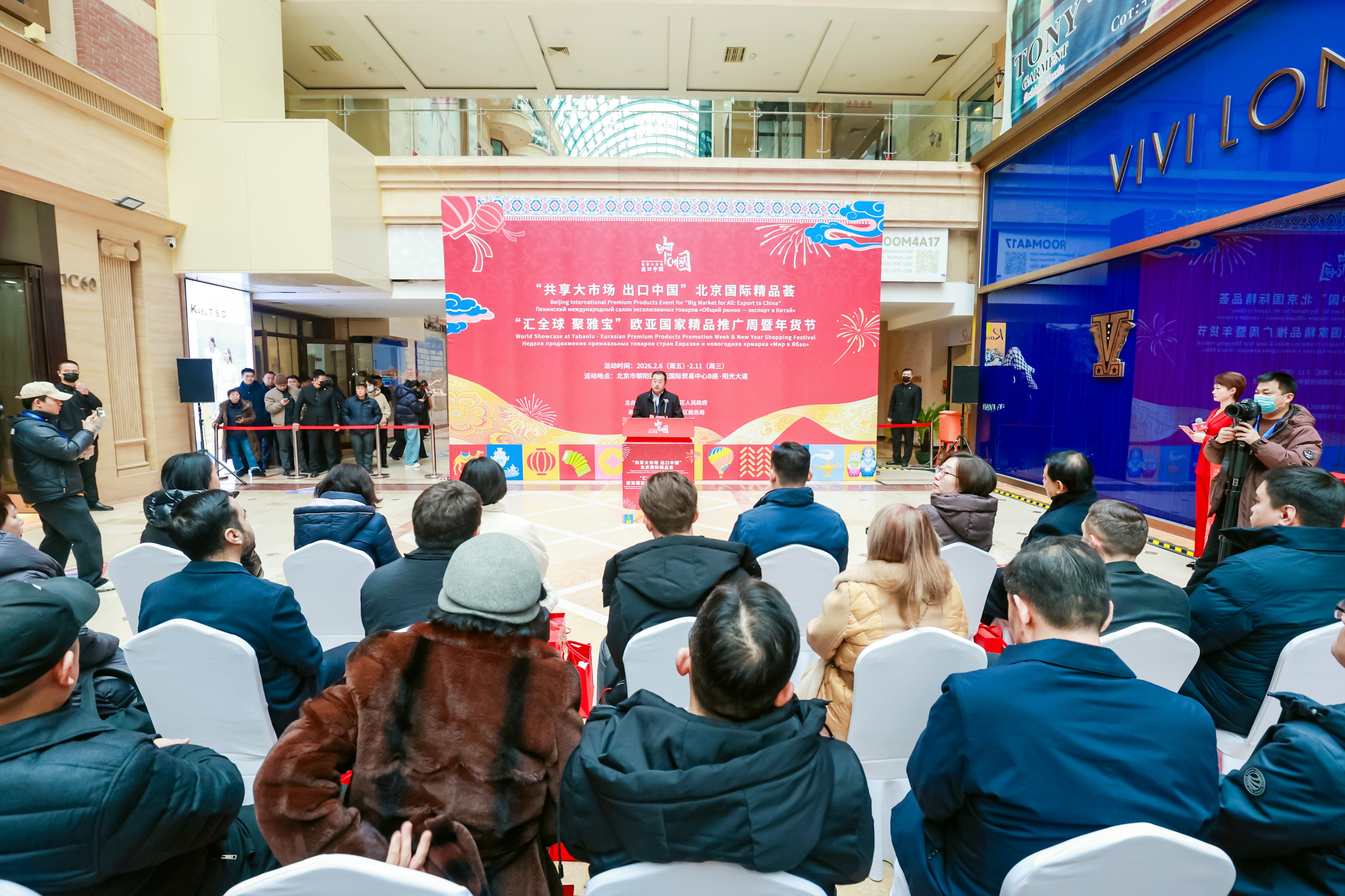
Core Viewpoint - The "Global Sharing Market Export to China" event series, including the "Gathering Global Treasures" Eurasian Goods Promotion Week, aims to enhance international trade cooperation and stimulate regional consumption in Beijing, showcasing quality products from various Eurasian countries [1][4]. Group 1: Event Overview - The event took place from February 6 to 11 in Beijing's Chaoyang District, strategically timed before the Spring Festival to maximize consumer engagement [1]. - It featured a comprehensive space for display, tasting, negotiation, and procurement, promoting cross-border consumption [1][4]. - The event received strong support from embassies of multiple countries, including Russia, Iran, and Azerbaijan, highlighting international collaboration [4]. Group 2: Economic Significance - The event is seen as a practical response to the Ministry of Commerce's initiative, aiming to make Beijing a preferred destination for quality goods and services from around the world [4]. - It focuses on three key areas: deepening international economic cooperation, enriching consumer supply, and upgrading commercial districts to optimize the trade ecosystem [4]. Group 3: Cultural and Consumer Experience - The event featured over 200 meters of indoor space showcasing products from more than 30 Eurasian countries, creating a vibrant atmosphere for consumers [5]. - Unique products included Russian chocolates, Azerbaijani nuts, and Iranian carpets, alongside cultural activities like calligraphy and traditional crafts [5][7]. - Innovative engagement methods, such as "offline exhibitions + cultural experiences," enhanced the cross-border shopping experience, making it more interactive and culturally enriching [7]. Group 4: Regional Economic Impact - The event represents an important attempt by Chaoyang District to create distinctive cross-border consumption scenarios, aiming to boost holiday spending and overall economic activity [9]. - The district plans to continue developing unique consumption scenes and improving the cross-border trade ecosystem to attract global quality products to the Chinese market [9].

欢乐过大年·乡“亲”京郊行18|京西年味浓:陇驾庄大集一站式找齐过年烟火气
Bei Jing Wan Bao· 2026-02-11 10:35
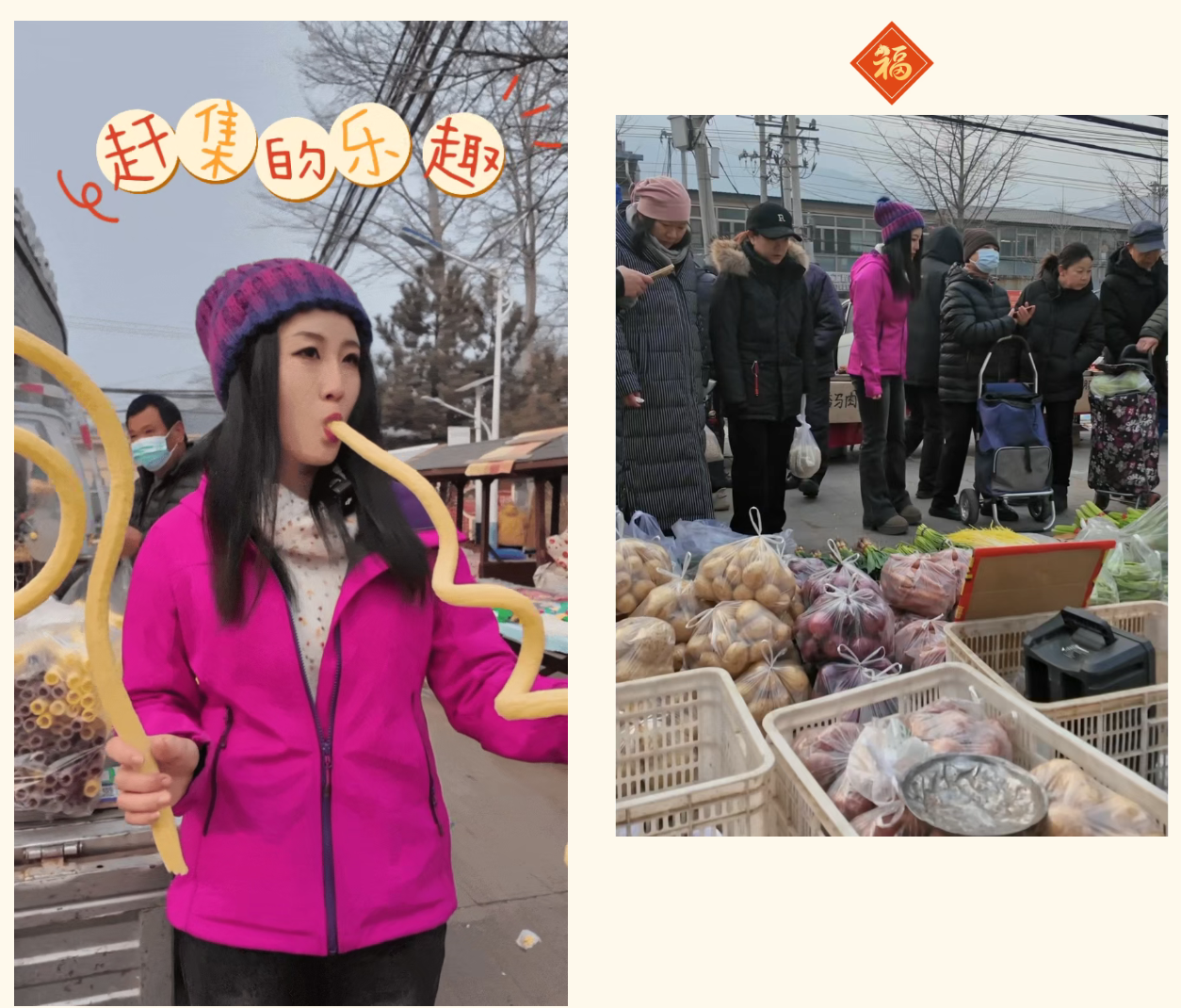
Core Viewpoint - The article highlights the vibrant atmosphere of the Longjiazhuang market in Mentougou, Beijing, which serves as a hub for local residents to purchase traditional New Year goods, creating a lively and culturally rich experience during the festive season [1][4]. Group 1: Market Atmosphere - The Longjiazhuang market, known for its "human touch," features local vendors and a warm, inviting environment, contrasting with urban supermarkets [4]. - The market operates on Tuesdays, Fridays, and Sundays, transforming into a bustling space filled with various New Year goods, making shopping a joyful experience [1][4]. Group 2: Local Delicacies - The market offers a variety of local specialties, including freshly made snacks like "zhalazi" and traditional foods that evoke nostalgic memories [6][8]. - Notable products include the thin-skinned, meaty Miaofengshan paper-skin walnuts and the rich-flavored Longjiazhuang marinated tofu, showcasing the unique characteristics of Mentougou [8][10]. Group 3: Cultural Significance - The market features a cultural area filled with traditional New Year decorations, such as red couplets and window flowers, symbolizing good fortune and success for the upcoming year [17]. - The market not only represents the essence of the New Year but also reflects the warmth of daily life, allowing visitors to take home tangible symbols of hope and joy [17]. Group 4: Practical Information - The market is located in Longjiazhuang Village, Miaofengshan Town, Mentougou District, and can be accessed via specific public transport routes or by car [18]. - It is important for visitors to check the market's operating status before visiting, especially during the holiday season when it may be closed [18].
历久弥新 探寻记忆中的老字号
Bei Jing Wan Bao· 2026-02-11 07:14
Core Viewpoint - The article explores the rich history and cultural significance of traditional Chinese medicine brand Tong Ren Tang, emphasizing its commitment to quality and community service over centuries [1][4][7]. Group 1: Company History and Philosophy - Tong Ren Tang was founded during the Kangxi era of the Qing Dynasty by Le Xianyang, initially named "Tong Ren Tang Pharmacy" [4]. - The brand has a legacy of over 357 years, known for its high-quality herbal medicines and adherence to traditional manufacturing principles [4][5]. - The motto "同修仁德 济世养生" reflects the company's dedication to benevolence and health care for the public [4][7]. Group 2: Product Offerings - The store offers a wide range of essential health products, including remedies for common ailments such as colds and digestive issues, particularly during the winter-spring transition [5][6]. - Classic formulas like Liu Wei Di Huang Wan and its variations are available, showcasing the brand's commitment to traditional Chinese medicine [6]. - The store also features a cultural section with creative products that appeal to tourists, enhancing the shopping experience [6]. Group 3: Community Engagement and Cultural Significance - Tong Ren Tang has a history of community involvement, such as providing lighting for safe passage home in the past, which has ingrained its name in the public consciousness [7]. - The company continues to support cultural initiatives, such as the "Tong Ren Literature Academy," fostering literary talent among youth [7]. - The upcoming live event aims to discuss the history and cultural impact of old brands like Tong Ren Tang, promoting traditional Chinese culture [8][9].

居民资产 “向股迁徙” 成大势 量化巨头锚定权益市场长期红利
Bei Jing Wan Bao· 2026-02-11 02:59
Group 1 - The core viewpoint is that the long-term development space of China's equity market is expanding, driven by AI empowerment in finance and an upgrade in residents' wealth management needs [1][2] - There is a significant gap in asset allocation, with Chinese residents' investment in the stock market being relatively low compared to mature financial markets, indicating potential for growth [2][3] - As the Chinese capital market matures, the shift of residents' asset allocation towards equity markets is an inevitable trend, supported by improvements in market mechanisms and investor protection [2][3] Group 2 - The logic of returns is being restructured, with a focus on fundamental quantification to highlight long-term value, as traditional sources of excess returns are diminishing [3][4] - The company emphasizes a long-term investment strategy anchored in fundamental analysis, avoiding high-risk short-term speculation to create stable returns for clients [3][4] - The investment strategy incorporates a differentiated research system using deductive and inductive methods, enhanced by AI technology to improve data processing and investment efficiency [4] Group 3 - The company maintains an optimistic outlook on the long-term development of China's equity market, recognizing that the structural adjustment of residents' asset allocation will be gradual but is already underway [5] - The fundamental quantification strategy is positioned to help investors benefit from the growth of the capital market by focusing on core enterprise values amidst market fluctuations [5] - The company aims to accompany clients through market cycles, leveraging professional capabilities to seize investment opportunities during the asset transfer wave [5]
中关村前沿大赛 新材料十强出炉
Bei Jing Wan Bao· 2026-02-11 02:12
Core Insights - The 9th Zhongguancun International Frontier Technology Competition in the new materials sector recently took place in Beijing, showcasing innovative projects such as "Integrated Optical Frequency Comb" and "High-end Quantum Dot Display for Vehicles" [1][2] Group 1: Competition Highlights - The top ten projects in the new materials category include "Integrated Optical Frequency Comb," which can output 34 or more evenly spaced wavelengths, representing a significant advancement in the field [1] - The project "Topological Soft Gel Disruptive Thin Warm Material Technology" aims to enable winter clothing to provide warmth, while the "Advanced Tactile Sensors for Robots Based on Fiber Materials" project seeks to give robots electronic skin [1] - The "High-end Quantum Dot Display for Vehicles" technology aims to break the monopoly of foreign manufacturers in the high-end display sector, highlighting the innovative breakthroughs in new materials technology [1] Group 2: Industry Development - The competition reflects the deep integration and innovative breakthroughs of new materials technology in critical fields such as advanced equipment, embodied intelligence, biomedical applications, and advanced displays [1] - The event indicates that China is accelerating its transition from basic research to engineering and industrialization in the field of materials science [1]

招金矿业致歉
Bei Jing Wan Bao· 2026-02-10 11:53
Core Viewpoint - The company expresses condolences for the tragic accident at its Cangzhuang gold mine, which resulted in the death of seven individuals, while also indicating that the financial impact of the incident on the company's overall performance is expected to be minimal [1] Group 1: Accident Details - The accident occurred at the Cangzhuang gold mine's blind shaft, leading to the unfortunate loss of seven lives [1] - The company's leadership has prioritized the situation, activating emergency response plans and ensuring orderly management of the aftermath [1] Group 2: Financial Impact - The Cangzhuang gold mine has an average annual gold production of approximately 1 ton and an average annual profit of about 60 million RMB from 2020 to 2024 [1] - This production and profit level represents a small proportion of the company's overall performance, suggesting limited financial repercussions from the incident [1] Group 3: Company Response - The company will closely monitor the progress of the incident and provide timely updates regarding the Cangzhuang gold mine [1] - The board of directors has expressed deep sorrow for the victims and extended sincere condolences to their families, acknowledging the social impact of the accident [1]
漫步京西古道 畅享智慧乡村 “马年致远 绿道迎春”以数字漫游开启绿意文化之旅
Bei Jing Wan Bao· 2026-02-10 07:55
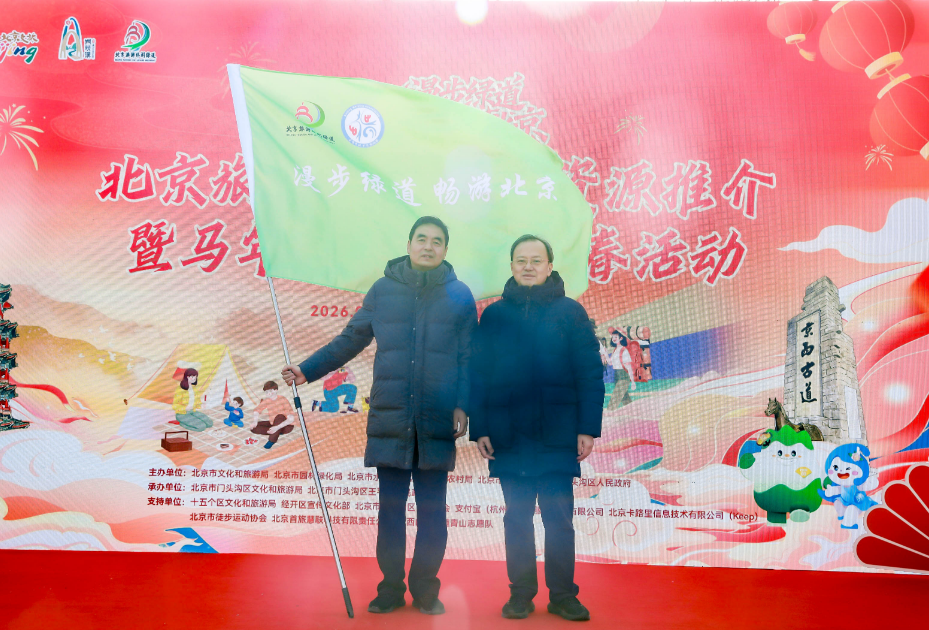
Group 1 - The event "Walking the Greenway, Enjoying Beijing" was successfully held in Wangping Town, Mentougou District, promoting the integration of culture, ecology, sports, and technology in rural tourism and leisure in Beijing [1] - Four premium greenways were highlighted, connecting historical and cultural sites with contemporary ecological concepts, creating a linear cultural experience space that integrates cultural research, ecological exploration, fitness, and family interaction [5] - The launch of the "Greenway PASS Card" by the Municipal Bureau of Culture and Tourism and Ant Group's Alipay utilizes NFC and AR technology to enhance the digital roaming experience along the greenway [6] Group 2 - The event featured traditional performances and marked the collaboration between the Municipal Bureau of Culture and Tourism and the Beijing Hiking Association to promote walking activities along the greenway [7] - The "Five Blessings" activity was integrated into the event, allowing visitors to explore cultural heritage and collect digital blessings while experiencing traditional customs [9] - The event attracted over a hundred participants from government departments, industry representatives, media, and citizens, establishing a sustainable development mechanism for the greenway [11]
旧京巷陌留“马”迹
Bei Jing Wan Bao· 2026-02-10 07:18
Core Viewpoint - The article explores the historical significance of place names in Beijing that are associated with horses, reflecting the city's rich history related to horse trading and equestrian culture [1][3][4]. Group 1: Historical Context - The term "马市" (Horse Market) originates from horse trading activities, with several locations in Beijing named after these markets, such as "骡马市大街" (Mule and Horse Market Street) and "马市桥" (Horse Market Bridge) [3][4]. - The "马市" locations were significant during the Ming and Qing dynasties, serving as trading hubs for horses and mules, with notable streets and bridges named after these activities [3][4][9]. Group 2: Notable Locations - "马市大街" (Horse Market Street) in Dongcheng District was historically significant for horse trading and has since been renamed to 美术馆东街 (East Art Museum Street) [4][5]. - "石驸马大街" (Stone Prince Street) was named after a prince who lived there, highlighting the connection between nobility and the area, with historical figures like Li Dazhao residing in the vicinity [7][8]. - "马驹桥" (Horse Foal Bridge) became an important transit point for travelers entering Beijing, especially during the Ming and Qing dynasties, due to its proximity to the royal hunting grounds [9][10]. Group 3: Cultural Significance - The annual temple fair at 马驹桥 (Horse Foal Bridge) reflects the cultural importance of the area, attracting visitors for religious and social gatherings [10]. - The historical narratives surrounding these locations contribute to the cultural heritage of Beijing, showcasing the intertwining of commerce, nobility, and local traditions [7][10].
小巷里的眼药史
Bei Jing Wan Bao· 2026-02-10 06:55
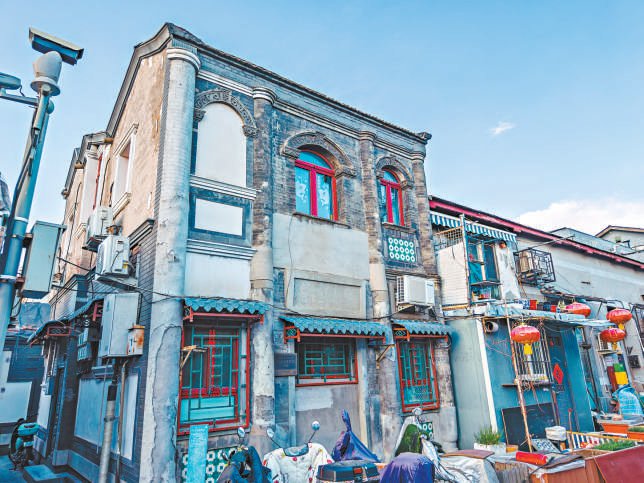
Core Viewpoint - The article highlights the historical significance and architectural features of the former site of the Mayinglong Eye Pharmacy, tracing its origins back to the Ming Dynasty and its evolution over the centuries [2]. Group 1: Historical Background - The Mayinglong Eye Pharmacy's origins can be traced back to the Wanli period of the Ming Dynasty, when the Ma family from Dingzhou created the "Eight Treasure Eye Medicine" [2]. - The pharmacy was established in Beijing by Ma Wanxing, who named it after his father, Ma Yinglong, following a family tradition [2]. - In 2011, the pharmaceutical techniques of Mayinglong were included in the non-material cultural heritage list of Xicheng District, emphasizing its historical importance [2]. Group 2: Architectural Features - The former pharmacy is located in a gray two-story building that occupies a significant portion of Manjia Hutong, with the current address being 52 Qianmen West River Street and 3 Manjia Hutong [2]. - The building features a brick-wood structure, with a clear stone plaque displaying "Mayinglong" and retains exquisite decorative brick carvings on the second-floor arched windows [2]. - Despite some windows and structures being blocked, the overall condition of the building is well-preserved [2].

京西禅影映“马鞍”
Bei Jing Wan Bao· 2026-02-10 06:55
Core Viewpoint - The article highlights the historical and cultural significance of Mount Mǎ'ān and its central feature, the Jiètái Temple, which is renowned for its Buddhist戒坛, making it a significant site in Chinese Buddhism [9][10]. Group 1: Historical Significance - Mount Mǎ'ān, located at the intersection of several districts, is primarily composed of limestone and dolomite formed over 400 million years ago during the Ordovician period [1]. - Jiètái Temple, also known as the "Temple of the First Altar," has a history dating back over 1,400 years, with its戒坛 being the largest in the country [9][10]. - The temple has been a center for Buddhist teachings and has received imperial patronage throughout history, with emperors frequently visiting and contributing to its maintenance [10]. Group 2: Economic Contributions - The area around Mount Mǎ'ān has historically been a source of high-quality limestone and coal, contributing to the construction industry in Beijing since the Yuan Dynasty [7][8]. - The village of Dàhuīchǎng, located at the mountain's southeastern foot, was known for its limestone production, which was essential for building materials in the region [7]. Group 3: Environmental Concerns - Long-term mining activities have caused damage to the mountain and posed risks to Jiètái Temple, leading to multiple historical prohibitions against mining in the area [8]. - Several protective monuments have been erected to safeguard the temple from mining activities, indicating ongoing concerns about environmental preservation [8]. Group 4: Architectural Features - Jiètái Temple features a unique architectural layout, facing east, which is uncommon among most temples that typically face south [10]. - The temple complex includes significant structures such as the 千佛阁, which houses 1,680 Buddha statues, and other notable features like the "顺风旗" and "晴雨表" [11]. Group 5: Cultural Heritage - The temple is home to a collection of ancient burial towers for high monks, reflecting its importance as a spiritual center [13]. - The surrounding area includes a network of natural caves that have been transformed into stone grottoes, further enhancing the cultural and historical landscape of the region [12].