母基金研究中心

Search documents
证监会原副主席王建军被“双开”
母基金研究中心· 2025-11-03 09:09
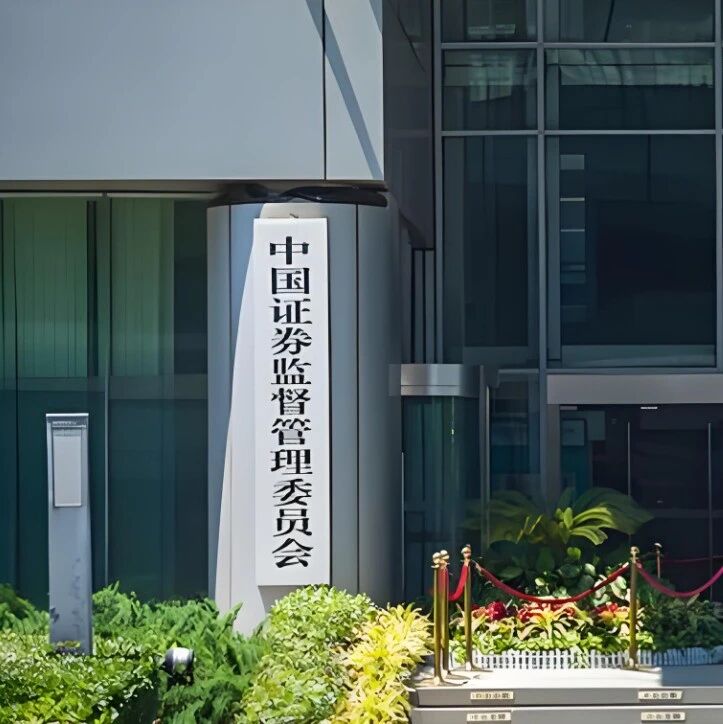
Group 1 - The Central Commission for Discipline Inspection and the National Supervisory Commission have initiated an investigation into Wang Jianjun, former Vice Chairman of the China Securities Regulatory Commission, for serious violations of discipline and law [1] - Wang Jianjun is accused of losing ideals and beliefs, resisting organizational review, and violating the spirit of the Central Eight Regulations by accepting banquets that could influence the impartial execution of duties [1] - He allegedly used his position to benefit relatives, engaged in power-for-money transactions, and illegally accepted large amounts of property, constituting serious violations of political, organizational, and integrity disciplines [1] Group 2 - The decision has been made to expel Wang Jianjun from the Party and remove him from public office, with his illegal gains confiscated and criminal issues referred to the prosecutorial authorities for legal review and prosecution [1]

招商引资的新路来了
母基金研究中心· 2025-11-03 09:09
Core Viewpoint - The article discusses the evolving landscape of investment attraction and industrial development in China, emphasizing the need for standardized practices and new strategies in response to recent regulatory changes and market dynamics [1][2][3]. Group 1: Regulatory Changes - The implementation of the "Fair Competition Review Regulations" (State Order No. 783) since August last year prohibits preferential tax policies and selective financial rewards for specific operators without legal basis or government approval [1]. - The State Council issued guidelines on promoting the high-quality development of government investment funds, stating that these funds should not be established solely for the purpose of attracting investment [2][3]. Group 2: Policy Guidance - The National Development and Reform Commission (NDRC) is focusing on rectifying irregularities in local investment attraction practices, which have led to unhealthy competition through tax and land incentives [3]. - A unified list of permissible and prohibited behaviors for local investment attraction is being developed to enhance transparency and accountability [2][3]. Group 3: New Investment Strategies - Local governments are shifting their investment attraction strategies to focus on nurturing their own advantageous industries based on local resources rather than merely attracting established external enterprises [5]. - Four new approaches to investment attraction have emerged, including capital-industry matching conferences, fund promotion events, industry forums, and international investment summits [5][11][19][24]. Group 4: Event Highlights - The "Fujian Capital and Industry Matching Conference" held in October 2025 attracted over 150 fund representatives, showcasing the importance of connecting financial capital with local projects [6]. - The "2023 Deyang Fund Promotion Conference" in Shanghai highlighted the collaboration between local governments and financial institutions to promote investment opportunities [11][12]. - The "First China-Arab Investment Summit" in April 2025 aimed to facilitate cross-border investment and cooperation between China and the Middle East [26][27]. Group 5: Outcomes and Impact - The various investment attraction models have proven effective, with past events resulting in over 10 billion yuan in fund collaborations and more than 50 projects being realized [27].

放宽注册,这支50亿母基金全国招GP
母基金研究中心· 2025-11-01 16:33
Core Viewpoint - The Chengdu Pidu District Jiaozi Manyuan Industrial Development Fund aims to integrate finance and industry, supporting the construction of a modern industrial system in Chengdu with an initial scale of 1 billion yuan and a long-term target of 5 billion yuan [1][2]. Fund Establishment and Management - The fund was officially launched in Pidu District, with a dual GP model managed by Jiaozi Industrial Fund Company and Pidu District Jinghui Venture Capital Co., Ltd [1]. - A collaborative agreement was signed among Jiaozi Capital, Jiaozi Investment, and other financial institutions to enhance the synergy of the fund structure [1]. Strategic Focus - The fund will focus on developing four leading industries: electronic information, equipment manufacturing, green food, and new materials, aligning with Pidu District's strategy for industrial strength and urban integration [2]. - The initiative is part of Chengdu's "Liyuan Manyuan" action plan, promoting the establishment of a fund for each park and industry [2]. National Recruitment of Sub-Fund Managers - The event also marked the national recruitment of sub-fund managers, aiming to attract high-quality investment institutions to build a comprehensive financial service system covering the entire lifecycle of enterprises [2]. Investment Scope and Requirements - Sub-funds are expected to invest in electronic information, equipment manufacturing, green food, strategic emerging industries, and cultural industries, prioritizing projects that support Pidu District's industrial development [6]. - Sub-fund managers must meet specific criteria, including a minimum registered capital of 10 million yuan and a proven track record in managing equity investment funds [7][9]. Fund Structure and Governance - The sub-fund must adopt a limited partnership structure, with a maximum management fee of 2% of the total capital [12]. - Investment in any single project should not exceed 20% of the sub-fund's total commitment, requiring approval for larger investments [12]. Application Process - Interested fund management institutions must submit electronic and paper applications, ensuring the accuracy and completeness of the materials [15][17].

刚刚,江苏省委书记揭牌了500亿社保科创基金
母基金研究中心· 2025-11-01 16:33
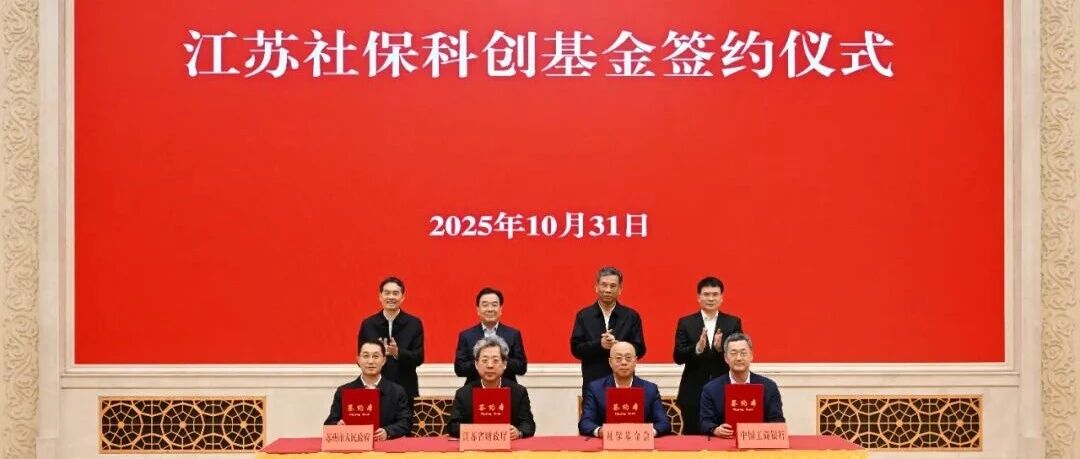
Core Viewpoint - The establishment of the Jiangsu Social Security Science and Technology Innovation Fund, with a total scale of 100 billion yuan, aims to support strategic emerging industries and high-quality development in key areas of the industrial chain, reflecting Jiangsu's robust venture capital ecosystem [3][5][9]. Fund Overview - The Jiangsu Social Security Science and Technology Innovation Fund will initially set up a scale of 50 billion yuan, primarily led by the Suzhou municipal government [3][4]. - The fund is a market-oriented initiative that aligns with national development needs, focusing on long-term capital support for strategic emerging industries and future industries [3][4]. Investment Focus - The fund will concentrate on five major directions: advanced manufacturing, artificial intelligence and integrated circuits, new energy, biomedicine, and new materials [4][5]. - It aims to create a closed-loop system of "long-term capital—industrial resources—market efficiency" through collaboration among the social security fund, financial institutions, and local governments [3][4]. Regional Development - Jiangsu province has been accelerating the establishment of provincial mother funds, with a total scale of 500 billion yuan for strategic emerging industries, leading to the creation of 41 specialized industry funds covering 13 cities [5][6]. - Suzhou has emerged as a key city for venture capital and private equity, with a well-structured fund matrix that supports various stages of enterprise growth [6][9]. Fund Management - The Suzhou Innovation Investment Group manages over 300 billion yuan in funds, covering the entire lifecycle of enterprises from incubation to maturity [7][8]. - The fund structure includes a combination of mother funds, direct investment, and subsidiary funds, facilitating a collaborative investment approach [7][8]. Future Outlook - The establishment of fund clusters is expected to expand by 2025, with government-guided funds acting as a catalyst for industrial transformation and technological innovation [10]. - The "Suzhou model" exemplifies a comprehensive service system for enterprises at different development stages, enhancing the synergy among various funds [9].
这个省的社保科创基金,要设6支子基金
母基金研究中心· 2025-11-01 11:27
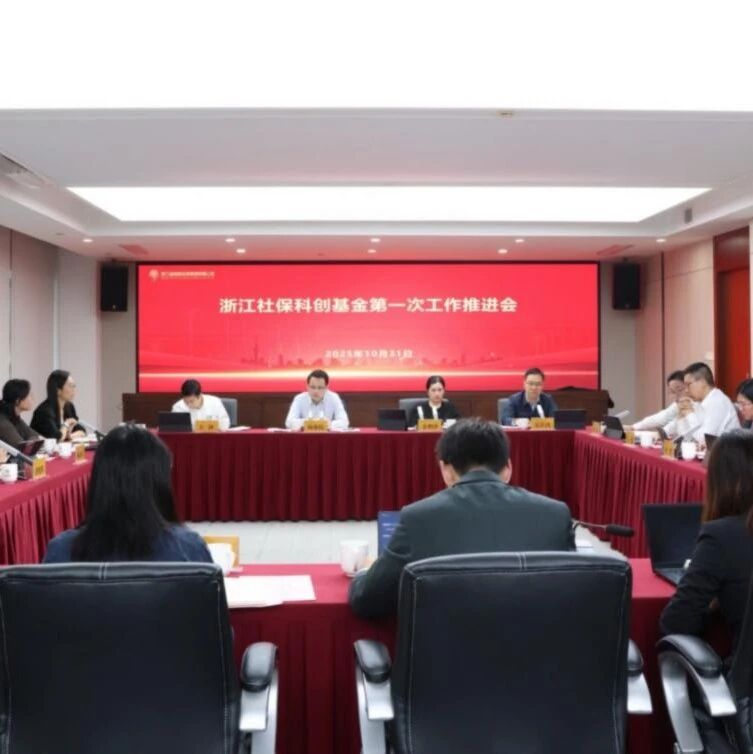
Core Viewpoint - The Zhejiang Social Security Science and Technology Innovation Fund aims to enhance investment strategies and operational management to support national strategies and promote innovation in Zhejiang province [5][6]. Group 1: Meeting Overview - The first working meeting of the Zhejiang Social Security Science and Technology Innovation Fund was held, attended by key leaders and representatives from six proposed sub-fund management teams [2][4]. - The meeting conveyed directives from the National Social Security Fund Council and provincial leaders, outlining the work plan and timeline for the fund's activities through 2025 [4]. Group 2: Fund Management and Strategy - Fund managers are urged to align with the spirit of Xi Jinping's important speeches on technological and industrial innovation, ensuring adherence to provincial and national directives [5]. - The fund's mission includes serving national strategies, supporting innovation in Zhejiang, and achieving value preservation and appreciation [6]. Group 3: Operational Guidelines - Fund managers are instructed to maintain a high political stance, enhance professional capabilities, and develop market awareness for effective fund management [6]. - A structured operational mechanism involving monthly meetings, quarterly research, and dynamic adjustments is to be established to ensure strategic oversight and compliance [6]. Group 4: Implementation Goals - Fund managers are expected to focus on building a professional and efficient team for the sub-funds, ensuring precise investments and proactive planning [6]. - There is a strong emphasis on accountability and a collaborative approach across the province to achieve the establishment of all six sub-funds and successful project deliveries by year-end [6].
首届AIM中国峰会即将盛大启幕,唐劲草会长受邀发言
母基金研究中心· 2025-11-01 11:27
Group 1 - The UAE International Investment Summit was established in 2011 and was renamed in 2024, recognized as a major national economic and trade event by the UAE Federal Supreme Council [1] - The summit aims to enhance international investment cooperation by connecting global political and business elites [1] - The first UAE Investment Summit in China will take place in October 2024, marking a significant step in promoting bilateral investment and economic cooperation between China and the UAE [1] Group 2 - The first UAE International Investment Summit in China will be held on November 7-8, 2025, at the Shangri-La Hotel in Jing'an, Shanghai [3] - The summit will focus on key areas such as artificial intelligence, green energy, digital economy, smart cities, and high-end manufacturing, aiming to upgrade bilateral investment cooperation [3] - The theme of the summit is "Decoding the Engine of Interwoven Globalization: From 'Going Out' to 'Going Up'" [3] Group 3 - Tang Jincao, Chairman of Waterwood Capital, will participate in a roundtable forum at the summit, discussing the "Going Up" strategy and how to cultivate globally competitive high-tech enterprises [2]
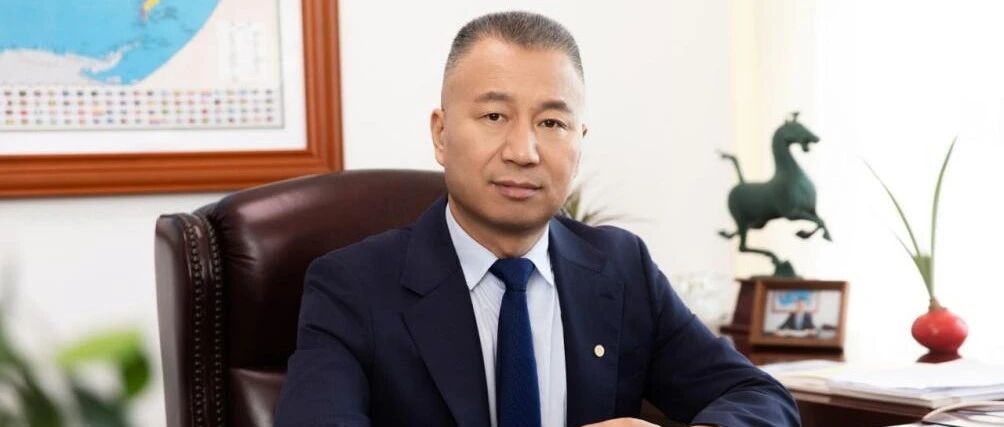
西安财金任纪刚:把功能做成效率,把耐心做成生态
母基金研究中心· 2025-10-31 10:37
西安财金董事长任纪刚作为公司核心负责人,主导搭建了母基金全流程业务体系,拓展与政府 部门、主要金融机构 、 高校科研院所 及产业龙头的战略协同,持续打磨平台品牌与方法论。 他拥有多年的股权投资、科技金融与产业协同实践经验,对 "募投管退"全链条与地方产业生态 的共振逻辑有系统认知。 图为西安财金董事长 任纪刚 母基金研究中心特邀任纪刚 先生进行 【中国母基金 1 0 0人】专访, 在这次专访中,任纪刚向 我们详解西安财金在母基金布局、 "先投后股"机制、生态化服务与风控容错等方面的实践 探 索 ,带我们走近一套真正跑得通、可复制、能放大的城市级资本路径。 01 用母基金撬动产业链条 作为西安市首只百亿元级 创投 母基金, 由西安财金管理的 西安市创新投资基金 "围绕发展新 质生产力、支持科技创新,着力投早、投小、投长期、投硬科技"。 截至 9月底,累计决策市 场化子基金6 1支、设立4 5支,总规模 超 2 6 0 亿元;按子基金实缴金额计算,引导社会资本放 大近 4倍。子基金端已决策项目6 5 0多 个、金额 超 1 2 0 亿元;先后支持爱科赛博、知行汽 车、西安奕材 、 摩尔线程 等 4家科技型企业成功 ...
首期510亿,这支央企战新基金正式发布
母基金研究中心· 2025-10-31 10:37
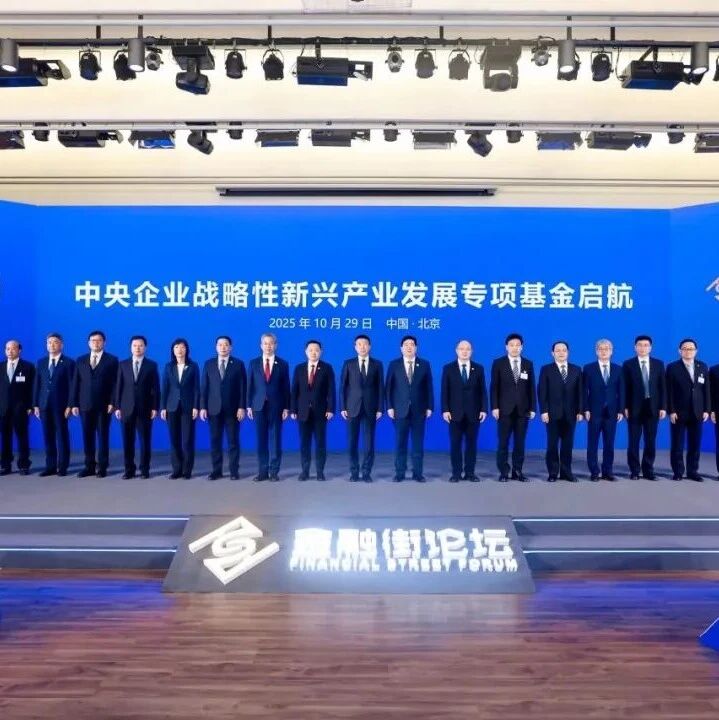
Core Insights - The article highlights the recent developments in China's mother fund industry, with a total management scale of 1,459 billion yuan, focusing on high-end equipment materials, biomedicine, and low-altitude economy investments [2][3]. Group 1: Fund Launches and Initiatives - A new central enterprise strategic emerging industry development fund has been launched in Beijing with an initial scale of 510 billion yuan, aimed at accelerating the development of strategic emerging industries [5][8]. - Jiangsu province is actively establishing various specialized mother funds, including those for intelligent manufacturing, high-end functional materials, and biomedicine, with scales ranging from 20 billion to 50 billion yuan [9][11][14][16][17]. - The Dongguan Songshan Lake industrial investment mother fund has completed its registration, marking a significant step in the region's industrial upgrade efforts with a total scale of 100 billion yuan [18][19]. Group 2: Investment Focus Areas - The newly established funds are primarily targeting strategic emerging industries such as artificial intelligence, aerospace, high-end equipment, and quantum technology [8]. - Specific funds in Jiangsu are focusing on sectors like low-altitude economy, integrated circuits, and advanced manufacturing, with investment strategies emphasizing direct project investments and the establishment of sub-funds [16][17][33][36]. - The Anhui artificial intelligence theme mother fund has launched its first acquisition sub-fund, contributing to a total scale of nearly 230 billion yuan across its sub-funds [26]. Group 3: Policy and Regulatory Framework - Beijing has released guidelines to promote high-quality development in venture capital and private equity investment, aiming to enhance the role of these investments in supporting innovation and industrial upgrades [38][39]. - The guidelines emphasize the importance of creating a new ecosystem for venture capital and private equity, focusing on policy precision, full-cycle service ecology, and nurturing patient capital [39].
今天,投资人都去福州了
母基金研究中心· 2025-10-30 11:20
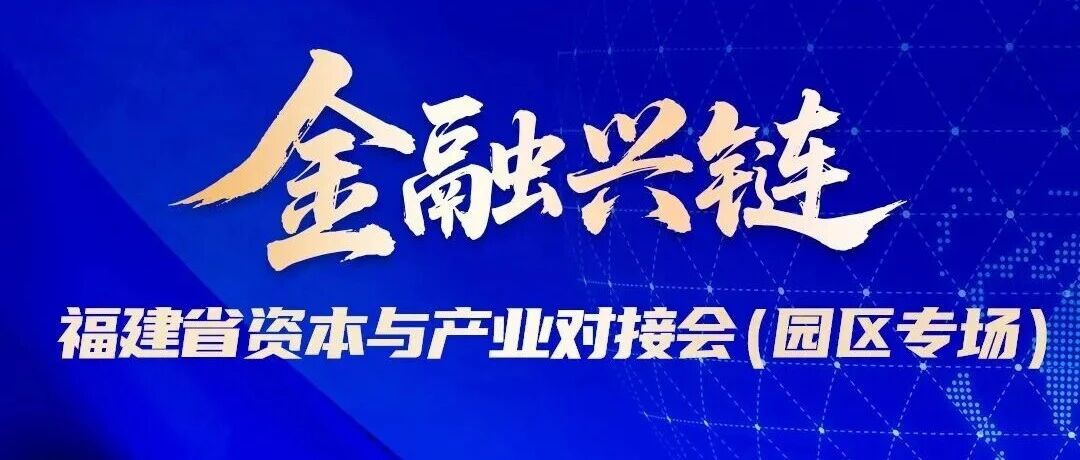
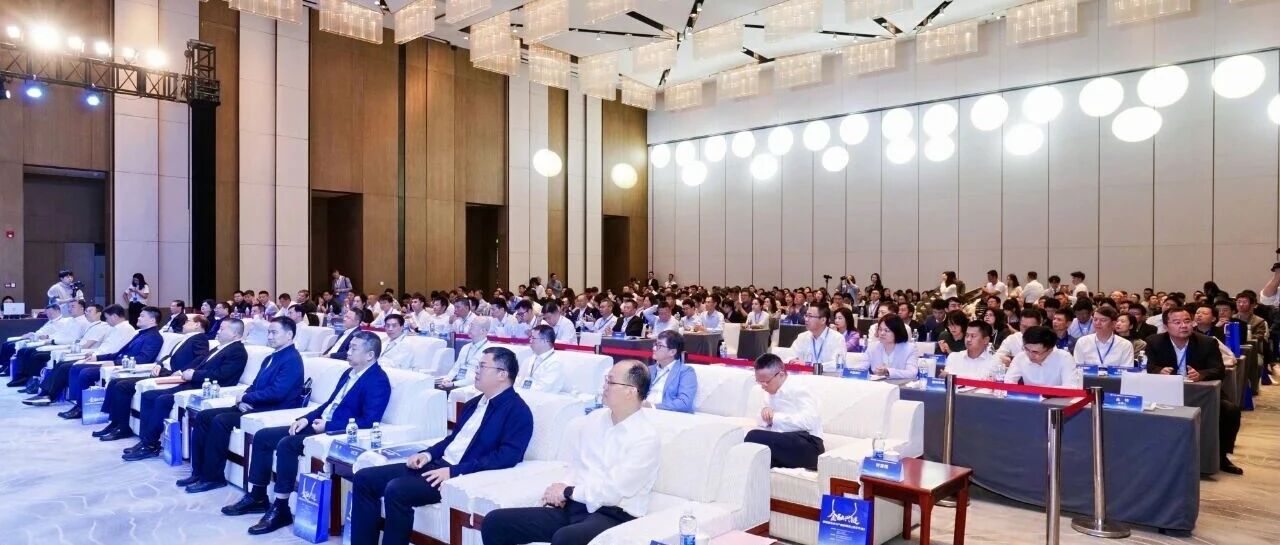
Core Viewpoint - The "Fujian Capital and Industry Docking Conference (Park Special Session)" aims to empower new productive forces and promote industrial upgrading and transformation through financial means, facilitating deep integration of technological and industrial innovation in Fujian's modernization efforts [1][22]. Group 1: Conference Overview - The conference attracted over 150 representatives from mother funds and direct investment institutions, with a total fund management scale exceeding 2 trillion yuan, including 8 national-level mother funds [3][4]. - A total of 400 participants, including over 160 representatives from enterprises within and outside Fujian, gathered to discuss investment opportunities in Fujian and the role of funds in empowering park development [4][22]. Group 2: Fujian Jin Investment Introduction - Fujian Jin Investment, with a registered capital of 100 billion yuan, aims to strengthen finance, serve the real economy, and support innovation, having established 24 funds totaling over 30 billion yuan since its inception [6][7]. - The platform has facilitated over 150 billion yuan in social capital mobilization, supported more than 750 enterprises, and directly invested over 30 billion yuan in 14 projects [6][7]. Group 3: Industrial Park Promotion - Fuzhou New Area is focusing on developing six leading industries, including digital economy and new materials, supported by a fund matrix of 500 billion yuan [10][11]. - Fuzhou Economic Development Zone has attracted 13 listed companies and 253 high-tech enterprises, forming core industry clusters in new information technology and renewable energy [12][14]. - Quanzhou Taiwan Business Investment Zone is positioning itself as a hub for high-end equipment and electronic information industries, with 180 enterprises already established [16]. Group 4: Project Roadshows - Three high-quality enterprises, including Himountain Technology and Yougan Technology, presented their projects, showcasing innovations in AI and automotive electronics, which are expected to inject strong momentum into Fujian's industrial clusters [17][21]. - A total of ten additional projects from various companies were introduced, highlighting the diverse investment opportunities available in Fujian [21]. Group 5: Conclusion and Future Outlook - The conference successfully established a bridge for efficient capital and industry docking, fostering consensus on high-quality development in Fujian [22]. - Future initiatives will focus on further integrating financial support with technological and industrial innovation, contributing to Fujian's modernization [22].
管理超二万亿元投资机构齐聚福州,所为何来?
母基金研究中心· 2025-10-29 08:18
Group 1 - The article highlights Fujian's strategic focus on seven key areas: new generation information technology, high-end equipment, new materials, new energy, biotechnology and new medicine, energy conservation and environmental protection, and marine high-tech industries, aiming to strengthen emerging industries and enhance innovation capabilities [2] - Since the release of the "Action Plan for Promoting the High-Quality Development of Government-Directed Funds" in November 2024, Fujian has introduced several significant policies to support the development of specialized small and medium-sized enterprises, with a goal to establish a fund pool of 300 billion yuan for functional funds and 1 trillion yuan for industrial funds within five years [2] - As of mid-2025, the management scale of government-directed funds in Fujian has exceeded 1.4 trillion yuan, with active establishment of new funds and selection of fund managers occurring regularly throughout the year [2] Group 2 - A capital and industry matchmaking conference is scheduled to be held in Fuzhou on October 30, aimed at empowering new productivity and facilitating the deep integration of technological and industrial innovation [3] - The conference will feature project roadshows, capital and enterprise matchmaking discussions, and will attract over a hundred representatives from mother funds and direct investment fund institutions, collectively managing over 2 trillion yuan, including eight national-level mother funds [3] - The event aims to leverage financial capital to support the high-quality development of the real economy and strengthen the industrial chain [3]