母基金研究中心
Search documents
形成四五十万亿股权基金!黄奇帆重磅提议
母基金研究中心· 2026-01-13 10:09
Core Viewpoint - Huang Qifan emphasizes the need to increase the proportion of direct financing through multiple channels, advocating for the development of both the stock market and enterprise equity investment funds, as well as improving the market-oriented capital supplement mechanism for enterprises [1][2]. Group 1: Funding Sources and Potential - Huang Qifan suggests establishing an equity guidance fund involving bank funds, social security funds, commercial insurance funds, and foreign exchange funds, which could potentially create a fund size of several trillion yuan [1][2]. - If banks allocate 3% of their capital for equity investment, approximately 1 trillion yuan could be sourced for equity investment funds [1]. - Social security funds could generate around 2 trillion yuan for equity investment funds if 30% is allocated [1]. - Insurance funds could contribute approximately 3 to 4 trillion yuan under a similar 30% allocation [1]. Group 2: Long-term Capital and Investment Strategies - The total potential from banks, social security, insurance, and foreign exchange could lead to the formation of equity investment funds worth 40 to 50 trillion yuan, supporting enterprise capital replenishment [2]. - The long-term capital source is crucial for the development of equity investment in China, as the current fundraising market lacks substantial "long money" [2]. - Venture capital (VC) and private equity (PE) funding sources in international markets primarily come from pension funds, endowment funds, and family wealth, while domestic penetration remains low at 2-3% [2]. Group 3: Recent Developments in Financial Asset Investment Companies (AIC) - As of 2025, the number of bank-affiliated AICs has expanded to 9, with signed fund amounts exceeding 3.8 trillion yuan [5]. - The AIC model has been successfully implemented in 18 cities, with a total signed amount surpassing 3.5 trillion yuan [4]. - The establishment of AICs aims to leverage insurance capital and professional management to attract more social capital [4][5]. Group 4: Insurance Capital in Private Equity - Since the second half of 2020, insurance capital has increasingly engaged in private equity investments, becoming a significant source of funding for VC/PE [6][7]. - A recent notification increased the maximum investment ratio of insurance companies in single venture capital funds from 20% to 30%, providing substantial support for the equity investment industry [7]. - Insurance capital is particularly focused on sectors closely related to its core business, such as healthcare and strategic national industries, including new infrastructure and renewable energy [8][9]. Group 5: Future Expectations and Trends - The alignment of insurance capital with mother funds is seen as beneficial for stabilizing returns and reducing risks, thus enhancing the investment ecosystem [9]. - The anticipated influx of insurance capital into the equity investment sector is expected to accelerate the growth of the industry [9]. - The establishment of various social security and insurance funds targeting technology innovation indicates a growing trend towards long-term capital investment in strategic industries [6][8].
刚刚,国家出台政府投资基金新规
母基金研究中心· 2026-01-12 04:53
Core Viewpoint - The article discusses the newly released "Work Measures" and "Management Measures" aimed at strengthening the planning and guidance of government investment funds, marking the first systematic regulation at the national level regarding their layout and investment direction [2][3]. Group 1: Work Measures - The "Work Measures" emphasize the need to enhance the planning and guidance of government investment funds, ensuring they play a better role in guiding investments while preventing homogeneous competition and crowding out social capital [2][3]. - It encourages national funds to strengthen collaboration with local funds, particularly in cutting-edge technology and key links of the industrial supply chain, leveraging local resource endowments through joint establishment of sub-funds or contributions to local funds [2][3]. Group 2: Management Measures - The "Management Measures" establish specific requirements for evaluating the investment direction of government investment funds, including a comprehensive evaluation index system that combines quantitative and qualitative assessments [3][4]. - The evaluation index system consists of three primary indicators and 13 secondary indicators, focusing on policy compliance, optimization of productivity layout, and policy execution capability [4]. Group 3: Investment Trends and Changes - The average return multiplier requirement for guiding funds has decreased by over 40% in the past six years, with the current average around 1.5 times, indicating a shift towards more favorable return requirements for sub-funds [4][5]. - The article highlights the transition from a "tax incentive" and "reward" based investment attraction model to a more structured approach, emphasizing the need for government investment funds to not be established solely for the purpose of attracting investments [5][6]. Group 4: Industry Evolution - The government investment fund industry is evolving into a 3.0 version, moving from a "coarse" development model to a more refined approach, focusing on creating clusters of guiding funds and enhancing collaboration among provincial and municipal funds [8]. - The article predicts that government guiding funds will further standardize and efficiently attract more capital to drive industrial transformation and technological innovation by 2025 [8].
这个省社保科创基金的6支专项基金启航了
母基金研究中心· 2026-01-11 07:47
Core Viewpoint - The Zhejiang Social Security Science and Technology Innovation Fund has officially entered a comprehensive investment phase, marking a significant step in supporting technological innovation and economic development in Zhejiang Province [5][6]. Group 1: Fund Launch and Structure - The Zhejiang Social Security Science and Technology Innovation Fund has launched six specialized funds, including the Zhejiang New Industry Science and Technology Mother Fund and the Zhejiang Future Industry Science and Technology Mother Fund, each with a scale of 10 billion [5]. - The total investment amount for the first six projects signed at the conference exceeds 1.6 billion, covering sectors such as quantum science, artificial intelligence, integrated circuits, advanced manufacturing, and new materials [5]. Group 2: Strategic Goals and Future Directions - The fund aims to support national strategies for technological self-reliance and innovation in Zhejiang, emphasizing market-oriented operations and professional decision-making [6]. - The fund is designed to provide long-term, strategic, and patient capital, with a maximum duration of 18 years and an initial investable sub-fund size of nearly 300 billion [8]. Group 3: Collaboration and Investment Opportunities - The conference included a dialogue among scientists, investors, and entrepreneurs, promoting a healthy cycle between technology, industry, and finance [7]. - Zhejiang is positioned as a promising investment destination, with innovation becoming a new trend and artificial intelligence emerging as a key identifier for the region [8].
规模超350亿,2025年12月这些GP被LP选中
母基金研究中心· 2026-01-10 09:05
Summary of Key Points Core Viewpoint - The article highlights the fundraising activities of various investment funds, indicating a robust investment landscape with a total fundraising amount exceeding 350 billion RMB from December 1 to December 31, 2025, across 16 fundraising events [1]. Group 1: Fundraising Activities - Jia Yu Capital completed multiple new fundraisings, with a total scale exceeding 4 billion RMB, focusing on AI infrastructure, new consumption industries, and life sciences [4]. - Zhongke Chuangxing Pioneer Venture Capital Fund completed its final fundraising, reaching a total scale of 4.08 billion RMB, with diverse LPs including major investment groups [5]. - Kaibo Chengdu Fund completed an expansion, reaching a total scale of 20 billion RMB, with strategic partnerships to enhance investment in advanced manufacturing [6]. - Tongchuang Weiye successfully issued 300 million RMB in technology innovation bonds, showcasing a practical approach to connecting capital markets with hard technology needs [7]. - Honghui New Quality Productivity Chongqing Fund was established with a scale of 500 million RMB, focusing on smart medical equipment [8]. - Hongshan District Government Investment Fund expanded to 10 billion RMB, supporting key sectors like AI and biomedicine [9]. - Huagong Innovation Institute established a technology industry fund with an initial scale exceeding 3 billion RMB, leveraging alumni networks [10]. - Wuhan University of Science and Technology launched a 200 million RMB seed fund to accelerate technology commercialization [11][12]. - Arabian Gulf Investment signed a 500 million USD agreement with Yinggang Capital to support AI and robotics development [13]. - Qiji Investment's second RMB fund completed its first closing at 900 million RMB, focusing on the medical sector [14]. - Huaye Tiancapital announced the completion of its fifth fund with a total scale of 1.76 billion RMB [15]. - Nanjing Boyuan's third parallel fund completed its first closing at 1 billion RMB [16]. - Longqiu Capital's new RMB fund reached a first closing of 750 million RMB, targeting the new energy vehicle industry [19]. - Jing Shui Hu Venture Capital's new blind pool fund completed its first closing at 500 million RMB [20]. - Guotai Haitong Zhongji Xuchuang Industry Fund was established with an initial scale of 500 million RMB, focusing on AI infrastructure [22]. - Shengshi Investment successfully established the first S fund restructuring fund in China, exceeding 600 million RMB [23][24].
引导基金遴选GP,有了新偏好
母基金研究中心· 2026-01-09 10:15
Group 1 - The core viewpoint of the article highlights a shift in the selection criteria for local guiding funds, favoring local GP institutions that understand regional policies and industry development over large, experienced institutions from outside [2] - Local guiding funds are increasingly recruiting specialized sub-funds focused on niche industries rather than generalist funds, indicating a trend towards more precise investment strategies [3] - The evolution of guiding funds has transitioned from a "coarse" development model to a more refined approach, creating clusters of funds that work together to enhance regional investment efforts [4] Group 2 - GP fundraising strategies must adapt to the new environment, emphasizing deep understanding of specific sectors and the ability to provide unique value-added services to attract LPs [5] - Beyond performance, national asset LPs are looking for GPs that can create distinctive ecosystems through resource integration and differentiated services, which adds pressure for GPs to refine their strategies [6] - The establishment of fund clusters is expected to expand by 2026, with government guiding funds acting as catalysts for industry transformation and technological innovation [6]
这个区的引导基金,扩募至300亿
母基金研究中心· 2026-01-09 10:15
Core Insights - The total management scale of the mother fund industry in China reached 122.7 billion yuan, with investments covering sectors such as aerospace, biomedicine, and advanced manufacturing [1]. Fund Manager Recruitment - Zhejiang: The Zhejiang Provincial Science and Technology Special M&A Mother Fund is recruiting GP [2]. - Jiangsu: The Taizhou Jintai Run City Industrial Fund is recruiting GP [2]. - Guangdong: The Guangzhou Science and Technology Innovation Fund is recruiting GP [2]. - Gansu: The Jiuquan Aerospace Industry Investment Fund is recruiting GP [2]. - Chongqing: The Chongqing Pengshui Industrial Investment Fund is selecting GP [2]. - Fujian: The 200 billion yuan Fujian (Xiamen) Social Security Science and Technology Innovation Fund has officially launched [2]. - Jiangsu: The 100 billion yuan Chengtong Science and Technology Jiangsu Fund has been established [2]. - Beijing: Shengshi Investment has over-recruited to establish the first domestic S Fund for restructuring [2]. - Sichuan: The Neijiang Mother Fund has officially started operations [2]. - Shandong: The Laoshan Science and Technology Industry Mother Fund has been established [2]. - Sichuan: The Shudao High-tech Co-creation Fund has been officially established [2]. - Jiangsu: The Suining County Industrial Mother Fund has completed filing [2]. - Jiangsu: The second phase of the Suzhou Wujiang District Talent Special Fund has been registered [3]. - Jiangsu: The Xinyi Industrial Mother Fund has completed filing [3]. Mother Fund Policies - Shandong: The "Shandong Provincial Government Investment Management Measures" has been released [3]. - Zhejiang: New policies for the Ningbo Strategic Emerging Industry Investment Fund have been introduced [3]. - Zhejiang: The investment fund management measures for the Rui'an government (state-owned enterprises) have been published [3]. - Zhejiang: Zhejiang has issued a compliance exemption list for industrial fund investment due diligence [3]. Other Developments - Guangdong: The Hengqin Guidance Fund has expanded to 30 billion yuan [3]. - Hainan: The Hainan Free Trade Port Construction Fund has increased by 10 billion yuan [3]. - Jiangsu: The Wuxi Huikai Xichuang New Medical Health Industry Investment Fund has been established [3].
这家投资机构十年六轮耐心陪伴,小核酸药物龙头IPO了
母基金研究中心· 2026-01-09 10:15
Core Viewpoint - Ribo Life Science, a leader in the small nucleic acid pharmaceutical field, successfully listed on the Hong Kong Stock Exchange, achieving a market capitalization exceeding HKD 13 billion, representing over 30 times growth compared to its valuation after the A-round investment by Panlin Capital [1][5]. Company Overview - Ribo Life Science was founded in 2007 and is a pioneer in small nucleic acid (siRNA) drug research and development in China, establishing a comprehensive platform for small nucleic acid drug development [7]. - The company focuses on iterative research and development of small nucleic acid chemical modifications and drug delivery technologies, supporting all stages from early research to commercialization [7]. Product Pipeline - Ribo Life Science has developed a robust product pipeline, including: - RBD4059, a siRNA drug targeting FXI for treating thrombotic diseases, which has completed all subject enrollments in Phase IIa clinical trials [8]. - RBD5044, targeting APOC3 for treating hypertriglyceridemia, has received EU approval for Phase II clinical trials [8]. - RBD7022, targeting PCSK9 for treating hypercholesterolemia, has completed Phase I trials in China and is advancing to Phase II trials [8]. - RBD1016, targeting HBV for chronic hepatitis B treatment, is in Phase II trials and has received orphan drug designation from the EMA [10]. Globalization and Commercialization Strategy - Ribo Life Science integrates local R&D advantages with international expertise, establishing a world-class small nucleic acid drug development system [12]. - The company has multiple R&D centers in Suzhou, Beijing, and Europe, and successfully completed a USD 33 million equity financing for its overseas R&D center in Sweden [12]. Strategic Partnerships - In December 2023, Ribo Life Science entered into a licensing and collaboration agreement with Qilu Pharmaceutical for the development and commercialization of RBD7022 in Greater China, receiving over RMB 700 million in upfront and milestone payments [13]. - The company also signed a collaboration agreement with Boehringer Ingelheim to develop innovative therapies for NASH/MASH using its proprietary RiboGalSTAR™ technology, with a total transaction value exceeding USD 2 billion [13]. Investment Journey - Panlin Capital has been a key investor in Ribo Life Science since its A-round financing in 2015, providing crucial support during challenging times in the small nucleic acid industry [5][14]. - The investment journey includes six rounds of funding, demonstrating a commitment to supporting the company's growth and innovation in the biopharmaceutical sector [14][19].
进击的城投LP
母基金研究中心· 2026-01-08 09:08
Core Viewpoint - State-owned investment platforms (城投公司) are transitioning from urban infrastructure investment to diversified industrial investment, with over 300 such companies acting as Limited Partners (LPs) in equity funds [2] Group 1: Transition of State-owned Investment Platforms - More than 600 city investment companies have exited government financing platforms, with over 200 rebranded as "industrial investment" companies [2] - The core business of city investment companies has shifted from relying on government support to a profit-oriented industrial investment model [2] - City investment companies are increasingly participating in the primary market, with becoming LPs in venture capital and private equity funds being a popular choice [2] Group 2: Case Study of Hefei Construction Investment - Hefei Construction Investment (合肥建投) serves as a benchmark for the transformation of city investment companies, evolving from a traditional government financing platform to a state-owned capital investment and operation company [3] - Since its establishment in 2006, Hefei Construction Investment has financed nearly 1.1 trillion yuan for urban construction, providing over 50% of the city's funding [3] - The company has undergone three phases and two transformations, focusing on market-oriented urban infrastructure construction and professional state-owned capital management [3] Group 3: Current Business Focus of Hefei Construction Investment - The current business areas of Hefei Construction Investment include engineering construction, strategic emerging industry investment, urban operation services, and rural revitalization [4] - The company manages assets of 360 billion yuan in industrial investment funds, with cumulative external investments exceeding 420 billion yuan [4][5] - Hefei Construction Investment has led and participated in 20 projects in new displays, integrated circuits, and new energy, with total project investments exceeding 319.3 billion yuan [5] Group 4: Trends in Investment Strategies - The approach to attracting investment is shifting from merely bringing in external mature enterprises to cultivating local advantageous industries based on regional resources [6] - Investment institutions are expected to focus on nurturing endogenous industrial ecosystems, creating business opportunities in project evaluation and investment empowerment [6] - City investment companies are increasingly inclined to act as LPs, seeking to leverage their strengths in creating unique value through differentiated services [6]
这个省会,出台了产业基金投资尽职合规免责清单
母基金研究中心· 2026-01-07 09:17
Core Viewpoint - Hangzhou is making significant strides in developing its industrial fund system, aiming to enhance its modern industrial framework through the "3+N" industrial fund cluster, which is expected to exceed 500 billion yuan during the 14th Five-Year Plan period [4][11]. Group 1: Implementation Opinions and Mechanisms - The recent implementation opinions emphasize a compliance exemption mechanism for industrial funds, allowing for a higher tolerance of normal investment risks without triggering accountability for typical investment losses [2][3]. - The detailed compliance exemption list outlines specific scenarios and a negative list for applicability, enhancing practical implementation [2]. Group 2: Government Investment Fund Reforms - Recent policies from the State Council highlight the need to optimize the management and evaluation mechanisms of government investment funds, advocating for a tolerance of normal investment risks and a comprehensive evaluation system throughout the fund's lifecycle [3]. - The 2025 guidelines further stress the establishment of a fault-tolerant mechanism to encourage innovation and reduce the fear of accountability among fund managers [3]. Group 3: Fund Structure and Investment Strategies - The "3+N" fund cluster includes three government investment funds and multiple city-owned enterprise funds, which can adopt various investment strategies such as industry mother funds and specialized sub-funds [4][5]. - The return investment ratios for the Hangzhou Science and Technology Fund can be reduced to 1.5 times, while the other two funds can lower their ratios to 1 time, promoting a more favorable investment environment [5]. Group 4: Management Fees and Performance Evaluation - Management fees for the three government investment funds are based on fund size and performance, with a tiered structure that rewards better performance with lower fees [6][7]. - The management fee rates for industry mother funds and sub-funds are set according to market principles, providing a reassuring framework for general partners (GPs) [7]. Group 5: Future Prospects and Strategic Goals - Hangzhou aims to establish itself as a leading hub for artificial intelligence, with plans for an industrial fund exceeding 100 billion yuan dedicated to this sector by 2025 [8]. - The city is also focusing on nurturing emerging industries such as general artificial intelligence and humanoid robotics, indicating a strategic push towards high-potential sectors [9]. Group 6: Historical Context and Ecosystem Development - Hangzhou has a long history of fostering venture capital, with the establishment of its first state-owned venture capital company in 1993, leading to a diverse investment ecosystem [11]. - The city has been proactive in developing mother funds since 2008, positioning itself as a pioneer in this area compared to other regions [11].
两位知名中东LP嘉宾确认出席第四届达沃斯全球母基金峰会
母基金研究中心· 2026-01-07 09:17
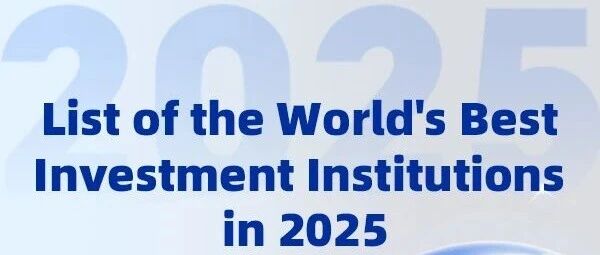
Group 1 - The fourth Davos Global FOF Summit will be held in Davos, Switzerland from January 19 to 23, 2026, hosted by the Global FOF Association [2][23] - Senior executives from renowned global funds and institutions, including Dr. Siddeek Ahamed of Eram Holdings and Tariq Bin Hendi of Astra Tech, have confirmed their attendance [3][8] - The summit aims to facilitate a multilateral dialogue among over 100 leading figures from global funds of funds and venture capital cities to discuss future directions for the industry [21][23] Group 2 - The Global FOF Association will release the "2025 World's Best FOF Investment Institutions List" at the summit, continuing a six-year tradition of recognizing top investment institutions [24][25] - Previous Davos Global FOF Summits have seen Chinese GPs raise over $1 billion, highlighting the event's significance in the private equity investment landscape [26][29] - The summit will feature unique experiences, including scenic train rides in the Alps and special forums, enhancing networking opportunities among participants [31][34]