中关村储能产业技术联盟

Search documents
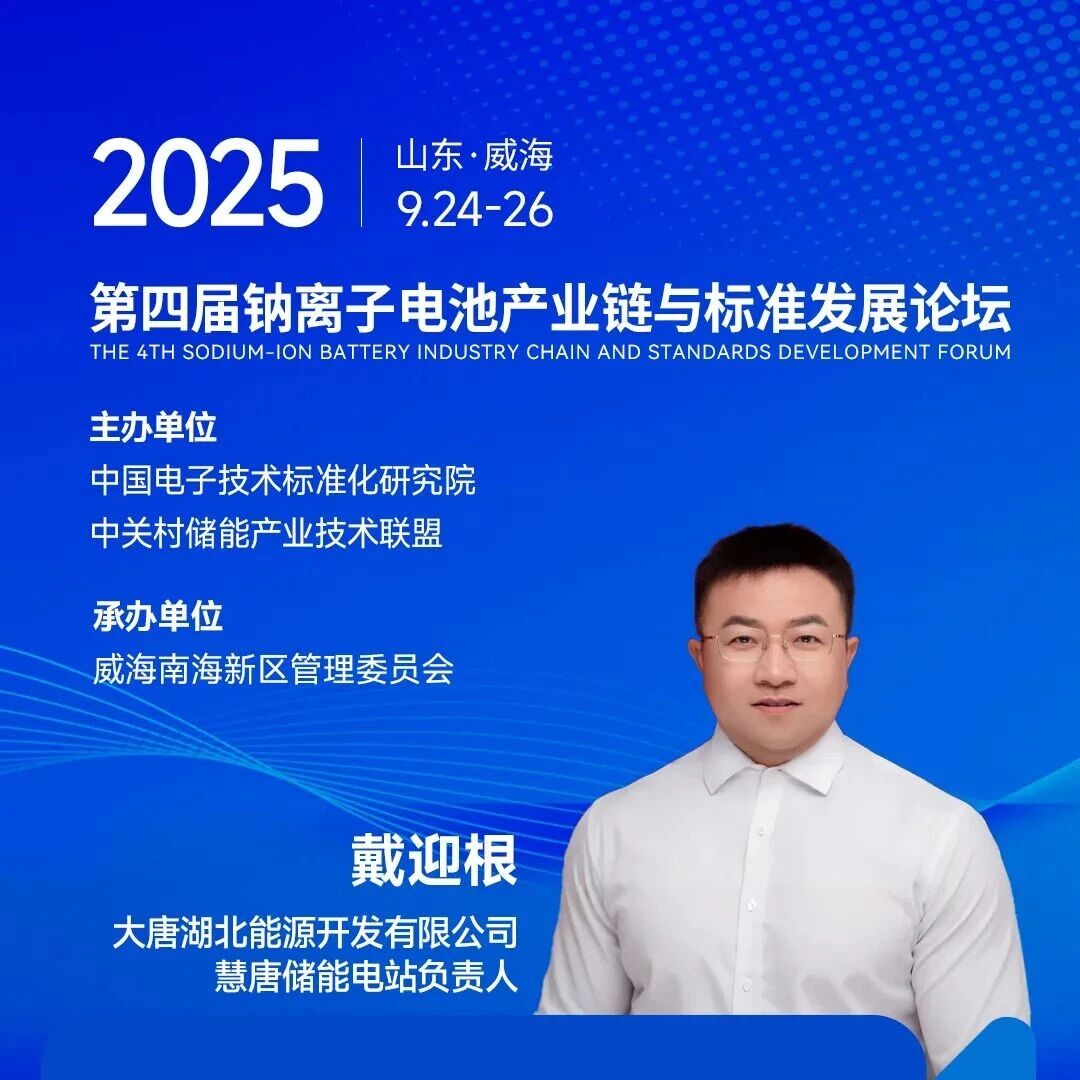
大唐百兆瓦时钠离子储能电站负责人戴迎根将出席第四届钠离子电池产业链与标准发展论坛
中关村储能产业技术联盟· 2025-09-22 08:17
Core Viewpoint - The article emphasizes the significance of sodium-ion batteries in driving a net-zero future, highlighting their role in energy storage and sustainability [1]. Forum Overview - The 4th Sodium-Ion Battery Industry Chain and Standards Development Forum will take place from September 24 to 26, 2025, in Weihai, Shandong [3][12]. - The forum is organized by the China Electronics Technology Standardization Institute and the Zhongguancun Energy Storage Industry Technology Alliance [11]. Project Highlights - The Datang Hubei 50MW/100MWh sodium-ion new energy storage station, known as the Huitang Energy Storage Station, is a significant project with a total investment of 186 million yuan, covering an area of 22 acres [7]. - The project utilizes 185Ah/2.95V sodium-ion cells and consists of 42 battery cabinets with a total capacity of 2383kWh [7]. - It is the first operational sodium-ion energy storage station in China with a capacity of 100MWh, officially commencing operations on June 30, 2024 [8][9]. Technological Innovations - The project achieved 100% localization of key core technology equipment, contributing to the independent ownership of sodium-ion storage technology [8]. - It developed a comprehensive safety management system based on operational big data analysis [9]. Forum Agenda - The forum will feature discussions on various topics, including sodium-ion battery standards, safety requirements, and technological advancements in the industry [13][15]. - Keynote speeches will cover innovations in sodium-ion battery materials and applications, as well as the current state of sodium-ion battery development [16][17]. Participation Information - Registration for the forum is required, and participants will be responsible for their own accommodation and meals [18]. - The forum will provide opportunities for networking and collaboration among industry experts and stakeholders [29][30].

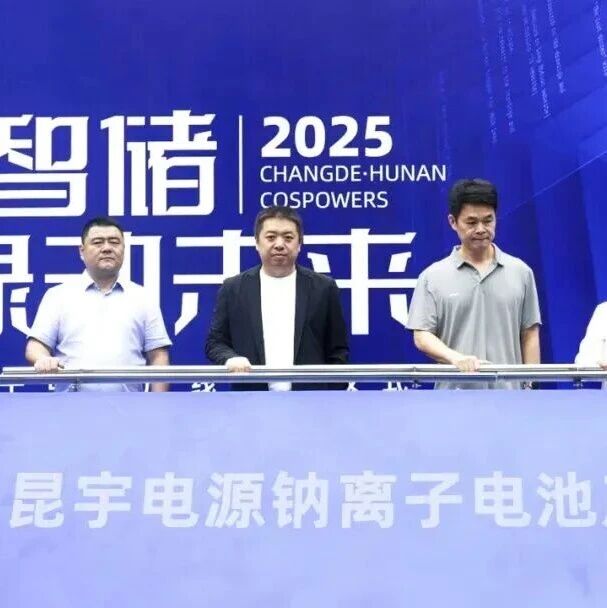
湖南首条!昆宇电源1.5GWh钠离子电池产线正式量产
中关村储能产业技术联盟· 2025-09-22 08:17
Core Viewpoint - The article highlights the successful mass production of sodium-ion batteries by Kunyu Power, marking a significant milestone in the company's transition from research and development to large-scale operations in the sodium battery sector [2][4]. Group 1: Production and Technology - Kunyu Power's Changde factory has launched a 1.5GWh sodium-ion battery production line, with a total investment of 200 million yuan, making it the first mass production line of its kind in Hunan Province [2][4]. - The production line integrates data-driven, intelligent, and flexible manufacturing capabilities, focusing on the production of battery cells ranging from 50Ah to 180Ah [5][7]. - The line employs advanced poly-anion technology and a fully digital control system for real-time data collection and dynamic analysis, enhancing production efficiency and product consistency [5][7]. Group 2: Market Applications and Collaborations - Kunyu Power's sodium-ion battery products have been successfully implemented in various projects, including a significant contract with China Tower for a 100Ah sodium battery project, marking a first in the communication energy storage sector [8]. - The company collaborates with several universities, including Harbin Institute of Technology and Central South University, to strengthen its technological foundation and innovation capabilities [7][8]. Group 3: Future Prospects and Industry Events - The "Wide Temperature Range High-Performance Sodium-Ion Battery R&D" project has been officially included in Hunan Province's top ten technology projects for 2025, providing strong support for Kunyu Power's technological advancements [4]. - A forum on the sodium-ion battery industry chain and standard development is scheduled for September 24-26, 2025, in Weihai, Shandong Province, indicating ongoing industry engagement and standardization efforts [8][10].
中车株洲所助力西藏阿里独立构网型储能项目通过人工短路试验
中关村储能产业技术联盟· 2025-09-22 08:17
Group 1 - The core viewpoint of the article highlights the successful completion of the artificial short-circuit test for the Tibet Ali independent grid-type energy storage project, marking a significant advancement in energy storage technology in high-altitude regions [2] - The project, supported by CRRC Zhuzhou Institute, addresses the challenges of low temperature and low pressure at an altitude of over 4300 meters, providing a stable energy supply for weak grid areas [2][5] - The project is expected to generate over 20 million kilowatt-hours of clean energy annually, effectively filling the energy gap in the Ali region and benefiting thousands of local residents [5] Group 2 - CRRC Zhuzhou Institute has a strong competitive edge in energy storage technology, built on 65 years of experience in algorithms, devices, and materials [3] - The company has achieved breakthroughs in dynamic impedance reshaping and multi-machine coordinated control, suitable for high-altitude environments [4] - The technology enables seamless switching between grid-connected and independent grid modes, addressing issues related to grid inertia support and short-circuit capacity enhancement [8]

四部门重磅发布!涉及锂电/钠电/固态电池/液流电池/BMS/飞轮/超级电容/构网储能等
中关村储能产业技术联盟· 2025-09-22 08:17
Core Viewpoint - The article emphasizes the importance of advancing the high-quality development of energy equipment in China, aiming for a self-controlled, high-end, intelligent, and green energy equipment industry by 2030, which will support the construction of a new energy system and enhance international influence [5][6]. Group 1: Overall Requirements - The initiative is guided by Xi Jinping's thoughts and aims to integrate energy security and transition, focusing on technological innovation and high-quality development of energy equipment [6]. - By 2030, the goal is to achieve significant advancements in the energy equipment supply chain, ensuring global leadership in technology and industry systems [6]. Group 2: Energy Exploration and Development Equipment - The focus is on upgrading coal mining and oil and gas exploration equipment to enhance efficiency and safety in complex geological conditions [7]. - Key technologies include high-power density explosion-proof transmission systems and intelligent construction for deep wells [7]. Group 3: Energy Conversion Equipment - The article discusses the need for low-carbon upgrades in fossil fuel power generation and advancements in renewable energy equipment [8][9]. - Emphasis is placed on developing new generation coal power technologies and enhancing the efficiency of renewable energy systems [8][9]. Group 4: Energy Storage Equipment - The establishment of a high-safety, high-reliability battery storage system is prioritized, focusing on long-life lithium, sodium, and solid-state batteries [11]. - Development of large-capacity physical storage technologies and high-efficiency flywheel storage systems is also highlighted [11]. Group 5: Energy Transmission Equipment - The article outlines the need for breakthroughs in long-distance, high-efficiency transmission technologies for coal, oil, and natural gas [14][15]. - Key developments include high-capacity, low-loss transformers and advanced control systems for smart grids [14][15]. Group 6: Digital and Intelligent Upgrades - The focus is on the digitalization and intelligent upgrades of energy equipment, including autonomous control systems and smart operation technologies [16][17]. - The aim is to create a closed-loop system for energy equipment management, enhancing operational efficiency [16][17]. Group 7: Green and High-End Development - The article emphasizes the importance of green materials and recycling technologies in energy equipment manufacturing [18]. - Development of a comprehensive lifecycle management system for energy equipment is also discussed [18]. Group 8: Innovation Ecosystem - The article advocates for a collaborative innovation ecosystem involving enterprises, research institutions, and government support [19][20]. - It highlights the need for quality management and the establishment of standards to enhance product reliability and safety [20][21]. Group 9: Policy Support - The article calls for increased policy support for key energy equipment projects and innovation initiatives [22]. - It emphasizes the importance of financial incentives and streamlined procurement processes for new energy technologies [22].
2GWh!天合光能澳洲储能项目通过审批
中关村储能产业技术联盟· 2025-09-22 08:17
Group 1 - The core viewpoint of the article highlights the approval of a 500MW/200MWh battery storage solution project by Trina Solar, which is expected to provide cleaner and more economical energy for Victoria, Australia, upon completion by the end of 2027 [3][5]. - The project has a total scale of 453 million AUD (approximately 2.18 billion RMB) and is strategically located near a high-voltage substation in northeastern Victoria [3][5]. - The battery storage system will store low-cost renewable energy during the day and supply electricity back to the grid during peak demand periods, potentially meeting the energy needs of 172,000 households annually and creating around 86 jobs [5]. Group 2 - The article mentions significant growth in the energy storage industry, with new energy storage installations reaching 2.9GW/7.97GWh in August, marking a year-on-year increase of 285% and 354% respectively [7]. - It also references the release of a new action plan by two ministries aimed at scaling up new energy storage construction, projecting an installation target of 180GW by 2027 [7].

最高1000万元!成都市储能项目运营补贴开启申报
中关村储能产业技术联盟· 2025-09-21 12:26
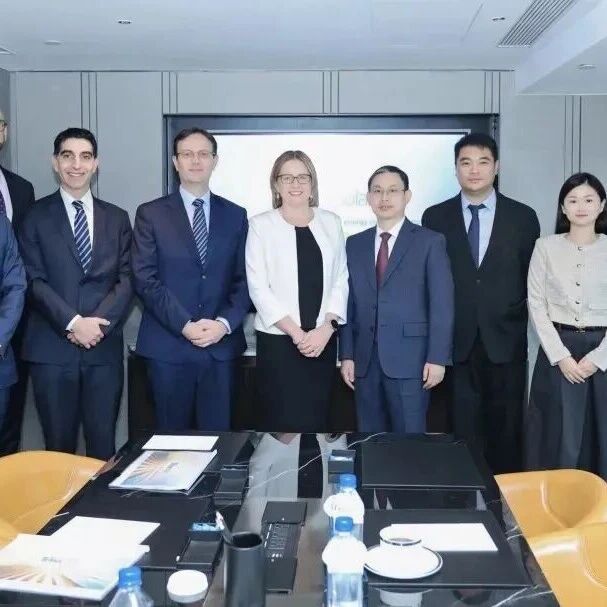
Core Viewpoint - Chengdu is initiating the 2024 energy storage project operation subsidy application to encourage energy storage development and assist in peak shaving, emergency backup, and overall energy system optimization [2][3]. Summary by Sections Project Eligibility and Requirements - The subsidy application is open for newly operational energy storage projects (excluding pumped storage) established since 2023, with a minimum installed capacity of 100 kW and an annual utilization of at least 600 hours. Independent storage projects must achieve a minimum of 250 full charge-discharge cycles per year [5][6]. Support Standards - Subsidies will be provided based on the actual discharge amount of energy storage facilities at a rate of 0.3 yuan per kWh. The maximum annual subsidy amounts are as follows: - For projects with installed capacity below 50,000 kW: up to 5 million yuan - For projects with installed capacity between 50,000 kW and 100,000 kW: up to 8 million yuan - For projects with installed capacity above 100,000 kW: up to 10 million yuan [6]. Application Materials - Required application materials include: 1. Application form for Chengdu energy storage project operation subsidy 2. Project application report 3. Project approval documents and land use permits 4. Business licenses and identification documents 5. Information on other funding support received or applied for 6. Integrity commitment letter from the enterprise 7. Contracts or lease agreements if the project investment entity differs from the construction entity [7]. Application Procedure - The application process involves: 1. Enterprises preparing necessary documents and verifying with the power supply company before submitting via the "Tianfu Rongyixiang" platform by October 15, 2025 2. Local energy departments and power companies conducting preliminary reviews and submitting results by October 30, 2025 3. The Chengdu Economic and Information Bureau organizing the final review and fund disbursement [9][10]. Application Requirements - Applicants must be legally operating enterprises without major safety or environmental incidents and must comply with relevant laws and regulations. Local energy departments are responsible for guiding eligible enterprises in the application process and ensuring the authenticity of submitted materials [11][12].

300MW/1.2GWh!“陇电入鲁”配套F1储能项目全面建成
中关村储能产业技术联盟· 2025-09-21 12:26
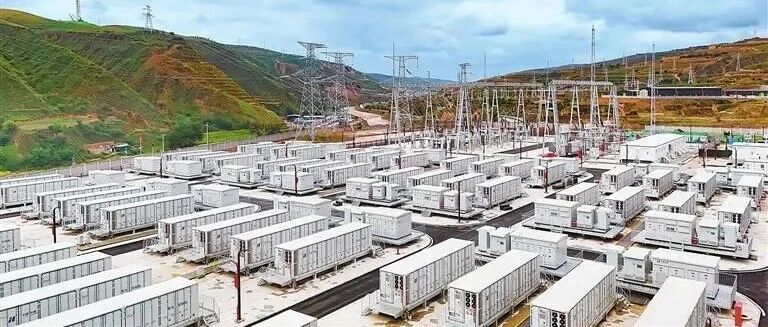
Core Viewpoint - The Huaneng Longdong Energy Base's new energy project, including the F1 energy storage project, has been fully completed and is ready for power reception, contributing significantly to renewable energy consumption and grid stability [2][5]. Group 1: Project Overview - The F1 energy storage project has an investment of 1 billion yuan, with a capacity of 300,000 kW and 1.2 million kWh, expected to consume 420 million kWh of renewable energy annually, sufficient to meet the daily electricity needs of 240,000 households [2]. - The project utilizes Huaneng's independently developed single-stage distributed energy storage technology, which enhances battery compatibility and safety, addressing issues related to inter-cluster circulation and energy decay [2]. Group 2: Technical and Operational Details - The F1 project consists of four main components: energy storage, phase adjustment devices, a booster station, and wind-solar projects, with the energy storage component fully installed and awaiting grid connection testing [2]. - The "Long Electric into Lu" project is a significant initiative under China's 14th Five-Year Plan, representing the country's first integrated high-voltage project combining wind, solar, thermal, and storage [5]. Group 3: Industry Context - The total capacity of the new energy storage project at Huaneng Longdong Energy Base is 600 MW and 2,400 MWh, with two sites each hosting a 300 MW and 1,200 MWh electrochemical energy storage station [5].

欣旺达携手港华能源、深圳资本集团成立专项基金,主要投向工商储
中关村储能产业技术联盟· 2025-09-21 12:26
Core Viewpoint - The establishment of the Shenzhen Yuanzhi Gangxin Energy Storage Fund aims to explore new pathways for the collaborative development of the new energy storage industry, with a planned fundraising scale of 600 million yuan, focusing on commercial energy storage projects [2][3]. Group 1: Fund Establishment and Structure - The Shenzhen Yuanzhi Gangxin Energy Storage Fund is a collaboration between XINWANDA, Honghua Smart Energy, and Shenzhen Capital Group, with an initial fundraising target of 300 million yuan [2]. - The fund is managed by Shenzhen Yuanzhi Energy Storage Private Equity Fund Management Co., Ltd., marking it as the first commercial energy storage asset investment fund established since the Shenzhen Energy Storage Fund's inception [2]. Group 2: Industry Impact and Strategic Goals - The fund aims to transform energy technology companies from traditional "heavy asset operators" to "comprehensive energy asset management and service platforms," addressing funding challenges in commercial energy storage project development [3]. - XINWANDA will leverage this fund to enhance technological innovation and deepen collaboration with industry chain enterprises, reinforcing its comprehensive advantages in new energy storage system integration, battery technology, and energy management services [3].

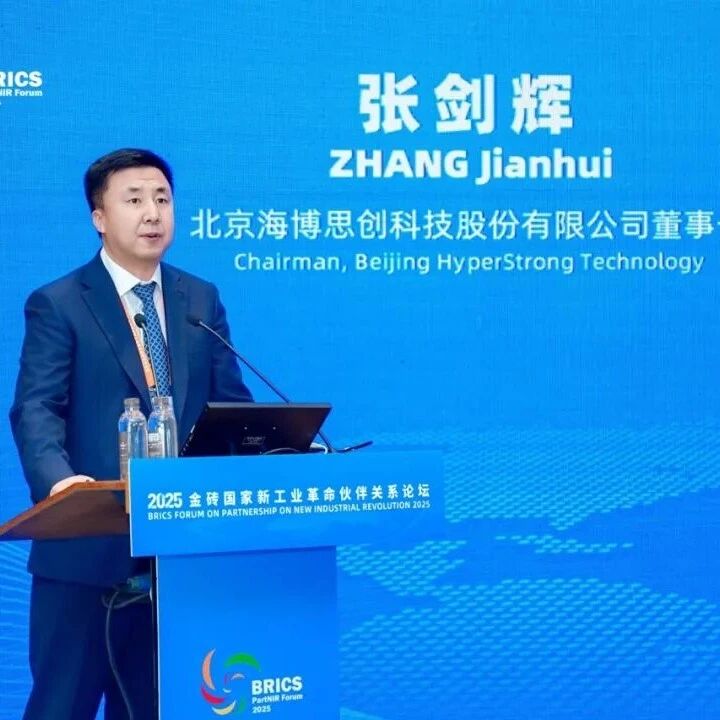
海博思创张剑辉分享储能系统集成数字化实践,共谋金砖合作新机遇
中关村储能产业技术联盟· 2025-09-20 15:02
Core Viewpoint - The article emphasizes the potential of the new energy storage industry, driven by the integration of artificial intelligence and digital technologies, to enhance efficiency and sustainability in the context of global energy transformation [2][4][6]. Group 1: Market Expansion and Policy Changes - The global new energy storage market is expected to grow significantly, with an estimated addition of 72GW/193GWh by 2025, and China projected to contribute over 38GW due to its large market demand [4]. - A major policy shift is underway, with the National Development and Reform Commission and the National Energy Administration promoting market-driven development for new energy storage, moving away from policy-driven models [4]. Group 2: Challenges in the New Energy Storage Industry - The integration of renewable energy into the grid presents challenges due to its intermittent nature, complicating the scheduling of new energy storage systems [6]. - Despite advancements in storage system integration technology, many manufacturers still rely on traditional hardware stacking, leading to product homogeneity and a lack of comprehensive data management [6]. Group 3: Digital Management and AI Integration - Establishing a full lifecycle digital management system is crucial for the new energy storage sector to ensure safety, efficiency, and sustainability [7]. - AI technology is transforming the energy storage ecosystem, enhancing project planning, equipment design, predictive maintenance, intelligent scheduling, and safety monitoring [7][9]. Group 4: Implementation Strategies - Precise digital modeling should be established from the R&D phase, integrating various data models to enhance system performance [8]. - A traceable production data system is necessary for flexible manufacturing and quality assurance during the manufacturing phase [8]. - During the operational phase, AI can optimize the configuration of new energy and storage systems, including real-time price prediction and power forecasting [9]. Group 5: Collaborative Efforts and Future Outlook - The success of these innovations relies on close collaboration among stakeholders across the energy storage value chain [9]. - The company aims to leverage the "BRICS cooperation" platform to enhance resource connectivity and foster innovative partnerships for energy structure transformation [9].
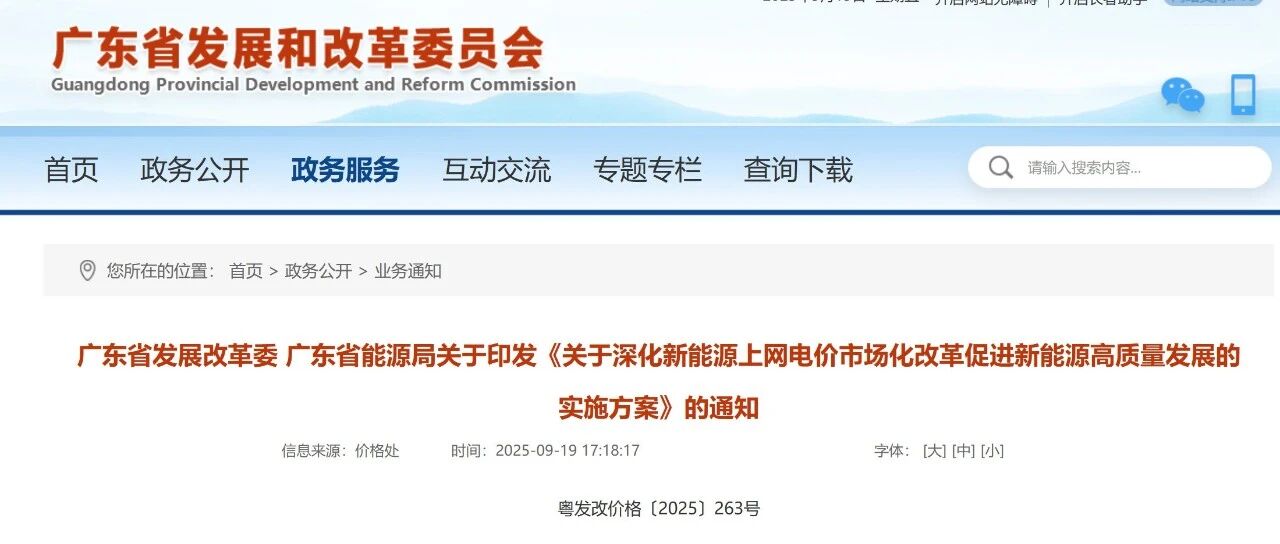
广东“136号文”:鼓励配建或租赁储能!存量0.453元/kWh,增量0.2~0.453元/kWh!
中关村储能产业技术联盟· 2025-09-20 15:02
Core Viewpoint - The article outlines the implementation plan for the market-oriented reform of renewable energy grid connection prices in Guangdong Province, aiming for all renewable energy projects to participate in market trading by November 1, 2025, thereby promoting high-quality development of renewable energy [15][27]. Summary by Sections Overall Goals - The plan aims to establish a sustainable pricing settlement mechanism for renewable energy, ensuring that by the end of 2025, all renewable energy grid connection prices are determined by the market [15]. Main Principles - The reform emphasizes equal participation of renewable energy and thermal power in the electricity market, prioritizing efficiency and risk control while ensuring a stable and transparent market environment [16][17]. Key Tasks - **Market Participation**: From November 1, 2025, all renewable energy projects will enter the electricity market, with prices determined through market transactions. Projects below 10 kV are encouraged to participate in market trading [18]. - **Market Mechanism**: The trading mechanism will allow renewable energy projects to participate in various trading cycles, and the pricing mechanism will be adjusted based on market conditions [19][20]. - **Support Mechanisms**: A price settlement mechanism will be established for renewable energy projects, with provisions for price adjustments based on market performance [20][21]. Existing Projects - **Capacity and Pricing**: Existing projects will have a mechanism price based on the provincial coal-fired power benchmark price of 0.453 yuan/kWh, with specific limits on the proportion of electricity that can be sold [21][22]. - **Execution Period**: The execution period for existing projects will be determined based on their operational history, with a maximum of 20 years [22]. Incremental Projects - **Scope and Pricing**: New projects starting from June 1, 2025, will be categorized and priced based on their type, with specific bidding limits and price ranges established [22][23]. - **Bidding Mechanism**: The bidding process will prioritize projects based on their quoted prices, with a maximum price cap set to avoid disorderly competition [23]. Policy Coordination - The plan emphasizes the need for coordination between the reform and green electricity certificate mechanisms, as well as the integration of energy storage solutions to enhance renewable energy utilization [24]. Implementation Measures - The article outlines measures to revise electricity market trading rules, improve technical support, and ensure effective contract signing and information dissemination [25][26]. Execution Timeline - The implementation of this plan will commence on November 1, 2025 [27].