创业邦

Search documents
创业团队高学历成标配,超九成由硕博掌舵,2025值得关注的硬科技创变者榜单闪亮发布
创业邦· 2025-09-29 11:14
Core Viewpoint - The article emphasizes the significance of hard technology innovation as a core driver for reshaping competitive landscapes, leading industrial transitions, and addressing critical challenges in key sectors such as semiconductors, high-end equipment, and new energy [2]. Group 1: Evaluation Process - The evaluation process for the "Hard Technology Innovators" selection took three months, attracting over a hundred early-stage companies through active applications and recommendations from investment institutions [3]. - The assessment was based on three dimensions: technological and product achievements, commercial value and potential, and the influence of founding teams, utilizing a composite review model [3]. - A total of 44 companies were selected for the "2025 Worthy of Attention Hard Technology Innovators" list, with notable companies advancing to the final showcase event [3]. Group 2: Awarded Companies Overview - Among the awarded companies, 25 are in the smart manufacturing sector, focusing on sub-sectors like new energy batteries, new materials, semiconductors, and advanced equipment [5]. - The average establishment age of the awarded companies is three years, with 52% founded within one to three years [5]. - The top three regions for awarded companies are Beijing, Zhejiang, and Jiangsu, with a concentration of talent and entrepreneurial activity in these areas [5]. Group 3: Team Background - 24 awarded companies have core teams with overseas study backgrounds, and over 90% of founders hold master's degrees or higher, with nearly 70% possessing doctoral degrees [6]. - Notable educational institutions represented among founders include Tsinghua University, Fudan University, and Peking University [6]. Group 4: Financing Situation - 86% of awarded companies have historical financing records, indicating a trend towards attracting more early-stage and industrial capital as technology matures [7].


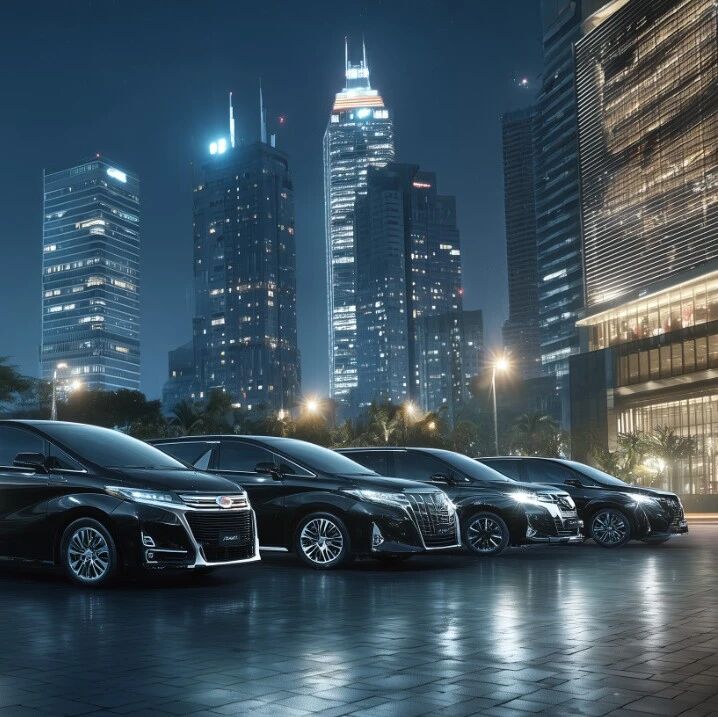
MPV市场,乱成一锅粥
创业邦· 2025-09-29 11:14
Core Viewpoint - The MPV market in China is undergoing a significant transformation driven by the rise of new energy vehicles, leading to intense competition among fuel, hybrid, and electric models, with the boundaries between commercial and family MPVs becoming increasingly blurred [3][5][18]. Group 1: Market Dynamics - In 2023, the Denza D9 surpassed traditional competitors like the Buick GL8 and Honda Odyssey to become the annual sales champion in the MPV category, achieving nearly 120,000 units sold [3][4]. - The competition in the MPV market has intensified, with new entrants in the hybrid and electric segments, leading to a decline in sales for traditional fuel MPVs [5][7][9]. - The shift from fuel to hybrid and electric models represents a major change in the MPV market, with hybrid models currently being the most significant variable and growth driver [9][18]. Group 2: Technology Competition - The MPV market is characterized by a "Three Kingdoms" scenario, where fuel, hybrid, and electric vehicles coexist and compete for market share, each with unique advantages [6][9][18]. - Hybrid MPVs are gaining traction by addressing the high fuel consumption of traditional models and the range anxiety associated with electric vehicles, thus appealing to a broader consumer base [9][18]. - Electric MPVs, while still in the exploratory phase in terms of sales, are seen as the ultimate evolution of MPV technology, offering superior space utilization and smart features [14][18]. Group 3: User Positioning - The distinction between commercial and family MPVs is fading, leading to a new market segment focused on "suitable for both business and family," which is becoming the largest growth point [20][22]. - Traditional fuel MPVs like the Buick GL8 and Toyota Sienna maintain strong market positions due to their reliability and established user bases, particularly in business settings [12][20]. - Family MPVs are experiencing significant growth due to changing demographics and consumer preferences, with brands like GAC Trumpchi focusing on family-oriented features [22][25]. Group 4: Future Outlook - The MPV market is expected to evolve into a competition based on comprehensive strength, where companies that can effectively integrate technology and understand user needs will dominate [27]. - The current changes in the MPV market reflect broader trends in the Chinese automotive industry, emphasizing innovation and user-centric product development [25][27]. - The MPV market is entering a new era filled with opportunities for consumers and challenges for manufacturers, marking a departure from previous stability [27].
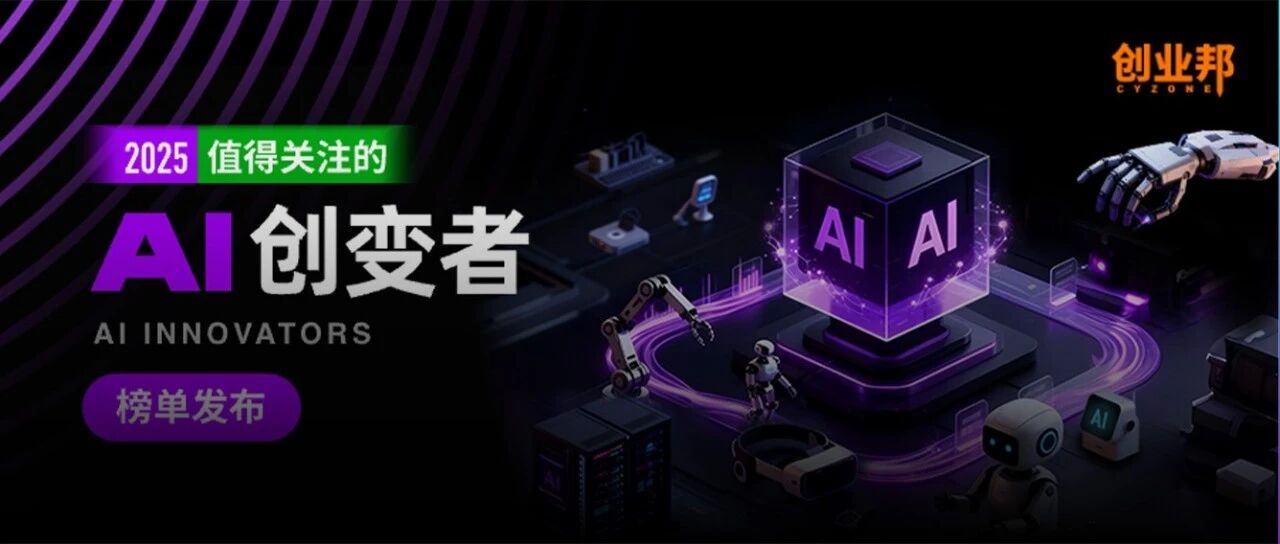
AI创业清华系强势领跑,北京、杭州成重要创业基地!2025值得关注的AI创变者重磅发布
创业邦· 2025-09-29 11:14
Core Insights - The article emphasizes the rapid transition of AI technology from concept to practical application, highlighting the importance of early-stage AI innovation projects that face challenges such as information barriers and resource shortages [2] - The "2025 Notable AI Innovators" list aims to identify and empower early-stage AI companies, focusing on AI applications and robotics, with a structured evaluation process [2][3] Group 1: AI Innovation Applications - The 18 AI innovation application companies span diverse sectors including AI agents and AI + manufacturing/tourism/finance, utilizing core technologies like self-developed large models and multi-agent systems [3] - Many of these companies have achieved commercial applications, serving major clients and collaborating with mainstream cloud providers and operators, indicating a shift from generalized thinking to precise, scenario-based implementation [3] Group 2: Robotics and Intelligent Hardware - The 15 robotics and intelligent hardware companies focus on embodied intelligence, producing innovative products such as humanoid robots and therapeutic AI robots [3] - Most teams come from top universities or leading tech companies, and many have established commercial closed loops through partnerships with manufacturing giants and state-owned enterprises, enhancing product penetration in various scenarios [3] Group 3: Notable Achievements and Company Background - The highest honor "DEMO GOD" was awarded to Jinghua Misan, which focuses on high-performance secure computing and is led by a team from Tsinghua University [5] - Among the 33 companies, 32 are from China and 1 from the UK, with Beijing and Hangzhou being key hubs for AI innovation [5] - 76% of the companies were founded within the last three years, indicating a concentration of emerging enterprises with significant growth potential [5] Group 4: Funding Landscape - 29 of the companies have clear funding records, with 24 in seed or angel rounds, and 23 having raised funds since 2024 [6] - 4 companies have not yet initiated market financing, representing opportunities for further exploration in early-stage investments [6]
沃尔沃在美最畅销车型XC60即将在美国本土生产;中汽协:8月汽车商品进出口总额为258.1亿美元丨汽车交通日报
创业邦· 2025-09-29 11:14
Group 1 - Toyota and Isuzu have reached a cooperation agreement to jointly develop a new generation of fuel cell buses, with mass production planned to start in the fiscal year 2026 at J-Bus Co., Ltd. in Utsunomiya [2] - Volvo will begin producing its best-selling SUV model, the XC60, at its South Carolina plant starting next year, a move prompted by a 15% tariff on foreign imports imposed by the Trump administration [2] - Toyota's global sales increased for the eighth consecutive month in August, with a year-on-year growth of 2.2% to 844,963 vehicles, driven by a 13.6% increase in the U.S. market despite a 12.1% decline in Japan [2][3] Group 2 - In August, the total import and export value of automotive goods in China was $25.81 billion, reflecting a month-on-month increase of 3.3% but a year-on-year decrease of 0.3% [3] - The import value was $4.17 billion, showing a month-on-month decrease of 7.4% and a year-on-year decrease of 38.4%, while the export value was $21.64 billion, with a month-on-month increase of 5.6% and a year-on-year increase of 13.2% [3]


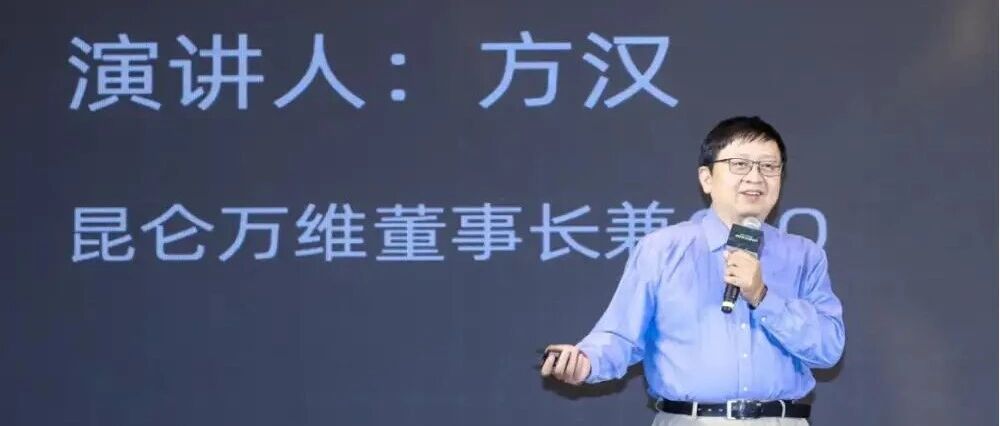
昆仑万维方汉:AI产品全球化需突破增长与To B转型瓶颈
创业邦· 2025-09-29 04:13
Core Viewpoint - The article emphasizes the challenges faced by AI companies in global expansion, particularly in infrastructure, talent, and business models, with a focus on the integration of high-quality large models and products for effective globalization [2][6]. Group 1: Development and Technical Route of Mureka Model - The Mureka model was initiated in 2020, leveraging existing music processing technologies and data accumulated from a music social product, Starmaker, which holds a significant market position overseas [7]. - The decision to enter the music generation field was based on the observation that the scale of music data is smaller compared to text and video data, leading to lower required investment and training resources [7]. - The company initially explored various technical routes for music generation, ultimately adopting the Diffusion Transformer (DIT) approach, which significantly improved the model's performance [9]. Group 2: Global Promotion Challenges and Non-Acquisition Growth - After developing the model, the company faced challenges in global promotion, particularly the reliance on user acquisition (UA) models, which are less effective in the AI startup landscape [11]. - Non-acquisition growth strategies include leveraging core technological breakthroughs for viral growth, SEO for user acquisition, and GEO optimization, which are essential for companies to explore beyond traditional UA methods [12][13]. Group 3: Product Judgement Standards and Market Opportunities - The article outlines two core judgments for the feasibility of To B products: they serve as "efficiency multipliers" and act as "workflow adhesives" to enhance automation [15]. - For To C products, the focus is on reducing production costs significantly, with AI music generation costing less than 0.1 RMB per song compared to traditional methods costing around 100,000 RMB [16]. - The article highlights the growing competitiveness of Chinese open-source large models, indicating that small and medium enterprises can leverage these models to build new ecosystems and tap into vast market opportunities [17].

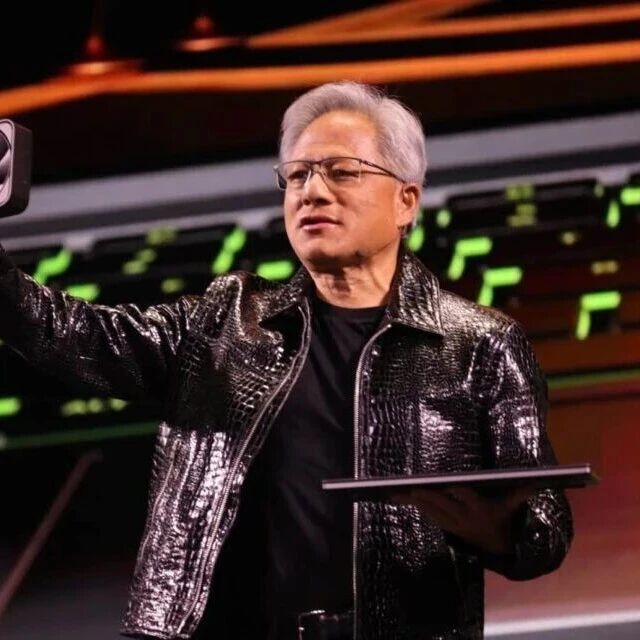
黄仁勋最新访谈:英伟达投资OpenAI不是签署大额订单的前提
创业邦· 2025-09-29 04:13
Core Viewpoint - Nvidia's recent investments, including $50 billion in Intel and up to $100 billion in OpenAI, are seen as strategic moves to position itself as a leader in AI infrastructure, with CEO Jensen Huang expressing confidence in OpenAI becoming a multi-trillion dollar hyperscaler [5][6][12]. Investment and Market Dynamics - Nvidia's investment in OpenAI is viewed as a significant opportunity, with Huang suggesting that OpenAI could become the next multi-trillion dollar hyperscale company, similar to Meta and Google [12][13]. - The partnership with OpenAI involves building AI infrastructure, which is expected to support exponential growth in computing demand due to the increasing use of AI applications [13][14]. - Nvidia's data center revenue growth is projected to be substantial, with estimates suggesting potential contributions of up to $400 billion from the OpenAI partnership [12][18]. AI and Computing Evolution - Huang emphasizes a shift from traditional computing to accelerated computing and AI, indicating that the future of computing will rely heavily on AI capabilities [20][21]. - The integration of AI into various applications is expected to create a massive market opportunity, with estimates suggesting a market size increase from $400 billion to potentially $1 trillion by 2030 [22][25]. - The transition from general-purpose computing to AI-driven solutions is seen as a critical evolution, with AI expected to enhance productivity across various sectors [21][22]. Competitive Landscape - Huang asserts that Nvidia's competitive moat has widened over the past three years, driven by the increasing complexity and scale of AI infrastructure [6][43]. - The discussion around ASICs versus GPUs highlights Nvidia's focus on building comprehensive AI systems rather than just individual chips, positioning itself as a leader in the AI infrastructure space [45][46]. - Huang argues that the collaboration with companies like Intel and the development of systems that integrate various components will be crucial for maintaining a competitive edge [51][52]. Financial and Operational Insights - Concerns about "circular revenues" and potential overcapacity in the market are addressed, with Huang clarifying that Nvidia's investments are based on genuine growth opportunities rather than artificial revenue boosts [31][32]. - The operational costs associated with Nvidia's systems are highlighted, showing a significant advantage in performance per watt compared to competitors, reinforcing the value proposition of Nvidia's offerings [52].

离职大厂创业的年轻人,如今怎样了
创业邦· 2025-09-29 04:13
Core Viewpoint - The article discusses the challenges faced by former employees of major tech companies who venture into entrepreneurship, highlighting the disparity between their previous corporate experiences and the realities of starting a business. It emphasizes that while many leave with high hopes, the survival rate is low, and the entrepreneurial journey is fraught with difficulties. Summary by Sections Company Failures and Trends - Zhongzhixing Technology, founded by former Baidu executive Wang Jin, has entered bankruptcy proceedings due to its inability to pay a labor arbitration fee of 15,000 yuan, reflecting the broader trend of failed startups in the L4 autonomous driving sector amid a downturn in investment [5][7]. Entrepreneurial Challenges - The article notes that the entrepreneurial landscape for former tech employees is harsh, with a 17% increase in the startup rate among those leaving large companies over the past three years, yet the survival rate remains below 20% [7][8]. - Many former employees struggle to adapt their skills from large corporations to the startup environment, with 63% reporting that their corporate experience is not applicable in real-world operations [11][12]. Divergent Paths of Entrepreneurs - The article illustrates the varied paths taken by former employees, with some entering high-tech fields like AI and semiconductors, while others pursue more traditional businesses such as community retail and agricultural processing [16][19]. - A significant portion of former employees, particularly those from operational roles, are gravitating towards lower-barrier, more practical business models that emphasize user engagement and cost management [19]. Cultural Impact of Corporate Experience - The culture of high-pressure environments in large companies fosters a "never give up" mentality among former employees, which influences their approach to entrepreneurship. For instance, 68% of those who left large firms cite a lack of upward mobility as a primary reason for their entrepreneurial pursuits [21][22]. - The article highlights that many former employees are redefining success, focusing on personal fulfillment and autonomy rather than solely on financial metrics [22][23]. Conclusion on Entrepreneurial Spirit - The narrative concludes that the resilience and adaptability developed in corporate settings are invaluable assets for entrepreneurs, enabling them to navigate the complexities of starting a business. The spirit of defiance against predetermined paths is seen as a driving force for innovation and progress in the business landscape [23].

首套全国产化硅光芯片“工具箱”发布;宁德时代骐骥重卡换电站落地福清丨智能制造日报
创业邦· 2025-09-29 04:13
Group 1 - The first electric vehicle battery swap station for heavy trucks, a collaboration between China Petroleum and Ningde Times, has officially opened in Fuzhou, enhancing the efficiency of electric heavy truck logistics along the coastal corridor [2] - A breakthrough in quantum computing has been achieved with the production of silicon-based quantum chips exceeding 99% fidelity in semiconductor factories, marking a significant step towards practical quantum computers [2] - The first fully domesticated silicon photonic chip toolkit has been released, enabling companies to shorten R&D cycles and reduce manufacturing costs, with performance meeting mass production requirements [2] Group 2 - A new high-capacity mobile energy storage system, capable of charging six vehicles simultaneously, has been launched in Chongqing, demonstrating versatility for various applications including emergency rescue and temporary power supply [2]



如何破解机器人商业智能空白?这场对接会邀你抢占“智造”新高地
创业邦· 2025-09-29 00:08
Group 1 - The core viewpoint of the article highlights that the Chinese robot market is projected to reach a scale of 47 billion USD by 2024, accounting for 40% of the global total, with an annual growth rate of 23%. Humanoid robots are expected to be a significant growth point with a remarkable annual growth rate of 63% [2] - The integration of AI technology with the robotics industry is enhancing the intelligence level of robots, particularly in autonomous learning, task planning, and action execution [3][4] - The demand for customized solutions is increasing, leading to challenges in scenario-based research and development, shorter R&D delivery cycles, and complexities in production management [5][7] Group 2 - The domestic production rate of core components in the robotics industry, such as RV reducers and servo motors, has reached 45%, with a target of 75% by 2030. However, high-end components still require breakthroughs [9] - Industrial robots are robustly applied in sectors like automotive manufacturing, 3C electronics, and new energy, accounting for 68% of applications, while service robots are experiencing a significant market growth rate of 42% [10] - The financing landscape for the robotics sector is active, with 144 financing events totaling 19.5 billion CNY in the first half of the year, indicating strong capital market interest [13] Group 3 - Chinese robotics companies are increasingly viewing international expansion as a core strategic direction, with industrial robot exports reaching 746 million USD in the first half of 2025, a year-on-year increase of 59.74% [15] - The SAP-Banglink Robotics Industry Demand Matching Conference aims to enhance communication and collaboration across the robotics industry, focusing on integrating business intelligence into robotics [16][23] - The event will facilitate direct interactions between industry leaders and technology providers, addressing real pain points and procurement needs in the robotics sector [21][22]

著名机器人专家警告:投资人形机器人初创企业是浪费资金;腾讯发布并开源新一代生图模型“混元图像3.0”丨AIGC日报
创业邦· 2025-09-29 00:08
Group 1 - The UAE President met with OpenAI CEO Sam Altman to discuss strengthening cooperation in artificial intelligence research and applications, aligning with the UAE's vision to create an integrated AI ecosystem and support its knowledge-based economy development [2] - Tencent released and open-sourced its new generation multimodal image model "Hunyuan Image 3.0," which has 80 billion parameters and is currently the largest and best-performing open-source image model, comparable to leading closed-source models in the industry [2] - Renowned robotics expert Rodney Brooks warned investors against funding humanoid robot startups, labeling such investments as a waste of money and criticizing companies like Tesla for their training methods, which he described as "pure fantasy thinking" [2] Group 2 - AI startup Friend invested over $1 million in advertising across New York City's subway system to promote its wearable AI device, which has faced criticism for privacy concerns and vandalism on its advertisements, highlighting public skepticism towards surveillance capitalism [2]