创业邦

Search documents
Model S/X停产,这次真是资本做局
创业邦· 2026-02-03 03:09
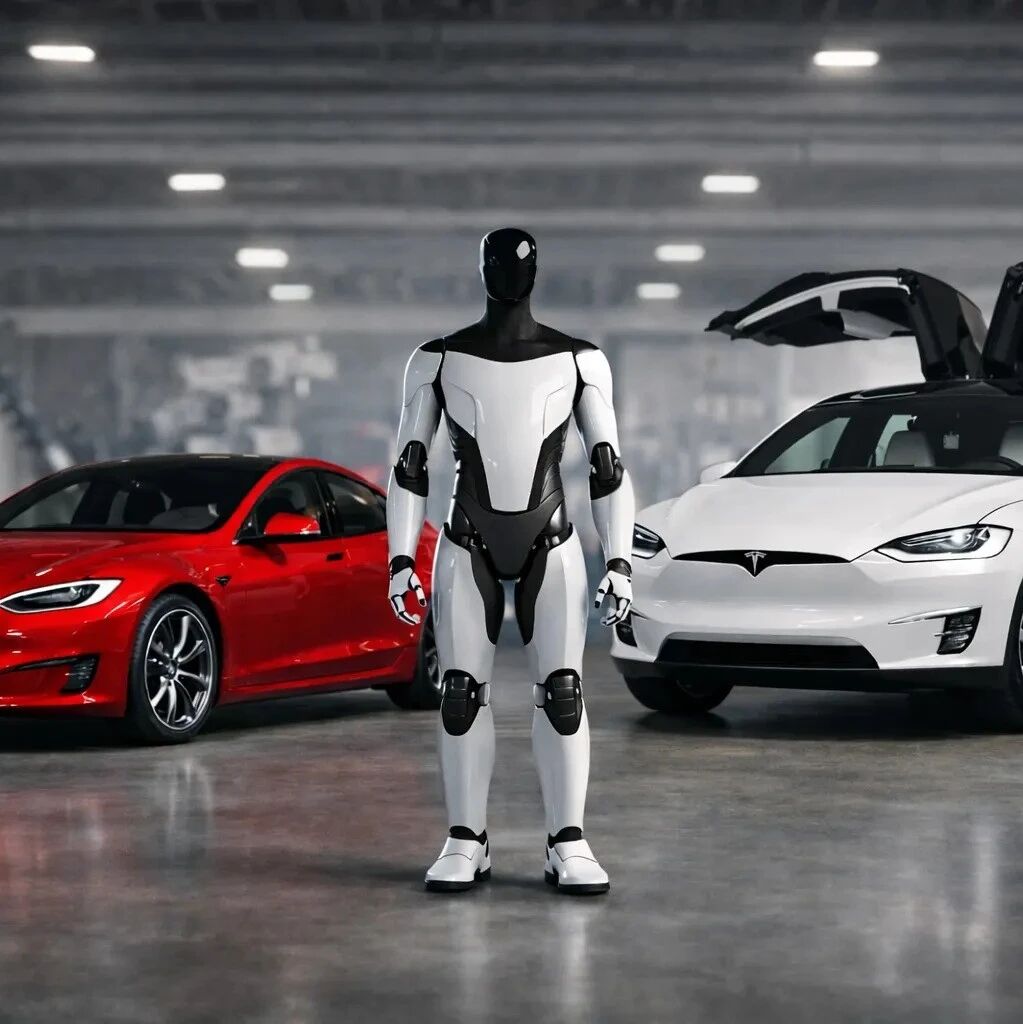
远川科技评论 . 以下文章来源于远川科技评论 ,作者何律衡 刻画这个时代(的前沿科技) 来源丨远川科技评论(ID: kechuangych ) 作者丨 何律衡 编辑丨李墨天 特斯拉全年财报出炉,年度营收首次下降,汽车业务交付量连续第二年下滑,营收同比大降10%。财 报电话会上,马斯克宣布了个伤感的消息: 特斯拉标杆车型Model S/X将在第二季度末停产,位于弗里蒙特的产线将被改造成Optimus机器人工 厂,暂定小目标 年产能 100万台 [1] 。 作为S3XY系列的老大哥,Model S发布于2012年,是Roadster后特斯拉真正意义上的首款量产车 型,Model X在2015年发布,两款车型确立了特斯拉电动车霸主的品牌形象。 但从销量来看,Model S/X在特斯拉财报中与Cybertruck、Semi一同被归类于 other model 中,销 量一直不高,2025年四个车型满打满算不到5万台,只有Model 3/Y的零头(158.53万)。 2014年,首批Model S在中国交付 马斯克在2019年就曾表示,继续生产Model S/X"更多是出于一种情怀"[2],如今六年过去,这么长 的时间 ...


医疗创新的“十年抗战”:在长周期里做时间的朋友
创业邦· 2026-02-03 00:09
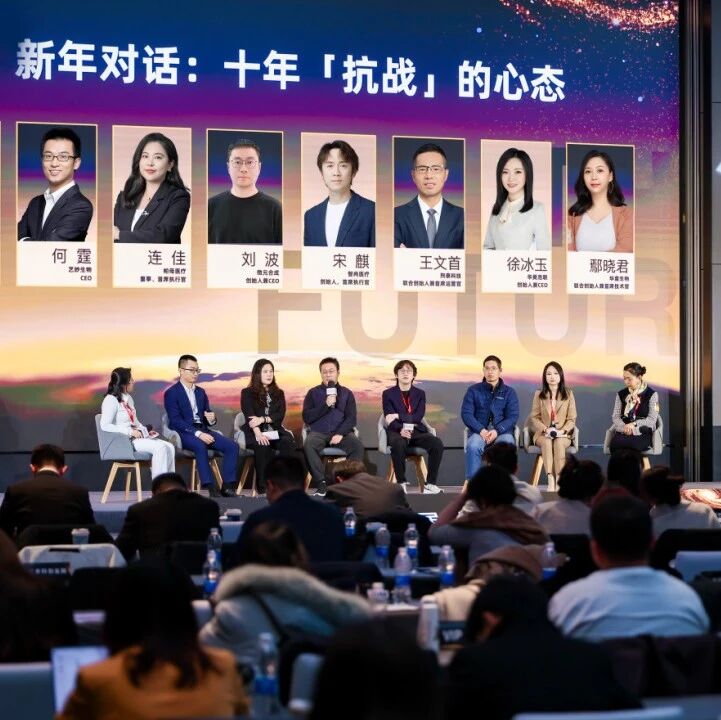
何 霆 : 我是艺妙生物CEO何霆。艺妙生物是一家专注于基因细胞药物技术的生物技术公司。目前我 们主要开发针对肿瘤的新药产品。其中,首个淋巴瘤产品即将上市;同时,我们在肠癌、肝癌等实体 瘤的晚期治疗领域也有布局。此外,我们在自身免疫疾病,如红斑狼疮方向的研发也取得进展,已有 项目进入一期临床。期望持续推动基因细胞药物技术的发展,用更好的产品为更多重大疾病患者带来 治愈的希望。 连佳 : 我是帕母医疗董事、首席执行官连佳。帕母医疗成立于2013年,至今已走过十余年。我们专 注于肺高压及心衰治疗领域,是一家基于临床价值的创新医疗器械公司。 2023年底,公司第一款产品获得中国医疗器械注册证。该产品在全球尚未有同类产品的情况下,率 先获得上市许可,成为肺高压治疗领域的首款中国原创医疗器械。目前,这款产品已在中国和欧洲取 得注册证,并即将在美国启动大型临床试验。其他几款产品也已在国内获得绿色通道资质。我们已在 中国和欧洲开展初步的商业化推广。未来,我们计划在海外推进FDA的IDE临床试验,加速全球化进 程。 刘波 : 我是微元合成创始人刘波。我们同样专注于生物技术,但应用领域不在医药,而是面向各类 产品的生产制造。我 ...
2500亿美元!SpaceX收购xAI;千问App投入30亿开启春节攻势;小鹏全球首款AI汽车正式开启海外大规模发运丨邦早报
创业邦· 2026-02-03 00:09
Group 1 - Qianwen App announced an investment of 3 billion to launch a Spring Festival campaign, integrating with Alibaba's ecosystem including Taobao, Damai, Feizhu, and Hema, set to go live on February 6 [2] - Tencent's internal communication addressed concerns regarding the Yuanbao "Spring Festival Red Packet" sharing, emphasizing that the design allows for "no-threshold" receipt, distinguishing it from malicious marketing practices [3][3] - SpaceX acquired xAI for $250 billion, based on a recent funding round that valued xAI at $230 billion, highlighting the significant financial movements within the AI sector [3] Group 2 - Waymo raised $16 billion in its latest funding round, achieving a valuation of $126 billion, nearly doubling in less than two years, indicating strong investor confidence in autonomous vehicle technology [8] - Snowflake entered a $200 million partnership with OpenAI to integrate advanced AI models into its cloud data platform, reflecting the growing reliance on AI for data insights [9] - Tesla announced the upcoming mass production of its humanoid robot by the end of 2026, with an expected annual output of 1 million units, showcasing advancements in robotics [9] Group 3 - Mercedes-Benz adjusted the suggested retail prices of some models by approximately 10%, aiming to improve cash flow for dealers [15] - Zhijidongli completed a $200 million Series B financing round, with participation from various notable investors, indicating strong interest in the company's growth potential [15] - National Semiconductor's 2nm production capacity has been fully booked, with major tech companies planning to utilize this advanced technology in upcoming products [12]


AI投资神话遭遇信心红灯,韩国科技股遭受重创;蚂蚁灵光全面升级“闪应用” 上传图片即可生成应用丨AIGC日报
创业邦· 2026-02-03 00:09
1.【AI投资神话遭遇信心红灯,韩国科技股遭受重创 】由于投资者对利率前景的担忧以及对人工智能 相关支出可持续性的质疑,科技股带动的涨势陷入停滞,韩国股市周一大幅下挫。韩国KOSPI指数一 度下跌4%,创下自11月21日以来的最大单日跌幅。自去年初以来领涨全球的芯片巨头三星电子和 SK海力士双双下跌超过4%。多重因素导致投资者对热门股进行获利了结,其中包括对沃什获提名为 下任美联储主席的焦虑以及金属价格的剧烈波动。此外, 英伟达 首席执行官黄仁勋的言论进一步挫 伤了市场信心,他表示拟议中对OpenAI的1000亿美元投资"从未是一项承诺",这引发了市场对未来 人工智能资本配置规模的新疑虑。Allspring Global Investments投资组合经理Gary Tan表示:"黄 仁勋的言论可能产生了短期情绪影响,特别是对今年以来涨幅强劲的人工智能相关股。这些言论主要 是获利回吐的催化剂,因为我们看到市场上一些拥挤交易正在解构。"(新浪财经) 扫码可订阅产业日报 欢迎加入 睿兽分析会员 ,解锁 AI、汽车、智能制造 等相关 行业日报、图谱和报告 等。 17 / 7 + 2 元 投资价值企业 投资机构 及上市 ...

小鹏全球首款AI汽车正式开启海外大规模发运;曹操出行Robotaxi 2.0搭载低轨卫星通信丨汽车交通日报
创业邦· 2026-02-02 10:13
2.【比亚迪股份暴跌近8%】2月2日,比亚迪股份(1211.HIK)开盘即下跌,截至午间收盘,报 90.10港元,跌幅逼近8%。同日,港股汽车股集体下挫,小鹏汽车一度跌近10%,蔚来盘中跌近 7%,零跑汽车 跌超5%,长城汽车跌超4%,理想汽车、广汽集团跌超3%,吉利汽车、小米集团跌 超2%。 去年6月,比亚迪港股股价曾触达157.82港元/股,此后一路波动下行。截至发稿,比亚迪 港股股价自2025年6月高点的157.82港元/股,已累计下跌约42.69%,市值距高点缩水约2481亿港 元。 比亚迪2月1日发布公告称,2026年1月实现新能源汽车销量约21万辆,同比下降30%。其中, 乘用车销量约为20.55万辆,同比下降30.67%;纯电动汽车销量约为8.32万辆,同比下降33.60%; 插电式混合动力汽车销量约为12.23万辆,同比下降28.53%。(第一财经) 3.【曹操出行Robotaxi 2.0搭载低轨卫星通信】2月2日,曹操出行宣布,Robotaxi2.0车队已搭载时 空道宇卫星物联通信技术及终端产品,后续将上线基于低轨卫星网络的SOS功能。此举将完善"天地 一体"的安全保障体系,提升自动驾驶出行 ...

创业邦2026科创女性影响力大奖调研启动!
创业邦· 2026-02-02 10:13
科技创新没有性别,但突破边界的她,正成为硬科技浪潮中的重要力量。 在人工智能重构产业逻辑、硬科技竞争日趋白热化的今天,真正的突破不再依赖概念或流量,而源于扎 实的技术积累、清晰的产业认知和坚定的长期主义——这些特质,正越来越多地出现在女性创业者与投 资人的行动中。 我们寻找的,不是标签化的"成功",而是能经得起技术验证、市场检验与时间考验的真实力量。诚邀您 或您身边的杰出女性创业者、投资人参与申报,详细报名条件及申报表请参见下方长图。 2026科创文胜 影响力大奖 正式启动 自2013年发起商业女性领导者评选以来,创业邦已连续13年记录中国科创女性的成长轨迹。2025年,我 们见证了她们在人工智能、先进制造和AI制药等前沿领域的快速崛起,越来越多女性正从"参与者"转变 为"引领者"——她们不靠光环,而凭技术、战略与执行力,在硬科技主战场开疆拓土。 2026年,为持续发现并致敬这些在科技浪潮中闪耀的"她力量",创业邦正式启动第14届「科创女性影响 力大奖」调研征集,聚焦两类核心角色: 值得关注的女性创业者 值得关注的女性投资人 2026 《 科创女性影响力大奖 》 值得关注的女性创业者 =j= 值得关注的女性投 ...

对标Spotify!Mureka V8发布,昆仑天工打响AI音乐平台化第一枪
创业邦· 2026-02-02 10:13
因为优异的品质表现, Mureka V 8 的发布,被认为是音乐行业的" ChatGPT 时刻"。但是,从工具 应用迈向社交平台,这是一个不小的跨越,昆仑天工有什么资源,可以支撑这一野心? 从"可生成"跨越到"可发布" 音乐行业的" ChatGPT 时刻" 在 Mureka V 8 之前, AI 音乐大模型的生成效果,还有诸多不足之处,比如 AI 感太强、人声唱法 的匹配都不够、无法修改等。用户用 AI 生成音乐就像抽"音乐盲盒",输入提示词, AI 吐出一段音 乐,仅有部分歌词或旋律达到心理预期,大量普通用户只能用来玩票。 2026 年 1 月 28 日,北京前门 Blue Note , 昆仑万维 旗下的昆仑天工,发布 Mureka V8 音乐大 模型,在现场播放的 AI 音乐,其灵动的旋律、饱满的音色与精准的情感表达,展示了 Mureka V8 模型在音乐创作上的专业实力。 昆仑天工董事长兼 CEO 周亚辉 认为, Mureka V8 是最接近可用于音乐的大规模工业级生产的应 用,已经具备创作完整艺术表现力音乐作品的能力,让 AI 音乐 实现 从 " 可生成 " 迈向 " 可发布 ",成为一种音乐的新品类 ...


OpenAI再不上市,财务窟窿就要把巨头们拖垮了
创业邦· 2026-02-02 10:13
Core Viewpoint - OpenAI is facing significant financial challenges, with predictions that it may run out of funds by 2027, leading to various potential scenarios including bankruptcy, IPO, government intervention, or acquisition by another company [5][16][66]. Financial Situation - OpenAI's weekly active users have surpassed 800 million, but only about 5% are paying subscribers, translating to approximately 40 million paying users [15]. - HSBC estimates that OpenAI will incur at least $792 billion in costs over the next five years for AI infrastructure, requiring 3 billion weekly active users and a 10% paid user ratio by 2030 to avoid financial shortfalls [17][20]. - OpenAI's projected revenue for 2025 is $13 billion, with a cash burn of $25 billion and R&D expenses of $67 billion in the first half of the year [32]. Revenue Streams - OpenAI's revenue model relies heavily on subscriptions and advertising, but even with 200-300 million paying users, it may still face a revenue gap of $100-150 billion by 2030 [24][25]. - Potential new revenue sources include advertising, consumer hardware, API services, and enterprise licensing, but challenges remain in effectively monetizing these avenues [26][28][29]. Market Competition - OpenAI's market share has decreased from 87.2% in January 2025 to approximately 68% by January 2026, with competitors like Google Gemini gaining traction [51][52]. - The lack of a "killer app" ecosystem for OpenAI makes it difficult to retain users compared to competitors that have established distribution channels [54][56]. Future Outlook - OpenAI is considering an IPO by late 2026 to leverage current market optimism, but faces significant challenges including a complex financial structure and potential legal issues [57][60]. - The company is seen as "too big to fail," with many stakeholders invested in its success, leading to speculation about government intervention if financial troubles arise [70][65].

黄仁勋在深圳,见了一位无锡小哥
创业邦· 2026-02-02 03:36
Core Viewpoint - The meeting between NVIDIA CEO Jensen Huang and Jiang Chengzhi, the CEO of Far East Holding Group, highlights the growing intersection of AI technology and traditional manufacturing, emphasizing the importance of high-quality cable production in supporting AI infrastructure [5][10][19]. Group 1: Company Background - Far East Holding Group, founded in 1985, has evolved from a small factory into a leading player in the cable manufacturing industry, with annual revenue exceeding 70 billion yuan and a brand value of 116.9 billion yuan [10]. - The company has been listed among China's top 500 enterprises for 19 consecutive years, showcasing its significant market presence and influence [10]. - Jiang Chengzhi, who returned to the company in 2012, has driven a strategic transformation towards smart and sustainable development, integrating AI and energy solutions into their business model [14][24]. Group 2: Meeting Significance - Huang's visit to China, characterized by a casual "food tour" theme, included a strategic meeting with Jiang, indicating a focus on supply chain inspection and potential collaboration [16][22]. - The meeting underscores the critical role of cables in AI infrastructure, as they are essential for power delivery and data transmission, likened to the "blood vessels" of AI systems [19][21]. - Far East Holding's capabilities in high-voltage DC cables and GPU-compatible copper cables align with NVIDIA's future development needs, suggesting a potential shift from a supplier relationship to a strategic partnership [22][23]. Group 3: Industry Evolution - The interaction between Huang and Jiang reflects a broader transformation in Chinese manufacturing, moving from low-end production to becoming integral players in high-end global supply chains [23][24]. - Far East's experience in cable manufacturing is seen as a competitive advantage in the AI era, demonstrating that traditional manufacturing strengths can be effectively integrated with emerging technologies [24][25]. - The evolution of companies like Far East indicates a shift in the global perception of Chinese manufacturing, positioning them as key contributors to the AI landscape rather than mere participants [25].



“网红”电动车,谁能跨过“斩杀线”
创业邦· 2026-02-02 03:36
Core Viewpoint - The article discusses the evolving landscape of the electric vehicle (EV) market, emphasizing the need for sustainable sales strategies beyond initial hype and the importance of establishing a strong value proposition for long-term success [6][54]. Group 1: Market Dynamics - The EV market has seen a surge in new models, but success is often measured by initial sales figures and year-end rankings, which can be misleading [6][7]. - Traditional "internet celebrity cars" tend to follow a parabolic sales curve, peaking shortly after launch and then declining, relying on short-term marketing and product appeal [11][12]. - The article identifies three new models that have successfully navigated the market, showcasing different strategies for sustained sales [12]. Group 2: Case Studies of Successful Models - **Xiaomi SU7**: Achieved peak sales of nearly 30,000 units in March 2025, supported by Xiaomi's extensive user base and effective marketing. However, it faces the challenge of maintaining interest beyond initial hype [15][16]. - **Xpeng MONA M03**: Launched in August 2024, it quickly reached over 10,000 units in sales within three months and maintained monthly sales between 10,000 and 16,000 units, capitalizing on a key price segment and offering advanced features [18][20]. - **AITO M8**: Experienced a "deep squat and jump" sales pattern, stabilizing at over 20,000 units monthly by summer 2025, benefiting from Huawei's technology integration and brand recognition [23][24]. Group 3: Challenges and Market Positioning - The article highlights the importance of establishing a "value anchor" in consumers' minds to ensure long-term sales, as seen with models like Li Auto L6, which despite a decline, remains a top seller due to its defined market position [28][29]. - Models in the competitive 200,000 to 300,000 yuan price range face significant challenges, with many struggling to differentiate themselves in a crowded market [31][32]. - The **智界 R7** and **享界 S9** illustrate the difficulties faced by models that fail to establish a unique market position, leading to declining sales despite technological backing [34]. Group 4: The Importance of Sustainable Sales - The article emphasizes the existence of "low-profile long runners" that, while not flashy, maintain steady sales through balanced product offerings and precise market positioning [36][38]. - Models like **零跑 C10** and **腾势 D9** demonstrate the effectiveness of a stable sales strategy, contributing significantly to their brands' overall performance [41][43]. - The need for a healthy product matrix is highlighted, as brands that rely solely on a single "hit" model face increased risks in a competitive environment [51]. Group 5: Emerging Market Rules - The article outlines new market rules where "smart equality" becomes a baseline requirement, and the importance of a comprehensive product matrix is emphasized for risk mitigation [51][52]. - The concept of "value for money" has evolved to include total ownership costs, making it a critical factor in consumer decision-making [51]. - The success of models like AITO is attributed to deep collaboration between technology providers and manufacturers, contrasting with less effective loose partnerships [52].