创业邦

Search documents
长安福特年销量首次跌破10万辆红线;三星显示:向极氪9X供应三款车载OLED屏丨汽车交通日报
创业邦· 2026-01-21 10:19
Group 1 - Changan Ford's annual sales have fallen below 100,000 units for the first time, with wholesale sales at 121,500 units and retail sales at 99,400 units in 2025, marking a significant decline from 247,000 units in 2024 [2] - By the end of 2025, China's electric vehicle charging infrastructure reached 20.092 million units, a year-on-year increase of 49.7%, with public charging facilities at 4.717 million units and private charging facilities at 15.375 million units [2] - Samsung Display announced it will supply three types of vehicle-mounted OLED screens for the Zeekr 9X SUV, with the first supply expected in 2024 and full supply starting in the second half of 2025 [2] Group 2 - Analysts suggest that Hyundai Motor may see a significant valuation boost from its investment in Boston Dynamics, with projections estimating Boston Dynamics' valuation could reach 53.3 trillion KRW by 2027, potentially increasing Hyundai's valuation by 14.4 trillion KRW [2] - Another report estimates that by 2035, Boston Dynamics' valuation could reach approximately 128 trillion KRW, which would provide a valuation boost of about 35 trillion KRW to Hyundai [2]


a16z终于把AI的投资逻辑说清楚了!真正值钱的,只剩这三条路
创业邦· 2026-01-21 10:19
Core Insights - The article discusses the transformative impact of AI on various industries, emphasizing the need for sustainable business value as technology matures [5][7] - It highlights three key investment areas in AI: the native transformation of traditional software, the replacement of labor by software, and the reconstruction of value based on exclusive data [6][7] Investment Directions - Traditional software is undergoing a native transformation to incorporate AI, creating significant investment opportunities [18] - Software is increasingly replacing labor, representing a much larger market potential, as AI can perform up to 90% of core job functions [19][21] - The concept of "walled gardens" is crucial, where companies create exclusive data assets that provide competitive advantages [30][32] AI and Human Needs - AI meets the fundamental human desires of becoming wealthier and lazier, which is driving its adoption and integration into daily life [8][15] - The growth of AI applications is evident, with approximately 15% of adults globally using ChatGPT weekly, indicating a shift in user behavior [11] Product Lifecycle and Market Dynamics - Historical product cycles show that infrastructure companies pave the way for application teams to develop actual products, with AI now being the primary source of new revenue in software [9][11] - Companies that successfully integrate AI into their operations can achieve rapid revenue growth, as seen in examples like RAMP [15] Competitive Advantages - The true competitive barriers in the AI landscape are shifting towards application and data layers, as foundational AI models become increasingly standardized [18][28] - Companies that can build and maintain unique data advantages will be better positioned in the market, as seen in the legal sector with firms like Eve [21][25] Data as a Competitive Barrier - Exclusive data assets create significant competitive advantages, as demonstrated by companies like Flight Aware and Ancestry.com, which leverage unique datasets to enhance their offerings [33][35] - The transformation of public data into proprietary assets through AI can exponentially increase value, as companies learn to monetize previously free resources [39][40]

智神星二号大型可重复使用运载火箭,百吨级发动机全系统试车成功;我国首台串列型高能氢离子注入机成功出束丨智能制造日报
创业邦· 2026-01-21 03:45
Group 1 - The Zhejiang Anji Power Plant has officially commenced full-capacity operation, being the largest and most efficient gas power plant in China, with a total installed capacity of 1686 MW and a design efficiency of 64.15%, providing stable support for winter electricity peaks in East China [2] - The Zhishen Star II large reusable launch vehicle has successfully completed a full system hot test of its main engine (CQ-90), with a basic model takeoff mass of approximately 757 tons and a LEO payload capacity of 20 tons, while the CBC configuration has a takeoff mass of about 1950 tons and a LEO payload capacity of 58 tons [2] - TSMC is increasing its investment in advanced packaging technology as Apple plans to transition its A20 series chips for the iPhone 18 to a 2nm process and upgrade packaging technology from InFO to WMCM, with a new WMCM production line being established at TSMC's Chiayi AP7 factory [2] - The first serial high-energy hydrogen ion implanter (POWER-750H) developed by China National Nuclear Corporation has successfully emitted a beam, achieving core indicators at an internationally advanced level [2]



61岁女老板,干出“中国版kindle“,冲刺IPO
创业邦· 2026-01-21 03:45
Core Viewpoint - The article discusses the upcoming IPO of Guangzhou Wenstone BOOX, a company specializing in digital reading devices, particularly e-readers, and highlights its business model, revenue sources, and market challenges [3][4]. Group 1: Company Overview - Wenstone BOOX submitted its IPO application to the Hong Kong Stock Exchange on January 19, 2026, aiming to raise funds for product development, market expansion, and operational upgrades [3]. - The company generates 60% of its revenue from overseas markets, with nearly 20% coming from the U.S. market [4][22]. - The main products include the BOOX series e-readers, with a focus on productivity tablets, which accounted for 67.7%, 54.9%, and 59% of revenue in 2023, 2024, and 2025 respectively [16][19]. Group 2: Financial Performance - Revenue for Wenstone BOOX was 804 million RMB in 2023, projected to reach 1.018 billion RMB in 2024, and 799 million RMB in the first three quarters of 2025 [19][21]. - Profit figures showed a decline, with profits of 124 million RMB in 2023, 121 million RMB in 2024, and 103 million RMB in the first three quarters of 2025, indicating a downward trend [19][21]. - The increase in marketing and R&D expenses has outpaced revenue growth, with sales and distribution expenses rising from 9.1% of revenue in 2023 to 14.2% in 2024 [19][22]. Group 3: Market Position and Competition - The e-reader market is highly competitive, with major players including Amazon and Kobo, alongside domestic competitors like Hanwang Technology and iReader Technology [28]. - Wenstone BOOX differentiates itself through proprietary technology and high-performance open systems, such as the BOOX Super Refresh (BSR) technology, which enhances display performance [28][31]. - The company has established a strong user community, with nearly 38.5% of early BOOX OS users remaining active after nine years, contributing to user loyalty [24]. Group 4: Investment and Growth Strategy - Wenstone BOOX has attracted investments from notable firms, including Lenovo Group and Chuanqi Optoelectronics, to support R&D and market expansion [24][25]. - The company aims to leverage its international presence, with overseas markets contributing 56.2%, 59.4%, and 59.5% of total revenue in recent years [22]. - The strategic focus includes enhancing product capabilities and expanding into new markets, particularly in North America and Europe [34].

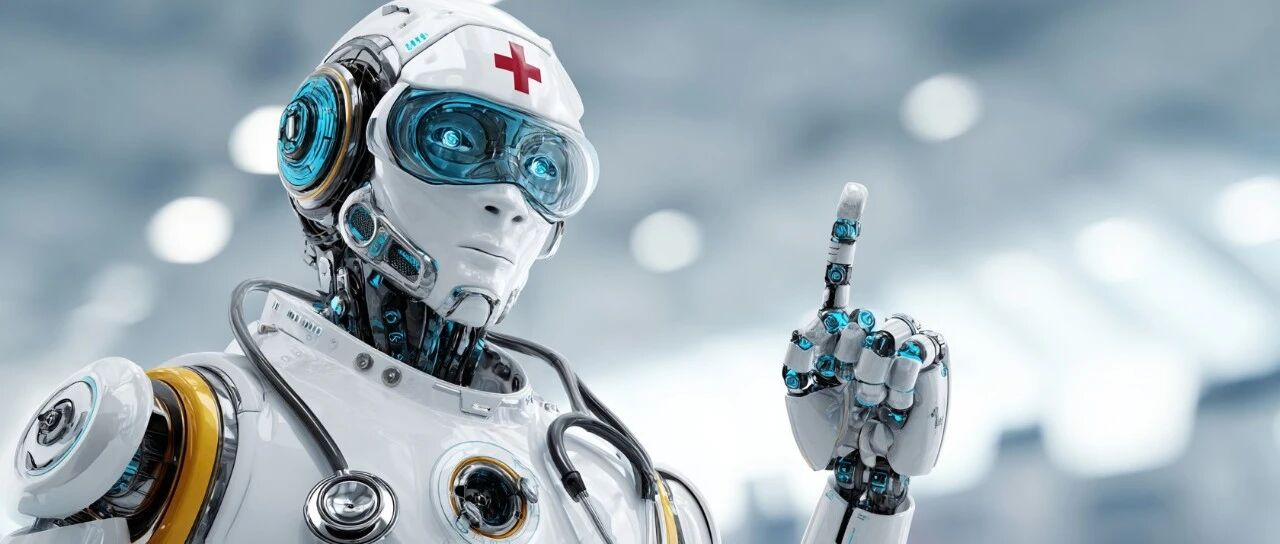
大厂AI,激战医疗
创业邦· 2026-01-21 03:45
Core Viewpoint - The article discusses the resurgence of interest in AI applications in healthcare, particularly through major tech companies like Ant Group, Baidu, and JD Health, which are leveraging AI to enhance healthcare services and address the growing demand for health management solutions [6][7][16]. Group 1: Market Dynamics and Company Strategies - Ant Group's AI health application "Afu" achieved 30 million monthly active users within a month of its new version release, indicating a strong market interest in AI health management [6]. - Major tech companies are shifting their strategies from merely providing online consultations to integrating AI into a comprehensive healthcare ecosystem, focusing on "assisting" rather than replacing healthcare professionals [7][10]. - The two main strategic approaches in the healthcare AI sector are "horizontal platformization" (e.g., Ant Group, Baidu, JD Health) and "vertical specialization" (e.g., ByteDance, iFlytek, Baichuan Intelligent), each with distinct goals and operational focuses [10][15]. Group 2: Challenges in Healthcare AI - Despite the technological advancements, challenges such as commercial viability, data quality, and responsibility delineation remain unresolved, indicating that the path to successful healthcare AI implementation is complex and long-term [8][30]. - The healthcare sector's unique nature requires deep industry knowledge and resource investment, making it difficult to achieve simple online connectivity [10][24]. - The reliability of AI technology in healthcare is critical, as errors can have life-threatening consequences, necessitating rigorous validation processes that may counteract efficiency gains [25]. Group 3: Market Opportunities - The demand for healthcare services is increasing, driven by a mismatch between quality medical resources and patient needs, with AI positioned as a key tool for improving efficiency in medical workflows [17]. - AI applications are expanding from disease treatment to proactive health management, reflecting a shift in user needs towards more frequent and active health maintenance [17][20]. - The healthcare AI market is attractive due to its potential to connect government, business, and consumer sectors, creating a comprehensive ecosystem that enhances service delivery and data utilization [21][22].
地球上和Claude对话最多的人,是一位哲学家
创业邦· 2026-01-21 03:45
Core Viewpoint - The article discusses the integration of Continental Philosophy into AI models, particularly focusing on Claude by Anthropic, to enhance its conversational abilities and prevent it from becoming overly rigid or lacking empathy [5][18]. Group 1: System Prompt and Philosophy Integration - Claude's system prompt includes references to Continental Philosophy, which emphasizes human experience and meaning rather than just empirical evidence [8][15]. - Amanda Askell, a philosopher at Anthropic, aims to prevent Claude from becoming a "contrarian" by incorporating philosophical perspectives that allow for more nuanced conversations [18][20]. Group 2: Ethical Considerations in AI - Askell's approach includes the application of Virtue Ethics, focusing on developing AI with good character traits rather than merely following rules [29][34]. - The goal is to ensure that Claude can make judgments aligned with human values, especially in uncertain situations, rather than simply adhering to predefined rules [34][35]. Group 3: Long-term Impact and AI's Role - Askell's background in Infinite Ethics informs her understanding of the long-term implications of AI decisions, emphasizing that small choices today can have significant future consequences [24][41]. - The article highlights the importance of ethical considerations in AI development, suggesting that as technology evolves, moral questions will become increasingly relevant [41].

财政部等四部门印发新规,对政府投资基金布局和投向作出系统规范;名川资本第三期人民币基金正式成立丨01.12-01.18
创业邦· 2026-01-21 00:08
创业邦旗下横跨一二级市场的科创数据平台。实时投资数据、追踪产业创新。找数据、做分析、链资 源,就上睿兽分析。 上周基金重点事件回顾丨 01.12-01.18 以下文章来源于睿兽Pro ,作者Bestla 睿兽Pro . 睿兽分析每周整理最值得关注的基金重点事件,帮助大家及时了解全球私募股权基金 市场动向。 政府引导基金 50亿元攀枝花钒钛产业发展基金落地 1月14日,攀枝花市与四川产业振兴基金投资集团有限公司举行合作推进活动座谈会,并签署了《攀 枝花钒钛产业发展基金框架协议》等战略合作协议。根据协议,双方将共同组建总规模达50亿元的攀 枝花钒钛产业发展基金,旨在围绕钒钛新材料、清洁能源、氢能装备等重点产业,通过市场化运作方 式支持优质项目和重点企业发展,推动产业链延链补链强链,促进科技成果转化与产业化,助力攀枝 花培育壮大钒钛产业集群,加快实现优势产业高端化。此次签约标志着双方在地企合作上迈入全方 位、深层次、机制化的新阶段,四川产业基金将充分发挥该基金的撬动作用,为攀枝花高质量发展和 共同富裕试验区建设提供金融支撑。 ( 攀枝花发布 ) 郑州市国创战新产业投资母基金成立,出资额50亿 天眼查工商信息显示,近 ...

俞敏洪聘请陈行甲为新东方总顾问,年薪150万元;马斯克称推动特斯拉转型为机器人公司,估值25万亿美元;SK海力士发放巨额年终奖丨邦早报
创业邦· 2026-01-21 00:08
Group 1 - New Oriental Education Technology Group has appointed Chen Xingjia as a senior consultant with an annual salary of 1.5 million RMB, following public scrutiny over his previous salary exceeding 700,000 RMB [2][3] - New Oriental commits to donating no less than 1 million RMB annually to the Henghui Foundation, which focuses on the health and growth of Chinese youth [2][3] Group 2 - SK Hynix announced a record performance bonus of over 1.36 million KRW (approximately 640,000 RMB) per employee, marking the highest in the company's history, with a stock option plan for employees [4] - The stock option plan allows employees to receive up to 50% of their bonuses in company stock, with additional cash rewards for holding the stock for a year [4] Group 3 - Gree Electric Appliances is set to mass-produce silicon carbide chips for various applications, including photovoltaic storage and logistics vehicles, with plans to supply half of the chips for GAC Group's vehicles [7] - The company aims to enhance its semiconductor capabilities in the growing electric vehicle market [7] Group 4 - iQIYI announced the resignation of CFO Wang Jun for personal reasons, with senior vice president Zeng Ying taking over as acting CFO [11] - iQIYI is in the process of selecting a suitable candidate for the CFO position [11] Group 5 - The AI companionship company Nature Select has raised over 30 million USD in a recent funding round, with investments from Alibaba and Ant Group among others [13] - The funding will support the development of AI companionship products [13] Group 6 - Tesla's CEO Elon Musk is pushing for the company to transition into a robotics firm, with the Optimus humanoid robot as a key focus, despite production challenges [9] - The company aims for a valuation of 25 trillion USD based on its robotics division, which is expected to surpass its current automotive business [9]



我国研究人员成功研发面向眼内手术的自主机器人系统;优刻得开源外卖比价智能体OrderWise丨AIGC日报
创业邦· 2026-01-21 00:08
Group 1 - A new autonomous robotic system for intraocular surgery has been successfully developed by researchers at the Institute of Automation, Chinese Academy of Sciences, which enhances the precision, safety, and consistency of retinal injections while minimizing iatrogenic damage [2] - The GLM-4.7-Flash model has been officially released and open-sourced, featuring a total parameter count of 30 billion and an activation parameter count of 3 billion, providing a new option for lightweight deployment while balancing performance and efficiency [2] - DingTalk, Amap, and Alipay have jointly launched the "AI Travel" product, which includes features like AI printing and AI simultaneous interpretation in its latest version [2] - UCloud has released and open-sourced the OrderWise Agent, a food delivery price comparison AI, which offers two operational modes, including a lightweight design for personal users that does not require MongoDB [2]

14万亿 vs 1万亿:谁杀死了波士顿这只下金蛋的鹅?
创业邦· 2026-01-20 10:46
Core Viewpoint - The article discusses the decline of Boston as a technology hub compared to the San Francisco Bay Area, attributing this to a combination of misguided policies, regulatory predation, and a failure to foster a supportive innovation ecosystem [5][9][42]. Group 1: Historical Context - In 2004, top investors identified San Francisco and Boston as the leading software hubs, with Boston leveraging its prestigious universities like MIT and Harvard [5][11]. - By today, the San Francisco Bay Area has generated $14 trillion in enterprise value, while Boston has only managed $1 trillion, highlighting a significant disparity [5][9]. Group 2: Factors Contributing to Boston's Decline - Boston possesses key resources such as intellectual density, historical significance in technology, and a strong talent network, yet it has failed to translate these into successful outcomes [11][12][13]. - The article identifies "Inputs-first Delusion" as a critical issue, where Boston's policymakers mistakenly believe that having the best facilities and talent will automatically lead to innovation [18]. Group 3: Regulatory Issues - Regulatory predation is highlighted as a major factor in Boston's decline, where the government views the tech industry as a cash cow rather than nurturing it [20][22]. - Specific policies, such as the refusal to adopt QSBS exemptions and the imposition of a millionaire's tax, have created a hostile environment for entrepreneurs [22][25]. Group 4: Cultural and Economic Dynamics - The article critiques the local venture capital culture in Boston, which has shifted from a collaborative spirit to a predatory approach, where investors exploit entrepreneurs [30][33]. - The decline of trust and the rise of a "managerial class" that complicates business operations have further exacerbated the situation, leading to a loss of innovation [27][28]. Group 5: Lessons for the Future - The article emphasizes the importance of creating a low-friction business environment and fostering trust to build a successful innovation ecosystem [42]. - It warns against industries that prioritize financial manipulation over value creation, suggesting that such environments are detrimental to innovation [43]. - The need for technology to address moral questions about its societal impact is also highlighted, as failure to do so may lead to backlash against innovators [44].