创业邦

Search documents
为降低生产成本,梅赛德斯-奔驰开始在匈牙利生产SUV;新款兰德酷路泽300 Hybrid发布官图,3.5T V6混动538马力,可纯电行驶丨汽车交通日报
创业邦· 2026-01-20 10:46
Group 1 - Mercedes-Benz has started producing the all-electric GLB compact SUV in Hungary to reduce production costs, with a price of approximately €59,000 (about $68,570) [2] - Renault Group aims for global vehicle sales to reach 2,336,807 units by 2025, reflecting a year-on-year growth of 3.2%, with plans to update and expand its internal combustion and electric vehicle lineup in Europe by 2026 [2] - The Aion N60, designed by former BMW designer Benoit Jacob, is set for pre-sale in March 2026, featuring a starry geometric design and dimensions of 4615mm/1860 (1883) mm/1673mm with a wheelbase of 2775mm [3] Group 2 - The new Toyota Land Cruiser 300 Hybrid has been unveiled, featuring a 3.5T V6 hybrid engine with a total power output of 538 horsepower, and is expected to launch in select Eastern European markets starting January [3]



中国互联网大厂的AI时代船票争夺战已经开始了
创业邦· 2026-01-20 10:46
Core Viewpoint - The article discusses the intense competition among major tech companies for "entry points" in the AI era, highlighting the need for a new type of "ticket" that encompasses model capabilities, infrastructure, and user interaction [6][7]. Group 1: ByteDance - ByteDance is identified as the first company to understand and implement the new structure of the "ticket," effectively becoming a "First Mover" in the AI era [9]. - ByteDance's model capabilities are underestimated; its models are primarily used internally and have undergone extensive real-world testing, processing over 50 trillion tokens daily [9][10]. - The company's "All-in-One" model strategy integrates various capabilities into a single foundational model, enhancing cross-modal understanding [9][10]. - The success of Doubao, which recently surpassed 100 million daily active users, indicates that chat remains a key entry point for super applications in the AI era [11]. Group 2: Alibaba - Alibaba possesses strong foundational capabilities in models and cloud services, holding over 35% of the AI cloud service market share in China [14][15]. - However, Alibaba lacks a compelling consumer-facing entry point akin to Doubao, which limits its ability to capture user engagement in the new interaction paradigm [14][15]. - The company aims to capture 80% of the future AI market, focusing on both traditional enterprise transformations and new AI-native businesses [15][16]. - Alibaba's challenge lies in breaking away from traditional business models to create a new, integrated commercial model that delivers user value effectively [16]. Group 3: Tencent - Tencent's position is more complex, as it holds the influential WeChat platform but struggles to adapt to the AI era's demands [18][21]. - The company is currently in a catch-up position regarding model capabilities and infrastructure, which limits its competitive edge [21][22]. - WeChat, while a significant asset, may not serve as an effective AI-native entry point due to its inherent privacy and user expectation constraints [21][22]. - Tencent's approach appears cautious, focusing on cost reduction and efficiency rather than groundbreaking innovation, raising questions about its future adaptability in the AI landscape [21][22]. Group 4: Industry Dynamics - The competition has evolved from merely possessing large models to understanding how to deliver user value in the AI era [24]. - The market potential driven by AI is projected to exceed ten times the existing IT budget, indicating a significant shift in productivity and resource allocation [24]. - The article emphasizes that the battle is no longer about individual apps but rather about interaction paradigms, fulfillment capabilities, and system integration [24].



纷享销客罗旭:心脏停跳2分半、裁员1800人后,我读懂了如何“穿越周期”
创业邦· 2026-01-20 10:46
Core Viewpoint - The article emphasizes the importance of internal evolution and self-reflection for companies to navigate through cycles of uncertainty and challenges in the business environment, particularly in the SaaS industry [2][5][16]. Group 1: Industry Insights - The SaaS industry has experienced rapid changes, with new concepts emerging every few years, leading to a sense of anxiety among companies as they struggle to adapt [6][7]. - The speaker reflects on the past decade, noting the shift from focusing on external factors to recognizing the need for internal evolution and adaptation to survive in a highly uncertain environment [6][9]. Group 2: Company Experience - The company faced a significant downturn in 2016, resulting in a drastic reduction of its workforce and a period of deep reflection on its core values and mission [7][11]. - The realization that the company's issues stemmed from losing sight of its original mission and customer focus led to a redefinition of its goals and values [8][12]. Group 3: Redefining Values - The company shifted its focus from merely being a large organization to becoming a "good company" that genuinely creates value for customers [11][12]. - A new mission was established, emphasizing customer success as the definition of the company's success, moving away from reliance on external capital [12][13]. Group 4: Growth and Sustainability - The company has maintained a compound annual growth rate of approximately 30% over recent years, even amidst external pressures, with a notable user renewal rate of 100% [17]. - The focus on sustainable and healthy growth, rather than short-term profitability, is highlighted as essential for long-term success [18]. Group 5: Organizational Culture - The importance of maintaining a strong organizational culture based on curiosity, action, discipline, and shared values is emphasized as crucial for navigating uncertainty [20][21]. - The company aims to foster a sense of mission and value among employees, ensuring that everyone feels connected to the company's goals and values [14][20].

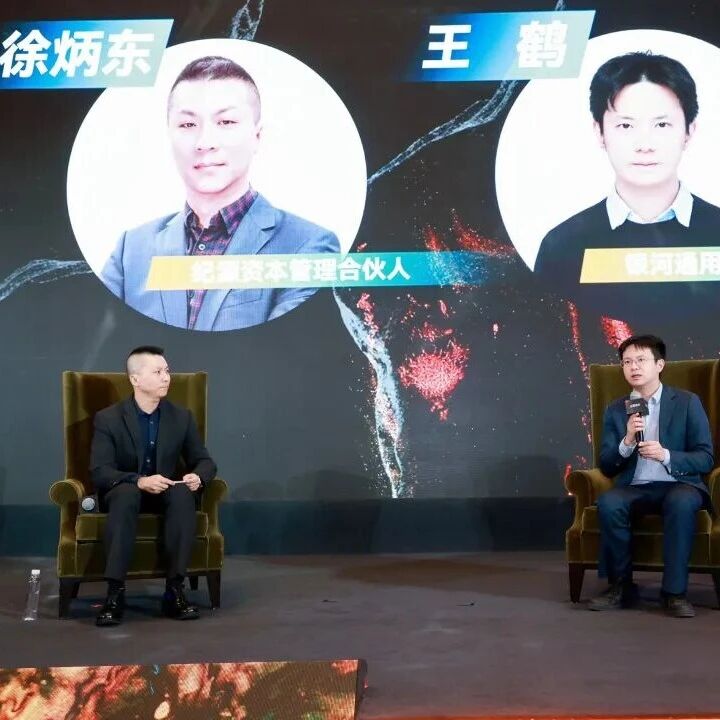
纪源资本对话银河通用机器人:让具身智能真正实现可落地
创业邦· 2026-01-20 03:29
Core Viewpoint - GGV Capital's recent annual meeting highlighted advancements in AI, intelligent manufacturing, digital healthcare, and embodied intelligence, showcasing the importance of data in the development of embodied intelligence technologies [5][7]. Group 1: Embodied Intelligence and Data Challenges - The company recognizes that embodied intelligence faces a significant challenge known as "data cold start," as there are not enough users generating data for training models, unlike large language models that benefit from abundant internet data [9][11]. - GGV Capital's strategy involves using over 99% synthetic data combined with less than 1% real-world data to overcome the data scarcity issue and enable practical applications of embodied intelligence [11]. Group 2: Definition and Differentiation of Embodied Intelligence - Embodied intelligence is defined as distinct from traditional robotics, emphasizing adaptability and self-management in response to tasks and environments, which is driven by data [12][13]. - The company believes that the core of embodied intelligence lies in human-like adaptability, which can be achieved through advanced modeling techniques [15][16]. Group 3: Current Capabilities and Future Aspirations - GGV Capital's robots are currently operational in various retail environments, capable of complex tasks such as navigating crowded areas and interacting with customers [17][18]. - The company aims to expand its capabilities from single skills to a broader range of functionalities, with ongoing developments in dexterous manipulation and operational efficiency [20][24]. Group 4: Market Position and Strategic Path - The company sees a strategic advantage in the Chinese market due to a complete hardware supply chain, strong data accumulation capabilities, and a large domestic market that can support the commercialization of embodied intelligence [24][25]. - GGV Capital plans to initially focus on the retail sector, where the demand for labor is high and the risk of errors is manageable, before expanding into industrial and healthcare applications [22][24]. Group 5: Societal Impact and Labor Market Evolution - The development of embodied intelligence is viewed as a means to address potential labor shortages in the future, particularly as the number of university graduates in China is expected to decline significantly after 2040 [25][26]. - The company believes that the evolution of embodied intelligence will not lead to immediate job losses but will instead provide a gradual transition to a new labor landscape, allowing society to adapt to changes in workforce dynamics [26].
宇树科技2025年人形机器人出货量超过5500台;小米玄戒O2或继续用台积电3nm丨智能制造日报
创业邦· 2026-01-20 03:29
Group 1 - Musk stated that the AI5 chip is crucial for Tesla, emphasizing the need for two teams to focus on its development, with personal involvement for several months [2] - The AI5 chip is described as a "very powerful" chip, with design progress reported to be on track, and Tesla plans to restart the development of Dojo3 [2] - Yushutech is projected to exceed 5,500 units in humanoid robot shipments by 2025, with over 6,000 units expected to roll off the production line [2] Group 2 - Xiaomi's second-generation self-developed SoC, the Xuanjie O2, is likely to use TSMC's N3P process instead of the latest 2nm process, with plans to expand its application beyond smartphones to tablets, cars, and computers [2] - The launch of 19 low-orbit satellites for satellite internet was successfully completed by China using the Long March 12 rocket, marking a significant achievement in commercial space endeavors [2]




脑机接口第一股来了,“DeepSeek时刻”还没来
创业邦· 2026-01-20 03:29
Core Viewpoint - The brain-computer interface (BCI) sector is gaining significant attention and investment, with major developments from companies like Neuralink and Qiangnao Technology, indicating a potential shift towards commercialization and broader application in various fields [6][12]. Group 1: Industry Developments - Neuralink plans to begin large-scale production by 2026, showcasing the growing momentum in the BCI field [6]. - Qiangnao Technology has completed a financing round of 2 billion yuan and has submitted an IPO application to the Hong Kong Stock Exchange [6]. - The BCI market is projected to reach a size of $400 billion in the U.S. medical market by 2045, with the overall market potentially exceeding $1 trillion [13]. Group 2: Technological Advancements - BCI technology has evolved from a theoretical concept to practical applications, with significant breakthroughs in invasive techniques, such as reducing the time to implant a single electrode from 17 seconds to 1.5 seconds [9][11]. - Non-invasive BCI technologies are emerging, allowing for applications in cognitive enhancement and entertainment, expanding the commercial potential beyond medical uses [11]. Group 3: Challenges to Commercialization - The BCI sector faces several challenges, including the need for technological maturity in signal acquisition and decoding algorithms, as current methods are limited in their ability to capture complex neural signals [16][17]. - High costs associated with BCI devices and procedures, ranging from 150,000 to 350,000 yuan for implantation, hinder widespread adoption [18]. - Privacy concerns regarding the data collected from BCIs necessitate the establishment of legal and ethical frameworks to protect sensitive information [19][20].

那些外国博主们,怎么突然开始吹中国手机了???
创业邦· 2026-01-20 03:29
Core Viewpoint - The article discusses the increasing recognition and acceptance of Chinese smartphones in the global market, particularly highlighted by MKBHD's annual smartphone awards, which this year featured several Chinese brands prominently [8][9][11]. Group 1: Recognition of Chinese Smartphones - MKBHD's awards this year included Chinese smartphones such as Xiaomi 17 Pro Max for "Best Large Phone," OnePlus 15 for "Best Battery Life," and OPPO Find X9 Pro for "Best Camera," indicating a shift in perception towards Chinese brands [9][11]. - The article notes that previously, Chinese smartphones were often overlooked in international awards, but recent trends show a growing appreciation for their quality and innovation [8][9]. Group 2: Technological Advancements - Chinese smartphone manufacturers have made significant advancements in hardware design, achieving thinner devices with larger battery capacities through improved internal stacking technology and battery innovations [16][18]. - The use of silicon-carbon anode materials has led to the development of smartphones with batteries exceeding 8000 mAh, showcasing the ability to balance battery size and longevity [20][22]. - Innovations in materials, such as Huawei's Kunlun glass and OPPO's use of 3D-printed titanium alloy in hinges, have enhanced durability and performance in smartphones [22][26]. Group 3: Software and User Experience - The introduction of OPPO's "Starry Compiler" aims to improve the efficiency of Android applications by optimizing the communication between software and hardware, resulting in a smoother user experience [30][31]. - The article highlights the emergence of advanced AI applications in smartphones, such as the "Doubao" phone assistant, which can perform complex tasks and adapt to user needs, indicating a shift towards more intuitive technology [40][42]. Group 4: Market Dynamics - The article emphasizes that the increasing prices of Chinese smartphones in international markets reflect a shift from cost-based purchasing to a recognition of their quality and functionality [11][13]. - The growing acceptance of Chinese smartphones in markets like Australia suggests a broader trend of international consumers valuing performance and innovation over brand origin [13][18].

2026企业创新创投年会圆满举办,共探AI投资新图景与全球化未来
创业邦· 2026-01-20 00:10
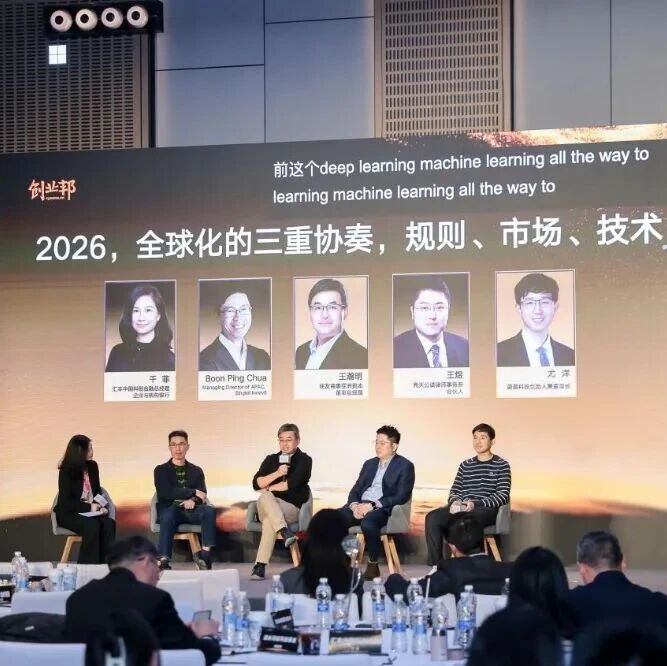
Group 1 - The 2026 Enterprise Innovation and Venture Capital Annual Conference focused on key topics such as AI reshaping industries, hard technology investment cycles, and new global rules, aiming to identify growth logic and collaboration opportunities in an uncertain market environment [2] - Li Chunbo, Chairman of Citic Lyon, shared insights on the resilience of the Hong Kong stock market, indicating that 2025 will be a turning point for asset valuation and perception in China, with a shift towards tech-driven enterprises like chips and AI [2] - The report on CVC development in China for 2025 highlighted a significant drop in new fund registrations, with over one-third of new funds registered in Zhejiang, Guangdong, and Shandong, and Lenovo Capital leading in investment events [4] Group 2 - The first roundtable discussion on "AI Investment New Landscape" emphasized a shift in AI investment logic from chasing star teams to focusing on product-market fit and commercialization capabilities, predicting 2026 as a year of explosive AI application growth [6] - The second roundtable on "How AI Reshapes Automotive Intelligence" discussed the importance of high-quality real-world data and safety validation in overcoming technological gaps, with B-end closed scenarios already demonstrating viable business models [8] - The third roundtable on "How Hard Technology Venture Capital Can Be 'Friends of Time'" stressed the need for capital to provide comprehensive industry empowerment beyond funding, to help navigate the challenges from lab to mass production [10] Group 3 - The fourth roundtable on "2026, the Triple Concerto of Globalization: Rules, Markets, Technology" highlighted the evolution of Chinese enterprises' overseas strategies from product export to ecosystem and supply chain expansion, with Southeast Asia being a primary market due to geographical and cultural advantages [12] - The conference facilitated discussions on breaking industry barriers and achieving consensus on cross-border collaboration and ecosystem building, aiming to inject strong momentum into the technology innovation industry for 2026 [14] - The upgrade of the Corporate Venture Capital Alliance to the Corporate Innovation Venture Capital Alliance in 2024 aims to enhance the synergy between large enterprises' internal investments and innovations, accelerating the application of innovations [15]
禾赛科技三位创始人再创业,成立机器人公司;OpenAI或于2026年推出首款硬件设备;疯狂动物城2成全球影史好莱坞动画电影票房冠军丨邦早报
创业邦· 2026-01-20 00:10
Group 1 - Hesai Technology's co-founders have established a new robotics company, Sharpa, aimed at developing general-purpose robots and core components, with over 100 employees [1] - Porsche's global sales for 2025 are projected to be 279,400 units, a 10% decrease year-on-year, with a significant decline of 26.28% in the Chinese market [4] - UTree Technology is expected to ship over 5,500 humanoid robots in 2025, with mass production exceeding 6,000 units [9] - OpenAI's annual revenue for 2025 is projected to exceed $20 billion, a significant increase from $6 billion in 2024, driven by an expansion in computing power [13] - The UK government has announced a substantial subsidy plan for electric trucks, with a total budget of £318 million, aiming to boost the adoption of electric vehicles [19] Group 2 - The HuRun Research Institute's report on China's AI companies ranks Cambricon first with a valuation of 630 billion yuan, reflecting a 165% increase from the previous year [10] - Anker Innovations and Feishu have launched the AI hardware product "Anker AI Recording Bean," which features advanced recording capabilities and is priced at 899 yuan [21] - Alibaba Health has introduced the AI product "Hydrogen Ion," designed for medical professionals, which aims to minimize hallucination rates in AI responses [23] - Xiaopeng Motors has successfully developed the first robot based on automotive standards, marking a significant milestone in their robotics initiative [24] - Apple's iPhone shipments surged by 28% during the holiday season, regaining market leadership in China despite overall market declines [30]

阿里健康推出AI产品氢离子:定位医生版GPT;胡润发布中国人工智能50强,寒武纪以6300亿元价值居首丨AIGC日报
创业邦· 2026-01-20 00:10
Group 1 - MiniMax has established a technology company in Guangzhou with a registered capital of 70 million RMB, focusing on intelligent robotics and AI applications [2] - Alibaba Health has launched an AI product named "Hydrogen Ion," designed as a doctor-oriented version of GPT, emphasizing low hallucination rates and high evidence-based accuracy [2] - The Hurun Research Institute has released the "2025 Hurun China AI Enterprises Top 50," with AI chip company Cambricon valued at 630 billion RMB, marking a 165% increase from the previous year [2] - Xiaomi's health app has integrated with Ant Group's AI assistant "Ant Fu," providing preliminary health suggestions based on user data, with 30 million monthly active users [2]