创业邦

Search documents
福建70后,靠共享按摩椅年入8亿,今日IPO
创业邦· 2025-12-03 04:26
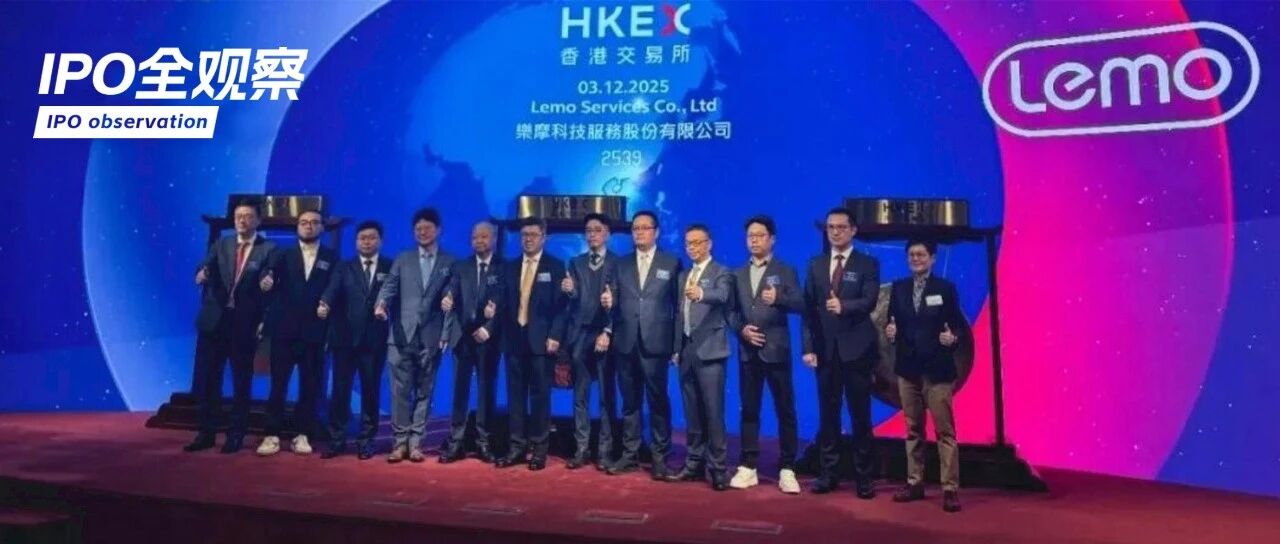
Core Viewpoint - LeMo Technology has successfully listed on the Hong Kong Stock Exchange, becoming the first publicly traded company in the shared massage chair service sector, with an IPO price of HKD 40 and raising approximately HKD 200 million, resulting in a market capitalization of around HKD 4.111 billion [2][3]. Company Overview - LeMo Technology operates under the brand "LeMo Bar," providing smart shared massage chairs in high-traffic locations such as shopping malls, cinemas, high-speed rail stations, and airports, utilizing a "scan to use, pay by the minute" service model [2][3]. - The company has established over 48,000 service points, deployed 533,000 devices, and has more than 40 million registered members [3]. Founders and Business Evolution - The company was founded by Xie Zhonghui and Han Daohu, who hold 30.9% and 17.6% of the shares, respectively [3]. - Xie Zhonghui's entrepreneurial journey began in 2008 when he entered the massage equipment industry, leading to the establishment of LeMo Technology in 2016, which was initially a restructured company with a focus on shared massage services [5][6]. Business Model and Market Position - LeMo Technology employs a dual operating model of "direct sales + partners," with 70.4% of service points operated directly to ensure quality, while 29.6% are managed by city partners for rapid expansion [12][14]. - The company has achieved a market share of 42.9% in the machine massage service market by transaction volume, significantly outpacing its nearest competitor [17]. Financial Performance - Revenue figures for LeMo Technology from 2022 to 2024 are projected to be CNY 330.154 million, CNY 586.836 million, and CNY 797.991 million, with net profits of CNY 6.48 million, CNY 87 million, and CNY 85.58 million, respectively [13][17]. - As of the first eight months of 2025, the company has generated revenue of CNY 631 million and a net profit of CNY 88.55 million, indicating a positive cash flow trend [17]. Market Trends and Future Outlook - The shared massage service market is expected to grow from CNY 27.6 billion in 2024 to CNY 56 billion by 2029, with a compound annual growth rate of approximately 15.7% [24]. - LeMo Technology plans to expand into Southeast Asia, targeting 2,000 service points and over 10,000 devices by 2026, leveraging its dual model experience [20][21]. Industry Dynamics - The market is consolidating, with leading companies capturing a larger share due to their scale and operational efficiencies, while smaller players are exiting due to financial pressures [22][25]. - Currently, there are over 50 participants in the shared massage service market, but only a few have national reach, with LeMo Technology being one of the top three players alongside Rongtai Health and OJIAHUA [22][24].

持股20亿,年薪435万!上市公司董事长投票反对自己连任:不满意薪酬;传联想ISG上海全员被裁;公众号灰度测试付费加热丨邦早报
创业邦· 2025-12-03 00:08
Group 1 - Lenovo ISG in Shanghai reportedly laid off hundreds of employees, including pregnant women, with a brief communication meeting lasting only 15 minutes [3] - Nestlé is considering selling Blue Bottle Coffee, with an expected valuation below $700 million, as part of a broader strategy to streamline its business [11] - Instagram will require U.S. employees to return to the office five days a week starting February 2, 2024, following a previous policy requiring at least three days [11] Group 2 - OpenAI CEO announced a "red alert" status to improve ChatGPT and plans to delay advertising business projects [6] - Michael Burry disclosed that he is shorting Tesla stock, citing its "absurd" valuation [11] - Runway launched its latest video generation model Gen 4.5, which outperformed Google and OpenAI in third-party evaluations [20] Group 3 - Samsung launched its first tri-fold smartphone, Galaxy Z TriFold, priced at 3.59 million KRW, set to release in South Korea on December 12 [16] - The Chinese heavy truck market saw a nearly 50% year-on-year increase in sales in November, with total sales expected to exceed 1.1 million units for the year [20] - Microsoft is increasing its AI investment in Europe, focusing on establishing local facilities rather than U.S.-based operations [13]

AI初创公司Runway推出影片生成模型Gen 4.5;字节Seed发布GR-RL,首次实现真机强化学习穿鞋带丨AIGC日报
创业邦· 2025-12-03 00:08
Group 1 - Keling AI officially launched its new product "Keling O1," which integrates multi-modal inputs such as text, video, images, and subjects into a comprehensive engine, addressing consistency issues in AI video generation for applications in film, self-media, and e-commerce [2] - OpenAI is reportedly considering embedding advertisements in ChatGPT, with recent Android test versions containing code labeled as "featured ads," indicating a shift towards personalized advertising based on user interactions [2] - ByteDance's Seed team released GR-RL, achieving a significant improvement in the success rate of a shoe-lacing task from 45.7% to 83.3%, marking a notable advancement in reinforcement learning for fine manipulation tasks [2] Group 2 - AI startup Runway introduced its latest film generation model Gen 4.5, which outperformed Google and OpenAI in third-party evaluations, showcasing its ability to generate high-quality videos based on textual instructions [3]

陈大同 | 芯片往事(二)
创业邦· 2025-12-03 00:08
Core Insights - The article reflects on the evolution of the semiconductor industry in China over the past two decades, highlighting the transition from a struggling sector to a thriving one, largely due to government support and the emergence of venture capital [5][6][7]. Group 1: Transition to Venture Capital - The author transitioned from entrepreneurship to venture capital after the IPO of a semiconductor company, recognizing the potential of venture capital in fostering multiple startups rather than just one [2][3]. - The initial venture capital landscape in China was dominated by internet and consumer sectors, with semiconductor investments being rare and challenging [4][5]. Group 2: Government Support and Industry Growth - The establishment of the National Integrated Circuit Industry Investment Fund in 2014 marked a significant turning point, providing substantial financial support to the semiconductor industry [6][7]. - The fund's collaboration with local governments and enterprises led to a dramatic increase in semiconductor manufacturing capacity and the successful listing of numerous semiconductor companies on the stock market [6][7]. Group 3: Successful Investments and Achievements - The venture capital firm invested in several semiconductor startups, with a high success rate, as evidenced by the majority of their portfolio companies achieving public listings [5][6]. - The establishment of the Science and Technology Innovation Board in 2019 further accelerated the growth of the semiconductor sector, resulting in hundreds of new listings and the emergence of industry leaders [6][7]. Group 4: Mergers and Acquisitions - The acquisition of Shanghai Spreadtrum Communications by Tsinghua Unigroup in 2013 set a precedent for Chinese semiconductor companies to return to the domestic market after being listed abroad [9][10]. - The article details the complex process of acquiring OmniVision Technologies, emphasizing the challenges faced during negotiations and regulatory approvals [11][12][13]. Group 5: Challenges and Strategic Decisions - Following the failed merger with Junzheng Technology, the company faced operational challenges and declining performance, necessitating a strategic pivot towards localization and market adaptation [21][22]. - The leadership transition to a new CEO was crucial for revitalizing the company and addressing competitive pressures from both domestic and international players [24][25][26].


最被低估的东北985,冲出一支机器人天团
创业邦· 2025-12-02 10:11
Core Viewpoint - The article highlights the emergence of humanoid robots in China, particularly focusing on the contributions of young entrepreneurs from Harbin Institute of Technology (HIT) in the robotics industry, marking 2023 as a pivotal year for humanoid robot mass production [6][7]. Group 1: Humanoid Robots and Industry Growth - The recent National Games featured a humanoid robot named "Kua Fu" as the torchbearer, indicating the integration of robots into real-life scenarios [6]. - 2023 is referred to as the "year of mass production for humanoid robots," leading to increased investment and interest in the robotics sector [7]. - Companies like Leju Robotics, founded by a young HIT alumnus, completed a Pre-IPO round financing of nearly 1.5 billion yuan, showcasing the financial backing for robotics startups [12]. Group 2: Young Entrepreneurs from HIT - HIT has produced numerous young entrepreneurs in the robotics field, with many founders being notably young [10]. - Cold Xiaokun, born in 1992, founded Leju Robotics and has been a pioneer in humanoid robot development, reducing production costs significantly from over 3 million yuan to tens of thousands [14]. - Huang Yi, at just 21 years old, became the youngest CEO in the industry with his company RoboParty, which recently secured seed funding of several million dollars [16]. Group 3: HIT's Role in Robotics Education and Innovation - HIT is recognized as a leading institution in robotics, having established a robotics research institute as early as 1986 and developing a comprehensive robotics technology system [31]. - The university's strong academic background is reflected in its high performance in robotics competitions, with HIT teams winning multiple awards [32]. - HIT's focus on interdisciplinary studies in robotics, combining mechanical, electronic, and AI disciplines, positions it as a powerhouse for innovation in the field [33]. Group 4: Notable Companies and Contributions - Several successful robotics companies have emerged from HIT alumni, including DJI and various startups in surgical and industrial robotics [26][50]. - The article lists multiple companies founded by HIT graduates, highlighting their contributions to the robotics landscape in China [22]. - HIT's alumni have played significant roles in advancing technologies in various sectors, including defense and aerospace, further emphasizing the university's impact on national technological development [49].

五源袁野:理解AI创业的五个视角
创业邦· 2025-12-02 10:11
Core Insights - The article discusses the structural changes occurring in the AI era, emphasizing the shift from mobile internet to AI technology paradigms and the evolving nature of entrepreneurship in this context [5][6]. Group 1: Shifts in Technology Paradigms - The transition from mobile internet to AI signifies a change in competitive focus from "time share" to "intelligent share," where the ability to effectively utilize intelligence becomes crucial for growth [8][12]. - In the AI era, the core product being sold is shifting towards "intelligence itself," as seen in the evolution of products like ChatGPT, which expands its capabilities over time [12][13]. Group 2: User Interaction and Product Evaluation - The early evaluation of AI products often relies on user engagement metrics, but initial user time may decrease as the focus should be on enhancing the product's intelligence [11][14]. - The evaluation framework for AI products has evolved from initial hype to quantifiable metrics, ultimately focusing on the unique value created for users and the competitive advantages that arise from it [16][19]. Group 3: Organizational Innovation - The organizational structure in the AI era is shifting from being product manager-driven to research-driven, necessitating significant investment in technology decisions rather than rapid iteration [19][21]. - Companies must respect research and align their development strategies with technological advancements, balancing talent density and resource allocation [21].

义乌的圣诞商人,盼望世界和平
创业邦· 2025-12-02 10:11
Core Viewpoint - Yiwu, known as the "world supermarket," is facing challenges due to global uncertainties such as wars and tariffs, impacting the business environment for local merchants who have adapted over the years to navigate these changes [5][7][8]. Group 1: Business Environment - Yiwu's international trade city features over 70,000 shops, showcasing a diverse range of products, with a significant portion of global Christmas goods sourced from here [5][6]. - The Christmas season is a critical period for Yiwu, with approximately 80% of the world's Christmas supplies originating from the city [6]. - Merchants are experiencing a decline in customer traffic and sales, with many reporting that business has become increasingly difficult compared to previous years [10][11]. Group 2: Challenges Faced - The current business climate is marked by uncertainty due to geopolitical tensions and economic factors, leading to longer payment terms and reduced profit margins for merchants [10][17]. - Price competition has intensified, with customers comparing prices across suppliers, leading to a price war that affects profit margins [12][13]. - The impact of the COVID-19 pandemic has shifted customer behavior, with many merchants noting that while new customers are scarce, existing clients continue to place orders through digital communication [12][17]. Group 3: Adaptation Strategies - Merchants are focusing on developing unique and complex products to differentiate themselves from competitors who engage in price undercutting [13][14]. - Some businesses are shifting their focus to high-end products, moving away from basic offerings to maintain profitability [13]. - The establishment of overseas warehouses has emerged as a strategic move for some merchants to mitigate risks associated with international trade fluctuations [33]. Group 4: Future Outlook - Despite current challenges, Yiwu merchants remain resilient, leveraging their experience and adaptability to navigate the evolving market landscape [27][39]. - The diversification of export markets and the ability to adjust product offerings based on regional preferences are seen as key strengths for Yiwu businesses [37][39]. - Merchants express a cautious optimism about the future, believing that as long as the market continues to evolve, opportunities will persist [42].

广汽埃安致歉:“天窗图片”系内容审核失误,埃安UT super没有天窗配置;海外版问界M9车机曝光丨汽车交通日报
创业邦· 2025-12-02 10:11
Group 1 - GAC Aion apologized for a miscommunication regarding the sunroof feature in the Aion UT super, clarifying that the vehicle does not have this configuration due to a content review error [2] - The company announced four measures during a meeting with partners, including a service package worth 2,600 yuan, expanded invoice issuance to more cities, a more flexible refund policy, and a mileage increment package for 50 yuan offering 1,000 kilometers starting in December [2] Group 2 - In November, China's heavy truck sales increased by nearly 50% year-on-year, with approximately 100,000 units sold, marking a 6% decrease from October but a significant rise from 68,500 units in the same month last year [2] - The heavy truck market has experienced eight consecutive months of growth, with an average growth rate of 42%, leading to a cumulative sales figure of 1.03 million units from January to November, representing a year-on-year increase of about 26% [2] Group 3 - The overseas version of the AITO M9 vehicle's infotainment system has been localized, including adaptations for maps, HUAWEI ADS, and various overseas applications [2] Group 4 - Zhang Guofu has stepped down as the legal representative of Beijing Blue Valley Jihu Automobile Technology Co., Ltd., with Liu Guanquiao taking over the position and also serving as the manager [2] - The company, established in July 2018 with a registered capital of 2 million yuan, focuses on the sales of new energy vehicles, charging services, and used car brokerage [2]

自助“偷甘蔗”爆火,偷菜游戏永不落幕
创业邦· 2025-12-02 03:14
Core Viewpoint - The article discusses the viral "stealing sugarcane" activity in Sichuan, which has attracted significant attention and participation, blending nostalgia with a unique marketing strategy that engages visitors in a playful, simulated theft experience [5][21][29]. Group 1: Activity Overview - The "stealing sugarcane" event allows visitors to pay a small entrance fee to experience a playful theft scenario in a sugarcane field, where they can cut down sugarcane while avoiding capture by staff acting as NPCs [5][6][13]. - The event became a popular attraction, drawing over a thousand visitors daily during its peak, generating nearly 10,000 yuan in sales each day [6][21]. - Similar activities have emerged across the country, with other farms adopting the concept of "stealing" fruits like oranges and apples, indicating a trend in experiential marketing [7][21]. Group 2: Marketing Strategy - The event was initiated by a local sugarcane farmer, who creatively leveraged social media to promote the activity, inviting visitors to relive childhood memories of "stealing" sugarcane [13][14]. - The farmer's innovative approach included live streaming the capture of "thieves," enhancing engagement and creating a community around the event [14][16]. - The activity not only helped sell surplus sugarcane but also reduced labor costs associated with harvesting, showcasing an effective model for rural tourism and agricultural marketing [21][29]. Group 3: Cultural and Psychological Aspects - The "stealing" experience taps into a collective nostalgia for childhood games, providing a safe environment for participants to engage in playful rebellion against societal norms [33][34]. - This phenomenon reflects a broader trend where individuals seek to escape the monotony of daily life through unconventional experiences, highlighting a desire for freedom and adventure in modern society [30][34]. - The event's success illustrates how gamification and experiential marketing can create unique consumer experiences that resonate on emotional and psychological levels [29][34].

AI眼镜,大厂还是新兴科技公司的机会?
创业邦· 2025-12-02 03:14
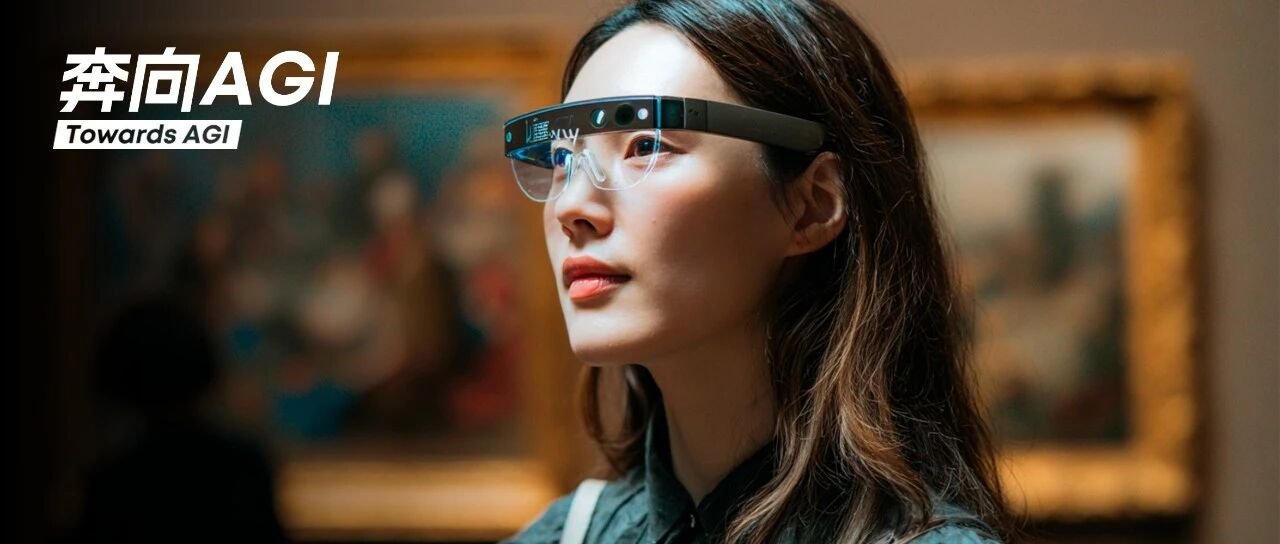
Core Viewpoint - The AI glasses market is experiencing rapid growth, with major companies entering the space and a significant number of new products being launched. The competition is intensifying, and while large companies are leveraging their resources, startups have opportunities in niche markets and specialized applications [2][3][25]. Group 1: Market Dynamics - Alibaba launched the Quark AI glasses series, achieving over 7,000 sales within two days of release, indicating strong market demand [2]. - Over 40 AI glasses have been released this year by various players, including startups and major companies like Baidu, Xiaomi, and Alibaba, with a focus on different technological approaches [3][9]. - The global AI glasses market is projected to grow from approximately $1.93 billion in 2024 to $8.26 billion by 2030, with Meta holding a dominant market share of about 73% in the first half of 2025 [25]. Group 2: Product Features and Technology - Major companies are focusing on lightweight voice-interactive AI glasses, avoiding the complexities of AR/VR technology, which often involves heavier devices and higher costs [5][12]. - The AI glasses typically weigh between 39g and 50g and include features like cameras, microphones, and speakers, but generally lack display screens [12]. - Most new AI glasses utilize Qualcomm's AR1 chip for AI processing, with some companies also incorporating domestic chips for enhanced functionality [12][14]. Group 3: Competitive Landscape - Major companies are still in the exploratory phase of AI glasses development, while startups are encouraged to focus on niche markets to build competitive advantages [5][24]. - The competition may mirror the smart speaker and smartwatch markets, where large companies dominate, leaving little room for startups unless they offer differentiated products [28]. - Startups like Rokid and others are exploring unique applications for AI glasses, targeting specific user groups and scenarios, which may provide them with a foothold in a market dominated by larger players [32][33]. Group 4: Future Opportunities - The future of AI glasses may resemble that of smartwatches, where niche brands can thrive despite the presence of larger competitors [33]. - Startups have the flexibility to collaborate with various AI models and focus on specific product offerings, which may allow them to capture market segments that larger companies overlook [31][34]. - There is potential for startups to explore international markets, leveraging their agility to establish a presence before larger companies can mobilize their resources [34].