国家能源局

Search documents
新华社丨直面高温“烤”验 看今夏电力供应如何“过关”
国家能源局· 2025-07-15 03:38
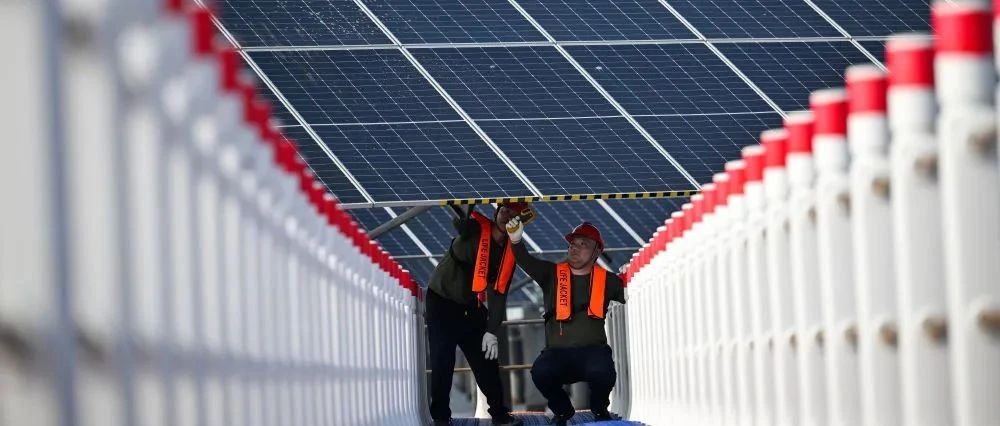
Core Viewpoint - The article discusses the critical measures being taken to ensure sufficient electricity supply during the peak summer demand period, highlighting the roles of both coal and renewable energy sources in maintaining power stability [1][2][3]. Group 1: Electricity Supply and Demand - The maximum electricity load in the country recently reached 1.467 billion kilowatts, setting a historical record [1]. - Coal plays a vital role as a "ballast" and "stabilizer" in energy supply, with major coal-fired power plants in Anhui province operating at full capacity to meet demand [2]. - The total installed capacity of large coal-fired power plants in Huainan is 15.62 million kilowatts, supplying nearly 200 million kilowatt-hours daily to the East China grid [2]. Group 2: Renewable Energy Contribution - The transition to renewable energy is increasingly important, with significant contributions from solar power during peak summer demand [3]. - In Shandong, solar power generation reached a historical high, with renewable energy output accounting for 54.9% of the total load and 63.1% of total generation on July 5 [3]. Group 3: Energy Coordination and Management - The National Energy Administration is closely monitoring the situation and has implemented tailored strategies for key regions to ensure power supply [5]. - Efficient energy allocation systems are crucial for supporting electricity supply during peak demand periods [7]. - The Xinjiang region has been actively exporting wind and solar energy to other regions, with over 1 billion kilowatt-hours transmitted since the commissioning of a major transmission project [8]. Group 4: Demand-Side Management - Effective demand-side management is essential for balancing electricity supply and demand, with initiatives like virtual power plants being utilized to reduce peak loads [12][13]. - On July 10, a virtual power plant in Hefei successfully reduced power consumption at various charging stations, freeing up 20,000 kilowatt-hours of electricity [14]. - New energy storage systems are being deployed to manage peak demand, with a maximum discharge capacity of 7.14 million kilowatts recorded on July 6 [15]. Group 5: Encouraging Energy Conservation - Initiatives to encourage residential energy conservation have been introduced, with residents rewarded for reducing electricity usage during peak times [17]. - The overall electricity load remains high, necessitating collaboration among government, power companies, and consumers to effectively manage supply during peak periods [17].

中能观察丨国网、南网联手,电力全国“大循环”时代来临
国家能源局· 2025-07-15 03:38
Core Viewpoint - The article discusses the significant breakthrough in China's electricity market with the approval of the "Cross-Grid Operating Area Normalized Electricity Trading Mechanism Plan," which allows for the seamless flow of electricity resources across the national grid, marking a step towards a unified national electricity market [1][3]. Group 1: Market Structure and Historical Context - Historically, China's electricity market has been divided between the State Grid and the Southern Grid, with the State Grid covering 26 provinces and accounting for over 88% of the land area, while the Southern Grid operates in five provinces [3]. - This regional division has led to market isolation, preventing efficient electricity transfer between regions, especially during peak demand or surplus generation periods [3][4]. Group 2: Mechanism Implementation and Transactions - The first transaction under the new mechanism involved 2 million kilowatts of electricity flowing from the Southern Grid to the Eastern region, showcasing the mechanism's role in optimizing national electricity resource allocation [1]. - In March, a successful cross-regional green electricity transaction was conducted, marking a significant milestone in the establishment of a normalized trading mechanism [4]. - In June, over 34 million kilowatt-hours of renewable energy were traded across multiple channels, demonstrating the mechanism's ability to enhance market competition and resource efficiency [5]. Group 3: Future Goals and Framework - The plan outlines a phased approach to building a unified electricity market, focusing on foundational improvements, expanding participation, and ultimately achieving rule unification and comprehensive integration [6][7]. - The "Take the Smaller Principle" is a key innovation in ensuring safety and efficiency in transactions, allowing for better coordination between the two grid operators [8]. Group 4: Economic and Environmental Impact - The implementation of this mechanism is expected to significantly enhance market vitality and expand market space, allowing for efficient resource flow and optimization across the country [10]. - It aims to improve the consumption of clean energy by creating stable channels for renewable resources from regions like Southwest China to major consumption areas [10][11]. - The establishment of long-term green electricity purchase agreements is anticipated to stabilize market expectations and drive efficient resource conversion into economic advantages [11][12].

媒体报道丨4197公里环塔里木盆地750千伏超高压电力环网全线贯通
国家能源局· 2025-07-14 08:06
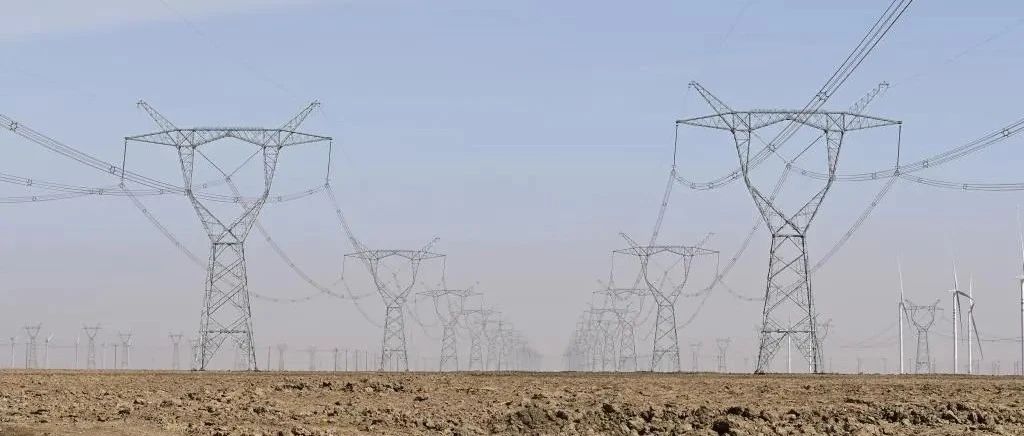
Core Viewpoint - The completion of the 750 kV transmission and transformation project around the Tarim Basin signifies a major infrastructure achievement in China, enhancing the power supply network in southern Xinjiang and supporting high-quality development in the region [1][5][10]. Group 1: Infrastructure Development - The 750 kV ultra-high voltage transmission ring network, spanning 4,197 kilometers, is the largest of its kind in China and has been constructed over 15 years [1]. - The project includes nearly 10,000 transmission towers and 9 substations, which facilitate the collection and distribution of various energy sources such as wind, solar, thermal, and hydroelectric power [3][8]. - The construction faced significant challenges due to the harsh desert environment, including shifting sands and steep terrains, requiring innovative solutions like building access roads and using cableways for material transport [12]. Group 2: Economic Impact - The project is expected to significantly boost electricity consumption in southern Xinjiang, with projections indicating a rise to 73.699 billion kWh by 2024, approximately six times the level in 2010 [5]. - The new infrastructure is likened to a "highway" for electricity, enabling large-scale power transmission across regions and enhancing energy security in southern Xinjiang [6]. - The project is anticipated to stimulate local economies, with companies like Xinjiang Guosheng Qicheng New Energy Co., Ltd. expecting to create jobs and increase production capacity due to improved energy supply [8]. Group 3: Strategic Importance - The "energy ring" is crucial for integrating renewable energy sources into the national grid, facilitating the "West-to-East Power Transmission" initiative by allowing solar power generated in southern Xinjiang to be sent to eastern regions [10]. - The project aligns with national energy strategies, aiming to reduce reliance on coal-fired power by enabling the development of 100 million kW of solar power in southern Xinjiang, potentially decreasing the need for 25 million kW of coal power [10].
媒体报道丨国产能源装备突破多项核心技术
国家能源局· 2025-07-14 08:06
Core Viewpoint - Recent breakthroughs in core equipment within the energy sector demonstrate China's technological strength and self-reliance in deep-sea and high-capacity machinery [1][2][3]. Group 1: Technological Breakthroughs - The first application of China's self-developed seven-function mechanical arm for deep-sea oil and gas operations marks a significant milestone in deep-sea equipment [1][2]. - The world's largest single-unit capacity 500 MW impulse turbine runner, with a diameter of 6.23 meters, has been successfully developed by Harbin Electric Group, indicating a historic breakthrough in high-head, large-capacity turbine technology [1][3]. - The Guangdong Zhaoqing 300 MW variable-speed pumped storage unit's AC excitation system has been officially launched, representing a major advancement in China's large-scale variable-speed pumped storage technology [1][3]. Group 2: Performance and Market Position - The seven-function mechanical arm weighs only 60 kg, which is 35% lighter than similar international products, and has a maximum load capacity of 125 kg, showcasing significant improvements in operational sensitivity under complex sea conditions [2]. - The new AC excitation system for the variable-speed pumped storage unit has a capacity exceeding ten times that of conventional units, ensuring precise control and output capabilities [3]. - The global first impulse turbine runner consists of 21 precision water buckets, with a total weight of approximately 80 tons, achieving breakthroughs in hydraulic performance and pressure resistance [3]. Group 3: Industry Development and Future Directions - China's energy equipment has reached a world-leading level, with key products and technologies in power transmission, generation, and renewable energy achieving independent research and manufacturing [4]. - Future development should focus on green energy equipment, breakthrough technologies for new energy storage stations, and the integration of artificial intelligence with energy equipment [4]. - Continuous investment in R&D is necessary to enhance core competitiveness and influence in the energy equipment sector [5].


新闻联播丨电力保供能力持续提升 全力以赴迎峰度夏
国家能源局· 2025-07-13 12:20
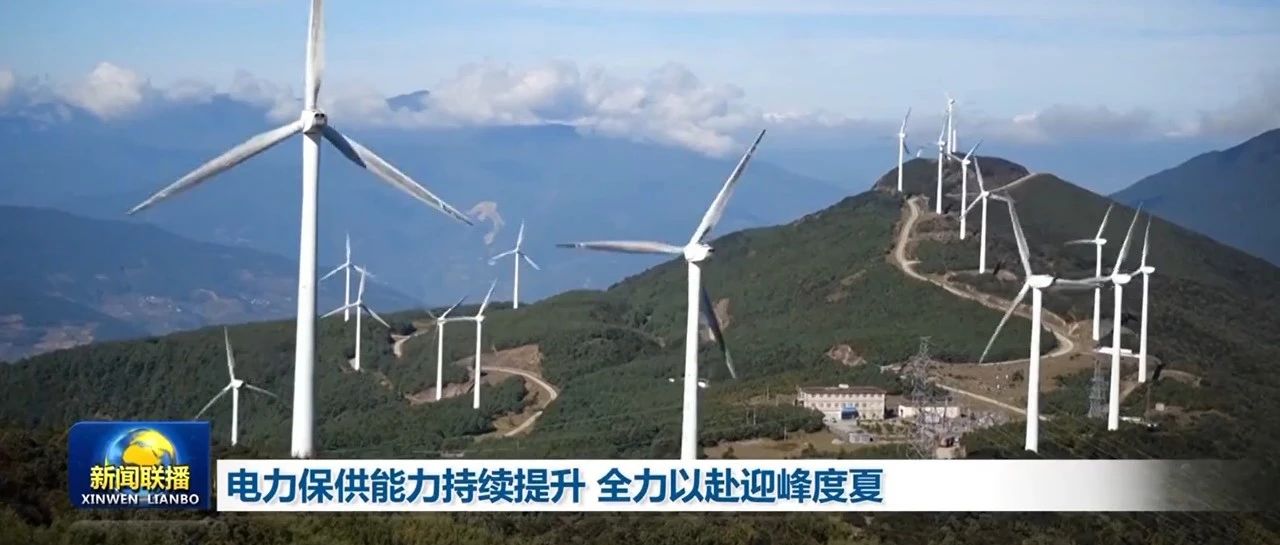
Core Viewpoint - The article highlights the increasing electricity demand in China due to rising temperatures, with measures being implemented to ensure power supply during the peak summer season [1]. Group 1: Electricity Demand and Supply - National Energy Administration reports that the maximum electricity load has reached a historical high of 1.467 billion kilowatts, an increase of approximately 150 million kilowatts compared to the same period last year [1]. - Ten provincial power grids, including Shandong, Jiangsu, Anhui, and Fujian, have set new records for electricity load 22 times [1]. Group 2: Measures for Power Supply - A total of 162 key projects for summer peak power supply were put into operation by the end of June [1]. - The utilization of ultra-high voltage power grid resources has been increased, with the State Grid transmitting over 225 million kilowatts of electricity [1]. Group 3: Coal and Gas Supply - The supply of thermal coal is stable and orderly, with coal inventories at national regulated power plants continuously increasing [1]. - As of now, the cumulative injection into underground gas storage facilities has exceeded 11 billion cubic meters, ensuring a stable supply of natural gas [1].
人民日报丨跨电网经营区常态化电力交易机制出台 电力资源流动将更顺畅
国家能源局· 2025-07-12 02:14
Core Viewpoint - The establishment of a normalized electricity trading mechanism across grid operating areas is a significant step towards building a unified national electricity market, which will enhance resource allocation and break market segmentation [1][2]. Group 1: Mechanism Implementation - The National Development and Reform Commission and the National Energy Administration have mandated that the State Grid Corporation and the Southern Power Grid Company unify market rules, trading varieties, and trading timing by the end of this year [1]. - The previous lack of a normalized trading mechanism between the two grids limited the utilization of inter-grid channels and the effectiveness of mutual assistance [1]. Group 2: Market Dynamics - The new mechanism is likened to a nationwide "online electricity mall," facilitating smooth resource flow between the State Grid and Southern Grid under unified trading rules, thereby enhancing market competition and resource efficiency [2]. - A significant cross-operating area market-based electricity transaction occurred, where over 20 billion kilowatt-hours of electricity from Guangdong, Guangxi, and Yunnan were transmitted to Shanghai, Zhejiang, Anhui, and Fujian to support local summer electricity supply [2]. Group 3: Future Goals - The plan outlines short-term, medium-term, and long-term goals for cross-grid trading, aiming for normalized trading cycles this year, including annual, monthly, and spot trading [2]. - The focus will also be on organizing multi-directional green electricity transactions to meet the demand in key regions such as the Yangtze River Delta and the Greater Bay Area, while exploring long-term green electricity trading agreements [2]. Group 4: Technical Enhancements - Continuous improvement of cross-grid trading rules and strengthening of technical platform interconnectivity and information sharing are essential for achieving "one registration, nationwide sharing" for market participants [3].

国家发展改革委 国家能源局关于跨电网经营区常态化电力交易机制方案的复函
国家能源局· 2025-07-11 09:42
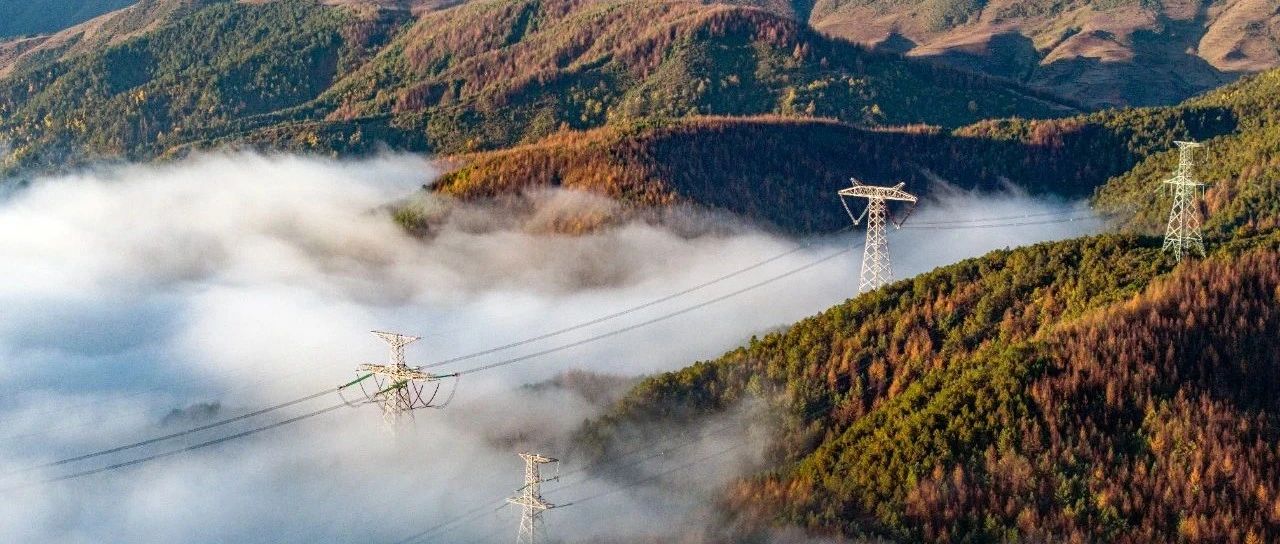
Core Viewpoint - The implementation of a normalized electricity trading mechanism across power grid operating areas is a significant step towards establishing a unified national electricity market, promoting resource optimization and interconnectivity [3][4]. Group 1: Implementation and Significance - The normalized electricity trading mechanism is approved and should be organized for implementation by the State Grid Corporation and China Southern Power Grid [2][3]. - This mechanism is a key measure to break market segmentation and regional blockades, optimizing electricity resource allocation nationwide [3]. - The collaboration between the State Grid Corporation and China Southern Power Grid is essential to enhance the efficiency of inter-grid channel utilization and ensure the effective operation of the unified electricity market system [3]. Group 2: Operational Guidelines - During the peak summer period of 2025, the mechanism should be utilized to optimize electricity resource allocation and support supply security [3]. - By the end of the year, efforts should be made to unify market rules, trading varieties, and trading timing to achieve normalized trading across grids [3]. - The companies are required to fulfill their responsibilities, improve trading rules, and enhance technical platform interconnectivity and information sharing [3]. Group 3: Regulatory Support - The National Development and Reform Commission and the National Energy Administration will continue to strengthen guidance on normalized trading and improve supporting policies [4]. - There will be a focus on timely coordination to resolve issues and further enhance the national unified electricity market system [4].

国家发展改革委办公厅 国家能源局综合司关于2025年可再生能源电力消纳责任权重及有关事项的通知
国家能源局· 2025-07-11 09:41
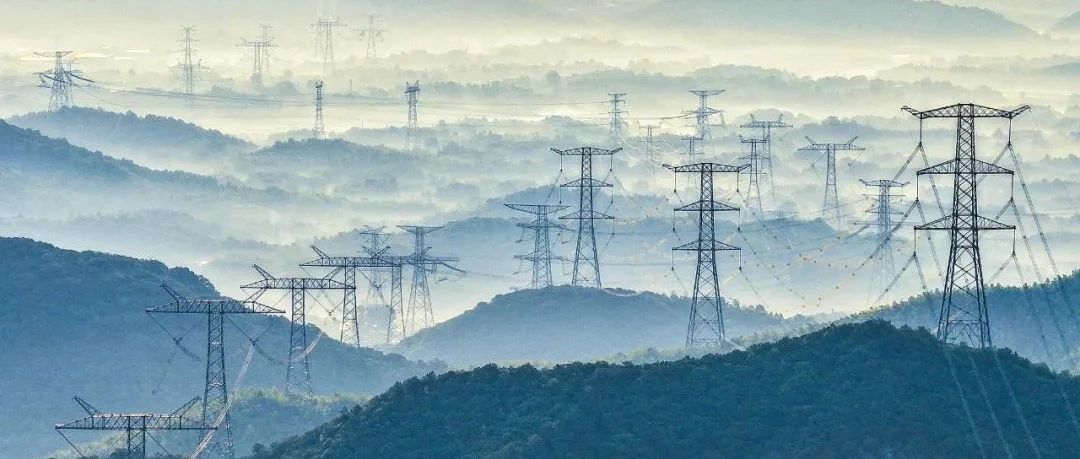
Core Viewpoint - The document outlines the renewable energy power consumption responsibility weights for 2025 and 2026, emphasizing the need for provinces to enhance their renewable energy consumption and green electricity usage in key industries to support carbon neutrality goals [2][3]. Group 1: Renewable Energy Consumption Responsibility Weights - The 2025 renewable energy power consumption responsibility weight is a binding indicator for provinces, while the 2026 weight is a target for project preparation [2]. - Provinces are required to optimize the scale of renewable energy included in the sustainable development pricing settlement mechanism based on the 2025 consumption responsibility weight completion [2][4]. Group 2: Green Electricity Consumption in Key Industries - In addition to the electrolytic aluminum industry, the 2025 green electricity consumption ratio will also include steel, cement, polysilicon industries, and newly established data centers [3]. - The completion of green electricity consumption ratios for key industries will be monitored, with specific assessments for the electrolytic aluminum industry in 2025 [4]. Group 3: Implementation and Reporting Requirements - Provincial energy authorities must develop and implement plans to ensure the responsibility weights and green electricity consumption ratios are effectively distributed among key industries [5]. - By July 2025, provinces must report their implementation plans, and by February 2026, they must report on the completion of their renewable energy consumption responsibilities [5][6]. Group 4: Monitoring and Coordination - The National Energy Administration will monitor the implementation of renewable energy consumption responsibilities and green electricity consumption ratios quarterly [6]. - Electric grid companies are required to cooperate with provincial energy authorities to facilitate the integration and consumption of renewable energy [5].
“咬定青山不放松,坚定有序向前推进”——习近平总书记在山西考察纪实
国家能源局· 2025-07-11 03:14
Group 1 - The core viewpoint emphasizes the importance of reform and transformation in Shanxi's economy, particularly in the context of the "14th Five-Year Plan" and the upcoming "15th Five-Year Plan" [1][11] - Xi Jinping's visit to Shanxi aims to encourage the province to firmly advance its transformation and development, highlighting the need for a multi-faceted industrial structure to overcome reliance on coal [1][13] - The focus on technological innovation is crucial for traditional industries to upgrade and develop new productive forces, as stated during Xi's visit to Yangquan Valve Co., Ltd [4][6][7] Group 2 - Shanxi's historical reliance on coal has led to a singular industrial structure, necessitating a shift towards a diversified economic model [11][12] - The province has been identified as a national pilot for comprehensive reform in resource-based economic transformation, with the goal of achieving high-quality and sustainable development [13][14] - Xi Jinping's remarks during the visit underscore the need for a balanced approach to development, emphasizing the importance of maintaining traditional industries while fostering new growth areas [14][15]

新华社丨“北气南下”能源大通道输送天然气突破1000亿立方米
国家能源局· 2025-07-11 03:03
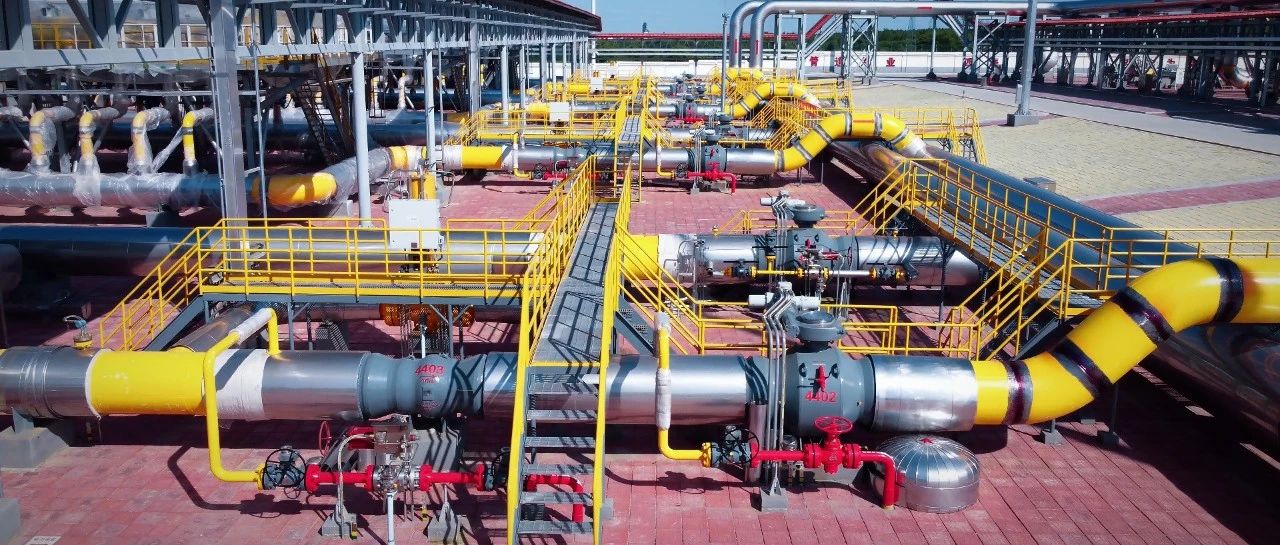
Core Viewpoint - The "North Gas Southward" energy corridor has achieved significant progress in ensuring national energy security and promoting green transformation, with cumulative gas transmission exceeding 100 billion cubic meters and safe operation for over 2000 days [1] Group 1: Infrastructure and Capacity - The "North Gas Southward" energy corridor, a key infrastructure built during China's 14th Five-Year Plan, runs from Heihe in Heilongjiang to Shanghai, passing through nine provinces and municipalities. Since the northern section was put into operation in 2019, it has an average daily gas transmission of over 11 million cubic meters and an annual capacity of 38 billion cubic meters, meeting the annual gas needs of 130 million urban households and benefiting over 400 million people along the route [3] - This corridor is China's first long-distance pipeline with fully domestically produced key equipment and core control systems, breaking multiple technical barriers and achieving 100% localization of critical components [3] Group 2: Technological Advancements - The construction of the corridor has filled domestic gaps in construction technology for extremely cold regions and has developed advanced detection and monitoring technologies, including fiber optic safety warning systems and intelligent inspection drones, marking a shift from technology importation to independent innovation in pipeline construction [3] Group 3: National Supply Network - The pipeline interconnects with other systems like the Northeast pipeline and West-to-East gas transmission, forming a national gas supply network that enhances emergency peak-shaving capabilities. By the first half of 2025, the corridor is expected to supply nearly 15.7 billion cubic meters of natural gas to the Yangtze River Delta, accounting for one-third of the region's current gas consumption [5] - During the summer peak demand period this year, the pipeline supplied 6 million cubic meters of gas daily to Shanghai and Zhejiang, a 4% increase compared to the same period in 2024, alleviating supply pressure in East China [5] Group 4: Environmental Impact and Green Transition - The "North Gas Southward" energy corridor emphasizes green and low-carbon principles, implementing ecological restoration mechanisms and ensuring environmental safety along the pipeline. The transmission of 100 billion cubic meters of natural gas is equivalent to planting 820 million fir trees, contributing to air purification [5] - The corridor supports the green upgrade of industries such as steel and chemicals along its route, aiding in the achievement of carbon neutrality goals [5] Group 5: Strategic Importance - The corridor acts as a "green link" connecting various national strategic regions, including the revitalization of Northeast China, coordinated development in Beijing-Tianjin-Hebei, and integration in the Yangtze River Delta. As the national unified energy market accelerates, this energy artery will continue to release potential for high-quality development and contribute to the construction of a beautiful China [6]