国家能源局

Search documents
《2024年度中国电力市场发展报告》
国家能源局· 2025-07-17 09:28
Core Viewpoint - The report highlights significant progress in the construction of China's unified electricity market in 2024, emphasizing the establishment of various market mechanisms and the promotion of clean energy, with a focus on achieving a unified, efficient, and sustainable future for the energy system by 2025 [4][6]. Group 1: Overview of the 2024 Electricity Market - In 2024, the total installed power generation capacity reached 3,349 million kilowatts, with an increase of 429 million kilowatts, of which wind and solar power accounted for 358 million kilowatts, representing a year-on-year growth of 33.9% [9][10]. - The total electricity generation in 2024 was 10.09 trillion kilowatt-hours, a year-on-year increase of 6.7%, with wind and solar contributing 3,660 billion kilowatt-hours, accounting for 58.1% of the total increase [11][12]. - The total electricity consumption reached 9.85 trillion kilowatt-hours, growing by 6.8% year-on-year, with an average annual growth rate of 6.6% from 2016 to 2024 [13]. Group 2: Market Progress and Achievements in 2024 - The number of market participants increased to 816,000, a year-on-year growth of 8.9%, with 35,000 power generation companies and 774,000 electricity users [17]. - The total market-based electricity trading volume reached 6.18 trillion kilowatt-hours, a 9.0% increase, accounting for 62.7% of total electricity consumption [20][22]. - Cross-provincial and cross-regional medium- and long-term trading volume reached 1.39 trillion kilowatt-hours, a year-on-year increase of 19.8% [28]. Group 3: Market Mechanism and Structure - The inter-provincial electricity spot market officially commenced operations on October 15, 2024, covering the entire national grid and promoting inter-provincial electricity mutual assistance [43]. - The inter-provincial spot market recorded a total transaction volume of 37.631 billion kilowatt-hours in 2024, with an average transaction price of 0.412 yuan per kilowatt-hour [44]. - The southern regional electricity market achieved significant progress, with over 200,000 registered market participants and a market-based electricity volume accounting for 72.5% of total sales [50]. Group 4: Regulatory and Rule System Development - The basic rule system for the electricity market was initially established, including the issuance of fundamental rules for market operation, information disclosure, and registration [73][74]. - The green electricity market saw a substantial increase, with green certificate transactions reaching 446 million, a year-on-year growth of 364% [76]. - The auxiliary service market expanded, with total costs amounting to 40.25 billion yuan, and the average cost per kilowatt-hour for users was 0.0008 yuan [68]. Group 5: Future Outlook for 2025 - The unified electricity market is expected to be initially established by 2025, serving as a platform to gather consensus and address reform challenges [6]. - The report emphasizes the need for continued efforts to enhance market efficiency and sustainability, supporting the transition to a clean, low-carbon energy system [6].


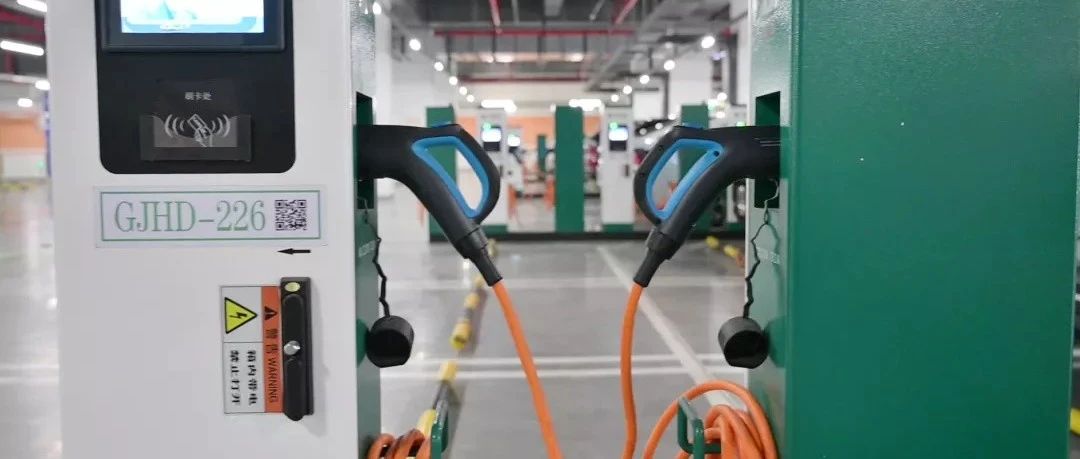
经济日报丨充电设施升级破解“里程焦虑”
国家能源局· 2025-07-17 07:18
Core Viewpoint - The construction of high-power charging facilities is a crucial step to alleviate the "range anxiety" faced by electric vehicle users, particularly for long-distance travelers, and aims to enhance the overall efficiency of the electric vehicle market [1][2]. Group 1: Current Challenges and Solutions - Electric vehicle users currently experience long waiting times and poor charging experiences, especially during peak travel periods, due to insufficient charging stations and uneven distribution [1]. - High-power charging facilities, with an output power exceeding 250 kW, are proposed to significantly reduce charging times by enhancing current and voltage parameters, thereby improving user experience [1][2]. Group 2: Benefits of High-Power Charging Facilities - The implementation of high-power charging facilities can unlock the potential of the electric vehicle market by reducing "range anxiety" and improving operational efficiency for high-frequency usage vehicles such as taxis and logistics vehicles [2]. - Recent advancements in third-generation semiconductor charging technology, particularly silicon carbide, have improved charging efficiency and reduced energy loss, facilitating the development of high-power charging facilities [2]. Group 3: Regulatory and Technical Considerations - The new policy outlines specific requirements for the construction of high-power charging facilities, including prioritizing upgrades for facilities with over 40% utilization during major holidays to prevent resource waste [3]. - It emphasizes the importance of standardization in charging interfaces and communication protocols to ensure compatibility and user convenience [3]. - The integration of high-power charging facilities with the power grid is essential to manage the impact of high power loads, necessitating upgrades to the distribution network to enhance capacity and response capabilities [3].
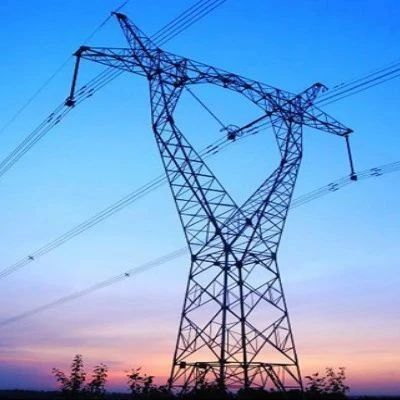
经济日报丨筑牢迎峰度夏电力安全防线
国家能源局· 2025-07-17 03:12
Core Viewpoint - The article emphasizes the importance of ensuring stable electricity supply during the peak summer demand period, highlighting the need for a comprehensive support system to address the challenges posed by rising electricity consumption and the integration of renewable energy sources [1][2]. Group 1: Electricity Demand and Supply - The highest electricity load during the peak summer period is expected to increase by approximately 10 million kilowatts year-on-year, necessitating robust power supply measures [1]. - As of the end of May this year, the total installed power generation capacity reached 361 million kilowatts, reflecting a year-on-year growth of 18.8% [1]. - The construction and operation of ultra-high voltage direct current transmission channels, such as those from Gansu to Shandong and Xinjiang to Chongqing, support electricity demand in densely populated and industrial areas [1]. Group 2: Challenges in Power System Operation - The integration of intermittent and volatile renewable energy sources complicates real-time power balance, alongside increased demand from air conditioning and industrial sectors [2]. - The current trading rules for cross-provincial and cross-regional electricity resource allocation are not sufficiently refined, limiting the potential for resource sharing across the national grid [2]. - There is a need for improved precision and intelligence in load response mechanisms, as well as broader and deeper user participation in the electricity market [2]. Group 3: Risk Monitoring and Emergency Management - Establishing a comprehensive electricity safety risk monitoring and early warning system is crucial for real-time monitoring of key indicators such as grid operation status and coal inventory [2]. - The use of big data and artificial intelligence can enhance the accuracy and timeliness of risk predictions, allowing for proactive measures to be taken [2]. - Strengthening the management of electricity equipment and emergency response capabilities is essential for maintaining system stability and ensuring rapid recovery from incidents [3]. Group 4: Optimization of Power Dispatch Mechanism - Improving the electricity dispatch system by considering factors such as generation costs, grid safety, and environmental requirements can enhance overall system efficiency and reliability [4]. - Regional cooperation in electricity sharing through agreements and exchanges can facilitate better resource allocation and collective responses to peak electricity demand [4].
人民日报丨全国最大电力负荷首破15亿千瓦
国家能源局· 2025-07-17 03:12
Core Viewpoint - The national maximum electricity load has surpassed 1.5 billion kilowatts for the first time, reaching 1.506 billion kilowatts, indicating a significant increase in electricity demand during the summer peak season [2]. Group 1: Electricity Load and Demand - The maximum electricity load reached 1.506 billion kilowatts, an increase of 0.55 billion kilowatts compared to last year [2]. - This new record follows previous highs of 1.465 billion kilowatts on July 4 and 1.467 billion kilowatts on July 7 [2]. - The increase in electricity load is attributed to higher temperatures and positive economic growth trends, with 16 provincial power grids breaking historical highs 36 times since the beginning of summer [2]. Group 2: Measures Taken for Power Supply - Various measures have been implemented by local electricity departments to meet the rising electricity demand, focusing on power generation, grid management, and consumption [2]. - In Jiangsu, large-scale new energy storage systems have been utilized to discharge power during peak demand, capable of supplying electricity for approximately 48 million households for one hour [2]. - In Guangdong, a virtual power plant management platform in Shenzhen supports grid stability by coordinating charging stations, air conditioning, electric vehicles, and energy storage resources [2]. Group 3: Overall Power Supply Situation - The overall electricity supply in the country remains stable, with the National Energy Administration closely monitoring supply and demand dynamics, fuel supply, water storage, and extreme weather conditions [3]. - The administration is coordinating to optimize inter-regional power support and is committed to ensuring reliable electricity supply through tailored strategies for each province during the summer peak [3].

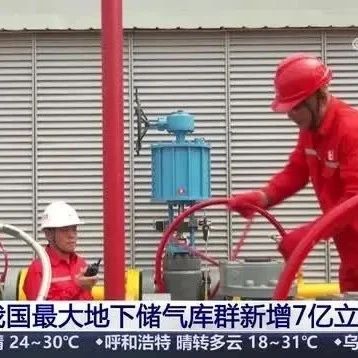
媒体报道︱我国最大的地下储气库群再扩容,为华北地区及黄河流域季节调峰、应急供气提供保障
国家能源局· 2025-07-16 12:21
储气库因其功能类似于粮食储备,也被称作"天然气的地下粮仓",通过"夏注冬采"的运行模式调节 天然气供需矛盾,保障能源安全。 中原储气库群由7座储气库组成,不仅是国内最大的储气库群,也是储气类型最多的储气库群。相 关负责人介绍,"十五五"期间,中原油田还将建设多座储气库,预计中原储气库群库容规模可达 196.85亿立方米。 (来源:央视网 ) 7月15日,记者从中国石化获悉,我国最大的地下储气库群——中原储气库群再度扩容,规模增加 到7座,新增库容7.08亿立方米,为京津冀在内的华北地区及黄河流域季节调峰、应急供气提供保 障。 新投产的白庙浅层储气库位于山东省菏泽市,随着调度指令的下达,来自鄂尔多斯盆地的天然气增 压后存入3000米深的地下气藏。专家介绍,白庙浅层储气库设计库容量7.08亿立方米,工作气量 3.43亿立方米,日注气规模240万立方米,日采气规模500万立方米,在用气高峰期可满足500万 户家庭的日用气需求。 ...

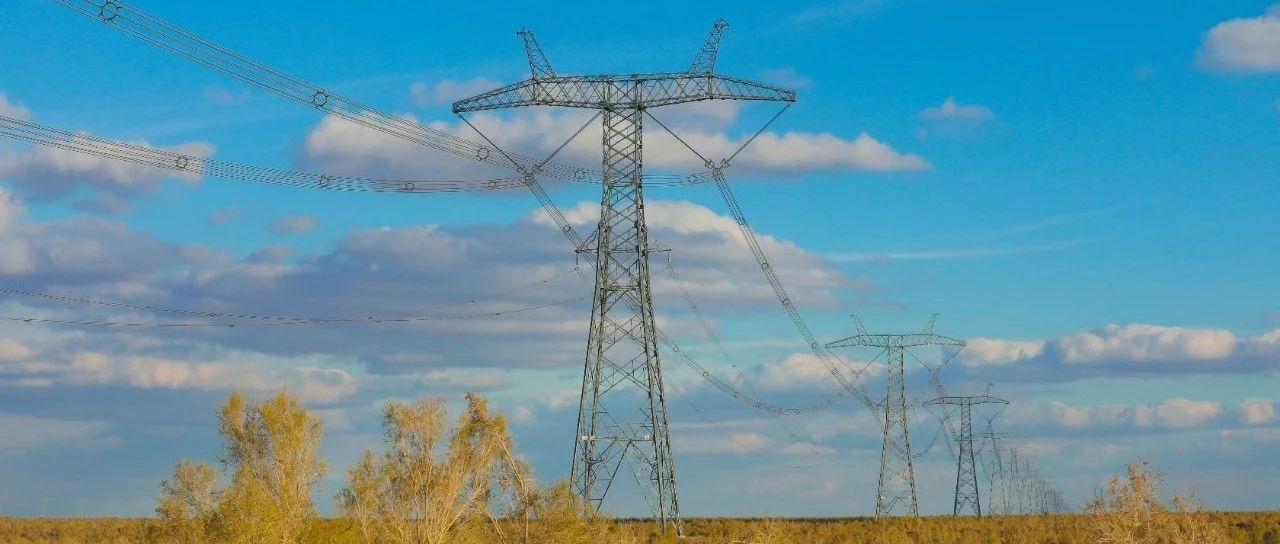
国家能源局:7月16日全国电力负荷再创历史新高,首次突破15亿千瓦
国家能源局· 2025-07-16 12:21
Core Viewpoint - The article highlights the record-breaking electricity load in China, which has surpassed 1.5 billion kilowatts for the first time, indicating a strong demand driven by high temperatures and economic growth [1]. Group 1: Electricity Load Records - On July 16, 2023, the national maximum electricity load reached 1.506 billion kilowatts, an increase of 0.055 billion kilowatts compared to the previous year [1]. - The electricity load has been consistently high, with multiple regions breaking historical records, totaling 36 instances across 16 provincial power grids since the beginning of summer [1]. Group 2: Factors Influencing Electricity Demand - The increase in electricity load is attributed to higher-than-normal temperatures and a positive economic growth trend [1]. - The article notes that the majority of regions in the country are experiencing elevated temperatures compared to the same period in previous years, contributing to the surge in electricity demand [1]. Group 3: Supply and Management Measures - Overall, the national electricity supply remains stable, with the National Energy Administration closely monitoring the supply-demand situation and fuel availability [1]. - The administration is coordinating efforts to optimize inter-regional electricity support and is implementing tailored strategies for each province to ensure reliable electricity supply during peak summer demand [1].
中共国家发展和改革委员会党组:加快构建新发展格局
国家能源局· 2025-07-16 04:26
Core Viewpoint - The article emphasizes the strategic importance of constructing a new development pattern in China, focusing on high-quality economic development and self-reliance as a response to both domestic and international challenges [1][2]. Group 1: Understanding the New Development Pattern - The new development pattern is characterized by a domestic major circulation as its main body, addressing the need for a strong domestic market to enhance economic resilience [3][4]. - It is an open dual circulation model that connects domestic and international markets, aiming to utilize global resources while enhancing domestic economic capabilities [4][5]. Group 2: Advantages of the New Development Pattern - The strategy reflects the central leadership's deep understanding of China's economic and social development, leading to significant progress in policy implementation and institutional improvement [7]. - The domestic major circulation's internal driving force is strengthening, with consumer spending contributing an average of 56.2% to economic growth from 2021 to 2024 [8]. Group 3: Key Components for Implementation - The smooth operation of economic circulation is crucial, requiring a balance between supply and demand, and addressing existing bottlenecks [5][6]. - Emphasis on technological self-reliance is vital for ensuring the stability of domestic circulation and gaining advantages in international circulation [6][11]. Group 4: Enhancing Domestic Demand - The strategy includes expanding effective investment and boosting consumption through various supportive policies, aiming to enhance the overall economic structure [17][18]. - The integration of technology and industry innovation is prioritized to foster new economic growth drivers and improve productivity [18]. Group 5: Regional and International Cooperation - The article highlights the importance of coordinated regional development and the integration of urban and rural economies to optimize the domestic circulation space [19][20]. - It advocates for high-level opening-up to better leverage international circulation, enhancing trade and investment quality [20][21].

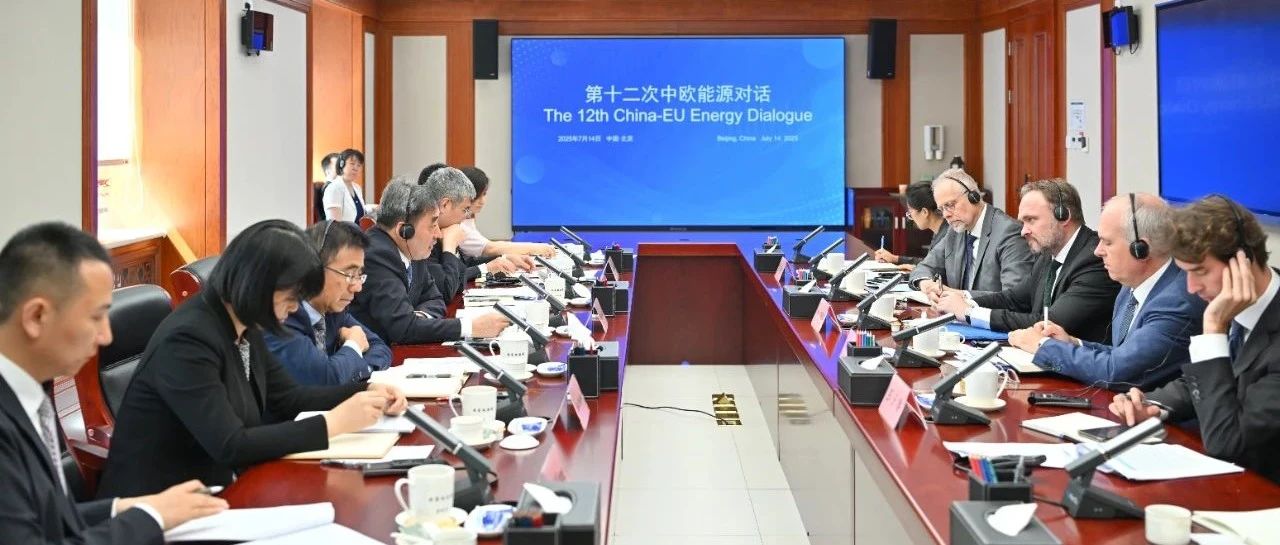
第十二次中欧能源对话联合简报
国家能源局· 2025-07-15 11:37
Core Viewpoint - The overarching objective of China-EU energy cooperation is to expedite the global transition to clean energy while ensuring energy security to address global climate change challenges [6][7]. Group 1 - The 12th meeting of the China-EU Energy Dialogue was held on July 14, 2025, in Beijing, co-hosted by Wang Hongzhi and Dan Jørgensen [5][6]. - Both sides agreed to sustain cooperation on various aspects of the clean energy transition, including accelerating the transition, ensuring energy security, enabling benefits of the transition, and energy market design [6][7]. - The EU-China Energy Cooperation Platform (ECECP) and the China-Europe Energy Innovation Cooperation Platform (CEEI) participated in the dialogue meeting [2][7].
新华社丨《求是》杂志发表习近平总书记重要文章《坚定不移推进高水平对外开放》
国家能源局· 2025-07-15 08:46
Core Viewpoint - The article emphasizes the importance of high-level opening up to promote China's development and the world's prosperity, asserting that China's door to openness will only continue to widen [1][2]. Group 1: High-Level Opening Up - Continuous expansion of high-level opening up is essential for achieving high-quality economic development in China [2]. - The strategy includes attracting global resources through domestic circulation and enhancing the interaction between domestic and international markets [2]. - There is a focus on institutional openness, aligning with international standards, and reforming foreign trade and investment management systems to create a top-tier business environment [2]. Group 2: Foreign Investment Policies - China's policies on utilizing foreign investment remain unchanged, positioning the country as a safe and attractive destination for foreign investors [3]. - The country boasts the world's second-largest consumer market and the largest middle-income group, indicating significant investment and consumption potential [3]. - China is committed to opposing unilateralism and protectionism, advocating for true multilateralism and inclusive economic globalization [3].

习近平:坚定不移推进高水平对外开放
国家能源局· 2025-07-15 08:46
Core Viewpoint - China is committed to high-level opening-up, emphasizing the importance of integrating into the global economy and promoting mutual benefits through international cooperation [1][2][3]. Group 1: Economic Globalization and Opening-Up - Economic globalization is an objective requirement for the development of social productivity and technological progress, and it is not artificially created by any individual or country [14]. - China has actively participated in global economic governance and aims to promote a fair and just international economic order [11][28]. - The past 40 years of China's economic development have demonstrated that progress comes from openness, while isolation leads to stagnation [21][22]. Group 2: Strategies for Opening-Up - China will continue to expand its market access, reduce the negative list for foreign investment, and enhance the level of openness in the service sector [19][31]. - The Belt and Road Initiative is a significant strategic measure for expanding openness and enhancing economic diplomacy [8][19]. - The country aims to create a new high-level open economic system, focusing on institutional openness and improving the business environment for foreign investors [24][37]. Group 3: International Cooperation and Trade - China supports multilateralism and aims to maintain a stable global supply chain, opposing unilateralism and protectionism [46][48]. - The country encourages cooperation with all nations willing to engage, fostering a multi-layered and diversified open cooperation framework [12][24]. - China is committed to building a high-standard free trade zone network and enhancing international economic cooperation [27][31]. Group 4: Legal and Regulatory Framework - The rule of law is essential for high-level opening-up, and China will strengthen its legal framework to protect foreign investments and ensure a transparent business environment [37][38]. - The country will actively align with high-standard international economic and trade rules, promoting a market-oriented and law-based business environment [40][41]. Group 5: Future Outlook - China views itself as a significant opportunity for global development, welcoming cooperation from all countries and emphasizing mutual respect and support [34][49]. - The nation aims to leverage its vast market potential to attract global resources and enhance the synergy between domestic and international markets [30][31].