格隆汇APP

Search documents
穿透消费分化迷雾:CBI品牌榜中的“真增长”挖掘
格隆汇APP· 2026-01-15 11:15
Core Insights - The article highlights the steady recovery of China's consumer market since 2025, with a year-on-year growth of 6.8% in retail sales of consumer goods in the first three quarters, contributing 53.5% to economic growth [2] - However, the consumer sector faces challenges with increasing internal differentiation, where traditional brands struggle due to lack of innovation while new brands succeed through technological breakthroughs and innovative models [2][3] Group 1: Consumer Brand Landscape - The CBI500 ranking reflects a stable top tier of brands, emphasizing the "stronger get stronger" logic in the consumer market [7] - Leading brands like Apple, Xiaomi, Midea, Huawei, and Haier maintain competitive barriers through balanced performance across four dimensions: brand awareness, innovation, loyalty, and reputation [8][10] - DJI and Pop Mart have shown significant growth, with DJI entering the top ten for the first time, driven by continuous technological innovation and market expansion [11][16] Group 2: Brand Performance and Growth Strategies - DJI's growth is attributed to its focus on technology innovation and creating benchmark products, leading to a 66% market share in the global action camera market as of Q3 2025 [11][14] - Pop Mart's rise in the rankings is due to its strong loyalty metrics and effective IP matrix operation, which resonates with emotional consumer needs [19][20] - The brand's strategy includes a robust membership system that enhances customer loyalty through emotional engagement [19] Group 3: Market Differentiation and Opportunities - The differentiation in the consumer market presents challenges for traditional brands while creating opportunities for those that adapt to trends [21][22] - Brands like Fenjiu have successfully capitalized on changing consumer preferences, with a notable increase in their ranking due to a focus on younger consumers [26] - The article emphasizes the importance of aligning with policy support and consumer trends to identify quality brands that can thrive in a competitive landscape [27][28] Group 4: CBI Index and Its Value - The CBI index serves as a data-driven tool for observing the consumer market, helping investors identify brands that capture product innovation opportunities and possess resilience against economic cycles [30][31] - The index's multidimensional evaluation framework allows for a deeper understanding of consumer demand and brand performance, aiding in long-term investment decisions [32]








谷歌开启AI购物意向截流战,电商格局要变天?
格隆汇APP· 2026-01-15 11:15
Core Viewpoint - Google has launched the Universal Commercial Protocol (UCP) to standardize interactions between AI agents and retailers, aiming to transform AI shopping from a niche experience into a fundamental industry standard, akin to the HTTP protocol for the internet [4][9][10]. Group 1: UCP Overview - UCP is an open-source protocol that provides a unified standard for product discovery, ordering, payment, and after-sales service, allowing different platforms and merchants to be accessed by a common AI agent [5]. - The protocol enables consumers to complete shopping through natural language across various platforms, moving the decision-making process from individual platforms to AI agents [5][11]. Group 2: Comparison with Previous Protocols - UCP builds on the earlier Agent Commerce Protocol (ACP) introduced by OpenAI, which had limitations in its closed ecosystem, restricting access to specific merchants [7][9]. - UCP aims to democratize AI shopping by breaking down entry points and leveraging Google's vast user base of 3 billion, allowing purchases across multiple interfaces like Gemini, Android, and YouTube [13][19]. Group 3: Enhanced Capabilities - UCP connects to Google's Shopping Graph, which contains 50 billion data points, enabling AI agents to understand dynamic inventory, size recommendations, and trending accessories, thus enhancing the shopping experience [14][15]. - The protocol also improves after-sales service by allowing AI agents to handle returns, delivery modifications, and logistics tracking, evolving from a temporary guide to a personal shopping assistant [18]. Group 4: Market Implications - In the short term, UCP is expected to drive significant traffic to participating merchants by utilizing Google's ecosystem, potentially leading to a surge in sales [20][22]. - However, there is a concern that this could lead to the dilution of brand identity, as AI agents prioritize hard metrics over emotional connections, reducing brands to mere data points in a comparison list [24][25]. Group 5: Competitive Landscape - Amazon is identified as the most affected competitor, facing challenges from Google's strategy to intercept traffic before it reaches Amazon, leveraging partnerships with traditional retailers [28][30]. - In response, Amazon is enhancing its AI shopping capabilities through Alexa, aiming to secure user engagement at the initial shopping thought stage [34][35]. Group 6: Domestic Market Dynamics - In the domestic market, Alibaba is actively pursuing AI shopping integration across its ecosystem, while ByteDance faces strategic challenges due to conflicting business models between content-driven commerce and efficiency-focused AI shopping [39][41]. - Alibaba's recent app updates have led to rapid user growth, while ByteDance's hesitation reflects the complexities of balancing its existing content ecosystem with emerging AI shopping trends [43][45]. Group 7: Future Outlook - Both Google and OpenAI are in the early stages of implementing their shopping experiences, with full functionality expected to roll out in the near future [47]. - The true commercial potential will be realized once these technologies are fully operational and consumer acceptance is established, indicating a significant market opportunity in the evolving landscape of AI-driven commerce [48].



开宠物医院年入17亿!天津冲出一家IPO,玛氏中国、高盛旗下公司入股
格隆汇APP· 2026-01-15 11:15
Group 1 - The core viewpoint of the article highlights the successful IPO of a pet hospital in Tianjin, which is projected to generate an annual revenue of 1.7 billion yuan [1] - The company has attracted investments from major players such as Mars China and a subsidiary of Goldman Sachs, indicating strong market confidence [1] Group 2 - The pet healthcare industry is experiencing significant growth, driven by increasing pet ownership and rising spending on pet care services [1] - The article emphasizes the potential for further expansion in the pet hospital sector, suggesting a favorable investment landscape for stakeholders [1] - The financial performance of the company is underscored by its impressive revenue figures, positioning it as a leader in the pet healthcare market [1]

政策重构!2026年万亿赛道蓄势爆发!
格隆汇APP· 2026-01-14 07:04
Core Insights - The AI industry is experiencing a historic development opportunity, with the energy storage sector transforming from a marginal support role to a core engine for the stable operation of the AI power era [2][3] - By 2026, the energy storage industry is expected to enter a historic opportunity period characterized by large-scale and high profitability, driven by policy marketization, technological breakthroughs, and global demand [3][4] Policy Restructuring - The profound changes in China's energy storage industry by 2025 stem from a systematic upgrade of the policy framework, marking a shift from "administrative intervention" to "market empowerment" [9] - The introduction of the "Document 136" in February 2025 ended the "mandatory storage" model, transitioning the industry to a "market profit-oriented" approach, which has significantly boosted project orders [9][10] - The National Development and Reform Commission and other departments have implemented measures to control irrational behaviors in the industry, indicating a fundamental shift in competitive logic [10][11] Market Demand and Growth - The energy storage market is expected to experience explosive demand growth in 2026, driven by multiple scenarios including renewable energy, grid upgrades, and AI data centers, with a market space exceeding trillions [12][13] - The global energy transition is accelerating, with over 130 countries setting "carbon neutrality" goals, and China's new power system construction entering a critical phase [13][14] - The demand for energy storage is increasing as it is the only effective means to address the intermittency and volatility of renewable energy [14][15] Industry Performance and Investment Opportunities - The energy storage industry is projected to see a significant increase in installed capacity, with the IEA predicting a growth of 380% by 2030, reaching 1200GW [17] - The domestic market is characterized by a diversified growth pattern, with significant contributions from renewable energy storage, user-side storage, grid-side storage, and overseas markets [20][21] - The performance of leading companies in the energy storage sector is strong, with significant revenue growth reported by major players like Sungrow and CATL [28][29] Investment Tools and Strategies - The energy storage battery ETF (159566) is highlighted as an effective investment tool for participating in the industry's growth and capturing market opportunities [30] - The ETF tracks the core segments of the energy storage industry, including lithium-ion batteries and system integration, with a high concentration of leading companies [30][31] - Historical performance shows that the ETF has outperformed other indices, with a 10-year annualized return of 12% and a significant increase in market size [33][34] Future Outlook - The energy storage sector is positioned as a strategic core for ensuring stable and sustainable power supply in the AI era, with ongoing technological advancements expected to expand its application boundaries [35][36] - The industry is entering a golden development period, with leading companies poised to benefit from high-quality orders and performance realization [36][37]


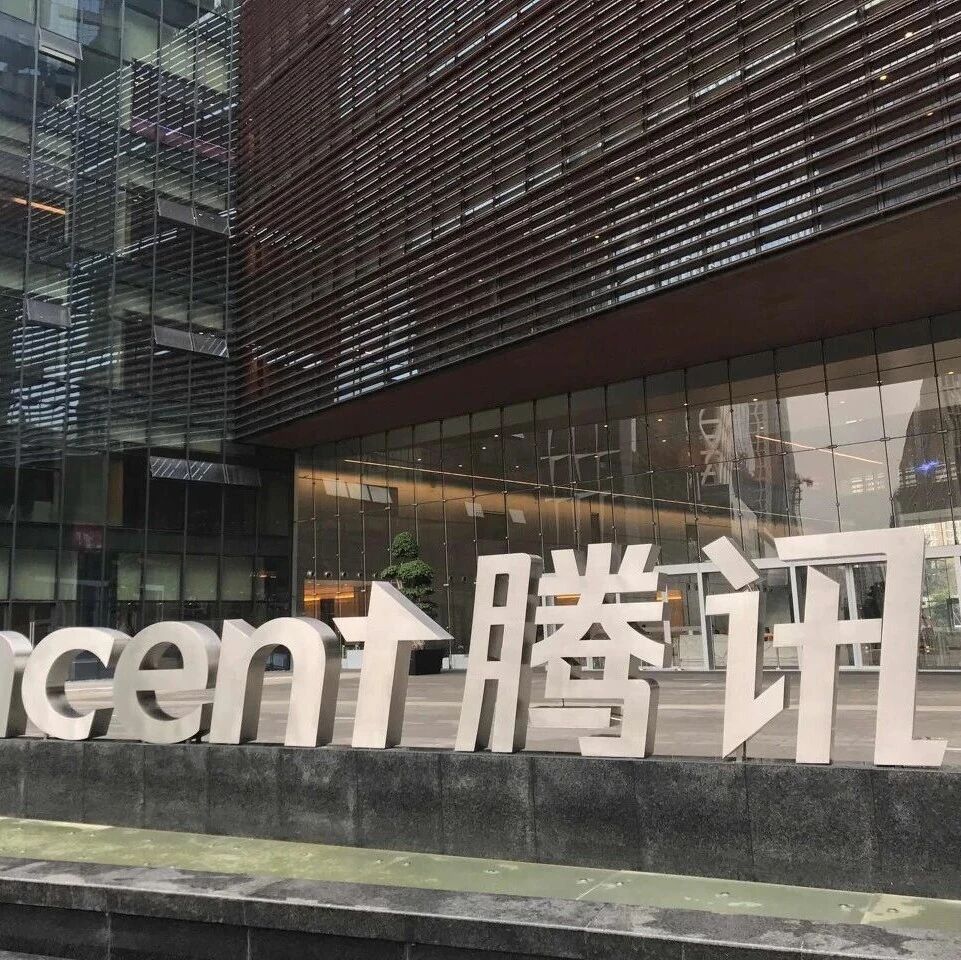
格隆汇2026“下注中国”十大核心资产之腾讯控股
格隆汇APP· 2026-01-14 07:04
Core Viewpoint - Tencent Holdings has been recognized as a core asset in the digital economy for 2026, showcasing its ability to transform into a new growth certainty in the AI era, supported by a robust social content ecosystem and consistent cash flow generation [2][38]. Group 1: Organizational Stability and Governance - Tencent maintains a "low-frequency adjustment, high stability" governance model, which contrasts with the frequent organizational changes seen in many internet companies, providing a solid foundation for long-term strategic execution [3][4]. - The management structure is clearly defined, with Ma Huateng as Chairman and CEO overseeing strategic direction, while President Liu Chiping manages overall strategy execution and capital allocation [4]. Group 2: Revenue Structure and Ecosystem - Tencent's revenue structure is balanced and stable, with three core segments: value-added services (49%), online advertising (18%), and fintech and enterprise services (32%) for 2024 [7][8]. - The social network, primarily through WeChat and QQ, serves as a foundational asset, with WeChat reaching 1.411 billion monthly active accounts by June 2025, making it the most frequently used super app in China [9][10]. Group 3: Gaming and Cash Flow - The gaming business is a key cash flow engine, with flagship products like "Honor of Kings" and "Peacekeeper Elite" maintaining strong revenue streams, achieving a record quarterly revenue of 59.5 billion yuan [12]. - Tencent's gaming strategy focuses on lifecycle management and global distribution, leveraging AI technology across the development and operational processes to enhance efficiency and cost control [12][19]. Group 4: Financial Technology and Enterprise Services - Tencent's fintech services, including WeChat Pay and QQ Wallet, penetrate high-frequency scenarios, while enterprise services encompass Tencent Cloud and WeChat Work, laying a solid foundation for future AI empowerment [16][17]. - The fintech and enterprise services segment is projected to generate 212 billion yuan in revenue for 2024, contributing to long-term stable growth [17]. Group 5: AI Empowerment and Growth Engines - AI is integrated across Tencent's core businesses, enhancing operational efficiency and user engagement through applications in advertising, gaming, and enterprise services [19][22]. - The advertising business has rebounded, achieving 121.4 billion yuan in revenue for 2024, driven by AI's ability to optimize ad placement and improve return on investment [20]. Group 6: Financial Strength and Cash Flow - Tencent's financial strength is characterized by stable and high-quality free cash flow, enabling consistent dividends, stock buybacks, and strategic investments [32][34]. - The company's approach of "steady operation + cash returns" is particularly attractive in uncertain market conditions, providing a solid valuation foundation [33][36].

格隆汇2026“下注中国”十大核心资产之阿里巴巴
格隆汇APP· 2026-01-13 08:25
Core Insights - Alibaba has been selected as a core asset in the digital economy for 2026, reflecting its significant role in China's digital landscape and its potential in the AI infrastructure wave [2] - The company is undergoing a strategic transformation, focusing on two main pillars: "AI + Cloud" technology platform and "Shopping + Lifestyle Services" consumer platform [2][3] - Since 2021, Alibaba has made multiple organizational and executive adjustments, stabilizing its governance structure and strategic focus [4] Organizational and Governance Changes - The recent organizational restructuring aims to shift from a "complex and diverse" model to a "focused and efficient" execution model, centering around consumption and AI cloud [7] - Leadership roles have been clarified, with key figures like Daniel Zhang and Wu Yongming taking on specific responsibilities to enhance strategic execution [7][8] - The number of partners in the company has decreased from 26 to 17, marking a significant management transition and a new phase focused on execution efficiency [8][9] E-commerce Business Stability - E-commerce remains Alibaba's core pillar, contributing approximately 58.4% of total revenue as of FY26Q1, with the Chinese e-commerce group accounting for 56.6% [13] - Customer Management Revenue (CMR) has shown an upward trend since FY25Q3, indicating a recovery in the core cash flow engine [17] - The improvement in CMR is attributed to product and structural optimizations rather than simple price increases, with a focus on service value [18][19] Instant Retail Strategy - Alibaba is investing in instant retail through platforms like Taobao Flash and Ele.me, which has led to significant order growth despite short-term losses [24][25] - The strategic importance of instant retail is highlighted by its potential to drive e-commerce synergy and defend market share, with projections indicating a market size of 3 trillion yuan by 2030 [26] AI + Cloud as a Growth Engine - The "AI + Cloud" segment is crucial for Alibaba's long-term valuation, with the global public cloud market expected to exceed $1 trillion by 2025 [28] - Alibaba Cloud holds about one-third of the Chinese public cloud market, with AI becoming a key growth driver, evidenced by triple-digit growth in AI-related revenue over eight consecutive quarters [28][29] - The company is entering a new capital expenditure expansion cycle, with plans to invest 380 billion yuan in AI infrastructure over the next three years [28] Redefining Core Asset Value - Alibaba is evolving from a pure e-commerce company to a hybrid enterprise with stable cash flow and high-growth technology businesses [31] - The company's overall valuation is projected to reach approximately 3.55 trillion yuan by 2026, with potential stock price targets around 200 HKD [34] - The strategic focus and organizational restructuring position Alibaba as a key player in defining the digital infrastructure of the AI era in China [39]


达势股份(01405.HK)-达美乐中国荣获格隆汇“年度卓越消费品牌企业”
格隆汇APP· 2026-01-13 08:25
Core Viewpoint - Dashi Holdings (01405.HK) has been recognized as the "Outstanding Consumer Brand Enterprise of the Year" by the Golden Award, reflecting market acknowledgment of its development and core competitiveness [2][4][5]. Group 1: Expansion Strategy - Dashi Holdings is rapidly expanding its store network despite a challenging restaurant market, where an average of 6 restaurants closed every minute in the first half of 2025, totaling 1.61 million closures [7]. - As of December 31, 2025, Dashi Holdings has opened 1,315 stores across 60 cities in mainland China, with a net addition of 307 stores and entry into 21 new cities [9]. - The company has maintained positive same-store sales growth in first-tier cities, demonstrating strong brand momentum and effective market penetration [9][10]. Group 2: Operational Efficiency - Dashi Holdings focuses on optimizing efficiency across its operations, which is crucial for sustainable growth [11][12]. - The company has improved capital turnover efficiency, with an average cash investment recovery period of no more than 36 months in mature markets like Beijing and Shanghai, and a significantly shortened recovery period in new markets [13]. - Operational efficiency is enhanced through a robust supply chain, ensuring consistent product quality and enabling rapid product iteration, with new offerings launched every 6 to 12 weeks [13][14]. Group 3: Central Kitchen Strategy - Dashi Holdings has established three central kitchens in Shanghai, Beijing, and Dongguan, which support its store expansion and improve production capacity utilization [14]. - This strategic alignment between store expansion and central kitchen capabilities is key to the company's ability to maintain high-quality growth and achieve recognition in the market [14].

深圳龙岗冲出一家存储芯片IPO,红杉、深创投押注!
格隆汇APP· 2026-01-13 08:25
Core Viewpoint - A new storage chip company from Longgang, Shenzhen, is set to launch an IPO, attracting investments from Sequoia Capital and Shenzhen Capital Group [1] Group 1 - The company specializes in storage chips, which are critical components in various electronic devices [1] - The IPO is expected to enhance the company's capital for further research and development in the storage technology sector [1] - The involvement of prominent investors like Sequoia and Shenzhen Capital indicates strong market confidence in the company's growth potential [1]

这些ETF改名了!低费率ETF速览
格隆汇APP· 2026-01-13 08:25
Core Viewpoint - The article discusses the evolution of ETFs, highlighting recent name changes and the trend towards low-fee ETFs, which are becoming increasingly popular among investors [1]. Group 1: ETF Name Changes - Several ETFs have undergone name changes to better reflect their investment strategies and objectives, indicating a shift in market focus [1]. - The rebranding aims to attract a broader investor base by emphasizing low fees and transparency [1]. Group 2: Low-Fee ETF Overview - The article provides a comprehensive overview of low-fee ETFs, noting that they have gained significant traction due to their cost-effectiveness [1]. - It highlights specific low-fee ETFs that have shown strong performance, making them attractive options for investors looking to minimize expenses while maximizing returns [1].