格隆汇APP

Search documents
2026开年最强赛道,引爆下一场星辰大海?
格隆汇APP· 2026-01-13 08:25
Core Viewpoint - The global competition for scarce space strategic resources has intensified, with significant developments in satellite deployment and commercial space initiatives, particularly from China and the U.S. [2][3][4] Group 1: Industry Developments - China submitted a record application to the International Telecommunication Union (ITU) for approximately 203,000 satellites, covering 14 constellations [3] - The U.S. Federal Communications Commission (FCC) approved SpaceX's plan to deploy an additional 7,500 second-generation Starlink satellites [4] - Elon Musk proposed an ambitious target for the aerospace industry, aiming to produce 10,000 Starship spacecraft annually [5] Group 2: Market Performance - The aerospace sector has been a market focus, outperforming even AI and other tech sectors in recent months [7] - The Aerospace ETF (159227) saw a 53.33% increase over 34 trading days, reaching new net asset value highs [8] Group 3: Strategic Importance - Aerospace has been designated as a key emerging pillar industry by the Chinese government, with initiatives to promote commercial space and low-altitude economies [13] - The establishment of the Commercial Space Administration by the National Space Administration in November 2025 has improved administrative efficiency for launch approvals and licensing [14] Group 4: Technological Advancements - The emergence of reusable rocket technology is a significant breakthrough, drastically reducing space launch costs and facilitating the commercialization of the space economy [15] - The rapid development of technology and market dynamics has heightened competition and underscored the urgency for advancements [17] Group 5: Investment Trends - The commercial space industry in China is projected to reach a scale of 2.5 to 2.8 trillion yuan, with an annual growth rate exceeding 20% [22] - Funding for the aerospace sector is increasing, with total industry financing expected to reach 18.6 billion yuan in 2025, a 32% year-on-year increase [25] - The Aerospace ETF (159227) has become a leading investment vehicle, with significant inflows and a growing market presence [31] Group 6: Future Outlook - The aerospace sector is positioned at the intersection of national security, technological self-reliance, and new economic growth points [45] - 2026 is anticipated to be a critical year for validating China's aerospace technologies, with advancements in rocket recovery and satellite production lines [46][47] - The Aerospace ETF (159227) is well-positioned to capture investment opportunities arising from the commercial space and low-altitude economy sectors [48]



格隆汇2026“下注中国”十大核心资产之药明合联
格隆汇APP· 2026-01-12 10:29
Core Viewpoint - WuXi AppTec (02268.HK) has been selected as one of the "Top Ten Core Assets" in the 2026 "Betting on China" list, representing the traditional Chinese medicine industry [2] Group 1: Company Overview - WuXi AppTec was established in 2021 as a joint venture between WuXi Biologics and WuXi AppTec, providing ADC CDMO services and officially listed on the Hong Kong Stock Exchange in November 2023 [3] - The company has become the second-largest ADC CDMO supplier globally, with market share increasing from 1.8% in 2020 to 22% in the first half of 2025 [3][39] Group 2: Industry Background - The rapid development of China's innovative pharmaceutical industry is attributed to policy guidance, capital support, and talent backing, transitioning from a "cost + efficiency" advantage to a technology-leading advantage [9] - The global ADC market is expected to grow significantly, with projections indicating a market size of $13.5 billion in 2024 and $150.2 billion by 2033, with ADC's share of the overall oncology market rising from 5.2% to 27.3% during the same period [18] Group 3: Business Performance - WuXi AppTec's revenue for the first half of 2025 increased by 62.2% to 2.7 billion yuan, with net profit rising by 52.74% to 746 million yuan [27] - The company has executed a total of 858 discovery projects since its inception, with 225 ongoing projects, including 103 in clinical and commercialization stages [30][31] - The company holds a 30% to 35% market share in clinical pipelines globally and has partnerships with 13 of the top 20 pharmaceutical companies [32] Group 4: Future Outlook - The company is expected to continue expanding its production capacity in Wuxi and Singapore, with capital expenditures exceeding 1.5 billion yuan in 2024 and 2025, aiming to double its production capacity by 2029 [39] - Revenue projections for WuXi AppTec are expected to reach 5.97 billion yuan in 2025, 8.06 billion yuan in 2026, and 10.42 billion yuan in 2027, with corresponding growth rates of 47.2%, 35.08%, and 29.35% [40][45] Group 5: Investment Thesis - Investing in WuXi AppTec is essentially a bet on the enhancement of global competitiveness of Chinese innovative drugs and the supporting CXO industry chain [52]

大涨57.45%!A股反攻先锋
格隆汇APP· 2026-01-12 10:29
Core Viewpoint - The article discusses the significant growth of A-shares, highlighting a remarkable increase of 57.45%, positioning them as a leading force in the market recovery [2] Group 1 - The A-share market has shown a strong rebound, indicating a positive shift in investor sentiment and market dynamics [2] - The article emphasizes the role of ETFs in this recovery, suggesting that they have become a pivotal investment vehicle for capturing market gains [2] - The performance of A-shares is contrasted with other markets, showcasing their resilience and attractiveness to investors [2]

17连阳!“AI+”涨疯了
格隆汇APP· 2026-01-12 10:29
Core Viewpoint - The A-share market is experiencing a significant surge, with the Shanghai Composite Index rising 1.09% and achieving a 17-day consecutive increase, reaching a 10-year high [2][3]. Group 1: Market Performance - The daily trading volume exceeded 3.6 trillion yuan, setting a new historical record, indicating heightened market enthusiasm [3]. - The "AI+" concept has seen a resurgence, with sectors such as AI healthcare, AI marketing, and various AI-related concepts leading in gains. The Medical Device ETF (562600) rose by 2.27% today and has increased by 11.66% year-to-date [4]. Group 2: Sector Analysis - AI applications, commercial aerospace, photovoltaics, retail, and precious metals sectors showed significant gains, while oil and coal sectors faced declines [5]. - Notable stocks in the commercial aerospace sector include Lushin Investment, which achieved 10 boards in 12 days, and Jin Feng Technology, which has seen a five-day consecutive increase [5]. Group 3: Commercial Aerospace - The commercial aerospace sector is highlighted by stocks such as Tianrun Technology (+30.00%), Xingtum Control (+29.99%), and Liujin Technology (+29.92%), among others, showcasing substantial net buying [6]. Group 4: Photovoltaic Sector - The photovoltaic sector is boosted by perovskite batteries and space photovoltaic concepts, with companies like Dongfang Risen, Maiwei Co., and Jiejia Weichuang leading the gains [7][8]. - The increasing focus on space power supply systems is expected to enhance the cost-effectiveness of photovoltaic systems [9]. Group 5: AI Applications - AI applications are gaining traction, with stocks like Yidian Tianxia and Liou Shares hitting the daily limit. Recent news indicates that major companies are rapidly entering various AI application scenarios [9][10]. - The GEO (Generative Engine Optimization) concept is emerging, focusing on optimizing content for AI searches, differing from traditional SEO strategies [11]. Group 6: AI in Healthcare - OpenAI has launched "ChatGPT Health," integrating health-related dialogues and electronic medical records, marking a significant step in AI's role in healthcare [12]. - The medical sector is witnessing a transformation from AI as an auxiliary tool to a comprehensive lifecycle management system, with high-value data creating competitive advantages for specialized firms [21][22]. Group 7: Investment Opportunities - The Medical Device ETF (562600) has a significant focus on brain-computer interface (BCI) technologies, with a 23.79% concentration in this area, making it a key investment vehicle [28]. - The Hang Seng Medical ETF (159892) is positioned to capture the trend of Chinese biopharmaceuticals going global, with a notable inflow of funds and a year-to-date increase of 13.56% [30][32]. Group 8: Future Outlook - The integration of technology and healthcare is at a pivotal point, with investors encouraged to leverage quality index tools to capitalize on long-term growth opportunities [34]. - The current low valuations in the Hong Kong pharmaceutical sector present a compelling case for investment, particularly in innovative drug development and AI applications [30][35].

大爆发!热门ETF大合集来了
格隆汇APP· 2026-01-11 09:43
Core Viewpoint - The article discusses the rapid growth and evolution of Exchange-Traded Funds (ETFs), highlighting the increasing popularity and diversity of ETF offerings in the market [2] Group 1: Market Trends - The ETF market has seen significant expansion, with assets under management reaching new highs, indicating strong investor interest and confidence [2] - The article notes a surge in thematic ETFs, which focus on specific trends or sectors, reflecting changing investor preferences [2] Group 2: Popular ETF Categories - The article categorizes popular ETFs into various segments, including technology, healthcare, and sustainable investing, showcasing the broad range of investment opportunities available [2] - It emphasizes the rise of ESG (Environmental, Social, and Governance) ETFs, which have gained traction among socially conscious investors [2] Group 3: Investment Strategies - The article outlines different investment strategies associated with ETFs, such as passive versus active management, and the benefits of diversification that ETFs provide [2] - It highlights the cost-effectiveness of ETFs compared to traditional mutual funds, making them an attractive option for both retail and institutional investors [2]

26年持续挖掘十五五AI新质力机遇:八大必看核心科技赛道,已有涨超2倍!
格隆汇APP· 2026-01-11 09:43
Core Viewpoint - The article emphasizes the investment opportunities arising from China's 14th Five-Year Plan, particularly focusing on AI's new productive forces as a major investment theme for the coming years [4][7]. Investment Opportunities - The article outlines eight core investment tracks that are aligned with the 14th Five-Year Plan, highlighting their potential for growth and the importance of understanding the underlying logic behind these sectors [5][11]. Eight Core Tracks 1. **Commercial Aerospace**: The global competition for low-orbit satellite resources is intensifying, with significant developments expected in 2026. Companies involved in rocket recovery and satellite manufacturing are poised for growth [13][15]. 2. **AI Applications and Domestic Substitution**: The commercialization of AI applications is crucial for overcoming skepticism about AI's viability. Domestic semiconductor advancements and AI model iterations are expected to drive growth in this sector [17][20]. 3. **Humanoid Robots**: Tesla's production of humanoid robots is anticipated to mark a significant turning point in 2026, with the potential for large-scale production and substantial market impact [19][21]. 4. **Edge AI Hardware**: AI glasses are projected to be the next major entry point for AI technology, with significant market potential as companies like ByteDance and Google prepare to launch products [23][25]. 5. **Autonomous Driving**: The transition from testing to implementation of Level 4 and Level 5 autonomous driving technologies is expected to drive upgrades across the supply chain, supported by favorable policies [26][27]. 6. **AI Energy Infrastructure**: The increasing energy demands of AI technologies necessitate advancements in energy infrastructure, particularly in nuclear and gas power generation [28][29]. 7. **Strategic Resources**: The demand for strategic resources, likened to "new oil," is expected to grow due to supply chain security and economic factors, with a focus on metals like copper and rare earth elements [30][31]. 8. **Frontier Fields**: Emerging sectors such as nuclear fusion, quantum computing, and brain-machine interfaces are identified as long-term investment opportunities, with potential breakthroughs expected in the coming decade [31][33]. Key Investment Signals - Investors are advised to monitor specific indicators such as IPO progress of tech unicorns, technological breakthroughs in key sectors, and advancements in domestic chip manufacturing and AI model capabilities [34][35].

20万颗!下周A股核心主线来了!
格隆汇APP· 2026-01-11 09:43
Core Viewpoint - The article highlights a significant development in the commercial space sector, with China submitting a record application for 203,000 satellite frequency orbits, indicating an intensifying global competition for space resources [2][4]. Group 1: Satellite Deployment and Strategic Intent - China has submitted an application for 203,000 satellites, covering 14 satellite constellations, marking the largest single application in the country’s history [2]. - The CTC-1 and CTC-2 constellations, led by the Radio Innovation Institute, account for 193,428 satellites, representing 95.3% of the total application [2][4]. - The strategic intent behind this large-scale application is to secure satellite frequency and orbit resources, which are limited and follow a "first come, first served" principle [5]. Group 2: Competitive Landscape - The competitive landscape is highlighted by the simultaneous approval of SpaceX's deployment of 7,500 second-generation Starlink satellites by the FCC, bringing the total to 15,000 [2]. - The article notes that the U.S. currently has about 75% of the global satellite count, while China holds approximately 9%, indicating a significant gap and the urgency for China to enhance its satellite capabilities [5]. Group 3: Industry Growth and Future Projections - The commercial space sector in China is expected to see a rapid increase in satellite launches, with an estimated annual launch requirement rising from hundreds to over a thousand to meet existing applications [8]. - By 2025, China is projected to complete 92 space launches, surpassing 300 satellites and spacecraft, indicating a shift towards a dual-driven model of state and private sector collaboration [10]. - The year 2026 is anticipated to be pivotal for the commercial space industry, with advancements in rocket technology and increased launch capacity expected to drive significant growth [16][18]. Group 4: Investment Opportunities - The article suggests that sectors such as satellite manufacturing, rocket launch services, and ground equipment are likely to attract investment as the industry matures [13][14]. - Companies with technological or production advantages in critical areas like phased array antennas and satellite computing are expected to have greater growth potential [15].

浙江杭州冲出一家储能IPO,估值43亿!给赣锋锂业、国家电网供货
格隆汇APP· 2026-01-10 08:53
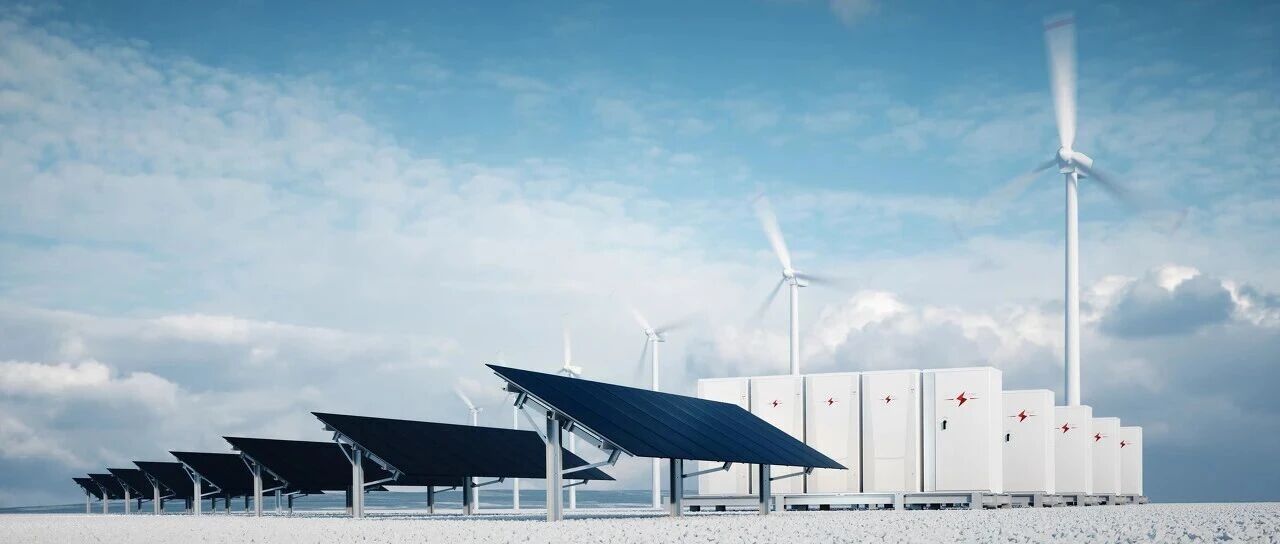
Group 1 - The article discusses a new IPO from a company in Hangzhou, Zhejiang, focusing on energy storage, with a valuation of 4.3 billion [1] - The company is set to supply products to major players such as Ganfeng Lithium and State Grid, indicating strong industry connections and potential for growth [1] - The energy storage sector is highlighted as a rapidly growing market, driven by increasing demand for renewable energy solutions [1]
反倾销+AI双驱动,这个赛道要起飞?
格隆汇APP· 2026-01-10 08:53
Core Viewpoint - The semiconductor materials sector is experiencing a strong rise driven by policy support, surging demand from AI and production expansion, and significant technological breakthroughs [5][28]. Demand Explosion - The AI computing revolution is expected to significantly increase demand, with global AI server shipments projected to exceed 3 million units by 2026. The application of new technologies like high-bandwidth memory (HBM) and advanced packaging (Chiplet) is doubling the material usage per wafer [6]. - The global expansion of wafer fabs is set to add certainty to capacity, with 48 new fabs expected to come online in 2024 and 18 more in 2025, primarily in advanced 12-inch processes. China is leading this expansion, increasing its 300mm fabs from 29 to 71 between 2024 and 2027, accounting for nearly 30% of global capacity [7]. Technological Breakthroughs - Domestic companies are achieving significant technological advancements, with over 40% localization in mature process materials like 8-inch wafers and polishing liquids. In advanced processes, domestic firms are catching up, with small-scale supply of 12-inch wafers and ArF photoresists [8]. - The emergence of third-generation semiconductor materials, such as silicon carbide (SiC) and gallium nitride (GaN), is creating new growth avenues, particularly in electric vehicles and 5G applications, with a compound annual growth rate exceeding 25% [9]. Policy Support - The anti-dumping investigation into Japanese dichlorodimethylsilane is seen as a timely opportunity for domestic semiconductor materials, potentially increasing their market share if dumping is confirmed. This investigation provides a critical window for domestic firms to enhance their technology and customer validation [10]. - The National Integrated Circuit Industry Investment Fund (Big Fund) is increasing its focus on core technologies and key materials, with the third phase set to raise 344 billion yuan, further supporting the industry [11]. Market Segmentation and Challenges - The semiconductor materials market is characterized by a high concentration of Japanese firms dominating high-end segments, with significant barriers to entry for domestic companies. For instance, the top four suppliers control over 80% of the silicon wafer market [14]. - In the photoresist market, Japanese companies hold 80% of the global share, with domestic production rates for advanced photoresists being nearly zero [19]. - The electronic specialty gases market is similarly dominated by Japanese and American firms, with domestic production rates around 25%, highlighting the need for further localization [20]. Investment Opportunities - High-end segments with less than 10% localization present the greatest replacement potential, particularly in photoresists and advanced target materials, benefiting from policy support and technological advancements [29]. - Sectors directly benefiting from anti-dumping policies, such as dichlorodimethylsilane and upstream materials for photoresists, are expected to see immediate gains [30]. - The demand-driven segments, particularly those related to AI and wafer fab expansions, are poised for exponential growth, with domestic companies ready to capitalize on these trends [31]. Conclusion - The semiconductor materials industry is entering a golden growth period, with clear trends towards high-end localization and technological advancements. The combination of policy support, surging demand, and domestic breakthroughs presents significant long-term investment opportunities [34].