机器人大讲堂

Search documents
人形机器人视觉、触觉、定位传感技术分析
机器人大讲堂· 2025-07-28 12:36
Core Viewpoint - Humanoid robots are essential carriers of embodied intelligence, relying on the synergy between perception and cognition layers to dynamically recognize environments, learn autonomously, and respond interactively [1] Visual Perception - Visual perception is the primary means for humanoid robots to acquire environmental information, evolving from 2D to 3D, with a complementary relationship between vision and LiDAR [2] - In 2023, the 2D vision market size was approximately 16.15 billion yuan, accounting for 87.24%, while the 3D vision market was about 2.36 billion yuan, making up 12.76% [2] - The leading companies in the 3D vision sensor market include Aobo Zhongguang, which holds over 70% market share in public service robots, and RealSense, which maintains a stable market share in industrial robots [4] LiDAR Technology - LiDAR technology measures distances by emitting laser beams, maintaining stable perception in complex lighting and obstructed environments, effectively compensating for the shortcomings of visual solutions [6] - In the first ten months of 2024, SUTENG, Huawei, and Hesai Technology accounted for 95% of the global LiDAR market [6] Tactile Sensors - Tactile perception is crucial for humanoid robots to perform precise operations, with MEMS sensors and electronic skin being the two main technological paths [7] - The global flexible tactile sensor market was valued at 1.53 billion USD in 2022, with MEMS solutions dominating due to cost advantages [7] - The electronic skin market in China is projected to reach 9.05 billion yuan by 2030, with a compound annual growth rate of 64.3% [9] MEMS Sensors - The global MEMS sensor market size was 9.9 billion USD in 2023, with inertial sensors accounting for 35% [15] - Domestic manufacturers have achieved technological breakthroughs, with MEMS gyroscopes matching international products in key performance indicators [15][19] - Domestic MEMS sensor products are priced at approximately 70-80% of their overseas counterparts, accelerating the replacement process [17] Conclusion and Future Outlook - The evolution of humanoid robot perception technology focuses on improving perception accuracy and practical feasibility, with advancements in 3D vision, LiDAR, MEMS, and electronic skin technologies [20] - The integration of AI algorithms for multi-source sensor data fusion and the durability of electronic skin remain critical challenges for the next 3-5 years [20]

数字华夏亮相WAIC 2025,夏澜与Coser唱跳《夜上海》齐出道
机器人大讲堂· 2025-07-27 11:06
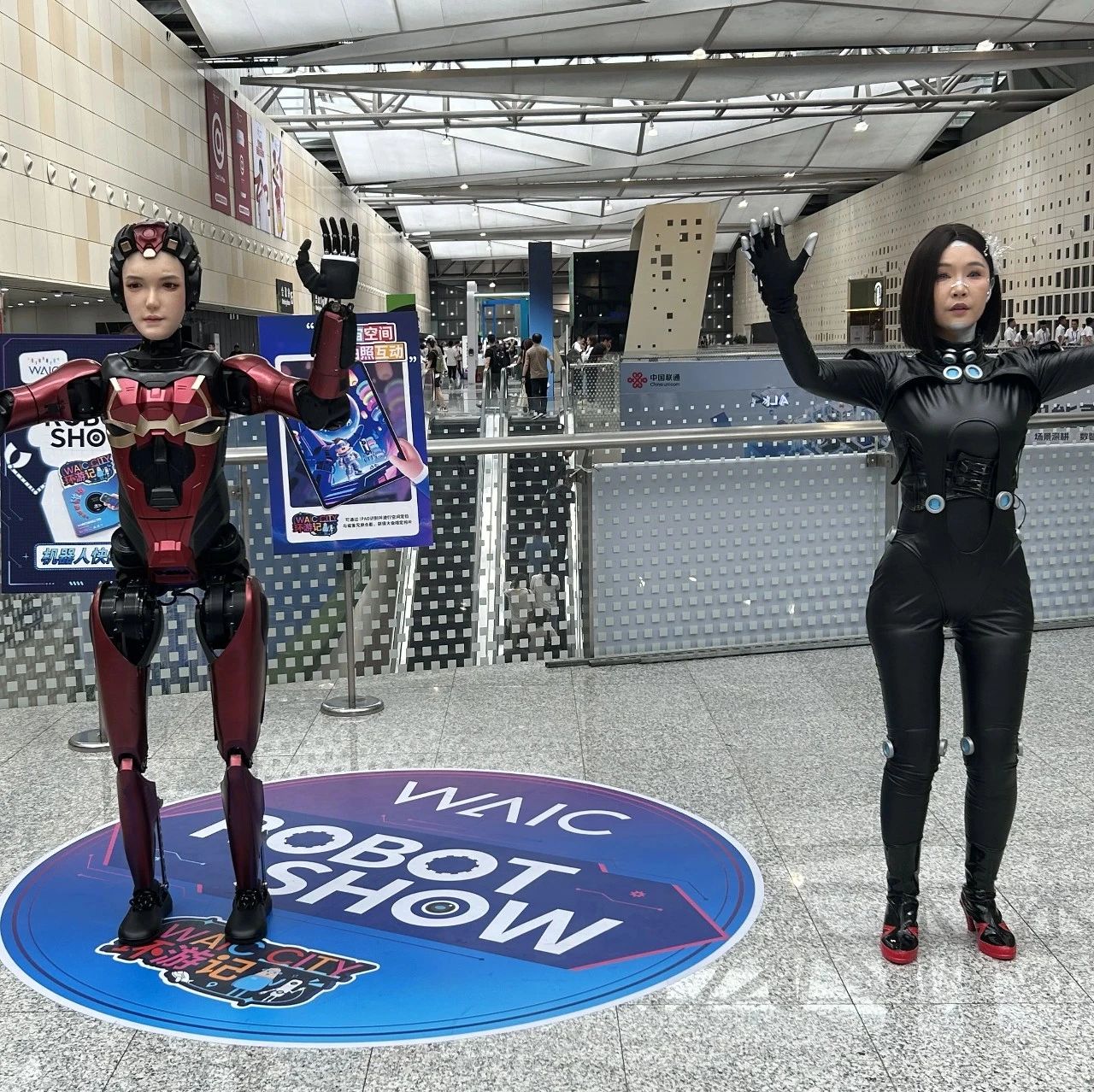
Core Viewpoint - The article highlights the advancements and applications of humanoid robots, particularly focusing on the launch of the humanoid robot Xia Lan and the IP series robot Xing Hang Xia at the WAIC 2025 event in Shanghai, showcasing their capabilities and market potential [1][3][6]. Group 1: Product Features and Innovations - Xia Lan is designed with a "high attractiveness, high intelligence, and high emotional quotient" persona, utilizing advanced bionic technology to mimic human expressions, featuring 29 active degrees of freedom for precise facial and neck expression [3]. - Recent breakthroughs include overcoming significant technical challenges such as "eye tracking" and "lip synchronization," allowing the robot to evolve towards human-like interaction levels [3]. - The robot is constructed from high-strength bionic materials, ensuring structural stability while providing a natural soft touch, and supports full customization in appearance and expression systems with a delivery time of no more than 2 months [4]. Group 2: Application Scenarios - Xia Lan aims to cover diverse application areas including exhibition halls, reception guidance, elderly care, children's education, and humanoid dolls, having already served various sectors such as government offices, ICT manufacturers, and top banks [6]. - The company plans to expand its products into educational institutions, elderly care facilities, and home environments, providing emotional companionship and becoming a smart life assistant [6]. - Xing Hang Xia, the third humanoid robot product, focuses on high aesthetics, emotional intelligence, and ease of use, targeting the commercial robot market with customizable features and immersive multi-modal interaction experiences [8]. Group 3: Market Launch and Future Prospects - Both Xia Lan and Xing Hang Xia are set to officially launch on JD.com and will also be available at a robot 6S store in Longgang, Shenzhen, starting July 28 [8]. - Xing Hang Xia is positioned as the first humanoid robot combining body and wheeled forms, aiming for large-scale commercial use and closed-loop scenarios, with features like a maximum speed of 2.0 m/s and remote management capabilities through the "Giant App" [8].
长任务能力有多重要?看跨维W1 Pro 用一杯咖啡告诉你答案
机器人大讲堂· 2025-07-27 11:06
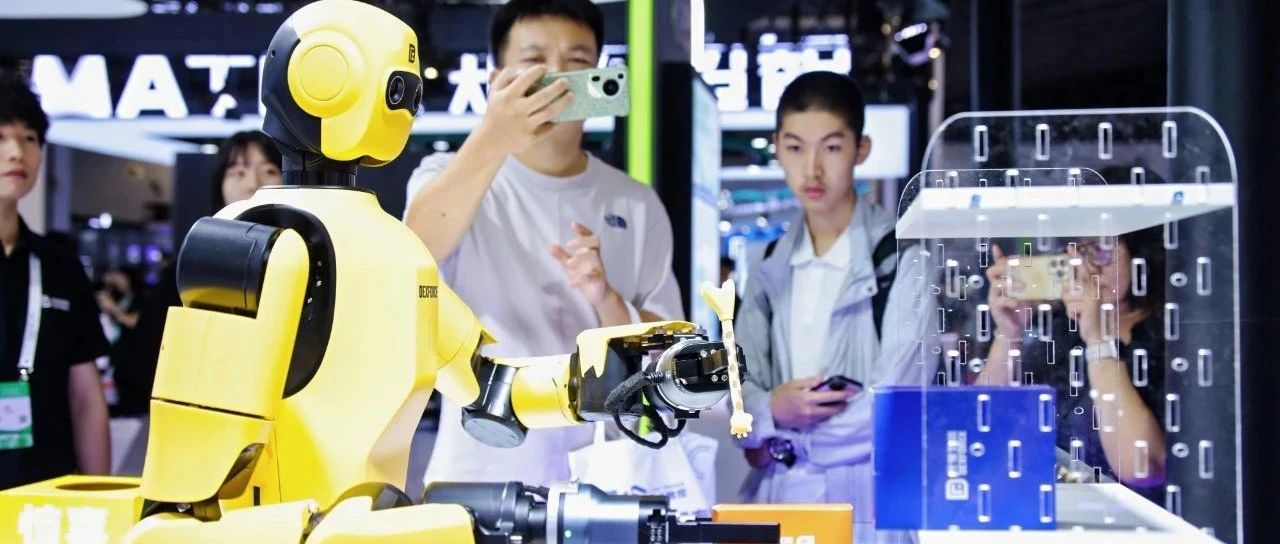
Core Insights - The article discusses the launch of the second-generation humanoid robot DexForce W1 Pro by Kuawei, showcasing its advanced capabilities in performing complex tasks like making coffee, which demonstrates its potential for broader applications in various scenarios [1][2]. Group 1: Robot Capabilities - The ability to autonomously make coffee is highlighted as a significant demonstration of the robot's capability to perform "long tasks," which are essential for applications in household cleaning, factory inspections, and elder care [2]. - The task of making coffee involves a series of coordinated actions, requiring the robot to possess three core capabilities: environmental perception accuracy, motion control precision, and task logic continuity [2][3]. - The DexForce W1 Pro features a dual-camera system with a frame rate of 60Hz, improving depth perception and object recognition accuracy, which is crucial for identifying coffee-related items [4][6]. Group 2: Technical Innovations - The robot's wrist is equipped with a near-distance operating camera, allowing for high-precision data input for tasks like grabbing coffee capsules and operating the coffee machine [6]. - The robot achieves sub-millimeter operation precision, with a repeat positioning accuracy of ≤0.5mm, enabling it to perform delicate actions such as grabbing small coffee capsules and pressing buttons [7]. - Kuawei has integrated its humanoid robot with its native intelligent core (X-Wiz) and the open embodiment intelligent development platform (EmbodiChain), enhancing the robot's ability to execute complex tasks reliably in real-world environments [3][9]. Group 3: Decision-Making and Learning - The robot's decision-making system must handle uncertainties and long-sequence dependencies, continuously perceiving the environment and dynamically planning actions to adapt to unexpected changes [14]. - The EmbodiChain platform allows for the rapid learning of long task processes, enabling the robot to adapt to new environments and task variables effectively [10][14]. - The engine-driven Sim2Real technology facilitates the generation of high-quality motion trajectories for complex tasks, significantly improving the efficiency and performance of the robot's training models [14][17]. Group 4: Future Applications - The DexForce W1 Pro is positioned as a versatile platform capable of scaling across various real-world applications, from household assistance to commercial services and intelligent manufacturing [19]. - The ongoing development of the developer ecosystem around DexForce W1 Pro is expected to deepen the integration of robots into diverse scenarios, expanding human capabilities [20].
重磅综述!10年间164项研究揭示软体可穿戴机器人技术全貌与未来方向
机器人大讲堂· 2025-07-27 11:06
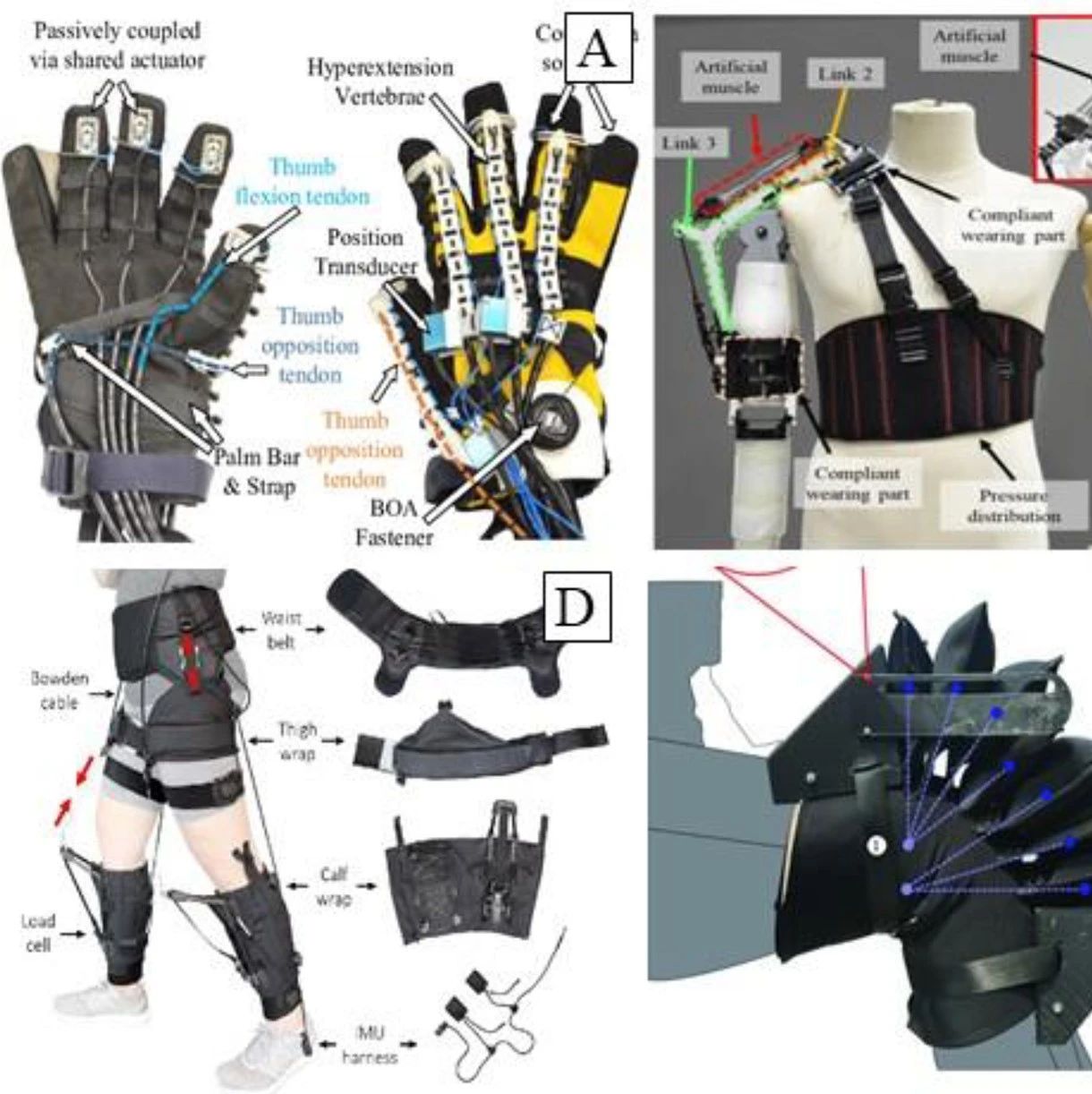
Core Viewpoint - The article discusses the rapid development of soft wearable robots, also known as exosuits, which are revolutionizing rehabilitation technology by providing more comfortable and effective assistance compared to traditional rigid exoskeletons [1][2]. Group 1: Transition from Rigid to Soft Rehabilitation Robots - Traditional rehabilitation robots often use rigid exoskeleton structures, which can be complex and heavy, increasing metabolic costs and limiting their use to clinical environments [2]. - Soft exosuits are designed to wrap around the user's body, working in synergy with the user's muscles and preserving their natural range of motion, thus enhancing comfort [2]. Group 2: Overview of Actuation Technologies - The review categorizes soft exosuit actuation technologies into four main types, each with unique characteristics and applications [4]. - Fluid-driven actuators are the most widely used, with 55 devices employing this technology, primarily pneumatic drives, which can mimic complex muscle movements but face portability challenges [5]. - Motor-cable drives, used in 59 devices, offer precise control and high bandwidth but may cause friction and skin damage [7]. - Shape memory alloys (SMA) provide quiet and efficient operation but have limitations in response speed and control [8]. - Dielectric elastomer actuators (DEA) represent cutting-edge technology with impressive performance metrics but pose safety concerns due to high operating voltages [9]. Group 3: Joint Assistance Solutions - The review systematically analyzes assistive devices for various joints, focusing on both single-joint and multi-joint collaborative assistance [12]. - Upper limb assistance primarily utilizes pneumatic drives, with innovative designs for shoulder and elbow support [13][15]. - Hand rehabilitation devices are in high demand, with over 40 types analyzed, showcasing various technological approaches [18]. - Lower limb assistance systems require greater force, with specific designs for hip, knee, and ankle joints demonstrating significant reductions in metabolic costs during walking [24][27]. Group 4: Trends in Hybrid Designs - A notable trend is the integration of hybrid designs, combining soft and rigid components to enhance mechanical efficiency while maintaining comfort [30]. - Examples include hand devices that guide tendons with reinforced structures and semi-rigid knee devices that improve force transmission efficiency [30]. Group 5: Commercialization Progress and Challenges - The review tracks the commercialization of soft wearable robots, highlighting products like ReWalk Robotics' ReStore and Carbonhand, which assist stroke patients in improving mobility and grip [31]. - Challenges remain in ensuring comfort while providing sufficient assistance, as well as addressing the limitations of various drive systems [33]. Group 6: Future Outlook - The article emphasizes the need for developing cable-free devices that can assist multiple joints while being intuitive and comfortable for users [34]. - This requires interdisciplinary collaboration in materials science, mechanical engineering, and control theory to create soft yet strong materials and intelligent control systems [34]. Group 7: Conclusion - Soft wearable robots represent the future of rehabilitation technology, with ongoing advancements expected to significantly improve the lives of millions with mobility impairments [36].
业界首个具身智能操作系统参考框架发布,"智元灵渠OS"开启产业生态新纪元
机器人大讲堂· 2025-07-27 11:06
Core Viewpoint - The release of "Zhiyuan Lingqu OS," the first embodied intelligence operating system reference framework, marks a significant step towards standardization, scalability, and ecological development in the embodied intelligence industry [1][2]. Layered Open Source and Ecosystem Construction - "Zhiyuan Lingqu OS" promotes a "layered open source, co-construction and sharing" model, enhancing the existing high-performance middleware AimRT for stable and efficient distributed communication and hardware abstraction [2]. - The middle layer supports standardized connections for multi-modal perception, task planning, and action control, significantly lowering the algorithm deployment threshold for developers [2]. - The upper layer provides a comprehensive toolchain for simulation testing, data labeling, and model training, facilitating a technical closed loop from virtual simulation to physical deployment [2]. Accelerating the Popularization of Embodied Intelligent Robots - The introduction of "Lingqu OS" addresses issues such as fragmented system ecology and slow technological innovation in the robotics industry, serving as a foundation for building an industrial ecosystem [4]. - The open-source model is expected to attract global developers, fostering breakthroughs in challenges related to intelligent enhancement, group collaboration, and cloud-edge integration [4]. - The open-source plan for "Zhiyuan Lingqu OS" will begin in the fourth quarter of this year, aiming to witness transformative changes in the embodied intelligence field and propel the robotics industry to new heights [4].
人形机器人企业造狗,技术降维?
机器人大讲堂· 2025-07-26 15:56
Core Viewpoint - The trend of humanoid robot companies venturing into quadruped robots is emerging, indicating a shift in the robotics industry towards diversified product offerings and technological synergies [4][12]. Group 1: Product Launches - Zhiyuan Robotics launched its first quadruped robot, D1 Ultra, designed for special and industrial applications, featuring a maximum running speed of 3.7 m/s and the ability to jump up to 35 cm [2]. - MagicLab introduced its new wheeled quadruped robot, MagicDog-W, which boasts 17 degrees of freedom and can navigate complex terrains, with a starting price of 75,000 yuan [2]. Group 2: Technological Synergies - Quadruped and humanoid robots share a high degree of technological commonality, with approximately 60% of their components being similar, allowing for cost-effective research and development [5]. - The experience gained from developing quadruped robots can be directly applied to humanoid robots, facilitating faster product iterations and reducing development costs [6][9]. Group 3: Market Dynamics - The quadruped robot market is becoming increasingly competitive, with companies like Zhiyuan and MagicLab entering the space, which may lead to market homogenization [12]. - Zhiyuan holds a significant market share of nearly 70% in the quadruped robot sector, with a target production capacity of 5,000 units for 2025, indicating strong competitive positioning [6][13]. Group 4: Future Outlook - The global quadruped robot market is projected to exceed 8 billion yuan by 2030, with a compound annual growth rate (CAGR) of over 30%, positioning leading companies like Zhiyuan to capture more than 50% of the market [13]. - The integration of quadruped and humanoid robots into a dual product matrix is expected to provide stable cash flow and open up significant market opportunities [10].
节卡机器人具身智能家族亮相WAIC
机器人大讲堂· 2025-07-26 15:56
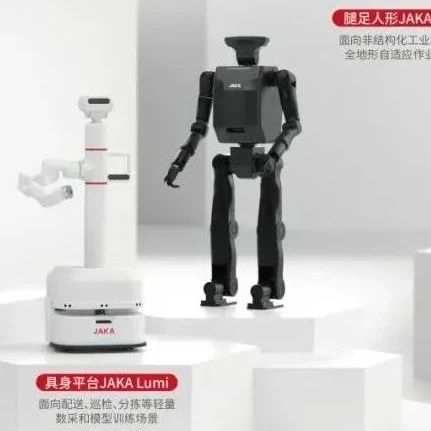
7月26日,为期三天的 2025世界 人工智能大 会(WAIC 2025) 在上海顺利举行, 节卡机器人 作为马桥人 工智能创新试验区(展位号H3 616)代表企业之一,携 具身智能平台JAKA Lu m i 亮相。 当下, 具身智能已十分火爆,人们期待着机器人通过多模态感知、自主行动与决策和环境动态交互等多方面 能力的进化,实现复杂场景下的精准作业能力和强大的场景泛化能力,既要精准拿捏工业装配、质检环节的零 误差生产,又可化身新时代果农精准采摘鲜美果蔬,更要成为精密实验室的最佳助手。 然而,单一形态无法通吃所有场景。在具身智能的布局上, 节卡机器人提供的不是单一人形,而是一支能力 互补的 "具身智能特工队" 。 ▍ 双臂JAKA K1:身怀金刚钻,勇担瓷器活 1)高刚性高精度: 5kg负载,一体化关节设计,土0.05mm精准定位 2)EtherCAT通讯: 1ms通讯频率高速响应 3)末端内嵌六维力传感器: 0.1N分辨率,最小1N力控精度,导纳控制算法 4)高性能一拖二控制柜: 高性能控制器RoboHub,可支持64轴,外部拓展丰富 ▍ 轮式人形JAKA K1W:工厂多面手,骨骼之上塑血肉 实践是检验真理 ...
人形机器人的“服务时代”已经到来?
机器人大讲堂· 2025-07-26 15:56
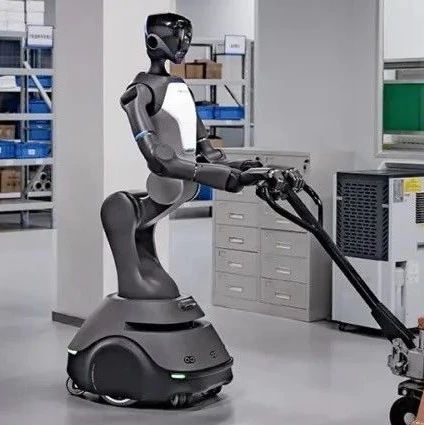
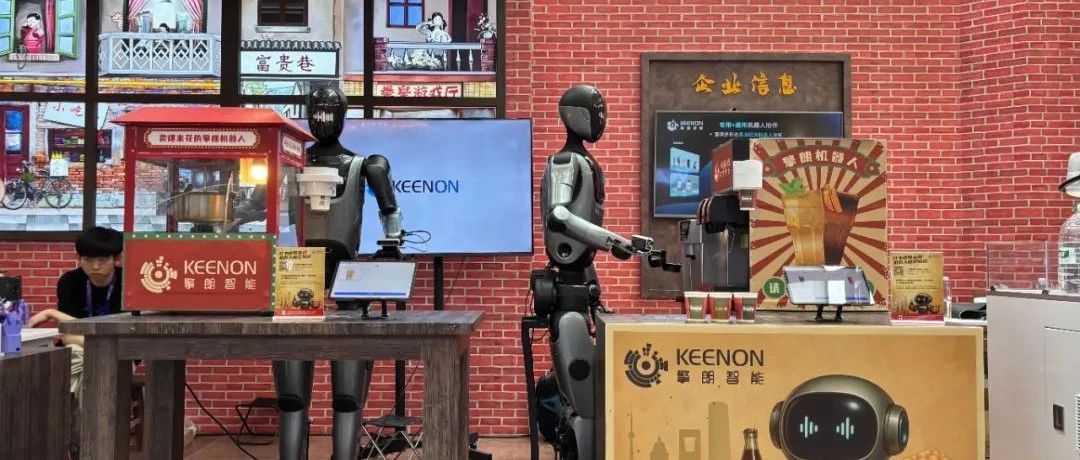
Core Viewpoint - The article highlights the emergence of humanoid robots, particularly the XMAN-F1 by Qianlang Intelligent, as a transformative force in service industries, moving beyond traditional manufacturing roles to enhance customer service experiences in various settings [25][27]. Group 1: Humanoid Robot Capabilities - The XMAN-F1 humanoid robot demonstrated its ability to perform tasks such as making popcorn and serving drinks, showcasing its potential in real-world service scenarios [2][4]. - The robot can adapt to complex environments, navigating obstacles and maintaining stability on uneven surfaces, which is crucial for operating in crowded spaces [10][12]. - XMAN-F1 employs a dual-layer model architecture that allows it to understand and execute service tasks effectively, transforming from basic actions to comprehensive service processes [14][15]. Group 2: Service Scene Integration - Qianlang Intelligent emphasizes the importance of integrating humanoid robots into various service scenarios, moving from flat to three-dimensional service models [8][10]. - The introduction of the ProS model allows robots to be trained for specific roles, enhancing their ability to perform tasks like bartending and medical logistics [12][14]. - The collaboration between humanoid robots and specialized robots, such as logistics robots, demonstrates the potential for creating efficient service ecosystems [18][20]. Group 3: Data Utilization and Continuous Improvement - Qianlang has deployed over 100,000 robots globally, generating more than 10TB of real-time data daily, which is used to train and improve the capabilities of the XMAN-F1 [22]. - The data-driven approach allows for continuous optimization of service processes, enhancing the robots' ability to adapt and perform in various environments [20][22]. - The integration of a feedback loop between real-world data and model training ensures that the robots remain aligned with service value and operational efficiency [22][29]. Group 4: Future Prospects - The article suggests that as humanoid robots like XMAN-F1 evolve, they will be capable of performing more intricate tasks, potentially understanding emotional cues and providing personalized service [29]. - The ongoing development of Qianlang's embodied intelligence architecture is expected to expand the operational boundaries of humanoid robots, making them integral to service industries [29][30].
起猛了!台湾老人跟着无人机做八段锦,准确率还爆表
机器人大讲堂· 2025-07-26 15:56
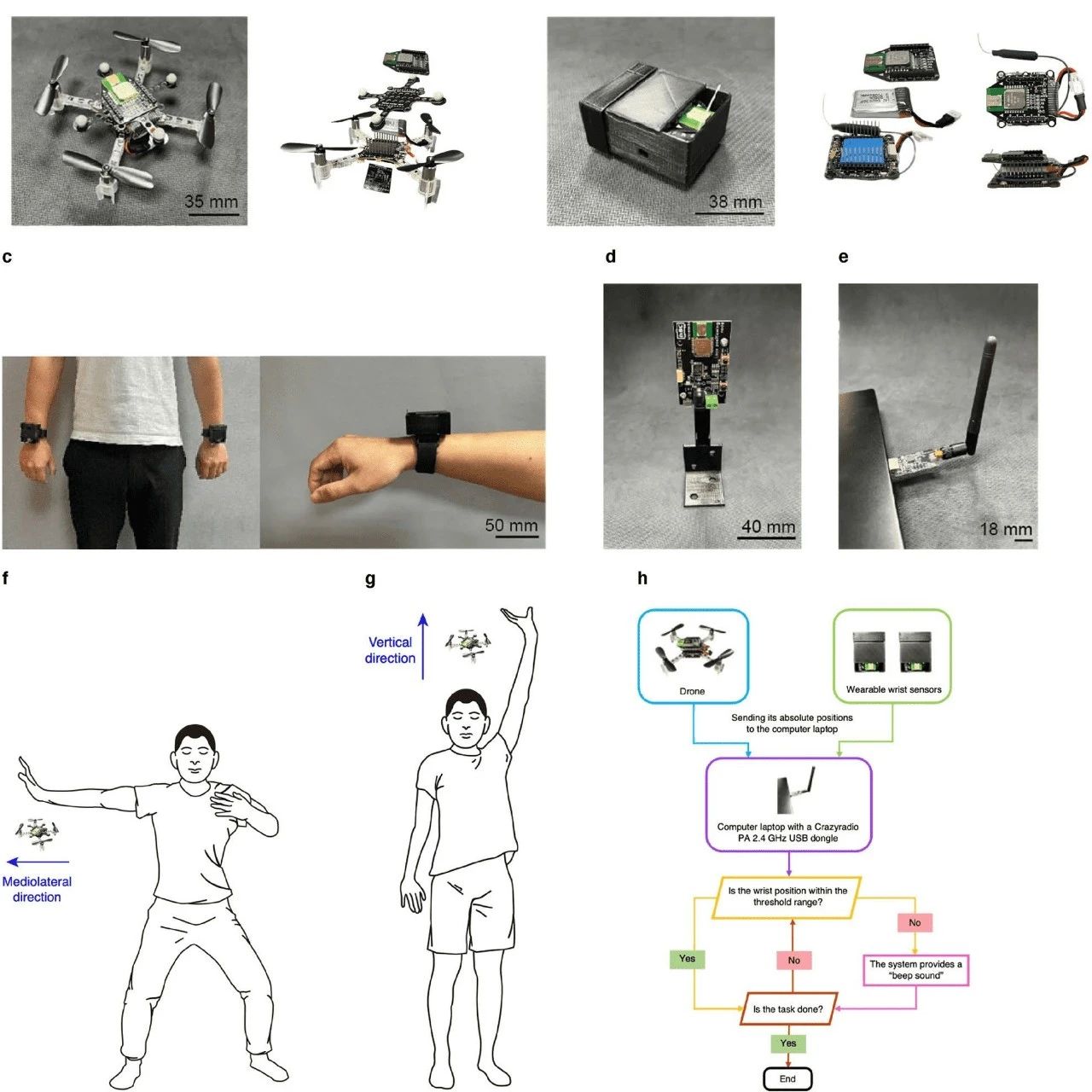
Core Viewpoint - The article discusses the innovative use of a drone system named Pei-Wo Drone developed by a research team from National Cheng Kung University in Taiwan, aimed at assisting elderly individuals in maintaining their exercise routines at home, addressing the global challenge of elderly inactivity [1][16]. Group 1: Technology and Design - The Pei-Wo Drone is a small, lightweight (30 grams) drone that utilizes advanced sensors for precise indoor positioning, including ToF sensors, optical flow sensors, and UWB positioning sensors [3][4]. - The system includes a drone, two wrist sensors, eight UWB positioning bases, and a control computer, allowing for real-time tracking of the user's hand positions [4][6]. - The drone operates by flying 1.2 meters in front of the user, providing a clear visual guide while minimizing psychological pressure [6][7]. Group 2: Testing and Results - A study involving 15 elderly participants demonstrated that the drone-guided exercise significantly improved accuracy, with vertical arm movements achieving an accuracy rate of 99.64% for the right arm and 92.35% for the left arm [8][9]. - The system's performance was evaluated through detailed motion analysis, identifying specific stages where participants struggled, which will inform future system enhancements [10]. Group 3: User Feedback and Acceptance - Participants expressed high satisfaction with the drone system, with many preferring it over traditional video guidance, citing ease of use and comfort during interaction [11][13]. - Suggestions for improvement included making the drone more visually appealing and incorporating video demonstrations for first-time users [14]. Group 4: Market Position and Future Directions - The Pei-Wo Drone offers distinct advantages over existing technologies like VR and AR, which can cause discomfort during prolonged use, by providing a real 3D guiding object that enhances the exercise experience [14]. - Future developments may include aesthetic enhancements, LED feedback, and adaptive algorithms to tailor the system to individual users' physical conditions and capabilities [15].
快讯|鹿明机器人与三菱电机合作;夏普尝试训练垃圾处理人形机器人;麻省理工学院CSAIL开发新的机器人视觉系统等
机器人大讲堂· 2025-07-25 08:03
麻省理工学院计算机科学与人工智能实验室(CSAIL)近期开发了一个新系统,为机器人控制提供了全新 的视角。该系统无需使用手工设计的模型或复杂的传感器阵列,而是允许机器人仅通过视觉来学习其身体 如何响应控制命令。这种名为"神经雅可比场"(NJF)的方法赋予机器人一种身体自我意识。这种建模与 硬件设计的分离可以显著拓展机器人的设计空间。在软体机器人和仿生机器人中,设计师通常会嵌入传感 器或加固部分结构,以便建模。NJF打破了这一限制。该系统无需机载传感器或设计调整即可实现控制。 设计师可以更自由地探索非传统的、不受约束的形态,而不必担心以后是否能够对其进行建模或控制。 3、 ADAM半人形机器人在肯尼迪航天中心航天飞机机舱内提供饮料 美国哥伦比亚大学的研究人员开发出一种名为Truss Link的机器人,它可以探测并与附近的机器人零件合 并,以填补缺失的部件。这种新型人造肌肉可以像人类肌肉一样运动,但强度是人类肌肉的17倍,机器人 的桁架连接件由磁力棒制成,可以扩展或从平面形状转变为3D结构以适应环境。它还可以添加其他机器人 的新部件或丢弃不再起作用的旧部件以提高其性能。在该团队发布的视频中,机器人与附近的一块物体 ...