机器人大讲堂

Search documents
快讯|炒菜机器人“入局”万亿中餐市场,中科新松发布睿可人形机器人,坤达移动储能机器人亮相,A-robot获约100亿韩元A轮投资
机器人大讲堂· 2025-07-11 10:35
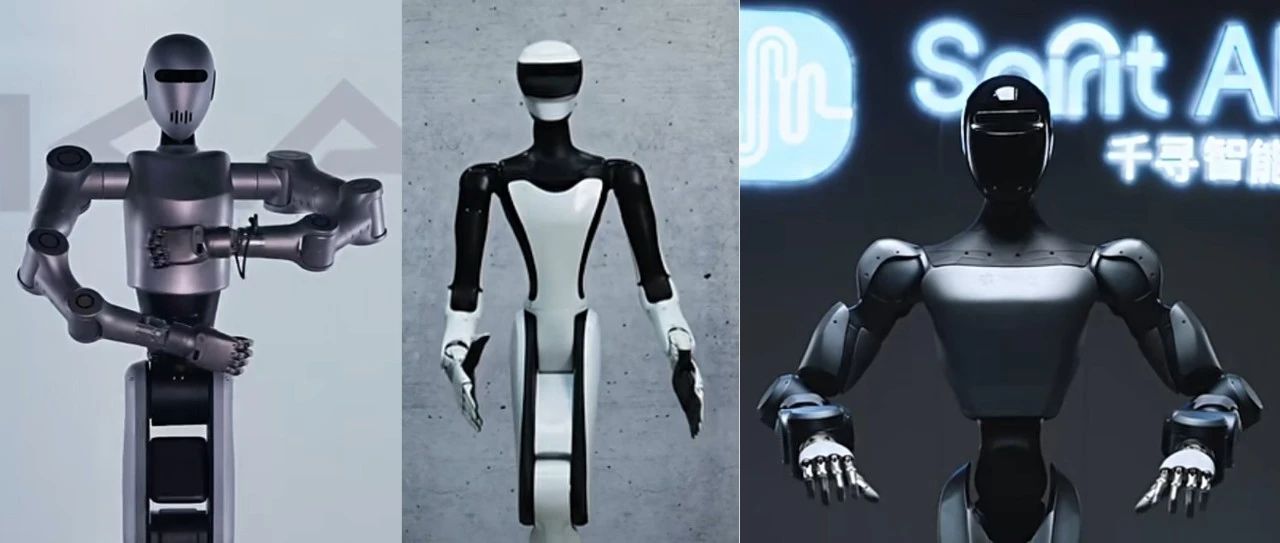
Group 1: Market Trends and Innovations - The introduction of cooking robots in the trillion-yuan Chinese cuisine market aims to address the shortage of skilled labor and reduce costs by up to 50% [1] - The global market for intelligent cooking robots is experiencing rapid growth, with China identified as a core market [1] - The launch of humanoid robots by Zhongke Xinsong targets industrial and commercial flexible collaboration, enhancing efficiency through shared underlying technology [5] Group 2: Product Launches and Features - The Kunda mobile energy storage robot aims to transform the electric vehicle charging process from "people finding piles" to "piles finding people," addressing user anxiety about moving vehicles [8] - The MagicBot Z1, a new bipedal humanoid robot, features high-performance joint modules and emotional interaction capabilities, catering to diverse application scenarios [12] - A-robot, a South Korean startup, secured approximately 10 billion KRW in Series A funding, enhancing its product lineup with a third-generation linear actuator that improves performance and reduces costs [15]


驾驭工业场景挑战!灵心巧手即将推出全新“工业大师”灵巧手
机器人大讲堂· 2025-07-11 10:35
Core Viewpoint - The article highlights the imminent mass production of humanoid robots in 2025 and the significant advancements in dexterous hands, particularly the Linker Hand series by Lingxin Qiaoshou, which is set to revolutionize the industrial dexterous hand market with high degrees of freedom and precision [1][2]. Group 1: Product Development - The Linker Hand series, including models L10, L20, and L30, features over 20 degrees of freedom, showcasing excellent precision and performance, enabling the completion of complex tasks in various industrial settings [1]. - Lingxin Qiaoshou is set to launch two new high-performance dexterous hands, Linker Hand L6 and L20 industrial versions, designed specifically for industrial applications, with L6 having 6 active degrees of freedom and L20 having 17 [2]. Group 2: Technological Advancements - The new "super strong electric cylinder" drive module in the industrial dexterous hands achieves a drive efficiency of over 90%, which is more than double that of traditional products, with a thrust capacity of 200N and fingertip force of 20N, meeting high load requirements in industrial environments [4]. - The super strong electric cylinder has a lifespan exceeding one million cycles, which is 2-3 times that of competitors, ensuring efficient operation in high-frequency repetitive tasks [4]. Group 3: Material and Reliability - Lingxin Qiaoshou employs innovative smart materials that are lightweight, strong, and durable, achieving industrial-grade quality to withstand the rigors of production environments [5]. Group 4: Market Potential and Future Trends - The industrial environment's characteristics, such as clear physical boundaries and standardized workflows, make it suitable for the application of dexterous hands, which can adapt to various disturbances through multi-modal sensing capabilities [7]. - The value of dexterous hands is evolving from merely mimicking human fingers to becoming decision-making execution terminals in flexible manufacturing, reflecting a shift in industrial evolution towards "flexibility as competitiveness" [7].
重磅!Science子刊最新封面!里程碑突破:机器人首次自主手术100%成功!
机器人大讲堂· 2025-07-11 10:35
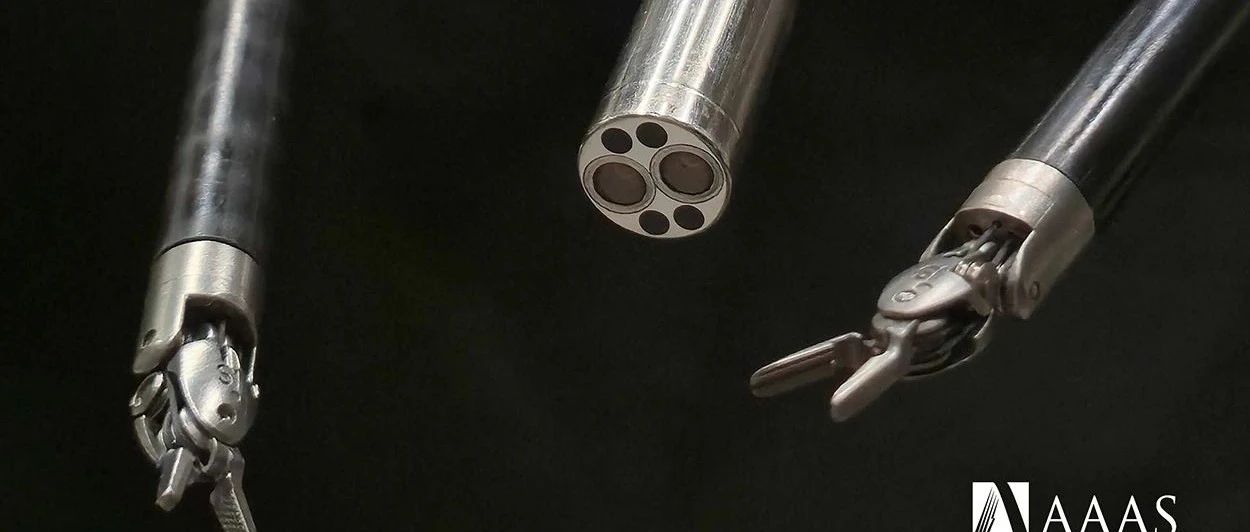
Core Viewpoint - The article highlights a significant breakthrough in surgical automation with the introduction of the SRT-H surgical robot, which can independently perform complex soft tissue surgeries without direct human intervention, achieving a 100% success rate in gallbladder removal surgeries [1][3]. Group 1: Technological Advancements - The SRT-H robot completed 8 gallbladder surgeries autonomously, demonstrating the ability to handle 17 different task instructions seamlessly [2][3]. - The robot can self-correct during procedures, averaging 6 self-corrections per surgery, showcasing its adaptability in complex surgical environments [3][21]. - The robot's design includes a "layered brain" architecture, separating high-level strategy and low-level execution, allowing it to understand and execute commands in natural language [11][15]. Group 2: Surgical Complexity and Training - Gallbladder surgery was chosen for testing due to its commonality and moderate difficulty, requiring precise control and coordination [7][10]. - The research team trained the robot using over 16,000 recorded trajectories from experienced surgeons, ensuring a robust dataset for learning [18][20]. - The robot's ability to recognize and adapt to varying anatomical structures during surgery was validated through diverse gallbladder samples [10][12]. Group 3: Performance Comparison - In a head-to-head comparison, the robot demonstrated superior precision and stability in surgical tasks compared to an experienced human surgeon, although the surgeon was faster [31][34]. - The robot's average motion stability was significantly better, with lower mean jerk values compared to human performance [33][34]. Group 4: Future Implications - The ultimate goal is to develop a "universal surgical robot" capable of performing various surgical procedures autonomously, currently classified at Level IV autonomy [38][40]. - The potential for robots to assist in remote or extreme environments, such as space or deep-sea operations, is emphasized, indicating a transformative impact on healthcare delivery [40][41].
2025第三届全球手术机器人大会定档9月,汇聚全球智慧,共绘医疗科技革新蓝图
机器人大讲堂· 2025-07-11 10:35
Core Viewpoint - The medical robotics industry has entered a complex phase by 2025, with evolving product forms, clearer clinical pathways, and a more intricate industrial ecosystem [1]. Group 1: Event Overview - The Third Global Surgical Robotics Conference will take place on September 5-6, 2025, in Beijing, focusing on the systematic upgrade of intelligent surgical systems and the construction of a full-chain ecosystem [4][6]. - The conference serves as a platform for discussing not only leading devices but also how future medical systems will be restructured by robotics [3][2]. Group 2: Key Topics and Discussions - The agenda includes discussions on the next-generation surgical robot core architecture, AI integration, intraoperative navigation, and the evolution of robotic collaboration [7]. - Topics will cover commercialization, hospital system integration, global strategies, and supply chain innovations [8][9][11]. Group 3: Importance for Stakeholders - The conference aims to redefine surgical rooms and reshape the future of hospitals, emphasizing the integration challenges between surgical robots and hospital systems [12][13]. - It will provide insights into global market comparisons, hospital procurement decision-making, and the development of sustainable robotic brands [12]. Group 4: Industry Recognition - The MedRobot annual awards have become one of the most recognized technology awards in China's medical robotics field, highlighting key players and their contributions to the industry [17].

毅达资本领投!柔性智造领军人「增广智能」完成近亿元人民币规模融资!
机器人大讲堂· 2025-07-11 10:35
Core Viewpoint - The article highlights the recent financing round of "Zengguang Intelligent," a core component supplier driven by innovative technology, which raised nearly 100 million RMB to enhance R&D, talent acquisition, production capacity, and expand sales networks domestically and internationally [1]. Company Overview - Zengguang Intelligent, established in 2018, focuses on promoting the localization of core components for industrial automation and has achieved a leading position in the domestic market for electric actuators and precision force control electric actuators [1]. - The company has received over fifty industry awards and is a member of more than twenty industry associations, contributing to the standardization of the industry by participating in the formulation of T/GDRA 013-2024 [1]. Team and Innovation - Zengguang Intelligent boasts a highly innovative R&D team with expertise across various fields, including algorithms, software, electronics, and mechanics. The founder, Huang Anjie, has received multiple accolades, enhancing the company's influence in the industry [3]. - The company has secured over a hundred authorized patents and developed a series of industry-leading core products and solutions, showcasing its strong technical capabilities and market competitiveness in industrial automation [3]. Product Development - Zengguang Intelligent has independently developed the SoftForce 3.0 high-precision force control system, utilizing a model predictive algorithm combined with a high-rigidity force sensor, achieving a control processing frequency of up to 10,000Hz. This technology allows electric actuators to reach a force control precision of ±0.01N (1‰) [3]. - In 2023, the company launched the first generation of the "Maglev Magic Carpet," followed by the second generation "MagiFloater" in 2024. This revolutionary planar magnetic levitation intelligent conveying system is the first of its kind in China, featuring a modular design and advanced control technologies for precise multi-directional motion control [4].

具身智能时代,为什么「轮子」比「双腿」更受资本青睐?
机器人大讲堂· 2025-07-10 03:52
Group 1 - The article highlights the accelerating trend in the robotics industry, particularly the emergence of wheeled humanoid robots, with several companies launching new models and receiving significant funding [1][2][3] - Rodney Brooks' question about the necessity of humanoid robots walking like humans is being answered by the market's shift towards more efficient task completion through wheeled designs [1] - Investment trends indicate strong industry recognition for wheeled humanoid robots, as evidenced by Galaxy General's 1.1 billion yuan funding and Star Motion Era's 500 million yuan support [1] Group 2 - SiLan Technology has introduced the revolutionary 48V Hermes chassis, redefining the standard for embodied intelligent robots and transitioning the robot chassis from a traditional "mobile tool" to a modern "intelligent motion hub" [2][3] - The Hermes chassis features a high-voltage power supply system that significantly enhances performance, with rated power increasing from 240W to 1400W and response speed improving by 200% [5][7] - The system supports over 20 hours of operation under no load and 16 hours under full load, showcasing high energy efficiency with standby power consumption of only 32W [7][9] Group 3 - Hermes chassis incorporates advanced environmental adaptability through a multi-sensor perception system, enabling reliable navigation in complex commercial environments [10][12] - The chassis can autonomously navigate obstacles and has a climbing ability of 10°, making it suitable for various challenging terrains [12][14] - The intelligent decision-making architecture allows the Hermes chassis to respond to unexpected situations autonomously, enhancing operational efficiency [14][17] Group 4 - The Hermes chassis supports multi-machine collaborative operations, providing intelligent solutions for complex working conditions and ensuring efficient task distribution [23][27] - Its modular open architecture facilitates rapid development and application in diverse scenarios, significantly lowering development barriers for developers [25][29] - The Hermes chassis has been successfully commercialized in several leading embodied intelligence companies, demonstrating its adaptability and reliability across various industries [29][30]
宇树最大竞争对手来了,能下腰,可连续倒地起身,魔法原子推出新款双足人形机器人MagicBot Z1
机器人大讲堂· 2025-07-10 03:52
Core Viewpoint - MagicLab's new bipedal humanoid robot, MagicBot Z1, aims to redefine the value of humanoid robots through a combination of high-performance reliability, an open AI ecosystem, and diverse application scenarios [1]. Group 1: Key Features - MagicBot Z1 features a self-developed high-performance joint module with 24 basic degrees of freedom, expandable to 49, and a maximum joint torque exceeding 130 N.m, enabling high-impact movements and stability [2]. - The robot is constructed from high-strength aluminum alloy and engineering plastics, enhancing its durability and resistance to wear and tear, ensuring stable performance even after falls [2]. - Equipped with a variety of sensors including 3D LiDAR and depth cameras, MagicBot Z1 can autonomously navigate complex environments, facilitating rapid development of application skills for various scenarios [3]. Group 2: Developer Platform - The robot's evolution is accelerated by a multi-source database, allowing developers to master new actions in just 20 minutes, significantly speeding up training and enhancing human-like movements [5]. - MagicBot Z1 can adapt quickly to different terrains, ensuring its operational capability across various environments, which is crucial for its deployment in diverse applications [5]. Group 3: Emotional Interaction - The robot utilizes rich visual and tactile perception to create a human-like interaction system, transforming its image from a mere tool to a companion that provides emotional value [5]. Group 4: Product Variants - MagicLab offers two main series of MagicBot Z1: a standard version for enthusiasts and a developer version that allows customization for specific research or industry applications [8][9]. Group 5: Company Overview - MagicLab is a leading company in embodied intelligence technology, focusing on the research, production, and application of humanoid robots, with a comprehensive self-developed hardware and software technology stack [12].

融资数亿元,加速通用具身智能落地!「跨维智能」完成A1&A2 轮融资!
机器人大讲堂· 2025-07-10 03:52
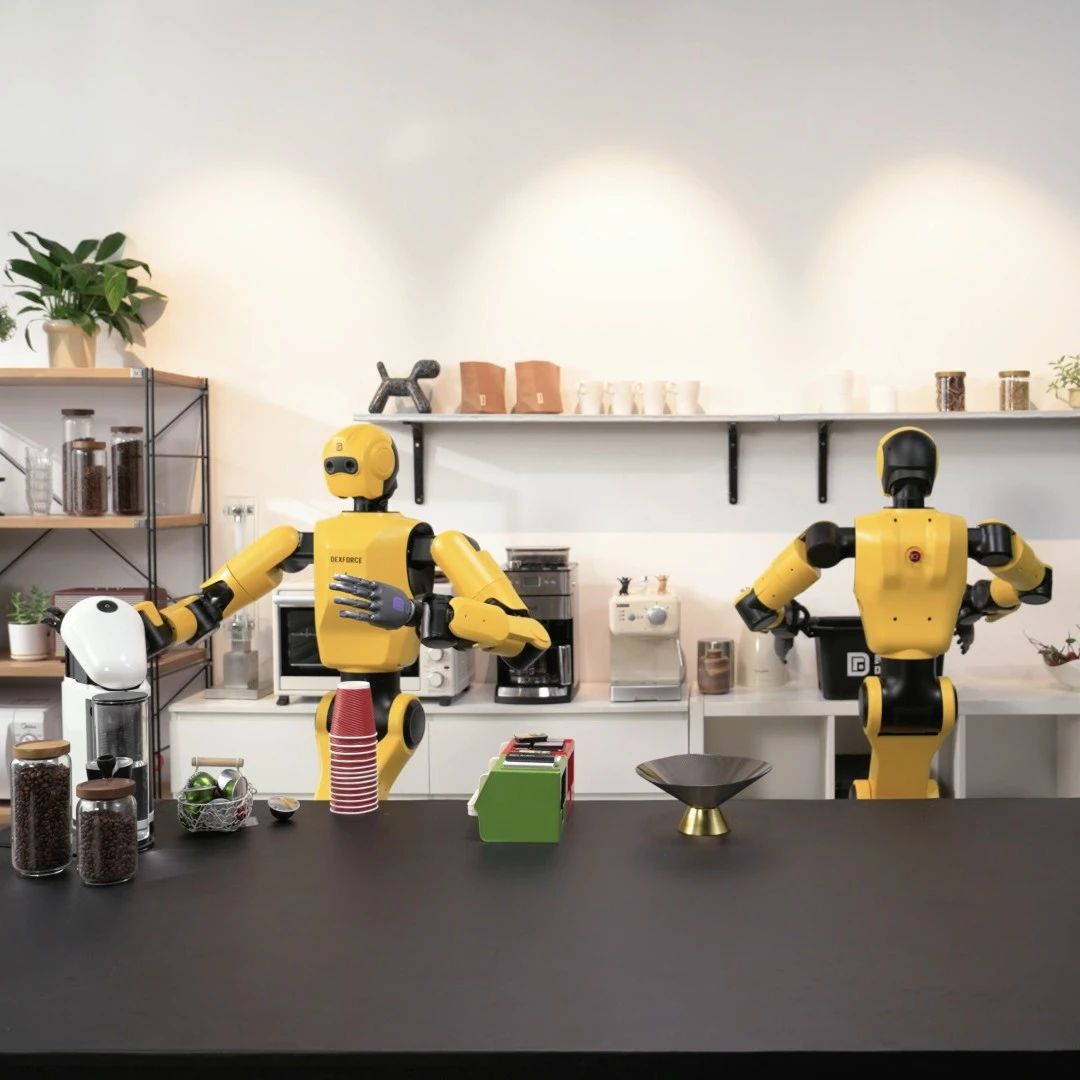
Core Viewpoint - Kuawei Intelligence, a company focused on general-purpose embodied intelligence technology, has recently announced the completion of several hundred million yuan in Series A1 and A2 financing, with notable investors including Chengdu Science and Technology Investment and Hongtai Fund [1][8]. Group 1: Financing and Investment - The financing round was led by Chengdu Science and Technology Investment, with participation from various well-known institutions such as Hongtai Fund and Tianying Capital [1]. - The funds will be used to enhance technology research and product innovation, focusing on the development of an engine-driven embodied intelligence model base [1][8]. Group 2: Technological Innovation - Kuawei Intelligence introduced the "Engine-driven Sim2Real VLA" paradigm, which significantly reduces the cost and time of robot training by allowing high-frequency, low-cost training in virtual environments [2]. - This technology shortens the robot development cycle by 90% and enhances the robots' ability to respond quickly and make intelligent decisions in dynamic, unstructured real-world environments [2]. Group 3: Product Development - The company has launched a series of advanced products, including the PickWiz and X-Wiz embodied brains, which utilize a multi-modal perception system for real-time environmental analysis [3][4]. - The DexForce W1 series, as the first AI-defined humanoid robot, integrates Kuawei's self-developed controllable domestic embodied intelligence engine, supporting rapid commercial deployment across various scenarios [6]. Group 4: Commercialization and Market Impact - Kuawei Intelligence has successfully implemented its technology across over 50 industries, including automotive, aerospace, and healthcare, establishing itself as a leader in the commercialization of embodied intelligence [9]. - The company has developed solutions for various vertical skills, contributing to its reputation as a pioneer in the large-scale application of embodied intelligence [9]. Group 5: Future Outlook - The company aims to further integrate resources and enhance its core competitiveness in the field of embodied intelligence, contributing to industry development and transforming people's lives and work [8]. - Investors express confidence in Kuawei's ability to bridge the gap between laboratory innovations and real-world applications, highlighting the company's strong technical foundation and market readiness [11][12].
快讯|国产四足机器人“黑豹2.0”破世界纪录,智能手术机器人SRT-H自主完成胆囊切除,极智嘉港交所成功上市
机器人大讲堂· 2025-07-10 03:52
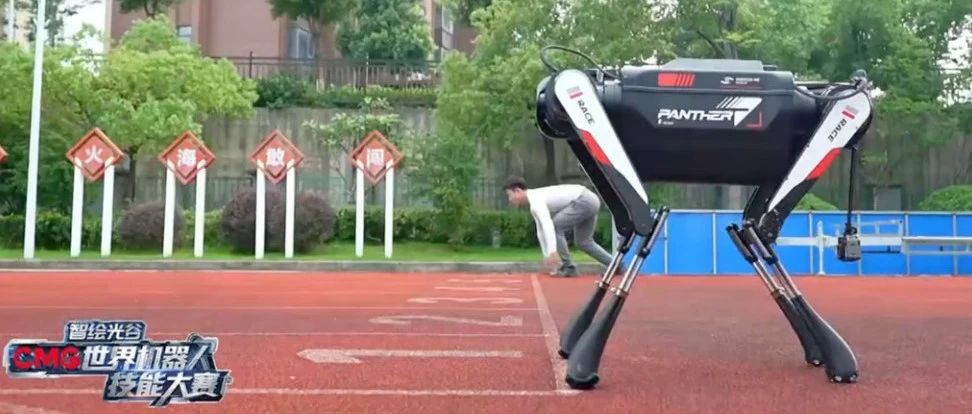
Group 1 - The core viewpoint of the articles highlights significant advancements in robotics, particularly in quadruped and surgical robots, showcasing the rapid development and commercialization of robotic technologies in various sectors [1][4][10]. Group 2 - The "Black Panther 2.0," a domestically produced quadruped robot, set a world record with a speed of 10.3 meters per second, indicating China's leading position in quadruped robot technology [1]. - The quadruped robot market is expanding, with nearly 30 listed companies in A-shares actively engaging in the quadruped robot industry chain, which includes hardware supply, technical services, and complete machine manufacturing [1]. Group 3 - The SRT-H surgical robot, developed by Johns Hopkins University, successfully performed a gallbladder removal surgery autonomously, demonstrating capabilities comparable to skilled human surgeons [4][5]. - The SRT-H robot achieved a 100% success rate in the surgery, marking a transition from merely executing tasks to understanding surgical procedures, which could alleviate the shortage of medical professionals [5]. Group 4 - At the third China International Supply Chain Promotion Expo, 22 companies from Hubei showcased over 80 exhibits, including 20 humanoid robots, making it the only humanoid robot exhibition at the event [9]. - The expo aims to facilitate global enterprise connections and features over 100 new product launches, including an innovation chain section [9]. Group 5 - The AMR warehouse robot company, Geek+, successfully listed on the Hong Kong Stock Exchange, becoming the first global AMR warehouse robot stock, with an IPO market value exceeding 21 billion yuan [12]. - Geek+ focuses on intelligent robotic technology to drive supply chain transformation, reporting total revenue of over 2.4 billion yuan last year, making it the largest revenue-generating company in the Hong Kong robotics sector in the past two years [12]. Group 6 - Hugging Face launched the Reachy Mini desktop robot for pre-order, available in wireless and simplified versions, aimed at AI developers and designed as an open-source DIY kit [15][16]. - The Reachy Mini is equipped with a screen and antenna, supports Python programming, and allows access to a vast array of AI models, promoting creativity among developers [16].

13.17秒跑完100米!全球最快四足机器人再进化
机器人大讲堂· 2025-07-09 13:38
Core Viewpoint - The article highlights the advancements in quadruped robot technology, particularly focusing on the "Black Panther 2.2" robot, which has demonstrated superior speed and stability, marking a significant breakthrough in China's robotics field [1][8]. Speed Breakthrough - The "Black Panther 2.0" was released on January 13, 2025, weighing 38 kg and standing 0.63 m tall, achieving speeds over 10 m/s on a treadmill, nearing Usain Bolt's world record [2][3]. - Recent upgrades have enhanced its power and speed, allowing it to surpass most humans, indicating substantial potential for further evolution in biomimicry [2][3]. Technical Innovations - The "Black Panther 2.2" features improvements in dynamic balance and movement coordination, utilizing bionic carbon fiber legs and claw-like pads for enhanced grip [3]. - The robot's design incorporates a unique structure that increases leg strength and speed, enabling faster outdoor running [3]. Market Potential - The AI robotic dog market is projected to grow from $1.318 billion in 2024 to $2.664 billion by 2034, with a compound annual growth rate of 7.3% from 2025 to 2034 [8]. - The integration of AI with robotic dogs opens up numerous application possibilities, including data collection and security monitoring [8]. Industry Landscape - Approximately 30 listed companies in the A-share market are involved in the robotic dog industry, indicating a growing ecosystem for continuous innovation [8]. - Companies like Shenhui Technology and Jingye Intelligent are developing specialized robots for various applications, including police and nuclear inspection [10][13][14]. Future Developments - The "Black Panther" series aims to extend its high-speed capabilities to disaster rescue, military reconnaissance, and logistics by 2026, with plans for a humanoid robot by 2030 [6]. - The advancements in robotics are expected to challenge biological movement limits in more scenarios as AI technology evolves [6].