机器人大讲堂

Search documents
关于征集北京市机器人创新产品目录的通知
机器人大讲堂· 2025-12-19 08:38
Core Viewpoint - The article discusses the initiative by the Beijing Municipal Robot Industry Association to collect innovative robot products to support the development of the robot industry in Beijing, in line with the "14th Five-Year Plan" and the "Beijing Robot Industry Innovation Development Action Plan (2023-2025)" [1][2]. Group 1: Collection Direction - The collection focuses on robot products that meet the application requirements of the "14th Five-Year Plan" and the "Robot + Application Action Implementation Plan," including humanoid, collaborative, rehabilitation, special, service, logistics, and catering robots [1]. Group 2: Collection Requirements - Applicants must be registered entities in Beijing with independent legal status and no serious violations of trust. The application materials should follow the guidelines provided in the "Beijing Robot Innovation Product Application Form" [2]. Group 3: Collection Method - The collection process is voluntary, with a deadline for submission set for December 24, 2025. Applications should be sent in both PDF and editable formats to the specified email. Selected products will be included in a directory that serves as a reference for the first-use product list in Beijing [3]. Group 4: Association Overview - The Beijing Robot Industry Association, initiated by several organizations including the China Electronic Information Industry Development Research Institute, aims to implement national innovation strategies and support the development of the robot industry through policy research, industry data analysis, and facilitating industry collaboration [6].


瞄准“干好活”,北京人形机器人重磅开源VLA大模型XR-1
机器人大讲堂· 2025-12-19 08:38
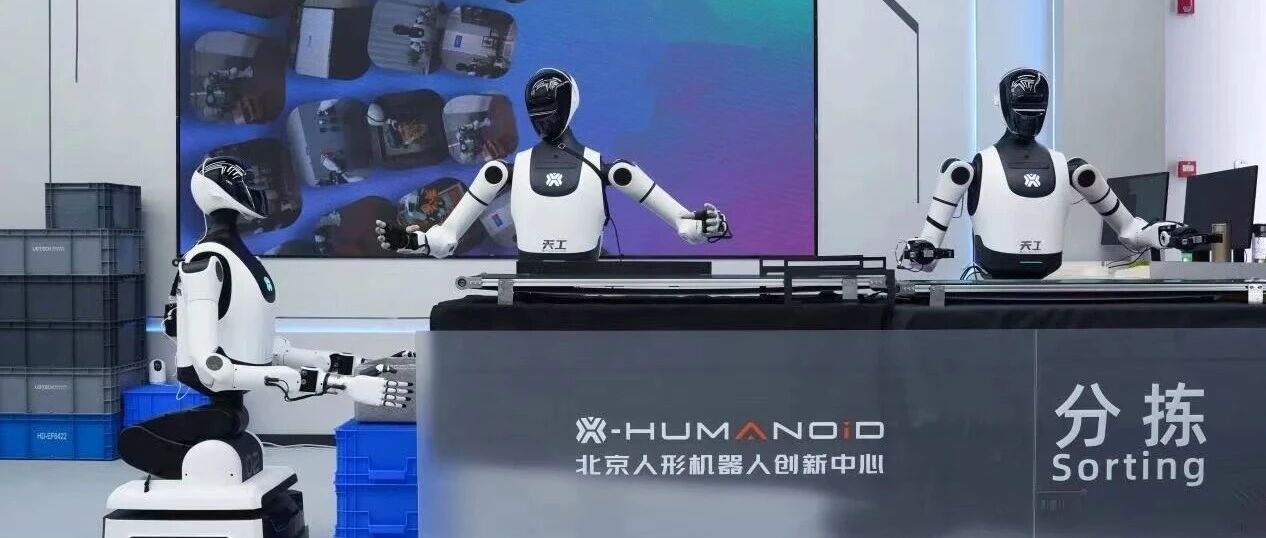
机器人存在的意义是什么? 在北京人形机器人创新中心看来,答案始终明确而坚定: 机器人, 最终是为了"能干活、会干活" ——是为了走入工厂 乃至千家万户,去完成那些重复、繁重、高 危 的实际任务,创造真实价值。 今天,我们离这个目标又近了一大步。 在业界目光正逐步向 实用 领域倾斜,大众对于机器人 " 干活 "的呼声也日益强烈的背景下,北京人形机器人创新中心在18日的直播中 ,正式宣布 开源其核心的具 身智能跨本体视觉语言动作( VLA)大模型XR-1 , 推动 具身智能 机器人 向 " 全自主、更 好用 " 的 目标 迈进。 结合 北京人形 升级版大规模机器人数据集 RoboMIND V2.0,以及高保真铰接物体数字资产数据集ArtVIP,我们能够发现, 此次开源并非一次单纯的技术共享, 而是一套旨在系统性解决机器人 如何"能干活、会干活" 这一核心难题的完整方案。 ▍ XR-1:一个能跨场景、跨本体、多任务干活的VLA模型 要让机器人像人一样灵巧、智能地完成任务,关键在于 "脑"的协同。北京人形将这一体系解构为"具身大脑"与"具身小脑"。 "具身大脑"负责高层的认知、规划与决策,理解"要做什么"和"为什么做 ...
以“通用语言”破局数据壁垒,灏存科技荣获灵巧手关键奖项
机器人大讲堂· 2025-12-19 08:38
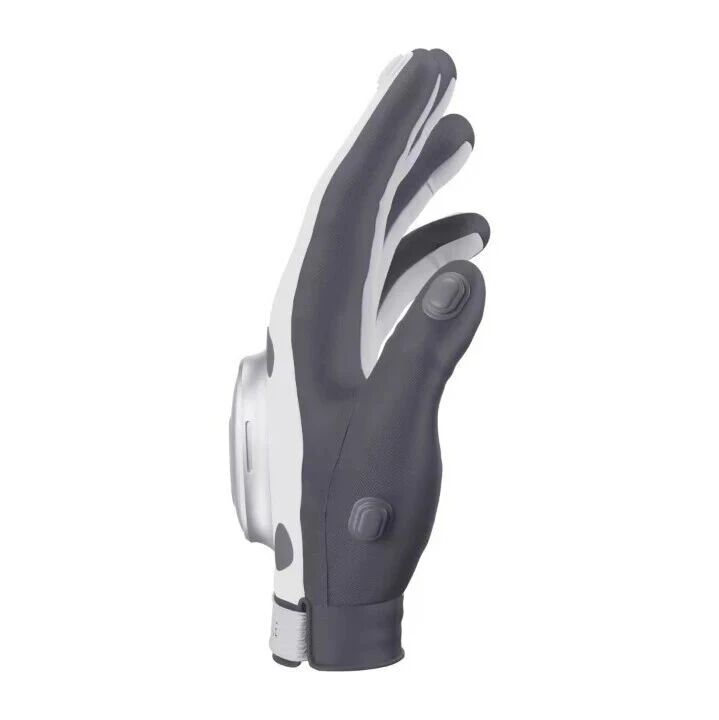
Core Viewpoint - Haocun Technology has won the "Best Adaptation Award for Dexterous Hands" at the LeadeRobot 2025 annual selection, highlighting a significant breakthrough in standardizing motion data and control in humanoid robots, which is crucial for the industry [1][16]. Group 1: Industry Challenges - The global humanoid robot industry faces intense competition, with dexterous hands being critical for executing complex tasks. However, the lack of standardized hardware and control protocols has created "data islands," hindering innovation and efficiency [4]. - The industry is trapped in a cycle of inefficiency, where algorithms developed for specific brands cannot be universally applied, leading to redundant efforts [4]. Group 2: Haocun Technology's Solution - Haocun Technology proposes a "Chinese solution" by creating a "universal language" for human motion data, focusing on the control of physical robots from its inception [4][8]. - The company has developed a proprietary "Motion Neural Central System" that deconstructs complex movements into algorithms, allowing for the automatic adaptation of motion parameters across different dexterous hands [6][8]. Group 3: Technological Impact - This technology significantly reduces research and development costs and adaptation cycles, enabling developers to focus on upper-level algorithms and innovative applications [7]. - Haocun Technology's approach aligns with national strategies to establish a standardized data system for embodied intelligence, addressing the industry's data isolation issues [8]. Group 4: Future Prospects - The demand for high-quality, standardized motion data in the humanoid robot industry is expected to grow exponentially, positioning Haocun Technology at a pivotal point in the industry's development [8][16]. - The company's practices contribute to breaking down data barriers, facilitating knowledge transfer, and accelerating the transition of humanoid robots from laboratories to everyday use [16].
再签1000台人形机器人订单!这家公司率先跑通具身智能场景落地!
机器人大讲堂· 2025-12-19 03:00
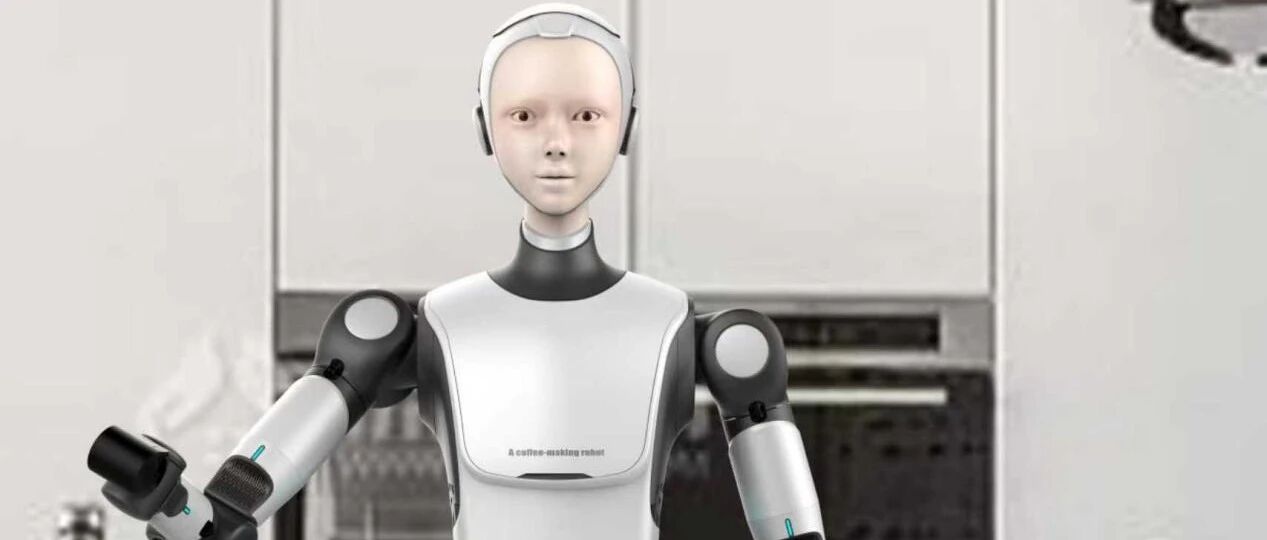
当前,人形机器人与具身智能赛道竞争聚焦于 "通用机器人平台"搭建与"颠覆性本体"研发,行业资源集中投 向算法优化、通用性拓展等"大脑"层面的技术比拼。参数竞赛与技术探索成为主流方向,多数企业致力于突 破通用智能瓶颈,却在一定程度上忽视了技术商业化的现实路径。 在全行业追逐长远技术理想的当下,谁能聚焦当下需求,实现技术的即时商业价值转化?具身智能的商业潜 力,究竟该通过何种路径落地生根? 12月18日至19日,第六届中国机器人行业年 会上 这 上面的 问题提供了清晰答案。作为大会核心环节的 LeadeRobot机器人行业颁奖典礼,上海清宝引擎机器人有限公司(以下简称"清宝机器人")凭借扎实的场 景化落地成果,斩获"LeadeRobot2025具身智能场景开拓奖"。 该奖项由立德智库发起,是具身智能商业化领域的权威认可,印证了清宝机器人领先的技术转化能力。与行业 主流路径不同,清宝机器人并未执着于通用智能的研发,而是聚焦商场、展馆、店铺等现有商业空间,通过智 能化 "手脚"与情感化"面孔"的构建,让具身智能技术快速适配实际场景需求,实现商业价值的即时兑现。 就在清宝机器人捧得大奖之际,清宝机器人官方再次披露拿下 ...
LeadeRobot2025年度中国机器人产业三大榜单发布:见证领军者、点亮新星、致敬领航者
机器人大讲堂· 2025-12-19 00:00
Core Viewpoint - The LeadeRobot annual list serves as a key indicator of the development of the Chinese robotics industry, highlighting both leading companies and innovative newcomers, and is based on rigorous selection by industry experts [1][2]. Group 1: Leading Companies List - The "LeadeRobot 2025 Annual List of Leading Chinese Robotics Companies TOP 50" features established companies that have demonstrated significant industry expertise across various sectors, including industrial robots, service robots, and humanoid robots [3]. - These leading companies are recognized for their technological advancements and their ability to provide complex solutions, integrating deeply into automated production lines and global supply chains [3]. - The publication of this list establishes a credible reference point for the industry, showcasing the solid foundation and deep accumulation of the Chinese robotics sector, which is expected to lead to higher quality advancements on the global stage [3]. Group 2: Emerging Stars List - The "LeadeRobot 2025 Annual List of Emerging Stars in the Era of Embodied Intelligence TOP 50" focuses on innovative companies that are early-stage explorers in the field of embodied intelligence, showcasing unique technological paths and strong growth potential [8]. - These emerging stars are characterized by their innovative algorithms, novel mechanical designs, and cutting-edge material applications, indicating a promising future for next-generation robotics technology [8]. - This list serves as a concentrated scan of industry innovation and provides direction for investment and collaboration, highlighting companies that target clear commercial scenarios with high growth and innovation capabilities [8]. Group 3: Influential Figures List - The "LeadeRobot 2025 Annual List of Influential Figures in the Chinese Robotics Industry" honors key leaders who drive the industry's evolution through strategic insights and entrepreneurial spirit [12]. - This list includes entrepreneurs who have successfully navigated development bottlenecks, scientists who have made breakthroughs in fundamental principles, and innovators who have transformed ideas into products [12]. - The recognition of these figures aims to establish role models within the industry, celebrating those who contribute significantly to the high-quality development of the Chinese robotics sector [12].






见证中国机器人的领军与新星,2025年业内最值得期待的LeadeRobot奖项出炉!
机器人大讲堂· 2025-12-19 00:00
回 望2025,这是中国机器人产业在宏大叙事与务实脚步间找到平衡点的一年。政策的蓝图精准铺展,技术的浪潮奔涌向前,而产业的目光,前所未有地聚焦于价 值的河床——什么是真正的竞争力?谁是 穿越周期的力量? 正是在这样的叩问中,LeadeRobot评选,以一份份严谨的答卷,尝试勾勒答案。本次评选于今年11月启动,自申报以来,我们收到了数百份申报材料,每一份都 承载着一家企业的年度足迹、一个团队的智慧心血。我们以"扫描产业基本盘,发掘增长新动能"为初心,设立覆盖人形机器人与具身智能、工业机器人、服务与特 种机器人、核心零部件、行业服务五大核心系列,既嘉奖领军者的稳健前行,也赋能创新者的勇敢探索,为行业呈现一份权威可信的产业航海图。 ▍ 起跑时 刻:人形机器人的灵 魂与双脚之辩——人形机器人与具身智能系列奖 2025年的行业主旋律,无疑由人形机器人与具身智能共同奏响。科技的终极浪漫,是让智能走进现实。2025 年,人形机器人与具身智能从概念走向应用,从实验 室迈向市场,那些在商业落地中破冰、在技术攻坚中突破、在生态构建中深耕的团队,为产业发展奠定了坚实基础。 LeadeRobot 202 5年度人形机 器人商业落地先 ...
领军聚首,智启新程!第六届中国机器人行业年会盛大启幕,共绘机器人未来新蓝图
机器人大讲堂· 2025-12-18 16:48
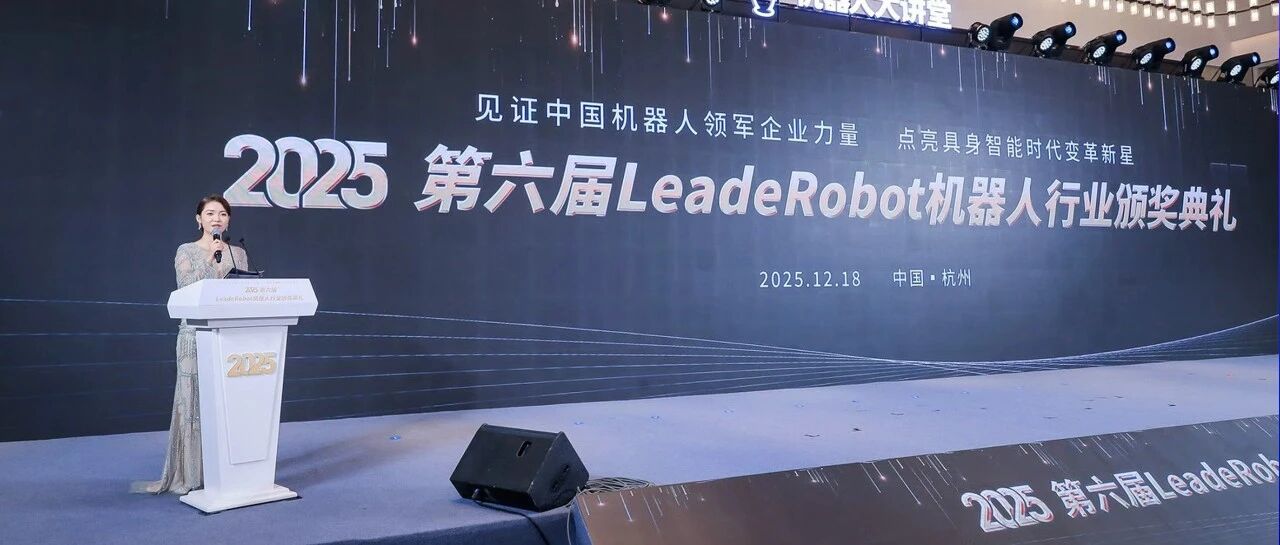
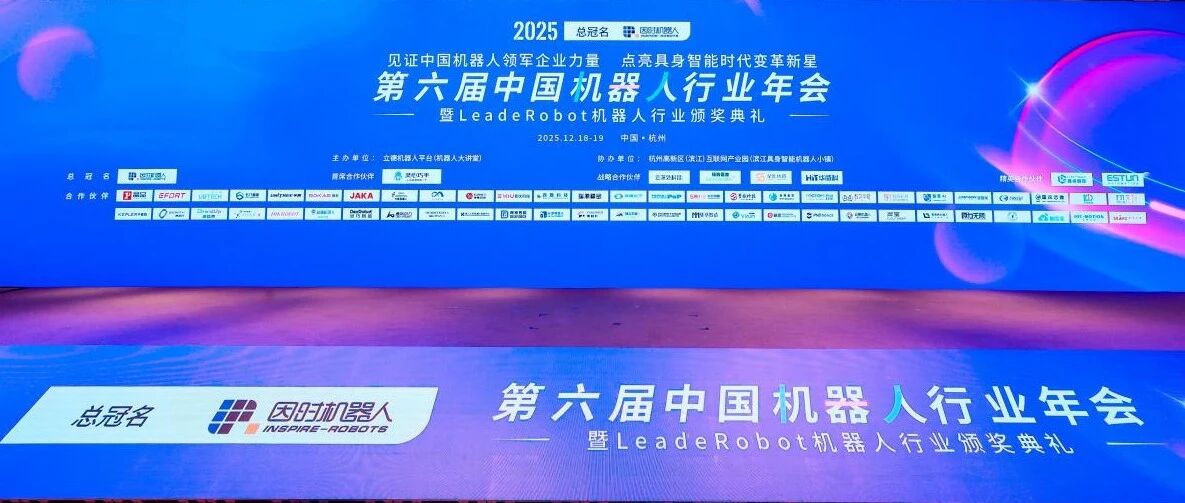
12月18日,第六届中国机器人行业年会暨LeadeRobot机器人行业颁奖典礼在杭州隆重启幕。 本届年会由立德机器人平台(机器人大讲堂)主办,杭州高新区(滨江)互联网产业园(滨江具身智能机器人小镇)协办,本次活动由因时机器人总冠名,同时得 到了灵心巧手、云深处科技、绿的谐波、星汇传感、HIT华威科、蓝点触控、埃斯顿自动化、晶品特装、五八智能等六十余家企业的大力支持。 年会以"见证中国机器人领军企业力量,点亮具身智能时代变革新星"为主题,搭建涵盖政、产、学、研、投的高端对话平台。全面梳理技术发展脉络、分享实战经 验,明确未来机器人发展方向,更期望凝聚行业共识,引导产业健康发展方向,助力中国在全球机器人科技与产业竞争中掌握主动权,携手共建产业生态,实现共 赢未来。 开幕式上,杭州高新区管委会副主任黄澄致辞表示,杭州高新区(滨江)作为浙江省机器人产业的先发区,近年来积极布局具身智能产业,规划建设的具身智能机 器人小镇已入选国家级中小企业特色产业集群、省级人形机器人未来产业先导区等战略平台。 浙江大学发展委员会副主席、机器人研究院院长朱世强在致辞中强调, 2025年对于机器人行业而言,注定是极不平凡、必将载入史册的一 ...
一年12证!深圳元化智能引爆骨科手术机器人“超新星”时刻
机器人大讲堂· 2025-12-18 16:48
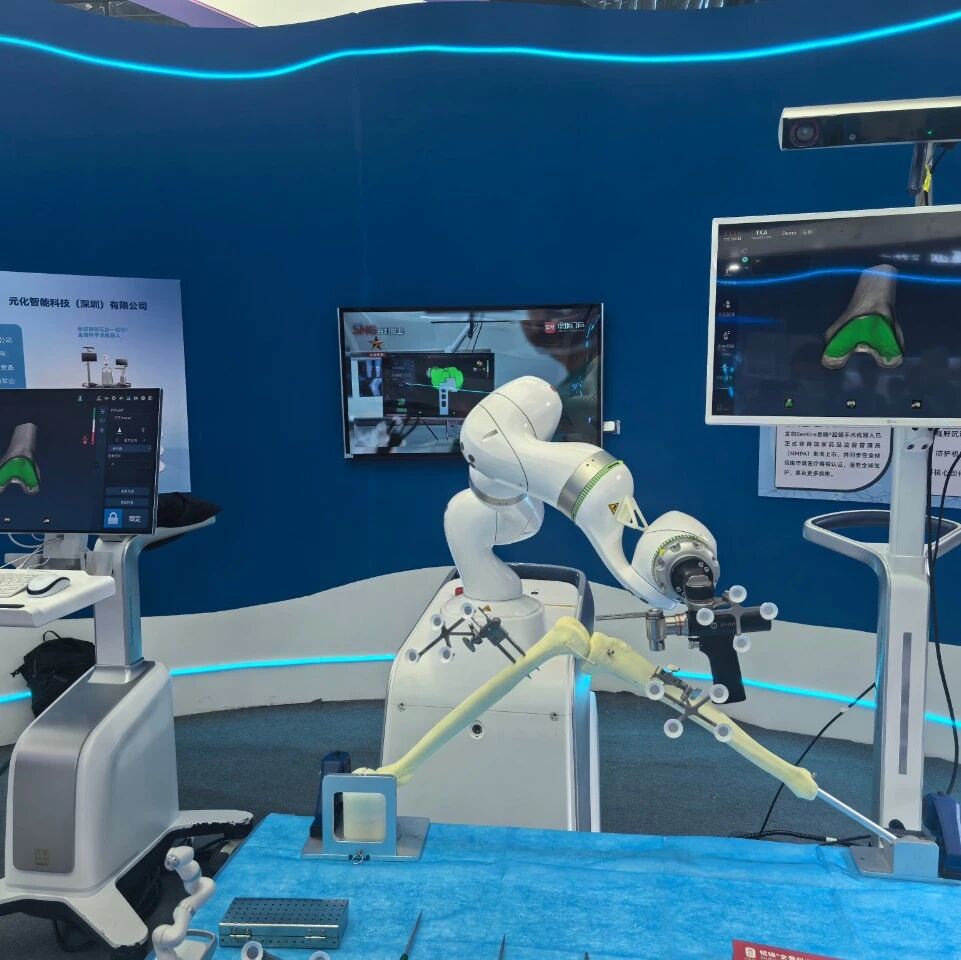
Core Viewpoint - The rapid development of the Shenzhen robotics industry is exemplified by Yuanhua Intelligent Technology Co., Ltd, which has achieved significant milestones in high-end specialized medical equipment within just seven years of establishment [1][3]. Group 1: Company Achievements - Yuanhua Intelligent has independently developed a full product line and achieved 12 medical device registrations in 2025, marking its entry into the global market [1][3]. - The company’s robotic knee surgery system, YuanBOT-HX200, has received approval from the National Medical Products Administration (NMPA), contributing to its rapid growth in the Shenzhen robotics sector [3][10]. - Yuanhua is the only domestic company with the capability to independently develop all core components of orthopedic surgical robots, positioning itself as a leader in the field [5][10]. Group 2: Product Innovations - The company showcased a groundbreaking "five-in-one" surgical robot at the 2025 Shenzhen International High-Performance Medical Device Exhibition, capable of assisting in hip, knee, unicompartmental joint replacement, spine, and trauma surgeries [5][10]. - Yuanhua's product matrix includes preoperative planning, intraoperative navigation, consumable support, and postoperative rehabilitation, demonstrating a comprehensive approach to orthopedic surgery [10][11]. - The company has also obtained product registration licenses in countries such as Brazil, Indonesia, Thailand, and Malaysia, indicating its international expansion efforts [10][11]. Group 3: Industry Impact - The emergence of Yuanhua Intelligent has disrupted the long-standing monopoly of international giants in the high-end surgical robot market, addressing key bottlenecks in China's medical advancement and cost control [5][11]. - The achievements of Yuanhua reflect the broader development of AI and robotics in China, showcasing a phase of multi-faceted growth and technological breakthroughs in the industry [11].
昆虫触角附体,机器人长出感知超能力!浙大仿生微光学天线登《Science》子刊
机器人大讲堂· 2025-12-18 16:48
一片比头发丝还细的光学纤维,让机器人同时拥有了触觉、听觉和嗅觉。原来,最高级的传感技术,就藏在昆 虫的触角里。 ▍ 生物灵感与技术突破:从昆虫触角到微光学天线 在自然界,昆虫的触角是多功能感知器官的代表。蝴蝶能用触角感知微风中的化学信息,蚊子能通过触角振动 定位同类翅膀的嗡嗡声,蚂蚁则依靠触角触摸与交流。 生物研究表明,昆虫触角表面覆盖着大量受体细胞,能将机械振动、化学分子等信息转换为生物电信号,经由 神经传递至大脑进行处理。这种高度集成、微型低功耗的传感方案,正是当前微型机器人领域梦寐以求的技术 范式。 以往模仿昆虫触角的人工传感器往往存在体积大、功耗高、难以集成等问题。电子线路在微观尺度下容易产生 电阻增大、响应延迟、信号串扰等一系列问题。 近日 ,浙江大学 团队 摒弃传统电子路径 , 在权威期刊《 Science Advances 》发表最新研究成果, 成功 复制了昆虫触角的结构与功能,研制出一种仿生微光学天线 ( MOA ) 。它大小仅约 100 微米,重量约 1 毫克,却能赋予机器人媲美生物的多感官感知能力。 其核心构造在于:一根微纳光纤充当 "传感神经",其外包裹的功能化聚合物薄膜作为"受体"。通 ...

这家企业的 “一脑多形” 智脑系统,已将机器人应用在巡检、制造、养老实际场景中
机器人大讲堂· 2025-12-17 11:24
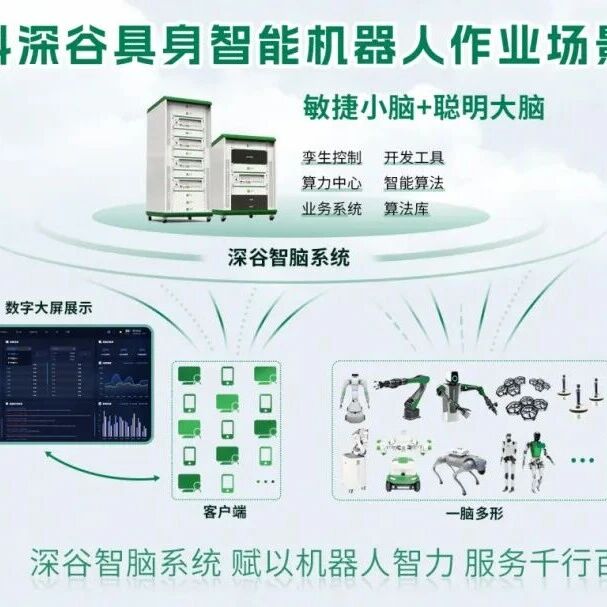
随着具身智能浪潮的深入进化,智能机器人如何更高效地解决实际场景问题,已成为推动行业智能化升级的核 心问题。 中科深谷科技源自 中国科学技术大学 的创新基因,是一家专注于具身智能机器人 "大小脑"、智能机器人开发 与场景智能化应用的国家高新技术企业。深谷是 人工智能 领域国家级专精特新 "小巨人"企业,在智能机器人 实时仿真控制系统方向,对标国际一线品牌,拥有多年技术沉淀。 2025 年 4 月,深谷正式发布了具身智能机器人智脑系统 BrainCspace V1.0 。 智脑系统采取"大小脑"深度 融合架构,大脑采取端到端分层构架,内置建模仿真、模仿学习、深度学习、强化学习多种算法以及孪生控制 于一体,小脑内置运动控制与感知系统,支持" VLA "等主流智能体开发技术路线。 依托该系统,中科深谷实现了在智能体开发、管理、跨平台协作与场景适应性等方面的关键技术突破,研制了 多款智能机器人产品。深谷智脑系统具有很强的开放性,支持云端 / 本地部署与"一脑多 形 "机器人应用解决 方案,可兼容多家生态伙伴的四足机器狗、人形机器人、复合机器人等多类别智能体,广泛应用于智能安防、 巡检作业、科学研究等领域,切实赋能行业智 ...