机器人大讲堂

Search documents
破解边坡巡检难题!香港大学研究团队提出基于激光雷达的四旋翼飞行器!
机器人大讲堂· 2025-09-02 04:05
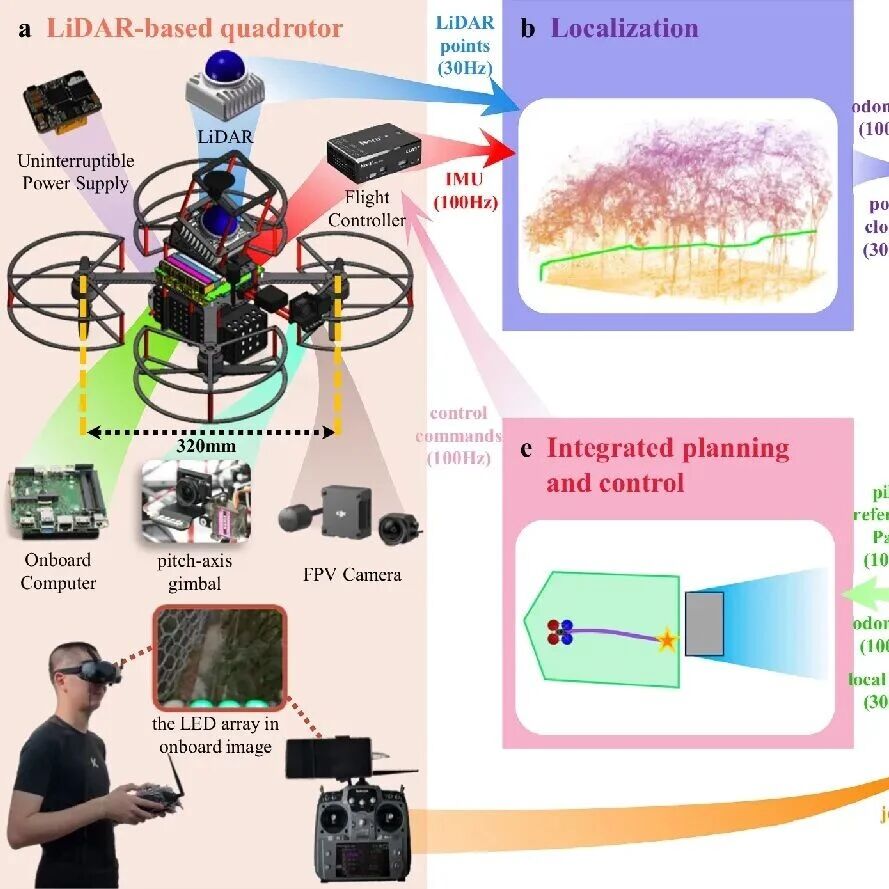
山体滑坡作为一种常见的自然灾害,对居民安全与基础设施构成持续威胁。为降低滑坡风险,工程实践中常采 用加固斜坡、设置柔性防泥石流屏障等手段。这些屏障通常位于陡峭边坡或植被茂密区域,需定期检查其结构 完整性及堆积物状态。然而,受限于地形复杂、通道难以建设、人工巡检效率低下及安全隐患等问题,传统巡 检方式面临严峻挑战。 近年来,配备激光雷达与摄像头的无人机( UAV)技术为边坡巡检提供了新思路。它们能够穿越复杂地形、 采集高精度数据、降低人力成本,并减少因非法入侵带来的风险。然而,现有无人机系统多针对开放环境或简 单结构设计,在狭窄、植被茂密的环境中仍存在定位不稳、地图构建不精确、动态障碍物规避能力不足等问 题。 ▍港大团队发力:新技术方案,破解难题 面对无人机在茂密植被下边坡巡检的诸多挑战, 来自 香港大学研究团队 的研究人员开展了深入研究,成功 开发出一款基于激光雷达的四旋翼飞行器,并为其配备了完善的软件系统,为解决这一行业难题提供了有效途 径。 该四旋翼飞行器的关键优势在于其卓越的避障能力,能够有效避开坡地环境中的各种障碍物,包括细树枝、钢 丝绳以及障碍物上的细网。经过测试,该飞行器 能够探测到 3.53米范 ...

坚定长期主义,这家国产机器人龙头本体销量增20%,全球超级工厂开工
机器人大讲堂· 2025-09-02 04:05
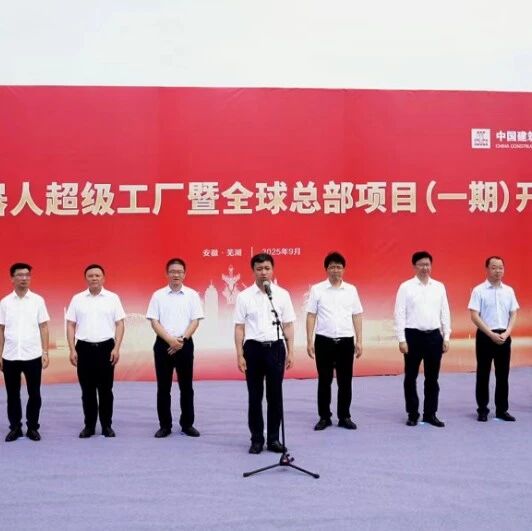
9 月 1 日,埃夫特智能 机器人 股份有限公司于安徽省芜湖市鸠江经济开发区举行超级工厂暨全球总部项目 (一期)开工仪式。埃夫特超级工厂位于鸠江经济开发区江北北湾智能装备制造产业园,一期建成达产后, 将新建集自动化装配、立体化仓库、数控加工中心、核心零部件生产、质量检测中心为一体的超级智能化工 厂,打造实现自动化生产、数智化管理的科研制造基地。一期建成达产后, 预计将实现年产 5 万台高性能工 业机器人的目标。 埃夫特 于 2024 年 9 月 18 日审议通过了《关于投建埃夫特机器人超级工厂暨全球总部项目的议案》。今 年 8 月 8 日,埃夫特发布公告称,公司以 3414 万元竞得芜湖市鸠 2506 号国有建设用地使用权,地块位 于二坝镇,面积 101565.86 平方米,为工业用地,并已签订出让合同。该项目总投资约 18.93 亿元,分两 期建智能化数字工厂及科研基地,未来全面达产后预计年产 10 万台工业机器人,此次 开工 标志项目进入实 质建设阶段。 ▍ 埃夫特的长期主义 埃夫特机器人 2025 年上半年业绩下滑, 营业总收入 5.08 亿元 , 其中 机器人整机收入 3.70 亿元,占比 76.11 ...

又一外骨骼机器人公司转战人形?
机器人大讲堂· 2025-09-01 13:37
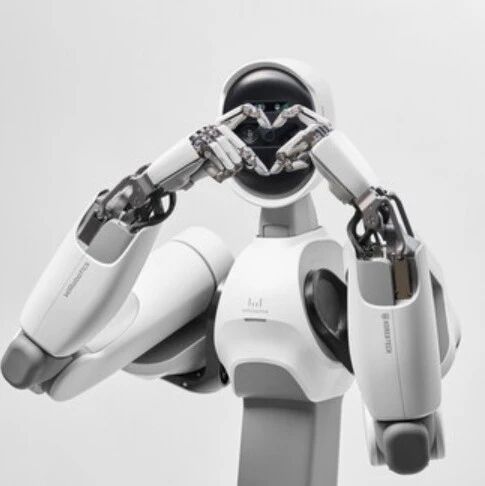
Core Viewpoint - WIRobotics has launched its first general-purpose humanoid robot ALLEX, marking its expansion from exoskeleton robots to humanoid robotics, aiming to set a new benchmark in human-robot interaction and overcome existing technological limitations [1][3]. Company Development - WIRobotics, founded in June 2021 by Yeon-baek Lee, Yong-jae Kim, and two former Samsung robotics engineers, focuses on wearable and humanoid robots, with a vision of enhancing quality of life through technology [3]. - The company previously developed exoskeleton robots, including WIBS and WIM, which won CES Innovation Awards in 2024 and 2025, and received approximately 500 commercial orders within eight months [3][4]. - In March 2024, WIRobotics completed a Series A funding round of 13 billion KRW to accelerate the adoption of wearable robots [4]. ALLEX Robot Features - ALLEX is designed as an "ALL-EXperience" robot, featuring upper body capabilities that respond to physical stimuli, aiming for human-like interaction [1]. - The robot's upper body incorporates a gravity compensation mechanism for ergonomic design and stability, with a new high-degree-of-freedom (DOF) robotic hand that can sense reaction forces and adapt to external loads [6]. - ALLEX's mechanical hand has 15 degrees of freedom, capable of detecting forces as low as 100 gf, with a fingertip precision of 0.3 mm or less, and can exert a fingertip force of 40 N and a gripping force exceeding 30 kg [7]. Technological Advancements - ALLEX features a new drive and control technology with ultra-low friction and high-load actuators, enabling human-level adaptability and force control [9]. - The robot's lightweight structure allows it to perform human-like movements, with a total weight of approximately 5 kg and the ability to lift over 3 kg with one hand, comparable to mid-range collaborative robots [9]. Future Plans and Ecosystem - Although ALLEX is still in the prototype stage, WIRobotics aims to develop specific humanoid robot solutions based on customer needs in industrial, medical rehabilitation, and military sectors [12]. - The company is building an open innovation ecosystem and has partnered with various research institutions, including MIT and UIUC, to enhance ALLEX's intelligence and capabilities [12]. - WIRobotics plans to expand ALLEX into a modular platform and aims to launch a general-purpose humanoid robot by 2030, suitable for everyday use in homes and restaurants [14]. Challenges - Despite its advancements, WIRobotics faces challenges in developing the lower body of ALLEX, particularly in achieving dynamic balance, which is crucial for humanoid robots [15].
MIM工艺成为人形机器人新方向?
机器人大讲堂· 2025-09-01 13:37
Core Viewpoint - Metal Injection Molding (MIM) technology is emerging as a viable development direction for humanoid robots, with its applications in consumer electronics and automotive industries maturing, leading to increased demand for high-precision and complex components in advanced manufacturing sectors [1][4]. Group 1: MIM Technology Overview - MIM is a new near-net-shape forming technology that combines modern plastic injection molding with powder metallurgy, allowing for the production of complex metal parts with high precision and excellent surface quality [3][4]. - The MIM process involves mixing solid powder with an organic binder, shaping it through injection molding, and then removing the binder followed by sintering to achieve the final product [3][4]. Group 2: Applications in Robotics - MIM's ability to create complex integrated structures in a single molding process is a key advantage, enabling the production of intricate designs that traditional machining cannot achieve [4][6]. - The technology is suitable for manufacturing critical components in humanoid robots, such as joints and sensors, balancing material performance and lightweight design [6][11]. Group 3: Advantages of MIM - MIM can adapt to a variety of high-strength materials, including iron-based alloys and titanium alloys, meeting diverse performance requirements for different parts [6][11]. - The process allows for the production of small, precise components with tight tolerances, making it ideal for applications in robotics where lightweight and compact designs are essential [7][11]. Group 4: Challenges and Limitations - Despite its advantages, MIM is still a new technology with high mold development costs, making it less suitable for low-volume production typical in the early stages of humanoid robot development [8][12]. - The lengthy processes of debinding and sintering can hinder the economic viability of MIM for small batch production, which is often required in rapid prototyping and iterative design phases [8][12]. Group 5: Market Potential - The global MIM industry is valued at approximately 25 billion, with China accounting for over 55%, projected to reach 57.49 billion by 2030, with a CAGR of 10.7% from 2024 to 2030 [12].
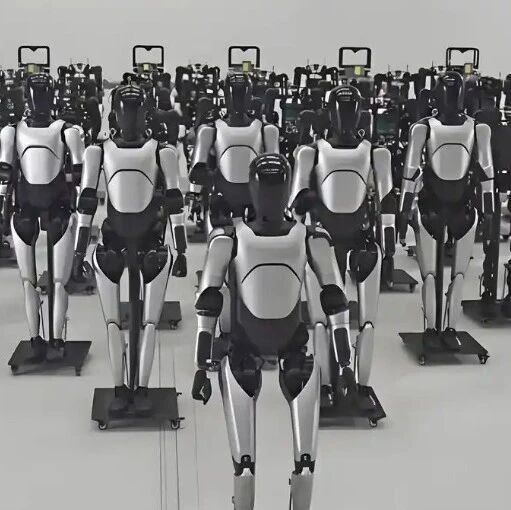
快讯|优必选获10亿美元战略融资授信;宇树科技公布基于数字孪生的机器人运动控制专利;现代威亚推出物流新品
机器人大讲堂· 2025-09-01 13:37
Group 1 - UBTECH has signed a strategic partnership agreement with Infini Capital for a $1 billion financing credit, aimed at establishing a super factory in the Middle East [1][3] - The partnership includes various financing methods and aims to enhance UBTECH's industrial layout capabilities, as well as to invest in the humanoid robot supply chain [1][3] - Infini Capital plans to increase its stake in UBTECH and assist in developing a joint venture for a super factory and R&D center in the Middle East [1][3] Group 2 - Yushu Technology has published a patent for a robot motion control method based on digital twins, addressing limitations in complex stage performances [4][5] - The patented technology includes modules for environmental sensing, map processing, and dance action design, enabling robots to adapt to stage changes and improve performance quality [4][5] Group 3 - Hyundai Wia has officially entered the mobile robot market with a new logistics robot product line, capable of handling payloads from 300 to 1500 kilograms [6][8] - The new robots utilize various navigation methods, including SLAM technology and AGV routes, and are designed to enhance efficiency in industrial logistics automation [6][8] - Hyundai Wia aims to expand its market influence beyond the Hyundai Motor Group by signing sales agency contracts with five domestic companies [6][8] Group 4 - Meta is facing controversy for allegedly creating flirtatious chatbots using the likenesses of celebrities like Taylor Swift and Selena Gomez without their consent [9][11] - The chatbots, developed by Meta employees, have been reported to engage users with suggestive content, raising ethical concerns regarding privacy and consent [9][11] Group 5 - Apple has introduced a new AI chatbot named Asa for retail employees, designed to enhance their understanding of Apple products and improve sales capabilities [12][13] - Currently in testing, Asa will soon be widely available within Apple's internal SEED application, although a public version has not yet been released [12][13]



为何各大车企都要扎堆做机器人?
机器人大讲堂· 2025-09-01 13:37
Core Viewpoint - The automotive industry is undergoing a significant transformation from traditional manufacturing to embodied intelligence driven by AI technology, with humanoid robots becoming a key direction for automakers to break business boundaries and achieve valuation restructuring [1][5]. Group 1: Industry Transformation - The automotive sector is evolving into a core application of AI, transitioning from traditional manufacturing to a fusion of "smart vehicles + robots" [1]. - Historical technological revolutions have consistently disrupted existing competitive landscapes, leading to valuation restructuring in cyclical industries, as seen in the rapid increase of new energy vehicle penetration from below 10% to 20% between 2019 and 2021 [1]. Group 2: Cross-Industry Synergy - The core components of automobiles and humanoid robots share high commonality in design logic, production processes, and cost control systems, facilitating the transition from automotive parts to robot components [6]. - Leading automotive parts companies are entering the core component field of robotics, leveraging their existing manufacturing capabilities for industry upgrades [6]. Group 3: Advantages of Automotive Companies - Automotive manufacturers have natural advantages in developing robot bodies, as they can deploy robots in their own factories for real-world performance validation and technology iteration [8]. - The extensive data and algorithm models accumulated from smart vehicle operations can support the perception, decision-making, and execution capabilities of robots [8]. Group 4: Market Developments - Domestic automakers are actively establishing robotics divisions and partnerships to advance their robotics business, with companies like BYD and XPeng making significant strides in humanoid robot development [10][11]. - The long-term demand for both automobiles and humanoid robots is projected to be in the millions, with deep commonalities in supply chain management and production processes [13]. Group 5: Industry Growth and Innovation - The humanoid robot industry is transitioning from "cognitive formation + product iteration" to "mass production + cost reduction + performance upgrades," with multiple stakeholders accelerating their layouts [15]. - Major technology companies are becoming key drivers of the robotics industry, leveraging large model algorithms and computational platforms to enhance robot capabilities [18]. Group 6: Policy and Capital Support - Government policies are increasingly supportive of the robotics industry, with initiatives aimed at achieving core technological breakthroughs and fostering globally influential enterprises by 2025 [21]. - The financing landscape for humanoid robotics is active, with leading companies receiving substantial funding to enhance their production capabilities [23]. Group 7: Future Outlook - The transformation of the automotive industry towards embodied intelligence and the development of humanoid robots is an irreversible trend, with ongoing technological iterations and policy support expected to drive value reconstruction and new growth cycles in the industry [23].


最后五天!李泽湘教授领衔助力,现金奖励+百万无责资金+千万级融资,2025明月湖硬科技创业大赛报名将止!
机器人大讲堂· 2025-08-31 04:06
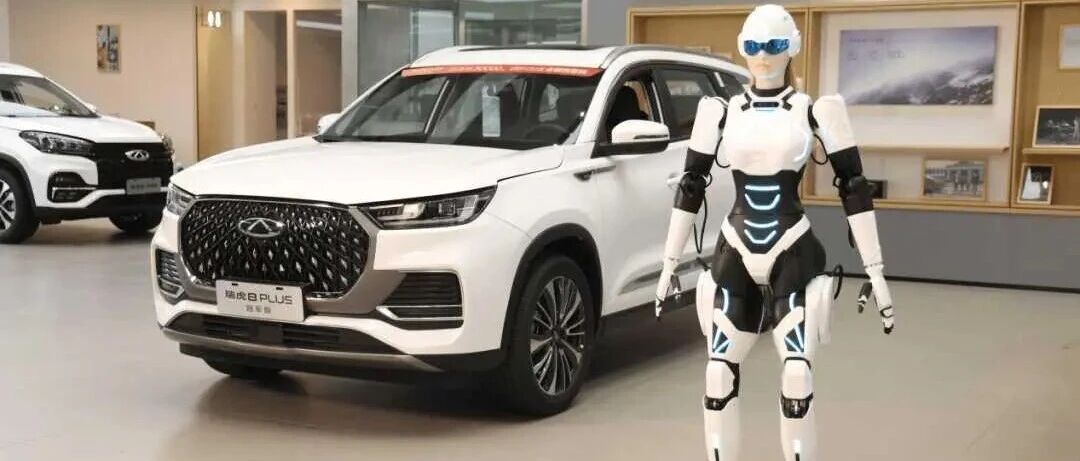
Core Viewpoint - The article emphasizes the rapid transformation of global manufacturing, service industries, and daily life through robotics technology, highlighting its role as a core driver for new productive forces and industrial intelligence upgrades [1]. Competition Highlights - The competition features a total prize pool of 330,000 yuan, with winning projects eligible for 3.5 million to 5 million yuan in non-repayable entrepreneurial exploration funds, significantly reducing early-stage entrepreneurial risks [3]. - The finals will gather over 100 investment institutions, including Sequoia Capital and Chongqing Seed Fund, providing efficient financing channels for participants [3][9]. - Participants can join the XbotPark innovation ecosystem, receiving comprehensive support from technology solutions to market resources [3]. - Winning projects can access up to 200 square meters of free office space, laboratories, and talent apartments at the Mingyue Lake International Smart Industry Innovation Base, along with systematic entrepreneurial guidance [3][6]. Participation Requirements - The competition is divided into "Seed Innovation Group" and "Innovative Enterprise Group," focusing on the comprehensive capabilities, technical strength, and innovation potential of founding teams [4][5]. - The Seed Innovation Group is open to startups or individuals, including students, while the Innovative Enterprise Group requires companies with financing needs and technological achievements in smart hardware [5][8]. Available Resources - Winning projects will share the 330,000 yuan prize and gain entry to the Mingyue Lake International Smart Industry Innovation Base, with access to free office and research space, as well as up to 5 million yuan in non-repayable funds [6]. - The base offers comprehensive management, product, recruitment, financing, and marketing support for entrepreneurs [6]. Ecosystem Support - Winning projects will connect with the XbotPark innovation ecosystem, which has nurtured over 140 hard-tech companies with an 80% survival rate, including 15% that have become unicorns or quasi-unicorns [11]. - The ecosystem aims to foster collaboration among innovative companies, enhancing growth opportunities [11]. Industry Support - The competition will provide industrial support through shared factories and the Mingyue Lake Hard-Tech Supply Chain Alliance, offering a one-stop manufacturing service platform for over 50 hard-tech startups annually [12]. - The alliance focuses on creating a supportive ecosystem for hard-tech companies and supply chain enterprises [12]. Policy and Media Exposure - Outstanding projects will receive priority recommendations for provincial and municipal talent policies and technology project applications, along with exclusive policy service channels for high-level talents [14]. - The competition will be covered by mainstream media, enhancing the visibility and influence of participating projects [15]. Event Schedule - Registration is open until September 5, 2025, with preliminary rounds in September 2025 and finals in October 2025 [20].
广和通新一代Fibot具身智能开发平台,如何助力Physical Intelligence π0.5模型实现VLA泛化?
机器人大讲堂· 2025-08-31 04:06
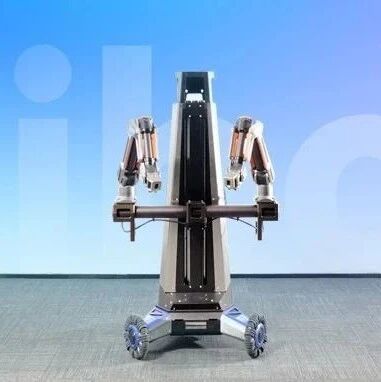
Core Viewpoint - The article highlights the launch of the next-generation embodied intelligence development platform, Fibot, by Guanghetong, marking a significant breakthrough in the field of embodied AI [1][7]. Group 1: Product Features and Innovations - Fibot has been successfully applied in the data collection for Physical Intelligence's latest visual-language-action (VLA) model, π0.5, showcasing its capabilities in embodied AI [1]. - The new Fibot features VR-based dual-arm collaborative control, significantly enhancing the operational range of robotic arms in three-dimensional space, thus broadening the practical task scenarios [3]. - The mobile chassis has been optimized with a three-wheel omnidirectional design, replacing the previous four-wheel version, allowing for better maneuverability in confined spaces such as factories and laboratories [5]. Group 2: Strategic Partnerships and Future Plans - The deployment of Fibot to support the π0.5 model's data collection is a key milestone for Guanghetong as a solid partner and supplier for Physical Intelligence [7]. - Guanghetong aims to continue investing in product and R&D resources, deepening collaborations with leading AI research institutions like Physical Intelligence to advance embodied AI technology [8]. - The company is committed to providing comprehensive support from core hardware platforms to system optimization for clients in the embodied intelligence sector [8].

登顶 TRO!北大团队突破软体机器人制造瓶颈,提出可编程织物堆叠技术实现多功能一体成型!
机器人大讲堂· 2025-08-30 14:59
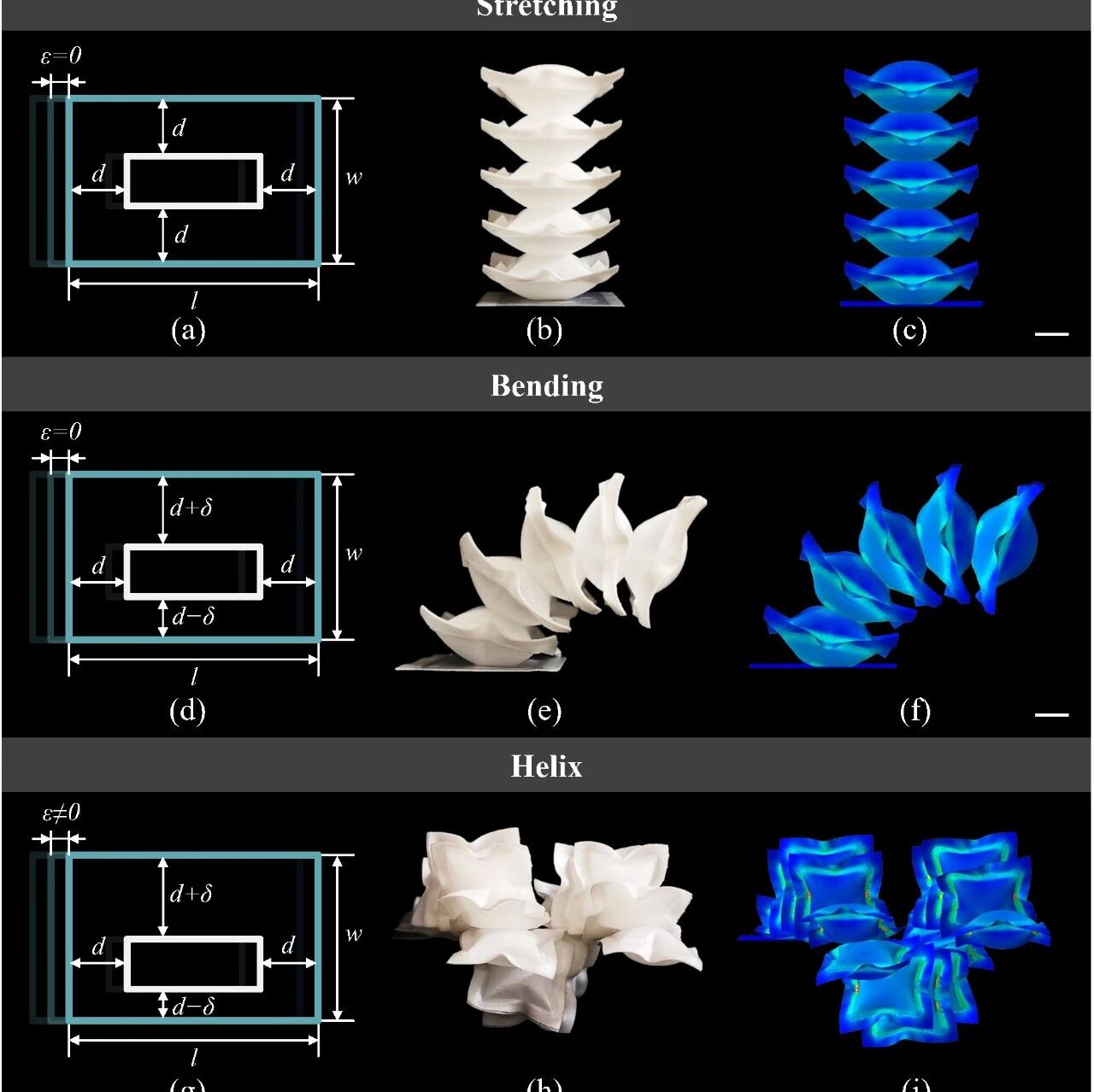
Core Viewpoint - The article discusses the innovative manufacturing method for soft robots based on programmable fabric stacking, which overcomes traditional manufacturing limitations and enables the creation of multifunctional soft robots [2][5][7]. Group 1: Manufacturing Challenges and Innovations - Current mainstream methods for soft robot manufacturing face significant challenges, including reliance on manual operations and limited functionality [1]. - The proposed method by the research team from Peking University utilizes programmable fabric stacking, allowing for the creation of multifunctional soft robots with reduced manual assembly [2][4]. - The new method combines laser cutting and 3D printing technologies to enhance precision and consistency in the manufacturing process [4][12]. Group 2: Technical Details of the New Method - The core of the new manufacturing method involves programming the contour and bonding paths of each fabric layer, enabling the overall manufacturing of the robot [7][8]. - The team uses thermoplastic polyurethane (TPU) coated nylon fabric as the sole material, ensuring strong inter-layer bonding through thermal processes [8][9]. - The manufacturing process includes precise laser cutting of fabric layers and sequential stacking, resulting in an integrated robot structure without the need for manual assembly [9][12]. Group 3: Multifunctional Soft Robots Developed - The research team successfully developed three multifunctional soft robots: a large-range soft manipulator, an amphibious robot, and a cable-free soft robotic fish, showcasing significant performance and functional integration advantages [13][14]. - The large-range soft manipulator can extend from an initial height of 8 mm to 243 mm, achieving a stretch ratio of 2941% and featuring a three-finger gripper with a maximum bending angle of 110.3° [14][16]. - The amphibious robot can adapt its body shape for various locomotion modes, including crawling, walking, jumping, and swimming, demonstrating strong adaptability to complex environments [17][18]. - The cable-free soft robotic fish integrates swimming and grasping functions, achieving a maximum swimming speed of 1.04 BL/s and a maximum grasping force of 21.4 N [19][21].
波士顿动力机器狗终于有新绝活!工程师:我们也没想到它能做到
机器人大讲堂· 2025-08-30 14:59
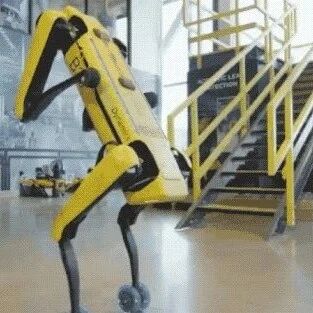
Core Viewpoint - Boston Dynamics' Spot robot has showcased impressive new capabilities, including performing backflips, which highlights its advanced engineering and potential applications in various industries [1][3][5]. Group 1: Technical Achievements - Spot can perform multiple backflips and other complex movements, demonstrating agility comparable to that of a gymnast [3][5]. - The engineering team, led by Arun Kumar, initially doubted the feasibility of Spot performing backflips, indicating the experimental nature of the project [5]. - The training for these movements is not merely for show; it aims to ensure Spot can recover quickly from falls while carrying heavy loads in industrial settings [8][10]. Group 2: Training and Development Process - The development process involves iterative testing in simulation environments before deploying successful movements to the physical robot [11]. - The team utilizes reinforcement learning to enhance Spot's performance, achieving speeds over 5.2 meters per second, which is more than three times the default controller's maximum speed [13]. Group 3: Practical Applications - Since its commercial launch in 2020, Spot has been utilized in various industrial applications, including surveying at Ford factories and conducting safety inspections at Kia [14][17]. - Spot has also been involved in radiation surveys for Dominion Energy and automated inspections at Chevron's facilities, showcasing its versatility in different environments [16][17]. Group 4: Public Perception and Engagement - Public performances, such as those on "America's Got Talent," aim to change perceptions of robots, presenting them as engaging and beneficial rather than threatening [20][22]. - The deployment of Spot for unique tasks, such as delivering pizza for Domino's, illustrates its adaptability and potential for diverse applications [18].