GLP1减重宝典

Search documents
《Science》最新揭示:这个神秘信号通路,竟与肥胖关系密切
GLP1减重宝典· 2025-10-13 13:09
Core Insights - The article discusses a groundbreaking research published in "Science" that reveals a new signaling pathway in the brain's neurons, which plays a crucial role in appetite regulation and could lead to new anti-obesity strategies. Currently, obesity affects approximately 40% of adults in the U.S. and over 1 billion people globally [6][7]. Group 1: Research Findings - The research team, led by Dr. Zhao Zhang, discovered a previously unknown signaling pathway in the cilia of brain neurons that regulates appetite, presenting a new breakthrough for weight loss treatments [7]. - The rapid development of weight loss medications is transforming the healthcare industry, achieving lasting weight control and showing significant benefits in cardiovascular health, blood sugar balance, and management of blood pressure and cholesterol [7]. - The study utilized Automated Meiotic Mapping (AMM), a combination of genetics and machine learning, to efficiently locate gene mutations associated with obesity [8]. Group 2: Genetic Insights - The research identified the Gpr45 gene as central to weight regulation, with mutations leading to obesity in mice due to increased food intake [8]. - GPR45 protein is highly expressed in hypothalamic neurons and is involved in transporting Gαs protein to primary cilia, activating the MC4R signaling pathway to regulate appetite [9]. - Current medications targeting MC4R are limited to specific genetic mutations and do not apply to the broader obesity population, highlighting the potential for developing drugs that enhance GPR45 activity for wider treatment options [9].

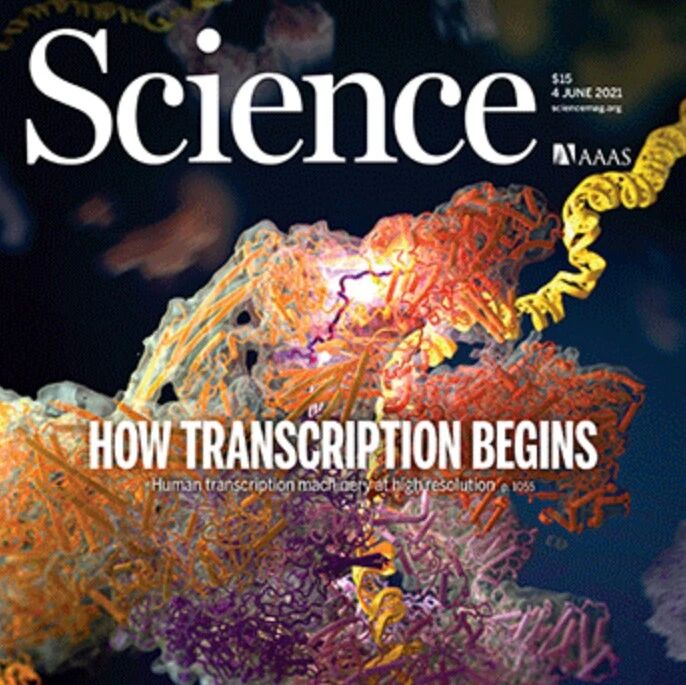
华中科技大学揭示低碳水结合限时饮食的持续减重机制:肠道菌群或成关键突破口
GLP1减重宝典· 2025-10-13 13:09
Core Viewpoint - The article discusses a significant study conducted by Professor Liu Gang's team from Huazhong University of Science and Technology, which demonstrates that a healthy low-carbohydrate diet combined with time-restricted eating can lead to substantial weight loss and metabolic improvements, even under the same caloric restriction conditions [4][5][7]. Summary by Sections Obesity and Dietary Interventions - The global obesity issue is worsening, with over 610 million people in China classified as overweight or obese. Dietary interventions, particularly low-carbohydrate diets and time-restricted eating, are gaining attention for their effectiveness in weight management [4]. Research Methodology - A 12-week randomized controlled trial was conducted with 96 overweight or obese participants, divided into four groups: a control group, a healthy low-carbohydrate group, a time-restricted eating group, and a combined low-carbohydrate plus time-restricted eating group. All groups reduced caloric intake by 25% [7][8]. Key Findings 1. **Weight Loss and Fat Reduction** - Participants lost an average of 3.53 kg (approximately 5%) after 12 weeks. The healthy low-carbohydrate group showed a fat loss of 3.37 kg compared to 2.44 kg in the control group, while the time-restricted eating group lost 3.13 kg but also experienced more muscle loss [8][9]. - After 28 weeks of follow-up, the healthy low-carbohydrate group maintained a significant fat loss of 0.85 kg compared to baseline levels [14]. 2. **Metabolic Improvements** - Significant improvements were observed in blood pressure, total cholesterol, and liver and kidney function. Continuous blood glucose monitoring indicated a notable decrease in overall blood glucose levels, suggesting more stable blood sugar fluctuations [10][11]. 3. **Gut Microbiome Changes** - The healthy low-carbohydrate diet inhibited amino acid synthesis functions in the gut microbiome, reducing branched-chain amino acids associated with insulin resistance, while increasing unsaturated fatty acid levels. Time-restricted eating promoted the proliferation of short-chain fatty acid-producing bacteria, potentially influencing energy metabolism and inflammation regulation [12]. Implications for Precision Nutrition - The study highlights the potential of optimizing carbohydrate quality and implementing time-restricted eating to achieve additional metabolic benefits beyond caloric restriction. The identification of biomarkers related to weight loss through machine learning offers a scientific basis for personalized weight management strategies [13][14].

晚餐时间竟由基因决定?现代人健康饮食的奥秘不仅在于"吃什么",更关键的是"几点吃"!
GLP1减重宝典· 2025-10-12 11:42
以下文章来源于内分泌早知道 ,作者关注内分泌的 内分泌早知道 . 深度分享内分泌用药经验、病例剖析、指南专业解读并紧跟国内外内分泌领域前沿进展,「每医健」旗下内容平台。 国际权威期刊《柳叶刀》子刊eBi oMe di c i ne发表突破性研究指出:你的晚餐时间可能早就刻在DNA里——但提前开饭却能显著降低糖 尿病风险,这记"基因时钟"与"代谢警报"的双重暴击,正在颠覆传统健康认知。 研究团队发现: ▍ 生物钟决定最佳吃饭时间?《柳叶刀》子刊最新研究揭秘 你以为吃饭只是填饱肚子?错!最新科学研究发现,进食时间竟能直接影响血糖代谢和糖尿病风险——而这一切,可能早就被你的基因 安排得明明白白。 生物钟:藏在身体里的"代谢指挥官" 人体生物钟不仅控制睡眠,更是代谢系统的"隐形操盘手"。虽然过去研究已发现晚餐太晚与肥胖、心血管疾病有关,但进食时间对血糖 和糖尿病的具体影响一直是个未解之谜。 双胞胎研究揭开关键证据 这项发表在《柳叶刀》子刊的研究,首次通过92对双胞胎的精密实验,结合5天饮食记录+葡萄糖耐量测试(OGTT),破解了"吃饭时 间"的代谢密码。 核心发现: ▍ 震惊!你的吃饭时间竟被基因"操控"?科学揭秘背 ...

博士生以第一作者身份发表Nature:减肥不靠节食!交感神经肽Y启动脂肪燃烧,助力逆转肥胖
GLP1减重宝典· 2025-10-12 11:42
Core Insights - Obesity is a prevalent health issue, and understanding its biological mechanisms is crucial for developing more effective treatment methods, moving beyond the traditional approach of simply "eating less" [6][8] - Current mainstream weight loss methods primarily focus on appetite suppression, which often leads to a compensatory decrease in energy expenditure, resulting in weight regain [7][8] - A recent study published in *Nature* by the University of Oxford highlights the role of peripheral neuropeptide Y (NPY) released by sympathetic nerves in maintaining thermogenic fat function, converting energy into heat rather than storing it as fat [7][12] Group 1: Research Findings - The study indicates that peripheral NPY has a different impact on body weight compared to central NPY, suggesting that energy expenditure mechanisms may be more important for weight management than appetite suppression alone [8][14] - The research demonstrates that sympathetic nerve-released NPY promotes the proliferation of specific progenitor cells that develop into fat-burning rather than fat-storing cells [11][12] - The findings reveal that a lack of sympathetic NPY leads to a decrease in thermogenic capacity and energy expenditure, increasing the risk of obesity even without increased food intake [12][14] Group 2: Implications for Obesity Treatment - The study emphasizes the critical role of energy expenditure in weight management, indicating that not all obesity is due to overeating [16] - Future obesity treatments may focus on activating sympathetic neurons that promote fat burning, potentially allowing for weight loss without strict dietary restrictions [8][16] - The research suggests that as obesity progresses, the sympathetic nerves producing NPY may degenerate, which could apply to various types of obesity [14]

AI再造「司美格鲁肽」?百亿美金涌向AI制药
GLP1减重宝典· 2025-10-12 11:42
Core Viewpoint - The article discusses the significant advancements in AI drug development, highlighting a transformative shift in the pharmaceutical industry where AI is moving from enhancing existing processes to enabling the creation of entirely new drug candidates through innovative design techniques [5][8][9]. Group 1: AI Drug Development Trends - AI drug development is gaining momentum, with several companies achieving substantial business development (BD) transactions, amounting to billions of dollars, indicating renewed investor confidence in the sector [6][7]. - Companies like YuanSi ShengTai and HuaShen ZhiYao have successfully navigated stringent selection processes of multinational pharmaceutical firms, demonstrating the effectiveness of AI in improving drug development success rates [6][7]. Group 2: Technological Advancements - The emergence of advanced AI models, such as AlphaFold 2, has revolutionized protein structure prediction, allowing for the rapid identification of protein structures that were previously difficult to obtain [10][11]. - New AI models, including Chai-2 and ESM3, have shown significant improvements in generating novel protein designs, enhancing the efficiency of drug discovery processes [11][12]. Group 3: Paradigm Shift in Drug Discovery - The traditional drug discovery process, characterized by extensive screening and empirical methods, is being replaced by a more rational and design-focused approach enabled by AI [9][13]. - AI's ability to design drugs from scratch (de novo design) is expected to unlock new therapeutic targets that were previously considered difficult to address, potentially leading to breakthroughs in treating chronic diseases [14][13]. Group 4: Industry Dynamics and Future Outlook - The article outlines three main types of players in the AI drug development space: tech giants with substantial resources, startup teams led by top AI and biological scientists, and traditional pharmaceutical companies leveraging AI for drug development [15][16]. - The future of drug development is anticipated to be heavily influenced by AI, with a focus on delivering viable drug candidates that meet market needs, thereby reshaping the competitive landscape of the pharmaceutical industry [17].

一文看懂!关于司美格鲁肽,问得最多的十个问题汇总(建议转发+收藏)
GLP1减重宝典· 2025-10-12 11:42
Core Viewpoint - The article discusses the advantages and mechanisms of the oral formulation of Semaglutide compared to its injectable counterpart, highlighting its convenience, adherence, and potential health benefits for weight management and metabolic health. Group 1: Advantages of Oral Semaglutide - Oral Semaglutide has higher adherence due to the elimination of injection steps, reducing fear and inconvenience associated with self-injection [5] - The oral formulation is more convenient to store at room temperature, while injectables require cold chain storage, which can lead to secondary contamination [6] - Oral dosing allows for easier adjustment of dosage in response to side effects or social situations, unlike injectables which cannot be adjusted once administered [6] Group 2: Mechanism and Effects - Semaglutide works by delaying gastric emptying and reducing appetite, acting on GLP-1 receptors found in various organs, including the brain and stomach [10] - Users can expect to see weight loss results within a month, typically ranging from 5% to 8% of body weight, depending on individual factors [13] - The drug has been shown to provide cardiovascular benefits, with significant effects observed over at least four years of treatment [14] Group 3: Usage Guidelines and Considerations - It is recommended to start with a lower dose of 7mg for those transitioning from injectable forms, regardless of the previous treatment purpose [11] - Semaglutide should be taken before the first meal of the day, as taking it at bedtime may interfere with absorption and sleep [12] - For individuals with normal blood sugar levels, the risk of hypoglycemia when using Semaglutide is low due to its glucose-dependent action [16] Group 4: Long-term Use and Other Benefits - Long-term use may be necessary for those who have not reached their weight loss goals, while those who have can maintain their weight with lower doses combined with lifestyle changes [17][18] - Semaglutide has additional benefits, including alleviating sleep apnea, hypertension, and non-alcoholic fatty liver disease, and may help prevent Alzheimer's disease and cardiovascular issues [22]
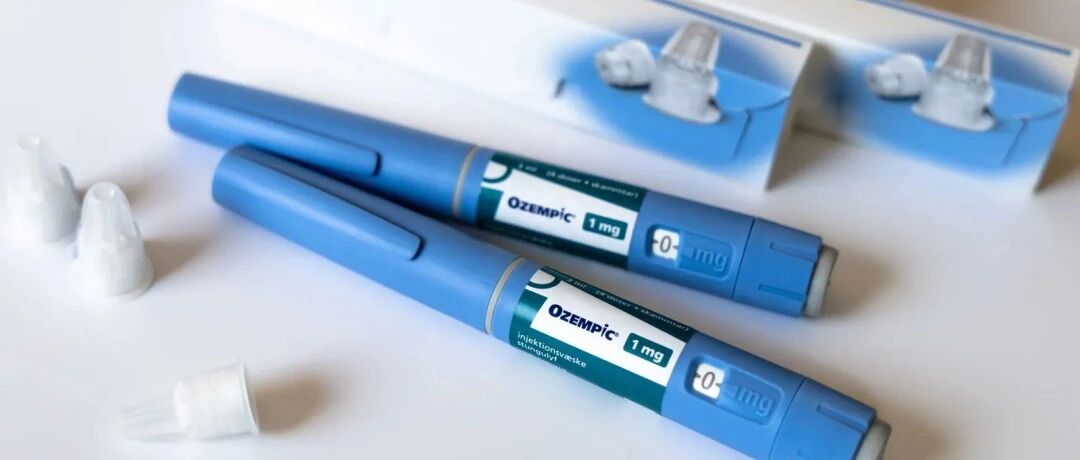
肠道菌群失衡竟是运动"摆烂"真凶?科学揭秘懒癌背后的代谢密码
GLP1减重宝典· 2025-10-11 10:43
Core Insights - The article discusses the relationship between gut microbiota and exercise fatigue, suggesting that imbalances in gut bacteria can affect the metabolism of tryptophan, leading to decreased dopamine levels and reduced motivation for exercise [4][5][6]. Group 1: Understanding Exercise Fatigue - Exercise fatigue is influenced by two main factors: central fatigue (brain's inefficiency) and peripheral fatigue (muscle's energy depletion) [6]. - Central fatigue occurs when the central nervous system is unable to effectively command muscles, leading to a significant drop in endurance [6]. - Peripheral fatigue is caused by various factors, including energy depletion, low dopamine levels, ammonia interference, hormonal imbalances, metabolic waste accumulation, and muscle fiber damage [6][9]. Group 2: Tryptophan-Kynurenine Pathway - Tryptophan, an essential amino acid, plays a crucial role in regulating central fatigue through its metabolism, primarily via the kynurenine pathway [9][11]. - This pathway can lead to two outcomes: the production of kynurenic acid (which helps alleviate fatigue) and neurotoxic compounds that may exacerbate fatigue [9][11]. Group 3: Role of Gut Microbiota - Gut microbiota can influence tryptophan metabolism, thereby improving neurotransmitter synthesis, reducing lactic acid accumulation, and alleviating central fatigue [9][12]. - Short-chain fatty acids (SCFAs), produced by gut bacteria from dietary fibers, serve as an energy source for muscles and help clear lactic acid, enhancing recovery from exercise [12]. Group 4: Probiotics as a Solution - Probiotics are highlighted as effective in optimizing tryptophan metabolism, promoting the synthesis of neurotransmitters, and reducing lactic acid buildup [13][14]. - Specific probiotic strains have been identified for their unique benefits, such as enhancing endurance and reducing oxidative stress [20]. Group 5: Practical Recommendations - To support gut health and enhance exercise performance, it is recommended to consume whole grains, fresh vegetables, and legumes, which are rich in dietary fibers that promote SCFA production [12]. - The article emphasizes the importance of maintaining a healthy gut microbiome to improve overall physical performance and recovery [17].
速递|减重新药出海中东!派格生物新药授权中东及非洲的独家许可
GLP1减重宝典· 2025-10-11 10:43
Core Viewpoint - The article discusses the collaboration between Paig Bio and PDC FZ-LLC for the exclusive licensing of the innovative drug Visepagendide (PB-119), a GLP-1 receptor agonist aimed at treating type 2 diabetes and weight management in the Middle East and Africa [2][3][4]. Group 1: Product Overview - Visepagendide (PB-119) is a weekly administered GLP-1 receptor agonist developed by Paig Bio, showing good safety, tolerability, and significant effects on blood sugar reduction and weight loss in clinical studies [3]. - The product's innovative molecular structure and long-acting mechanism provide a more convenient and stable treatment option, positioning it as a representative of the next generation of GLP-1 therapies [3]. Group 2: Market Potential - The Middle East and Africa are rapidly growing markets for diabetes and obesity treatment drugs, with a high prevalence of related diseases indicating a strong potential demand for innovative therapies like PB-119 [3]. - The collaboration with PDC, a leading pharmaceutical research organization in the region, is expected to enhance the market entry and commercialization of PB-119 [3][4]. Group 3: Strategic Partnership - PDC will have exclusive rights to develop, register, produce, distribute, market, and commercialize PB-119 in the Middle East and Africa, including comprehensive technology transfer and local production [2][3]. - The partnership reflects Paig Bio's strong R&D capabilities and the promising clinical performance of PB-119, further solidifying its position in the metabolic disease sector [4].

针对肠炎肥胖患者,司美格鲁肽比其他减肥药更有效!
GLP1减重宝典· 2025-10-11 10:43
Core Viewpoint - The article discusses the effectiveness and safety of Semaglutide in weight loss for patients with Inflammatory Bowel Disease (IBD), highlighting its comparable results to non-IBD patients and its advantages over other anti-obesity medications [4][7][10]. Group 1: Relationship Between Obesity and IBD - There is a complex relationship between obesity and IBD, where obesity may increase the incidence and complications of IBD [5]. - An estimated 41% of the U.S. population is obese, with nearly 1 in 100 diagnosed with IBD. Among IBD patients, 15% to 40% are obese, and 20% to 40% are overweight [6]. - Obesity, particularly visceral obesity, is a chronic inflammatory state of white adipose tissue, which may be a risk factor for developing IBD. Obese IBD patients have a higher risk of complications compared to non-obese IBD patients [6]. Group 2: Efficacy of Semaglutide - Semaglutide has shown significant and sustained weight loss effects in the general population, and a study indicates that IBD patients experience similar weight loss to non-IBD patients [7]. - A large study published in March 2021 found that individuals taking Semaglutide lost an average of 14.9% of their body weight over 68 weeks [7]. - A retrospective cohort study compared 47,424 obese IBD patients with 21,019 obese non-IBD patients, assessing overall weight changes after starting Semaglutide [9]. Group 3: Study Findings - The study matched 150 obese IBD patients with 150 obese non-IBD patients, with follow-up periods of 18 months for IBD and 19.4 months for non-IBD [9]. - The average total body weight (TBW) change for IBD and non-IBD groups was similar, with IBD patients losing an average of 16 pounds and non-IBD patients losing 15 pounds over 6 to 12 months [9]. - Semaglutide resulted in greater TBW loss compared to Liraglutide (-13 pounds vs -19 pounds) but less than Tirzepatide (-18 pounds vs -26 pounds) [10]. Group 4: Safety and Hospitalization Risks - There were no significant differences in the risk of emergency visits or hospitalization between the Semaglutide group and the non-Semaglutide group [10]. - The risk of hospitalization for any reason was significantly lower in the IBD Semaglutide group [10]. - The study aims to alleviate concerns regarding the efficacy and safety of Semaglutide for IBD patients [11].

《自然》全新揭示:肥胖导致肿瘤免疫无效!
GLP1减重宝典· 2025-10-11 10:43
Core Insights - Obesity is a significant risk factor for cancer, being linked to over 13 types of cancer and is the second largest preventable cancer risk factor after smoking [6] - Despite obesity accelerating cancer progression, obese patients often show a "protective effect" during immunotherapy, responding better to treatments and having improved survival outcomes [7] Group 1: Research Findings - A recent study from Vanderbilt University published in Nature reveals that inflammatory cytokines induced by obesity stimulate the expression of PD-1 on tumor-associated macrophages (TAM), weakening the immune surveillance against tumors [8][17] - In experiments with mice, those on a high-fat diet (HFD) exhibited significant weight gain and metabolic abnormalities, and while tumor growth accelerated, they showed a notable response to anti-PD-1 immunotherapy [11][12] - The study found that HFD mice had a decrease in specific CD8+ T cells but an increase in macrophages, with TAM showing altered metabolism and increased PD-1 expression [14][16] Group 2: Mechanisms and Implications - The elevated PD-1 expression on TAM due to obesity-related inflammation suggests a negative feedback mechanism that impairs immune function, yet it also opens avenues for enhanced immunotherapy effectiveness in high BMI populations [18] - The research indicates that targeting PD-1 in obese patients could potentially restore TAM activity and boost T cell anti-tumor responses, highlighting the complex relationship between obesity and cancer immunotherapy [18]