GLP1减重宝典

Search documents
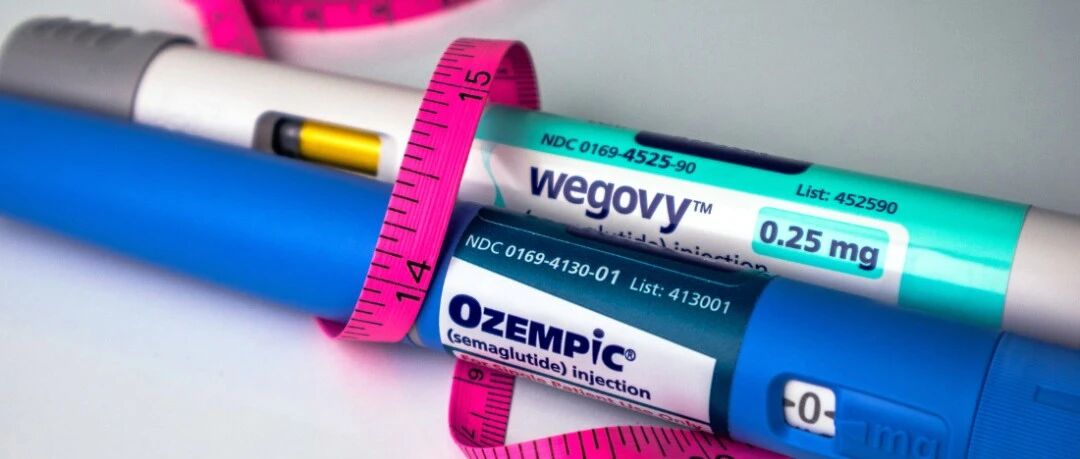
一片搞定降糖、降压、调脂、减重,司美格鲁肽真这么全能?
GLP1减重宝典· 2025-10-10 11:15
Core Viewpoint - GLP-1 receptor agonists (GLP-1RA) have gained significant attention due to their broader health benefits beyond diabetes management, including weight loss and metabolic disorder management [6][8]. Group 1: Mechanism and Benefits - GLP-1RA, such as semaglutide and tirzepatide, help regulate blood sugar levels and have a wide distribution of GLP-1 receptors in various organs, enhancing their effectiveness [6][8]. - These medications assist diabetic patients in managing weight, lowering blood pressure, and improving lipid profiles, contributing positively to overall health [8]. Group 2: Oral Administration and Innovation - The development of oral GLP-1RA, particularly semaglutide, faced challenges in preventing degradation by gastric enzymes, which was overcome using the innovative SNAC technology [9]. - SNAC enhances the permeability of semaglutide and protects it from degradation, allowing for effective absorption and rapid entry into the bloodstream [9]. Group 3: Clinical Evidence and Market Impact - Clinical studies have shown that semaglutide can lead to an average weight loss of 12.1% in Chinese adults, significantly outperforming placebo groups [11]. - The approval of semaglutide injection for long-term weight management by the National Medical Products Administration (NMPA) underscores its market value in China [13]. Group 4: Future Guidelines and Recommendations - GLP-1RA's position in treatment guidelines is rising, with recommendations for early use in certain diabetic patients, particularly those with cardiovascular risks [13]. - As an oral formulation, semaglutide is expected to gain further recognition in future guidelines, benefiting Chinese patients with more evidence-based support [14].

《柳叶刀》子刊重磅研究:每日无肉不欢?当心10年糖尿病风险激增15%!
GLP1减重宝典· 2025-10-10 11:15
Core Viewpoint - A recent large-scale study published in The Lancet Diabetes & Endocrinology indicates that excessive consumption of meat, particularly processed and red meat, significantly increases the risk of developing type 2 diabetes, with a recommendation for balanced dietary habits to mitigate this risk [6][9][12]. Group 1: Research Findings - The study analyzed dietary data from nearly 1.97 million adults across 20 countries, revealing that consuming 50 grams of processed meat daily could increase the risk of type 2 diabetes by 15% over ten years [9]. - Unprocessed red meat consumption of 100 grams daily (approximately a small steak) is associated with a 10% increase in diabetes risk [9][12]. - The research highlights a strong correlation between high meat consumption and diabetes risk, although it does not establish a direct causal relationship [7][12]. Group 2: Expert Recommendations - Nutritionists suggest that rather than completely eliminating meat, individuals should control their intake and incorporate more vegetables and whole grains into their diets to lower diabetes risk [7][9]. - The principle of moderation is emphasized, advocating for a balanced diet that allows for enjoyment of meat while prioritizing health [9][12]. Group 3: Biological Mechanisms - The study suggests that saturated fatty acids in red meat may interfere with insulin function, potentially leading to insulin resistance, which is a precursor to diabetes [13]. - Multiple factors, including saturated fats, nitrites, and harmful substances produced during high-temperature cooking, may contribute to the observed increase in diabetes risk [14].

速递|诺和诺德阻止司美格鲁肽医保价格谈判的请求遭驳回
GLP1减重宝典· 2025-10-10 11:15
整理 | GLP1减重宝典内容团队 美国联邦上诉法院周一驳回了诺和诺德(NOVOb.CO)对联邦医保药价谈判计划的挑战,这是制药企业在一系列诉讼中又一次败诉。 该计划允许美国医保体系(Medicare)与药企协商药品降价。 总部位于费城的第三巡回上诉法院维持了下级法院的裁决,驳回了这家丹麦制药商针对该计划及美国医疗保险和医疗补助服务中心 (CMS)决定将其六款胰岛素产品纳入首轮药价谈判的诉讼。 由三名法官组成的合议庭一致否决了诺和诺德提出的宪法异议,认为该计划是前民主党总统拜登《通胀削减法案》的一部分,且该法 律明确禁止法院审查被选入谈判名单的药品。 诺和诺德表示,正评估上诉的可能性。白宫方面尚未对此作出回应。 此项裁决巩固了联邦政府通过医保系统议价的权力。Medicare覆盖约6600万美国民众。尽管多家药企提起诉讼,首轮药价谈判仍在推 进,预计将于明年开始生效。 包括诺和诺德在内的多家制药公司曾声称,该计划侵犯了它们在正当程序和言论自由方面的宪法权利,但几乎全部败诉。 今年早些时候,同一上诉法院驳回了阿斯利康(AZN.L)、百时美施贵宝(BMY.N)和诺华(NOVN.S)的类似诉讼。法院认为,药 企并不享 ...

柳叶刀重磅披露:体重降到关键水平,八成糖尿病患者成功实现完全缓解!
GLP1减重宝典· 2025-10-10 11:15
Core Insights - The article discusses the significant relationship between weight loss and the remission of type 2 diabetes, emphasizing that weight management plays a crucial role in diabetes treatment [7][17]. Research Overview - A systematic review and meta-analysis were conducted following Cochrane and PRISMA guidelines, analyzing randomized controlled trials on weight loss interventions for type 2 diabetes patients [9]. - The study included 22 trials, with a total of 3602 initial articles screened, focusing on the proportion of participants achieving complete or partial remission after one year without using glucose-lowering medications [9][11]. Research Results - There is a clear dose-response relationship between weight loss and diabetes remission rates. A 1% weight loss increases the probability of complete remission by 2.17% and partial remission by 2.74% [11]. - The average proportion of complete remission was found to be 47.8%, significantly influenced by the extent of weight loss. For instance, complete remission was only 0.7% with less than 10% weight loss, while it rose to 79.1% with a weight loss of 30% or more [14][16]. - The average proportion of partial remission was 41.4%, also varying with weight loss. For example, it was 5.4% with less than 10% weight loss and increased to 89.5% with a weight loss of 30% or more [16]. Implications and Future Directions - The findings provide new insights for managing type 2 diabetes, highlighting the importance of weight control in treatment strategies [17]. - The study suggests that even moderate weight loss can yield significant health benefits, indicating the potential for various weight loss interventions, including lifestyle changes, medication, and surgical options [17][18]. - Future research should focus on the long-term effects of weight loss on diabetes remission and the effectiveness of new generation weight loss medications [18].
替尔泊肽显著改善糖尿病患者肌肉质量!基于英国生物库MRI数据验证的肌肉健康新证据
GLP1减重宝典· 2025-10-09 10:33
Core Findings - The study confirms that the GLP-1/GIP dual receptor agonist Tirzepatide effectively reduces muscle fat deposition in type 2 diabetes patients while maintaining reasonable muscle mass changes [4][5] - After 52 weeks of treatment, patients showed significant weight loss and improved muscle fat infiltration, with muscle mass changes scientifically aligned with weight loss [4][5] - The research utilized data from the UK Biobank, involving nearly 3,000 real-world cases, providing a precise reference for clinical outcomes [4] Research Background - This milestone study originated from the MRI subgroup analysis of the SURPASS-3 clinical trial and was published in The Lancet Diabetes & Endocrinology in June 2025 [5] - The research team employed high-precision MRI technology to systematically compare the effects of Tirzepatide and insulin degludec on muscle volume and fat infiltration in type 2 diabetes patients [5][7] Clinical Significance - Weight management is a core strategy in type 2 diabetes treatment, with over 10% weight loss potentially leading to disease remission and cardiovascular benefits [7] - Traditional weight loss methods often result in muscle loss, increasing the risk of sarcopenia in elderly patients [7] - Tirzepatide, as the first GIP/GLP-1 dual receptor agonist, has demonstrated superior weight loss and fat regulation effects, with this study providing authoritative data on its impact on muscle composition [7][8] Research Methodology - The study employed an international multicenter, randomized controlled trial design, including strictly defined type 2 diabetes patients [8] - Participants were divided into four groups: Tirzepatide 5mg/10mg/15mg weekly injection groups and a daily injection control group of insulin degludec [8] Research Highlights - Precise imaging assessments were conducted at baseline and after 52 weeks using MRI to quantify thigh muscle fat infiltration and muscle volume [9] - The introduction of UK Biobank data established a muscle-weight change model, enhancing the generalizability of the results [9] - Key findings indicated that weight loss does not equate to muscle loss, showcasing Tirzepatide's unique advantages [9][10] Clinical Breakthrough - The study innovatively used MRI technology to assess the effects of Tirzepatide on muscle composition, revealing that significant weight loss (average 10.1%) coincided with reduced muscle fat infiltration [13] - The findings challenge the traditional belief that weight loss necessarily leads to muscle loss, providing a new perspective for diabetes management [13] Multiple Clinical Benefits - Tirzepatide demonstrated a unique "fat loss with muscle preservation" advantage, significantly reducing muscle fat infiltration by 0.36 percentage points [15] - The muscle volume reduction of 0.64 liters was proportionate to weight loss, outperforming muscle loss associated with simple dieting [15] - The study supports the notion of comprehensive metabolic improvement through multi-target collaboration, including reductions in liver fat and visceral fat [15] Clinical Decision-Making - The research fills a gap in muscle safety data for new hypoglycemic agents, offering critical decision-making references for clinicians [15] - For patients needing enhanced weight management, especially those with obesity and fatty liver, Tirzepatide is recommended as a priority choice [15] - The study provides objective imaging assessment standards for developing personalized treatment plans [15] Research Limitations and Future Directions - The study did not assess changes in muscle strength and daily activity capabilities [15] - There was a lack of strict control over lifestyle factors such as diet and exercise [15] - Long-term efficacy and safety beyond one year require further validation [15] - The research sets the stage for future exploration of drug-exercise combined interventions and treatment strategies for special populations [15]
速递|估值5亿美元,GLP-1黑马诚益生物递表港股IPO
GLP1减重宝典· 2025-10-09 10:33
Core Viewpoint - The article discusses the IPO application of Chengyi Biotechnology, highlighting its focus on developing oral small molecule drugs for unmet medical needs in cardiovascular metabolic and inflammatory diseases, particularly in weight management and related conditions [4]. Company Overview - Chengyi Biotechnology was established in 2018 and is currently in the clinical stage, aiming to address significant medical needs in the cardiovascular metabolic and inflammatory disease sectors [4]. - The company utilizes its proprietary TRANDD platform to develop a pipeline of products targeting obesity, metabolic-associated fatty liver disease (MASH), osteoarthritis pain, and other cardiovascular metabolic diseases [4]. Product Pipeline - The core candidate drug is ECC5004, an oral small molecule GLP-1 receptor agonist, which has the potential to be the second oral GLP-1 receptor agonist to be listed globally [6]. - Other products include ECC4703, a liver-targeting THR-β agonist expected to be a leading candidate for treating MASH, and ECC0509, an oral small molecule inhibitor of SSAO, which can be used in combination with GLP-1 receptor agonists [6]. Financial Performance - The projected revenues for Chengyi Biotechnology are approximately $36.06 million in 2023, $221 million in 2024, and $557,000 in the first half of 2025, with net profits of -$52.23 million, $139 million, and -$2.01 million for the same periods respectively [6]. - The company completed a $25 million Series C financing round at the end of 2023, with a post-money valuation of approximately $498 million [6]. Shareholding Structure - The latest shareholding structure includes significant stakes from various investors: Jianyi Capital (9.77%), Mifang Capital (5.47%), AstraZeneca (5.02%), and others [7]. Clinical Trials and Collaborations - The clinical pipeline includes ECC5004, which is in collaboration with AstraZeneca, with a total potential milestone payment of up to $1.2 billion, including various payments tied to clinical trial phases and regulatory approvals [8]. - The expected completion date for the trials of ECC5004 is in the fourth quarter of 2025, with additional milestones for further development and commercialization [8].

低剂量司美格鲁肽:既能显著减重,又能减少副作用
GLP1减重宝典· 2025-10-09 10:33
Core Viewpoint - The article discusses the effectiveness of personalized dosing of semaglutide in weight management, emphasizing its role in preventing weight regain when combined with lifestyle guidance and support [4][6]. Group 1: Research Findings - A recent study presented at the European Obesity Congress (ECO) highlights the advantages of using personalized doses of semaglutide in weight loss programs [4]. - The study involved 2,246 individuals in Denmark, primarily women with an average age of 49 and a BMI of 33.2, participating in a weight management program that included dietary advice, exercise, and psychological support [9]. - The average weight loss reported at week 64 was 14.8% (approximately 14.8 kg), and at week 76, it was 14.9% (approximately 14.9 kg) [12]. Group 2: Treatment Protocol - The standard dosing protocol for semaglutide is tailored to minimize side effects, starting with a lower initial dose and gradually increasing it based on individual progress [11]. - The average maximum dose of semaglutide used in the study was 0.77 mg, which is about one-third of the standard treatment protocol [12]. - At week 64, all patients reported a weight loss of over 5%, with 85.3% of patients losing more than 10% of their baseline weight [13]. Group 3: Side Effects and Management - While semaglutide is effective for weight loss, it can cause side effects such as diarrhea, nausea, and headaches [6]. - Recent findings suggest that patients receiving nutritional and exercise guidance alongside medication are less likely to experience weight regain after stopping the drug [6].
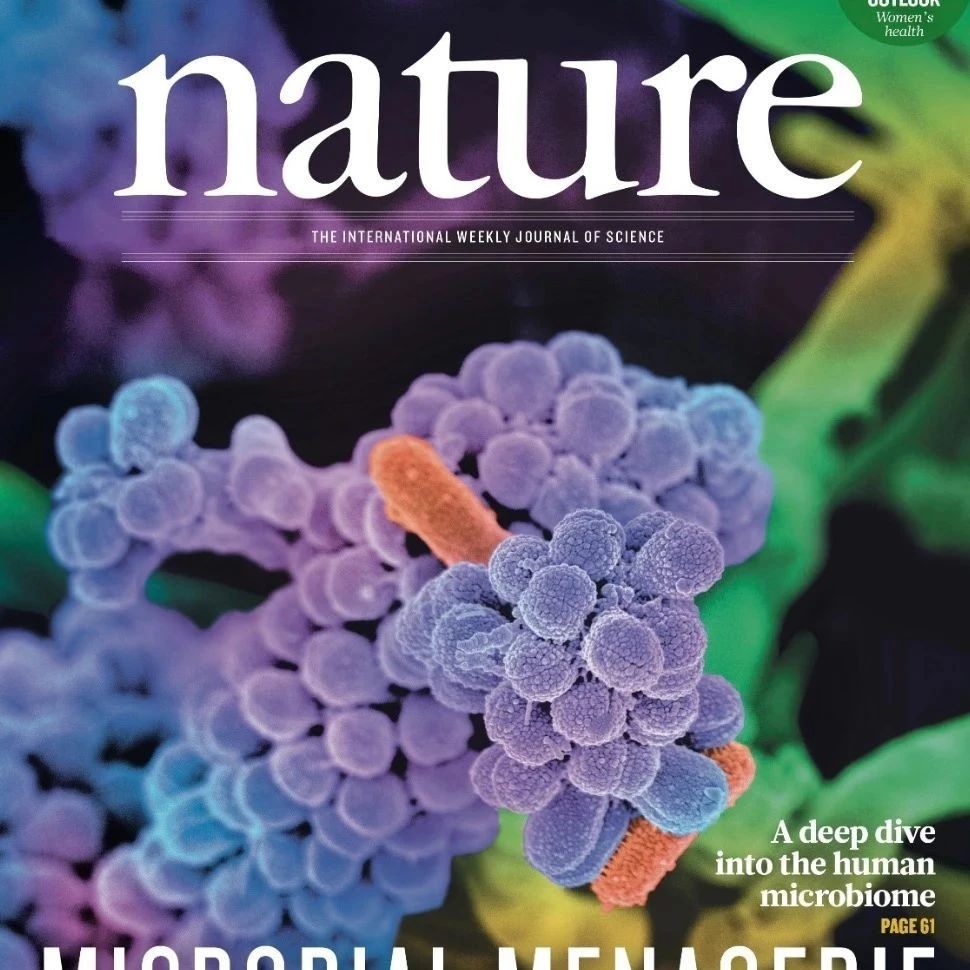
重磅揭秘!《自然》解析:减肥如何彻底改变你体内的“脂肪世界”?
GLP1减重宝典· 2025-10-09 10:33
Core Insights - The article discusses the global obesity crisis, highlighting that over 1 billion people are affected by obesity, which is linked to various metabolic diseases and health risks [6] - It emphasizes the importance of understanding the changes in adipose tissue during weight loss and the underlying mechanisms that contribute to improved health outcomes [6][18] Group 1: Adipose Tissue Remodeling - A comprehensive single-cell atlas of adipose tissue was created, analyzing over 171,000 cells from 49 individuals, revealing significant immune cell infiltration and a decrease in mature adipocytes in obese individuals [8] - Weight loss was shown to alleviate pathological changes in adipose tissue, indicating a potential for recovery [8] Group 2: Macrophage Memory Effect - The proportion of macrophages in adipose tissue increased from 14% to 31% in obesity, with a notable presence of lipid-associated macrophages (LAMs) [10] - Following weight loss, macrophage numbers decreased to 18%, but their metabolic activation state did not fully revert, suggesting an "epigenetic memory" [10] Group 3: Metabolic Reboot of Adipocytes - Eight subtypes of mature adipocytes were identified, with stress and fibrotic types increasing in obesity, while lipid-synthesis types decreased [12] - Weight loss significantly reduced the stress-type adipocytes and restored lipid-synthesis types, enhancing overall metabolic flux and potentially improving insulin sensitivity [12] Group 4: Decline of Stress Ecological Niche - The proportion of stress-type adipocyte precursor cells (APCs) increased in obesity, while weight loss significantly reduced these cells and downregulated hypoxia-related signals [14] - The vascular system also showed signs of stress, with weight loss reducing the proportion of stressed vascular cells [14] Group 5: Reversal of Aging Programs - Weight loss led to a significant reduction in aging markers across various cell types, indicating a reversal of aging processes [17] - The study identified a conserved transcription factor network in stressed aging cells that could be "turned off" through weight loss, promoting cellular health [17] Group 6: Implications for Future Research - This groundbreaking research not only elucidates the molecular mechanisms by which weight loss improves health but also opens new avenues for developing drug interventions that mimic weight loss effects [18]
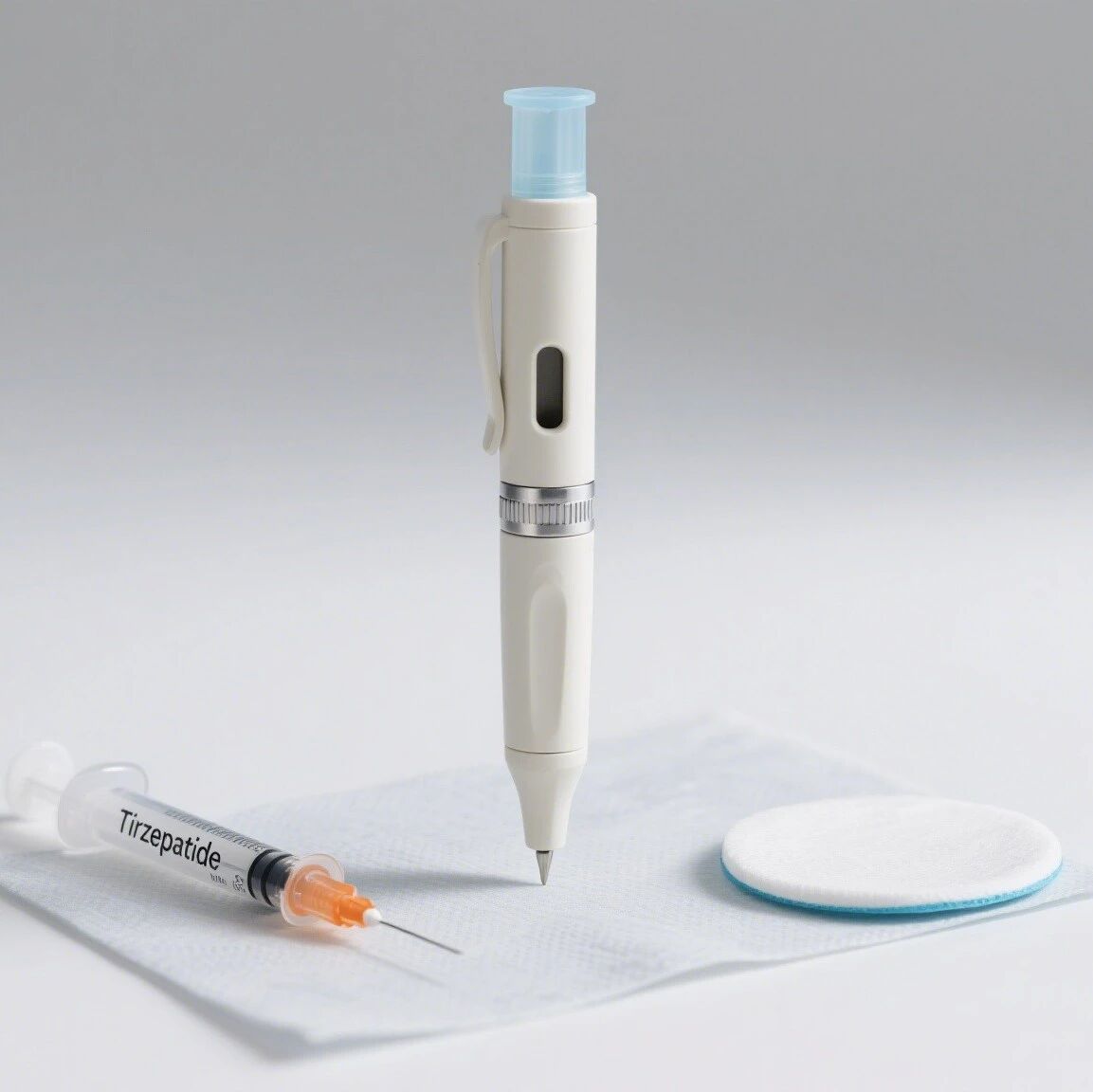
替尔泊肽显著改善糖尿病患者肌肉质量!基于英国生物库MRI数据验证的肌肉健康新证据
GLP1减重宝典· 2025-10-08 06:54
Core Findings - The study confirms that the GLP-1/GIP dual receptor agonist Tirzepatide effectively reduces muscle fat deposition in type 2 diabetes patients while maintaining reasonable muscle mass changes [4][5] - After 52 weeks of treatment, patients showed significant weight loss and improved muscle fat infiltration, with muscle mass changes scientifically aligned with weight loss [4][5] - The research utilized data from the UK Biobank, involving nearly 3,000 real-world cases, providing a precise reference for clinical outcomes [4] Research Background - This milestone study originated from the MRI subgroup analysis of the SURPASS-3 clinical trial and was published in The Lancet Diabetes & Endocrinology in June 2025 [5] - The research team employed high-precision MRI technology to systematically compare the effects of Tirzepatide and insulin degludec on muscle volume and fat infiltration in type 2 diabetes patients [5][7] Clinical Significance - Weight management is a core strategy in type 2 diabetes treatment, with over 10% weight loss potentially leading to disease remission and cardiovascular benefits [7] - Traditional weight loss methods often result in muscle loss, increasing the risk of sarcopenia in elderly patients [7] - Tirzepatide, as the first GIP/GLP-1 dual receptor agonist, has demonstrated superior weight loss and fat control effects, with this study providing authoritative data on its impact on muscle composition [7][8] Research Methodology - The study employed an international multicenter, randomized controlled trial design, including strictly defined type 2 diabetes patients [8] - Participants were divided into four groups: Tirzepatide 5mg/10mg/15mg weekly injection groups and a daily injection control group of insulin degludec [8] Research Highlights - Precise imaging assessments were conducted at baseline and after 52 weeks using MRI to quantify thigh muscle fat infiltration and muscle volume [9] - The introduction of UK Biobank data established a muscle-weight change model, enhancing the generalizability of the results [9] - Key findings indicated that weight loss does not equate to muscle loss, showcasing Tirzepatide's unique advantages [9][10] Clinical Breakthrough - The study innovatively used MRI technology to assess the dual benefits of weight loss and muscle quality optimization in diabetes treatment [13] - Tirzepatide achieved significant weight loss (average 10.1%) while effectively reducing muscle fat infiltration, with muscle mass decrease within physiological adaptation limits [13][15] Multiple Clinical Benefits - Tirzepatide demonstrated a unique "fat loss, muscle preservation" advantage, significantly lowering muscle fat infiltration by 0.36 percentage points [15] - The muscle volume decrease of 0.64 liters was proportionate to weight loss, outperforming muscle loss from simple dieting [15] - The study provides critical decision-making references for clinicians, especially for patients needing enhanced weight management [15] Limitations and Future Directions - The study did not assess changes in muscle strength and daily activity capabilities [15] - There was a lack of strict control over lifestyle factors such as diet and exercise [15] - Long-term efficacy and safety beyond one year require further validation [15] - The research lays the groundwork for future exploration of drug-exercise combined interventions and tailored treatment strategies for specific populations [15]
重磅揭秘!《自然》解析:减肥如何彻底改变你体内的“脂肪世界”?
GLP1减重宝典· 2025-10-08 06:54
Core Viewpoint - The article discusses the significant health risks associated with obesity, emphasizing that abdominal fat is a "hidden killer" linked to various metabolic diseases. It highlights the potential for rapid health improvements through weight loss and presents new research that uncovers the cellular changes in adipose tissue during obesity and subsequent weight loss [6][18]. Group 1: Fat Tissue Remodeling Overview - A comprehensive single-cell atlas of adipose tissue was constructed, analyzing over 171,000 cells from 25 severely obese individuals (pre- and post-weight loss) and 24 healthy individuals, focusing on abdominal subcutaneous fat. The analysis revealed an influx of immune cells in obese adipose tissue and a significant reduction in mature adipocyte proportions, indicating cell death or insufficient renewal. Weight loss effectively alleviated these pathological changes [8][10]. Group 2: Macrophage "Memory Effect" - In obesity, the proportion of macrophages in adipose tissue increased from 14% to 31%, primarily comprising lipid-associated macrophages (LAMs). These macrophages exhibited a globally activated metabolic state. Post-weight loss, macrophage numbers decreased to 18%, and inflammatory gene expression significantly downregulated, although the metabolic activation state did not fully revert, suggesting a potential "epigenetic memory" [10][12]. Group 3: Adipocyte Metabolism "Reboot" - Eight subtypes of mature adipocytes were identified, with stress-type and fibrotic-type cells significantly increasing in obese individuals, while lipid-synthesis-type cells decreased. Weight loss led to a substantial reduction in stress-type cells and a normalization of lipid-synthesis-type cells. Metabolic pathway analysis indicated that weight loss enhanced global metabolic flux in adipocytes, potentially improving insulin sensitivity [12][14]. Group 4: Decline of Multi-Cellular "Stress Ecological Niche" - The proportion of stress-type adipose precursor cells (APCs) increased in obese individuals, while weight loss significantly reduced these and fibrotic-type APCs. The vascular system also showed stress-type subpopulations, which were diminished post-weight loss, indicating a reversal of abnormal gene expression associated with vascular complications [14][15]. Group 5: "Counterclockwise" Aging Program - Remarkably, weight loss significantly downregulated various aging markers in multiple cell types, reducing the aging score and the number of p21-positive cells. This "rejuvenation" effect was particularly notable in metabolic, precursor, and vascular cells. Molecular mechanism analysis revealed a conserved transcription factor network in stressed aging cells, which weight loss effectively "shut down," restoring cellular health programs [17][18].