GLP1减重宝典

Search documents
6种食物,让你的身体自产“司美格鲁肽”
GLP1减重宝典· 2025-10-08 06:54
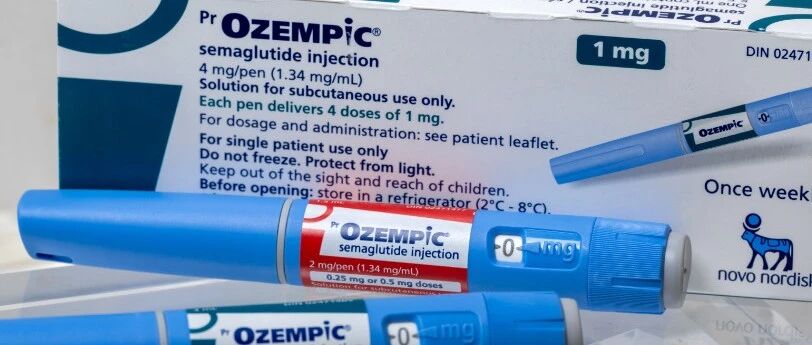
Core Viewpoint - Semaglutide, a drug for treating type 2 diabetes and long-term weight management, is recognized for its effective blood sugar reduction and rapid weight loss, leading to its popularity as a "weight loss miracle drug" [4]. Group 1: Mechanism of GLP-1 - The human body can produce a natural version of these drugs, known as GLP-1, which is influenced by specific gut bacteria that convert indigestible food components into appetite-reducing hormones [6]. - GLP-1 and other hormones like PYY help regulate blood sugar through the pancreas and signal the brain about satiety, slowing down food movement in the digestive tract [6]. Group 2: Foods that Promote Natural GLP-1 Production - Eggs are rich in protein and monounsaturated fats, which can enhance GLP-1 secretion, leading to lower post-meal blood sugar levels and reduced hunger [8]. - Nuts such as almonds, pistachios, and peanuts may increase GLP-1 levels due to their protein, fiber, and healthy fat content, which also aids in insulin sensitivity [8]. - High-fiber grains like oats, barley, and whole wheat can stimulate GLP-1 release by slowing digestion and producing short-chain fatty acids through fermentation [9]. - Avocados, due to their high fiber and monounsaturated fat content, can also boost GLP-1 levels and improve overall meal satisfaction [10]. - Olive oil, rich in unsaturated fats, has been shown to enhance GLP-1 release compared to saturated fats, improving insulin sensitivity and lowering blood sugar levels [10]. - Vegetables such as Brussels sprouts, broccoli, and carrots are beneficial for regulating blood sugar and may positively influence GLP-1 levels [10]. Group 3: Lifestyle Factors - A healthy lifestyle, including regular exercise, stress management, sleep, outdoor activities, and a balanced diet, is crucial for managing metabolic diseases and overall health [11]. - Incorporating minimally processed foods rich in fiber and polyphenols can significantly support metabolic health and appetite control [11]. Group 4: Potential Side Effects of GLP-1 Drugs - While GLP-1 drugs can be effective for weight loss, they may have side effects such as nausea, vomiting, diarrhea, abdominal pain, and dizziness [12].

速递|股价一夜蒸发60%!这家biotechCB1单药减重失败
GLP1减重宝典· 2025-10-08 06:54
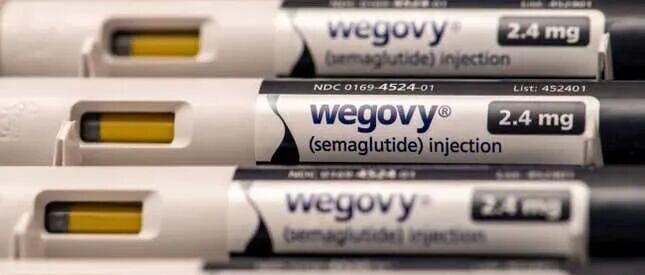
Core Viewpoint - Skye Bioscience's experimental therapy, nimacimab, failed to achieve significant weight loss in a mid-stage study, resulting in a stock price drop of over 60% [2] Group 1: Study Results - Patients treated with nimacimab experienced a weight loss of 1.26%, which was below the company's expected range of 5% to 8% [3] - The study included 136 patients and tested the combination of nimacimab with Novo Nordisk's Wegovy, showing an average weight loss of 13.2% for the combination therapy compared to 10.25% for Wegovy alone after 26 weeks [9] Group 2: Drug Mechanism and Safety - Nimacimab aims to block the CB1 protein, which is involved in breaking down stored fat and regulating appetite-related hormones, to facilitate sustained weight loss without muscle loss [6] - Skye reported no neuropsychiatric issues associated with nimacimab in the study [8] Group 3: Market and Competitive Landscape - The combination therapy is expected to help patients maintain more lean body mass compared to semaglutide alone [10] - Approximately a dozen companies, including Eli Lilly and Scholar Rock, are testing therapies related to muscle preservation or growth, with potential sales exceeding $30 billion by 2035 [11]

速递|发现GLP-1的生物化学家,荣获2026年金伯利奖
GLP1减重宝典· 2025-10-07 12:23
Core Insights - The article highlights the recognition of Dr. Svetlana Mojsov for her groundbreaking work on GLP-1, which plays a crucial role in insulin secretion and glucose metabolism, leading to advancements in diabetes and obesity treatments [4][10]. Group 1: Award and Recognition - Dr. Svetlana Mojsov received the prestigious Kimberly Prize in Biochemistry and Molecular Genetics, with a monetary award of $250,000, for her discovery of GLP-1 [4][7]. - The Kimberly Prize, established in 2023, is the highest monetary award for biochemistry in American universities, aimed at honoring significant contributions to biochemical research with direct clinical applications [11]. Group 2: Contributions to Science - Mojsov's research has established GLP-1 as a potent incretin hormone, which stimulates insulin secretion and lowers blood glucose levels, paving the way for the development of GLP-1 receptor agonists like liraglutide and semaglutide [10]. - Her work has been recognized with numerous awards, including the Lasker-DeBakey Clinical Medical Research Award and the Breakthrough Prize, underscoring her impact on peptide science and glucose metabolism [10]. Group 3: Future Engagements - Dr. Mojsov will deliver a public lecture at Northwestern University's Feinberg School of Medicine and participate in the award ceremony in Spring 2026 [5].

替尔泊肽转换司美格鲁肽,将进一步改善减重降糖疗效?
GLP1减重宝典· 2025-10-07 12:23
Core Viewpoint - The article discusses the potential benefits of switching from GLP-1 receptor agonists (such as Semaglutide and Dulaglutide) to the GIP/GLP-1 receptor agonist Tirzepatide for better blood sugar control and weight loss in type 2 diabetes patients [7][6]. Group 1: Research Findings - A model was developed to predict the effects of different treatment regimens on blood sugar control and weight loss based on clinical trial data [5]. - The model predicts that switching to Tirzepatide after using Semaglutide or Dulaglutide can lead to further reductions in HbA1c levels and weight loss [6]. - After 66 weeks of switching to Tirzepatide, HbA1c levels are expected to decrease by 1.95% to 2.46%, with weight loss ranging from 6.50 kg to 12.10 kg [6]. Group 2: Comparison of Drugs - Semaglutide and Tirzepatide are both designed for weekly administration, with Semaglutide having a half-life of approximately 165-184 hours and Tirzepatide having a half-life of 116.7 hours [9]. - Tirzepatide, being a dual-target agonist, shows superior weight loss effects compared to Semaglutide [10]. - Semaglutide has drawbacks, including potential weight regain after discontinuation, with patients possibly regaining two-thirds of lost weight within a year [10]. Group 3: Market Dynamics - The GLP-1 market is highly competitive, with major players like Eli Lilly and Novo Nordisk expected to dominate the obesity drug market, potentially capturing 80% of the market share by 2030 [12]. - New combination therapies, such as CagriSema, which combines Semaglutide and Cagrilintide, are being developed to enhance weight loss and blood sugar control [11][12].

GLP-1明星药物再显神威!口服司美格鲁肽显著降低房颤风险
GLP1减重宝典· 2025-10-07 12:23
Core Insights - The article highlights a significant study revealing that the diabetes medication Semaglutide not only effectively controls blood sugar and aids weight loss but also significantly reduces the risk of new-onset atrial fibrillation (AF) in patients [4][6]. Group 1: Study Findings - A meta-analysis involving 26 randomized controlled trials and 48,583 participants found that Semaglutide reduces the risk of new-onset AF by 17%, with very low heterogeneity among studies (I²=0%) indicating high reliability of results [6]. - The oral formulation of Semaglutide shows particularly impressive results, with a 52% reduction in AF risk when administered at a dose of 14mg once daily, while the subcutaneous injections at 1.0mg/week and 2.4mg/week did not show significant effects on new-onset AF [7]. Group 2: Specific Populations - Overweight or obese patients showed a decreasing trend in AF risk (OR=0.80, P=0.06), although it did not reach statistical significance [8]. - In patients with type 2 diabetes, there was no significant difference in AF risk between the Semaglutide group and the control group (OR=0.86, P=0.27) [8]. - In patients not using SGLT2 inhibitors, the risk of AF was reduced by 21%, suggesting that the combination with other diabetes medications may influence the effectiveness [9]. Group 3: Comparative Effectiveness - Compared to placebo, Semaglutide did not significantly lower the incidence of AF, but when compared to other diabetes medications, it showed a substantial 59% reduction in AF risk, highlighting its relative advantage [10]. - The protective effect of Semaglutide against AF was consistent regardless of initial body weight or blood sugar control levels, indicating its broad applicability [10]. Group 4: Mechanisms of Action - The study reveals multiple mechanisms through which Semaglutide provides cardiovascular protection, including significant weight loss, optimized metabolism, and direct improvements in cardiac electrophysiological properties [12][16]. - The oral formulation's unique delivery and absorption characteristics may contribute to its superior efficacy, providing important insights for future formulation development [13]. Group 5: Clinical Implications - This research offers robust evidence extending the metabolic benefits of Semaglutide to the prevention of AF, marking a significant transition from laboratory findings to clinical applications for managing cardiovascular risks in patients with metabolic disorders [15].

68%患者术后体重减半!《柳叶刀》子刊披露:三种主流减重手术比拼,这项术式表现最优
GLP1减重宝典· 2025-10-07 12:23
以下文章来源于肥胖世界ObesityWorld ,作者欢迎订阅 肥胖世界ObesityWorld . 《肥胖世界》Obesity World - 同步传真肥胖及代谢国际新学术进展,为医学减重临床、教研人员搭建一座与国际接轨的桥梁,「每医健」旗下内容平台。 Lancet Diabetes & Endocrinology发表By-Band-Sleeve研究结果,表明在减重效果、提高生活质量和减少合并症方面,Roux-en-Y胃旁路术、 袖状胃切除术优于可调节胃束带术。Roux-en-Y胃旁路术在减重效果方面又优于袖状胃切除术。 By-Band-Sleeve研究在英国12家医疗中心展开,针对重度肥胖患者,系统比较了Roux-en-Y胃旁路术、袖状胃切除术和可调节胃束带术的临床 疗效与安全性。所有受试者在手术前2至4周均接受了低热量饮食,同时根据个人健康状况,研究团队为部分患者配备了抗血栓药物和抗生素。 三种手术均采用腹腔镜微创方式进行。研究共招募了1346名患者进行随机分组,剔除未实际接受手术及术式交叉的患者后,最终405人接受了 Roux-en-Y胃旁路术,342人接受了袖状胃切除术,383人接受了可调节胃束带术 ...
别再纠结空调费电!Nature重磅发现:低温竟能抑癌,还助力燃脂减肥!
GLP1减重宝典· 2025-10-06 09:55
肥胖世界ObesityWorld . 《肥胖世界》Obesity World - 同步传真肥胖及代谢国际新学术进展,为医学减重临床、教研人员搭建一座与国际接轨的桥梁,「每医健」旗下内容平台。 以下文章来源于肥胖世界ObesityWorld ,作者欢迎订阅 癌症是一种极度消耗身体能量的疾病,晚期患者常常出现严重消瘦,身形如同骷髅。 肿瘤细胞为了不断生长、扩散和转移,需要大量摄入葡萄糖,通过有氧糖酵解来获取能量。因此,直接阻断糖酵解通路、减少肿瘤细胞能量供 应,也是一种治疗思路。 不过,今天要介绍的这种方法更加简单、方便且经济(相较于药物治疗),而且在家中就可以实现。 最近,《自然》杂志发表了瑞典卡罗林斯卡学院华人科学家曹义海教授团队的一项最新研究:通过低温刺激,可以激活体内棕色脂肪细胞,加 快能量消耗和产热,与肿瘤细胞"争夺"葡萄糖资源,让肿瘤细胞因"缺糖"而受限。实验显示,这一方法不仅能够抑制多种肿瘤的生长,还能延 长患癌小鼠的生存时间。在人体试验中,22℃的低温疗法同样展现出良好的治疗潜力。 此外,如果在低温治疗期间,给肿瘤小鼠额外补充15%的葡萄糖溶液,尽管棕色脂肪仍会持续大量消耗葡萄糖,但当体内葡萄糖过 ...

告别“三高”负担!司美格鲁肽降压降脂获益的突破性研究
GLP1减重宝典· 2025-10-06 09:55
Core Viewpoint - The analysis of five randomized controlled trials from the STEP program indicates that adults treated with semaglutide for obesity are more likely to reduce or stop the use of antihypertensive and lipid-lowering medications compared to those receiving a placebo [4][6][9]. Group 1: Study Findings - Semaglutide, a GLP-1 receptor agonist, is associated with significant weight loss and improvements in various metabolic parameters, leading to a reduction in the need for antihypertensive and lipid-lowering medications [6][12]. - Participants receiving 2.4 mg of semaglutide showed a higher proportion of reduced or stopped antihypertensive or lipid-lowering treatment compared to the placebo group at the end of the treatment [9][10]. - In the analysis, semaglutide-treated participants experienced a greater weight reduction, which correlated with decreased medication needs for hypertension and dyslipidemia [10][12]. Group 2: Specific Data on Antihypertensive and Lipid-Lowering Medications - Among obese adults without diabetes, 17.7% in the semaglutide group stopped antihypertensive medications at 68 weeks, compared to 9% in the placebo group [14]. - In the same group, 16.5% of semaglutide users reduced their antihypertensive treatment intensity, while only 4.8% in the placebo group did so [14]. - For obese adults with type 2 diabetes, 9.8% in the semaglutide group stopped antihypertensive medications, compared to 7.3% in the placebo group [16]. Group 3: Lipid-Lowering Medication Insights - In obese adults without diabetes, 10.1% in the semaglutide group stopped lipid-lowering treatment at 68 weeks, while 4.5% in the placebo group did the same [17]. - The proportion of participants reducing lipid-lowering treatment intensity was similar between groups, with 4% in the semaglutide group and 3.9% in the placebo group [17]. - In the group of obese adults with type 2 diabetes, 10.1% in the semaglutide group stopped lipid-lowering treatment, compared to 5.4% in the placebo group [17]. Group 4: Blood Pressure Relief - Among obese adults without diabetes, 13.7% of those treated with semaglutide achieved hypertension relief at 68 weeks, compared to 6.2% in the placebo group [19]. - In the analysis of obese adults with type 2 diabetes, 5.7% of semaglutide-treated individuals experienced hypertension relief, while 3.4% in the placebo group did [19]. - The findings suggest that significant weight loss can lead to reduced or discontinued use of antihypertensive medications due to improved blood pressure control [19].
速递|韩美药业:GLP-1/GIP/GCG启动美国二期临床
GLP1减重宝典· 2025-10-06 09:55
Core Viewpoint - Hanmi Pharmaceutical is advancing its GLP-1/GIP/GCG tri-target receptor agonist HM15275 for obesity treatment, with a Phase II clinical trial registered in the U.S. set to recruit 250 participants and expected to complete by January 2027 [2][3][4]. Group 1 - The Phase II trial aims to evaluate weight loss after 36 weeks of treatment [3]. - HM15275 is designed to enhance weight loss and metabolic improvement by simultaneously activating GLP-1, GIP, and glucagon (GCG) receptors [4]. - Hanmi has also licensed its GLP-1/GCG dual-target candidate to Merck, which is currently in Phase II clinical trials, indicating the company's ongoing investment and strategic positioning in the global obesity treatment market [5]. Group 2 - The "GLP-1 Club" has established a network of hundreds of professionals, providing a platform for industry insights and discussions related to the GLP-1 drug development [8]. - The article mentions various GLP-1 drugs, including semaglutide, tirzepatide, and others, highlighting the growing interest and development in this therapeutic area [13]. - GLP-1 is a hormone produced by intestinal L cells, functioning as an incretin that enhances insulin secretion and reduces appetite, thereby aiding in blood sugar control and weight loss [13].

GLP-1药物竟治愈20年顽固异食癖!ENDO大会揭秘"饥饿激素"新疗法
GLP1减重宝典· 2025-10-06 09:55
Core Insights - A groundbreaking case presented at ENDO 2025 demonstrated that a new GLP-1 receptor agonist successfully reversed a 20-year case of severe pica, attracting significant attention in the endocrinology community [4][6][9]. Group 1: Case Study Details - The case involved a 50-year-old female patient who had been consuming nearly 1 pound of corn starch daily for over 20 years, leading to severe iron deficiency anemia [11][13]. - After 5 months of treatment with the GLP-1 receptor agonist, the patient lost 34 pounds (approximately 15 kg) and completely lost her craving for corn starch [12][14]. Group 2: Treatment and Mechanism - The treatment regimen included the GLP-1 receptor agonist semaglutide, which was gradually increased to a maximum dose of 2.4 mg per week, alongside initial medications for anxiety and stomach issues [13][14]. - The findings suggest that GLP-1 receptor agonists may influence the brain's appetite control system, providing a potential new avenue for treating eating disorders like pica [15][16]. Group 3: Implications and Future Research - This case provides strong clinical evidence supporting the theory that GLP-1 receptor agonists can affect the human reward system pathways, opening new research directions for understanding eating disorders [15]. - Experts emphasize the need for larger clinical studies to confirm the efficacy and potential applications of GLP-1 receptor agonists in treating various eating disorders [16].