中国基金报

Search documents
“天价离婚”再现!她分走4.46亿
中国基金报· 2025-12-30 13:59
Core Viewpoint - The article discusses the divorce of Shi Chuang Energy's actual controller and chairman, Fu Liming, and the subsequent transfer of shares to his ex-wife, Wang Yanxiao, which indirectly gives her approximately 34.16 million shares, accounting for about 8.54% of the company's total equity [2][5][6]. Shareholding Changes - Following the divorce agreement, Fu Liming will transfer 10% of his shares in Nanjing Shi Chuang Investment Co., Ltd. and 14.48% of his shares in Nanjing Sicheng Investment Partnership, resulting in Wang Yanxiao holding approximately 34,161,801 shares of Shi Chuang Energy [6][8]. - Before the transfer, Fu Liming held a total of 115,524,348 shares, representing 28.88% of the total equity, which will decrease to 81,362,547 shares, or 20.34%, after the transfer [7][8]. Company Impact - Shi Chuang Energy stated that this shareholding change will not affect the control of the company, as Fu Liming will still be the actual controller, and there will be no significant impact on the company's governance structure or ongoing operations [8]. - The shares involved in this transfer are currently under a lock-up period, originating from the company's initial public offering [8]. Financial Performance - In the first three quarters of the year, Shi Chuang Energy reported revenue of 705 million yuan, a year-on-year increase of 54%, while the net loss attributable to shareholders was 250 million yuan, showing a narrowing of losses compared to the previous year [9].


老年公寓火灾致20人死亡,45名公职人员被追责
中国基金报· 2025-12-30 13:59
Core Viewpoint - The investigation report on the major fire accident at Chengde Guo'en Nursing Home indicates that the incident was caused by a short circuit in a mobile power strip connected to an electric anti-decubitus mattress, leading to a rapid spread of fire and resulting in 20 fatalities [1] Group 1 - The fire occurred on April 8, 2025, at 21:15, in the nursing home located in Longhua County, Chengde City, resulting in 20 deaths [1] - The direct cause of the fire was identified as a short circuit in the power supply line of the electric mattress, igniting surrounding combustible materials [1] - The building's construction violated safety regulations, including the use of non-compliant materials such as polystyrene sandwich panels and inadequate fire resistance in ceilings and walls [1] Group 2 - The investigation concluded that the fire was a significant production safety responsibility accident due to the nursing home's failure to implement fire safety responsibilities, use of unqualified equipment, and ineffective initial emergency response [1] - A total of 21 individuals, including the nursing home management, have been transferred to judicial authorities for suspected criminal activities related to the incident [2] - The Hebei Provincial Commission for Discipline Inspection and Supervision has established a team to investigate and hold accountable 45 public officials responsible for the accident [2]
金融供给侧结构性改革的“京行样本”
中国基金报· 2025-12-30 12:57
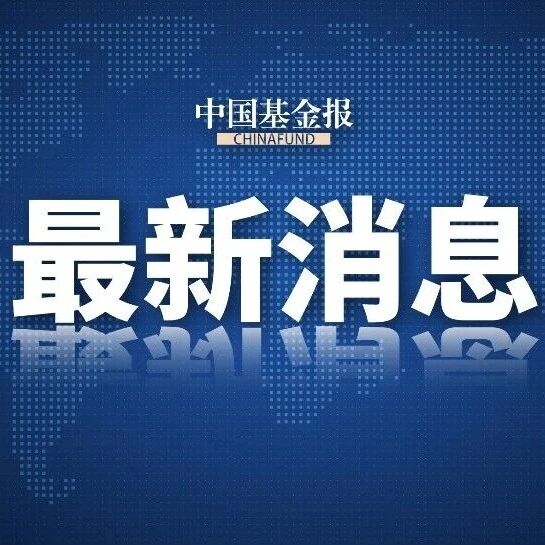
Core Viewpoint - Beijing Bank has evolved from a small local city commercial bank into a significant financial force supporting urban development and industrial upgrading, exemplifying the "Beijing Model" of financial supply-side structural reform [1][3]. Group 1: Historical Development - Beijing Bank was established 30 years ago as the "Beijing Urban Cooperative Bank" in a small building, and has since transformed its operations with advanced technology and efficient service delivery [1]. - The bank was proactive in supporting technological innovation, establishing its first branch in Zhongguancun in 1999, and later creating the first bank-affiliated incubator in China in 2015 [4][6]. Group 2: Support for Innovation - Beijing Bank has built a comprehensive service system for technology enterprises, launching the "Jingxin Navigation" brand and forming specialized teams to provide tailored financial solutions [7]. - The bank has provided over 50 million yuan in comprehensive financial support to companies like Nine Chapters Cloud Extreme, showcasing its commitment to nurturing innovation [6]. Group 3: Inclusive Finance - The bank has implemented a "social security card service station" to provide convenient services to residents, achieving a card issuance time of 3 minutes [11]. - It has also supported small and micro enterprises by offering customized loan solutions, such as a 1.4 million yuan credit loan to a meat processing company in need [12][13]. Group 4: Digital Transformation - Beijing Bank is advancing its digital transformation through the "Digital Jing Bank" strategy, focusing on building a unified data platform and enhancing operational efficiency [15]. - The bank has developed the "Tong E Loan" platform for small enterprises, facilitating quick loan approvals and enhancing customer experience [15][16]. Group 5: Community Engagement - The bank has introduced a "Smart Cashier System" in the New Fa Market, improving operational efficiency for merchants and providing them with financial support for business expansion [18]. - Beijing Bank's initiatives in children's financial education, such as the "Children's Friendly Bank" program, aim to foster financial literacy from a young age [8][9]. Group 6: Future Outlook - The bank aims to continue its differentiated development path, contributing to the construction of a financial power and the revitalization of the nation through precise financial supply and intelligent capabilities [19].

刚刚,利好来了!
中国基金报· 2025-12-30 12:57
【导读】国家发展改革委、财政部发布关于2026年实施大规模设备更新和消费品以旧换新政 策的通知 中国基金报记者 晨曦 2026年"两新"政策,来了! 12月30日,国家发展改革委官网发布《关于2026年实施大规模设备更新和消费品以旧换新政 策的通知》(以下简称《通知》),对明年的"两新"政策作出说明。 其中,设备更新在总体延续的基础上,增加老旧小区加装电梯、养老机构、消防救援、检验 检测、线下消费商业设施等领域,更好满足民生和安全需要。 国家发展改革委 财政部关于2026年实施 大规模设备更新和消费品以旧换新政策的通知 发改环资〔2025〕1745号 《通知》提到,支持商业综合体、购物中心、百货店、大型超市等线下消费商业设施设备更 新。优化申报条件和审核流程,进一步降低申报设备更新项目的投资额门槛,加大对中小企 业设备更新的支持力度,扩大政策惠及面。 消费品以旧换新方面,《通知》支持汽车以旧换新,家电以旧换新聚焦冰箱、洗衣机、电 视、空调、电脑、热水器等6类产品;支持数码和智能产品购新,包括手机、平板、智能手表 (手环)、智能眼镜、智能家居产品(含适老化家居产品)。 具体而言,个人消费者购买冰箱、洗衣机、电视 ...

三部门就《中华人民共和国增值税法实施条例》答记者问
中国基金报· 2025-12-30 12:57
Core Viewpoint - The implementation of the new Value-Added Tax (VAT) Law and its accompanying regulations aims to enhance the tax system's operability, promote fairness in tax law, and stabilize market expectations, thereby supporting high-quality economic development and a unified national market [3][5]. Background of the Regulation - The regulation is a response to the emphasis placed by the Central Committee and the State Council on VAT legislation and reform, aiming to optimize the tax structure and ensure a reasonable macro tax burden [3][4]. Significance of the Regulation - The regulation supports the principle of tax legality, ensuring effective implementation of the VAT Law and enhancing the operability of the tax system [5]. - It promotes fairness in tax law by standardizing VAT elements, preferential policies, and collection management, ensuring a unified and standardized VAT system across the country [5]. - The regulation aims to stabilize market expectations by clarifying VAT Law provisions, contributing to a market-oriented, rule-of-law, and international business environment [5]. Specific Provisions of the Regulation - The regulation details the scope of VAT taxation, including definitions for goods, services, intangible assets, and real estate [8]. - It specifies the standards for VAT exemptions for agricultural producers, agricultural products, and medical institutions, as well as the conditions for preferential policies [10]. Implementation Support Measures - The Ministry of Finance and the State Taxation Administration will focus on three key areas to ensure effective implementation: 1. Comprehensive implementation of the VAT Law by refining related systems and clarifying matters authorized by the State Council [10]. 2. Maintaining continuity in the tax system by incorporating effective existing measures without increasing taxpayer burdens [10]. 3. Balancing the basic elements and policy boundaries established by the VAT Law while allowing for practical operational flexibility [10]. Operational Details - The regulation mandates the development of specific operational guidelines for long-term asset input tax deductions, prepayment of taxes, and export tax refunds [10]. - It emphasizes the need for upgrading tax information systems to align with policy changes and enhance taxpayer services [10]. - The regulation calls for extensive training and outreach to ensure taxpayers understand the new rules and can comply effectively [10].

最新!两部门:个人出售购买满2年的住房,免征增值税
中国基金报· 2025-12-30 11:46
Core Viewpoint - The announcement from the Ministry of Finance and the State Taxation Administration introduces a new policy regarding the value-added tax (VAT) on the sale of residential properties by individuals, effective from January 1, 2026 [2]. Summary by Relevant Sections - The policy states that individuals selling residential properties purchased for less than 2 years will be subject to a VAT at a rate of 3% on the total sale amount [2]. - For properties purchased for 2 years or more, individuals will be exempt from VAT when selling [2]. - The announcement also indicates that prior regulations regarding the transition from business tax to VAT will be ceased in conjunction with this new policy [2]. - Individuals who have not yet declared or paid VAT on residential property sales before January 1, 2026, may apply the new policy provisions [2].

李强签署国务院令
中国基金报· 2025-12-30 10:49
Core Viewpoint - The article discusses the implementation of the "Implementation Regulations of the Value-Added Tax Law of the People's Republic of China," which will take effect on January 1, 2026, aiming to refine tax regulations and enhance tax management [2][40]. Group 1: Taxpayer and Tax Scope - The regulations detail the scope of taxable transactions, including goods, services, intangible assets, and real estate, and clarify the standards for taxpayers, including units and individuals, general taxpayers, and small-scale taxpayers [2][3][6]. - Specific conditions for the consumption of services and intangible assets within the territory are defined, excluding certain transactions involving foreign entities [9][10]. Group 2: Tax Rate Application - The regulations specify the zero tax rate applicable to certain exported goods and outline the conditions under which cross-border sales of services and intangible assets qualify for a zero tax rate [3][14][15]. - Principles for applying tax rates when a taxable transaction involves multiple rates are established [16]. Group 3: Tax Amount Calculation - Methods for calculating the taxable amount under different scenarios are defined, including the types of tax deduction certificates and the rules for deducting input tax [3][17][18]. - The regulations clarify how to handle tax adjustments in cases of sales discounts, returns, or interruptions [13][14]. Group 4: Tax Incentives - The regulations specify the standards for various tax exemption projects and require timely public disclosure of tax incentive policies, along with evaluations of their effectiveness [3][30]. - The scope, standards, and conditions for tax incentives are to be assessed and adjusted as necessary [30]. Group 5: Tax Administration Measures - The regulations enhance tax administration by clarifying registration requirements for general taxpayers, invoicing rules, and the timing of tax obligations [3][31][32]. - Provisions for information sharing related to tax matters and export tax refund rules are included [3][39].
利好来了!四部门联合发布!
中国基金报· 2025-12-30 10:49
Core Viewpoint - The article discusses the implementation plan for the digital transformation of the automotive industry in China, aiming to enhance smart manufacturing capabilities and promote new industrialization by 2027 and 2030 [1][5]. Overall Requirements - The plan emphasizes high-quality development in the automotive sector, focusing on smart manufacturing and the release of data value, while promoting digital transformation for small and medium-sized enterprises [6]. - It aims to support the construction of 5G factories and the establishment of a trusted data space for the automotive industry [6][7]. Key Tasks Diagnosis and Improvement Action - Establish a comprehensive evaluation system for digital transformation and smart upgrades tailored to different types of automotive enterprises [8]. - Encourage enterprises to conduct self-assessments and diagnostics to identify weaknesses in their digital transformation efforts [8]. Empowering Digital Transformation for SMEs - Promote cloud services and digital upgrades for small and medium-sized automotive parts enterprises [9]. - Support the construction of industry-level industrial internet platforms to enhance collaboration across the supply chain [10]. Typical Scenarios and AI Application Demonstration - Develop a list of typical scenarios for digital transformation in the automotive industry and encourage collaboration between leading enterprises and service providers [11]. - Promote the integration of AI technologies in various operational aspects, including research, design, and manufacturing [11]. Gradual Cultivation and Matrix Construction - Implement a tiered approach to cultivate smart factories, supporting leading enterprises in creating exemplary facilities [12]. - Build a resource matrix of specialized service providers to support digital transformation efforts [12]. Standard System Improvement and Interconnectivity Assurance - Strengthen the standard system for digital transformation and smart upgrades, ensuring comprehensive coverage across the industry [14]. - Focus on establishing key data standards to facilitate effective interconnectivity and data security within the supply chain [14]. Key Technology Research and Basic Capability Enhancement - Prioritize research on critical technologies and products, including simulation design and intelligent equipment [15]. - Enhance communication infrastructure to support smart manufacturing needs, including the deployment of 5G networks [15]. Implementation Assurance - Establish a comprehensive support system encompassing organization, policy, talent, and security to facilitate the digital transformation process [17]. - Encourage collaboration between enterprises and educational institutions to enhance talent development and ensure a skilled workforce for the digital transition [17].

突传噩耗!王宗合,辞世!
中国基金报· 2025-12-30 09:56
Core Viewpoint - Wang Zonghe, former deputy general manager and fund manager of Penghua Fund, passed away on December 29, 2025, marking the loss of a significant figure in the investment community [1]. Group 1: Career and Achievements - Wang Zonghe held a master's degree in finance from Renmin University of China and joined Penghua Fund in May 2009, focusing on research in sectors such as food and beverage, agriculture, and retail [3]. - He served as a research analyst and assistant fund manager before becoming a fund manager in December 2010, and later as deputy general manager in January 2021 [3]. - At his peak, Wang managed a total fund size of 55.4 billion yuan, with the Penghua Craftsmanship Selected Mixed Fund achieving a record subscription of 137.1 billion yuan on its first day in 2020 [3]. Group 2: Investment Philosophy - Wang was known for his long-term bullish stance on the liquor industry, famously stating, "Through storms for thirteen years, walking alongside Moutai" [3]. - His investment strategy prioritized selecting stocks that met the high standards set by Warren Buffett and Charlie Munger, focusing on companies with high barriers to entry, sustainable ROE, and significant compounding effects [4]. - He also favored investing in companies with clear trends over a three to five-year horizon, avoiding bets on growth at high valuations [4].

特朗普谈中国军演,中方回应
中国基金报· 2025-12-30 08:15
Group 1 - The core viewpoint of the article emphasizes that Taiwan is an inseparable part of China's territory, and the military exercises conducted by the People's Liberation Army (PLA) are necessary actions to safeguard national sovereignty and territorial integrity [2] - The article highlights that the PLA's military drills are a stern punishment against "Taiwan independence" separatist forces, responding to external influences and actions [2] Group 2 - The article mentions that the recent military exercises are a response to the approval of a $11 billion arms sale to Taiwan by the U.S. government, indicating heightened tensions in the region [2]