自动驾驶之心

Search documents
ICLR 2025 | SmODE:用于生成平滑控制动作的常微分方程神经网络
自动驾驶之心· 2025-09-01 23:32
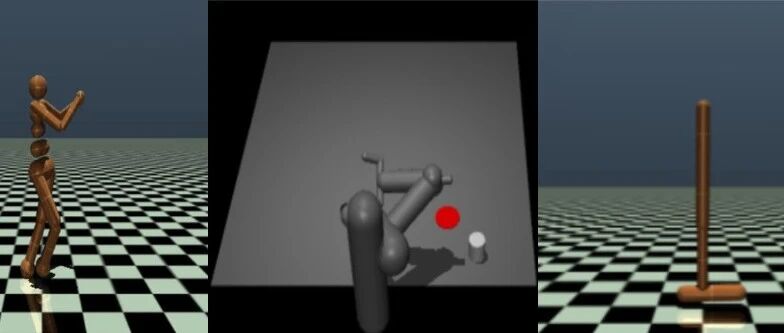
Core Viewpoint - The research team led by Professor Li Shengbo from Tsinghua University has developed a novel smoothing neural network called SmODE, which utilizes ordinary differential equations (ODE) to enhance the smoothness of control actions in reinforcement learning tasks, thereby improving the usability and safety of intelligent systems [4][23]. Background - Deep Reinforcement Learning (DRL) has proven effective in solving optimal control problems in various applications, including drone control and autonomous driving. However, the smoothness of control actions remains a significant challenge due to high-frequency noise and unregulated Lipschitz constants in neural networks [5][19]. Key Technologies of SmODE - **Smoothing ODE Design**: The team designed a smoothing neuron structure based on ODEs that can adaptively filter high-frequency noise while controlling the Lipschitz constant, thus enhancing the performance of control systems [8][9]. - **Smoothing Network Structure**: SmODE is structured to be integrated into various reinforcement learning frameworks, featuring an input module, a smoothing ODE module, and an output module, which can be adjusted based on task complexity [14][16]. - **Reinforcement Learning Algorithm Based on SmODE**: SmODE can be easily combined with existing deep reinforcement learning algorithms, requiring additional loss terms to regulate the time constant and Lipschitz constant during training [16][17]. Experimental Results - In experiments with Gaussian noise variance set at 0.05, SmODE demonstrated significantly lower action volatility compared to traditional MLP networks, enhancing vehicle comfort and safety during tasks such as sine curve tracking and lane changing [19][21]. - In the MuJoCo benchmark tests, SmODE outperformed other networks (LTC, LipsNet, and MLP) in terms of average action smoothness across various tasks, indicating its effectiveness in real-world applications [21][22]. Conclusion - The SmODE network effectively addresses the oscillation issues in action outputs within deep reinforcement learning, providing a new approach to enhance the performance and stability of intelligent systems in real-world applications [23].

超高性价比3D扫描仪!点云/视觉全场景重建,高精厘米级重建
自动驾驶之心· 2025-09-01 23:32
Core Viewpoint - The GeoScan S1 is presented as the most cost-effective 3D laser scanner in China, designed for industrial and educational applications, featuring lightweight design and high precision for real-time 3D scene reconstruction [1][9]. Group 1: Product Features - The GeoScan S1 can generate point clouds at a rate of 200,000 points per second, with a maximum measurement distance of 70 meters and 360° coverage, supporting large scenes over 200,000 square meters [1][29]. - It integrates multiple sensors and supports cross-platform integration, providing flexibility for various research and development applications [1][44]. - The device operates on a user-friendly Ubuntu system, allowing for easy operation with a one-button start for scanning tasks [3][5]. Group 2: Technical Specifications - The system supports real-time mapping with a relative accuracy of better than 3 cm and absolute accuracy of better than 5 cm [22]. - It features a compact design with dimensions of 14.2 cm x 9.5 cm x 45 cm and weighs 1.3 kg without the battery [22]. - The device is powered by a 14.8V/6000mAh battery, providing approximately 3 to 4 hours of operational time [26]. Group 3: Market Positioning - The introductory price for the GeoScan S1 starts at 19,800 yuan, making it highly competitive in the market [9][57]. - The product is available in multiple versions, including a basic version, a depth camera version, and online/offline 3DGS versions, catering to diverse customer needs [57]. Group 4: Application Scenarios - The GeoScan S1 is suitable for various environments, including office buildings, parking lots, industrial parks, tunnels, forests, and mining sites, effectively constructing 3D scene maps [38][46]. - It supports high-fidelity real-world restoration through an optional 3D Gaussian data collection module, enabling complete digital replication of real-world scenarios [50].
后端到端时代:我们必须寻找新的道路吗?
自动驾驶之心· 2025-09-01 23:32
Core Viewpoint - The article discusses the evolution of autonomous driving technology, particularly focusing on the transition from end-to-end systems to Vision-Language-Action (VLA) models, highlighting the differing approaches and perspectives within the industry regarding these technologies [6][32][34]. Group 1: VLA and Its Implications - VLA, or Vision-Language-Action Model, aims to integrate visual perception and natural language processing to enhance decision-making in autonomous driving systems [9][10]. - The VLA model attempts to map human driving instincts into interpretable language commands, which are then converted into machine actions, potentially offering both strong integration and improved explainability [10][19]. - Companies like Wayve are leading the exploration of VLA, with their LINGO series demonstrating the ability to combine natural language with driving actions, allowing for real-time interaction and explanations of driving decisions [12][18]. Group 2: Industry Perspectives and Divergence - The current landscape of autonomous driving is characterized by a divergence in approaches, with some teams embracing VLA while others remain skeptical, preferring to focus on traditional Vision-Action (VA) models [5][6][19]. - Major players like Huawei and Horizon have expressed reservations about VLA, opting instead to refine existing VA models, which they believe can still achieve effective results without the complexities introduced by language processing [5][21][25]. - The skepticism surrounding VLA stems from concerns about the ambiguity and imprecision of natural language in driving contexts, which can lead to challenges in real-time decision-making [19][21][23]. Group 3: Technical Challenges and Considerations - VLA models face significant technical challenges, including high computational demands and potential latency issues, which are critical in scenarios requiring immediate responses [21][22]. - The integration of language processing into driving systems may introduce noise and ambiguity, complicating the training and operational phases of VLA models [19][23]. - Companies are exploring various strategies to mitigate these challenges, such as enhancing computational power or refining data collection methods to ensure that language inputs align effectively with driving actions [22][34]. Group 4: Future Directions and Industry Outlook - The article suggests that the future of autonomous driving may not solely rely on new technologies like VLA but also on improving existing systems and methodologies to ensure stability and reliability [34]. - As the industry evolves, companies will need to determine whether to pursue innovative paths with VLA or to solidify their existing frameworks, each offering unique opportunities and challenges [34].


端到端自动驾驶的万字总结:拆解三大技术路线(UniAD/GenAD/Hydra MDP)
自动驾驶之心· 2025-09-01 23:32
Core Viewpoint - The article discusses the current development status of end-to-end autonomous driving algorithms, comparing them with traditional algorithms and highlighting their advantages and limitations [3][5][6]. Group 1: Traditional vs. End-to-End Algorithms - Traditional autonomous driving algorithms follow a pipeline of perception, prediction, and planning, where each module has distinct inputs and outputs [5][6]. - The perception module takes sensor data as input and outputs bounding boxes for the prediction module, which then outputs trajectories for the planning module [6]. - End-to-end algorithms, in contrast, take raw sensor data as input and directly output path points, simplifying the process and reducing error accumulation [6][10]. Group 2: Limitations of End-to-End Algorithms - End-to-end algorithms face challenges such as lack of interpretability, safety guarantees, and issues related to causal confusion [12][57]. - The reliance on imitation learning in end-to-end algorithms limits their ability to handle corner cases effectively, as they may misinterpret rare scenarios as noise [11][57]. - The inherent noise in ground truth data can lead to suboptimal learning outcomes, as human driving data may not represent the best possible actions [11][57]. Group 3: Current End-to-End Algorithm Implementations - The ST-P3 algorithm is highlighted as an early example of end-to-end autonomous driving, focusing on spatiotemporal learning with three core modules: perception, prediction, and planning [14][15]. - Innovations in ST-P3 include a perception module that uses a self-centered cumulative alignment technique, a dual-path prediction mechanism, and a planning module that incorporates prior information for trajectory optimization [15][19][20]. Group 4: Advanced Techniques in End-to-End Algorithms - The UniAD framework introduces a multi-task approach by incorporating five auxiliary tasks to enhance performance, addressing the limitations of traditional modular stacking methods [24][25]. - The system employs a full Transformer architecture for planning, integrating various interaction modules to improve trajectory prediction and planning accuracy [26][29]. - The VAD (Vectorized Autonomous Driving) method utilizes vectorized representations to better express structural information of map elements, enhancing computational speed and efficiency [32][33]. Group 5: Future Directions and Challenges - The article emphasizes the need for further research to overcome the limitations of current end-to-end algorithms, particularly in optimizing learning processes and handling exceptional cases [57]. - The introduction of multi-modal planning and multi-model learning approaches aims to improve trajectory prediction stability and performance [56][57].
驾驭多模态!自动驾驶多传感器融合感知1v6小班课来了
自动驾驶之心· 2025-09-01 09:28
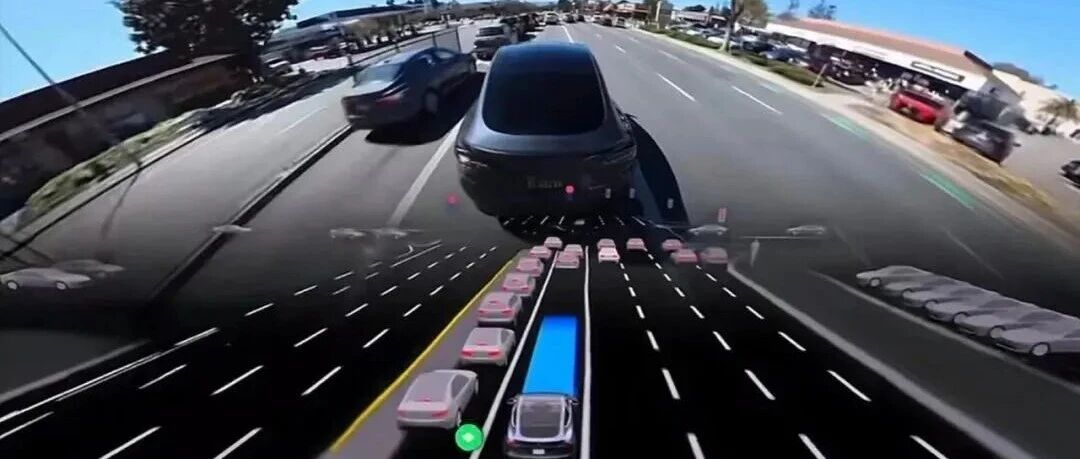
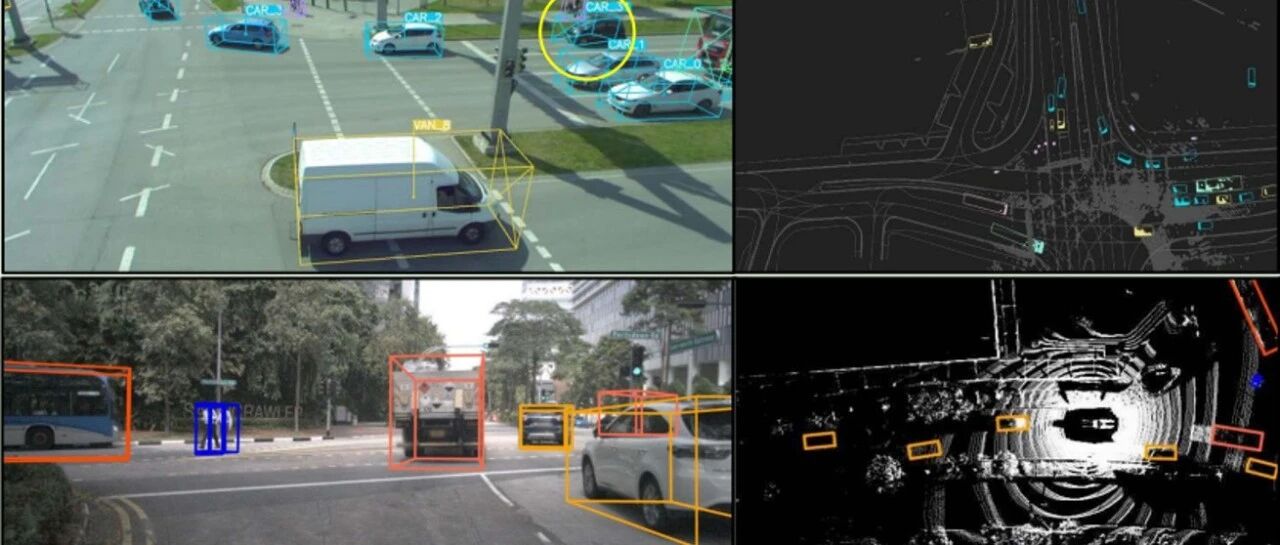
Core Insights - The article emphasizes the necessity of multi-sensor data fusion in autonomous driving to enhance environmental perception capabilities, addressing the limitations of single-sensor systems [1][2]. Group 1: Multi-Sensor Fusion - The integration of various sensors such as LiDAR, millimeter-wave radar, and cameras is crucial for creating a robust perception system that can operate effectively in diverse conditions [1]. - Cameras provide rich semantic information and texture details, while LiDAR offers high-precision 3D point clouds, and millimeter-wave radar excels in adverse weather conditions [1][2]. - The fusion of these sensors enables reliable perception across all weather and lighting conditions, significantly improving the robustness and safety of autonomous driving systems [1]. Group 2: Evolution of Fusion Techniques - Current multi-modal perception fusion technology is evolving from traditional methods to more advanced end-to-end fusion and Transformer-based architectures [2]. - Traditional fusion methods include early fusion, mid-level fusion, and late fusion, each with its own advantages and challenges [2]. - The end-to-end fusion approach using Transformer architecture allows for efficient and robust feature interaction, reducing error accumulation from intermediate modules [2]. Group 3: Challenges in Sensor Fusion - Sensor calibration is a primary challenge, as ensuring high-precision spatial and temporal alignment of different sensors is critical for successful fusion [3]. - Data synchronization issues must also be addressed to manage inconsistencies in sensor frame rates and delays [3]. - Future research should focus on developing more efficient and robust fusion algorithms to effectively utilize the heterogeneity and redundancy of different sensor data [3].
研究生开学,被大老板问懵了。。。
自动驾驶之心· 2025-09-01 03:17
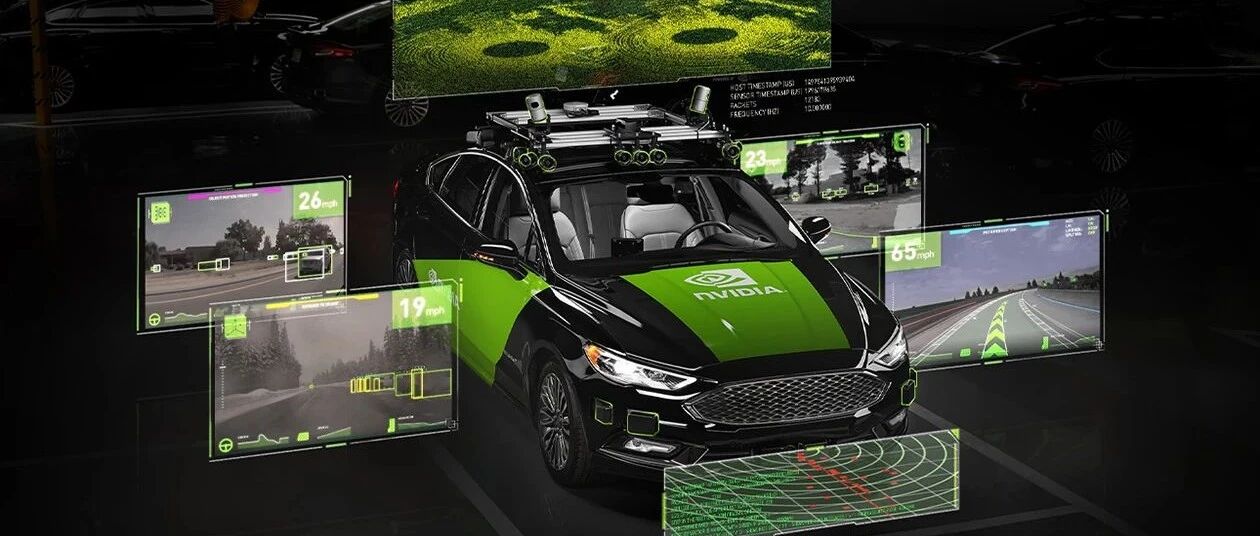
Core Insights - The article emphasizes the establishment of a comprehensive community focused on autonomous driving and robotics, aiming to connect learners and professionals in the field [1][14] - The community, named "Autonomous Driving Heart Knowledge Planet," has over 4,000 members and aims to grow to nearly 10,000 in two years, providing resources for both beginners and advanced learners [1][14] - Various technical learning paths and resources are available, including over 40 technical routes and numerous Q&A sessions with industry experts [3][5] Summary by Sections Community and Resources - The community offers a blend of video, text, learning paths, and Q&A, making it a comprehensive platform for knowledge sharing [1][14] - Members can access a wealth of information on topics such as end-to-end autonomous driving, multi-modal large models, and data annotation practices [3][14] - The community has established a job referral mechanism with multiple autonomous driving companies, facilitating connections between job seekers and employers [10][14] Learning Paths and Technical Focus - The community has organized nearly 40 technical directions in autonomous driving, covering areas like perception, simulation, and planning control [5][14] - Specific learning routes are provided for beginners, including full-stack courses suitable for those with no prior experience [8][10] - Advanced topics include discussions on world models, reinforcement learning, and the integration of various sensor technologies [4][34][46] Industry Engagement and Expert Interaction - The community regularly invites industry leaders for discussions on the latest trends and challenges in autonomous driving [4][63] - Members can engage in discussions about career choices, research directions, and technical challenges, fostering a collaborative environment [60][64] - The platform aims to bridge the gap between academic research and industrial application, ensuring that members stay updated on both fronts [14][65]
马斯克暴论,激光雷达和毫米波雷达对自驾来说除了碍事,没有好处......
自动驾驶之心· 2025-08-31 23:33
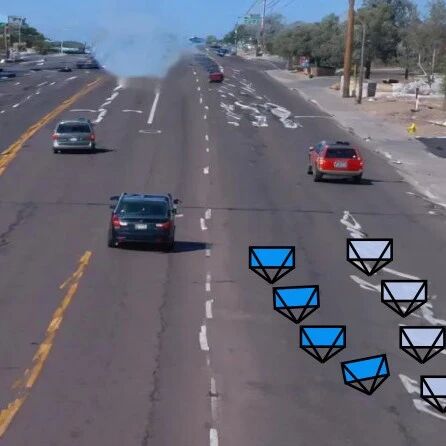
Core Viewpoint - The article discusses the ongoing debate between the use of LiDAR and pure vision systems in autonomous driving, highlighting the differing perspectives of industry leaders like Uber's CEO Dara Khosrowshahi and Tesla's Elon Musk regarding the safety and effectiveness of these technologies [1][2][6]. Group 1: Industry Perspectives - Uber's CEO supports LiDAR for its lower cost and higher safety, while Musk criticizes it, claiming that sensor competition reduces safety [1][2]. - Baidu, a significant player in the autonomous driving sector, advocates for LiDAR, asserting it ensures driving safety and has cost advantages [2][14]. - The article emphasizes the division in the industry, with Waymo and Baidu favoring multi-sensor fusion (including LiDAR) and Tesla sticking to a pure vision approach [6][11]. Group 2: Technical Analysis - Tesla's transition from LiDAR to a pure vision system was driven by cost considerations and the belief that AI can surpass human driving capabilities using camera data alone [8][9]. - Waymo employs a multi-modal approach, integrating LiDAR, radar, and cameras, achieving L4-level autonomous driving and expanding its services in complex urban environments [11][12]. - Baidu's autonomous driving service, "萝卜快跑," utilizes a multi-sensor fusion strategy, combining LiDAR, cameras, and radar to achieve L4 capabilities, with a strong safety record [14][16]. Group 3: Performance Comparison - LiDAR systems provide high-precision 3D environmental perception, unaffected by lighting conditions, while pure vision systems struggle in adverse weather and lighting [48][49]. - The article outlines the advantages of LiDAR in terms of distance measurement accuracy, environmental adaptability, and reliable identification of static objects, contrasting these with the limitations of pure vision systems [50][51]. - LiDAR's ability to maintain performance in extreme conditions, such as heavy rain or fog, is highlighted as a critical safety feature for autonomous vehicles [34][36]. Group 4: Market Trends and Regulations - The article notes that the decreasing cost of LiDAR technology is making it more accessible for widespread adoption in high-end vehicles, with significant market players integrating it into their models [25][42]. - Regulatory frameworks are increasingly favoring the use of LiDAR in autonomous vehicles, with new standards requiring advanced sensing capabilities that LiDAR can provide [55][56]. - The collaboration between Baidu's "萝卜快跑" and Uber to deploy autonomous vehicles globally indicates a growing acceptance of multi-sensor fusion solutions in the market [18].



没有数据闭环的端到端只是半成品!
自动驾驶之心· 2025-08-31 23:33
Core Viewpoint - The article emphasizes the increasing investment in automated labeling by autonomous driving companies, highlighting the challenges and requirements for end-to-end automated labeling in the context of intelligent driving [1][2]. Group 1: Challenges in Automated Labeling - The main challenges in 4D automated labeling include high spatial-temporal consistency requirements, complex multi-modal data fusion, difficulties in generalizing dynamic scenes, contradictions between labeling efficiency and cost, and high requirements for scene generalization in mass production [2][3]. Group 2: Course Overview - The course offers a comprehensive tutorial on the entire process of 4D automated labeling, covering dynamic obstacle detection, SLAM reconstruction, static element labeling, and end-to-end truth generation [3][4][6]. - It includes practical exercises to enhance algorithm capabilities and addresses real-world engineering challenges [2][3]. Group 3: Detailed Course Structure - Chapter 1 introduces the basics of 4D automated labeling, its applications, and the necessary data and algorithms [4]. - Chapter 2 focuses on the process of dynamic obstacle labeling, including offline 3D target detection algorithms and solutions to common engineering issues [6]. - Chapter 3 discusses laser and visual SLAM reconstruction, explaining its importance and common algorithms [7]. - Chapter 4 addresses static element labeling based on reconstruction outputs [9]. - Chapter 5 covers the general obstacle OCC labeling, detailing the input-output requirements and optimization techniques [10]. - Chapter 6 is dedicated to end-to-end truth generation, integrating various elements into a cohesive process [12]. - Chapter 7 provides insights into data scaling laws, industry pain points, and interview preparation for relevant positions [14]. Group 4: Target Audience and Prerequisites - The course is suitable for researchers, students, and professionals looking to transition into the data closure field, requiring a foundational understanding of deep learning and autonomous driving perception algorithms [19][23].
最新综述!北交大等团队系统梳理LLM Agent推理框架核心进展
自动驾驶之心· 2025-08-31 23:33
( Agent ) 推理框架系统性综述 , 针对当前 LLM 智能体领域 "边界模糊"、"价值低估"的问题,首次以 "框架层面推理方法" 为核心视角,填补了该方向系统性综述的空白,为研究社区提供统一的分析基准 。投稿作者为大模型之心特邀嘉宾,如果您有相 关工作需要分享,请在文末联系我们! >> 点击进入→ 大模型技术 交流群 >> 点击进入→ Age nt 技术交流群 本文只做学术分享,如有侵权,联系删文 论文作者 | BingXi Zhao等 编辑 | 大模型之心Tech 点击下方 卡片 ,关注" 大模型之心Tech "公众号 戳我 -> 领取大模型巨卷干货 今天 大模型之心Tech 为大家分享一篇 基于大语言模型(LLM)的智能体 写在前面 从微软的AutoGen到"AI程序员"Devin,基于大语言模型(LLM)的智能体(Agent)正以前所未有的速度重塑人工智能的边界。它们会分解任务、 推演计划、调用工具、彼此协作——似乎把"机器推理"带入了一个新的时代。 然而,在这股浪潮之下,一个核心的" 双重模糊性 "问题日益凸出: 一个Agent的优秀表现,究竟是归因于背后更强的模型,还是来源于其"框架 级"的 ...

北大升级DrivingGaussian++:无需训练,智驾场景自由编辑!
自动驾驶之心· 2025-08-31 23:33
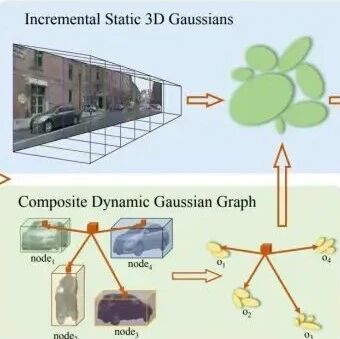
Core Viewpoint - The article discusses the innovative approach of DrivingGaussian++, a framework developed by researchers from Peking University and Google DeepMind, which enables realistic reconstruction and editable simulation of dynamic driving scenes without the need for extensive training [4][18]. Group 1: Importance of Data in Autonomous Driving - Data diversity and quality are crucial for the performance and potential of models in autonomous driving, with a focus on addressing the long-tail scenarios that are often underrepresented in datasets [2][3]. - The emergence of 3D scene editing as a specialized field aims to enhance the robustness and safety of autonomous driving systems by simulating various real-world driving conditions [2]. Group 2: Challenges in 3D Scene Editing - Existing editing tools often specialize in one aspect of 3D scene editing, leading to inefficiencies when applied to large-scale autonomous driving simulations [3]. - Accurate reconstruction of 3D scenes is challenging due to limited sensor data, high-speed vehicle movement, and varying lighting conditions, making it difficult to create a complete and realistic 3D environment [3][13]. Group 3: DrivingGaussian++ Framework - DrivingGaussian++ utilizes a composite Gaussian splatting approach to layer model complex driving scenes, separating static backgrounds from dynamic targets for more precise reconstruction [4][6]. - The framework introduces novel modules, including Incremental Static 3D Gaussians and Composite Dynamic Gaussian Graphs, to enhance the modeling of both static and dynamic elements in driving scenes [6][31]. Group 4: Editing Capabilities - The framework allows for controlled and efficient editing of reconstructed scenes without additional training, covering tasks such as texture modification, weather simulation, and target manipulation [20][41]. - By integrating 3D geometric priors and leveraging large language models for dynamic predictions, the framework ensures coherence and realism in the editing process [41][51]. Group 5: Performance Comparison - DrivingGaussian++ outperforms existing methods in terms of visual realism and quantitative consistency across various editing tasks, demonstrating superior performance in dynamic driving scenarios [62][70]. - The editing time for DrivingGaussian++ is significantly lower than that of other models, typically ranging from 3 to 10 minutes, highlighting its efficiency [70].