CKH HOLDINGS(00001)

Search documents
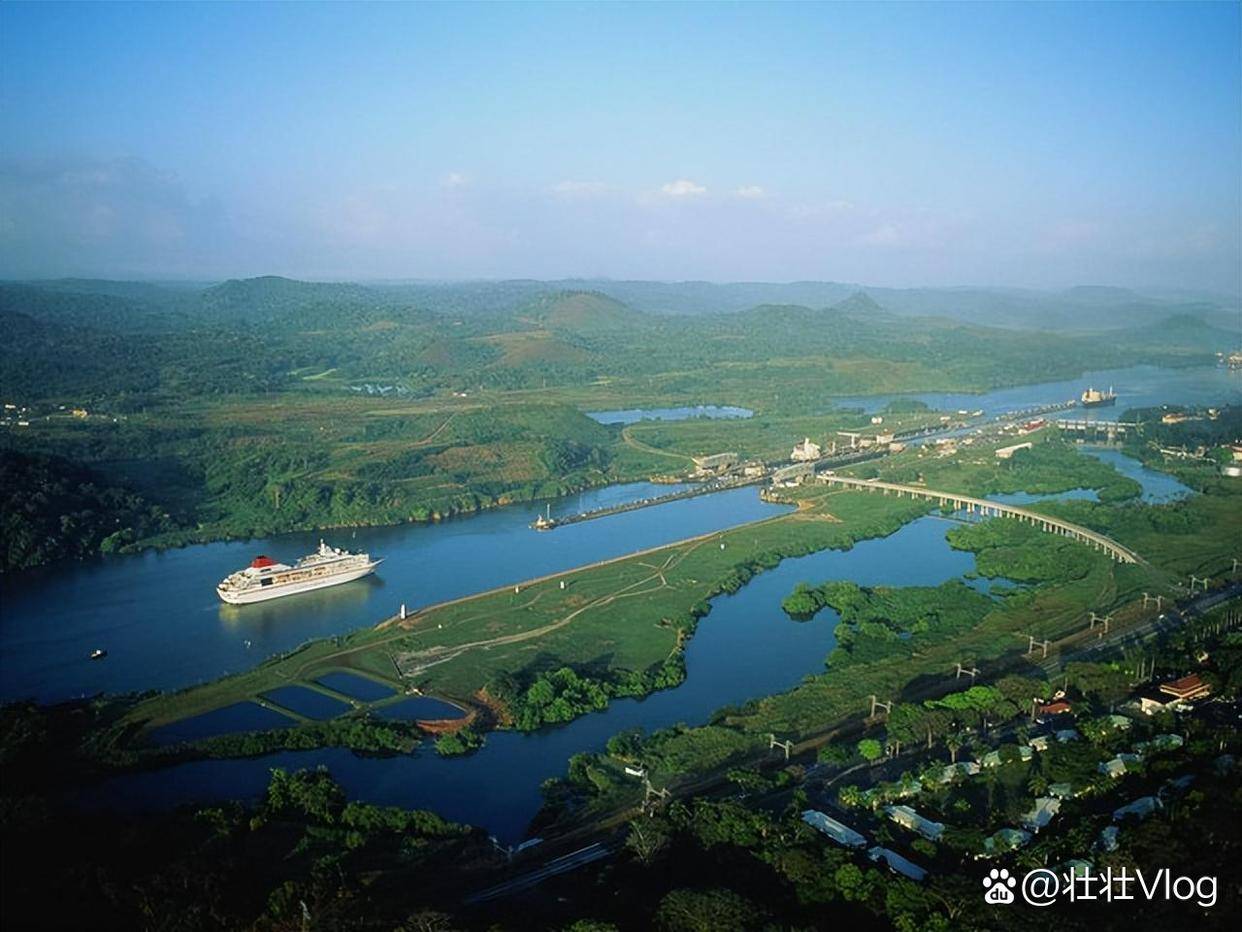
一场围绕全球港口资产的交易风波,将李嘉诚与巴拿马再次推上风口浪尖。早在此前,李嘉诚旗下长和集团便有意将包括巴拿马运河两端在内的全球43个码头资产打包出售,接盘方是由美国资产管理巨头贝莱德牵头的财团。消息传出后,争议迅速升温。外界很快注意到,中方对此表达了明确反对态度,认为相关核心港口一...
Sou Hu Cai Jing· 2026-02-27 06:27
Group 1 - The core issue revolves around the potential sale of 43 global port assets, including key terminals at both ends of the Panama Canal, by Li Ka-shing's CK Hutchison Holdings to a consortium led by BlackRock, which has raised significant controversy due to geopolitical implications [1][2] - The Panama government forcibly took control of Balboa and Cristobal ports, which had been operated by CK Hutchison for nearly 30 years, leading to a significant shift in the ongoing transaction [1][3] - The deal, valued at $22.8 billion, was intended to divest CK Hutchison's non-China assets, but the unexpected government intervention has resulted in estimated direct losses exceeding $8.7 billion, impacting the company's market value and global port sale plans [3] Group 2 - BlackRock, managing $14 trillion in assets, has been expanding into infrastructure, with ports being critical nodes in global trade, which could enhance its influence over maritime routes if the deal proceeds [2] - The Panama Canal accounts for approximately 6% of global maritime trade, with Chinese shipping representing 21% of the traffic, raising concerns about the strategic implications of U.S. control over these ports [2] - The situation highlights the complexities of balancing commercial interests with national security, as the ownership of critical infrastructure increasingly intersects with geopolitical dynamics [3]

千亿套现!长和系清仓英国电网,16年狂赚6倍,李嘉诚又算准了?
Sou Hu Cai Jing· 2026-02-27 04:36
2月26日,港交所一则公告引爆财经圈——李嘉诚旗下长和系,出手了。长实集团、长江基建、电能实业三家核心公司联手,将手中持有的英国电 网(UK Power Networks)100%股权全部卖掉,一次性套现超千亿港元。消息一出,长和系股价逆势上涨,市场用脚投票,认可了这笔交易。很 多人疑惑,英国电网是英国最大的配电网运营商,常年稳定盈利,堪称"摇钱树",长和系为什么要彻底清仓?更让人惊叹的是,从2010年收购到 如今出售,16年间,长和系不仅让资产增值近3倍,还赚了44亿英镑分红,现金回报超过6倍。这场看似突然的套现,背后全是李氏家族的商业智 慧,也藏着全球资产布局的大逻辑。 | CK ASSET HOLDINGS LIMITED | | --- | | 長江寶茉集團有限公司 | | (於閑要群島註冊成立之有限公司) | | (股份代號:1113) | | 图建交易及有一般露的交易 | | 出售 UK POWER NETWORKS | | 出售事項 | | 董事會公佈,於2026年2月25日香港、倫敦及巴黎交易時段之後以及2026年2月26日 | | 三地交易時段之前,長江實業附屬公司(本公司之間接全會附屬公司 ...
李嘉诚出售英国资产,近5年套现超3500亿港元
3 6 Ke· 2026-02-27 04:05
Core Viewpoint - The Li Ka-shing family continues its familiar strategy of cashing out and reallocating investments, exemplified by the recent sale of UK Power Networks for £10.548 billion, approximately HK$110.75 billion, marking a significant exit from the UK infrastructure sector [1][2]. Group 1: Transaction Details - Cheung Kong Infrastructure Holdings Limited and its subsidiaries announced the sale of UK Power Networks, a major UK distribution network, with the total transaction value reaching £10.548 billion [1]. - The sale price reflects a substantial increase from the original acquisition cost of £5.775 billion in 2010, indicating a successful investment strategy [4]. - The transaction is expected to generate approximately HK$14.5 billion in actual gains for Cheung Kong Infrastructure, which will be used for future investments and general operational funding [4]. Group 2: Financial Performance of UK Power Networks - During the period of Cheung Kong's ownership, UKPN demonstrated stable financial contributions, with pre-tax profits rising from £46.7 million in the fiscal year ending March 31, 2024, to £114.9 million by March 31, 2025 [3]. - The net asset value of UKPN was reported at approximately £5.584 billion, showcasing its robust financial health [3]. Group 3: Strategic Asset Management - The Li Ka-shing family has been actively restructuring its asset portfolio, particularly in the UK and Europe, focusing on high-value cashing out and capital recovery [2][6]. - Over the past five years, the family has cashed out over HK$350 billion, indicating a strategic shift towards realizing gains from mature assets [2][6]. - The sale of UKPN is part of a broader trend of divesting overseas assets, with previous transactions including the sale of UK Rails and various telecommunications and real estate assets [6][7][8]. Group 4: Market Reaction - Following the announcement of the sale, shares of Cheung Kong and Cheung Kong Infrastructure rose by 4.52%, reflecting positive market sentiment towards the transaction [5].


巴拿马强行接收两个港口,18月后重新招标,李嘉诚是否血本无归?
Sou Hu Cai Jing· 2026-02-27 03:51
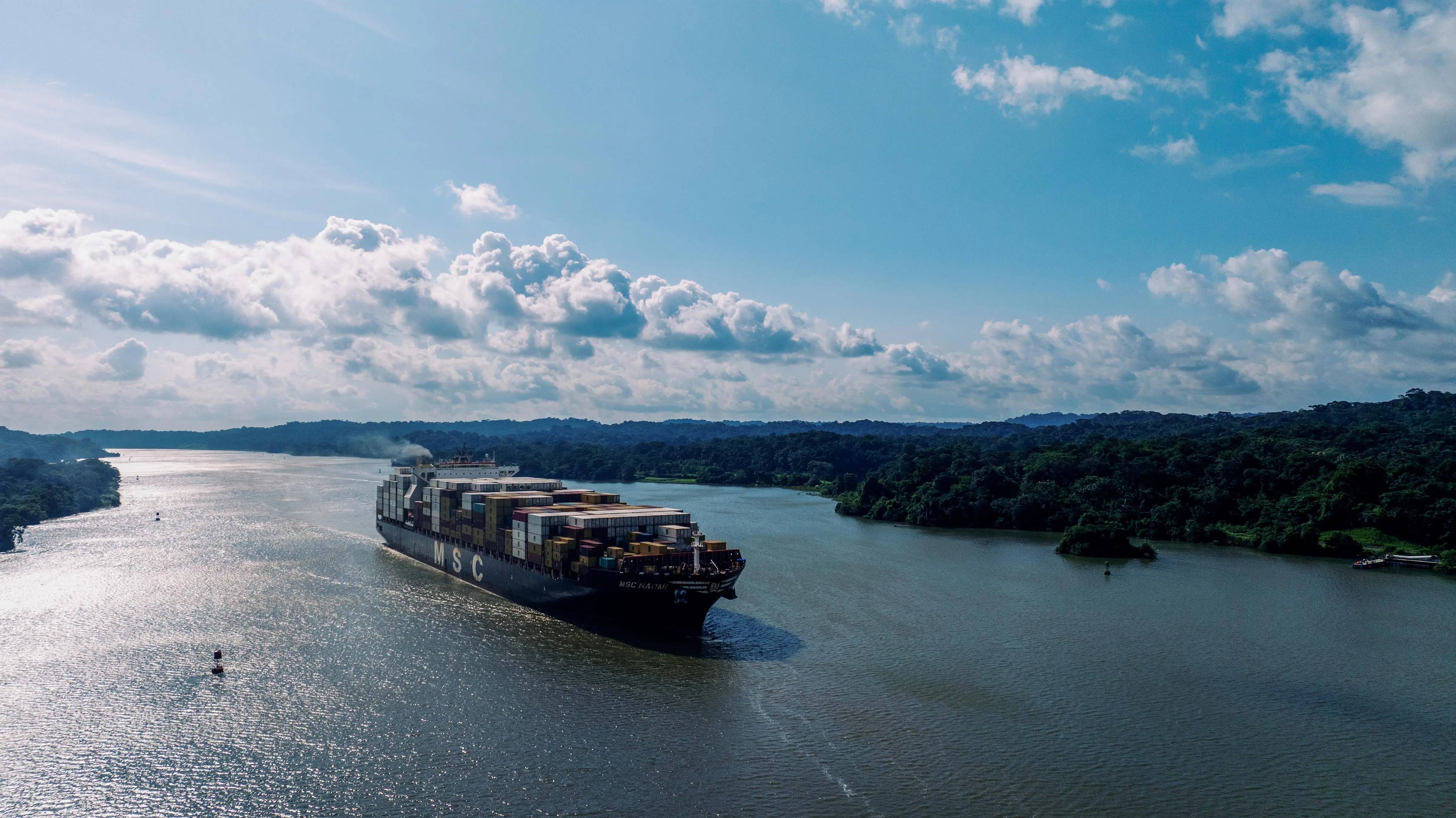
Core Viewpoint - Panama has forcibly taken over two ports owned by Cheung Kong, temporarily handing them over to Maersk and Mediterranean Shipping Company, with plans to re-tender in 18 months. This situation raises questions about the financial impact on Li Ka-shing, but he has already profited significantly from these investments [1][4]. Financial Analysis - Li Ka-shing invested a total of $1.8 billion in the two ports over the years, with profits estimated at around $3 billion, resulting in a net gain of $1.2 billion [1]. - The potential sale of these ports could have netted $22.5 billion, but the current valuation is approximately $2 billion, indicating a loss of potential earnings rather than a total loss [4]. Political and Reputational Impact - The primary loss for Li Ka-shing is reputational, as the situation reflects on the Chinese government's ability to protect its companies abroad. The government’s support for Cheung Kong is seen as a message to other Chinese firms regarding their protection [6][10]. - The incident has altered public perception of Li Ka-shing, shifting from a revered entrepreneur to a controversial figure, which may affect future business dealings in mainland China [8][10]. Future Implications - The family may consider selling off controversial assets due to increasing political risks associated with their investments in sensitive sectors like infrastructure and energy [10][11]. - The relationship between Li Ka-shing's business and the Chinese government may become strained, impacting future opportunities and collaborations [10].
巴拿马港口被“接管”后,李嘉诚卖掉英国电网业务,转向非常突然
Sou Hu Cai Jing· 2026-02-27 03:47
Core Viewpoint - The recent forced takeover of port assets by the Panamanian government has prompted the Cheung Kong Group to swiftly sell its core UK electricity grid business, raising concerns about asset security for multinational companies and the restructuring of global investment logic [2][4]. Group 1: Events and Responses - On February 23, the Panamanian government forcibly took control of the Balboa and Cristobal ports, ending a nearly 30-year operating agreement and expelling the management team, leading Cheung Kong to initiate international arbitration [4]. - Shortly after, Cheung Kong's subsidiaries announced the sale of their stake in the UK electricity operator to French energy company Engie for approximately £10.548 billion, totaling over HK$110 billion, marking a complete exit from UK core utility assets [4][6]. Group 2: Asset Characteristics - The UK electricity grid assets served around 8.5 million users and operated approximately 192,000 kilometers of power lines, covering key areas in London and Southeast England, characterized by stable cash flow and predictable returns, traditionally viewed as low-risk core assets [6]. - The decision to sell these assets entirely in cash and equity, without retaining any equity interest, reflects the company's decisive stance and a reassessment of regional risks and asset prospects [6][8]. Group 3: Strategic Implications - The Panama port incident has become a pivotal point for strategic shifts, as the ports, which relied on the Panama Canal's geographical advantages, were expected to hold long-term commercial value until 2047 [8]. - The unilateral takeover disrupted the stability of commercial contracts and long-term investments, highlighting the potential impact of sovereign risk and policy changes on overseas infrastructure assets [8][10]. - The sale of quality electricity grid assets allows for significant cash flow recovery, providing funding for reinvestment in lower-risk areas, strengthening core business, and enhancing shareholder returns [11].
大摩:料长和去年基本纯利同比升8% 予“增持”评级
Zhi Tong Cai Jing· 2026-02-27 03:16
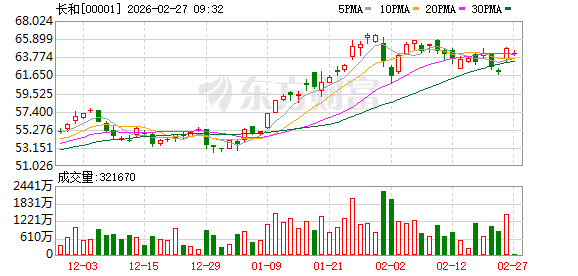
大摩发布研报称,长和(00001)将于3月中旬公布2025财年业绩,该行预测其基本纯利为224亿港元,同 比增长8%,全年每股股息2.26港元,同比增长3%,隐含股息率3.6%。据该行估计,长和现价相当于 2025年预测市盈率11倍及预测市账率0.44倍。该行予长和"增持"评级,目标价61港元。 ...
大摩:料长和(00001)去年基本纯利同比升8% 予“增持”评级
智通财经网· 2026-02-27 03:09
智通财经APP获悉,大摩发布研报称,长和(00001)将于3月中旬公布2025财年业绩,该行预测其基本纯 利为224亿港元,同比增长8%,全年每股股息2.26港元,同比增长3%,隐含股息率3.6%。据该行估计, 长和现价相当于2025年预测市盈率11倍及预测市账率0.44倍。该行予长和"增持"评级,目标价61港元。 ...
24小时环球政经要闻全览 | 2月27日
Ge Long Hui A P P· 2026-02-27 00:40
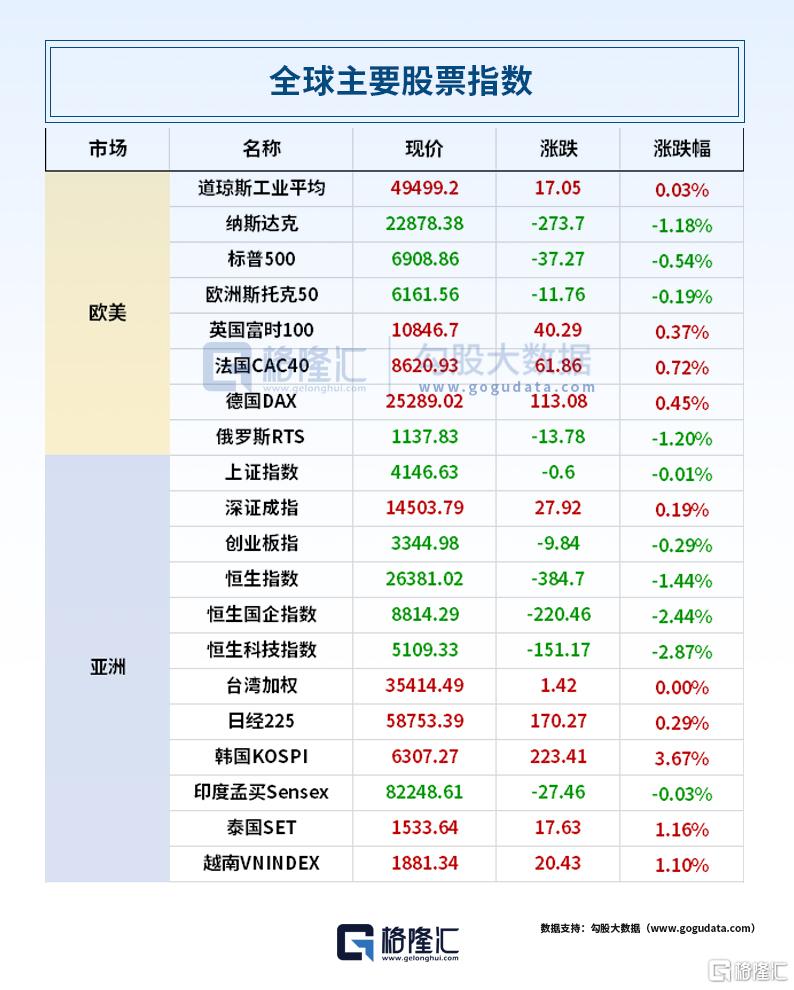
Market Overview - Major global stock indices showed mixed performance, with the Dow Jones Industrial Average up by 17.05 points (0.03%) to 49,499.2, while the Nasdaq fell by 273.7 points (-1.18%) to 22,878.38 [1] - The S&P 500 decreased by 37.27 points (-0.54%) to 6,908.86, while the European Stoxx 50 dropped by 11.76 points (-0.19%) to 6,161.56 [1] - In Asia, the Hang Seng Index fell by 220.46 points (-2.44%) to 8,814.29, while the Nikkei 225 rose by 170.27 points (0.29%) to 58,753.39 [1] Geopolitical Developments - Tensions escalated between Pakistan and Afghanistan following intense border clashes, with Pakistan conducting airstrikes in response to casualties and territorial losses [2] - Significant progress was reported in US-Iran nuclear negotiations, with plans for further discussions in Vienna, aimed at de-escalating regional tensions [3] - The US Treasury proposed new regulations to cut off Swiss MBaer Bank from the US financial system due to alleged support for illegal activities related to Russia and Iran [3] Technology and Innovation - DeepSeek, in collaboration with Tsinghua and Peking University, released a paper on the DualPath model inference system, enhancing offline inference by up to 1.87 times and online service by 1.96 times [4] - ASML confirmed that its next-generation EUV lithography machines are ready for mass production, which will significantly impact advanced semiconductor manufacturing [5] - Broadcom announced the shipment of the industry's first 3.5D face-to-face computing SoC, utilizing 2nm technology to support next-generation AI computing needs [6] Corporate Actions - Netflix rejected a bid to increase its offer for Warner Bros. Discovery, citing financial concerns, and announced a stock buyback plan, leading to a 10% increase in its after-hours stock price [5]



巴拿马港口都被“抢”了,李嘉诚却在忙于套现英国资产
Sou Hu Cai Jing· 2026-02-26 23:53
Group 1 - Li Ka-shing's Cheung Kong Holdings is involved in two significant events: the forced takeover of its subsidiary's ports in Panama and the sale of its UK electricity distribution assets to French utility Engie for approximately HKD 110 billion [2][3] - The sale of UK electricity assets is seen as a strategic retreat from the UK market, following previous divestments in telecommunications and gas, indicating a substantial reduction in Cheung Kong's infrastructure presence in the UK [3] - The Panama port takeover is viewed as a "black swan" event, highlighting the vulnerability of overseas assets amid geopolitical tensions, while the UK asset sale reflects a rational financial decision to realize gains in a mature market [3] Group 2 - Despite the Panama incident, it is suggested that the impact on Li Ka-shing's extensive business empire is limited, as port operations contribute only 9% to total revenue, while retail operations account for 40% [3][4] - Li Ka-shing continues to pursue acquisitions, such as the potential purchase of 92 stores from Australia's second-largest pharmacy chain, Priceline, indicating ongoing investment activity [4] - Li Ka-shing's wealth, estimated at USD 36.9 billion, positions him as a resilient figure in the business landscape, with a significant portion of his assets in Europe, particularly the UK [4][5] Group 3 - Li Ka-shing is recognized for his astute business acumen, akin to that of investor Warren Buffett, consistently seeking optimal returns in each transaction [5] - While he has not engaged significantly in emerging sectors like technology and artificial intelligence, his focus remains on traditional industries such as infrastructure, energy, and real estate, aligning with his preference for stable returns [5] - The perception of Li Ka-shing as a shrewd businessman contrasts with criticisms regarding his limited contributions to technological advancement and societal progress [5]