
AKESO(09926)

Search documents
智通港股通活跃成交|11月27日
智通财经网· 2025-11-27 11:04
Core Insights - On November 27, 2025, Alibaba-W (09988), Xiaomi Group-W (01810), and SMIC (00981) were the top three companies by trading volume in the southbound trading of the Stock Connect, with trading amounts of 7.315 billion, 3.541 billion, and 2.817 billion respectively [1] - In the Shenzhen-Hong Kong Stock Connect, Alibaba-W (09988), Xiaomi Group-W (01810), and Tencent Holdings (00700) also ranked as the top three, with trading amounts of 3.670 billion, 1.648 billion, and 1.450 billion respectively [1] Southbound Trading Highlights - **Top Active Companies in Southbound Trading (Shanghai-Hong Kong)** - Alibaba-W (09988): Trading amount of 7.315 billion, net buying of +0.602 billion [2] - Xiaomi Group-W (01810): Trading amount of 3.541 billion, net selling of -0.537 billion [2] - SMIC (00981): Trading amount of 2.817 billion, net selling of -0.431 billion [2] - Tencent Holdings (00700): Trading amount of 2.676 billion, net selling of -0.165 billion [2] - Pop Mart (09992): Trading amount of 1.979 billion, net buying of +0.290 billion [2] - **Top Active Companies in Southbound Trading (Shenzhen-Hong Kong)** - Alibaba-W (09988): Trading amount of 3.670 billion, net buying of +0.317 billion [2] - Xiaomi Group-W (01810): Trading amount of 1.648 billion, net selling of -0.152 billion [2] - Tencent Holdings (00700): Trading amount of 1.450 billion, net selling of -0.094 billion [2] - SMIC (00981): Trading amount of 1.326 billion, net buying of +0.198 billion [2] - Meituan-W (03690): Trading amount of 1.025 billion, net buying of +0.174 billion [2]






港股科技ETF(159751)涨近1%,多重利好催化港股科技
Sou Hu Cai Jing· 2025-11-27 02:38
Core Viewpoint - The Hong Kong technology sector is experiencing a strong rally, driven by multiple favorable factors including increased expectations for Federal Reserve interest rate cuts and improved market liquidity, alongside significant revenue growth in Alibaba's cloud business and a resurgence in AI focus [1]. Group 1: Market Performance - As of November 27, 2025, the CSI Hong Kong Stock Connect Technology Index (931573) has seen a strong increase, with notable gains in constituent stocks such as Huahong Semiconductor (up 5.36%), Kangfang Biotech (up 4.89%), and Li Auto (up 3.87%) [1]. - The Hong Kong Technology ETF (159751) has risen by 0.73%, marking its fourth consecutive increase, with the latest price reported at 1.1 HKD [1]. Group 2: Influencing Factors - The recent rally in the Hong Kong technology sector is attributed to the anticipated easing of monetary policy by the Federal Reserve, which is expected to enhance liquidity in the market [1]. - The combination of the Federal Reserve's halt on balance sheet reduction and the relaxation of SLR regulations is expected to limit liquidity pressure in the medium term [1]. Group 3: Index Composition - The CSI Hong Kong Stock Connect Technology Index comprises 50 large-cap technology companies with high R&D investment and revenue growth, reflecting the overall performance of leading technology stocks within the Hong Kong Stock Connect [1]. - As of October 31, 2025, the top ten weighted stocks in the index include Alibaba-W, Tencent Holdings, and SMIC, collectively accounting for 66.81% of the index [2].


勇闯“死亡谷”的中国药企越来越多 能否破局?
Mei Ri Jing Ji Xin Wen· 2025-11-26 14:17
Core Insights - The pharmaceutical industry is witnessing a shift in Alzheimer's disease (AD) drug development, with Chinese companies increasingly entering the field while multinational corporations face setbacks [1][2][3] Group 1: Current Developments in Alzheimer's Drug Research - Novo Nordisk announced that its two large Phase III trials for Semaglutide in treating Alzheimer's disease did not meet primary endpoints [1] - Chinese pharmaceutical companies, such as Green Leaf Pharmaceutical and Kangfang Biotech, are advancing their own AD drug candidates, with Green Leaf's LY03017 recently receiving FDA approval for clinical trials [1][2] - The number of drugs under development for AD in China ranks second globally, following the United States, indicating a growing interest and investment in this area [2] Group 2: Challenges Faced by Multinational Corporations - Major multinational companies like Pfizer, Roche, and Johnson & Johnson have faced failures in AD drug development due to unclear disease mechanisms and ineffective clinical trial results [2][3] - Notably, Biogen's Aducanumab is set to exit the AD treatment landscape due to conflicting Phase III trial results, while other drugs like Lecanemab and Donanemab have received limited approval [3] Group 3: Factors Driving Chinese Companies' Confidence - Chinese companies are motivated by advancements in diagnostic technologies and a significant unmet clinical need in the AD space [4] - The integration of biomarker testing and advanced imaging techniques has improved diagnostic accuracy, addressing previous challenges in the field [4] - Green Leaf Pharmaceutical is exploring multiple indications for its LY03017 drug, indicating a strategic approach to capitalize on the unmet needs in AD and related disorders [4]

勇闯“死亡谷”的中国药企越来越多,能否破局?
Mei Ri Jing Ji Xin Wen· 2025-11-26 14:02
Core Insights - The pharmaceutical industry is witnessing a shift in Alzheimer's disease (AD) drug development, with Chinese companies increasingly entering the field while multinational corporations face setbacks [1][2][3] Group 1: Current Developments in AD Drug Research - Novo Nordisk announced that its two large Phase III trials for Semaglutide in treating Alzheimer's did not meet primary endpoints, indicating challenges in the AD drug development landscape [1] - Chinese pharmaceutical companies, such as Green Leaf Pharmaceutical and Kangfang Biotech, are advancing their own AD drug candidates, with Green Leaf's LY03017 recently receiving FDA approval for clinical trials [1][2] - The number of drugs under development for AD in China ranks second globally, following the United States, highlighting the growing interest and investment in this area [2] Group 2: Challenges Faced by Multinational Corporations - Major multinational companies like Pfizer, Roche, and Johnson & Johnson have faced failures in AD drug development due to unclear disease mechanisms and ineffective clinical trial results [2][3] - Notably, Biogen's Aducanumab is set to exit the AD treatment space due to contradictory Phase III trial results, while other drugs like Lecanemab and Donanemab have received mixed responses from regulatory bodies [3] Group 3: Factors Driving Chinese Companies' Confidence - Chinese companies are motivated by advancements in diagnostic technologies and a significant unmet clinical need in the AD space, particularly for psychiatric symptoms associated with the disease [4] - The combination of improved diagnostic methods and a large patient population with unmet needs is driving the confidence of Chinese firms in pursuing AD drug development [4] - Green Leaf Pharmaceutical is exploring multiple indications for its LY03017, indicating a strategic approach to address various aspects of AD and related disorders [4]

恒生科技涨幅居前,医疗、互联网、大消费等紧随其后,银行相对弱势
Ge Long Hui· 2025-11-26 12:40
Group 1 - The Hang Seng Index has risen by 1.15%, with the Hang Seng Tech sector leading the gains, followed by healthcare, internet, and consumer sectors, while banks are relatively weak [1] - The consumer sector opened high and has maintained a strong position, currently up by 1.88%. Notable stocks include Xiaomi Group up by 5.33%, Baidu Group up by 3.94%, and Kuaishou up by 3.5%, with several others like Alibaba, SMIC, and BYD also showing gains around 2% [3] - The healthcare sector has also seen significant gains, currently up by 1.95%. Key performers include Kangfang Biotech up by 4.98%, CSPC Pharmaceutical up by 4.37%, and China Biologic Products up by 3.79% [3] Group 2 - The banking sector experienced a sharp decline at the open but has since rebounded slightly, currently up by 0.42%. Notable increases include Citic Bank up by 2.34%, with nearly ten other banks like Qingdao Bank and Agricultural Bank also rising over 1% [3] - Some banks, such as Zhengzhou Bank and Everbright Bank, are experiencing slight declines despite the overall sector rebound [3]



11月25日【港股Podcast】恆指、阿里、小米、京東、友邦、康方生物
Ge Long Hui· 2025-11-26 11:47
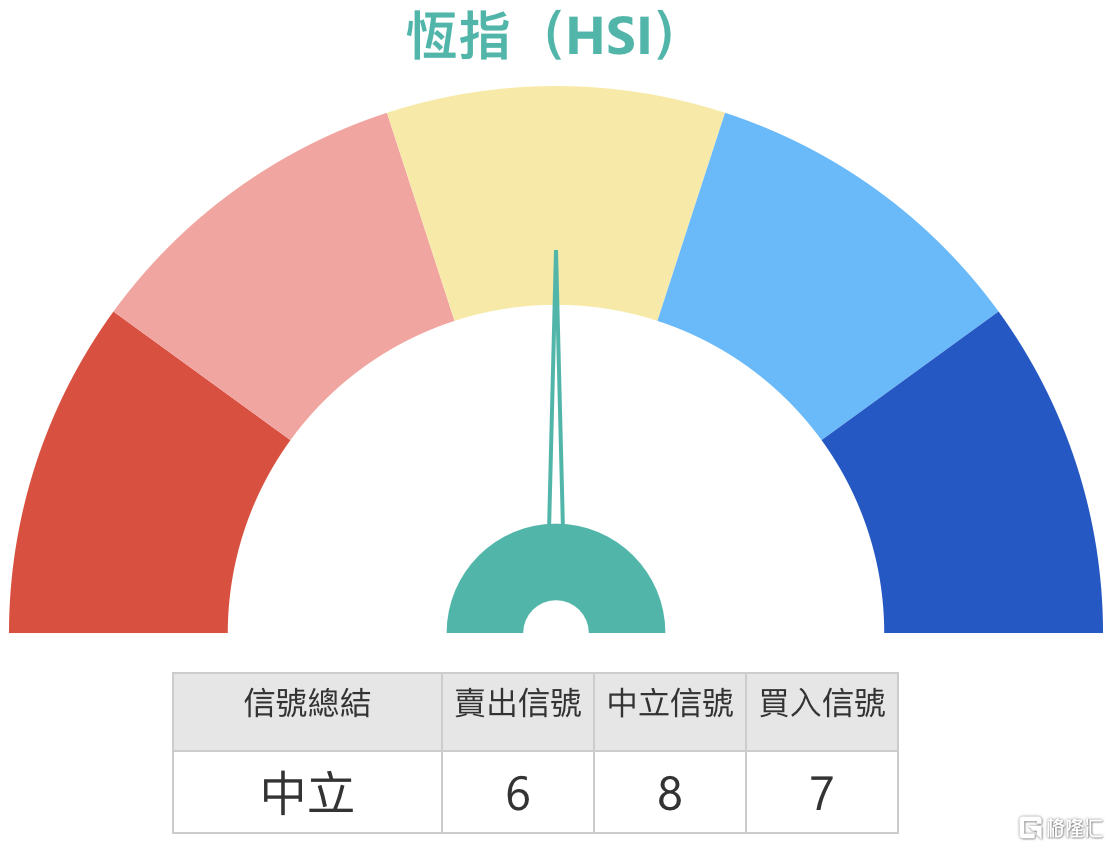
Group 1: Market Overview - The Hang Seng Index (HSI) showed a significant increase, closing at 25,890.4 points, recovering from previous declines [1][2] - The trading volume decreased compared to the previous day, indicating a lack of strong momentum despite the price increase [1] - Technical indicators suggest a neutral market sentiment, with mixed signals from various indicators [1] Group 2: Alibaba (09988.HK) - Alibaba's stock price rose to 157.8 HKD, nearing the middle line of the Bollinger Bands at 159.6 HKD [9] - Investors in the warrant market are beginning to clear their bullish positions, indicating profit-taking behavior [9] - The stock has shown significant volatility, with a price fluctuation of approximately 8.6% over the past five trading days [10] Group 3: Xiaomi Group (01810.HK) - Xiaomi's stock price has rebounded to around 40.34 HKD after stabilizing at a low of 36.62 HKD [17] - Technical signals indicate a slight bullish sentiment, with 9 buy signals compared to 5 sell signals [17] - The resistance level is identified at 43.4 HKD, while support is at approximately 38.2 HKD [17] Group 4: JD.com (09618.HK) - JD.com's stock closed at 112.4 HKD, with a decrease in trading volume compared to the previous day [20] - The technical outlook is slightly positive, with 9 buy signals and 5 sell signals [20] - The resistance level is at 118.8 HKD, with potential for further gains if this level is surpassed [20] Group 5: AIA Group (01299.HK) - AIA's stock price is currently at 79.25 HKD, stabilizing near the middle line of the Bollinger Bands [27] - The market sentiment remains neutral, with buy and sell signals being nearly equal [27] - The resistance level is at 82.5 HKD, and a breakthrough could lead to further gains [27] Group 6: CanSino Biologics (09926.HK) - CanSino's stock price closed at 116 HKD, above the middle line of the Bollinger Bands, indicating a positive signal [33] - The stock has shown increased trading volume, suggesting a strong upward movement [33] - Technical signals are neutral, with equal buy and sell signals, but potential resistance is at 121.6 HKD [33]
港股午评|恒生指数早盘涨0.46% 美团领涨蓝筹
智通财经网· 2025-11-26 04:04
Market Overview - The Hang Seng Index increased by 0.46%, gaining 119 points to reach 26,013 points, while the Hang Seng Tech Index rose by 0.51%. The morning trading volume in Hong Kong was HKD 114 billion [1]. Airline Sector - Airline stocks led the gains, with China Eastern Airlines (00670) rising over 6% due to improved oil cost dynamics benefiting airline performance [2]. Biotechnology Sector - The Hang Seng Biotechnology Index rose over 2%. Rongchang Biopharmaceutical (09995) increased by over 5%, and Kangfang Biotech (09926) rose over 4%. China Biopharmaceutical (01177) gained 2.59% following significant breakthroughs in its self-developed HER2 dual-target ADC for breast cancer. Junshi Biosciences (01877) also saw an increase of over 3% as its Toripalimab subcutaneous injection Phase III clinical trial met its primary endpoint, with plans for subsequent listing application [3]. Pharmaceutical Sector - Basilea Pharmaceutica (02616) rose over 6% after the European Commission approved a new indication for Sugliquide [4]. AI and Technology Sector - GDS Holdings (09698) increased nearly 4% as domestic AI chip supply improved, with Morgan Stanley projecting a surge in orders by the second half of next year [5]. - Changfei Optical Fiber (06869) rose nearly 7% due to increased interest in Google's TPU chips, with institutions optimistic about AI-driven growth. Smoore International (06969) gained over 4% after signing a long-term battery cell procurement agreement with EVE Energy to secure supply for its electronic cigarette products [6]. E-commerce Sector - Alibaba Group (09988) saw a decline of over 2% during trading, with its adjusted net profit for the second fiscal quarter dropping 72% year-on-year [7].
资讯日报:中美元首进行上月会晤以来的首次通话-20251125
Guoxin Securities Hongkong· 2025-11-25 09:13
Market Overview - The Hong Kong stock market showed a significant recovery on November 24, with all three major indices ending a streak of declines[9] - Large tech stocks performed strongly, with Kuaishou rising over 7%, and NetEase and Bilibili increasing over 5%[9] - The Hang Seng Tech Index closed at 5,546, up 2.78% for the day and 24.11% year-to-date[3] Sector Performance - Innovative pharmaceuticals and outsourcing concepts saw notable gains, with companies like Innovent Biologics rising over 6%[9] - Military stocks also performed well, with China Shipbuilding Defense up over 13%[9] - Oil stocks were weak, with China National Offshore Oil Corporation and China Oilfield Services both declining over 1%[9] U.S. Market Insights - On the same day, U.S. markets saw all three major indices close higher, driven by increased bets on a Federal Reserve rate cut[9] - The "Magnificent Seven" tech stocks, including Google and Nvidia, all rose, with Google gaining over 6%[9] - The S&P 500 index is projected to achieve double-digit annual growth according to HSBC strategists[14] Economic Indicators - The Federal Reserve is expected to cut rates in December, with market predictions showing a 70% probability[14] - The U.S. economy's third-quarter GDP report has been delayed due to a government shutdown, affecting economic analysis[14] Investment Trends - The Nasdaq Golden Dragon China Index rose by 2.82%, indicating a positive trend for Chinese concept stocks[13] - Significant inflows into semiconductor stocks were noted, with companies like Broadcom surging 11%[13]



掘金创新药丨双抗药物Ⅱ期赛跑 康宁杰瑞、康方生物谁能率先突围?
Mei Ri Jing Ji Xin Wen· 2025-11-24 07:53
Core Viewpoint - The article discusses recent developments in the pharmaceutical industry, particularly focusing on new drug applications and innovations in cancer treatment, highlighting the competitive landscape and market potential for various companies involved in drug development [5][12][20]. Group 1: New Drug Applications - From May 24 to May 30, the National Medical Products Administration received applications for 9 new chemical drugs and biological products from 6 listed companies [5]. - Companies such as Heng Rui Medicine, Hansoh Pharmaceutical, and Kangfang Biotech each submitted 2 clinical applications, while others like Canaan and Bai Jie Shen Zhou submitted 1 application each [6]. Group 2: Key Innovations in Cancer Treatment - Kangning Jereh's KN035, a subcutaneous PD-L1 inhibitor, has been submitted for clinical trials, potentially becoming the first of its kind globally. It targets multiple indications, with 3 applications already submitted and 7 ongoing clinical studies [12][13]. - KN035 offers advantages over traditional intravenous methods, including better patient compliance and reduced costs, which could enhance its market share [13]. - The competitive landscape includes existing PD-L1 inhibitors like Merck's Atezolizumab and AstraZeneca's Durvalumab, with KN035 targeting different cancer types [14]. Group 3: Dual Antibody Developments - Kangfang Biotech's AK104, a PD-1/CTLA-4 dual-specific antibody, has received approval for clinical trials, with 13 indications currently in phase II trials [17]. - The dual antibody approach is gaining traction due to the limitations of existing PD-1/L1 therapies, which have low efficacy rates in solid tumors [18]. - The market for dual antibodies is expected to grow significantly, with 217 candidates in various clinical stages globally [19]. Group 4: COVID-19 Vaccine Developments - CanSino's inhaled COVID-19 vaccine is in phase II trials and is applying for emergency use, which could enhance public acceptance due to its non-invasive administration method [20][21]. - Sinovac has expanded the emergency use of its vaccine to children aged 3 and above, with positive safety and efficacy results from clinical trials [24][25].

创新药及产业链26年展望
2025-11-24 01:46
Summary of Key Points from Conference Call Records Industry Overview - The conference call discusses the **innovative drug industry** in China, focusing on the **2026 outlook** and the ongoing **internationalization** of Chinese pharmaceutical companies [1][3][5][8]. Core Insights and Arguments - **Healthcare Negotiations**: Ongoing negotiations in healthcare are emphasizing tumor drugs, with innovative drugs receiving support but at potentially lower price reductions. The average price reduction for drugs is stabilizing around **60%** [2][4]. - **Commercial Insurance Directory**: The establishment of a commercial insurance directory for innovative drugs provides a second payment pathway for high-value drugs, benefiting CAR-T and ADC therapies [1][2]. - **Internationalization Phase 2.0**: Chinese pharmaceutical companies are entering the **2.0 phase** of internationalization, with a **60%** year-on-year increase in business development transactions, totaling **$88.26 billion** [3][5]. - **Focus on Innovative Technologies**: Key areas of focus include **ADC**, **I/O (immunotherapy)**, and **small nucleic acids**. Notable products and data releases are anticipated in these fields [1][6][7]. - **GLP-1 Market Potential**: The GLP-1 market is expected to grow significantly, with major companies like Eli Lilly, Roche, and AstraZeneca set to release critical clinical data in cardiovascular, diabetes, and obesity sectors [1][7]. Additional Important Content - **Collective Procurement Policies**: The latest round of collective procurement has introduced new focus areas such as maintaining clinical stability and ensuring quality, with price reductions stabilizing [4]. - **CRO Industry Recovery**: The CRO industry is experiencing a recovery, with significant growth in biopharmaceutical investments, particularly in the CDMO sector, which is benefiting from strong commercial demand [9][10]. - **Upstream Supply Chain and Equipment**: The domestic upstream supply chain and pharmaceutical equipment sectors are seeing improvements in profitability due to increased localization and technological upgrades [13]. - **Research Reagents Market**: The demand for research reagents is strong, driven by increased funding for research, with domestic brands improving in quality and responsiveness [14]. - **Impact of Global Expansion**: Local companies are leveraging global expansion strategies to alleviate domestic price pressures and enhance their competitive positioning in the international market [15]. This summary encapsulates the key points discussed in the conference call, providing insights into the current state and future outlook of the innovative drug industry in China.
