
CMBC(600016)

Search documents
中国民生银行:加强洗钱风险管理文化建设|2025华夏ESG实践杰出治理案例
Hua Xia Shi Bao· 2025-09-26 12:18
民生银行1996年成立,是国内首家由民营企业发起设立的全国性股份制商业银行。2000年、2009年先后 在上交所和香港联交所上市。 文/华夏ESG观察联盟 企业介绍 截至2024年年底,中国民生银行董事会关联委成员为6名,全部为独立非执行董事,均是金融、会计、 审计、法律等相关领域的资深专业人士。2024年,董事会关联委共召开5次会议,审议7项议题,听取3 项报告。 专家点评:民生银行以稳健治理赢得信赖,以责任金融引领未来,MSCI"AAA"评级见证其在全球ESG 舞台上的卓越表现。(施涵-香港大学) 实践案例 编辑:麻晓超 中国民生银行修订《中国民生银行员工行为禁止规定》《中国民生银行员工违规违纪行为处分办法》等 制度,组织全行员工学习并签署遵守员工行为禁止规定承诺书。2024年,共计开展合规培训6,989次, 累计培训人数26.3万人次。 中国民生银行持续加强洗钱风险管理文化建设。例如,举办"民生杯"劳动与技能竞赛暨反洗钱大比武赛 事,全行5万余人次参与。组织全行开展"打击洗钱犯罪,构建和谐民生"反洗钱短视频宣传,发布涉黑 涉恶、防非防诈等主题共计10期20份宣传视频及1期环境犯罪主题宣传海报。 中国民生 ...


民生银行(600016) - 中国民生银行股份有限公司股东会议事规则
2025-09-26 12:02
中国民生银行股份有限公司股东会议事规则 (2025年6月26日经2024年年度股东会会议审议通过) 第一章 总则 第一条 中国民生银行股份有限公司(以下简称"本行")为保证股东会依法行使职 权,规范股东会议事程序,根据《中华人民共和国公司法》《中华人民共和国证券法》《中 华人民共和国商业银行法》《上市公司章程指引》《上市公司股东会规则》《银行保险机 构公司治理准则》及其他有关法律、法规、规章、规范性文件、本行股票上市地证券监管 法规和《中国民生银行股份有限公司章程》(以下简称"《公司章程》"),结合本行实 际,制定本规则。 第二条 本规则适用于年度股东会会议及临时股东会会议,对本行、全体股东、股东 代理人、本行董事、高级管理人员和列席股东会会议的其他有关人员均具有约束力。 第三条 本行根据法律、法规、规章、规范性文件、本行股票上市地证券监管法规、 《公司章程》和本规则的规定召开股东会会议,保证股东能够依法行使权利。 本行董事会将切实履行职责,认真、按时组织股东会会议。本行全体董事将确保股东 会会议正常召开和依法行使职权。 第四条 持有本行股份的股东均有权根据法律、法规、规章、规范性文件、本行股票 上市地证券监 ...
民生银行(600016) - 中国民生银行股份有限公司董事会议事规则
2025-09-26 12:02
中国民生银行股份有限公司董事会议事规则 (2025年6月26日经2024年年度股东会会议审议通过) 第一章 总则 第一条 为明确中国民生银行股份有限公司(以下简称"本行")董事会议事 方式,规范议事程序,保障本行董事会依法合规、独立规范行使职权,确保董事 会高效运作和科学决策,依据《中华人民共和国公司法》(以下简称《公司法》)、 《中华人民共和国证券法》(以下简称《证券法》)、《中华人民共和国商业银行法》 《银行保险机构公司治理准则》《中国民生银行股份有限公司章程》(以下简称"本 行章程")及其他有关法律、行政法规、部门规章和规范性文件,特制定本规则。 第二条 董事会对股东会负责,遵照《公司法》《证券法》、本行章程、本议 事规则及其他有关法律、行政法规、部门规章和规范性文件的规定履行职责。 第二章 会议类别 第三条 根据法律、行政法规、部门规章、规范性文件及本行章程,董事会 会议分为定期会议和临时会议。本行董事会依据年度工作安排制定全年会议计 划,每年至少召开四次定期会议,原则上每季度一次。 第四条 董事会会议按会议性质分为决策性会议和非决策性会议。 (一)董事会决策性会议是指按照法律、行政法规、部门规章、规 ...
民生银行(600016) - 中国民生银行股份有限公司章程
2025-09-26 12:02
中国民生银行股份有限公司章程 (2025年9月23日国家金融监督管理总局核准) 1 | | | | | | 第一章 总则 第一条 为维护中国民生银行股份有限公司(以下简称 "本行")、股东、职工和债权人的合法权益,规范本行的 组织和行为,完善中国特色现代企业制度,弘扬企业家精神, 根据《中华人民共和国公司法》(以下简称《公司法》)、 《中华人民共和国证券法》(以下简称《证券法》)、《中 华人民共和国商业银行法》(以下简称《商业银行法》)、 《国务院关于开展优先股试点的指导意见》和其他有关法 规,制定本章程。 第二条 本行系按照《公司法》《商业银行法》和其他 有关规定成立的股份有限公司。 经国务院国函〔1995〕32 号《国务院关于设立中国民生 银行的批复》、中国人民银行银复〔1996〕14 号《关于中 国民生银行开业的批复》,本行以发起方式设立,于 1996 年 2 月 7 日在国家工商行政管理局登记注册,取得营业执照。 本行现统一社会信用代码为 91110000100018988F。 本行成立时的发起人为:广州益通集团公司、中国乡镇 企业投资开发有限公司、中国煤炭工业进出口总公司、中国 船东互保协会、山东泛 ...
民生银行(600016) - 中国民生银行关于不再设立监事会的公告
2025-09-26 12:01
中国民生银行股份有限公司(简称"本行")于 2025 年 6 月 26 日召开的 2024 年年度股东会会议审议通过了《关于不再设立监事会的议案》,股东会同 意不再设立监事会,同步修订《中国民生银行股份有限公司章程》(以下简称《公 司章程》),删除与监事会、监事相关内容,废止监事会及其专门委员会相关公 司治理制度,由董事会审计委员会行使《公司法》和监管制度规定的监事会职权。 近日,本行收到《国家金融监督管理总局关于民生银行修改公司章程的批复》 (金复﹝2025﹞566 号)。自《公司章程》核准之日起,本行监事会依法撤销, 职工监事已提交辞职函,原股东监事、外部监事、职工监事不再继续履职,《中 国民生银行股份有限公司监事会议事规则》等监事会及其专门委员会相关公司治 理制度废止,本行各项规章制度中涉及监事会、监事的规定不再适用,董事会审 计委员会行使《公司法》和监管制度规定的监事会职权。翁振杰先生、吴迪先生、 鲁钟男先生、李宇先生、龙平先生、毛斌先生不再担任本行监事,已确认与本行 无不同意见,亦无任何其他相关事项需要通知本行股东及债权人。 本行全体监事任职期间忠实勤勉履职,强化重点领域监督,完善监督运作机 制,健 ...
民生银行(600016) - 中国民生银行关于公司章程修改获国家金融监督管理总局核准的公告
2025-09-26 12:01
中国民生银行股份有限公司(简称"本行")于 2025 年 6 月 26 日召开的 2024 年年度股东会会议审议通过了《关于修订<中国民生银行股份有限公司章程>的议案》。 近日,本行收到《国家金融监督管理总局关于民生银行修改公司章程的批复》(金 复﹝2025﹞566 号),国家金融监督管理总局已核准本行修改后的公司章程。 本行董事会及全体董事保证本公告内容不存在任何虚假记载、误导性陈述或 者重大遗漏,并对其内容的真实性、准确性和完整性承担法律责任。 证券简称:民生银行 A 股代码:600016 优先股简称:民生优 1 优先股代码:360037 编号:2025-037 中国民生银行股份有限公司 关于公司章程修改获国家金融监督管理总局核准 的公告 根据相关规定,公司章程自国家金融监督管理总局核准后生效。修改后的公司 章程(包括《中国民生银行股份有限公司股东会议事规则》《中国民生银行股份有 限公司董事会议事规则》)详见上海证券交易所网站(www.sse.com.cn)和本行网 站(www.cmbc.com.cn)。 中国民生银行股份有限公司董事会 2025 年 9 月 26 日 特此公告 ...
股份制银行板块9月26日跌0.07%,浦发银行领跌,主力资金净流出2917.03万元
Zheng Xing Xing Ye Ri Bao· 2025-09-26 08:48
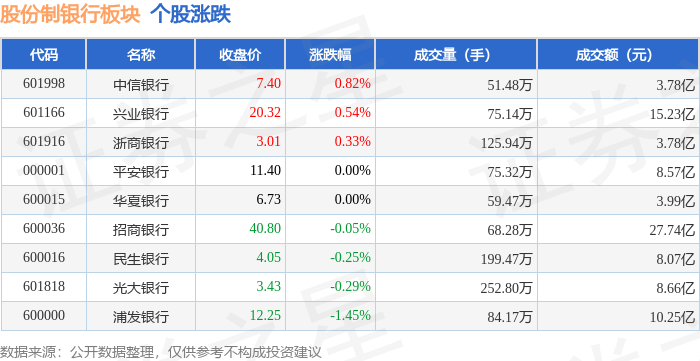
证券之星消息,9月26日股份制银行板块较上一交易日下跌0.07%,浦发银行领跌。当日上证指数报收于 3828.11,下跌0.65%。深证成指报收于13209.0,下跌1.76%。股份制银行板块个股涨跌见下表: | 代码 | 名称 | 主力净流入(元) | 主力净占比 游资净流入(元) | | 游资净占比 散户净流入 (元) | | 散户净占比 | | --- | --- | --- | --- | --- | --- | --- | --- | | 000001 | 平安银行 | 6933.69万 | 8.09% | -7657.04万 | -8.94% | 723.36万 | 0.84% | | 600000 | | 6153.32万 | 6.00% | -6166.38万 | -6.02% | 13.07万 | 0.01% | | 601998 中信银行 | | 5780.13万 | 15.29% | -3097.05万 | -8.19% | --2683.08万 | -7.10% | | 601818 光大银行 | | 1714.71万 | 1.98% | -2670.62万 | -3.08% | 95 ...






民生银行将推出民生天天利自动转出服务支持“个人汽车贷款还款”
Jin Tou Wang· 2025-09-26 03:37
感谢您长期以来对中国民生银行业务的支持!如有疑问,请联系您的专属理财经理,或致电客服热线。 1.您已签约"民生天天利"且开通自动转出服务; 2.您"民生天天利"业务的签约账户与贷款还款账户相同。 2025年9月26日,中国民生银行(600016)发布公告称,为了更好地服务于民生天天利投资者,提升贷 款场景下还款的便利性,中国民生银行将于2025年9月30日推出民生天天利自动转出服务支持"个人汽车 贷款还款"。您可在符合以下情形时按《中国民生银行"民生天天利"业务用户服务协议》约定使用上述 服务: ...
守好百姓“钱袋子”
Mei Ri Jing Ji Xin Wen· 2025-09-25 13:26
Core Viewpoint - Financial security is a crucial foundation of national security, and Minsheng Bank is actively enhancing its risk identification and emergency response capabilities to protect public assets and uphold national financial security [1][4]. Group 1: Fraud Prevention Initiatives - Minsheng Bank branches are conducting systematic training to learn about new regulations, operational procedures, and real risk cases to strengthen the overall risk management framework [1]. - A recent case in Guizhou involved a successful interception of a 1.05 million yuan fraud attempt, where the bank's monitoring system detected unusual transactions in a customer's account [1][2]. - The bank's staff identified suspicious activity and engaged with the customer, who initially denied being scammed, but later realized the truth after thorough communication and analysis of the fraud tactics used [2]. Group 2: Collaboration with Law Enforcement - Minsheng Bank's Guizhou branch activated a police-bank collaboration mechanism to report the fraud case to local anti-fraud authorities and coordinated with the receiving bank to halt the transfer of 500,000 yuan [2]. - In another instance in Fujian, bank staff detected suspicious behavior from a customer attempting to open a new account and promptly involved law enforcement for further investigation, successfully preventing potential fraud [3]. Group 3: Commitment to Financial Security - Minsheng Bank emphasizes its responsibility in financial security and the importance of police-bank collaboration in combating fraud, showcasing its commitment to protecting citizens' financial assets [4]. - The bank aims to continuously enhance its risk prevention capabilities and deepen multi-party collaboration to contribute to a robust financial security framework [4].
打通金融服务“最后一公里”
Mei Ri Jing Ji Xin Wen· 2025-09-25 13:26
Core Viewpoint - The article emphasizes the importance of community-based financial services in enhancing grassroots governance capabilities, highlighting the proactive measures taken by Minsheng Bank to promote anti-fraud awareness and financial literacy among residents, particularly the elderly [1][2][4]. Group 1: Community Engagement and Anti-Fraud Initiatives - Minsheng Bank has extended its financial services to grassroots governance, conducting multi-layered anti-fraud campaigns that resonate with the community [1]. - In Suzhou, a collaborative event with Suzhou Broadcasting Elderly University focused on anti-fraud education, providing practical knowledge and emotional support to elderly residents [2]. - The bank's anti-fraud classes included real case studies and interactive sessions, allowing residents to engage actively in identifying scams [2]. Group 2: Emotional and Practical Support for the Elderly - Activities included legal consultations addressing inheritance and property transfer issues, providing valuable insights to elderly participants [2]. - The "Aromatherapy Workshop" offered residents techniques to manage anxiety and improve emotional well-being, emphasizing the holistic approach to elder care [3]. - In Wenzhou, a combined event on first aid and financial fraud prevention educated residents on practical skills and common scams, fostering a supportive community environment [3]. Group 3: Broader Financial Literacy and Community Integration - Minsheng Bank is promoting financial knowledge through various community outreach programs, aiming to instill rational investment and consumption habits among residents [4]. - The bank has introduced several financial products tailored to local needs, enhancing accessibility and relevance of financial services [4]. - The initiative reflects the bank's commitment to becoming an integral part of grassroots governance, fostering trust and care within the community [4].