
HAIER SMART HOME(600690)

Search documents
白色家电板块12月19日跌0.05%,美的集团领跌,主力资金净流出7821.56万元
Zheng Xing Xing Ye Ri Bao· 2025-12-19 09:02
Market Overview - The white goods sector experienced a slight decline of 0.05% on December 19, with Midea Group leading the drop [1] - The Shanghai Composite Index closed at 3890.45, up 0.36%, while the Shenzhen Component Index closed at 13140.22, up 0.66% [1] Stock Performance - Notable gainers in the white goods sector included: - Xueqi Electric (14.31, +2.51%, 41,600 shares, 59.01 million CNY) - TCL Smart Home (10.84, +2.07%, 124,500 shares, 133 million CNY) - Changhong Meiling (6.60, +1.54%, 78,400 shares, 51.44 million CNY) [1] - Midea Group's stock closed at 79.45, down 0.48%, with a trading volume of 278,000 shares and a transaction value of 2.205 billion CNY [1] Capital Flow - The white goods sector saw a net outflow of 78.22 million CNY from institutional investors and 78.94 million CNY from retail investors, while retail investors had a net inflow of 157 million CNY [1] - Specific stock capital flows included: - Gree Electric: -24.78 million CNY from institutional investors, -21.92 million CNY from retail investors, and -2.87 million CNY from individual investors [2] - TCL Smart Home: +15.61 million CNY from institutional investors, -12.50 million CNY from retail investors, and -3.10 million CNY from individual investors [2] - Midea Group: -69.72 million CNY from institutional investors, -53.02 million CNY from retail investors, and +123 million CNY from individual investors [2]




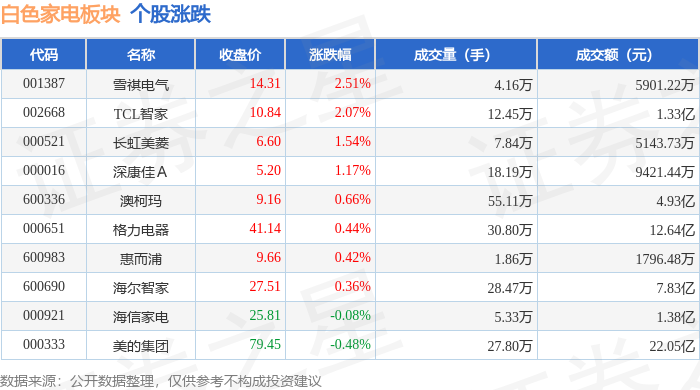
海尔服务于滨:通过技术赋能,为消费者创造更加美好的生活体验
Xin Lang Cai Jing· 2025-12-19 07:37
Core Viewpoint - The 12th National After-Sales Service Conference highlighted Haier's commitment to transforming after-sales service through digitalization and proactive service models, aiming to enhance user experience and industry standards [3][11]. Group 1: Company Overview - Haier is recognized as a global leader in providing solutions for a better life and digital transformation, with a focus on becoming a world-class enterprise [3][11]. - Haier Service, a subsidiary focused on smart home service ecosystem construction, emphasizes a user-centered approach to deliver the best overall experience [6][11]. Group 2: Digital Transformation - The company is concentrating on digital transformation by building a digital service platform, allowing users to interact with service personnel through various formats such as text, voice, and video [8][15]. - Service standards and pricing details are made transparent through standardized online work orders, enabling users to supervise the service process and provide real-time feedback [8][15]. Group 3: Proactive Service Model - Haier Service aims to shift from reactive to proactive service by implementing predictive maintenance and smart alerts, identifying issues before users are aware of them [4][12]. - The use of IoT sensors and AI algorithms allows for real-time monitoring of appliance parameters, facilitating automatic detection and remote repair [4][12]. Group 4: User-Centric Innovations - The company has introduced innovative services such as micro-modification to address appliance size mismatches in older residential areas, enhancing user satisfaction [15][16]. - Haier Service has developed nearly a hundred scene-based solutions for various home environments, promoting a shift from single-product service to scenario-based service [15][16]. Group 5: Commitment to Quality - The company emphasizes a service philosophy of "sincerity forever," ensuring that service personnel are always available to meet user needs, regardless of location [7][14]. - Haier Service's approach includes personalized care and attention, fostering long-term trust with users and enhancing overall service quality [7][14].
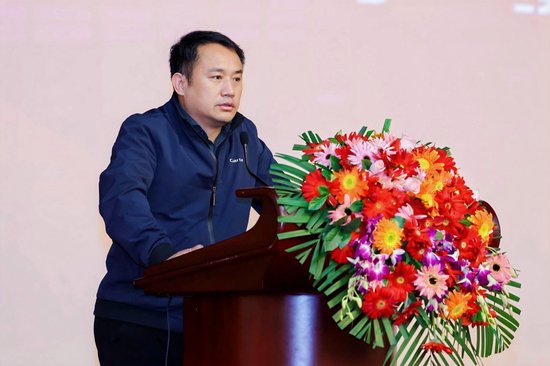
三筒洗衣机内卷,海尔却亮相马来西亚填补空白
Jin Tou Wang· 2025-12-19 07:32
Core Insights - The three-tub washing machine has gained significant popularity in the domestic market, leading to intense competition among brands, with Haier achieving sales of 300,000 units and maintaining the top position. The company is now focusing on expanding into the high-end overseas market, particularly in Malaysia, where there is a growing demand for premium washing machines due to urbanization and an expanding middle class [1][3]. Group 1: Product Features and Market Strategy - The three-tub washing machine features an integrated design that allows for separate cleaning of different types of clothing, enhancing washing efficiency by approximately 50% while addressing hygiene concerns. It also includes specialized functions that cater to Malaysian consumer preferences [3]. - Haier is the first Chinese brand to export three-tub washing machines, having successfully validated the product in markets like Vietnam and Italy, and plans to expand into Thailand, the Middle East, and Pakistan [3]. Group 2: High-End Market Performance - The breakthrough in the high-end market is supported by a range of innovative products showcased at the recent event, including the L+ washing machine with AI technology and the Neutron washing machine designed for delicate fabrics. This systematic approach to high-end product offerings is crucial for increasing market share [5]. - In Southeast Asia, while the overall washing machine industry is projected to grow at a rate of 4.6% by 2025, Haier's growth rate in the region is significantly higher at 34%. In Malaysia, Haier's retail sales of washing machines increased by 31% from January to October this year, leading the industry and enhancing its market share in the mid-to-high-end segment [5].
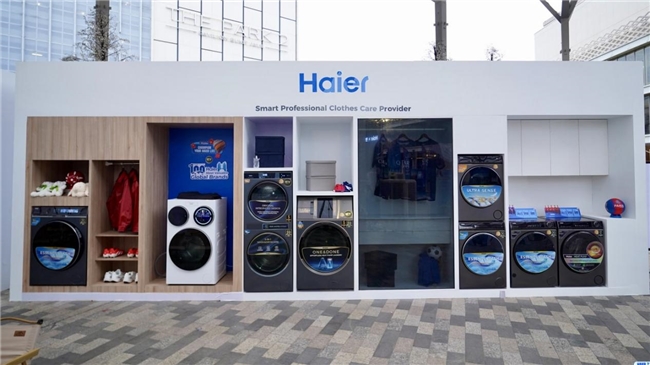
海尔智家李洋:在国内有竞争力的企业出海后,基本上都是降维打击
Xin Lang Cai Jing· 2025-12-19 07:20
专题:第七届"中国造隐形冠军"长青恳谈会 第七届" 中国造隐形冠军"长青恳谈会于12 月18日-19 日在北京举行,主题为金融强国与隐形冠军强链。 海尔智家股份有限公司副总裁、全球采购总经理李洋出席并演讲。 李洋指出,目前是中国企业出海最好的机遇。"我们在东南亚,如泰国、越南,甚至在很多国家,都看 到大批中国企业出海。只要在国内有竞争力的企业,出海后基本上都是降维打击。做过海外生意的都能 体会到这一点。所以,现在是最好的机遇。" 李洋表示,因此,海尔智家对伙伴提出了三个30%的目标要求:第一个30%,针对愿意跟着海尔一起出 海的伙伴,给予30%的订单支持;第二个30%,在海外市场承诺每年的增幅不低于30%;第三个30%, 希望与其他生态合作伙伴一起共创。如果有新方案,海尔愿意拿出30%的增值与伙伴分享。 新浪声明:所有会议实录均为现场速记整理,未经演讲者审阅,新浪网登载此文出于传递更多信息之目 的,并不意味着赞同其观点或证实其描述。 专题:第七届"中国造隐形冠军"长青恳谈会 第七届" 中国造隐形冠军"长青恳谈会于12 月18日-19 日在北京举行,主题为金融强国与隐形冠军强链。 海尔智家股份有限公司副总裁、全 ...
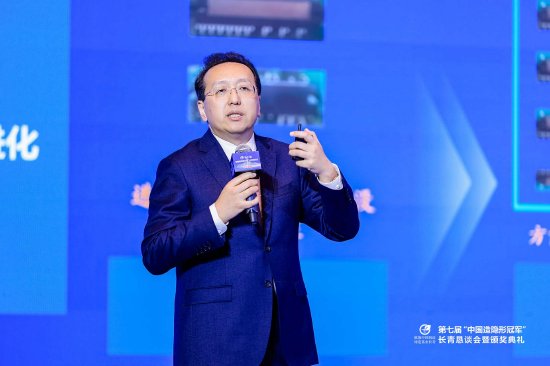
海尔智家李洋:目前是中国企业出海最好的机遇
Xin Lang Cai Jing· 2025-12-19 07:20
Core Viewpoint - The seventh "China's Invisible Champion" Longqing Forum emphasizes the theme of building a strong financial nation and enhancing the capabilities of invisible champions in the industry [1][2]. Group 1: Opportunities for Chinese Enterprises - Currently, it is considered the best opportunity for Chinese enterprises to expand overseas, particularly in Southeast Asia, including countries like Thailand and Vietnam [3][5]. - Companies that are competitive domestically tend to perform well internationally, often achieving significant advantages over local competitors [3][5]. Group 2: Haier's Strategic Goals - Haier Smart Home has set three strategic goals, each targeting a 30% metric: 1. Providing 30% order support to partners willing to expand overseas with Haier [3][5]. 2. Committing to an annual growth rate of no less than 30% in overseas markets [3][5]. 3. Collaborating with ecosystem partners to co-create new solutions, with Haier willing to share 30% of the added value generated [3][5].
2025年1-10月中国家用洗衣机产量为10107.8万台 累计增长6.4%
Chan Ye Xin Xi Wang· 2025-12-19 03:18
Core Viewpoint - The report by Zhiyan Consulting highlights the trends and investment outlook for the Chinese washing machine industry from 2025 to 2031, indicating a slight decline in production in October 2025 while showing overall growth in the first ten months of the year [1] Industry Overview - According to the National Bureau of Statistics, the production of household washing machines in China in October 2025 was 11.04 million units, representing a year-on-year decrease of 2% [1] - Cumulatively, from January to October 2025, the total production of household washing machines reached 101.078 million units, reflecting a growth of 6.4% compared to the same period in the previous year [1] Companies Involved - The report mentions several key players in the industry, including Midea Group (000333), Haier Smart Home (600690), Gree Electric Appliances (000651), Whirlpool (600983), TCL Technology (000100), and Skyworth Digital (000810) [1]


又是首个出海,海尔三筒洗衣机亮相马来西亚
Jin Tou Wang· 2025-12-19 01:59
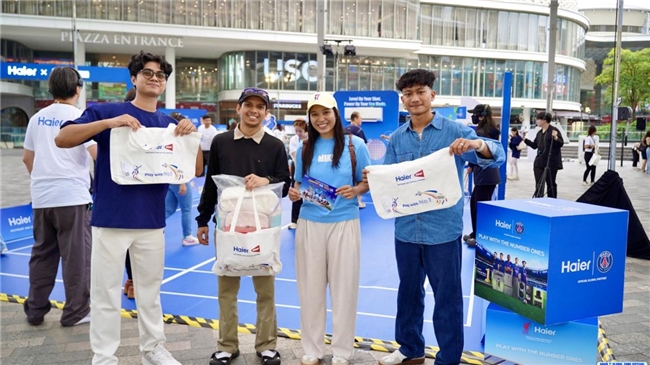
Core Viewpoint - Haier's launch of the three-tub washing machine at the Global Fan Festival in Malaysia highlights the company's strategic expansion in the Southeast Asian market, addressing the growing demand for segmented laundry solutions [1][5]. Group 1: Event Highlights - The Global Fan Festival in Malaysia features a five-day immersive experience, showcasing Haier's innovative products, including the three-tub washing machine, set to launch in January [1]. - The event targets football enthusiasts and Haier fans, offering interactive experiences and opportunities to win limited edition Liverpool FC jerseys [3]. Group 2: Market Opportunity - The introduction of the three-tub washing machine addresses a significant gap in the Southeast Asian market, where over 60% of the population is under 35, leading to an increased demand for quality living solutions [5]. - The unique design of the three-tub washing machine allows for the physical separation of different types of laundry, reducing the risk of cross-contamination and saving 50% of washing time compared to traditional machines [5]. Group 3: Product Innovation - Haier's washing machines, including the three-tub model, are tailored to local lifestyles, with features that integrate seamlessly into various home designs and address common laundry challenges [7]. - The company's commitment to localized innovation is evident in its product offerings, which are developed based on thorough research of regional living habits and consumer needs [9]. Group 4: Business Performance - Haier's washing machine retail sales in Malaysia increased by 31% year-on-year from January to October, outpacing industry growth and reflecting a rising share in the mid-to-high-end market segment [9].
海尔智家:通过多类型的保障方式及业务模式去保障对货款顺利回收
Zheng Quan Ri Bao Zhi Sheng· 2025-12-18 13:43
证券日报网讯 12月18日,海尔智家在互动平台回答投资者提问时表示,海尔智家通过多类型的保障方 式及业务模式去保障对货款顺利回收。在保障方面通过外部信用保险、不动产抵押、银行共管账户等方 式保障货款合作安全。通过多类型的业务合作模式(如零售云、全域TC等)加速双方结算周期,加快 整体货物结算周期。 (编辑 姚尧) ...
海尔智家(06690)12月18日斥资191.25万元回购7万股A股
智通财经网· 2025-12-18 13:21
智通财经APP讯,海尔智家(06690)发布公告,于2025年12月18日斥资191.25万元回购7万股A股。 ...
海尔智家(06690.HK)12月18日耗资人民币191.3万元回购7万股A股
Ge Long Hui· 2025-12-18 13:21
格隆汇12月18日丨海尔智家(06690.HK)发布公告,2025年12月18日耗资人民币191.3万元回购7万股A 股,回购价格每股27.22-27.43元。 ...