ICBC(601398)

Search documents
工商银行取得业务的执行方法、装置以及存储介质专利
Sou Hu Cai Jing· 2025-11-26 03:52
声明:市场有风险,投资需谨慎。本文为AI基于第三方数据生成,仅供参考,不构成个人投资建议。 来源:市场资讯 国家知识产权局信息显示,中国工商银行股份有限公司取得一项名为"业务的执行方法、装置以及存储 介质"的专利,授权公告号CN 116302436 B,申请日期为2023年3月。 天眼查资料显示,中国工商银行股份有限公司,成立于1985年,位于北京市,是一家以从事货币金融服 务为主的企业。企业注册资本35640625.7089万人民币。通过天眼查大数据分析,中国工商银行股份有 限公司共对外投资了1097家企业,参与招投标项目5000次,财产线索方面有商标信息988条,专利信息 5000条,此外企业还拥有行政许可77个。 ...

工行取得应用监控信息的处理方法、装置及系统专利
Sou Hu Cai Jing· 2025-11-26 03:52
Group 1 - The State Intellectual Property Office of China has granted a patent to Industrial and Commercial Bank of China (ICBC) for a method, device, and system for processing application monitoring information, with the announcement number CN 113961421 B and application date in October 2021 [1] - ICBC was established in 1985 and is headquartered in Beijing, primarily engaged in monetary financial services [1] - The registered capital of ICBC is approximately 35.64 billion RMB [1] Group 2 - According to data analysis from Tianyancha, ICBC has invested in 1,097 companies and participated in 5,000 bidding projects [1] - The bank holds 988 trademark information records and 5,000 patent information records, along with 77 administrative licenses [1]
巴基斯坦纪念人民币在巴国际化十周年
人民网-国际频道 原创稿· 2025-11-26 03:00
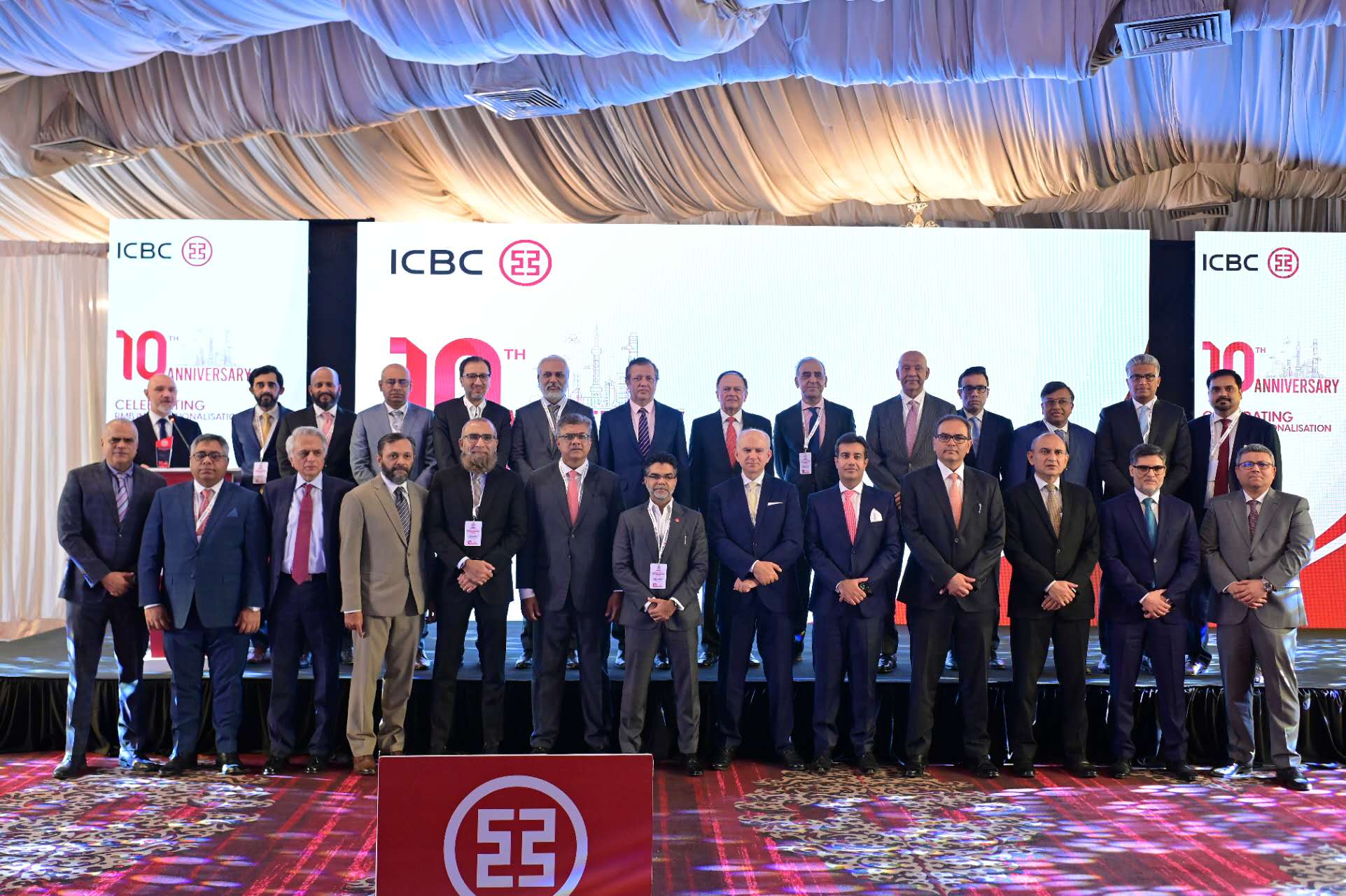
人民网伊斯兰堡11月25日电(记者赵益普)卡拉奇消息:巴基斯坦人民币清算行(中国工商银行卡拉奇分行)25日在卡拉奇举行"人民币国际化在巴十 周年"主题活动,回顾了2015年巴基斯坦批复中国工商银行卡拉奇在本地建设人民币清算体系以来,巴基斯坦人民币国际化取得的各项成果,纪念人民币在 巴国际化十周年。 2022年11月,根据《中国人民银行与巴基斯坦国家银行合作备忘录》,中国人民银行决定授权中国工商银行卡拉奇分行担任巴基斯坦人民币清算行。巴 基斯坦人民币清算业务始于2015年。10年来,工行卡拉奇分行为具备外汇交易资质的全部22家巴基斯坦本地主流银行开立了人民币账户。今年以来,工行卡 拉奇分行已办理人民币清算4779亿元,同比增长23%;人民币结算14.75亿元,同比增长159%;人民币做市交易187亿元,同比增长16%。人民币业务在巴基 斯坦显现良好增长态势。 自2015年以来,中国连续多年保持巴基斯坦第一大贸易伙伴地位,人民币业务为中巴经贸往来起了重要服务作用。中国人民银行发布的数据显示,2024 年中巴货物贸易人民币收付额194亿元,占同期货物贸易本外币跨境收付额的23%。 在巴基斯坦卡拉奇举行的"人民币国际 ...

多家银行积极响应落实 发放育儿补贴资金
Jin Rong Shi Bao· 2025-11-26 00:56
Core Viewpoint - Several banks, including Industrial and Commercial Bank of China, Bank of China, and China Everbright Bank, are actively implementing the national policy on childcare subsidies, which will provide financial support for families with children under three years old starting from January 1, 2025, with a basic annual subsidy of 3,600 yuan per child [1][2]. Group 1: Bank Responses - On November 17, Bank of China disbursed the first batch of childcare subsidy funds in Liaoning and Hebei, benefiting nearly 1,600 newborn families [2]. - Industrial and Commercial Bank of China has launched instant social security card services at multiple branches to facilitate the application for childcare subsidies [3]. - China Everbright Bank announced that childcare subsidies can be claimed through multiple online and offline channels, providing families with additional comprehensive financial services [3]. Group 2: Innovative Services - Banks are enhancing the subsidy distribution process by offering innovative services, such as Bank of China's online application for newborn social security cards and special discounts on family-related products and services [4]. - China Everbright Bank has introduced a "Childcare Subsidy Classroom" on its official WeChat account to promote related policies [5]. - Industrial and Commercial Bank of China has developed a one-stop service plan for newborn families, integrating social security card applications with comprehensive financial services [5]. Group 3: Future Opportunities - As the subsidy application process begins, banks are expected to introduce more supportive financial services related to childbirth policies [6]. - Experts believe that banks' involvement in subsidy distribution not only fulfills national strategic missions but also creates value through customer retention, business expansion into maternal and infant consumption, and brand enhancement [7]. - The broad service networks of banks can facilitate the efficient implementation of childbirth support policies while allowing them to capture specific customer segments and expand their business scope [7]. Group 4: Challenges and Recommendations - Banks face challenges in system integration and data sharing with government departments, necessitating careful coordination and adaptation [8]. - There is a need for banks to improve mechanisms to ensure accurate subsidy distribution, avoiding errors in payments [8]. - Experts suggest that banks should focus on creating unified data standards, streamlined approval processes, and consistent service experiences to enhance the effectiveness of the subsidy program [8].


【环球财经】巴基斯坦央行官员:巴具备完善监管体系支持人民币使用与投资
Xin Hua She· 2025-11-25 23:04
中国驻卡拉奇总领事杨云东表示,当前全球经济发展形势愈加凸显中巴两国加强金融合作的重要性,中方愿同巴方一道,继续便利双边贸易投资本币结 算、拓展人民币服务领域、加强双方监管沟通与协调,并充分发挥金融科技在跨境金融中的潜力。 当天,巴基斯坦人民币清算行(中国工商银行卡拉奇分行)在巴南部城市卡拉奇举办"人民币国际化在巴十周年"活动。马利克出席活动并代表巴央行致辞 时表示,人民币在巴基斯坦的潜力巨大,有望进一步造福各方。巴已具备完善的监管体系支持人民币使用和投资,巴央行已开展多项人民币宣传与交易清 算能力建设工作,确保企业和本地银行充分理解人民币业务优势。 中国人民银行宏观审慎管理局局长周永坤在线上致辞时表示,2024年,中巴货物贸易人民币收付额达194亿元,占同期货物贸易本外币跨境收付额的 23%,未来仍有广阔发展空间。中国人民银行将继续加大对人民币清算行的政策支持。 中国工商银行副行长张伟武在致辞中表示,该行已为具备外汇交易资质的22家巴基斯坦本地主流银行全部开立了人民币账户,人民币业务在巴显现良好增 长走势。下一步,工行将加大资源投入力度,探索为人民币离岸市场提供稳定的流动性支持,研究开办更多人民币创新业务,更 ...

巴基斯坦央行官员:巴具备完善监管体系支持人民币使用与投资
Sou Hu Cai Jing· 2025-11-25 15:50
中国人民银行宏观审慎管理局局长周永坤在线上致辞时表示,2024年,中巴货物贸易人民币收付额达 194亿元,占同期货物贸易本外币跨境收付额的23%,未来仍有广阔发展空间。中国人民银行将继续加 大对人民币清算行的政策支持。 中国工商银行副行长张伟武在致辞中表示,该行已为具备外汇交易资质的22家巴基斯坦本地主流银行全 部开立了人民币账户,人民币业务在巴显现良好增长走势。下一步,工行将加大资源投入力度,探索为 人民币离岸市场提供稳定的流动性支持,研究开办更多人民币创新业务,更好地满足中巴经贸往来各市 场主体的金融需求。 新华社伊斯兰堡11月25日电(记者蒋超)巴基斯坦国家银行(央行)执行董事穆罕默德·马利克25日表 示,巴基斯坦已具备完善的监管体系支持人民币使用和投资。 中国驻卡拉奇总领事杨云东表示,当前全球经济发展形势愈加凸显中巴两国加强金融合作的重要性,中 方愿同巴方一道,继续便利双边贸易投资本币结算、拓展人民币服务领域、加强双方监管沟通与协调, 并充分发挥金融科技在跨境金融中的潜力。 当天,巴基斯坦人民币清算行(中国工商银行卡拉奇分行)在巴南部城市卡拉奇举办"人民币国际化在 巴十周年"活动。马利克出席活动并代表 ...
这家大行,打算再建一个“金库”!
Sou Hu Cai Jing· 2025-11-25 14:12
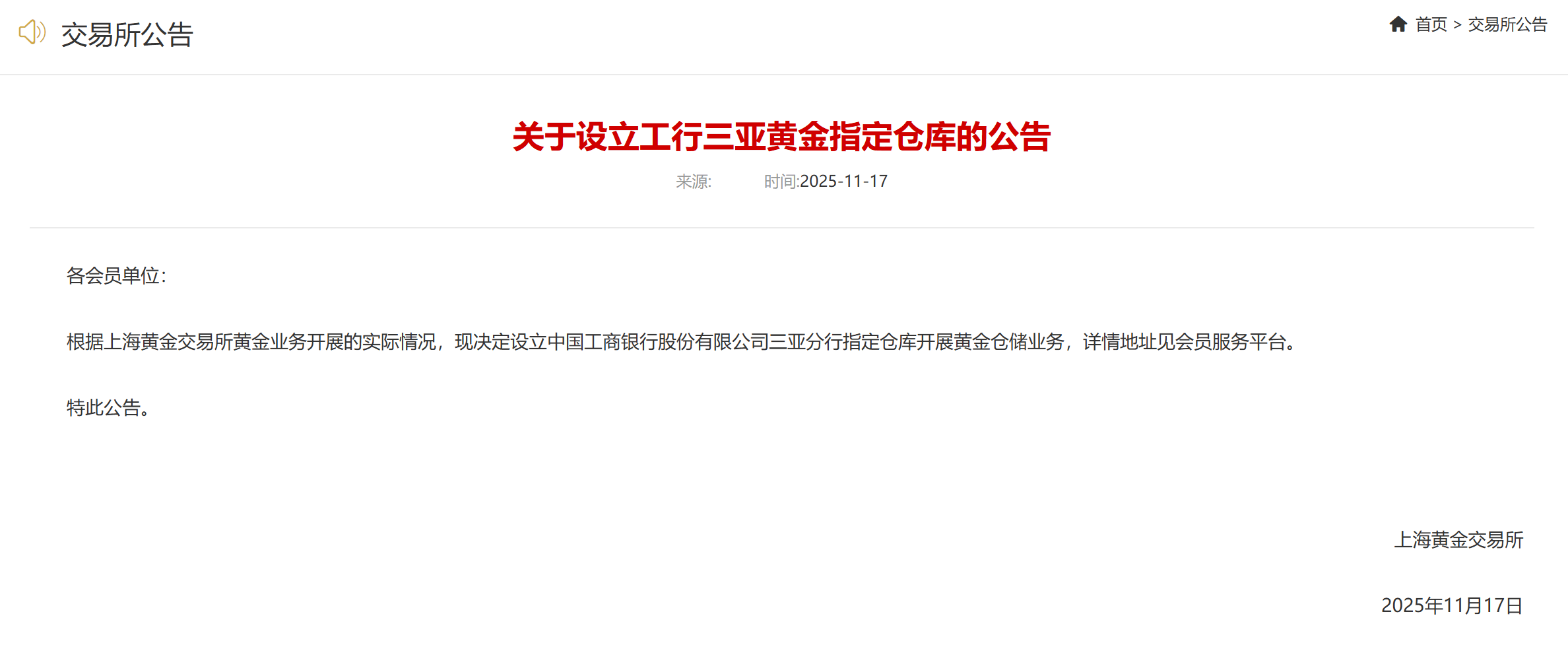
Core Insights - The Industrial and Commercial Bank of China (ICBC) is expanding its gold storage business by establishing designated warehouses in Hezhou and Sanya, aiming to strengthen its infrastructure in the physical gold sector and reduce transaction costs [1][4][6] Group 1: Business Expansion - ICBC has launched its gold storage services in Hezhou and Sanya, marking its second establishment of such services within the year [4][5] - The designated warehouses are designed to facilitate efficient gold delivery and storage, addressing local businesses' challenges related to high costs and low efficiency in gold transactions [5][7] Group 2: Strategic Implications - The move to enhance physical gold infrastructure reflects ICBC's strategic deepening in the precious metals sector and its recognition of the market's strategic value [6][7] - This initiative is expected to shift competition in the banking sector from retail-focused products to a comprehensive service model that includes storage, delivery, and supply chain finance [6][7] Group 3: Regional and International Developments - ICBC's expansion in gold storage is part of a broader trend among major banks to support the development of the gold trading market, including efforts to establish a gold warehouse at Hong Kong International Airport [8][9] - The establishment of designated warehouses in Hong Kong by major banks is aimed at enhancing the region's position as an international gold trading center [9][10]
工商银行:关于非执行董事离任的公告
Zheng Quan Ri Bao Zhi Sheng· 2025-11-25 13:39
(编辑 姚尧) 证券日报网讯 11月25日晚间,工商银行发布公告称,中国工商银行股份有限公司(简称本行)非执行 董事卢永真先生因任期届满,自本公告发布之日起不再担任本行非执行董事职务,同时不再担任董事会 战略委员会、风险管理委员会、薪酬委员会和美国区域机构风险委员会委员职务。 ...
增持不停歇!银行股成“香饽饽”,大股东、高管“真金白银”组团力挺
Bei Jing Shang Bao· 2025-11-25 13:37
Core Viewpoint - A surge in share buybacks by listed banks in China's A-share market is observed, driven by strong confidence from major shareholders and management teams in the banks' future prospects and the current undervaluation of bank stocks [1][5][6] Group 1: Share Buyback Activities - Numerous listed city commercial banks and rural commercial banks, including Nanjing Bank, Suzhou Rural Commercial Bank, Chengdu Bank, and others, have disclosed their share buyback progress since November [1][3] - Chengdu Bank reported that its major shareholders, Chengdu Industrial Capital Holding Group and Chengdu Xintianyi Investment, have cumulatively increased their holdings by 14.04 million shares, amounting to 253 million yuan [3][4] - Nanjing Bank's major shareholder, BNP Paribas, increased its stake by 128 million shares, raising its total holding from 17.02% to 18.06% [4] Group 2: Financial Performance and Market Sentiment - The banking sector's fundamentals remain robust, with commercial banks achieving a net profit of 1.9 trillion yuan in the first three quarters, and 24 listed banks announcing a total cash dividend of 263.79 billion yuan [5][6] - The stock prices of several banks have reached historical highs, with Agricultural Bank of China seeing a year-to-date increase of nearly 60% [6][7] - Analysts suggest that the current buyback trend reflects internal confidence in the banks' future and signals to the market that their value is underestimated [5][7] Group 3: Future Outlook - The ongoing recovery in the macroeconomic environment is expected to support the banking sector's performance, with analysts highlighting the importance of sustained economic recovery, interest rate changes, and long-term capital inflows for future stock performance [7][8] - Investors are advised to maintain a long-term perspective and focus on banks with strong fundamentals, emphasizing the importance of asset quality, profitability, and dividend policies [7][8]




高息优先股密集退场 银行优先股投资逻辑生变
Zhong Guo Jing Ying Bao· 2025-11-25 13:12
Core Viewpoint - Recent announcements from multiple commercial banks regarding the redemption of preferred shares indicate a shift in capital management strategies within the banking sector [1][2]. Group 1: Redemption of Preferred Shares - Several banks, including Ping An Bank and Nanjing Bank, have announced plans to redeem preferred shares issued over five years ago, with Ping An Bank set to redeem 200 million shares worth 20 billion yuan by March 2026 and Nanjing Bank planning to redeem 49 million shares worth 4.9 billion yuan by December 2025 [1]. - Since July, at least nine banks, including Industrial and Commercial Bank of China and Bank of Beijing, have disclosed similar redemption plans, creating a notable trend in the market [1]. Group 2: Reasons for Redemption - The high dividend rates set at the time of issuance, combined with declining market interest rates, incentivize banks to redeem high-cost preferred shares and replace them with lower-cost perpetual bonds [2]. - Regulatory changes and the need for banks to optimize their capital structures are also significant factors driving the decision to redeem high-cost preferred shares [2]. Group 3: Capital Management Strategies - The banking sector is transitioning from a focus on scale expansion to a cost-efficiency-centered model, emphasizing the need for banks to balance the redemption of high-interest preferred shares with the issuance of low-cost capital tools [3]. - Banks are adopting more diversified and flexible capital supplement tools, allowing them to respond to market conditions effectively, such as redeeming high-interest preferred shares when interest rates are low [3].