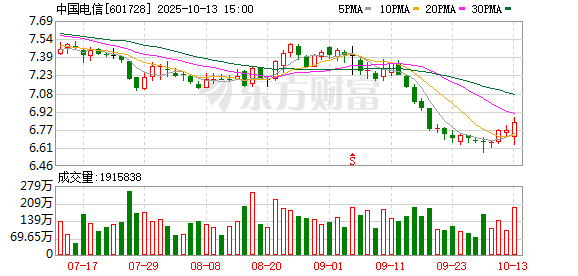
CHINA TELECOM(601728)

Search documents
内蒙古电信开通业界首款400G量子安全OTN专线,筑牢“东数西算”安全底座
Sou Hu Cai Jing· 2025-10-13 16:30
Group 1: Quantum Communication Breakthrough - The Inner Mongolia Telecom has launched China's first 400G quantum secure OTN dedicated line, marking a significant breakthrough in quantum communication applications [1][2] - The dedicated line spans over 2000 kilometers, connecting data centers in Anhui Hefei and Inner Mongolia Hohhot, achieving high-speed and high-security cross-regional computing interconnection [1] - This project integrates OTN optical transport network technology with quantum encryption technology, creating the industry's first 400G quantum secure OTN product, unifying "large bandwidth transmission" with "quantum-level security" [1] Group 2: Technological Highlights - The project features a super-converged architecture that redefines secure transmission paradigms [1] - It achieves full-stack domestic production, reinforcing the foundation of self-control [1] - The system has cross-domain scheduling capabilities, maximizing the potential of the computing network [1] Group 3: Power System Upgrade - Inner Mongolia Telecom's data center has upgraded its power system to support a national-level computing project, increasing the IT power supply capacity to 32MW [3] - The upgrade utilized Huawei's Power Module 3.0 solution, which saves 40% of distribution space and reduces installation time to two weeks [3] - The system operates with a link efficiency of 97.8% under the S-ECO mode, demonstrating enhanced power supply capability and energy efficiency [3] Group 4: Smart Forestry Initiative - Inner Mongolia Telecom is collaborating with Inner Mongolia Forest Industry Group to enhance information technology capabilities in forestry, promoting "smart forestry" and "digital forest industry" [4] - The project includes the construction of 290 base stations to improve communication coverage in forest areas, ensuring rapid response for emergency communications [4] Group 5: Ecological Monitoring and Management - Upgrades to high-altitude video monitoring and the implementation of drone patrol systems are underway, establishing a comprehensive monitoring network [6] - Eight core systems for emergency command, human resource management, smart tourism, and forest resource management have completed requirement confirmation and are in the development phase [6] - The initiative leverages cloud computing, IoT, and big data to support ecological protection, resource supervision, and industrial upgrades [8]



三大运营商eSIM手机业务全面落地,iPhoneAir国行版22日开售
Xin Lang Ke Ji· 2025-10-13 15:10
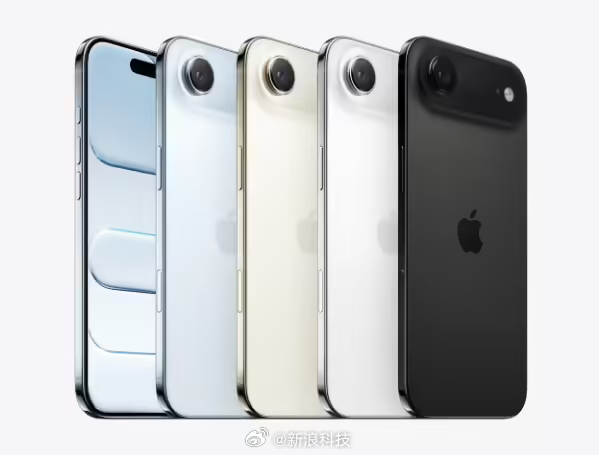
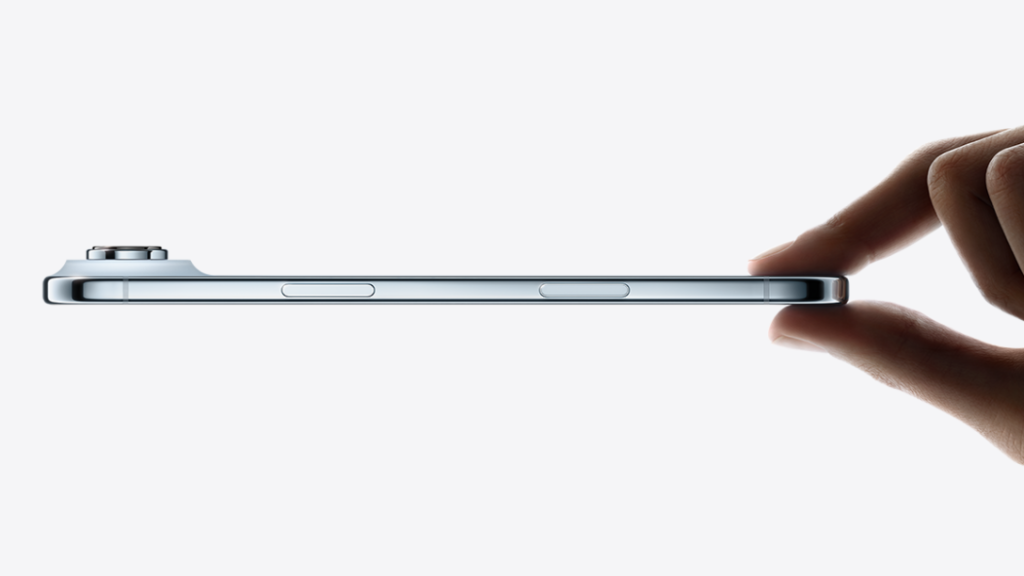
【#三大运营商eSIM手机业务全面落地##iPhoneAir国行如何办理eSIM业务#】据 C114 通信网今日报 道,中国电信获得工信部 eSIM 手机商用试验批复许可,eSIM 手机业务在国内 31 个省区市正式上市销 售。#联通获批eSIM手机运营服务商用试验# 中国联通、中国移动已经宣布正式获得开展 eSIM 手机运营服务商用试验的批复。苹果 CEO 库克今晚 突现抖音 Apple Store 直播间,宣布 iPhone Air 国行版将于 10 月 17 日(本周五)早 9 点开启预定,10 月 22 日(下周三)开售,售价 7999 元起。 根据官方此前公布的信息,iPhone Air 仅可通过 eSIM 激活运营商网络。在中国大陆,中国移动、中国 电信和中国联通将为产品提供 eSIM 支持,具体时间依监管部门审批情况而定。用户可以联系运营商确 认其对 eSIM 的支持情况。(IT之家) 中国电信在商用试验期间暂不开放线上方式办理 eSIM 手机业务,用户可持 eSIM 手机中国电信的各省 线下营业厅门店办理开通 eSIM 手机业务。 具体办理门店可拨打当地 10000 号客服电话进行咨询,也可通 ...


eSIM手机来了!三大运营商均获批复
Di Yi Cai Jing· 2025-10-13 14:57
Core Insights - All three major telecom operators in China have received approval to conduct commercial trials for eSIM mobile services [1] Group 1: Company Developments - China Unicom was the first to receive approval in early September [1] - China Telecom and China Mobile received their approvals in October [1]


携手三星电子 中国电信深耕定制机市场
Zhong Guo Jing Ying Bao· 2025-10-13 14:24
Core Insights - China Telecom and Samsung Electronics have launched the W26 smartphone, marking the 18th generation of their "Heart of the World" series since 2008, targeting high-end business users [2][4] - The customized smartphone market is limited, with operator channel shipments expected to reach 9.9 million units in the first half of 2025, accounting for 7.2% of the overall smartphone market in mainland China [2] - The trend of decreasing customized phones is driven by the popularity of all-network and dual-SIM technologies, leading to higher demands for flexibility and choice among consumers [2][5] Product Features - The W26 supports satellite communication, features a 200-megapixel wide-angle main camera, and weighs only 215 grams, along with AI experiences like "Instant Briefing" and "Meeting Assistant" [2] - The device is equipped with Samsung's One UI 8 and a multi-modal AI assistant, Bixby, which can execute complex voice commands and summarize documents [3] - The pricing for the W26 is set at 16,999 yuan for the 16GB+512GB version and 18,999 yuan for the 16GB+1TB version [4] Market Dynamics - The customized smartphone market has seen a shift from operator-exclusive models to all-network models combined with operator subsidy packages, indicating a need for deeper collaboration between manufacturers and operators [7][8] - The introduction of AI capabilities in customized phones is seen as a way to accelerate the development of new business opportunities, although the overall market remains small [6][7] - The W series, particularly with its unique design and exclusive user interface, aims to attract high-end business users while showcasing the need for innovative cooperation between telecom operators and smartphone manufacturers [8]
eSIM手机来了!三大运营商均支持
Xin Lang Cai Jing· 2025-10-13 14:15
所谓eSIM就是嵌入式SIM卡(Embedded Subscriber Identity Module),是由全球移动通信协会(GSMA)制定的新一代SIM卡标准。是作为传统 SIM卡的升级形态,通过将通信功能集成于设备芯片,没有物理卡槽,实现远程配置运营商信息,具备灵活便捷、安全可靠、节省设备空间等优 势。 13日晚,中国移动也宣布,正式获得开展eSIM手机运营服务商用试验的批复,广大用户可前往中国移动营业厅办理eSIM手机业务,第一时间享受 更加便捷、灵活的通信体验,具体可登录中国移动APP查询办理网点信息。 同一天,中国电信也宣布获得工信部eSIM手机商用试验批复许可,eSIM手机业务在国内31个省区市正式上市销售。中国电信表示,在商用试验期 间暂不开放线上方式办理eSIM手机业务,用户可持eSIM手机中国电信的各省线下营业厅门店办理开通eSIM手机业务。 今天早些时候,中国联通宣布已经正式获得开展 eSIM 手机运营服务商用试验的批复,这一重要突破标志着中国联通在 eSIM 领域长达十年的技术 积累与实践探索取得里程碑式进展,也将为数字经济发展和终端连接创新注入新动能。 智通财经记者 周玲 eSIM手 ...
eSIM手机来了!三大运营商均获批复
第一财经· 2025-10-13 14:13
Group 1 - The three major telecom operators in China have received approval to conduct commercial trials for eSIM mobile services [1] - China Unicom was the first to obtain approval in early September, followed by China Telecom and China Mobile in October [1]

三大运营商宣布eSIM手机业务落地
Xin Jing Bao· 2025-10-13 13:53
新京报贝壳财经讯(记者韦英姿)10月13日,中国移动(600941)、中国联通(600050)发文称,正式 获得开展eSIM手机运营服务商用试验的批复。另外,贝壳财经记者从中国电信(601728)方面了解 到,中国电信eSIM业务也正式开启。 中国电信提示称,办理条件包括:年满18周岁、名下未满5张电信卡、所有号码无欠费等。 中国移动则表示,广大用户可前往中国移动营业厅办理eSIM手机业务,具体可登陆中国移动App查询办 理网点信息。 目前中国联通的eSIM业务可通过网上预约办理。截至贝壳财经记者发稿时,联通eSIM业务预约通道页 面数据显示,在线已预约人数达68356人。 ...
三大运营商eSIM手机业务获批,苹果宣布最薄iPhone开售
Guan Cha Zhe Wang· 2025-10-13 13:34
Core Insights - The three major telecom operators in China have received approval to conduct commercial trials for eSIM mobile services, with China Mobile and China Unicom announcing this development [1][4][6] - Apple has officially announced that pre-orders for the iPhone Air will begin on October 17, with sales starting on October 22, which exclusively supports eSIM technology [1][6] Group 1: eSIM Technology Overview - eSIM is an electronic SIM card that can be downloaded to mobile devices, allowing users to activate cellular networks without a physical card, providing the same functionality as traditional SIM cards [1] - The introduction of eSIM technology is expected to enhance the seamless connectivity and collaborative capabilities across various devices, including smartphones, smartwatches, tablets, and automotive equipment [4][6] Group 2: China Mobile's Initiatives - China Mobile has been actively involved in the development and innovation of eSIM technology, participating in the formulation of GSMA eSIM international standards and focusing on domestic technology advancements [4] - The company aims to create a secure and efficient eSIM environment, promoting the widespread adoption of eSIM technology [4] Group 3: China Unicom's Progress - China Unicom has made significant strides in eSIM technology since 2015, achieving a milestone with the approval of eSIM mobile services, which completes its eSIM service ecosystem [6] - The company has adapted 75 devices for eSIM use, serving millions of users across various sectors, including consumer electronics and industrial connectivity [6] Group 4: Market Trends and Future Outlook - The global eSIM chip shipment is projected to reach 446 million units in 2023, indicating a growing trend in the adoption of eSIM technology across consumer electronics and IoT applications [8] - Major Chinese manufacturers like Huawei, Xiaomi, OPPO, and vivo are contributing to the growth of eSIM technology by launching devices that support this feature [8]
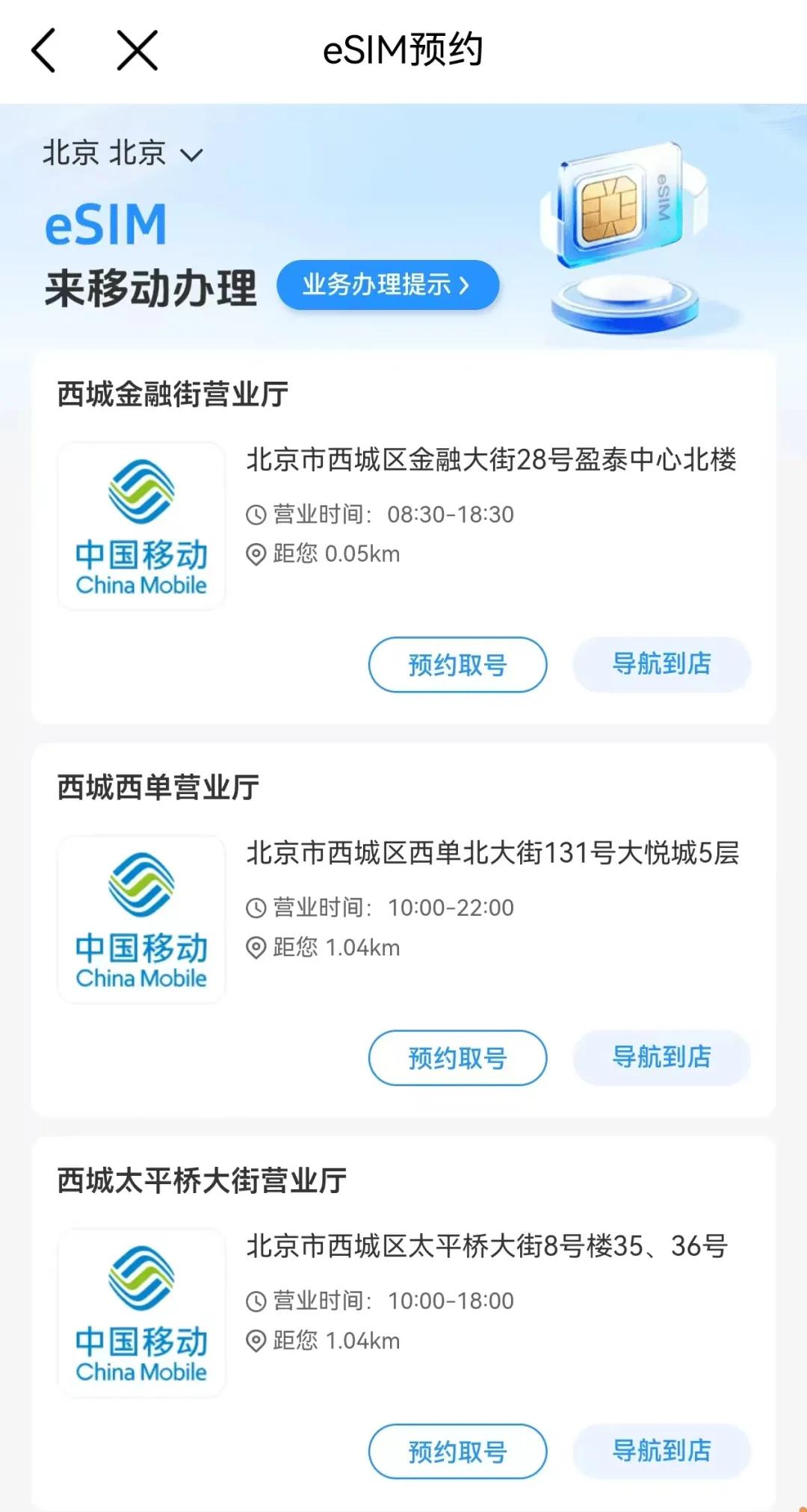
工信部已批复三家运营商开展eSIM商用试验
Di Yi Cai Jing· 2025-10-13 13:05
Group 1 - The three major telecom operators in China have received approval to conduct commercial trials for eSIM mobile services [1] - China Unicom was the first to receive approval in early September, followed by China Telecom and China Mobile in October [1]
通信服务板块10月13日涨0.23%,中嘉博创领涨,主力资金净流入3229.45万元
Zheng Xing Xing Ye Ri Bao· 2025-10-13 12:45
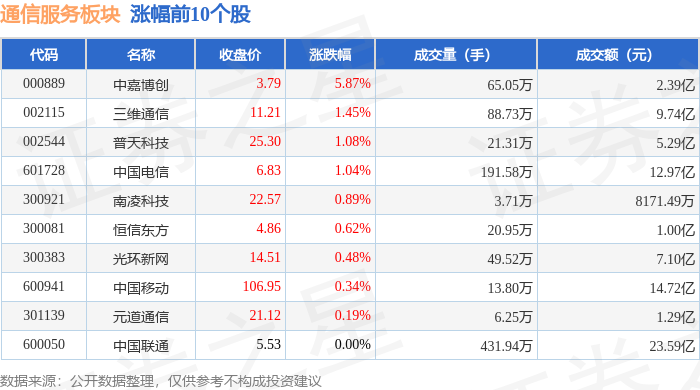
Market Overview - On October 13, the communication services sector rose by 0.23% compared to the previous trading day, with Zhongjia Bochuang leading the gains [1] - The Shanghai Composite Index closed at 3889.5, down 0.19%, while the Shenzhen Component Index closed at 13231.47, down 0.93% [1] Stock Performance - Zhongjia Bochuang (000889) closed at 3.79, up 5.87% with a trading volume of 650,500 shares and a transaction value of 239 million yuan [1] - Other notable performers included: - Sanwei Communication (002115) at 11.21, up 1.45% [1] - Putian Technology (002544) at 25.30, up 1.08% [1] - China Telecom (601728) at 6.83, up 1.04% [1] - China Mobile (600941) at 106.95, up 0.34% [1] Fund Flow Analysis - The communication services sector saw a net inflow of 32.29 million yuan from institutional investors, while retail investors contributed a net inflow of 36.6 million yuan [2] - Notable net inflows from individual stocks included: - China Unicom (600050) with a net inflow of 1.82 million yuan [3] - Putian Technology (002544) with a net inflow of 55.92 million yuan [3] - Conversely, significant net outflows were observed in: - China Telecom (601728) with a net outflow of 79.73 million yuan [3] - Zhongjia Bochuang (000889) with a net outflow of 8.71 million yuan [3]