
TRINA(688599)

Search documents
“太空光伏”概念走热,业内:目前仍处于0到1阶段
Di Yi Cai Jing Zi Xun· 2026-01-30 13:27
Core Insights - The "space photovoltaic" concept has gained significant attention in the secondary market, largely influenced by Tesla CEO Elon Musk's endorsements [2] - The Wind Space Photovoltaic Index has risen by 19.83% over the past month, outperforming the Shanghai and Shenzhen 300 Index, which increased by 1.18% [2] - Several photovoltaic companies have experienced substantial stock price increases, with JunDa Co., Ltd. rising by 84.62% and Mingyang Smart Energy increasing by 60.22% in the last 20 days [2] Market Performance - The stock prices of companies like Dongfang Risen and Laplace have shown abnormal fluctuations, with price deviations exceeding 30% over consecutive trading days [3] - The space photovoltaic sector is characterized by its potential to harness solar energy in outer space, providing power to satellites and space stations [3] Industry Challenges - Despite the market enthusiasm, the commercialization of space photovoltaics faces significant uncertainties related to technology maturity and economic viability [4] - Industry insiders indicate that the application scenarios for space photovoltaics are still in the exploratory phase, with many companies not yet supplying products to commercial satellite firms [4] Technological Considerations - Current leading materials for space photovoltaics include gallium arsenide, which is costly at approximately 1000 RMB per watt, and perovskite, which faces stability issues in extreme space conditions [5] - The cost of electricity generated from space photovoltaics is estimated to be 2-3 USD per kilowatt-hour, significantly higher than the ground-based photovoltaic cost of 0.03-0.05 USD per kilowatt-hour [5] Future Outlook - Several A-share listed companies express optimism about the future of space photovoltaics, with potential market size reaching trillions as technology advances [5] - Companies like Trina Solar and HaiMuxing are actively collaborating with leading aerospace institutions to develop practical applications for space solar energy [5] - The commercialization of space photovoltaics is projected to gradually occur over the next 10 to 15 years as launch costs decrease and battery technologies improve [6]






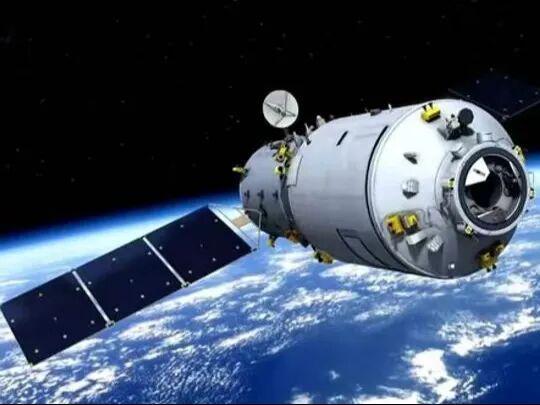
“太空光伏”概念走热 部分企业触发交易异常 业内:目前仍处于0到1阶段
Di Yi Cai Jing· 2026-01-30 12:05
Core Viewpoint - The "space photovoltaic" concept has become a major focus in the secondary market, significantly influenced by Tesla CEO Elon Musk's endorsements, with the relevant index rising 19.83% in the past month, outperforming the CSI 300 index by 18.65% [1] Market Performance - The space photovoltaic concept index has shown strong performance, with notable stock increases: JunDa Co., Ltd. up 84.62%, Mingyang Smart Energy up 60.22%, Jiejia Weichuang up 44.04%, Dier Laser up 41.54%, and Tuori New Energy up 35.94% over the past 20 days [1] - Several photovoltaic companies have experienced significant stock price surges, triggering trading anomalies, such as Dongfang Risheng and Laplace, both exceeding a cumulative price deviation of 30% within a short period [2] Industry Insights - Space photovoltaic energy refers to utilizing solar photovoltaic technology in outer space to generate and supply energy, with the potential to transmit power wirelessly to Earth or supply satellites and space stations [2] - The rationale for space photovoltaics includes abundant sunlight in space and the feasibility of deploying photovoltaic components on satellites, with near-Earth satellites experiencing over 60% sunlight exposure [2] Challenges in Industrialization - Despite the rising stock prices, the industry faces significant uncertainties regarding the industrialization of space photovoltaics, including technological maturity and economic viability for large-scale commercialization [3] - Current applications of space photovoltaics are still exploratory, with many companies in the secondary market not yet supplying products to commercial space satellite companies [3] - Analysts indicate that space photovoltaics are in the early stages of development, requiring validation of technology and economic benefits for large-scale applications [3] Technological Considerations - Gallium arsenide is the mainstream material for space photovoltaics, but its high cost (approximately 1000 RMB per watt) poses challenges for large-scale deployment [4] - Perovskite technology shows promise but has stability concerns in extreme space conditions, necessitating further validation [4] - Multiple technological routes are being explored, with a focus on solving power and cost issues as critical for the commercialization of space energy solutions [4] Cost Analysis - Current estimates suggest that the cost of electricity from space photovoltaics is around $2-3 per kilowatt-hour, compared to $0.03-0.05 per kilowatt-hour for ground-based photovoltaics, indicating a potential cost disparity of up to 100 times [5] - Companies like Trina Solar and HaiMuxing express optimism about the future of space photovoltaics, citing collaborations with leading aerospace institutions and advancements in reusable rocket technology [5] Commercialization Timeline - Predictions indicate that space photovoltaics may gradually commercialize over the next 10 to 15 years, contingent on decreasing launch costs and breakthroughs in battery technology [6]
“太空光伏”概念走热,部分企业触发交易异常,业内:目前仍处于0到1阶段
Di Yi Cai Jing Zi Xun· 2026-01-30 11:37
Core Viewpoint - The "space photovoltaic" concept has gained significant attention in the secondary market, largely influenced by Tesla CEO Elon Musk's endorsements, with the relevant index rising 19.83% in the past month, outperforming the CSI 300 index by 18.65% [1] Market Performance - The space photovoltaic concept index has seen a notable increase, with specific stocks like JunDa Co., Ltd. rising by 84.62%, Mingyang Smart Energy by 60.22%, and Jiejia Weichuang by 44.04% over the past 20 days [1] - Several photovoltaic companies have experienced stock price surges, triggering trading anomalies, such as Dongfang Risheng and Laplace, which saw price deviations exceeding 30% [3] Technology and Feasibility - Space photovoltaic energy involves utilizing solar photovoltaic technology in outer space to generate and supply energy, with the potential for direct power transmission to Earth [3] - The advantages of space photovoltaic systems include abundant sunlight and reduced atmospheric interference, making them a viable option for satellite power supply [3] Industry Challenges - Despite the market enthusiasm, the space photovoltaic industry faces significant uncertainties regarding technological maturity, long-term reliability, and economic viability for large-scale commercialization [4][5] - Current applications are still in the exploratory phase, with many companies not yet supplying products to commercial space satellite firms [5] Technological Development - Various technological routes are being explored, with gallium arsenide being the mainstream material, but its high cost poses challenges for large-scale deployment [5][6] - The cost of space photovoltaic energy is currently estimated at $2-3 per kilowatt-hour, significantly higher than ground-based photovoltaic costs of $0.03-0.05 per kilowatt-hour, indicating a need for cost reduction and efficiency improvements [6] Future Outlook - Companies like Trina Solar and HaiMuxing express optimism about the future of space photovoltaic technology, citing collaborations with leading aerospace institutions and advancements in reusable rocket technology [6][7] - The commercial viability of space photovoltaic systems is projected to develop over the next 10 to 15 years, contingent on decreasing launch costs and breakthroughs in battery technology [7]
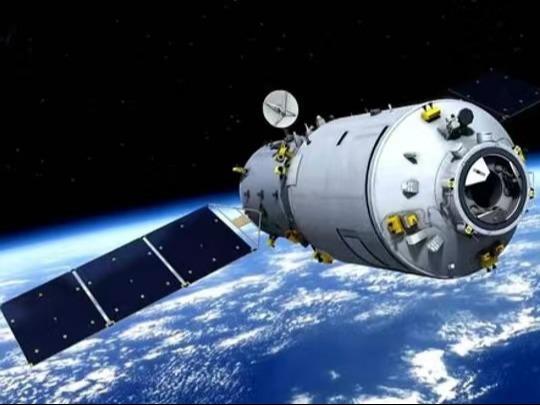
商业航天为何会成为2026年的主线?
Soochow Securities· 2026-01-29 00:20
Investment Rating - The report maintains an "Overweight" rating for the commercial aerospace industry, indicating a positive outlook for the sector in the coming months [1]. Core Insights - The commercial aerospace industry is expected to undergo a significant transformation by 2026, driven by advancements in launch capabilities and the successful deployment of domestic rockets, which will remove previous constraints on industry growth [8][9]. - The competition in commercial aerospace is fundamentally a "land grab" for space sovereignty and resource allocation, emphasizing the need for increased launch frequency to secure China's position in low Earth orbit [10]. - The report highlights the strategic importance of commercial aerospace in national defense and resource acquisition, particularly in the context of lunar resources like Helium-3, which could reshape global energy dynamics [12]. - Key catalysts for the industry include domestic policy support and capital market developments, with significant IPOs expected from leading aerospace companies in 2026 [13][15]. Summary by Sections 1. Why has the domestic commercial aerospace industry reached a qualitative change? - The industry has transitioned from a limited payload capacity to a robust launch capability, marked by the successful launch of the Zhuque-3 rocket, which signifies a shift from speculative themes to a narrative driven by operational capacity [8]. 2. How to understand the importance of commercial aerospace? - The scarcity of low Earth orbit resources has made the commercial aerospace race a critical national strategy, with the need to enhance launch frequency to secure space assets and maintain competitive advantages [10][11]. 3. What subsequent catalysts are worth paying attention to in commercial aerospace? 3.1. Domestic: Accelerated release of policy and capital dividends - The report anticipates significant policy support and capital market activity, with major aerospace companies expected to enter the IPO market in 2026, reflecting the strategic importance of the sector [13]. 3.2. International: Clear policy framework and tight planning timeline - The U.S. has shifted from a public to a private ownership model for space resources, establishing a legal framework that encourages commercial investment in space resource development [15][16]. 4. Investment Recommendations 4.1. SpaceX Concept - Companies that could potentially enter the SpaceX supply chain are highlighted, indicating a strong future in commercial aerospace [17]. 4.2. Rocket Sector: "Many Stars, Few Rockets" Expected to Breakthrough - The report suggests that advancements in large-capacity reusable rocket technology will lead to significant changes and valuation adjustments in the sector [19]. 4.3. Satellite Sector: Certainty in Implementation - The urgency to secure low Earth orbit resources is driving domestic satellite constellations from planning to large-scale deployment [20]. 4.4. Space Computing and Space Photovoltaics: Next-Generation Core Tracks - The report identifies space computing and space photovoltaics as critical future sectors, emphasizing their role in supporting lunar economies and global intelligence ecosystems [22].



工厂屋顶正成为华南工厂绿色转型“新战场”
Xin Lang Cai Jing· 2026-01-28 12:35
不止格兰仕一例,在中山,国泰染整3.1MW项目使用天合至尊600W+组件,年减碳2890吨;在佛山, 美的32MW屋顶项目自2014年投运后,不仅年均发电3054万千瓦时,更助力工厂海外销量当年增长 20%;在江门,中刀精密833KW项目2024年6月并网,首年预计发电87.6万千瓦时,节约成本74.8万元。 据悉,从家电制造到纺织印染,从金属加工到新材料研发,天合光能已为华南地区数十个行业提供定制 化解决方案。天合光能相关负责人表示,在绿色发展浪潮中,每一家企业都是参与者、受益者,将以安 全为保障,以技术为支撑,让更多屋顶都能创造生态价值。 在广东中山格兰仕生产基地,60万平方米的屋面不再是单调的灰色,而是被一片片蓝色光伏板覆盖,十 年来稳定运行,每年为企业"生产"出5000万千瓦时清洁电力。 按当前工业电价计算,仅电费节省就达数千万元,相当于每年减少1.69万吨标准煤消耗,减排4.3万吨二 氧化碳。 (来源:千龙网) 1月28日,记者了解到,时下工厂屋顶这个被忽视的空间正成为企业绿色转型的"新战场",越来越多的 华南工厂主开始关注屋顶光伏这一"沉睡资产"的开发利用。 ...

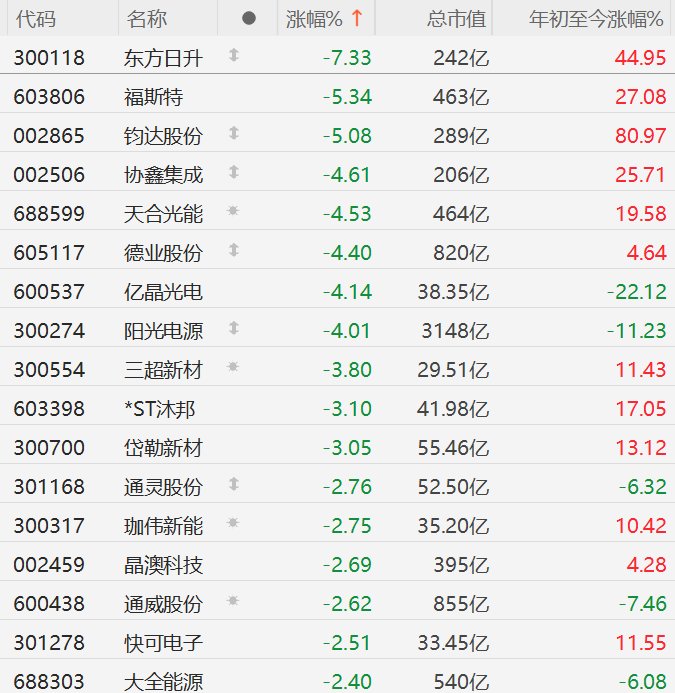
马斯克的“太空光伏梦”,离不开中国供应链
3 6 Ke· 2026-01-28 11:06
Core Viewpoint - The emergence of "space photovoltaics" is reshaping the value proposition for Chinese solar companies, positioning them as essential players in Elon Musk's space energy vision [1][4]. Group 1: Market Dynamics - The recent surge in the A-share market for solar stocks is driven by Musk's announcement at the Davos Forum about SpaceX and Tesla's plan to establish a solar production base with an annual capacity of 200GW, which is projected to meet nearly a quarter of the U.S. electricity demand [1][3]. - The excitement in the capital market is not merely speculative; it reflects a structural shift in the global energy landscape, with China having a significant role due to its established solar manufacturing capabilities [4][6]. Group 2: Industry Challenges and Opportunities - The solar industry has faced significant challenges over the past two years, including overcapacity and price wars, leading to widespread losses among companies, with projected losses totaling around 400 billion yuan [7]. - Musk's focus on space photovoltaics offers a new growth narrative for the industry, potentially alleviating some of the pressures from the current overcapacity situation [7][8]. Group 3: Technological Advancements - The global space photovoltaic market is expected to reach between $500 billion and $1 trillion by 2030, driven by the removal of traditional constraints faced by ground-based solar [3]. - The technology roadmap for space photovoltaics is anticipated to evolve through three phases, starting with GaAs cells for high-value applications, followed by HJT technology for low Earth orbit satellites, and eventually transitioning to perovskite tandem cells for large-scale deployments [9][10]. Group 4: Chinese Supply Chain Advantage - Chinese companies dominate over 70% of the global solar manufacturing supply chain, making them indispensable for any large-scale space photovoltaic initiatives, regardless of where the production is localized [5][11]. - The integration of space photovoltaics into China's existing energy infrastructure and policy frameworks positions the country favorably for future developments in this sector [5][12]. Group 5: Competitive Landscape - Various companies are exploring different technological pathways in the space photovoltaic sector, with some focusing on efficiency breakthroughs and others leveraging existing aerospace supply chain experience [11][12]. - The competition in space photovoltaics will involve not only technological advancements but also the ability to meet stringent aerospace certification requirements, which can create significant barriers to entry for new players [11][12].


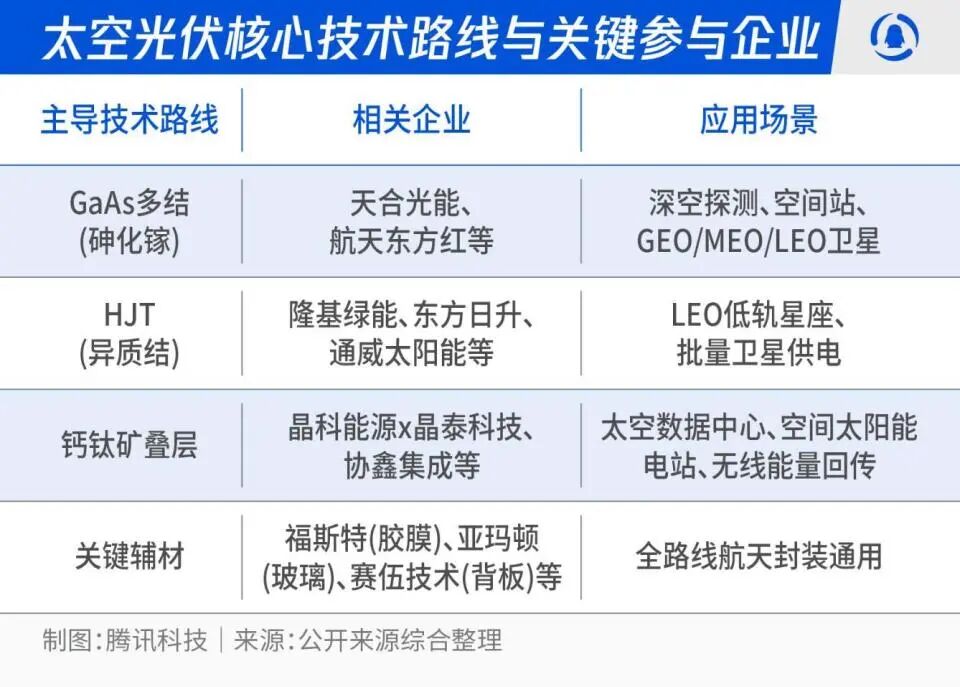
A股光伏股集体下跌,阳光电源跌超4%
Ge Long Hui A P P· 2026-01-28 03:50
| 代码 | 名称 | | 涨幅% ↑ | 总市值 | 年初至今涨幅%。 | | --- | --- | --- | --- | --- | --- | | 300118 | 东方日升 | 1 | -7.33 | 242亿 | 44.95 | | 603806 | 福斯特 | | -5.34 | 463亿 | 27.08 | | 002865 | 钧达股份 | 1 | -5.08 | 289亿 | 80.97 | | 002506 | 协鑫集成 | 1 | -4.61 | 206亿 | 25.71 | | 688599 | 天合光能 | 长 | -4.53 | 464亿 | 19.58 | | 605117 | 德业股份 | 1 | -4.40 | 820亿 | 4.64 | | 600537 | 亿闘米甲 | | -4.14 | 38.35亿 | -22.12 | | 300274 | 阳光电源 | 1 | -4.01 | 3148亿 | -11.23 | | 300554 | 三超新材 | 报 | -3.80 | 29.51亿 | 11.43 | | 603398 | *ST沐邦 | | -3.10 | ...



光伏反内卷攻坚,政企同心方得始终
第一财经· 2026-01-27 13:08
Core Viewpoint - The photovoltaic industry is undergoing a deep reform to combat internal competition, with regulatory measures and policy adjustments reflecting a commitment to high-quality development. However, many companies are still facing significant losses, indicating that this battle is not a short-term fix but a necessary step to resolve structural issues within the industry [2][5]. Industry Performance - Major companies like Tongwei Co., Ltd. and LONGi Green Energy are projected to incur substantial losses in 2025, with estimated net losses of 9 to 10 billion yuan and 6 to 6.5 billion yuan respectively. Other companies such as JA Solar, JinkoSolar, and Trina Solar are also expected to report significant losses, highlighting the severe challenges faced by the industry [2][3]. - The average gross margin for the entire industry is only 3.64%, with many companies trapped in a cycle of "production equals loss" due to oversupply and rising raw material costs [3][4]. Causes of Losses - The industry's performance crisis is primarily attributed to excessive homogenous production capacity and fierce price competition, compounded by soaring raw material costs. The supply of silicon materials is projected to exceed global demand by more than double over the next three years, leading to a significant imbalance [3][4]. - The price of silver, a key material in photovoltaic cells, has surged by 231% in 2025, pushing companies to adopt cost-cutting measures at the expense of technological innovation and quality [4][5]. Recommendations for Improvement - Companies must shift their focus from price competition to technological innovation and quality improvement, investing in advanced battery technologies such as TOPCon, BC, and ABC to enhance efficiency and reduce costs [4][6]. - The industry needs to establish self-regulatory standards to combat unfair competition practices, such as selling below cost and misrepresenting product capabilities, while promoting collaboration among companies to consolidate resources [4][6]. Government Role - Government policies and regulatory actions are crucial for supporting the industry's reform efforts. A unified and clear policy direction is necessary to stabilize market expectations and foster industry consensus [5][6]. - Regulatory bodies should enhance oversight on low-price dumping and set higher energy consumption and environmental standards for mature production stages, while also optimizing bidding rules to prioritize technology and quality over price [5][6]. Future Outlook - The photovoltaic industry is at a critical juncture, with the potential for recovery as companies begin to reduce losses and improve profitability. Analysts suggest that the industry may see a turning point in profitability by early 2026 [6][7]. - A collaborative effort between companies and government is essential to ensure that innovation becomes the cornerstone of industry development, allowing China to transition from a manufacturing hub to a center of innovation in the global energy transformation [7].




多数光伏企业2025年延续亏损状态,部分企业锚定2026年业绩扭亏
第一财经· 2026-01-27 12:49
Core Viewpoint - The photovoltaic (PV) industry in A-shares is facing significant losses, with many leading companies projecting substantial pre-loss figures for 2025 due to a challenging operating environment and supply-demand imbalances [2][3]. Group 1: Financial Performance and Projections - Major PV companies are expected to report significant pre-loss figures for 2025, including Tongwei Co. with a projected loss of 9 to 10 billion yuan, LONGi Green Energy with 6 to 6.5 billion yuan, and JinkoSolar with 5.9 to 6.9 billion yuan [2]. - The overall operating environment remains difficult, with many companies experiencing nine consecutive quarters of losses since Q4 2023, driven by price declines and insufficient end-demand [3]. Group 2: Industry Dynamics - The PV module prices are under pressure due to "involutionary competition" and a lack of terminal demand, with market transaction prices around 0.6 yuan per watt expected in mid-2025 [3]. - The industry is witnessing a supply surplus, with production rates declining across various segments, while core material prices, such as silver, continue to rise [3]. Group 3: Recovery Efforts and Future Goals - Some companies are beginning to emerge from the loss cycle, with LONGi Green Energy projecting a maximum reduction in losses of 30.38% and Aiko Solar up to 77.44% compared to 2024 [4]. - The China Photovoltaic Industry Association noted a 16.9% year-on-year decline in revenue for the main industry chain in the first three quarters of 2025, but an improvement in gross margins to 3.64% [4]. - Several leading PV companies have set profit targets for 2026, with Trina Solar aiming for a net profit of no less than 200 million yuan and LONGi Green Energy targeting positive net profits in subsequent years [5].

主动叫停17亿拉晶扩产,光伏巨头战略转变
Xin Lang Cai Jing· 2026-01-27 12:24
1月24日,光储巨头天合光能公告称,公司2023年向不特定对象发行可转换公司债券之"年产35GW直拉 单晶项目"一期20GW已投产并达到预定可使用状态。 结合行业市场需求变化,基于战略布局以及募投项目实施情况,公司拟缩减"年产35GW直拉单晶项 目"的募集资金投资金额,不再实施二期15GW项目,并将"年产35GW直拉单晶项目"给予结项。 为提高募集资金的使用效率,公司拟将"年产35GW直拉单晶项目"的剩余募集资金170,000.00 万元(包 含利息收入及理财收益扣除银行手续费后的净额,实际金额以转出当日银行结息后的余额为准)投入用 于新项目"分布式智慧光伏电站建设项目"。 事实上,2022年以来,市场供给发生变化,硅片、电池及组件端市场的技术逐步提升,成本快速下降, 各环节的产品价格也随之应声下跌。在这种情况下,天合光能及时控制上游硅片环节产能建设节奏,不 再进入红海市场,因此现拟缩减"年产35GW直拉单晶项目"的募集资金投资金额,在一期20GW已投产 并达到预定可使用状态的背景下,不再实施二期15GW项目,并将"年产35GW直拉单晶项目"给予结 项。 据规划,天合光能将在项目实施首年完成分布式电站的选址、 ...