TRINA(688599)

Search documents
天合光能:累计回购8.02亿元股份,占总股本1.86%
Xin Lang Cai Jing· 2026-02-02 10:45
天合光能公告称,公司于2024年6月25日启动回购计划,预计回购1亿-1.2亿元股份用于转换可转债,原 回购期限至2025年6月24日,后延至2026年3月24日,资金来源调整为自有和自筹资金。截至2026年1月 31日,累计回购43,603,172股,占总股本1.86%,成交最高价24.91元/股,最低价13.64元/股,支付资金 80,169.18万元。 ...

"太空光伏"概念走热,部分企业触发交易异常,业内: 目前仍处于0到1阶段
Di Yi Cai Jing· 2026-02-02 07:45
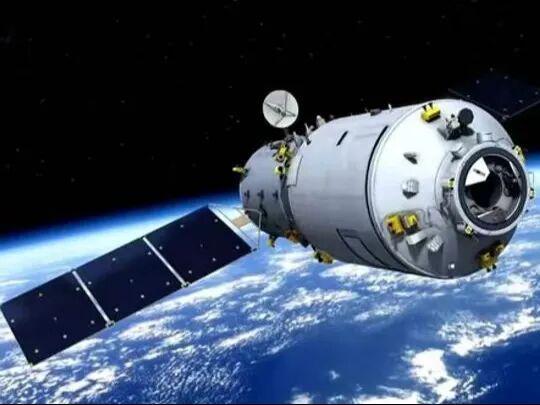
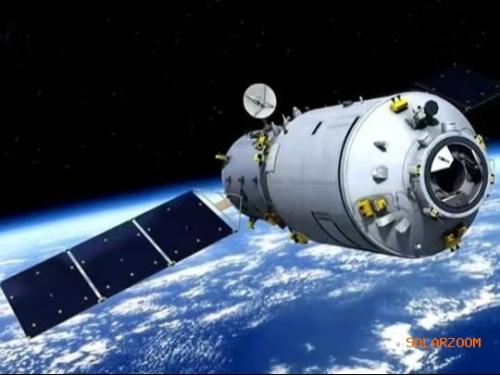
Core Viewpoint - The "space photovoltaic" concept has become a major focus in the secondary market, significantly influenced by Tesla CEO Elon Musk's endorsements, with the relevant index rising 19.83% in the past month, outperforming the CSI 300 index's 1.18% increase [1] Group 1: Market Performance - The space photovoltaic concept index has seen a substantial increase, with notable stocks such as JunDa Co., Ltd. rising by 84.62%, Mingyang Smart Energy increasing by 60.22%, and Jiejia Weichuang up by 44.04% over the past 20 days [1] - Several photovoltaic companies have experienced significant stock price surges, triggering trading anomalies, with stocks like Dongfang Risen and Laplace exceeding a cumulative price deviation of 30% over multiple trading days [3] Group 2: Technology and Feasibility - Space photovoltaic energy involves utilizing solar photovoltaic technology in outer space to generate and supply energy, with the potential for direct power transmission to Earth or powering satellites and space stations [3] - The feasibility of space photovoltaic technology is supported by the abundant sunlight in space and the ability to deploy photovoltaic components on satellites, with near-Earth orbit satellites experiencing over 60% sunlight exposure [3] - Despite the market enthusiasm, the industry faces significant uncertainties regarding the maturity and long-term reliability of the technology, as well as the economic viability required for large-scale commercialization [4][5] Group 3: Industry Insights - Industry insiders indicate that the application scenarios for space photovoltaic technology are still in the exploratory phase, with many companies in the secondary market not yet supplying products to commercial space satellite companies [4] - Analysts emphasize that space photovoltaic technology is currently in the early stages, requiring validation of technical routes and economic benefits for large-scale commercial applications [5] - The current cost of space photovoltaic energy is estimated to be around $2-3 per kilowatt-hour, significantly higher than ground photovoltaic costs of $0.03-0.05 per kilowatt-hour, highlighting the economic challenges ahead [6] Group 4: Future Outlook - Companies like Trina Solar and HaiMuxing express optimism about the future of space photovoltaic technology, with ongoing collaborations with leading aerospace institutions to accumulate practical experience [6] - The commercial viability of space photovoltaic technology is projected to gradually materialize over the next 10 to 15 years, driven by decreasing launch costs and breakthroughs in battery technology [7]






银价暴跌,光伏狂欢?
投中网· 2026-02-02 07:33
以下文章来源于虎嗅APP ,作者董必政 虎嗅APP . 从思考,到创造 银价的下跌直接利好电池与组件环节。 作者丨 董必政 编辑丨 丁萍 来源丨 虎嗅APP 白银开始暴跌。 而扣动扳机的,极有可能是一个叫凯文·沃什(Kevin Warsh)的男人。 将投中网设为"星标⭐",第一时间收获最新推送 随着这位美联储主席热门候选人的上位概率飙升,全球资产定价逻辑正在发生剧烈反转。 此前,银价暴涨逻辑主要有3: 1.美元长期弱势预期强化了白银的"准货币资产"地位,吸引大量保值和避险资金流入,使其从"工业配角"转变为"终极价值储藏工具"; 2.美联储降息压低名义利率和实际利率,大幅降低了白银这类无息实物资产的持有机会成本,激发其金融属性,吸引配置型和交易型资金大规模入场; 3.工业需求刚性增长,供给弹性极低导致2021年以来持续性供给短缺且缺口可能进一步扩大。 妙投认为,银价的下跌直接利好电池与组件环节。 这对于目前普遍亏损、且对银价极度敏感的电池片及一体化企业,是喘息之机。 据2025年业绩预告,4大一体化组件巨头晶科、隆基、晶澳、天合光能的亏损均在40亿元以上,电池企业爱旭股份、钧达股份亏损也超过了12亿元。 本来就 ...


银价暴跌,光伏狂欢?
虎嗅APP· 2026-02-01 13:11
银价的下跌直接利好电池与 组件环节。 出品 | 妙投APP 作者 | 董必政 编辑 | 丁萍 头图 | AI制图 在这个逻辑闭环里,"法币信用贬值"是最大的助燃剂。 沃什一旦上任,市场预计这位新美联储掌舵人主张通过缩表来回收过剩本币,从而重塑美元作为硬通货的 信用。 周五银价暴跌,周末资本市场就开始积极挖掘"银价暴跌利好"概念。 而,光伏电池就是工业耗银的大户。 白银开始暴跌。 而扣动扳机的,极有可能是一个叫凯文·沃什(Kevin Warsh)的男人。 随着这位美联储主席热门候选人的上位概率飙升,全球资产定价逻辑正在发生剧烈反转。 此前,银价暴涨逻辑主要有3: 1.美元长期弱势预期强化了白银的"准货币资产"地位,吸引大量保值和避险资金流入,使其从"工业配角"转 变为"终极价值储藏工具"; 2.美联储降息压低名义利率和实际利率,大幅降低了白银这类无息实物资产的持有机会成本,激发其金融属 性,吸引配置型和交易型资金大规模入场; 3.工业需求刚性增长,供给弹性极低导致2021年以来持续性供给短缺且缺口可能进一步扩大。 对于还在产能过剩泥潭中挣扎的光伏行业来说,这无疑是一针强心剂——但这究竟是"起死回生"的灵药, 还 ...
光伏设备:低轨星座竞赛与太空算力革命,引爆太空光伏需求新周期
国盛证券有限责任公司· 2026-02-01 10:24
Investment Rating - The report provides a positive investment rating for solar equipment suppliers, specifically recommending "Buy" for companies like Gaoce Co., Ltd. and "Increase" for Maiwei Co., Ltd. and Mingyang Smart Energy [7][33]. Core Insights - The demand for space photovoltaic systems is expected to surge due to the explosive growth in satellite deployment and AI computing power in space. The competition between China and the U.S. for low Earth orbit resources is intensifying, with China planning to submit applications for 203,000 satellites by the end of 2025, while the U.S. has already launched over 10,000 satellites [1][10]. - New technological pathways such as P-type HJT and perovskite tandem cells are emerging, which promise lower costs and improved performance compared to traditional gallium arsenide batteries. These technologies are seen as the future of space photovoltaic systems [2][16]. - The global manufacturing landscape is shifting, presenting historic opportunities for Chinese equipment and battery manufacturers to expand internationally, particularly in the context of the growing demand for space energy [3][29]. Summary by Sections Section 1: Satellite Deployment and Space AI Computing - The report highlights the critical period for low Earth satellite deployment, emphasizing the fierce competition between China and the U.S. for orbital resources. The U.S. has launched a significant number of satellites under the SpaceX Starlink program, while China is advancing its national satellite constellation plans [1][10]. - The AI computing power explosion is creating a new paradigm for space-based data centers, which can operate continuously in sunlight and utilize the cold of space for cooling, leading to a substantial increase in demand for space photovoltaic systems [1][10]. Section 2: Technological Advancements - The report discusses the advantages of P-type HJT cells and perovskite tandem cells, which are expected to dominate the future of space photovoltaic technology due to their high efficiency and lower production costs. These technologies are particularly suited for the harsh conditions of space [2][16][27]. - The report notes that traditional gallium arsenide batteries, while efficient, are too costly for large-scale deployment in satellite constellations, thus paving the way for new technologies [2][26]. Section 3: Global Manufacturing Opportunities - The report identifies a mismatch in global manufacturing capabilities, with U.S. companies lacking the necessary equipment for HJT and perovskite production. Chinese manufacturers are positioned to benefit from this gap, as they have already established leadership in these technologies [3][29]. - The report suggests that the increasing demand for space energy, coupled with the restructuring of supply chains between China and the U.S., will create significant growth opportunities for Chinese photovoltaic companies [3][29]. Section 4: Key Companies and Recommendations - The report recommends several key companies for investment, including Maiwei Co., Ltd., Gaoce Co., Ltd., and others that are well-positioned to capitalize on the growing demand for space photovoltaic systems [7][33]. - It emphasizes the importance of companies with aerospace certification and proven technology in the context of the expanding space energy market [3][29].


低轨星座竞赛与太空算力革命,引爆太空光伏需求新周期
GOLDEN SUN SECURITIES· 2026-02-01 10:08
Investment Rating - The report provides a positive investment rating for solar equipment suppliers, particularly highlighting companies like Maiwei Co., Ltd. and others with potential capabilities in the solar photovoltaic sector [7][33]. Core Insights - The demand for space photovoltaic systems is expected to surge due to the explosive growth in satellite deployment and AI computing power in space, with China planning to submit applications for 203,000 satellites by the end of 2025, while the U.S. has already launched over 10,000 satellites [1][10]. - New technological pathways such as P-type HJT and perovskite tandem cells are emerging, offering lower costs and improved performance compared to traditional gallium arsenide batteries, which are currently too expensive for large-scale deployment [2][27]. - The global manufacturing landscape is shifting, presenting historic opportunities for Chinese equipment and battery manufacturers to expand internationally, especially as the U.S. lacks capabilities in HJT and perovskite production lines [3][29]. Summary by Sections Section 1: Satellite Deployment and Space AI - The global low Earth orbit satellite deployment is entering a critical phase, with intense competition between China and the U.S. for orbital resources and frequency bands [10]. - The AI computing explosion is creating a new paradigm for space-based data centers, which can operate continuously under sunlight and utilize the cold of space for cooling, leading to exponential growth in demand for space photovoltaic systems [1][10]. Section 2: Technological Advancements - P-type HJT batteries and silicon/perovskite tandem cells are identified as the main directions for future space photovoltaic technology, with significant advantages in efficiency and cost [2][16]. - The report highlights the limitations of traditional gallium arsenide batteries, which are costly and reliant on scarce materials, making them unsuitable for large-scale satellite constellations [2][26]. Section 3: Global Market Dynamics - The report emphasizes that the demand for solar photovoltaic systems in space is set to enter a new cycle, benefiting domestic equipment and battery manufacturers as they transition from ground support to core space applications [29][30]. - Companies like Junda Co., Ltd., Trina Solar, and others are noted for their advancements in space-grade batteries and solar technologies, positioning them well for future growth in the space photovoltaic market [30][33].
银价推涨光伏组件报价,下游企业承压涨价至近1元/瓦
第一财经· 2026-02-01 05:21
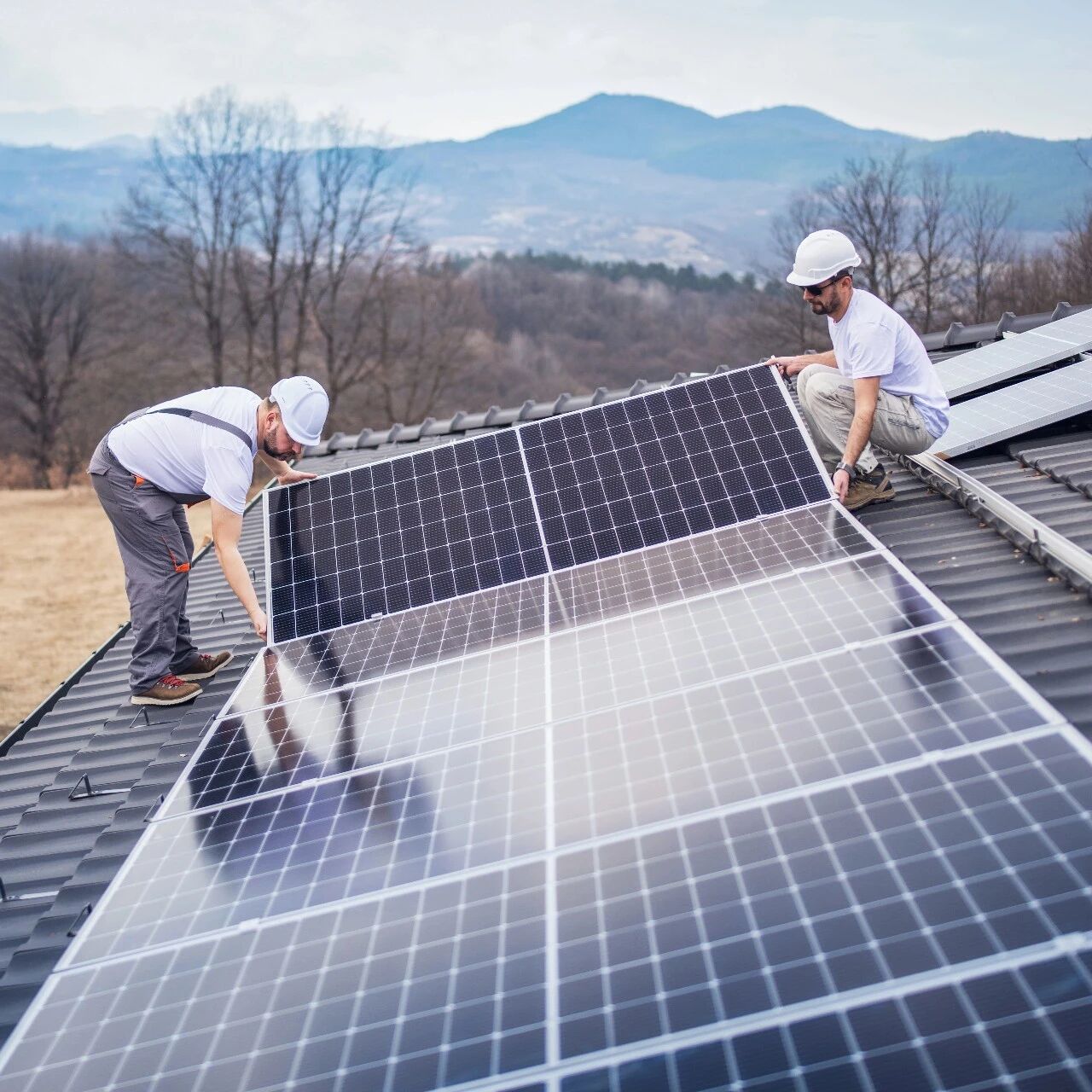
2026.02. 01 本文字数:1099,阅读时长大约2分钟 作者 | 第一财经 陆如意 TOPCon光伏组件的公示价格再次上调,TOPCon组件国内均价调涨至0.739元/瓦。 "涨价已经有半个月了,目前大致在0.9元/瓦以上,高功率组件超过1元/瓦。"某国内头部一体化组 件企业相关负责人在接受第一财经记者采访时表示,"组件涨价主要是受银价上涨的影响,下游厂家 属于被动集体承压涨价。排产方面,目前公司的排产整体随行就市,灵活调节产能。" 因上游成本的上涨,光伏组件被迫上调报价,当前中国分布式光伏组件的报价为0.8元/瓦至0.88元/ 瓦,实际成交价格为0.75元/瓦至0.8元/瓦。第一财经记者注意到,本月以来,出货量处于一梯队的 天合光能(688599.SH)已三次上调组件报价,报价区间锁定在0.88元/瓦至0.92元/瓦。 而在此之前,组件价格受困于行业"内卷式"竞争以及终端需求不足,长期处于低位,2025年年中的 市场成交价在0.6元/瓦上下。 据Infolink Consulting最新测算,以1月28日上海期交所白银价格为例,当日银价突破 29000元/ 公斤,对比上周上涨超过6000元,电池含税 ...
银价推涨光伏组件报价,下游企业承压涨价至近1元/瓦
Di Yi Cai Jing· 2026-01-31 05:38
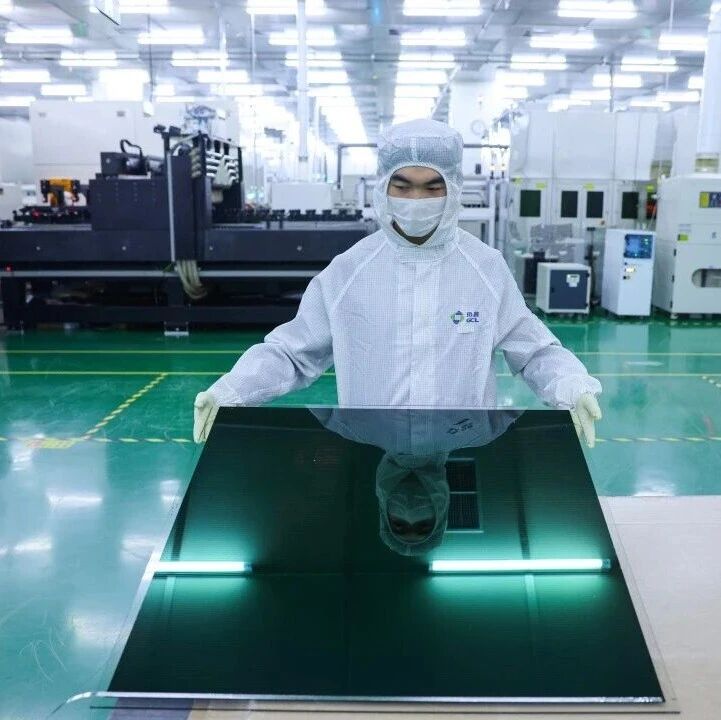
业内企业表示,光伏组件此轮涨价主要是受银价上涨的影响,下游厂家属于被动集体承压涨价。 此外,据Infolink Consulting调研统计,头部组件企业普遍响应行业自律行为,陆续上调组件报价0.02元/瓦至0.04元/瓦,目前分布式渠道 已经出现高价组件成交。此外,硅片、电池等中间环节的挺价意愿也进一步促进了终端组件的涨价。 不过,临近春节假期,这轮组件涨价的持续性和实际成交情况仍待观察。 因上游成本的上涨,光伏组件被迫上调报价,当前中国分布式光伏组件的报价为0.8元/瓦至0.88元/瓦,实际成交价格为0.75元/瓦至0.8元/ 瓦。第一财经记者注意到,本月以来,出货量处于一梯队的天合光能(688599.SH)已三次上调组件报价,报价区间锁定在0.88元/瓦至 0.92元/瓦。 而在此之前,组件价格受困于行业"内卷式"竞争以及终端需求不足,长期处于低位,2025年年中的市场成交价在0.6元/瓦上下。 据Infolink Consulting最新测算,以1月28日上海期交所白银价格为例,当日银价突破 29000元/公斤,对比上周上涨超过6000元,电池含税 成本对应上涨0.05元/瓦。 在SMM光伏分析师郑天 ...
A股2025年报抢先看!首批“成绩单”出炉,这些上市公司业绩增幅靠前
Hua Xia Shi Bao· 2026-01-31 05:31
Core Insights - The performance of A-share listed companies for 2025 is showing a "polarization" trend, with significant differences in industry prosperity affecting earnings, where some companies achieve substantial profit growth while others, particularly in real estate and photovoltaic sectors, face losses [2][10] Group 1: Earnings Reports - As of January 30, over 70 companies have disclosed their 2025 annual reports, with more than 2200 companies providing earnings forecasts, indicating a clearer market outlook [2][7] - Among the companies that have reported, 51 achieved year-on-year revenue growth, highlighting the resilience of profit growth [3][6] - The top three companies in revenue growth are Shouyao Holdings, Lier Technology, and Xiamen Tungsten, with revenue increases of approximately 120%, 82.97%, and 47.84% respectively [4][5] Group 2: Profit Growth - A total of 47 companies reported year-on-year growth in net profit, with Wohua Pharmaceutical and Lier Chemical showing particularly strong performance, with net profit increases of 162.93% and 122.33% respectively [6] - Wohua Pharmaceutical achieved a revenue of 0.817 billion with a net profit of 0.096 billion, while Lier Chemical reported a revenue of 9.008 billion and a net profit of 0.479 billion [6] Group 3: Earnings Forecasts - Approximately 900 out of 2200 companies that disclosed earnings forecasts are expected to see profit increases, indicating strong growth momentum in the A-share market [7][10] - Notably, over 60 companies anticipate net profit growth exceeding 500%, with 20 companies expecting over 1000% growth, showcasing robust development potential [7][10] - Ningbo Fubang stands out with an expected net profit increase of 3099.59% to 4379.43%, driven by rising silver prices and asset optimization [8][9] Group 4: Loss Predictions - A significant number of companies, particularly in the real estate and photovoltaic sectors, are expected to report losses, with major firms like China Fortune Land Development and Greenland Holdings forecasting losses of 16 billion to 24 billion and 16 billion to 19 billion respectively [10] - The photovoltaic sector is also heavily impacted, with companies like Tongwei and TCL Zhonghuan predicting losses of 9 billion to 10 billion and 8.2 billion to 9.6 billion respectively [10]



“太空光伏”概念走热,业内:目前仍处于0到1阶段
Di Yi Cai Jing Zi Xun· 2026-01-30 13:27
Core Insights - The "space photovoltaic" concept has gained significant attention in the secondary market, largely influenced by Tesla CEO Elon Musk's endorsements [2] - The Wind Space Photovoltaic Index has risen by 19.83% over the past month, outperforming the Shanghai and Shenzhen 300 Index, which increased by 1.18% [2] - Several photovoltaic companies have experienced substantial stock price increases, with JunDa Co., Ltd. rising by 84.62% and Mingyang Smart Energy increasing by 60.22% in the last 20 days [2] Market Performance - The stock prices of companies like Dongfang Risen and Laplace have shown abnormal fluctuations, with price deviations exceeding 30% over consecutive trading days [3] - The space photovoltaic sector is characterized by its potential to harness solar energy in outer space, providing power to satellites and space stations [3] Industry Challenges - Despite the market enthusiasm, the commercialization of space photovoltaics faces significant uncertainties related to technology maturity and economic viability [4] - Industry insiders indicate that the application scenarios for space photovoltaics are still in the exploratory phase, with many companies not yet supplying products to commercial satellite firms [4] Technological Considerations - Current leading materials for space photovoltaics include gallium arsenide, which is costly at approximately 1000 RMB per watt, and perovskite, which faces stability issues in extreme space conditions [5] - The cost of electricity generated from space photovoltaics is estimated to be 2-3 USD per kilowatt-hour, significantly higher than the ground-based photovoltaic cost of 0.03-0.05 USD per kilowatt-hour [5] Future Outlook - Several A-share listed companies express optimism about the future of space photovoltaics, with potential market size reaching trillions as technology advances [5] - Companies like Trina Solar and HaiMuxing are actively collaborating with leading aerospace institutions to develop practical applications for space solar energy [5] - The commercialization of space photovoltaics is projected to gradually occur over the next 10 to 15 years as launch costs decrease and battery technologies improve [6]