
ConocoPhillips(COP)

Search documents
Trump to meet with oil executives at White House. What we know about U.S. plans for Venezuela
CNBC· 2026-01-09 11:51
Core Insights - The U.S. government is engaging with oil executives to discuss investment plans in Venezuela following the ousting of President Nicolas Maduro, with significant interest from major oil companies like Exxon, ConocoPhillips, Shell, and Chevron [1][2] Oil Industry Context - Venezuela holds the largest proven crude oil reserves globally, totaling 303 billion barrels, which accounts for approximately 17% of the world's total [3] - The country's oil production has drastically declined from a peak of about 3.5 million barrels per day in the 1990s to around 800,000 barrels per day currently [3] Investment Requirements - Returning Venezuelan oil production to historic levels is estimated to cost tens of billions of dollars, with Rystad Energy projecting over $180 billion needed by 2040 to reach 3 million barrels per day [4] - The Trump administration has not provided detailed plans on how to incentivize oil companies to invest in Venezuela, a country with a history of nationalizing industry assets [5] Current Operations - Chevron is the only U.S. oil company currently operating in Venezuela through a joint venture with state oil company Petróleos de Venezuela (PDVSA) [5] - The U.S. government is working closely with Chevron to explore ways to enhance their operations in Venezuela [6] Challenges for Major Companies - Exxon and ConocoPhillips are hesitant to return to Venezuela without reassurances, as they exited the country after asset seizures in 2007 and have outstanding claims against the government [7][8] - The Trump administration is focused on stabilizing Venezuela's economy through oil sales rather than prioritizing the repayment of debts owed to Exxon and Conoco [8] Market Dynamics - There is skepticism about whether major oil companies will return to Venezuela without significant changes in the government [9] - Independent oil companies and individuals are showing strong interest in entering the Venezuelan market [10] U.S. Control of Oil Exports - The U.S. has taken control of Venezuela's oil exports to exert pressure on the Caracas government, with plans to sell tens of millions of barrels and hold proceeds in U.S.-controlled accounts [10][11] - The revenue from these oil sales is intended to benefit Venezuela and will be used to purchase U.S.-made products, including agricultural goods and medical supplies [12]


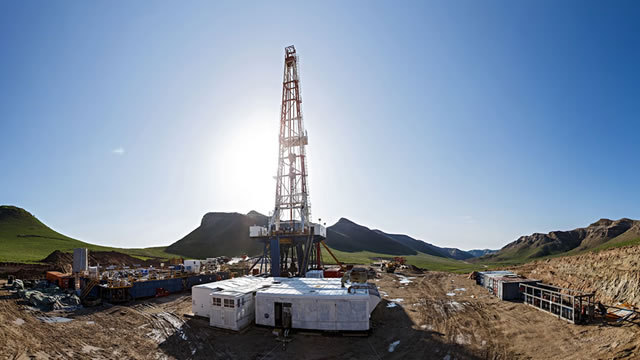
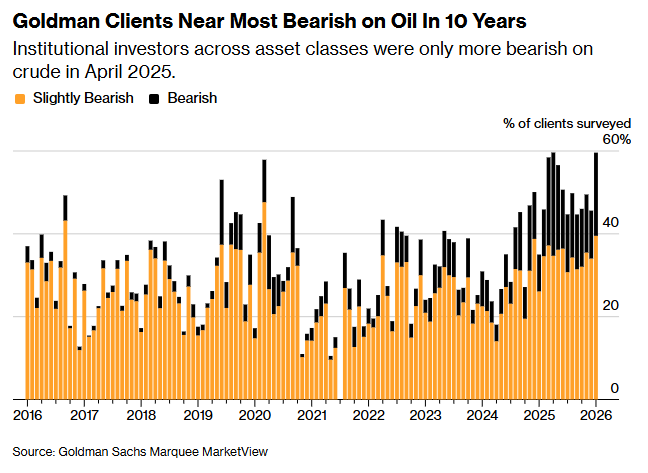
近十年最悲观!高盛:供应过剩格局下地缘因素施压 近6成机构投资者看空原油
智通财经网· 2026-01-09 03:44
Group 1: Market Sentiment - A Goldman Sachs survey indicates that geopolitical factors are driving institutional investors' bearish sentiment on crude oil to near a decade-high level, with over 59% of respondents holding a bearish or slightly bearish view [1] - This sentiment level is close to historical lows recorded in January 2016, with only a slightly higher pessimism noted in April of the previous year when trade tensions escalated [1] - The proportion of institutional investors considering crude oil as their most preferred short position has reached an all-time high, further intensifying overall bearish sentiment [1] Group 2: Oil Price Forecast - Due to increased supply from OPEC+ and competitors, alongside slowing global demand growth, oil prices are projected to decline nearly 20% cumulatively by 2025, marking the largest annual drop since 2020 [3] - The average forecast from major banks suggests that Brent crude oil prices, currently around $61 per barrel, may further decrease to approximately $59 per barrel by 2026 [3] Group 3: Venezuela's Oil Market Impact - Venezuela, holding the world's largest proven oil reserves at 303 billion barrels, could negatively impact future oil markets if U.S. energy companies invest billions to revive its oil production [4] - If a pro-U.S. regime is established in Venezuela, U.S. oil companies may return to the market, potentially increasing the country's oil exports by 3 million barrels per day, which could suppress long-term oil price increases [4] - Experts suggest that the future of Venezuela's oil production is likely to exert a bearish influence on the market, as any increase in output would add to the already ample global supply [6] Group 4: U.S. Government's Role - The Trump administration is considering a significant plan to dominate Venezuela's oil industry, which may include exerting control over the state oil company PDVSA and selling a substantial portion of its oil production [6] - U.S. Energy Secretary Chris Wright stated that the U.S. aims to stabilize and grow Venezuelan oil production while facilitating the entry of major U.S. oil companies into the market [6] - However, the potential for increased production in Venezuela hinges on substantial investments and a stable political environment, which remains uncertain [7] Group 5: Investment Considerations - U.S. oil companies may weigh the necessity of investing billions in Venezuela against the backdrop of already ample global oil supply [7] - The stability of the Venezuelan government and the legal and financial frameworks are critical factors for U.S. energy giants, as energy investments typically span 30 years [7] - The possibility of a return to a regime similar to Maduro's, which previously nationalized oil assets, poses a significant risk for U.S. oil companies [7]

特朗普政府拟长期掌控委内瑞拉石油,目标将油价压制至50美元
智通财经网· 2026-01-09 03:12
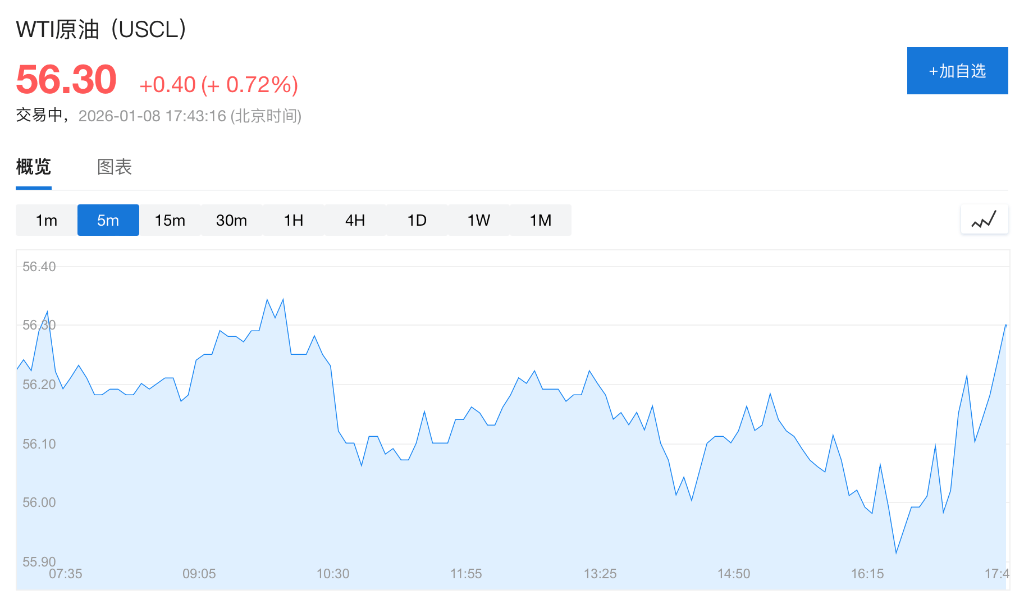
Group 1 - The Trump administration is planning a significant action to dominate Venezuela's oil industry in the coming years, aiming to lower oil prices to $50 per barrel [1] - A proposed plan includes some level of control over Venezuela's state oil company (PDVSA) by the U.S., potentially allowing the U.S. to effectively control most of the oil reserves in the Western Hemisphere [1] - U.S. Energy Secretary Dan Brouillette believes that Venezuela's oil production could be increased to approximately 1.2 million barrels per day within 12-18 months, but returning to peak production levels of over 3 million barrels per day will take "many years" [1] Group 2 - Ritterbusch and Associates report indicates that significant Venezuelan crude oil entering the U.S. Gulf Coast may take years, especially if U.S. companies hesitate to commit to large investments due to safety, financial guarantees, and insufficient oil prices [2] - The report suggests that U.S. intervention in Venezuela would be more reasonable during global oil market tightness rather than the current oversupply environment [2] - Oil futures rebounded over 3% due to a larger-than-expected drop in U.S. crude inventories, with WTI closing at $57.76 per barrel and Brent at $61.99 per barrel, marking the largest single-day gains since October 23 of the previous year [2]
ConocoPhillips says CEO will attend White House meeting on Friday
Reuters· 2026-01-09 02:09
Core Insights - ConocoPhillips' Chairman and CEO Ryan Lance will participate in a White House meeting, indicating the company's engagement with governmental energy policies [1] - The company is closely monitoring developments in Venezuela, which may have significant implications for global energy supply and stability [1] Company Focus - ConocoPhillips is actively involved in discussions at the governmental level, reflecting its strategic positioning within the energy sector [1] - The potential impact of Venezuelan developments on energy supply highlights the company's awareness of geopolitical factors affecting the industry [1]
原油,大涨!
中国基金报· 2026-01-09 00:09
Market Overview - The US stock market showed mixed results, with the Dow Jones Industrial Average rising by 270.03 points, or 0.55%, closing at 49,266.11 points. In contrast, the Nasdaq fell by 104.25 points, or 0.44%, ending at 23,480.02 points, while the S&P 500 index saw a slight increase of 0.53 points, or 0.01%, to close at 6,921.46 points [4][5]. Economic Outlook - Fitch Ratings has raised its GDP growth forecast for the US for 2025 and 2026, adjusting estimates due to delayed economic data from the government shutdown at the end of last year. The Federal Reserve is expected to lower the federal funds rate to 3.25% in the first half of 2026 [6]. - US Treasury Secretary Becerra indicated that most models suggest the Fed's interest rate range may fall between 2.5% and 3.25%, emphasizing that rates remain significantly above neutral levels [7]. Inflation and Employment - A monthly survey from the New York Federal Reserve revealed an increase in US inflation expectations for December, while consumer confidence in the job market has dropped to its lowest level in over 12.5 years [8]. Energy Sector - Oil prices increased, with WTI crude for February rising by 3.2% to settle at $57.76 per barrel, and Brent crude for March up by 3.4% to $61.99 per barrel. Energy stocks saw a broad increase, with ExxonMobil rising over 3%, Chevron up more than 2%, and ConocoPhillips increasing by over 5% [10][11]. Mining Industry - Glencore and Rio Tinto have resumed negotiations to potentially create the world's largest mining company, with a combined market value exceeding $260 billion. This merger is taking place against a backdrop of increasing competition for copper resources [14]. Technology Sector - The performance of major tech stocks was mixed, with the US Tech Giants Index declining by 0.27%. Notable movements included Amazon rising nearly 2% and Google increasing over 1%, while Apple fell by 0.5%, marking its seventh consecutive day of decline due to high interest rate expectations impacting growth stock valuations [16][18].





Follow the Smart Money: 2 Undervalued Stocks With Aggressive Share Buybacks and Unusual Options Activity
Yahoo Finance· 2026-01-08 18:30
分组1 - Devon Energy is favored by analysts, with 24 out of 30 rating it a Buy and a 12-month target price of $45.86, indicating a potential upside of 30% from its current share price [1] - Over the past 12 months, Devon's stock has remained relatively flat, increasing less than 1%, while Chevron has seen a gain of 4.6% [1] - Devon Energy benefits from focusing exclusively on U.S. drilling, contrasting with other companies investing in Venezuela's energy infrastructure [2] 分组2 - The Tweedy, Browne Insider + Value ETF (COPY) has been successful, avoiding major tech stocks while focusing on companies with insider buying and attractive share repurchase programs [5][6] - Devon is expected to earn $4.04 per share in 2025, with shares trading at 8.7 times this estimate, which is historically low compared to its 2023 multiple of around 6x earnings [6] - Devon's CEO Richard Muncrief purchased 15,000 shares in March 2024 at an average price of $44.42, and the company has repurchased 92.68 million shares at an average price of $44.70 since 2021 [7][8] 分组3 - ConocoPhillips has a 12-month target price of $111.78, representing a 15% increase from its current share price, with 21 out of 28 analysts rating it a Buy [14] - In 2025, ConocoPhillips is expected to earn $6.56 per share, trading at a multiple of 14.9 times this estimate, which is considered attractive [15] - Since initiating its share repurchase program in 2016, ConocoPhillips has repurchased 474.8 million shares for $38.3 billion, averaging $80.67 per share [17]

Trump wants oil prices to hit $50 a barrel. The math doesn't work for the US oil industry.
Yahoo Finance· 2026-01-08 18:26
Industry Overview - President Trump aims for US oil prices to trend toward $50 per barrel, which poses challenges for the US oil industry as breakeven prices in the Permian Basin are between $62 and $64 [1] - Current WTI crude oil prices are around $57, indicating that US oil companies are not selling oil for more than the cost of extraction [2] - The Energy Information Administration forecasts Brent crude prices to average $55 per barrel in early 2026, suggesting a continued oversupply in the market [2] Economic Implications - WTI prices are expected to align with Brent, potentially settling around $51.50, which may benefit Trump politically as affordability is a key voter concern ahead of midterm elections [3] - The national average gas price in the US is $2.81 per gallon, approximately $0.25 lower than the previous year and the lowest since March 2021 [3] Industry Sentiment - Industry leaders express concern about the current pricing environment, with Travis Stice of Diamondback Energy stating that the industry is at a tipping point due to low oil prices [4][5] - There have only been two quarters since 2004 with oil prices as low as today, excluding the anomaly of 2020, indicating a critical moment for US oil production [5] - Major oil companies like ExxonMobil and Chevron are also feeling pressure, with their breakeven targets for 2030 set around $30 per barrel, which is approaching current market conditions [6]
委内瑞拉变局的背后:特朗普的目标油价“50美元”
Sou Hu Cai Jing· 2026-01-08 16:51
Group 1 - The Trump administration is planning to take control of Venezuela's oil industry, aiming to lower oil prices to $50 per barrel [1][6] - The U.S. government has initiated a global sale of Venezuelan oil, with proceeds to be managed by the Trump administration for the benefit of both Venezuelan and American people [4][5] - The Venezuelan oil sector is facing significant challenges due to years of underinvestment and mismanagement, requiring hundreds of billions in investment to restore production levels [5][6] Group 2 - Major U.S. oil companies are being urged to invest in repairing Venezuela's oil extraction infrastructure [4][5] - The Trump administration may use taxpayer money to compensate U.S. energy companies for the costs associated with revamping Venezuela's oil infrastructure [6] - The response from the oil industry to the administration's plans may be lukewarm, as companies prioritize capital discipline and shareholder returns over aggressive investment [7]
Why These 3 Oil Stocks Surged After Venezuelan President Maduro's Capture
Yahoo Finance· 2026-01-08 16:08
Core Viewpoint - The capture of Venezuelan President Nicolás Maduro led to a significant surge in the stock prices of major U.S. oil companies, particularly Chevron, ExxonMobil, and ConocoPhillips, while other oil stocks remained largely unaffected [1][3][4]. Group 1: Stock Performance - Chevron's shares increased by 5.5%, ExxonMobil's by 2.5%, and ConocoPhillips' by 3.1% following the news of Maduro's capture [2]. - In contrast, other oil companies like TotalEnergies, Shell, and BP saw declines or minimal gains, indicating a selective market reaction [1][2]. - By Tuesday, the stocks of Chevron, ExxonMobil, and ConocoPhillips had given back most of their gains, with Chevron experiencing a 4.2% drop, marking its worst performance since April 2025 [4][8]. Group 2: Market Context - The overall market, represented by the S&P 500, showed resilience, opening 0.49% higher and continuing to rise during the trading session [3]. - Despite the initial surge in oil stocks, the broader market performance indicated that investors were cautious about the long-term implications of the situation in Venezuela [8]. Group 3: Investment Implications - Investors viewed Chevron as the most likely beneficiary of a potential shift towards a more U.S.-friendly oil policy in Venezuela, given its active operations in the country [7]. - There are unresolved monetary claims against the Venezuelan government by ConocoPhillips and ExxonMobil, which could influence future stock performance [5]. - The revitalization of Venezuela's oil industry is estimated to require tens of billions of dollars, raising questions about the feasibility of new investments by these companies [7][10].
“一条推文就能改变外交政策,谁敢去委内瑞拉投资?”美国油企:没担保,不投资
Hua Er Jie Jian Wen· 2026-01-08 14:19
Core Viewpoint - U.S. oil giants are extremely cautious about re-entering the Venezuelan market despite President Trump's pressure for investment, with industry leaders demanding clear legal and financial guarantees from Washington [1][2]. Group 1: Investment Climate - The geopolitical shifts have severely impacted investor confidence, with widespread concerns about political, legal risks, and the low oil price environment hindering substantial investments [2]. - U.S. energy companies believe that without formal government backing, large-scale projects in Venezuela are unlikely to proceed [3]. - A senior executive from a major U.S. energy company emphasized the need for "serious guarantees" from the government before committing to investments in Venezuela [3]. Group 2: Policy Uncertainty - Investors are worried about the continuity of policies beyond the current presidential term, raising concerns about legal, financial, and political risks associated with investing in Venezuela [4]. - Questions about the legitimacy of the Venezuelan government and the legal framework for contracts further exacerbate capital's risk-averse sentiment [4]. - Energy Secretary Chris Wright acknowledged that U.S. oil giants are unlikely to invest billions in new infrastructure in Venezuela in the near term [4]. Group 3: Global Energy Strategy - The Trump administration's takeover of Venezuela's oil sector is viewed as part of a broader agenda to reshape global energy trade according to U.S. terms [5]. - Despite signals from the U.S. government allowing oilfield service companies to operate in Venezuela, industry executives believe that administrative orders and political pressure are insufficient to mitigate actual business risks [5]. - The current environment in Venezuela is still regarded as a "high-risk area" for energy giants accustomed to long-term planning and stable returns [5].