FAST RETAIL-DRS(FRCOY)

Search documents
Fast Retailing: Solid Earnings And Future Outlook - Buy
Seeking Alpha· 2025-06-05 10:47
Group 1 - The article emphasizes the importance of Asian equities (excluding China) in investment portfolios, highlighting that they are often overlooked and under-allocated by investors [1] - The author employs a fundamental bottom-up approach combined with macroeconomic analysis to identify stocks poised to benefit from global trends, focusing on the Financials, Industrials, and Consumer Discretionary sectors [1] - The intention behind writing on Seeking Alpha is to share insights and expand the investment universe for readers interested in Asian equities listed in US markets [1]



线上狂欢时代,日本为何仍是“线下消费天堂”?
Hu Xiu· 2025-04-24 13:30
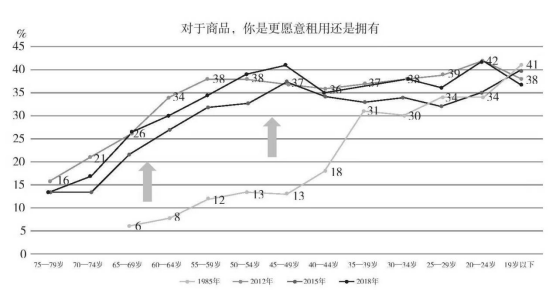
Group 1 - The Japanese consumer sector, including both essential and discretionary consumption, accounts for over 20% of the Nikkei 225 index, with four of the top ten companies being consumer firms (Toyota, Sony, Fast Retailing, and Nintendo) [1] - The article focuses on the core assets of major global stock markets, specifically analyzing the Japanese consumer sector [2] - Japan's offline retail innovation has thrived despite the global shift towards e-commerce, with a rich variety of retail formats emerging post-1990s, including convenience stores, dollar stores, hard discount stores, second-hand shops, and specialty chains [3][4] Group 2 - The success of Japan's offline retail is attributed to unique consumer culture characteristics and the traits of Japanese companies [5] - The history of retail innovation in Japan began in the 1970s, shifting from American-led changes to Japanese-led transformations, with convenience stores being a significant innovation [6][7][8] - Convenience stores in Japan are tailored to local consumer needs, emphasizing product availability, service quality, and operational efficiency [9][10][12] Group 3 - The emergence of specialized chains and discount stores has further diversified the retail landscape, with examples like drugstores and hard discount stores gaining popularity [13][14] - The SPA (Specialty store retailer of Private label Apparel) model, exemplified by Uniqlo, integrates product planning, manufacturing, and retailing, allowing for rapid market response and inventory control [19][20][21] - Uniqlo's operational efficiency is highlighted by its low markup and high net profit margin, achieved through streamlined processes and a focus on quality [25][31] Group 4 - Japanese consumer companies, including Uniqlo, exhibit characteristics such as craftsmanship, long-termism, and a strong organizational culture [33][34] - The emphasis on detail and quality in product development reflects the Japanese "craftsmanship spirit," which is evident in Uniqlo's approach to basic clothing items [35][36][37] - The organizational culture in Japanese firms promotes consistency and vertical management, ensuring that company philosophy permeates all levels of operation [39][40][41] Group 5 - The Japanese consumer market is characterized by a rational and individualistic consumption attitude, with second-hand stores becoming a cultural phenomenon rather than merely a budget option [46][47] - The evolution of consumer attitudes over decades reflects a shift towards lower ownership desires, particularly among younger generations [48][49][51] - Japanese consumer brands, shaped by cultural values, focus on long-term value accumulation through repeat purchases and word-of-mouth marketing [54]
线上买的线下不能退,“优衣库们”缘何不“大方”了?
Sou Hu Cai Jing· 2025-04-23 01:55
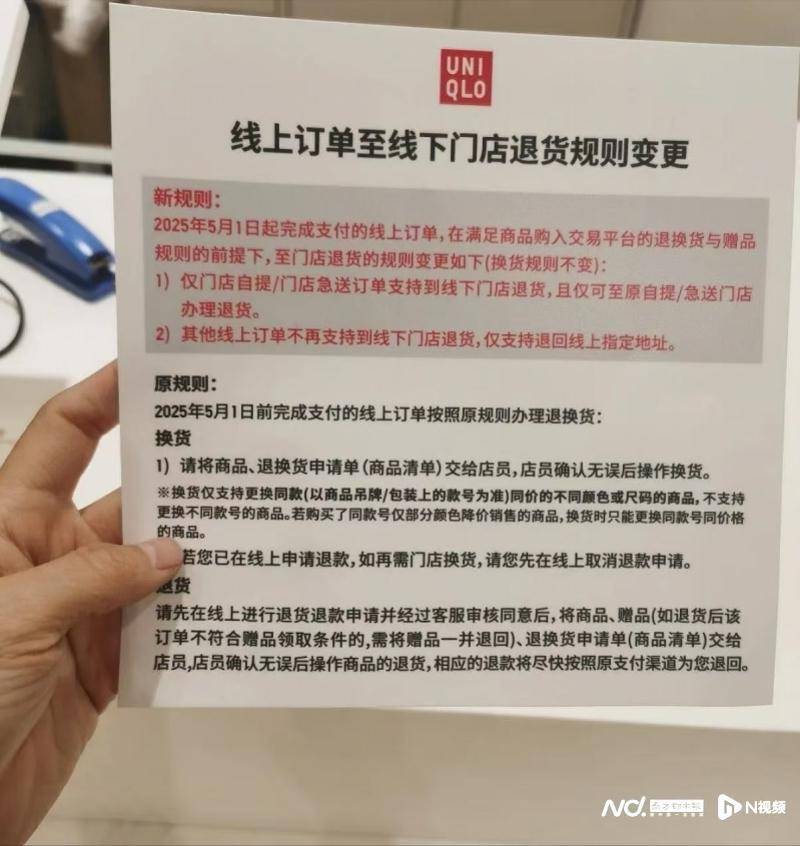
Group 1 - Uniqlo has changed its return policy, effective May 1, allowing returns for in-store pickup and express delivery orders only at the original store, while other online orders must be returned to a designated online address [1][3] - Other fast fashion brands like ZARA and H&M have implemented similar return policy changes, indicating a trend among fashion retailers to tighten return policies amid increasing competition in the Chinese market [3][6] - High return rates are eroding profits for major fast fashion companies, with some women's clothing brands experiencing return rates exceeding 50%, highlighting a significant challenge in the industry [5][6] Group 2 - Fast fashion giants, including Uniqlo, are facing performance challenges in the Chinese market, with Uniqlo's revenue in the Greater China region declining by approximately 3% to 361.7 billion yen, and profits down about 9% [6][7] - ZARA's parent company Inditex reported a 7.5% revenue increase to 38.6 billion euros, but the share of revenue from Asia and other regions continues to decline, indicating a shift in market dynamics [7] - H&M is also experiencing difficulties, with a 5% decline in sales in the Asia-Pacific region, leading to accelerated store closures [7][8] Group 3 - Uniqlo is shifting its strategy by slowing down new store openings and focusing on larger flagship stores to enhance customer experience, while also introducing semi-customized services to differentiate itself [8][9] - The fast fashion industry is witnessing intensified price competition, prompting companies to explore new strategies to maintain consumer interest and profitability [8][9]

优衣库退货规则变更:5月1日起线上订单只能“原路返回”
Guang Zhou Ri Bao· 2025-04-22 08:10
近日,有关优衣库退货规则变更在网上引发议论。有消费者称"优衣库的衣服不好退货了"。据了解,原来优衣库线上下单门店退货的方式将在5月1日被取 消,只能在线上付费寄回指定地址。 北京路优衣库门店 4月22日,记者走访广州优衣库门店发现,在退换工作台的地方,门店内均有摆放统一的规则退换变更通知。记者了解到,新规则下就是线上买的只能线 上渠道退货,线下买的要到线下门店退货。举个例子,线上下单门店提货退换,5月1日前仍然可以按照旧规则"可选择不同门店",5月1日后,消费者的线 上下单还是可以到门店提货退货,但必须前往提货时的门店,其他门店不能互通。 广州北京路门店的相关工作人员向记者称,这份通知大约是本月中旬左右贴出,公司新规定,自5月起所有线上下单的衣服无法拿到优衣库线下门店退 货,只能寄回指定地址办理退货。"其实我们对每位前来退换货品的消费者都有做出明确提醒。"该工作人员表示,截至目前,暂无消费者就新规则做出投 诉。当记者问到,新规则下是否需要额外支付运费时,该店员称"大部分是需要消费者自己承担"。 优衣库门店退换货区域 门店处的退货规则变更通知 记者留意到,有部分电商平台是有包含运险费的,但有些则无。而优衣库官方 ...
线上买的不能门店退货?优衣库变更退货方式:哪买退哪儿
Nan Fang Du Shi Bao· 2025-04-21 12:00
Core Points - Uniqlo will discontinue the option for customers to return online orders at physical stores starting May 1, requiring returns to be sent to a specified address instead [2][3] - The new return policy has sparked mixed reactions among consumers, with some appreciating the streamlined process while others express concerns about the limitations and potential quality differences between online and offline products [6][8] Company Policy Changes - The new return policy eliminates the ability to return online purchases at physical stores, which was previously allowed [2] - Customers must now pay for shipping to return items unless they purchased shipping insurance at the time of order [2] Consumer Reactions - Some consumers view the change as a positive move towards a more unified management of online and offline sales [6] - Others criticize the restriction, arguing that it limits consumer choice and raises concerns about product quality discrepancies between channels [6][8] Industry Context - The fashion industry faces challenges with high return rates impacting profitability, prompting companies like Uniqlo to focus on cost control [6] - The rise of "white label" products that mimic Uniqlo's offerings at lower prices is increasing competition, particularly from platforms like Pinduoduo and 1688 [6][8] Financial Performance - Fast Retailing, Uniqlo's parent company, reported a total revenue of 1,790.1 billion yen (approximately 91.3 billion RMB) for the mid-term of the 2024-2025 fiscal year, a 12% year-on-year increase [10] - However, revenue in the Greater China region declined by approximately 3% to 361.7 billion yen, with profits down about 9% [10][11] - The company has announced the closure of 50 unprofitable stores in China and has seen a net decrease of 8 stores in the mainland market for the first time [10]
优衣库中国败给“89元平替”?关店50家后,它用3万客流大店+7天定制反杀白牌
创业邦· 2025-04-21 02:45
Core Viewpoint - Uniqlo has achieved its best performance in history, with strong growth in regions like Southeast Asia, India, Australia, North America, and Europe, while the Chinese market is experiencing a slowdown [3][4]. Financial Performance - Fast Retailing, Uniqlo's parent company, reported a total revenue of 1,790.1 billion yen (approximately 91.3 billion RMB) for the first half of the 2024-2025 fiscal year, a year-on-year increase of 12%. Net profit reached 233.5 billion yen (approximately 11.9 billion RMB), up 19.2% [3][4]. - Revenue in the Greater China region declined by approximately 3% to 361.7 billion yen, with profits down about 9%. Specifically, revenue in mainland China fell by 4%, and profits decreased by 11% [4][10]. Market Strategy and Consumer Behavior - Uniqlo has ended its decade-long "honeymoon" period in China, shifting focus from market expansion to market penetration as consumer preferences evolve towards affordable alternatives [4][8]. - The younger generation in China is increasingly opting for cheaper substitutes, leading to a shift in brand loyalty. Uniqlo faces competition from lower-priced brands that directly market themselves as alternatives to Uniqlo [4][7]. Competitive Positioning - Despite the challenges, Uniqlo's brand fundamentals remain intact, as it continues to offer high-quality, basic apparel that meets market demands. The brand's relative competitiveness is reportedly increasing as consumer sentiment shifts [7][8]. - Uniqlo has maintained its position as one of the top five brands in the women's clothing market in mainland China from 2018 to 2022 [7]. Store Strategy - Uniqlo is adjusting its store strategy by closing smaller, underperforming stores and focusing on larger flagship locations to enhance profitability [9][16]. - The company has increased its store count in Greater China to 1,031, surpassing Japan's 787 stores, but revenue per store in China remains lower than in Japan [10][12]. E-commerce Integration - Uniqlo's e-commerce strategy is performing well, with online sales accounting for 20% of its revenue in China, higher than Japan's 15%. The "store-warehouse integration" strategy is enhancing overall performance [21][22]. - The company has seen significant success during major sales events, ranking first in clothing sales on platforms like Tmall during events like 618 and Double 11 [26]. Supply Chain and Production - Uniqlo relies heavily on Chinese factories, with 269 suppliers in China compared to only 75 in Vietnam and 32 in Bangladesh. The efficiency of Chinese manufacturing remains crucial for Uniqlo's operations [29][30]. Future Outlook - Uniqlo aims to achieve a sales target of 1 trillion yen by 2028, with the Chinese market being a core battleground despite current challenges [30].
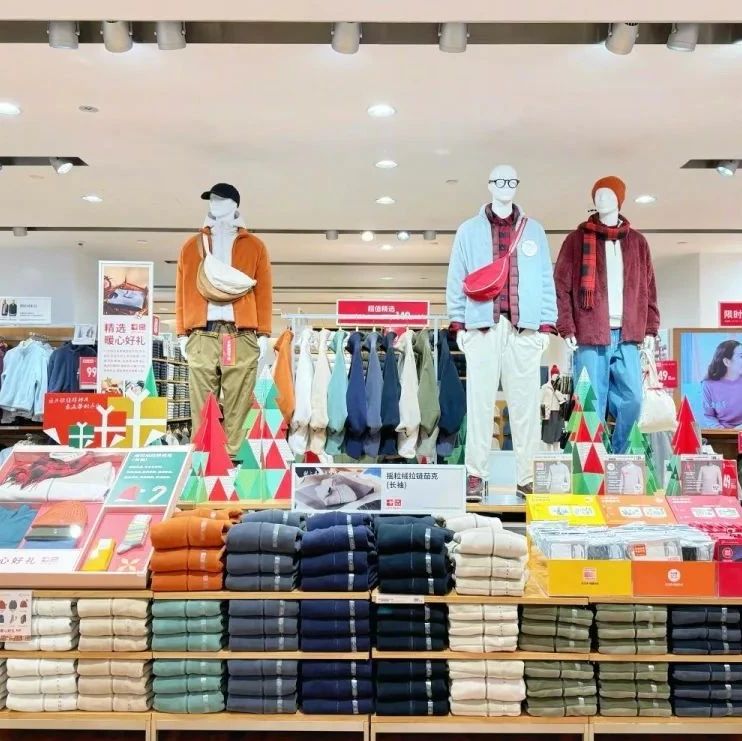
优衣库母公司上半财年营收增长12%,净赚超118亿元
Sou Hu Cai Jing· 2025-04-12 14:51
Core Insights - Fast Retailing, the parent company of UNIQLO, reported a 12% year-on-year revenue increase to 1,790.1 billion yen (approximately 90.9 billion RMB) for the first half of the fiscal year ending February 28, 2025, with a gross margin of 53.3% and a net profit increase of 19.2% to 233.6 billion yen (approximately 11.868 billion RMB) [1][3]. Group 1: Performance by Region - The Japan segment saw an 11.6% revenue increase to 541.5 billion yen (approximately 27.5 billion RMB), with operating profit rising 26.4% to 97.6 billion yen (approximately 4.9 billion RMB) and same-store sales increasing by 9.8% [3]. - The overseas segment experienced a 14.7% revenue increase to 1,014.1 billion yen (approximately 51.5 billion RMB), with operating profit growing 11.7% to 168.5 billion yen (approximately 8.5 billion RMB) [3]. Group 2: Performance in Greater China - In the Greater China region, revenue in mainland China decreased by approximately 4% year-on-year, with operating profit declining by about 11%, attributed to low consumer sentiment and significant temperature variations affecting product demand [5]. - The Hong Kong market recorded a decline in revenue and a significant drop in profit, while Taiwan saw increases in both revenue and profit [5]. - South Korea reported growth in both revenue and profit, while Southeast Asia, India, and Australia experienced substantial increases in both metrics [5]. Group 3: Other Business Segments - The GU segment reported a revenue increase of 3.9% to 165.8 billion yen (approximately 8.4 billion RMB) [5]. - The global brand segment, including Theory, recorded revenue of 67.7 billion yen (approximately 3.4 billion RMB), a year-on-year decrease of 2.3%, but achieved profitability with an operating profit of 0.9 billion yen (approximately 45.73 million RMB) [5].
FAST RETAIL(06288) - 2025 Q1 - 季度财报
2025-04-11 04:00
Financial Performance - Total revenue for the first half of the fiscal year 2025 reached ¥1,790.198 billion, representing a 12.0% increase year-over-year[8] - Operating profit for the same period was ¥304.217 billion, an 18.3% increase compared to the previous year[8] - Pre-tax profit increased by 21.5% to ¥363.724 billion, with net profit attributable to shareholders rising 19.2% to ¥233.566 billion[8] - Gross profit margin improved by 0.4 percentage points to 53.3%, while selling, general, and administrative expenses as a percentage of revenue decreased by 0.7 percentage points to 36.5%[8] - Same-store sales, including online stores, grew by 9.8% due to strong performance in seasonal products and increased purchases from inbound travelers[10] - UNIQLO's revenue accounted for 86.9% of total revenue, amounting to ¥1,555,701 million, while GU contributed ¥165,844 million, representing 9.3%[73] - Basic earnings per share improved from ¥638.79 to ¥761.38, indicating an increase of approximately 19%[48] Segment Performance - The Japanese UNIQLO segment reported revenue of ¥541.5 billion, an 11.6% increase, and operating profit of ¥97.6 billion, a 26.4% increase[10] - Overseas UNIQLO revenue for the first half of the fiscal year reached ¥1,014.1 billion, a year-on-year increase of 14.7%, with operating profit totaling ¥168.5 billion, up 11.7%[11] - The Greater China region saw a revenue decline of approximately 4% and an operating profit decrease of about 11% due to low consumer sentiment and mismatched product offerings[11] - Southeast Asia, India, and Australia recorded significant revenue and operating profit growth, driven by strong sales of summer and winter products[11] - GU's revenue for the first half of the fiscal year was ¥165.8 billion, a year-on-year increase of 3.9%, but operating profit decreased by 9.3% to ¥13.9 billion due to increased costs from flagship store openings and advertising[13] - The global brand segment reported revenue of ¥67.7 billion, a decrease of 2.3%, but achieved an operating profit of ¥0.9 billion, compared to a loss of ¥1.7 billion in the previous year[14] Sustainability Initiatives - The company continues to focus on sustainable development and the "LifeWear" concept in its production activities[9] - The company aims to reduce greenhouse gas emissions from stores and major offices by 90% by August 2030 compared to August 2019 levels[18] - As of August 2024, the company has reduced its greenhouse gas emissions by 83.3% compared to August 2019, with supply chain emissions down by 18.6%[18] - The introduction of the "RE.UNIQLO" initiative aims to promote a circular economy through clothing repair and customization services, expanding to 57 stores across 22 countries by February 2025[15] - The company has achieved an 84.7% adoption rate of renewable energy within its operations, up from 67.6% in the previous year[18] Cash Flow and Assets - The net cash generated from operating activities was ¥298.228 billion, while cash used in investing activities was ¥382.127 billion[5] - The total assets increased to ¥3,729.143 billion, with equity attributable to shareholders rising to ¥2,196.302 billion[5] - Operating cash flow for the six months ended February 28, 2025, generated a net cash of ¥2,982 billion, down from ¥3,223 billion in the same period last year[22] - Investment cash flow for the same period resulted in a net cash usage of ¥3,821 billion, significantly higher than ¥541 million in the previous year[23] - Financing cash flow for the six months ended February 28, 2025, showed a net cash usage of ¥1,502 billion, compared to ¥1,314 billion in the same period last year[24] Shareholder Information - The total number of issued shares as of February 28, 2025, was 318,220,968 shares[31] - The company has established a stock option plan allowing employees to purchase a total of 14,931 shares at an exercise price of ¥50,183[32] - The Master Trust Bank of Japan, Ltd. holds 62,559 thousand shares, representing 20.39% of the total issued shares[37] - The company holds 11,430,496 treasury shares, accounting for 3.59% of the total issued shares[43] - The total number of shares held by the top ten shareholders amounts to 236,390 thousand shares, which is 77.05% of the total issued shares[37] Financial Statements and Auditing - The financial statements have been prepared in accordance with international accounting standards and relevant financial regulations[45] - Deloitte Touche Tohmatsu LLC has reviewed the interim consolidated financial statements for the six-month period ending February 28, 2025[46] - Management is responsible for preparing the interim condensed consolidated financial statements in accordance with International Accounting Standard 34, ensuring fair representation and internal controls to prevent material misstatements due to fraud or error[93] - The auditor's responsibility includes reviewing the interim condensed consolidated financial statements and ensuring compliance with relevant auditing standards, with a focus on significant uncertainties that may affect the group's ability to continue as a going concern[95] - The overall presentation, structure, and content of the interim condensed consolidated financial statements must comply with International Accounting Standard 34, ensuring that disclosures are adequate and reflect relevant transactions and events[98]
FAST RETAIL(06288) - 2025 Q1 - 季度业绩
2025-04-10 08:31
Financial Performance - For the six months ended February 28, 2025, total revenue reached ¥1,790,198 million, representing a 12.0% increase year-over-year[5] - Operating profit for the same period was ¥304,217 million, reflecting an 18.3% year-over-year growth[5] - Profit before tax increased by 21.5% to ¥363,724 million, while net profit attributable to shareholders rose by 19.2% to ¥233,566 million[5] - UNIQLO Japan's revenue for the first half of the fiscal year reached ¥541.5 billion, a year-on-year increase of 11.6%, with operating profit totaling ¥97.6 billion, up 26.4%[14] - UNIQLO overseas revenue for the first half of the fiscal year was ¥1,014.1 billion, reflecting a 14.7% year-on-year growth, while operating profit was ¥168.5 billion, an increase of 11.7%[15] - The company forecasts total revenue for the fiscal year ending August 31, 2025, to be ¥3,400,000 million, with an expected operating profit of ¥545,000 million, indicating a 9.5% and 8.8% increase, respectively[8] - The net profit attributable to shareholders for the fiscal year ending August 31, 2025, is projected to be ¥410,000 million, a 10.2% increase[8] Assets and Liabilities - The total assets as of February 28, 2025, amounted to ¥3,729,143 million, with total equity of ¥2,258,711 million, resulting in an equity ratio of 58.9%[6] - As of February 28, 2025, total assets amounted to ¥3,729.1 billion, an increase of ¥141.5 billion from the previous fiscal year-end[25] - Total liabilities as of February 28, 2025, were ¥1,470.4 billion, a decrease of ¥48.8 billion compared to the previous fiscal year-end[25] - Total equity increased to ¥2,258.7 billion as of February 28, 2025, up by ¥190.4 billion from the previous fiscal year-end[26] Sustainability Initiatives - The group aims to reduce greenhouse gas emissions from stores and major offices by 90% by August 2030 compared to August 2019 levels, with a current reduction of 83.3% achieved[22] - The introduction of renewable energy within the group has reached 84.7%, up from 67.6% in the previous year, highlighting the commitment to sustainability[22] - The company plans to invest in human capital and sustainable business practices, aligning with its vision of becoming a "global first brand" trusted by customers[13] - The company will continue to promote its "LifeWear" concept, emphasizing quality, sustainability, and recyclability in its clothing production[13] - The group has expanded its "RE.UNIQLO" initiative, providing repair and customization services in 57 stores across 22 countries and regions by February 2025[20] Market Performance - Same-store sales in Japan increased by 9.8%, driven by strong performance in seasonal and warm clothing products, as well as purchases from inbound travelers[14] - In the Greater China region, revenue decreased by approximately 4% year-on-year, with operating profit declining by about 11%, attributed to low consumer sentiment and temperature discrepancies across regions[16] - UNIQLO's same-store sales in North America and Europe saw significant growth, supported by strong sales of winter products and successful new store openings[16] - GU's revenue for the first half of the fiscal year was ¥165.8 billion, a 3.9% year-on-year increase, but operating profit fell by 9.3% to ¥13.9 billion due to insufficient hot-selling items and increased advertising costs[18] - The global brand segment reported revenue of ¥67.7 billion, a decrease of 2.3%, but operating profit turned positive at ¥0.9 billion compared to a loss of ¥1.7 billion in the previous year[19] Cash Flow and Investments - Operating cash flow for the six months ended February 28, 2025, generated a net cash of ¥298.2 billion, compared to ¥322.3 billion for the same period last year[28] - Investment cash flow for the six months ended February 28, 2025, used a net cash of ¥382.1 billion, significantly higher than ¥5.41 billion for the same period last year[29] - Financing cash flow for the six months ended February 28, 2025, used a net cash of ¥150.2 billion, compared to ¥131.4 billion for the same period last year[30] - The company’s cash flow statement indicates a healthy cash flow position, supporting ongoing operations and potential investments in new technologies[42] Future Outlook - The company plans to enhance its global brand presence and diversify revenue streams, particularly focusing on the overseas UNIQLO business segment[13] - The company plans to continue expanding its market presence and investing in new product development to drive future growth[41] - The company plans to continue expanding its market presence in Greater China and Southeast Asia, focusing on enhancing brand visibility and customer engagement[57] - The company is actively investing in new product development and technology to drive future growth and improve operational efficiency[57]
优衣库想去欧美复制「下一个中国」
36氪· 2025-03-06 10:31
Core Viewpoint - Uniqlo's strategy in Europe is shifting towards local cultural integration, contrasting with its previous approach in China, where it focused on transplanting Japanese style. The company aims to establish a strong presence in the European market after experiencing a slowdown in growth in China [4][5]. Group 1: Market Strategy - Uniqlo is collaborating with local artists in Europe to create a positive brand image and is opening flagship stores in prime locations to gain respect from local consumers [4][8]. - The company has significantly increased its investment in the European and North American markets, with overseas operations contributing approximately 20% to Fast Retailing's revenue, a figure that continues to grow [4][8]. - Uniqlo's previous attempts to enter the European market were met with challenges, including management issues and a lack of consumer acceptance, leading to a strategic retreat and a more cautious approach in recent years [9][10]. Group 2: Financial Performance - The latest financial reports indicate that overseas business, particularly in Europe and North America, has driven growth for Uniqlo, with expectations of a 76% increase in capital investment for overseas operations by the fiscal year 2025 [8][11]. - E-commerce has become a significant revenue driver for Uniqlo in Europe, with its share of total sales increasing from 20% in fiscal year 2019 to 30% in fiscal year 2021, aided by a shift in consumer behavior during the pandemic [11][12]. Group 3: Competitive Landscape - Uniqlo faces competition from local fast-fashion brands in Europe and North America, where consumer preferences vary significantly. The brand is perceived as a more durable alternative to competitors like H&M and Zara, with lower price points for essential items [10][12]. - The company is also expanding its physical presence in the U.S., with plans to open 200 stores by 2027, leveraging e-commerce data to identify optimal locations [15][18]. Group 4: Challenges and Risks - Uniqlo's reliance on Chinese manufacturing poses risks, especially with potential tariff increases and geopolitical tensions affecting supply chains. The company has a significant number of its production facilities in China, which could impact pricing strategies if tariffs rise [18][19]. - The brand's commitment to maintaining its manufacturing base in China, despite rising costs and geopolitical pressures, reflects a long-term strategy that may face challenges as it expands in Western markets [18][19].