FAST RETAIL-DRS(FRCOY)

Search documents
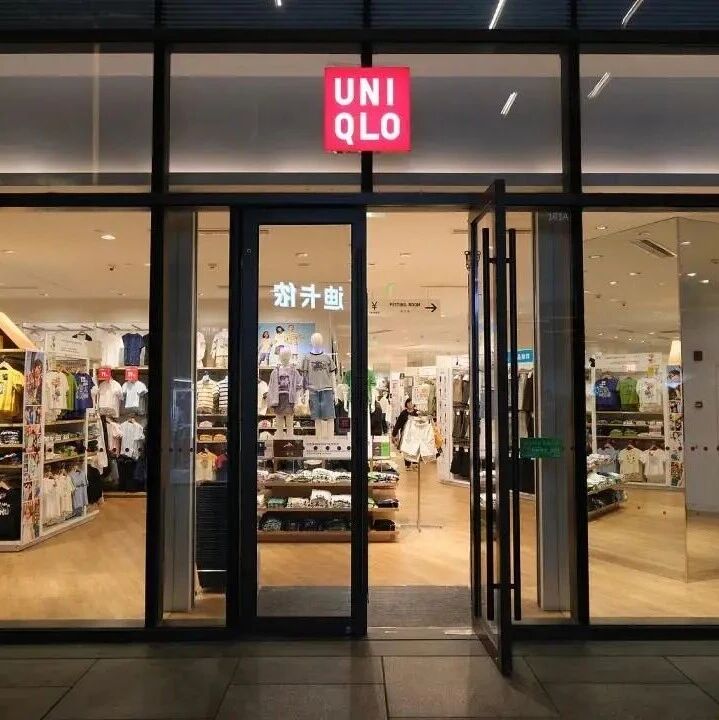
优衣库再被曝“偷拍”消费者,曾因隐私权纠纷被起诉
Xin Lang Cai Jing· 2025-12-23 02:32
Group 1 - Recent consumer complaints on social media indicate that some shoppers at Uniqlo felt they were treated as thieves, leading to significant public attention [1] - Interviews with former and current employees confirmed that certain Uniqlo stores engaged in "surveillance" of suspicious customers, with directives reportedly coming from regional managers [1] - Previous incidents of surveillance at Uniqlo include a 2024 case in Tokyo and a 2019 incident in Shenzhen involving hidden cameras, although investigations indicated that the latter was not conducted by store employees [1] Group 2 - Uniqlo was established in 1984 and entered the Chinese market in 2002, opening its first store in Shanghai [2] - The operating entity in China, Fast Retailing (China) Commercial Co., Ltd., was registered in 2006 with a capital of 20 million USD and is wholly owned by Fast Retailing Co., Ltd. [2] - The Greater China region is Uniqlo's largest overseas market, with projected revenue for the fiscal year 2025 expected to account for approximately 19% of the group's total revenue, although revenue in this region is forecasted to decline by 4% year-on-year [2]

FAST RETAIL-DRS(06288.HK)拟2026年1月8日举行董事会会议批准季度业绩
Ge Long Hui· 2025-12-22 08:41
Group 1 - The company FAST RETAIL-DRS (06288.HK) announced a board meeting scheduled for January 8, 2026, at 9 AM Japan time / 8 AM Hong Kong time [1] - The purpose of the board meeting is to consider and approve the group's quarterly performance for the three months ending November 30, 2025 [1]
FAST RETAIL(06288) - 董事会会议召开日期
2025-12-22 08:31
香港交易及結算所有限公司及香港聯合交易所有限公司對本公告的內容概不負責,對其準確性或完整性亦 不發表任何聲明,並明確表示概不就因本公告全部或任何部分內容而產生或因倚賴該等內容而引致的任何 損失承擔任何責任。 承董事會命 迅銷有限公司 佘綺雯 公司秘書 日本,二零二五年十二月二十二日 於本公告日期,我們的執行董事為柳井正,岡﨑健,柳井一海,柳井康治及塚越大介,以及我們的獨 立非執行董事為新宅正明,大野直竹,Koll Kathy Mitsuko (也被稱為 Kathy 松井),車戶 城二,京谷裕及 國部毅。 FAST RETAILING CO., LTD. 迅銷有限公司 (於日本註冊成立的有限公司) (股份代號:6288) 董事會會議召開日期 迅銷有限公司 (「本公司」,連同其附屬公司(統稱「本集團」) )董事會(「董事會」)兹通告謹定於 二零二六年一月八日(星期四)上午九時(日本時間) / 上午八時(香港時間)舉行董事會會議,藉以 (其 中包括)考慮及通過本集團截至二零二五年十一月三十日止三個月的季度業績。 ...
高盛:升FAST RETAIL-DRS(06288)经营利润预测 日本同店销售增长强劲
智通财经网· 2025-12-22 06:40
Core Viewpoint - Goldman Sachs has raised the operating profit forecasts for FAST RETAIL-DRS (06288) for the fiscal years 2026 to 2028 by 2%, 1%, and 1% respectively, reflecting strong domestic sales momentum in Japan, with same-store sales increasing by 11% and overall sales up by 12.1% from September to November [1] Group 1: Financial Projections - The expected operating profit for the first quarter of fiscal year 2026 is projected to be 184 billion yen, representing a year-on-year increase of 17% [1] - The target price for Fast Retailing's stock (9983.JP) has been raised to 60,000 yen, maintaining a "Buy" rating [1] Group 2: Market Performance - The forecast includes factors such as the bottoming out of performance in mainland China and the impact of U.S. tariffs, with expected sales and operating profit in the Chinese market increasing by 2% and 5% respectively [1] - In North America, despite tariff impacts, improvements in operating profit margins are anticipated due to price adjustments, discount control, and enhanced labor efficiency, particularly in the second half of the fiscal year 2026 [1] Group 3: Japan Market Insights - The weakening of the yen is expected to reduce price increases for Uniqlo in Japan, with the projected overall operating profit margin for fiscal year 2026 estimated at 16.9%, an improvement of 0.3 percentage points year-on-year [1]
高盛:升FAST RETAIL-DRS经营利润预测 日本同店销售增长强劲
Zhi Tong Cai Jing· 2025-12-22 06:37
Group 1 - Goldman Sachs has raised the operating profit forecasts for FAST RETAIL-DRS (06288) for the fiscal years 2026 to 2028 by 2%, 1%, and 1% respectively, reflecting strong domestic sales momentum in Japan as of November [1] - From September to November, same-store sales in Japan increased by 11%, while overall sales grew by 12.1% year-on-year [1] - The company expects the consolidated operating profit for the first quarter of fiscal year 2026 to be 184 billion yen, representing a year-on-year growth of 17% [1] Group 2 - Goldman Sachs has raised the target price for Fast Retailing's stock (9983.JP) to 60,000 yen and maintains a "Buy" rating [1] - The forecast includes factors such as the bottoming out of performance in mainland China and the impact of U.S. tariffs, with expected sales and operating profit in the Chinese market increasing by 2% and 5% respectively [1] - In North America, despite tariff impacts, the company is expected to improve its operating profit margin in fiscal year 2026 through price adjustments, discount control, and enhanced labor efficiency, particularly in the second half of the fiscal year [1] Group 3 - In Japan, due to the weakening yen leading to reduced price increases for Uniqlo, the consolidated operating profit margin for fiscal year 2026 is forecasted to be 16.9%, an improvement of 0.3 percentage points year-on-year [1]
大行评级丨高盛:上调迅销日股目标价 上调2026至28财年经营利润预测
Ge Long Hui· 2025-12-22 03:25
Core Viewpoint - Goldman Sachs has raised its operating profit forecasts for Fast Retailing for the fiscal years 2026 to 2028 by 2%, 1%, and 1% respectively, reflecting strong domestic sales momentum in Japan as of November [1] Group 1 - Same-store sales from September to November increased by 11% year-on-year [1] - Overall sales grew by 12.1% year-on-year [1] - Goldman Sachs expects the company's consolidated operating profit for the first quarter of fiscal year 2026 to be 184 billion yen, representing a 17% year-on-year increase [1] Group 2 - The target stock price for Fast Retailing has been raised to 60,000 yen [1] - Goldman Sachs maintains a "Buy" rating for the stock [1]
优衣库部分门店被指“偷拍”消费者:难解的防盗困境与被异化的手段
凤凰网财经· 2025-12-20 13:04
以下文章来源于九派财经 ,作者王芊蔚 夏雯琪 九派财经 . 九派新闻九派财经官方账号 提到优衣库,大部分人会想到,其自由的购物氛围。没有导购跟随推销,把商品尽可能摆在眼前; 陈列遵循精确规则,从店外到店内由浅至深渐变排列,同款叠装按尺寸由小到大从上至下摆放 ,方 便顾客马上找到想要的商品和尺码;还会提供自由使用的梯子和杆子,供顾客自取在高处的商品; 到了付款环节,收银员也会被要求在一分钟内完成结账。 这都是为了尽可能少地让顾客在消费过程中接触店员。 以上一切,根源于创始人柳井正提出的一套"始终站在顾客立场"方法论。但是,一些人在优衣库门 店闲逛时,开始察觉到一种"被防备"的感觉。 它可能来自店员若有若无的盯梢,无论走到哪个货架,不远处总有人在刻意整理衣服,明明商品的 摆放已足够齐;也可能是店员似是而非的提醒,提高语调的"欢迎光临",比起招呼,更像是定位, 伴随着与对讲机的低语;还有人察觉到,进入优衣库后,安保人士的巡回步子都紧迫起来。 以上并非某些消费者的错 觉, 九派财经通过采访优衣库多位不同区域的已离职和在职员工,证实此 前在部分优衣库门店,确实存在"偷拍"可疑顾客的行为。他们中有人曾在优衣库工作6年。并 ...

FAST RETAIL(06288) - 海外监管公告
2025-12-19 04:01
香港交易及結算所有限公司及香港聯合交易所有限公司對本公告的內容概不負責,對其準確性或完整性亦 不發表任何聲明,並明確表示概不就因本公告全部或任何部分內容而產生或因倚賴該等內容而引致的任何 損失承擔任何責任。 迅銷有限公司 (於日本註冊成立的有限公司) (股份代號:6288) 海外監管公告 本海外監管公告由迅銷有限公司 (「本公司」) 根據香港聯合交易所證券上市規則第 13.10B 條之規 定作出。 請參閱隨附的本公司於今天在東京證券交易所網頁刊登的《有關發行以股份為基礎報酬購股權 (股份認購權)》的通告。 承董事會命 迅銷有限公司 佘綺雯 公司秘書 FAST RETAILING CO., LTD. 迅銷有限公司 (「本公司」,連同其附屬公司,統稱「本集團」) 有關發行以股份為基礎報酬購股權(股份認購權)的通告 本公司於今天落實有關於 2025 年 11 月 27 日舉行的本公司股東大會和董事會會議上議決發行 以股份為基礎報酬購股權(股份認購權)的待定詳情,並謹此宣佈如下。 日本,二零二五年十二月十九日 於本公告日期,我們的執行董事為柳井正、岡﨑健、柳井一海、柳井康治及塚越大介,以及我們 的獨立非執行董事為新宅 ...
快时尚2025: 更“高”,更“快”,更“强”
3 6 Ke· 2025-12-18 03:26
Core Insights - The fast fashion industry has undergone significant changes over the past year, presenting numerous opportunities for growth and transformation [1][2][4] Group 1: Industry Trends - The fast fashion industry is shifting towards higher-end markets, with brands like Uniqlo and H&M adapting their strategies to capture this growth [2][4] - There is an acceleration in trend adaptation and brand management strategies, driven by rapid changes in consumer preferences [2] - The integration of AI technology is becoming a key driver for industry development, enhancing efficiency in design, marketing, and operations [2][36] Group 2: Company Performance - Major brands like Uniqlo's parent company Fast Retailing reported revenue and profit growth, with a 9.6% increase in total revenue to 3,400.5 billion yen and a 16.4% rise in net profit to 433.009 billion yen for the fiscal year ending August 2026 [4][6] - H&M's operating profit for the third quarter of fiscal year 2025 increased by 40% to 4.914 billion Swedish Krona, while Inditex, the parent company of Zara, also saw slight revenue and profit growth [4][6] Group 3: Market Challenges - Despite the recovery of major brands, the Chinese market presents challenges, with Uniqlo's revenue in the Greater China region declining by 4% to 650.2 billion yen, marking it as the only overseas market with negative growth [6][10] - Brands are actively reforming their strategies in China, focusing on enhancing store experiences and localizing product offerings to better cater to consumer preferences [8][10] Group 4: Competitive Landscape - Foreign brands are adopting a defensive strategy, closing underperforming stores, with Uniqlo closing 24 stores in China and Zara reducing its presence significantly [12][14] - In contrast, local brands are expanding internationally, with companies like UR entering markets in New York and London, and Semir increasing its overseas revenue by 79.19% to 52.08 million yuan [14][16] Group 5: Brand Strategies - Fast fashion brands are focusing on larger, more experiential stores, with new openings featuring advanced technology and enhanced customer experiences [27][29] - Brands are also increasing prices and collaborating with high-profile designers to elevate their market positioning and appeal to higher-end consumers [30][31] Group 6: AI Integration - AI is being integrated across various aspects of fast fashion, from design to logistics, with brands like SHEIN utilizing AI for trend forecasting and product design, significantly reducing time to market [36][38] - The use of AI in marketing is also on the rise, with companies like H&M employing digital models to cut production costs and streamline marketing efforts [36][38]


日本股市没想到过去10年回报还行
集思录· 2025-12-14 14:17
Core Viewpoint - The article discusses the performance of the Japanese stock market and its relationship with the country's economic growth, highlighting the disparity between stock market returns and GDP growth rates [2][3]. Group 1: Japanese Stock Market Performance - The annualized return of the Japanese stock market over the past 10 years is approximately 7.8% [2]. - Major companies mentioned include Toyota with a market cap of over 2 trillion RMB and a PE ratio of 8.67, Fast Retailing with a market cap of 800 billion RMB and a PE of 39, and others like SoftBank, Mitsubishi, Sony, Hitachi, and Nintendo [2]. - The article notes that the performance of the stock market may not directly correlate with domestic economic growth, as many large companies operate internationally [6][11]. Group 2: Economic Growth Data - Japan's GDP growth rates from 2020 to 2023 show fluctuations: -4.3% in 2020, +2.1% in 2021, +1.0% in 2022, and +1.9% in 2023 [2]. - IMF forecasts for 2024 and 2025 predict GDP growth rates of 0.7% and 0.5%, respectively, citing factors like insufficient domestic demand and an aging population [2][4]. Group 3: Global Economic Context - Japan's share of the global GDP has significantly decreased from 17.7% in 1995 to an estimated 3.6% in 2024, indicating a substantial decline in its economic influence [3][4]. - The article suggests that the stock market's performance may not be a reliable indicator of the overall economy, as evidenced by the contrasting trends in GDP and stock market returns [3][10]. Group 4: Investment Strategies - The article mentions that the Bank of Japan has been actively buying Japanese stocks for over 15 years, contributing to market liquidity [12]. - Notable investors like Warren Buffett have shown interest in Japanese companies, focusing on valuation, fundamentals, and shareholder return mechanisms [7].