GM(GM)

Search documents
Goldman Sachs is Bullish on General Motors Company (GM)
Insider Monkey· 2026-01-22 08:28
Core Insights - Artificial intelligence (AI) is identified as the greatest investment opportunity of the current era, with a strong emphasis on the urgency to invest now [1][13] - The energy demands of AI technologies are significant, with data centers consuming as much energy as small cities, leading to concerns about power grid capacity and rising electricity prices [2][3] Investment Opportunity - A specific company is highlighted as a critical player in the AI energy sector, owning essential energy infrastructure assets that are poised to benefit from the increasing energy demands of AI [3][7] - This company is not a chipmaker or cloud platform but is positioned as a "toll booth" operator in the AI energy boom, collecting fees from energy exports and benefiting from the onshoring trend driven by tariffs [5][6] Financial Position - The company is noted for being debt-free and holding a significant cash reserve, amounting to nearly one-third of its market capitalization, which provides a strong financial foundation [8] - It also has a substantial equity stake in another AI-related company, offering investors indirect exposure to multiple growth opportunities without the associated premium costs [9][10] Market Trends - The article discusses the broader trends of AI, energy, tariffs, and onshoring, indicating that this company is well-positioned to capitalize on these interconnected developments [6][14] - The influx of talent into the AI sector is expected to drive continuous innovation and advancements, reinforcing the importance of investing in AI-related companies [12] Future Outlook - The potential for significant returns is emphasized, with projections suggesting a possible 100% return within 12 to 24 months for investors who act quickly [15][19] - The company is described as undervalued, trading at less than seven times earnings, which presents a compelling investment opportunity in the context of the AI and energy sectors [10][11]


GM vs. RACE: Which Auto-Manufacturer Stock Is the Better Buy Now?
ZACKS· 2026-01-21 17:06
Core Insights - General Motors (GM) has significantly outperformed Ferrari in the stock market over the past six months, with GM shares rising 59.2% while Ferrari's shares have dropped 32.8% [4] - GM's strategy focuses on a diverse range of vehicles catering to various consumer needs, while Ferrari specializes in high-end, exclusive sports cars [3] General Motors Overview - In Q3 2025, GM reported net revenues of $48.59 billion, a slight decrease from $48.76 billion in the same quarter of the previous year, but maintained a 17% market share in the U.S., up 50 basis points year-over-year [8] - GM's vehicle sales in China increased by 2.3% year-over-year in Q4, marking the third consecutive quarter of growth, with strong performance in NEV and BEV sales for 11 straight quarters [10] - The company generated $2 billion in software revenues in the first nine months of 2025, with deferred revenues rising 90% year-over-year and a growing subscriber base for its software services [11] - The Zacks Consensus Estimate for GM's 2026 EPS indicates a year-over-year growth of 15%, with recent improvements in EPS estimates for both 2025 and 2026 [12] Ferrari Overview - Ferrari reported net revenues of $2.06 billion in Q3 2025, a 14.2% increase from the same quarter in 2024, but faced a decline in shipments in key markets like Mainland China and the Americas [13][14] - The company has adjusted its long-term revenue target to approximately €9 billion ($10.4 billion) by 2030, with a reduced expectation that fully electric models will only make up 20% of its portfolio [15] - Ferrari's brand may not align with the evolving preferences of luxury car buyers in China, particularly younger consumers who prioritize advanced technology and sustainability [14] Valuation Comparison - GM is currently trading at a more attractive EV/EBITDA multiple compared to Ferrari, indicating a more reasonable pricing relative to its earnings before interest, taxes, depreciation, and amortization [16] Conclusion - GM is better positioned than Ferrari due to its broader scale, stronger growth momentum, and alignment with industry trends, while Ferrari faces challenges such as slowing growth and limited exposure to electric vehicles [17][18]


Truck Wars King Crowned: General Motors or Ford Motor Company?
Yahoo Finance· 2026-01-21 11:11
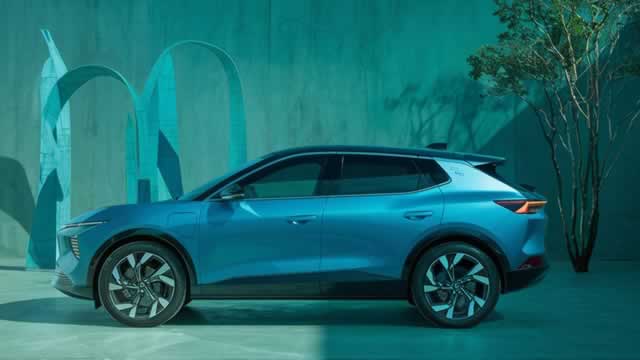
Core Insights - The rivalry between General Motors and Ford Motor Company is highlighted, particularly in the profitable full-size truck segment, where both companies claim leadership through different metrics [2][4]. Sales Performance - Ford outperformed the industry for the 10th consecutive month in December 2025, achieving its best fourth quarter and annual sales performance since 2019 [4]. - General Motors led the U.S. auto industry in total sales for 2025, reporting a 6% increase in sales across its brands, with GMC and Cadillac achieving record sales [5]. Truck Sales Comparison - General Motors is recognized as the full-size pickup leader for the sixth consecutive year, with Chevrolet Silverado and GMC Sierra achieving their best combined sales in 20 years [7]. - Ford's F-Series sold 828,832 trucks in 2025, marking an 8.3% increase and outselling its nearest competitor by nearly 250,000 trucks [7]. - When combining the sales of General Motors' Silverado and Sierra, the total reaches 944,927 trucks, surpassing Ford's F-Series sales [9].

2025全球汽车行业十大年度事件 | 精进2025——汽车行业10个十大年度盘点(十)
Jing Ji Guan Cha Wang· 2026-01-21 08:25
Core Insights - The automotive industry in 2025 has experienced significant changes driven by a combination of policies and market dynamics, leading to a complex environment characterized by both opportunities and challenges [2][4]. Group 1: Policy Changes - The global automotive industry faced a "tariff storm" initiated by the U.S. imposing a 25% tariff on imported cars and parts, which triggered retaliatory measures from Canada and Mexico, significantly impacting operational costs for companies like Audi and Ford [5][6]. - The EU's proposal to adjust its 2035 ban on new combustion engine vehicles reflects a shift in climate policy, allowing for a 90% reduction in CO2 emissions instead of a complete ban, driven by market realities and competitive pressures [8][9]. - The U.S. energy strategy underwent a major reversal with the signing of the "Big and Beautiful" act, which eliminated several green energy incentives and relaxed fuel economy standards, leading to a slowdown in electric vehicle investments by companies like GM and Ford [12][13]. Group 2: Industry Dynamics - The European automotive sector faced a wave of factory closures, including Audi and Volkswagen, as companies struggled with high costs and declining demand, prompting significant restructuring efforts [10][11]. - The introduction of a new electric vehicle subsidy program in Germany aims to stimulate domestic demand and protect local manufacturers amid declining sales and increased competition from foreign brands [17][18]. - The failure of the Honda-Nissan merger led Nissan to initiate a global restructuring plan, highlighting the financial pressures faced by Japanese automakers in the evolving market landscape [19]. Group 3: Strategic Collaborations - Ford and Renault announced a strategic partnership to develop affordable electric vehicles in Europe, reflecting a collaborative approach to address the challenges posed by the electric vehicle market and competition from Chinese brands [20][21]. Group 4: Resource and Technology Trends - China's export controls on rare earth materials have intensified the global competition for resources essential for electric vehicle production, prompting the U.S. and EU to accelerate their own supply chain strategies [15][16]. - The hydrogen fuel technology sector is experiencing a slowdown, with major manufacturers like Stellantis and GM halting their hydrogen projects due to high costs and inadequate infrastructure, indicating a shift in focus towards electric vehicles [22][23][24].


What the Options Market Tells Us About General Motors - General Motors (NYSE:GM)
Benzinga· 2026-01-20 17:00
Whales with a lot of money to spend have taken a noticeably bearish stance on General Motors.Looking at options history for General Motors (NYSE:GM) we detected 17 trades.If we consider the specifics of each trade, it is accurate to state that 35% of the investors opened trades with bullish expectations and 52% with bearish.From the overall spotted trades, 13 are puts, for a total amount of $645,722 and 4, calls, for a total amount of $430,416.Projected Price TargetsAfter evaluating the trading volumes and ...

L87 Engine Failures Keep GM Under Regulatory and Cost Pressure
ZACKS· 2026-01-20 14:36
Core Insights - General Motors (GM) is experiencing significant issues with its L87 6.2L V8 engine, which has led to federal safety regulators and vehicle owners raising concerns about engine failures even after a recall fix [1][10] Recall Details - In April 2025, GM recalled approximately 721,000 vehicles globally due to engine issues, with nearly 600,000 of these vehicles in the U.S. equipped with the problematic L87 engine [2] - The recall aimed to address serious internal issues, including manufacturing defects in connecting rods and crankshafts that could lead to engine seizure [3] - The remedy involved a two-step process where technicians inspected the engine and replaced it if damaged, or drained and refilled the oil with thicker 0W-40 oil if no damage was found [4] Ongoing Issues - As of January 2026, 36 vehicle owners reported engine failures despite having their vehicles inspected and fixed under the recall [5] - The National Highway Traffic Safety Administration (NHTSA) has opened a recall query (RQ26001) to investigate the adequacy of the previous solution and assess reports of sudden engine failures [6][7] Legal and Regulatory Pressure - A class-action lawsuit has been filed against GM, claiming that the recall caused confusion and that the fix may not be sufficient to prevent future problems [7] - The ongoing failures of the L87 engine have raised serious questions about the effectiveness of GM's remedy, increasing pressure on the company to provide a permanent solution [7] Competitive Context - Rivian Automotive is recalling 19,641 R1 vehicles for a rear suspension issue, while Ford has recalled over 272,000 hybrid and EVs due to a software issue affecting the Integrated Parking Module [8][9] Stock Performance - GM shares have increased by 51.9% over the past six months, outperforming the industry growth of 33.6% [13] - GM currently trades at a forward price-to-sales ratio of 0.41X, which is lower than both the industry average and its own five-year average, and holds a Value Score of A [14]
General Motors Ended 2025 With a Strong Statement for Investors
Yahoo Finance· 2026-01-20 12:25
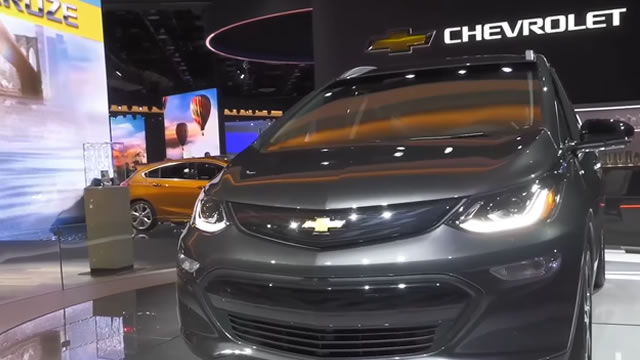
Industry Overview - The automotive industry faced significant challenges in 2025, including a transition to electric vehicles (EVs) hindered by changing trade policies, tariffs, and the expiration of the $7,500 federal EV tax credit [1] - Advanced Chinese competitors are increasingly entering the global market, posing a threat to U.S. manufacturers [1] General Motors Performance - General Motors (GM) reported a strong fourth-quarter sales figure, indicating resilience and a solid market presence [2] - GM led the U.S. auto industry in sales for 2025, achieving a 6% increase in sales for the full year despite industry challenges [4] - GM maintained its position as the U.S. leader in full-size pickups for the sixth consecutive year, with the Chevrolet Silverado and GMC Sierra achieving their best combined sales in 20 years [5] Brand Performance and Market Position - All four GM brands experienced sales growth in 2025, with GMC setting a new sales record for the second year in a row and Cadillac reporting its best sales in a decade [6] - GM has been the leader in the full-size SUV market for 51 consecutive years and is the second-best-selling EV brand, following Tesla [6] Sales Strategy and Consumer Trends - GM sold nearly 700,000 Chevrolet and Buick models priced below $30,000, which is significant for attracting first-time consumers and ensuring long-term brand loyalty [7] - The focus on more affordable models is crucial as vehicle prices remain high, making affordability a key factor for automakers [8]
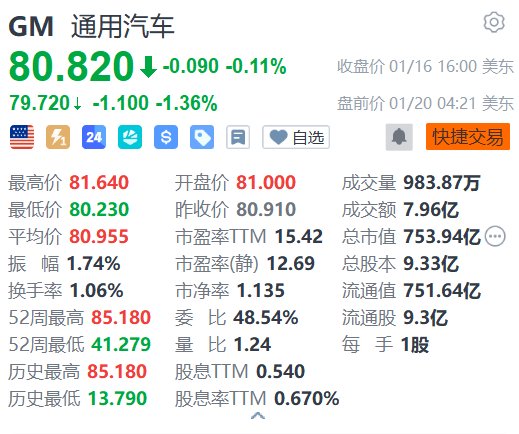
美股异动丨通用汽车盘前跌逾1% NHTSA就发动机故障问题对其约60万辆车展开调查
Ge Long Hui· 2026-01-20 09:35
| GM 通用汽车 | | 03 | | --- | --- | --- | | 80.820 + -0.090 -0.11% | | 收盘价 01/16 16:00 美东 | | 79.720 + -1.100 -1.36% | | 盘前价 01/20 04:21 美东 | | 一 2 24 4 3 8 9 同 ♥ 的 2 | | ● 快捷交易 | | 最高价 81.640 | 开盘价 81.000 | 成交量 983.87万 | | 最低价 80.230 | 昨收价 80.910 | 成交额 7.96亿 | | 平均价 80.955 | 市盈率TTM 15.42 总市值 753.94亿 (--) | | | 振 幅 1.74% | 市盈率(静) 12.69 | 总股本 9.33亿 | | 换手率 1.06% | 市净率 1.135 | 流通值 751.64亿 | | 52周最高 85.180 | 委 比 48.54% | 流通股 9.3亿 | | 52周最低 41.279 | 量 比 1.24 | 每 手 1股 | | 历史最高 85.180 | 股息TTM 0.540 | | | 历史景低 13.790 ...
NHTSA Probes Nearly 600,000 GM Vehicles Over Engine Failure Complaints - General Motors (NYSE:GM)
Benzinga· 2026-01-20 08:23
Group 1 - The National Highway Traffic Safety Administration (NHTSA) has initiated a probe into nearly 600,000 General Motors Co. vehicles due to reports of engine failures [1] - The investigation focuses on the L87 6.2L V8 engines, affecting models such as the 2021-2024 Cadillac Escalade, Chevrolet Silverado, Suburban, Tahoe, GMC Sierra 1500, Yukon, and Yukon XL [2] - The NHTSA's Office of Defects Investigation (ODI) received 36 Vehicle Owner Questionnaires alleging engine damage or failure following a recall last year [3] Group 2 - General Motors has relocated to a new headquarters in Detroit, which is significantly smaller in square footage compared to the previous headquarters, the "Renaissance Center" [4] - CEO Mary Barra has reaffirmed GM's commitment to electric vehicles (EVs), describing them as the company's "North Star," despite recent layoffs of over 3,400 workers across multiple EV production facilities [5] - GM's stock price increased by 0.02% to $80.84 during after-hours trading on January 16 [6]