
别克世家

Search documents
保时捷三季度亏损近10亿欧元,沃尔沃股价暴涨41%,车企密集发布三季报:谁在 “阵痛”?谁在 “狂欢”?
3 6 Ke· 2025-10-29 12:10
Core Insights - The global automotive industry is experiencing a significant market divide, with multinational companies facing contrasting financial results in Q3 2025. Porsche reported a surprising loss of nearly €1 billion, while General Motors and Volvo achieved strong profits due to local innovations and cost management [1][2][4][5]. Group 1: Multinational Companies Performance - Porsche's Q3 financial report revealed an operating income of approximately €26.86 billion, a 6% year-over-year decline, and a Q3 loss of €966 million. Its sales profit for the first three quarters was only €4 million, down 99% from €4.035 billion in the same period last year [4][5]. - General Motors achieved a net income of $48.6 billion in Q3, with a net profit of $1.3 billion and an adjusted EBIT of $3.4 billion, reflecting a 6.9% adjusted EBIT margin. The company has raised its full-year profit forecast to a range of $7.7 billion to $8.3 billion [5]. - Volvo's Q3 revenue was 86.4 billion Swedish Krona, with an operating profit of 6.4 billion Swedish Krona, exceeding analyst expectations. The net profit reached 5.195 billion Swedish Krona, up from 4.21 billion Swedish Krona year-over-year, and the stock price surged by 41% following the report [5][7]. Group 2: Domestic Companies Challenges - Domestic automotive companies are facing a "revenue growth without profit" dilemma, with rising sales costs impacting profitability. For instance, GAC Group reported a total revenue of 24.318 billion Yuan in Q3, while Great Wall Motors achieved a record revenue of 61.247 billion Yuan, a year-over-year increase of 20.51% [8][9]. - Changan Automobile reported a Q3 revenue of 42.236 billion Yuan, a 23.36% year-over-year increase, with a net profit of 0.764 billion Yuan, up 2.13% [8]. - BAIC Blue Valley continues to struggle with declining revenue, reporting a Q3 revenue of 5.867 billion Yuan, down 3.45%, and a net loss of 1.118 billion Yuan [8][9]. - The overall profit margin for the domestic automotive industry was reported at 4.5%, lower than the average of 6% for downstream industrial enterprises, indicating ongoing profitability challenges [11].


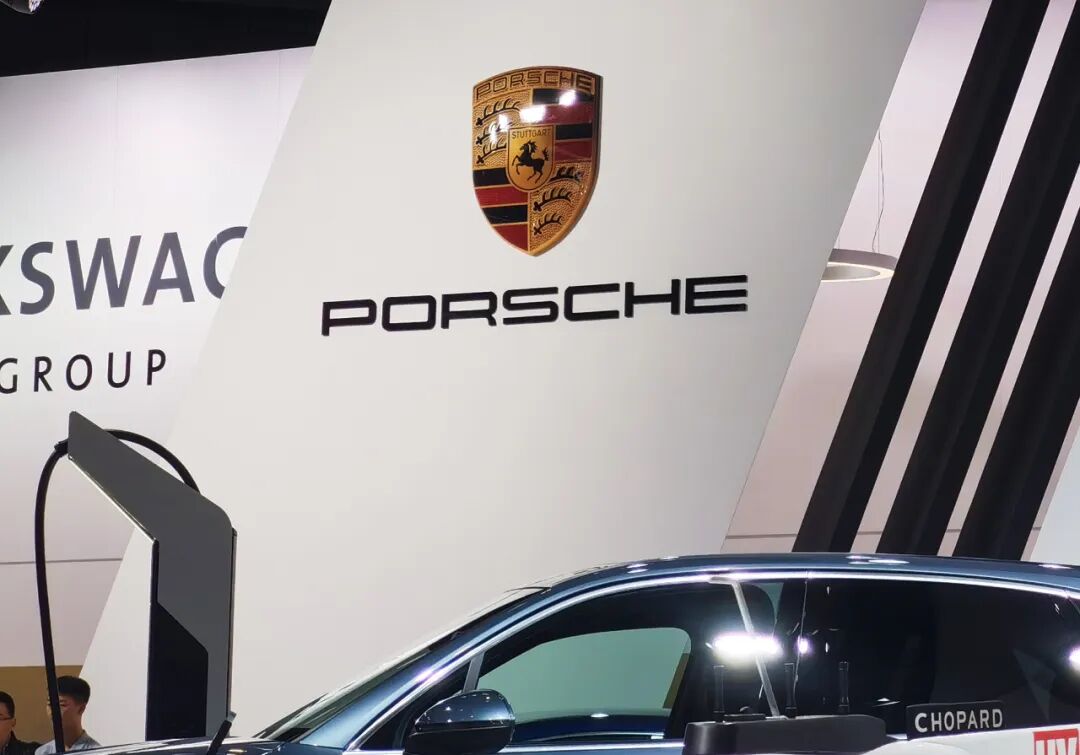
保时捷三季度亏损近10亿欧元 沃尔沃股价暴涨41%!车企密集发布三季报:谁在“渡劫”?谁在“狂欢”?
Mei Ri Jing Ji Xin Wen· 2025-10-29 10:17
Group 1: Core Insights - The automotive industry is experiencing a significant market divide, with multinational companies facing contrasting financial results in Q3 2025 [2][3] - Porsche reported an unexpected loss of nearly €1 billion in Q3, with a 99% drop in sales profit for the first three quarters compared to the previous year [3] - General Motors has achieved profitability in China for four consecutive quarters, with Q3 net income of $4.86 billion and a net profit of $1.3 billion [3][4] Group 2: Company Performance - Porsche's revenue for the first three quarters was approximately €26.86 billion, a 6% year-on-year decline, with Q3 losses attributed to product strategy adjustments and increased costs [3] - General Motors has raised its full-year profit forecast to a range of $7.7 billion to $8.3 billion, with adjusted EBIT expected between $12 billion and $13 billion [4] - Volvo's Q3 revenue was 86.4 billion Swedish Krona, with a net profit of 5.195 billion Swedish Krona, exceeding analyst expectations [4][5] Group 3: Domestic Market Challenges - Domestic automakers are facing a "revenue growth without profit" dilemma, with rising sales expenses impacting profitability [6][7] - GAC Group reported a Q3 revenue of 24.318 billion Yuan, while Great Wall Motors achieved a record Q3 revenue of 61.247 billion Yuan, a 20.51% year-on-year increase [6] - BAIC Blue Valley continues to struggle with declining revenue, reporting a Q3 revenue of 5.867 billion Yuan, a 3.45% year-on-year decrease [6][7] Group 4: Industry Trends - The domestic automotive industry's profit margin stands at 4.5%, lower than the average of 6% for downstream industrial enterprises [9] - The ongoing competitive landscape is leading to increased sales expenses across domestic automakers, which is affecting profit margins [7][9] - The trend of "anti-involution" efforts is showing some positive effects on improving industry profitability [9]




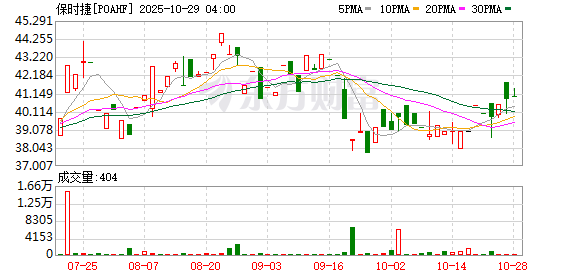
保时捷三季度亏损近10亿欧元,沃尔沃股价暴涨41%!车企密集发布三季报:谁在“渡劫”?谁在“狂欢”?
Mei Ri Jing Ji Xin Wen· 2025-10-29 10:04
Group 1: Performance of Multinational Automakers - Porsche reported a surprising loss of nearly 1 billion euros in Q3, with a 99% drop in sales profit for the first three quarters compared to the previous year [1] - General Motors achieved profitability in China for four consecutive quarters, with Q3 net income of $4.86 billion and net profit of $1.3 billion, leading to an upward revision of its annual profit forecast to between $7.7 billion and $8.3 billion [2] - Volvo's Q3 revenue was 86.4 billion Swedish Krona, with a net profit of 5.195 billion Swedish Krona, exceeding analyst expectations and resulting in a 41% stock price increase [3] Group 2: Domestic Automakers' Challenges - Domestic automakers are facing a "revenue growth without profit" dilemma, with rising sales costs and intense market competition impacting profitability [5] - GAC Group reported a Q3 revenue of 24.318 billion yuan, while Great Wall Motors achieved a record Q3 revenue of 61.247 billion yuan, up 20.51% year-on-year [5] - Changan Automobile reported a Q3 revenue of 42.236 billion yuan, a 23.36% increase year-on-year, while BAIC Blue Valley continued to struggle with a revenue decline of 3.45% [5][6] Group 3: Market Trends and Cost Pressures - The domestic automotive industry is experiencing significant increases in sales expenses, with Changan's sales costs rising by 56.25% year-on-year [6] - The average profit margin for the domestic automotive industry is 4.5%, lower than the average of 6% for downstream industrial enterprises [6] - The ongoing pressure on profitability is exacerbated by the competitive landscape and the need for cost-cutting measures among major automakers [6]
通用汽车三季度在华零售销量47万辆 同比增长10.1%
Mei Ri Jing Ji Xin Wen· 2025-10-09 06:41
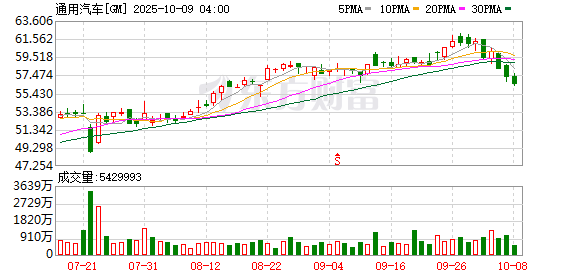
Group 1 - General Motors and its joint ventures are accelerating their electrification process, with Buick's new energy sub-brand "Zhijing" launching its first electric sedan, Zhijing L, in September [1] - Starting this year, all new models launched by Buick in China will be electric vehicles, with the flagship model Buick Shijia expected to be released within the year [1] - By next year, it is projected that the sales proportion of new energy vehicles within the company will exceed 50% [1] Group 2 - In the third quarter, General Motors reported retail sales of approximately 470,000 units in the Chinese market, representing a year-on-year growth of 10.1%, achieving consecutive quarters of sales and market share growth [3] - Buick brand sales in the third quarter increased by 54.3% year-on-year, while Cadillac brand sales grew by 11.2% [3]
全球标准、中国研发、创业心态,上汽通用再出发
晚点LatePost· 2025-04-25 11:01
本土团队主导产品定义和开发流程,上汽通用目标成为转型最快的合资车企。 在大多数老牌车企对电动化转型犹豫时,通用汽车在 2020 年宣布未来五年将在新能源战略投资 200 亿美元,其在华合资公司上汽通用,几乎在同一时间引入奥特能电动化平台并推动电动汽车供应链本 土化。不过,巨头转型虽起步早,但却需要不断平衡市场节奏,进而导致产品面向市场的时候,品牌 认知更新滞后。 上海车展开幕前夕,上汽通用举办 "别克品牌日" 活动,展示别克对智电时代的憧憬和规划:推出全新 高端新能源品牌 "至境",并发布首款旗舰车型 "别克世家"。新车定位超豪华新能源 MPV,由中方主 导开发,基于上汽通用首个本土研发的新能源整车架构 "逍遥" 打造 —— 合资品牌中首个立足中国市 场、针对中国用户、由本土研发团队开发的架构,实现了合资车企的技术本土化突破。 这是上汽通用推进电动化升级、以完善的体系优势重塑品牌形象的开始。未来 12 个月,别克将基于 逍遥架构推出 6 款全新新能源车型,覆盖 MPV、轿车、SUV 全车型,驱动形式包括纯电、插混、增 程。从 2025 年开始,别克在中国推出的全新车型将全部为新能源车。 别克至境 MPV 先导 ...
为什么入华28年的别克,还要再造一个新品牌
2 1 Shi Ji Jing Ji Bao Dao· 2025-04-24 05:17
Core Viewpoint - SAIC-GM aims to rejuvenate its brand at 28 years old, focusing on profitability and launching a new high-end electric vehicle sub-brand "Zhijing" [1][19]. Group 1: Sales and Profitability - In the first quarter, SAIC-GM's terminal sales reached 129,000 units, with operating profits positive for two consecutive quarters, exceeding shareholder expectations [1]. - The company plans for its new energy vehicle sales to account for over 50% by 2026 and 60% by 2027, while still retaining at least 25% market share for fuel vehicles [2]. Group 2: New Brand and Product Strategy - The new sub-brand "Zhijing" aims for profitability, moving away from previous loss-making strategies in the electric vehicle sector [1]. - Over the next 12 months, Buick will launch six new electric models based on the "Xiaoyao" super fusion architecture, with the first being a luxury MPV [9][10]. Group 3: Technological Advancements - The "Xiaoyao" architecture integrates various vehicle types and energy sources, enhancing flexibility and user experience [9]. - A new software and digital center has been established to unify different electronic architectures, improving the overall user experience [5]. Group 4: Historical Context and Challenges - Buick has experienced both success and challenges in the Chinese market, with significant sales peaks and subsequent struggles in the face of the electric vehicle transition [3][4]. - The company faced difficulties in product definition and customer value realization, prompting the launch of the new brand and architecture [4]. Group 5: Organizational Changes - The company is evolving its product development processes to enhance efficiency and responsiveness to market demands, moving away from traditional methods [18]. - Decision-making power has shifted to local engineers, allowing for better alignment between design and functionality [18].
【快讯】每日快讯(2025年4月22日)
乘联分会· 2025-04-22 08:44
点 击 蓝 字 关 注 我 们 1.印度汽车制造协会称2024年出口536万辆汽车 2.土耳其Tofas计划投资生产一款新轻型车 3.西门子斥资1.5亿美元布局加拿大电池研发 4.继与日产汽车合作后 Wayve进军日本市场 目录 国内新闻 1. 吉利醇氢电动商用车将在上海车展展出 2. DeepWay深向重卡完成申通快递首批36台交付 3. 重磅 上汽红岩即将全面复工复产 4. 江淮1卡3款新品重磅齐发 国外新闻 商用车 1 支持有条件的自由贸易试验区深化智能网联汽车道路测试 国内新闻 1.支持有条件的自由贸易试验区深化智能网联汽车道路测试 2.财政部下达2025年第一批节能减排补助资金预算 3.上汽通用别克与Momenta合作推城区辅助驾驶 4.吉利与雷诺集团推出电车改装混动方案 5.2026年悦达起亚计划推出3款产品 6.蔚来成立蔚乐萤汽车销售服务公司 7.比亚迪与沙特阿美宣布就新能源汽车技术开展合作 8.理想超充站突破2100座 2年覆盖31省份219城 本文全文共 4578 字,阅读全文约需 15 分钟 时间:2025.4.22 来源:财联社汽车早报 中共中央、国务院近日印发《关于实施自由贸易试验区提 ...
直击车展|别克发布“逍遥”超级融合架构,未来12个月将推出6款全新新能源车型
Xin Lang Ke Ji· 2025-04-22 06:54
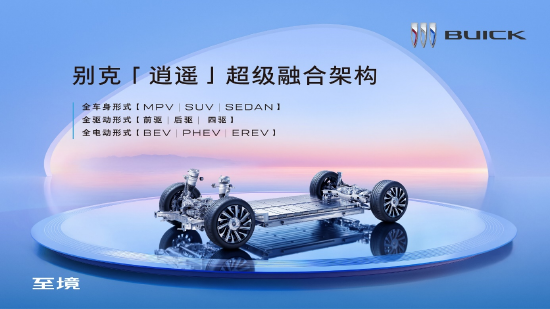
Core Insights - Buick has officially launched a new high-end electric vehicle sub-brand "Zhijing" and introduced the "Xiaoyao" super fusion architecture, which supports multiple vehicle forms and powertrain technologies [1] - The company plans to release six new electric models based on the "Xiaoyao" architecture within the next 12 months, with all new models in China being electric by 2025 [1] - The "Xiaoyao" architecture integrates four major technology domains: power, chassis, intelligent driving, and intelligent cabin [1] Group 1 - The "Xiaoyao" architecture allows for the development of MPV, SUV, and sedan body styles, as well as pure electric, plug-in hybrid, and range-extended powertrains [1] - Buick has partnered with CATL to launch a 6C LFP ultra-fast charging battery, featuring a 900V high-voltage platform and peak charging power of 640kW, enabling a range of 350 kilometers with just 10 minutes of charging [1] - The company will fully deploy L2 urban auxiliary driving technology by 2025, utilizing a data-driven approach without relying on high-precision maps [2] Group 2 - The new intelligent health cabin will feature the Qualcomm 8775 chip, a 50-inch AR-HUD, and an AI model for enhanced user experience [2] - The new generation intelligent chassis system will include RTD variable damping shock absorbers for real-time road condition response, enhancing ride comfort [2] - The high-end luxury MPV "Buick Shijia" will be launched this year, featuring both pure electric and plug-in hybrid powertrains [3]
别克发布高端新能源子品牌“至境”
Zhong Guo Qi Che Bao Wang· 2025-04-22 01:18
Core Insights - Buick has launched a new high-end electric vehicle sub-brand called "Zhijing" and introduced the "Xiaoyao" super fusion architecture, which supports multiple vehicle types and powertrains [1][3][5] - The new architecture will enable Buick to release six new electric models within a year, focusing on the high-end electric vehicle market [1][5][21] - Buick aims to achieve full electrification of its new model lineup in China by 2025, demonstrating a strong commitment to the transition to electric vehicles [5][22] Group 1: New Brand and Architecture - The "Zhijing" sub-brand is positioned to meet the growing demand for high-quality electric vehicles, integrating safety, quality, and value into its products [5][6] - The "Xiaoyao" architecture is the first of its kind developed specifically for the Chinese market, combining four core technology clusters [10][20] - Buick's collaboration with CATL has led to the introduction of the industry's first 6C LFP ultra-fast charging battery, capable of charging for 10 minutes to achieve a range of 350 kilometers [10][13] Group 2: Safety and Technology Innovations - Buick's electric vehicles have achieved a record of 9 billion kilometers driven without self-ignition or fire incidents, emphasizing their commitment to battery safety [11] - The new "Xiaoyao" architecture features advanced safety technologies, including a multi-faceted liquid cooling system for battery safety [11][12] - Buick plans to deploy L2 urban assisted driving technology by 2025, utilizing a data-driven approach without relying on high-precision maps [12][15] Group 3: Market Positioning and Future Plans - The "Zhijing" brand reflects Buick's understanding of the Chinese market and its commitment to integrating global resources with local innovation [5][22] - The upcoming "Buick Shijia," a luxury MPV, will fill a gap in the high-end electric MPV market, showcasing Buick's comprehensive product lineup [21][22] - Buick's strategy emphasizes long-term commitment to innovation and differentiation in the mid-to-high-end market segment [22]
