Lilly(LLY)

Search documents
Wall Street Breakfast Podcast: Regional Bank Worries Drag Futures Lower
Seeking Alpha· 2025-10-17 10:41
Market Overview - Stock index futures are down, with S&P 500 futures declining by 1%, Nasdaq 100 futures by 1.2%, and Dow futures by 0.75% due to concerns regarding the health of regional banks [3] - Major averages on Wall Street closed lower on the previous day [4] Banking Sector - Bank stocks are predominantly losers in early trading, reflecting negative sentiment in the market [5] - Zions Bancorp reported a $50 million charge-off, and Western Alliance alleged fraud on loans, raising concerns reminiscent of the regional bank stress following the SVB collapse in March 2023 [6] Pharmaceutical Sector - Novo Nordisk's stock fell by 4% after President Trump announced a potential reduction in the price of Ozempic, a leading weight-loss medication, which currently has a list price of approximately $1,000 per month [7][10] - Eli Lilly's shares dropped by 5% in premarket trading, as it also produces similar treatments [10] Automotive Sector - Ford is recalling nearly 625,000 vehicles in the U.S. due to seatbelt and rear-view camera display issues [11] - The recall includes 332,778 Ford Mustang cars for seatbelt concerns and 291,901 F-Series trucks for faulty camera displays, with dealers set to address these issues at no charge [12] Technology Sector - Micron Technology's shares decreased by 4% following reports of halting sales of server chips to data centers in China due to a business slump linked to a ban on its products in critical infrastructure [14]


Eli Lilly vs. Viking Therapeutics Stock: Which Is the Best Growth Opportunity, According to Wall Street?
The Motley Fool· 2025-10-17 08:15
Industry Overview - The weight loss drug market is currently valued at approximately $28 billion and is projected to grow to $95 billion by 2030 according to Goldman Sachs Research [1] - Weight loss drugs are significantly boosting revenues for market leaders like Eli Lilly and Novo Nordisk [1] Eli Lilly - Eli Lilly has commercialized tirzepatide for type 2 diabetes and weight loss under the names Mounjaro and Zepbound, respectively, with both products generating blockbuster revenue [3] - Demand for these drugs has been so high that they were on the FDA's drug shortage list for much of the previous year [3] - Lilly has improved supply through investments in manufacturing and by offering Zepbound in single-dose vials, which are easier and cheaper to produce [4] - In the most recent quarter, Lilly's revenue increased by 38% to over $15 billion, with weight loss drugs accounting for more than half of this revenue [5] - Lilly is preparing to submit orforglipron, its oral obesity candidate, for regulatory review worldwide this year [5] Viking Therapeutics - Viking Therapeutics is developing a drug similar to Lilly's, targeting the same hormonal pathways to regulate blood sugar and reduce appetite [7] - The company is currently testing VK2735 in injectable form in a phase 3 trial and in pill form in a phase 2 trial, with positive results reported so far [8] - Investors are attracted to Viking for its weight loss portfolio and the potential for a takeover or partnership, as many companies in the pharma and biotech sectors are interested in entering the weight loss market [9] - Viking is positioned to offer significant growth potential as it approaches the market with its candidates [10] Wall Street Insights - Wall Street's average price forecast for Eli Lilly is $891, indicating a potential 10% increase from the current price, while Viking's forecast is over $92, suggesting a 179% gain [11] - Both companies have more buy recommendations than sell recommendations from analysts [11] - While Viking shows higher growth potential, cautious investors may prefer Lilly due to its established market presence and product offerings [12]


特朗普称“司美格鲁肽药价将大跌”,“减肥双雄”礼来、诺和诺德股价应声重挫
美股IPO· 2025-10-17 07:07
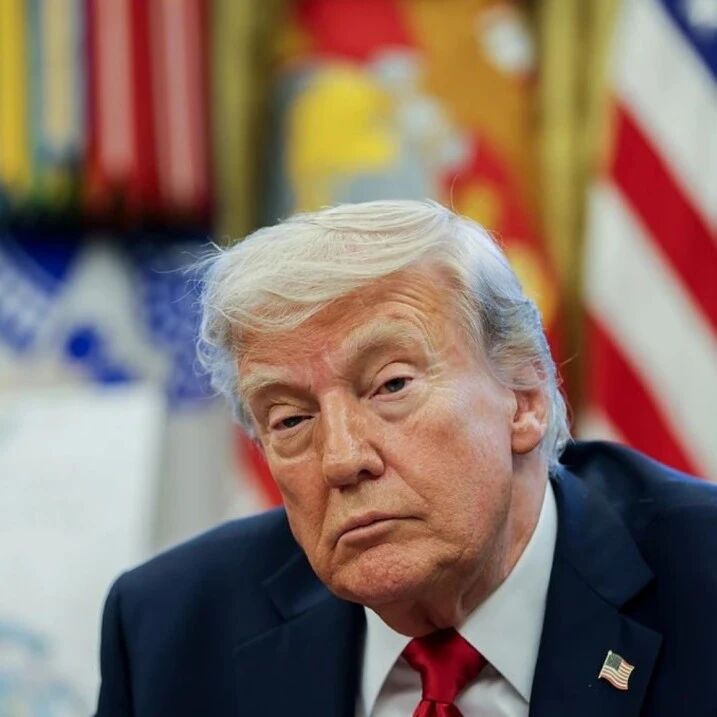
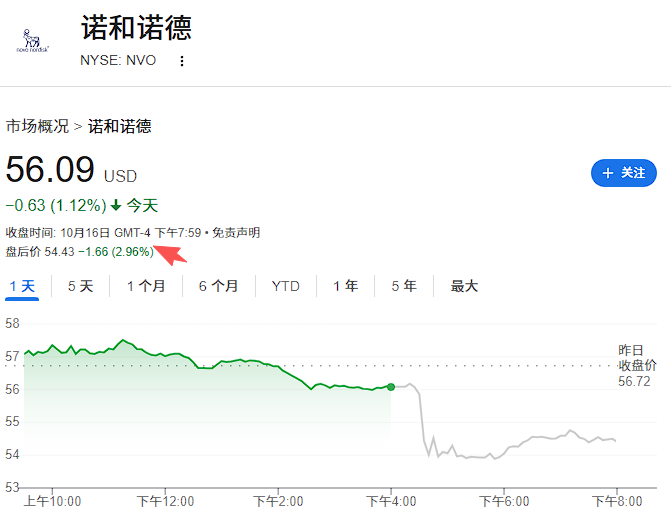
Core Viewpoint - The potential price reduction of the diabetes drug Ozempic from $1,000 to $150 per month announced by former President Trump has caused significant market reactions, particularly affecting the stocks of Novo Nordisk and Eli Lilly, despite clarifications that negotiations are still ongoing [1][3][6]. Group 1: Price Reduction Announcement - Trump stated that the price of Ozempic, produced by Novo Nordisk, could soon drop to $150, which is a significant decrease from the current price of approximately $1,000 per month [3][6]. - Following Trump's announcement, Novo Nordisk's ADR fell by 4.7% and Eli Lilly's stock dropped by up to 5.3% in after-hours trading [3][4]. Group 2: Ongoing Negotiations - CMS head Mehmet Oz clarified that negotiations regarding the price of Ozempic and other GLP-1 drugs are still in progress and no agreements have been finalized [6][7]. - Oz emphasized that the negotiations will be rolled out gradually and will not conclude until the President is satisfied with the results [7]. Group 3: Broader Context of Price Negotiations - The Trump administration has previously reached similar agreements with Pfizer and AstraZeneca, indicating a broader strategy to negotiate drug prices [4][9]. - The GLP-1 class of weight loss drugs, including Ozempic and its sister drug Wegovy, is included in the price negotiation list under the Inflation Reduction Act, facing additional legal pressures [7][8].
特朗普称“司美格鲁肽药价将大跌”,“减肥双雄”礼来、诺和诺德股价应声重挫
Hua Er Jie Jian Wen· 2025-10-17 04:13
Core Viewpoint - President Trump announced that the price of the popular diabetes drug Ozempic could drop to $150 per month, causing significant market reactions and stock declines for Eli Lilly and Novo Nordisk [1]. Group 1: Price Announcement and Market Reaction - Trump stated that the price of Ozempic, currently around $1,000 per month, would "soon significantly decrease" [1]. - Following this announcement, Novo Nordisk's ADR fell by 4.7% and Eli Lilly's stock dropped by up to 5.3% in after-hours trading [1]. Group 2: Ongoing Negotiations - The Centers for Medicare & Medicaid Services (CMS) clarified that price negotiations are still ongoing and no agreement has been reached yet [1][6]. - Ozempic and its sister drug Wegovy are included in the price negotiation list under the Inflation Reduction Act (IRA), facing additional legal pressures [6]. Group 3: Broader Context of Drug Pricing - The Trump administration has previously announced similar agreements with Pfizer and AstraZeneca, indicating a trend of government action against major weight-loss drug manufacturers [5]. - The announcement reflects a strategy by the Trump administration to leverage tariff exemptions in exchange for price reductions, extending from fertility treatment drugs to weight-loss medications [6].
特朗普称减肥药价格将大幅下降 相关药企股价下挫
Ge Long Hui A P P· 2025-10-17 00:02
Group 1 - The core point of the article is that former President Trump suggested that the price of the weight loss drug Ozempic could drop to $150 per month, causing stock prices of Eli Lilly and Novo Nordisk to decline in after-hours trading [1] - Ozempic is currently priced at approximately $1,000 per month in the U.S., and Trump's statement indicates a potential significant reduction in self-pay prices for these medications [1] - Trump's comments also included similar drugs produced by Eli Lilly, such as Wegovy and Zepbound, which are in the same category as Ozempic [1] Group 2 - The head of the Centers for Medicare and Medicaid Services, Mehmet Oz, quickly clarified that price negotiations for these drugs are still ongoing, indicating that the price reduction is not yet finalized [1]
国邦医药Q3净利润同比增超两成;之江生物拟以6000万元至1.2亿元回购公司股份 | 医药早参
Mei Ri Jing Ji Xin Wen· 2025-10-16 23:08
Group 1 - Junshi Biosciences' JS207 received FDA approval for a Phase II/III clinical trial targeting neoadjuvant treatment in resectable, driver gene-negative non-small cell lung cancer patients, enhancing its international expansion and market potential [1] Group 2 - Eli Lilly's oral GLP-1 drug orforglipron demonstrated significant efficacy in two Phase III trials, achieving primary and all key secondary endpoints, including notable reductions in HbA1c, weight loss, and improvements in cardiovascular risk factors, reinforcing its competitive position in the GLP-1 market [2] Group 3 - Guobang Pharmaceutical reported a 23.17% year-on-year increase in net profit for Q3, despite a 5.39% decline in revenue, attributed to improved sales collection and optimized procurement payments, showcasing strong profitability resilience [3] Group 4 - Zhijiang Biopharmaceutical announced a share buyback plan of 60 million to 120 million yuan to support employee stock ownership plans or equity incentives, reflecting confidence in long-term development and aiming to strengthen core team commitment [4]


X @Bloomberg
Bloomberg· 2025-10-16 22:52
Lilly and Novo shares fell in late trading after President Trump said the price of the blockbuster diabetes drug Ozempic could come down to just $150 a month https://t.co/TfhUDSLG7m ...
Novo Nordisk Stock Seen Undervalued Despite Pullback and 2026 Growth Focus
Investing· 2025-10-16 15:13
Core Insights - The article provides a market analysis focusing on Eli Lilly and Company, Novo Nordisk A/S, and Akero Therapeutics Inc, highlighting their performance and market trends [1] Company Analysis - Eli Lilly and Company has shown significant growth in its diabetes and obesity treatment segments, contributing to its overall revenue increase [1] - Novo Nordisk A/S continues to dominate the diabetes care market, with strong sales figures and a robust pipeline of new products [1] - Akero Therapeutics Inc is emerging in the liver disease treatment space, with promising clinical trial results that could enhance its market position [1] Industry Trends - The diabetes and obesity treatment market is experiencing rapid growth, driven by increasing prevalence rates and rising healthcare expenditures [1] - There is a growing focus on innovative therapies and personalized medicine within the pharmaceutical industry, particularly in the treatment of chronic diseases [1] - Regulatory changes and advancements in technology are shaping the competitive landscape, providing both opportunities and challenges for companies in the sector [1]


阿里、京东、美团,争着「发钱」喊你减肥
3 6 Ke· 2025-10-16 14:13
Core Insights - The GLP-1 weight loss market is experiencing significant investment and growth, with a notable $600 million Series B funding for NewCo, a subsidiary of Heng Rui Pharmaceutical, indicating strong capital interest in the sector [3][4] - The focus has shifted from merely developing successful GLP-1 drugs to efficiently commercializing them, as evidenced by the increasing number of IPO filings and soaring stock prices of listed companies [3][4] - The competitive landscape is intensifying, with five GLP-1 injection products already approved in China and many more in development, leading to a need for effective commercialization strategies [4][8] Investment and Market Dynamics - The GLP-1 weight loss market is projected to exceed 30 billion by 2030, with e-commerce expected to capture over 50% of this market share [6][12] - Companies are increasingly turning to e-commerce platforms to enhance sales, as traditional hospital channels face regulatory and logistical challenges [5][8] - The shift towards consumer-focused marketing strategies is evident, with companies prioritizing consumer awareness and engagement over traditional prescription-based approaches [7][16] E-commerce Strategies - Major pharmaceutical companies are forming partnerships with e-commerce platforms to facilitate the sale of GLP-1 products, with notable collaborations between Novo Nordisk, Eli Lilly, and platforms like JD Health and Meituan [8][12] - Innovative marketing campaigns, such as "money-back guarantees" for weight loss, are being employed to attract consumers and drive sales [9][10] - The competitive advantage in e-commerce is increasingly tied to logistics capabilities, particularly cold chain logistics, which are essential for the distribution of GLP-1 injection products [16][17] Future Outlook - The industry is witnessing a rapid transformation, with a focus on creating a consumer-friendly environment for GLP-1 products, which were previously treated as prescription-only medications [7][8] - The potential for a billion-dollar market in GLP-1 products is anticipated, contingent on healthy competition and effective marketing strategies [17]