Marriott International(MAR)

Search documents
外资五星酒店摘牌潮来了?
Hu Xiu· 2025-09-01 00:06
Core Viewpoint - The article discusses the recent trend of foreign hotel brands, particularly in China, facing challenges and withdrawing from the market, with local brands taking over these properties. This reflects broader issues within the hospitality industry, including financial pressures on property owners and changing market dynamics. Group 1: Recent Developments in Hotel Brand Withdrawals - The Westin Hotel in Xiamen has been delisted, raising questions about compensation for guests with reservations [2][4] - Three Hyatt hotels in Jiangsu, previously under Suning Group, have also been delisted and rebranded as Suning Galaxy International Hotels [8][11] - The Grand Hyatt in Nanchang will stop using the Hyatt brand and is expected to be taken over by a local chain, Walton Hotels [13][14] Group 2: Broader Trends in the Hospitality Industry - The article notes a significant increase in hotel brand withdrawals this year, with both the highest Hyatt and highest Huayi hotels being delisted [20][21] - Many of the delisted hotels are owned by real estate companies facing financial difficulties, indicating a trend of downsizing and cost-cutting in the industry [22][23] - Since 2020, numerous foreign luxury hotels have been put up for sale, but many have not found buyers, leading to a situation where high-end properties are available but not sold [25][26] Group 3: Financial Pressures and Management Costs - The management fees for foreign hotel brands have become burdensome for property owners, contributing to the trend of delisting [29][30] - There is a growing disparity between the expectations of brand owners and property owners, with the latter prioritizing cash flow over brand prestige [32][33] - Local hotel management teams offer lower costs and more flexible processes, making them attractive alternatives for property owners [34][35] Group 4: Future Prospects for Foreign Hotel Brands - Despite the challenges, there is still potential for growth for international hotel brands in China, as indicated by new openings in promising locations [39][40] - Foreign brands are increasingly targeting the mid-range and affordable luxury markets to adapt to economic fluctuations and broaden their customer base [43][44] - The focus is shifting from merely being a city landmark to ensuring profitability and customer service, with a need for brands to balance costs and market expectations [48][49]


希尔顿、万豪们悄悄清算行政酒廊
虎嗅APP· 2025-08-21 14:11
Core Viewpoint - The article discusses the quiet phase-out of executive lounges in Hilton and Marriott hotels, indicating a shift in the hotel industry's approach to amenities in response to changing market conditions and consumer expectations [4][10][27]. Group 1: Changes in Executive Lounges - Recent reports suggest that Hilton Garden Inn hotels may cancel executive lounges, allowing for alternative service options during operational hours [4][5]. - New Hilton Garden Inn hotels have not included executive lounge services, with some locations offering limited alternatives in public areas instead [5][9]. - Marriott has also closed executive lounges in several locations, indicating a broader trend of reducing such amenities across brands [11][12]. Group 2: Market Dynamics and Brand Positioning - The perception that mid-to-high-end international hotels must include executive lounges has been prevalent, driven by competitive differentiation and customer expectations [13][14]. - As economic conditions decline, the operational costs associated with maintaining executive lounges have led to their removal as a cost-cutting measure [16][17]. - The article highlights that brands like Marriott and Hilton have historically over-delivered on amenities, but this is no longer sustainable in the current market environment [18][19]. Group 3: Strategic Adjustments - The cancellation of executive lounges represents a broader commercial reality check for the hotel industry, aligning offerings with brand positioning and market expectations [27][30]. - Some hotels are opting to upgrade their brand positioning rather than maintain underperforming amenities, as seen with Hilton Garden Inn locations transitioning to the Hilton brand [28][29]. - The article suggests that a more selective approach to lounge access, similar to InterContinental Hotels Group's strategy, could help maintain the value of executive lounges for frequent travelers [29][32]. Group 4: Implications for Hotel Operations - The removal of executive lounges may relieve operational pressures on hotel staff, allowing them to focus on core services rather than maintaining additional amenities [30][31]. - The article concludes that while executive lounges may persist in high-end hotels, they are likely to disappear from mid-range brands, reflecting a shift in consumer expectations and operational realities [32][33].

“求师”希尔顿,万豪改名先从万枫着手
3 6 Ke· 2025-08-20 05:55
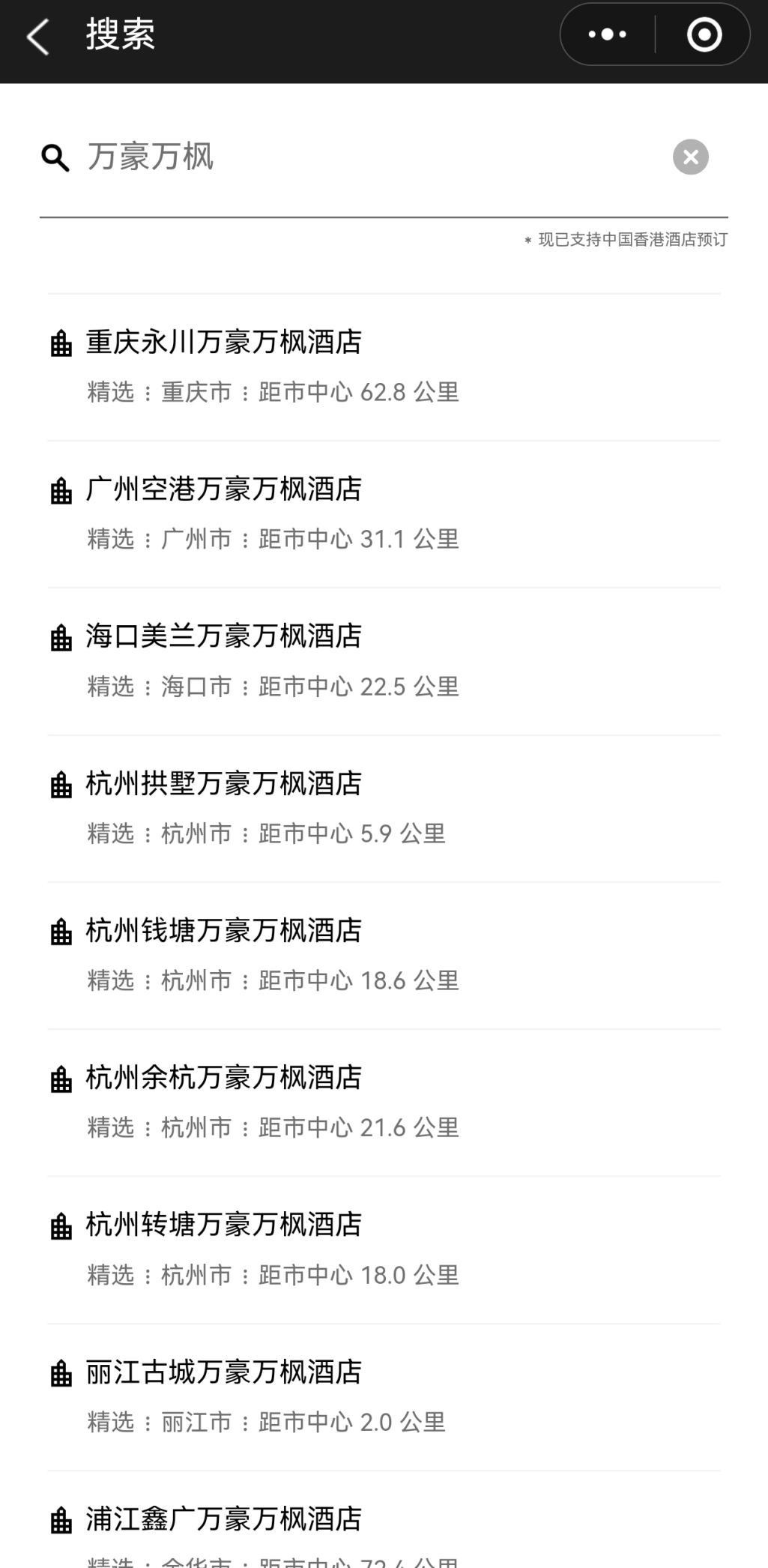
Core Insights - Marriott has officially rebranded its Four Points hotel chain to "Marriott Four Points," indicating a strategic move to enhance brand recognition and market presence in China [1][4][14] - The rebranding aims to leverage the "Marriott" name to attract more customers and increase pricing power, similar to strategies employed by competitors like Hilton [1][5][14] Brand Strategy - The addition of "Marriott" to the Four Points name is expected to improve brand visibility and consumer understanding of its affiliation with the Marriott Group, addressing previous brand confusion [4][15] - The rebranding aligns with a broader trend in the hospitality industry where brands are increasingly incorporating parent company names to enhance perceived value [5][14] Market Context - The Four Points brand has struggled to gain traction in the Chinese market since its entry in 2016, with only around 200 locations compared to Hilton's 500 for its comparable brand [4][12] - The Chinese mid-to-high-end hotel market is rapidly growing, and Marriott aims to capitalize on this trend by positioning Four Points as a more recognizable option [12][14] Financial Performance - In Q2, Marriott's global hotel revenue grew by 5%, but the Greater China region experienced a decline in RevPAR by 0.5%, indicating challenges in this market [11][12] - The need for Marriott to improve its performance in China is critical, as it currently lags behind other regions in profitability [12][14] Competitive Landscape - The rebranding is partly inspired by the success of Hilton's brands, which have effectively utilized their parent name to enhance market presence [5][17] - Marriott's strategy reflects a deeper understanding of the Chinese consumer market, although it may dilute the luxury perception of the Marriott brand among high-end clientele [18]
头部国际酒店集团Q2财报出炉,大中华区又遇冷了
Sou Hu Cai Jing· 2025-08-20 05:55
Core Insights - The international hotel groups are experiencing robust global growth, but the Greater China region is showing a decline in performance [1][13]. Group 1: Marriott International - In Q2 2025, Marriott's global hotel revenue increased by 5% to $6.74 billion, with RevPAR at $136, up 1.5% year-over-year [2][4]. - In Greater China, RevPAR decreased by 0.5% to $80.06, while occupancy rose by 0.5 percentage points to 68.6% [3][4]. Group 2: InterContinental Hotels Group (IHG) - IHG's global RevPAR was $91.45, a 0.3% increase, with occupancy at 69.7%, down 0.2 percentage points [4]. - In Greater China, all key metrics declined: RevPAR fell by 3% to $40.49, occupancy decreased to 60%, and ADR dropped by 2.9% to $67.51 [4][5]. Group 3: Hilton Worldwide - Hilton reported a global revenue of $3.14 billion, a 6% increase, with RevPAR at $121.79, down 0.5% [5][6]. - The Asia Pacific region showed a slow recovery, with China underperforming compared to Southeast Asia [6][20]. Group 4: Hyatt Hotels - Hyatt's global RevPAR was $151, up 1.6%, with occupancy at 73.1%, an increase of 0.5 percentage points [7][9]. - In Greater China, RevPAR increased by 2.1% to $85, while ADR decreased by 3.1% to $117 [9]. Group 5: Wyndham Hotels & Resorts - Wyndham's net income reached $87 million, a 1% increase, with global RevPAR at $47.55, down 3% year-over-year [10][11]. - The Chinese market faced challenges, with RevPAR declining by 8% [11][12]. Group 6: Market Challenges in Greater China - The decline in performance for international hotel brands in China is attributed to external factors such as tightened government budgets and increased competition from domestic hotels [15][16]. - Domestic hotels are enhancing service quality and competitive pricing, impacting international brands' market share [17][18]. Group 7: Strategies for Recovery - International hotel groups are focusing on expanding their presence in China and adapting to local market preferences [19][20]. - Strategies include leveraging social media for marketing, enhancing customer engagement through localized loyalty programs, and integrating local cultural elements into service offerings [20].

希尔顿、万豪们悄悄清算行政酒廊
3 6 Ke· 2025-08-19 01:22
Core Insights - The cancellation of executive lounges in foreign hotel brands like Hilton and Marriott reflects a broader trend of cost-cutting in the hospitality industry, particularly in China [2][6][20] - The shift away from executive lounges is not an isolated incident but part of a strategic repositioning of hotel brands in response to changing market conditions [20][24] Group 1: Changes in Hotel Operations - Hilton Garden Inn has been quietly phasing out executive lounges in newly opened hotels, with many locations not offering this service despite initial plans [2][4] - Marriott's Courtyard brand has also permanently closed executive lounges in several locations, indicating a trend of reducing amenities that were once considered standard [4][6] - The experience of executive lounges has diminished, with reports of reduced quality in offerings, leading to a perception that these spaces are no longer exclusive or valuable [4][5] Group 2: Market Dynamics - The perception that mid-to-high-end international hotels must include executive lounges has been shaped by years of competitive differentiation and over-provisioning during economic growth [7][10] - As economic conditions have worsened, the demand for such amenities has decreased, making executive lounges one of the first areas to be cut [9][10] - The shift reflects a broader trend of value return in the hotel industry, where brands are reassessing their offerings based on market realities [10][20] Group 3: Brand Positioning and Strategy - Brands like Hilton and Marriott are reconsidering their market positioning, with some properties upgrading to full Hilton branding to align with consumer expectations [21][23] - The approach of IHG (InterContinental Hotels Group) to limit access to executive lounges based on membership criteria serves as a potential model for maintaining exclusivity and quality [23] - The decision to retain or eliminate executive lounges ultimately hinges on whether they are core to a brand's identity or merely a superficial addition [24]
“三无酒店”时代来临:希尔顿、万豪们取消行政酒廊
Hu Xiu· 2025-08-19 00:28
Core Viewpoint - The recent discussions about the potential cancellation of executive lounges in Hilton Garden Inn hotels reflect a broader trend in the hotel industry, where many mid-range international hotel brands are reevaluating their service offerings in response to changing market conditions and cost pressures [1][10][17]. Group 1: Changes in Executive Lounge Offerings - There are reports that some Hilton Garden Inn hotels have received notifications allowing for the cancellation of executive lounges, with alternative services provided in public areas like the lobby bar [1][2][5]. - New Hilton Garden Inn hotels have been opening without executive lounge services, indicating a shift in operational standards [3][4]. - The trend of removing executive lounges is not unique to Hilton, as Marriott has also permanently closed executive lounges in several of its hotels [11][13][14]. Group 2: Market Dynamics and Brand Positioning - The perception that mid-to-high-end international hotels must include executive lounges has been prevalent, but this is changing as economic conditions shift [18][22]. - The previous strategy of "over-provisioning" amenities to attract customers is becoming unsustainable in a down market, leading to the removal of executive lounges as a cost-saving measure [20][21][23]. - Brands like Hilton Garden Inn and Marriott are reassessing their positioning, with some properties upgrading to full Hilton branding to better align with market expectations [39][40]. Group 3: Customer Experience and Brand Strategy - The experience of executive lounges has diminished, with complaints about the quality of offerings, leading to a perception that they are no longer valuable [15][16][30]. - The shift away from executive lounges may also reflect a broader strategy to streamline operations and reduce costs, particularly as hotel owners face financial pressures [34][36]. - The future of executive lounges in mid-range hotels appears uncertain, with a likelihood of their continued existence in high-end hotels but a decline in mid-range offerings [51].

“五星级服务”豪宅,会抢走酒店生意吗?
Xin Lang Cai Jing· 2025-08-18 06:25
Core Insights - The emergence of branded residential properties, such as W Residences Singapore Marina View, combines luxury hotel services with high-end living, catering to affluent individuals seeking both comfort and exclusivity [1][2] - The trend of "residential hotelization" has become prevalent, with many high-end residential projects emphasizing five-star hotel services as a key selling point [2][3] - The evolution of hotel-branded residences can be categorized into three phases, with the current phase (3.0) focusing on shared spaces and integrated services [3][4] Market Trends - The integration of hotel services into residential properties has become a common practice, with developers responding to changing consumer demands for luxury and personalized services [2][5] - High-end residential properties are increasingly adopting hotel-like amenities and services, leading to a redefined competitive landscape in the luxury real estate market [2][5] - The demand for branded residences is driven by the desire for a unique lifestyle experience, where buyers are not just purchasing property but also a brand identity [5][9] Consumer Preferences - Affluent buyers are drawn to hotel-branded residences for their combination of privacy, luxury, and high-quality service, which traditional high-end apartments may lack [5][6] - The value of branded residences extends beyond physical space, as they offer networking opportunities and access to exclusive services, making them attractive to high-net-worth individuals [9][10] - The rise of luxury brands entering the residential market reflects a shift in consumer preferences towards personalized and high-end living experiences [10][11] Developer Strategies - Developers leverage hotel brands to enhance property value and attract affluent buyers, with brand scarcity becoming a critical factor in high-end real estate [8][9] - The collaboration between developers and hotel brands creates a symbiotic relationship, where both parties benefit from shared resources and customer data [7][8] - The business model for hotel-branded residences often involves lower capital investment for hotel brands, allowing for flexible expansion into the luxury residential market [7][14] Future Outlook - The boundaries between hotels and residential properties are increasingly blurring, with both sectors adapting to meet evolving consumer demands for comfort and luxury [11][12] - The trend of integrating hotel services into residential living is expected to continue, as high-net-worth individuals seek unique living environments that offer both privacy and luxury [11][15] - The future of hotel-branded residences will likely involve further innovation in service delivery and property management, enhancing the overall living experience for residents [15]
Prediction: This Dividend Stock Will Beat the Market Over the Next 5 Years
The Motley Fool· 2025-08-08 07:51
Core Viewpoint - Despite being out of favor on Wall Street with a year-to-date decline of nearly 7%, Marriott International is actively repurchasing a significant amount of stock, presenting potential investment opportunities amidst the AI stock momentum [1] Financial Performance - In the second quarter, Marriott reported a 6% year-over-year increase in adjusted revenue, exceeding $1.8 billion, alongside a similar rise in adjusted earnings per share [4] - Revenue per available room (RevPAR) increased by 1.5% globally in Q2, indicating the company's pricing power even in a challenging macroeconomic environment [9] Growth Drivers - Marriott's net rooms growth is projected to approach 5% for the full year, showcasing the company's expansion strategy [5] - The loyalty program, Marriott Bonvoy, has grown to 248 million members, an 18% increase year-over-year, with 69% of rooms booked globally in Q2 coming from these members [6] - Co-branded credit card fees have risen approximately 10% year-over-year, reflecting strong global card spending [7] - Strategic partnerships with companies like Uber and Starbucks are enhancing customer engagement and loyalty [8] Capital Return Program - Marriott plans to return about $4 billion, approximately 6% of its current market capitalization, to shareholders through dividends and share repurchases during 2025 [12] - The company has a history of steadily growing its dividend, making it an attractive option for dividend-seeking investors [10][13] Investment Outlook - With diversified growth drivers, a dividend yield exceeding 1%, and a reasonable valuation, Marriott is positioned as a solid dividend stock for long-term investment [13]
Marriott International Declares Quarterly Cash Dividend and Increases Share Buyback Authorization
Prnewswire· 2025-08-07 17:00
Core Points - Marriott International, Inc. declared a quarterly cash dividend of 67 cents per share, payable on September 30, 2025, to shareholders of record as of August 21, 2025 [1] - The board increased the authorization to repurchase Class A common stock by an additional 25 million shares, in addition to approximately 7.4 million shares remaining from prior authorizations [1] - Year-to-date through July 30, 2025, the company repurchased 6.4 million shares for a total of $1.7 billion [1] Company Overview - Marriott International, Inc. is based in Bethesda, Maryland, and operates a portfolio of over 9,600 properties across more than 30 brands in 143 countries and territories [2] - The company engages in the operation, franchising, and licensing of hotel, residential, timeshare, and other lodging properties globally [2] - Marriott offers the Marriott Bonvoy® travel platform, which is highly awarded [2]

下调业绩预期后,万豪要做中档酒店生意
Guo Ji Jin Rong Bao· 2025-08-07 14:01
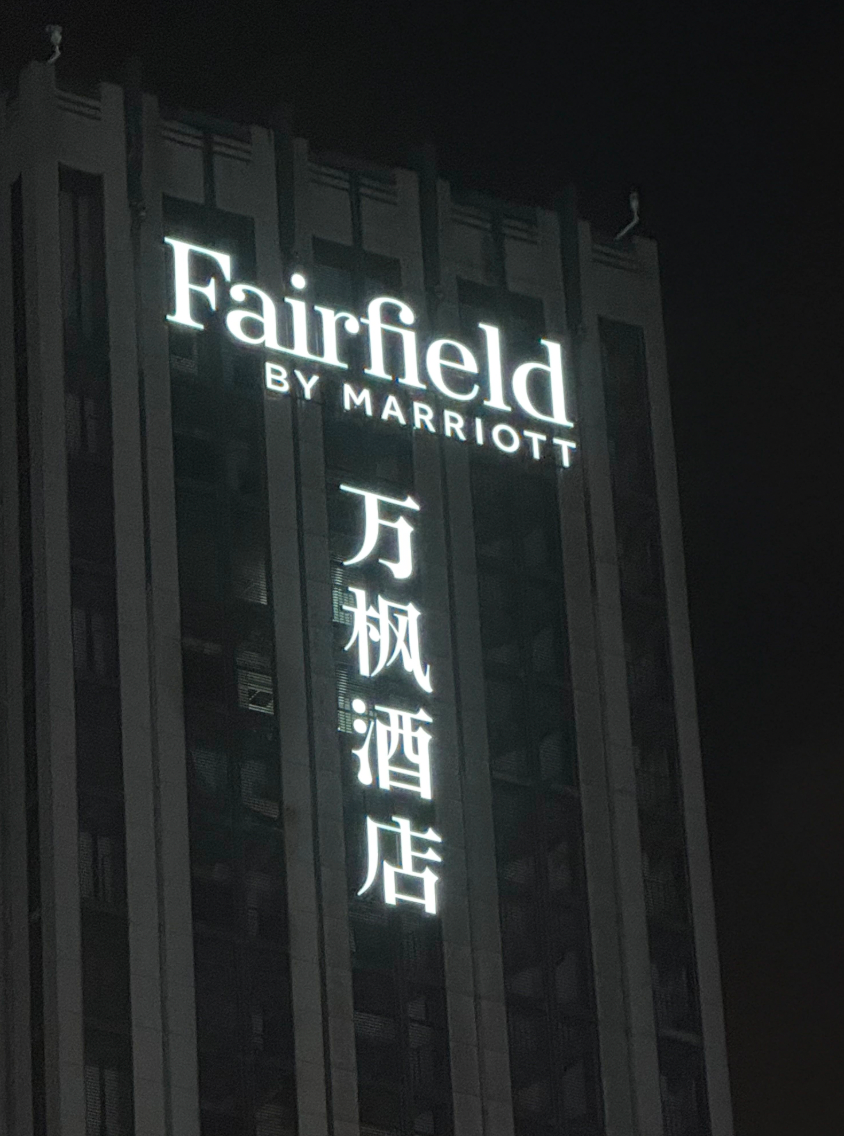
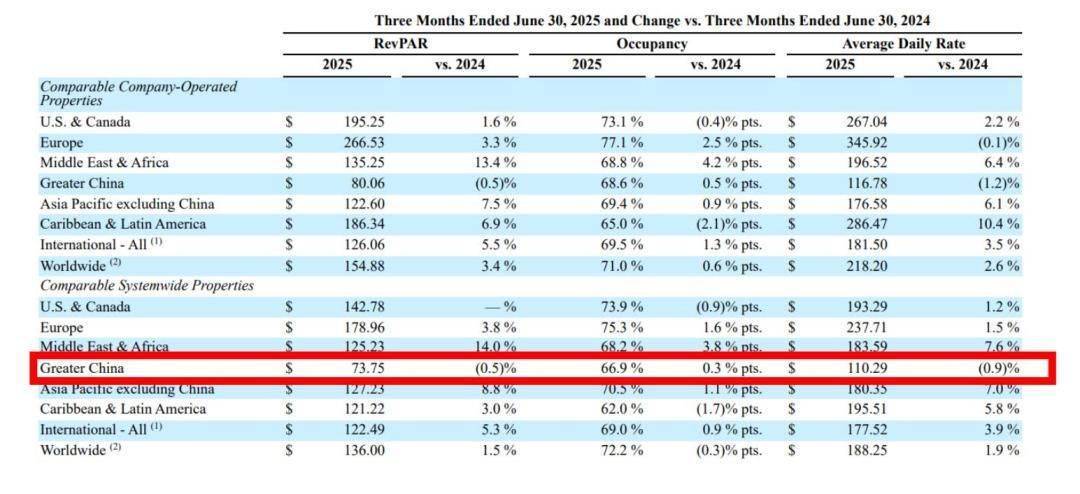
Core Viewpoint - Marriott's brand transformation of its Fairfield Inn in China reflects its commitment to deepening its market presence in the region, which has become a significant growth engine for the company despite facing challenges in the Greater China market [1][3]. Group 1: Financial Performance - In Q2, Marriott reported total revenue of approximately $6.744 billion, a year-on-year increase of 4.73%, while net profit was about $763 million, a decrease of 1.17% [5]. - Adjusted net profit for the same period was approximately $728 million, reflecting a year-on-year growth of 1.68% [5]. - Adjusted EBITDA for Q2 was around $1.415 billion [5]. Group 2: Market Performance - In the Greater China region, RevPAR (Revenue per Available Room) saw a year-on-year decline of 0.5%, amounting to $73.75, while occupancy (OCC) was at 66.9%, showing a slight increase of 0.3 percentage points [6][7]. - For the first half of the year, Greater China's RevPAR decreased by 1% to $73.19, with an OCC of 65.1% [8][9]. - Globally, Marriott's OCC was 72.2%, a decrease of 0.3 percentage points, with the highest OCC in Europe at 75.3% [7]. Group 3: Business Outlook - Marriott's CEO indicated that despite macroeconomic uncertainties, global RevPAR grew by 1.5% in Q2, driven by leisure travel, although demand for select service hotels has declined [11]. - The company anticipates a net room growth of nearly 5% for the year, with a focus on the midscale to upscale market [14][13]. - Marriott has adjusted its revenue growth expectations for 2025 to a range of 1.5% to 2.5%, with adjusted earnings per share projected between $9.85 and $10.08 [15].